Nestled quietly beneath the shadow of the majestic Tianshan Mountains, Urumqi (乌鲁木齐)—a land whose name in the Mongolian language profoundly means a “fine pasture”—harbors deep within itself a frontier historical chapter full of sandstorms, cultural exchanges, and profound transformations. Turning the pages of history across the vast expanse of the Western Regions, this place was not merely a resting post along the legendary Silk Road, but also a strategic geopolitical hinge connecting the Junggar Basin with the Tarim Basin, witnessing countless shifts of dynastic rulers over centuries.
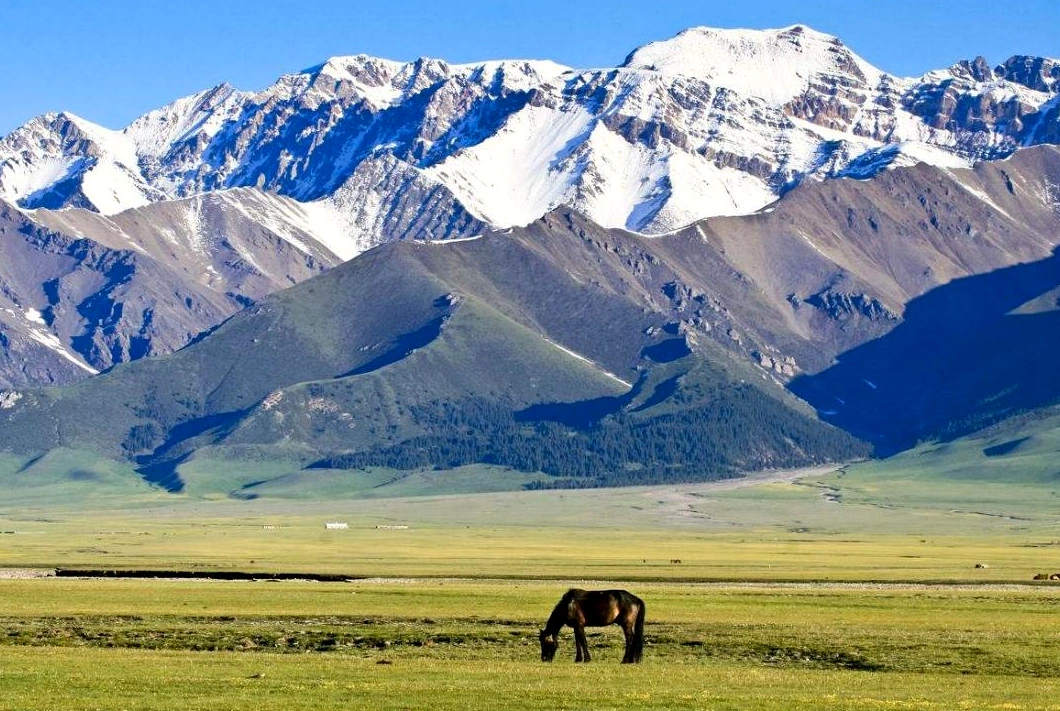
Looking back through time to the glorious Han and Tang dynasties, this region once fell under the direct administrative governance of the Protectorate General of the Western Regions and the pivotal Tingzhou area. Historical records still preserve the imprint of Gulu Terrace, which once welcomed the wandering steps of poet Cen Shen, who borrowed cups of sorrow-relieving wine to compose verses laden with frontier colors. However, it was not until the Qing dynasty, under the bold reign of Emperor Qianlong, that the urban appearance and structural configuration of Urumqi were truly outlined on the empire’s map. In 1755, after the Qing court pacified the Dzungar tribes, a new chapter in frontier statecraft was officially opened.
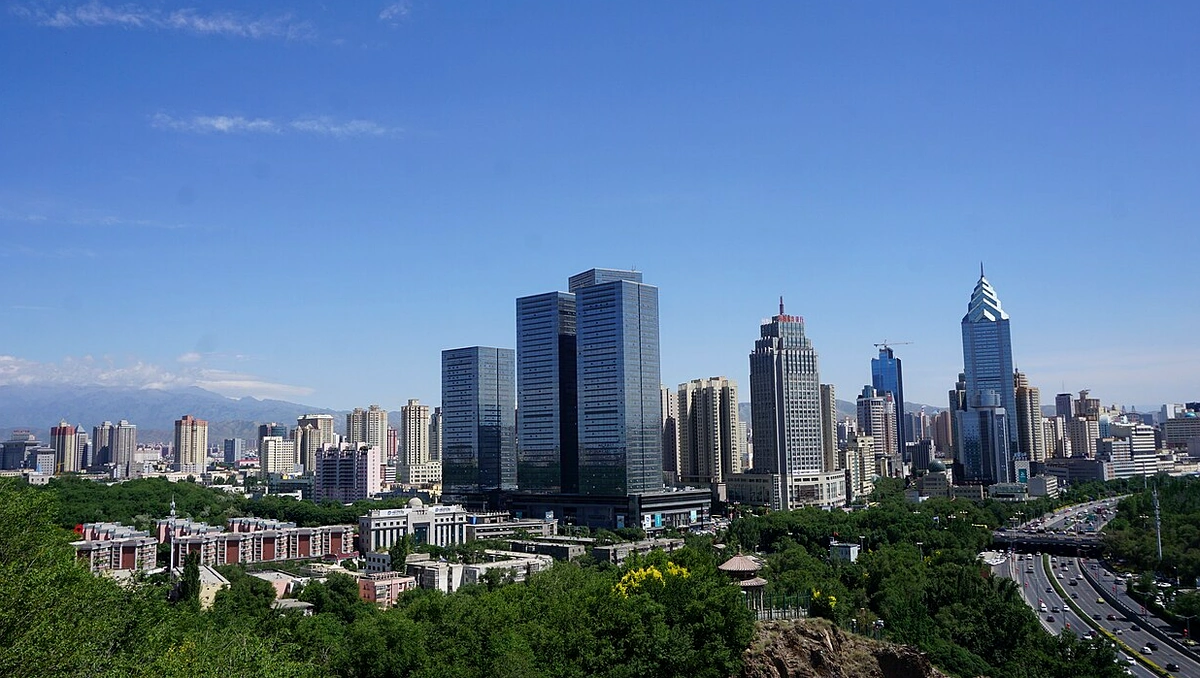
By 1763, the 28th year of Qianlong’s reign, the Qing court ordered the construction of a fortified earthen city and promulgated a new name deeply imbued with Confucian ideology: “Dihua”, bearing the profound meaning of “enlightening and transforming through education”, reflecting the desire to civilize and propagate Central Plains civilization into the desert wilderness. Under the military command and effective agricultural colonization led by prominent generals of that era such as Zhaohui and Yonggui, Dihua gradually transformed into a prosperous military and agricultural hub in the heart of Tianshan. Endless agricultural colonies and canal systems gradually emerged, turning the arid land into a solid food-supply fortress for the Qing army.
As time passed, Dihua was not merely a place of swords and spears, but also a site of exile for many great scholars and intellectuals, inadvertently creating silent developmental turning points for local culture. In 1839, the upright statesman Lin Zexu, while exiled by the court to this harsh frontier, did not flinch from his circumstances. He directly inspected, studied, and promoted the application and improvement of Karez irrigation techniques—a miraculous underground water conduit system helping irrigate thirsty fields, leaving behind an invaluable legacy for the local ethnic communities. Decades later, in 1875, renowned general Zuo Zongtang led a massive army westward to recover every inch of territory eyed by foreign powers. With grand strategic vision, by 1884, he submitted a memorial recommending the establishment of Xinjiang Province and officially designated Dihua as the first administrative capital of this new territory.
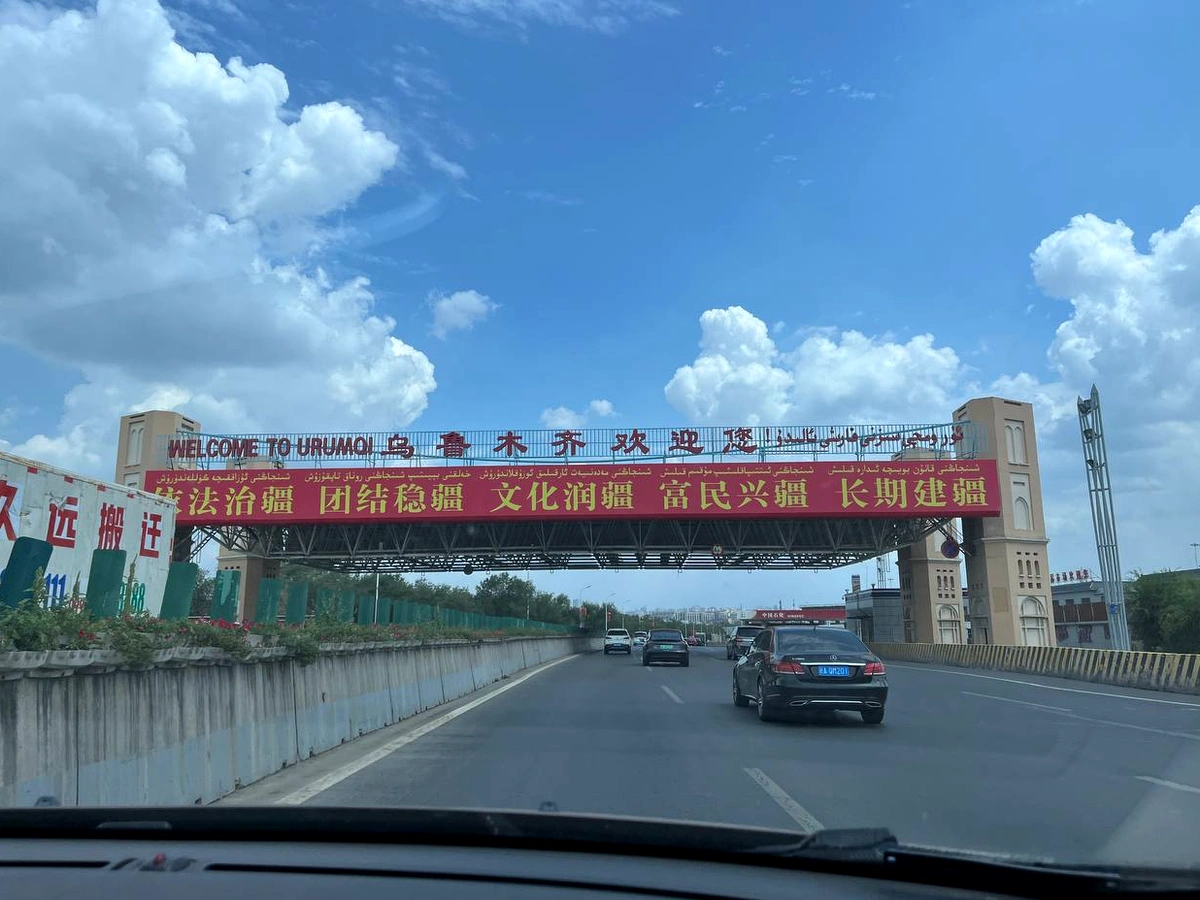
Through all the ups and downs of modern history, by 1954, the revolutionary government decided to restore the original traditional name carrying the indigenous river-and-mountain soul: Urumqi. Today, the traces of that heroic past are fully preserved through precious stele inscriptions and epigraphs such as the “Illustrative Records of the Western Regions” alongside numerous imperial merit steles displayed prominently in major museums. They stand tall as golden witnesses to a fiery era of pioneering and reclaiming territory, affirming the resilient vitality of a central metropolis in the heart of Xinjiang’s vast wilderness.
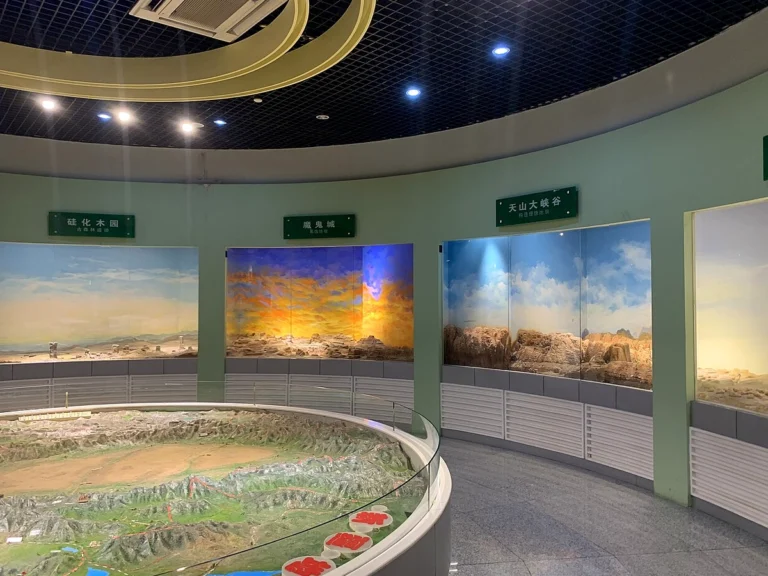
Urumqi emerges in the heart of the Eurasian continent not only as a legendary trading junction but also as a masterpiece of topographical creation and master ecological planning by humanity. Stepping onto the precise coordinates of 43°48′ North and 87°35′ East, travelers immediately touch the “Geographical Center of the Asian Continent”—also known as Asia’s Heart, the absolute balancing point of the old continent’s heart. Geomorphologically, the city is situated in the middle section of northern Tianshan, right beneath the majestic shadow of Bogda Peak, which is covered in pristine white snow year-round. The local terrain is formed from a very distinctive oasis plain, nourished and shaped by giant piedmont alluvial fan systems where, for millions of years, melting glacier water from highland ravines has diligently carried silt and gravel to create fertile belts amidst the ring of deserts and perilous mountains.
From the perspective of traditional Eastern feng shui, Urumqi is the perfect embodiment of the philosophy of “backing mountains and facing rivers”—leaning against green mountains and facing the mother river. The city possesses a remarkably solid three-sided enclosed mountain configuration; its northern side borders the vast, wind-swept Junggar Basin, while its entire rear is protected by a natural mountain system consisting of Hongmiaozi Mountain and Yamaq Mountain. The sheltering presence of these hills and mountains not only creates a solid fortress wall blocking devastating dust storms pouring from the north, but also nurtures a uniquely distinct sub-region microclimate, turning this place into a safe, prosperous transit stop across centuries of warfare and cultural accumulation.
Opposite to that solid backing is the lifeblood of the entire urban area: the Urumqi River valley, historically known as the Shuimogou River. The technical and hydrological procedures here demonstrate humanity’s extraordinary adaptive wisdom before a harsh arid continental climate. The Shuimogou system thoroughly utilized precious melting ice water resources from the Tianshan Mountains, distributing flow through a scientific network of underground ditches and canals to regulate temperatures, supply domestic water to residential areas, and irrigate surrounding green agricultural belts. This cool, fresh water has served as the lifeblood, nurturing life and establishing a solid settlement system, turning a land that initially appeared arid into a bustling metropolitan center along the Northern Silk Road.
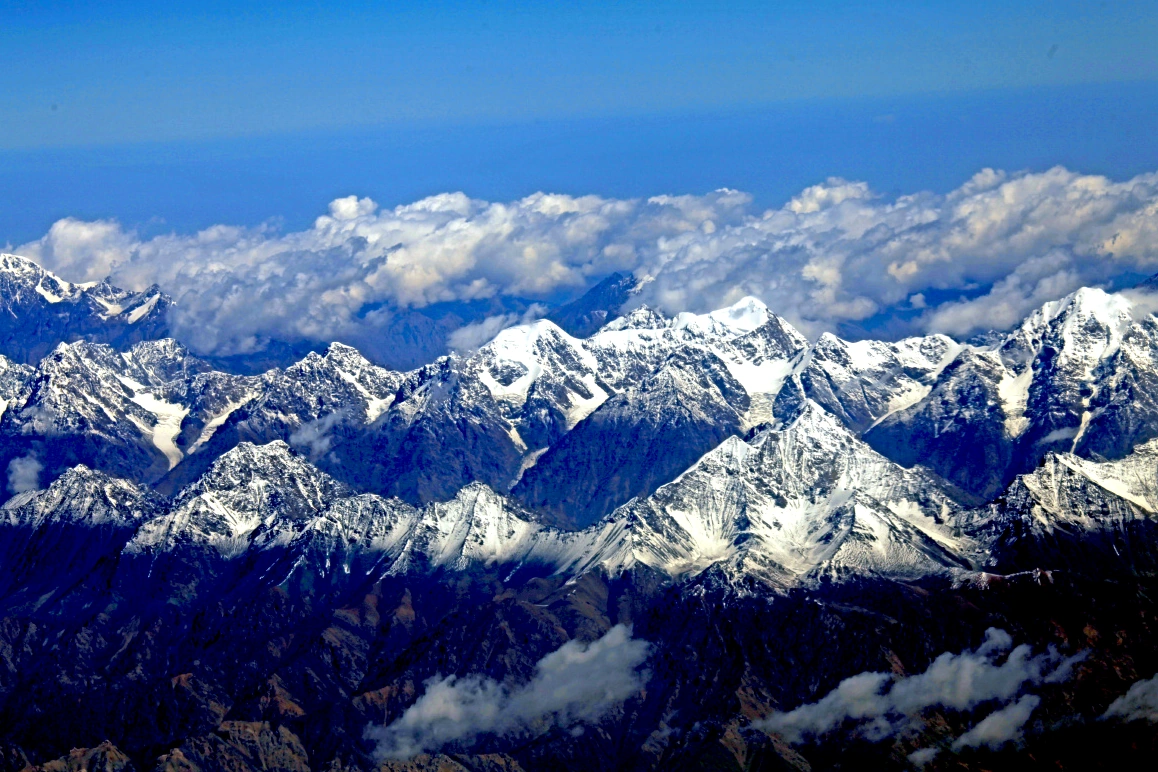
The harmonious combination of natural geographical morphology and artificial spatial planning has endowed Urumqi with a distinct landscape that blends with no other place in the world. There, the raw, magnificent grandeur of permanent snow peaks and gravelly plains harmonizes completely with the bustling life of ancient markets and architecture imbued with deep Eurasian cultural exchanges. Both ancient and modern planners, when laying the foundations for Urumqi, respected natural laws absolutely, allowing the city to develop in accordance with terrain flow while maximizing energy sources from mountain winds and headwaters. Across layers of time, this spatial structure not only ensures ecological sustainability but also portrays a grand feng shui canvas where nature and humans coexist in a powerful symphony across Xinjiang’s wilderness.
Urumqi, a land intersecting the heart of the Mainland and the depths of the Western Regions, has long boasted a unique architectural appearance where the construction art of diverse ethnic groups harmonizes within an urban space bearing deep historical marks. From the era when Dihua City under the Qing dynasty served as a military fortress combined with a frontier administrative center, its spatial structure was shaped by strict central court standards combined with harsh desert and grassland topographical realities. History records that Dihua City at that time had a perimeter of up to nine miles, featuring gates positioned along the eight celestial directions and a square checkerboard street layout strictly adhering to traditional feudal ritual systems. However, what makes Urumqi’s architectural space endure is not merely its ancient city walls or the planning hands of Qing ministers, but the skillful synthesis of Han, Manchu, Hui, and Uyghur cultures over centuries.
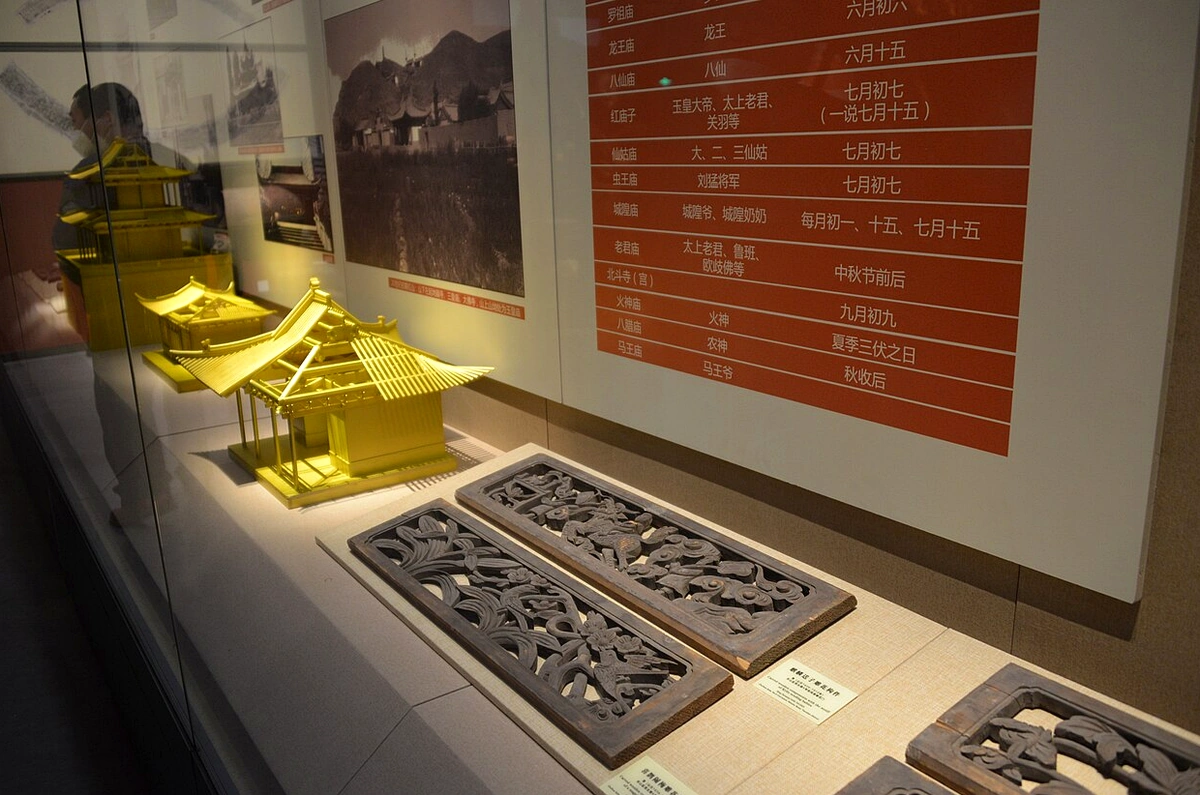
Delving into crafting techniques and formative arts, ancient master builders in Urumqi left behind invaluable legacies by combining seemingly opposing architectural schools. Traditional rammed-earth wall techniques under the scorching plateau sun were flexibly combined with well-fired blue bricks and complex load-bearing wooden truss systems. One of the most typical and brilliant manifestations of this fusion is the Aydingwang architecture, also known as the Aiwang space, skillfully integrated with Han traditional bracket systems. This cross-cultural blend created structures bearing both the solemn, sturdy appearance of Eastern court architecture and the mystical, soaring breath of Islamic culture with sophisticated geometric motifs and stylized floral patterns interlaced densely across wood grains and domes.
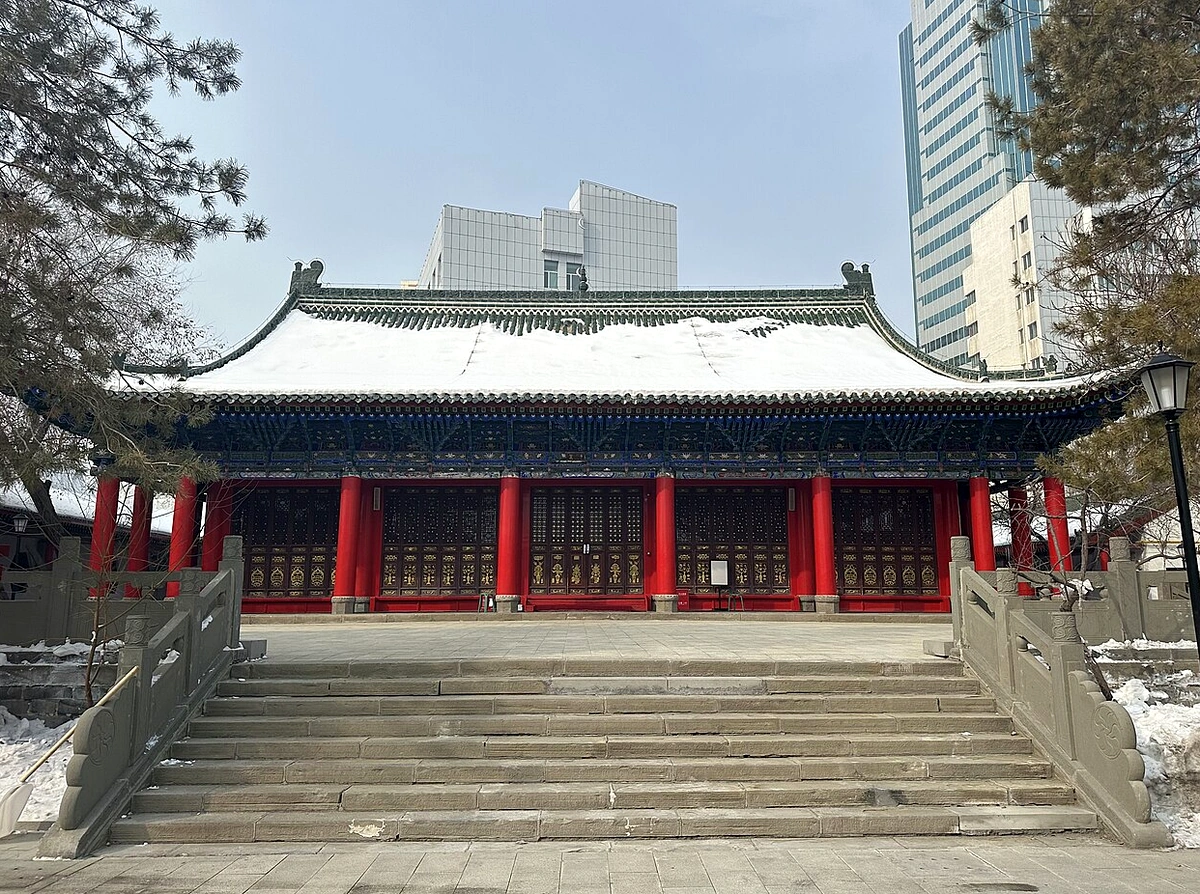
The most vivid and eloquent proof of this peak composite architectural art is the Shaanxi Grand Mosque, the renowned Islamic temple founded in the twelfth year of Qianlong’s reign, namely 1747. Presenting itself impressively across a spacious campus exceeding two thousand square meters, this structure shatters all preconceptions about the monotony of frontier religious architecture. Overall, the Shaanxi Grand Mosque features a majestic five-bay main prayer hall, applying an extremely intricate yet highly durable composite load-bearing beam-column structure against frontier storms. The highlight captivating travelers is its glazed tile-roofed curved roof system deeply imbued with traditional Chinese style, yet upon stepping closer, every decorative line, window frame, and altar glows with the language of pure Islamic geometry adorned with exquisite carved floral patterns without a single flaw.
The practical scale of architectural works in Urumqi thus always harbors deep layers of cultural and historical values, reflecting the genuine process of integration and nourishment among civilizations along the legendary Silk Road. Through the drizzle of time and the fires of war, ancient spatial structures like Dihua City or the Shaanxi Grand Mosque are not merely lifeless blocks of matter, but have transformed into living open-air museums. There, the peak handicraft manufacturing art of the ancients continues to whisper stories of community bonding, resilience in conquering nature, and aspirations to build a living space that is both richly ethnic and carries the universal stature of human cultural history.
When night falls, casting down hazy mists from the majestic Tianshan Mountains bounding the south, Urumqi (乌鲁木齐) does not sink into quiet slumber but transforms into a brilliant and magical stage of light. Here, the intersection between the millennium-old past of the Silk Road and modern digital technology creates a magnificent nocturnal urban space. The moment city lights turn on is also when nomadic life merges with the industrial breath of a new era, turning every street corner and architectural structure into a piece in an enchanting multi-ethnic cultural tapestry.
The first stop in this nocturnal lighting art appreciation space is Hongshan Park, which preserves the sacred symbol of the city. Through the talented hands of contemporary lighting engineers, the mountain bearing the characteristic red hue of Jurassic sandstone is now adorned with artistic lighting systems and advanced 3D spatial projection techniques. The focal point of this space is the towering nine-story brick pagoda built during the Qing dynasty under Emperor Qianlong. Modern lighting technology has skillfully honored every line of ancient architecture while vividly recreating the legendary scenery of “Red Mountain catching snow”—one of Urumqi’s eight famous ancient scenic spots, making viewers feel as though they are wandering into an illusory realm between reality and history.
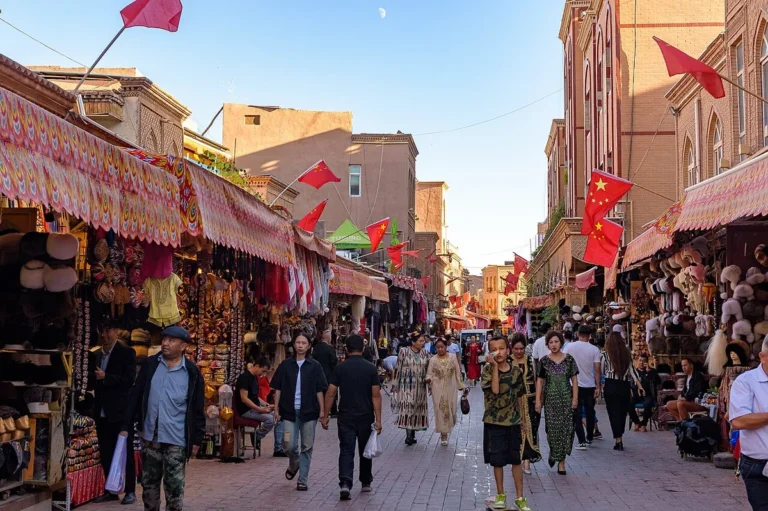
Leaving the tranquil space of Hongshan to plunge into the bustling current, the International Grand Bazaar pedestrian zone emerges like a real-life One Thousand and One Nights palace. The architectural complex bearing strong Islamic imprints with majestic curved domes and ancient bell towers is now clothed in a new coat thanks to giant LED curtain walls. Warm golden lights and sparkling gold dust blend with magical blue reflections upon glass windows and intricately carved floral patterns. Here, visitors are not only visually captivated but also have all their senses awakened within a crowded culinary space where the aromas of grilled lamb skewers, freshly baked naan bread, and salted milk tea fill the chilly night air.
The pinnacle of live-action performing arts in Urumqi is fully expressed through grand performance venues and major theaters, where virtual reality technology and live stages merge seamlessly. Large-scale epic dance dramas such as “Echoes of the Silk Road” and “Tianshan Ode” transport audiences back in time to the golden age of the ancient trade route. On stage, artistic essence is crystallized from the unique blend of grand Han and Tang dynasty musical pieces, the fluid, vibrant “Sainm” dance of the Uyghur people, and the powerful, carefree “Black Steed” dance simulating the gait of horses across the vast Kazakh steppes.
Urumqi’s nightlife is thus not merely commercial entertainment, but a living cultural space where millennium-old history is recounted through the languages of light, music, and choreography. Every street corner and every light reflecting across Xinjiang’s night sky whispers stories of cultural synthesis, leaving every traveler with enduring echoes of a brilliant and proud frontier metropolis.
Urumqi is not only a vital trade coordinate on the Silk Road but also a true culinary sanctuary preserving the profound synthesis between Central Asian nomadic culture and northern agricultural traditions. Exploring the local culinary map here is like a journey decoding history through the palate, where each dish carries stories of adaptation, hospitality, and family recipes preserved over centuries under Xinjiang’s vast sky.
Speaking of culinary symbols captivating distant travelers, one cannot fail to mention the renowned Xinjiang Big Plate Chicken (Dapanji). This dish is a flawless symphony of ingredients and spices, comprising firm native chicken pieces stewed with powdery potatoes, saturated with the pungent heat of dried chili, the characteristic mild numbing sensation of Sichuan peppercorns, and a delicate balance of numbing, spicy, fragrant, and sweet aftertastes. The key element elevating Dapanji is pairing it with chewy hand-pulled noodles, thoroughly mixed into the thick, rich savory sauce, creating an explosive taste experience from the very first bite.
Exploring cuisine in Urumqi introduces diners to the peak art of local lamb preparation. Xinjiang lamb is famously aromatic, completely free of gamey odor thanks to sheep grazing on herb-filled steppes. The technique of roasting lamb skewers over red willow branches is a living heritage from ancient nomad tribes; skewers threaded with red willow twigs growing along desert rivers release a uniquely distinct subtle fragrance when roasted over glowing charcoal. Meanwhile, the renowned Na clay oven roast lamb requires meticulous marination, where egg white and onions are brushed evenly across the surface before roasting in traditional fire-brick ovens, preserving a crispy golden skin and juicy, tender interior meat.
The street food scene and cozy gatherings of Urumqi locals would be incomplete without a gigantic steaming pot of fragrant Plov. Plov is cooked in specialized large cast-iron pots using distinctive long-grain rice, combined with sweet yellow carrots and aromatic mutton fat, stewed with spices to produce an enticing golden hue. Eaten alongside these rich main dishes are Baozi—baked lamb and onion pastries with flaky, golden, fragrant crusts—or the famous Lagman hand-pulled noodles kneaded by the skilled hands of veteran noodle artisans.
To dispel the chill of steppe nights or complete a sumptuous feast, locals commonly sip unique salted milk tea brewed painstakingly from compressed brick tea and fresh milk, bringing warmth and bodily purification. Finally, nothing beats enjoying a bowl of traditional homemade yogurt, sprinkled with sweet raisins from Turpan and drizzled with golden honey, closing the proud family culinary heritage journey of Urumqi.
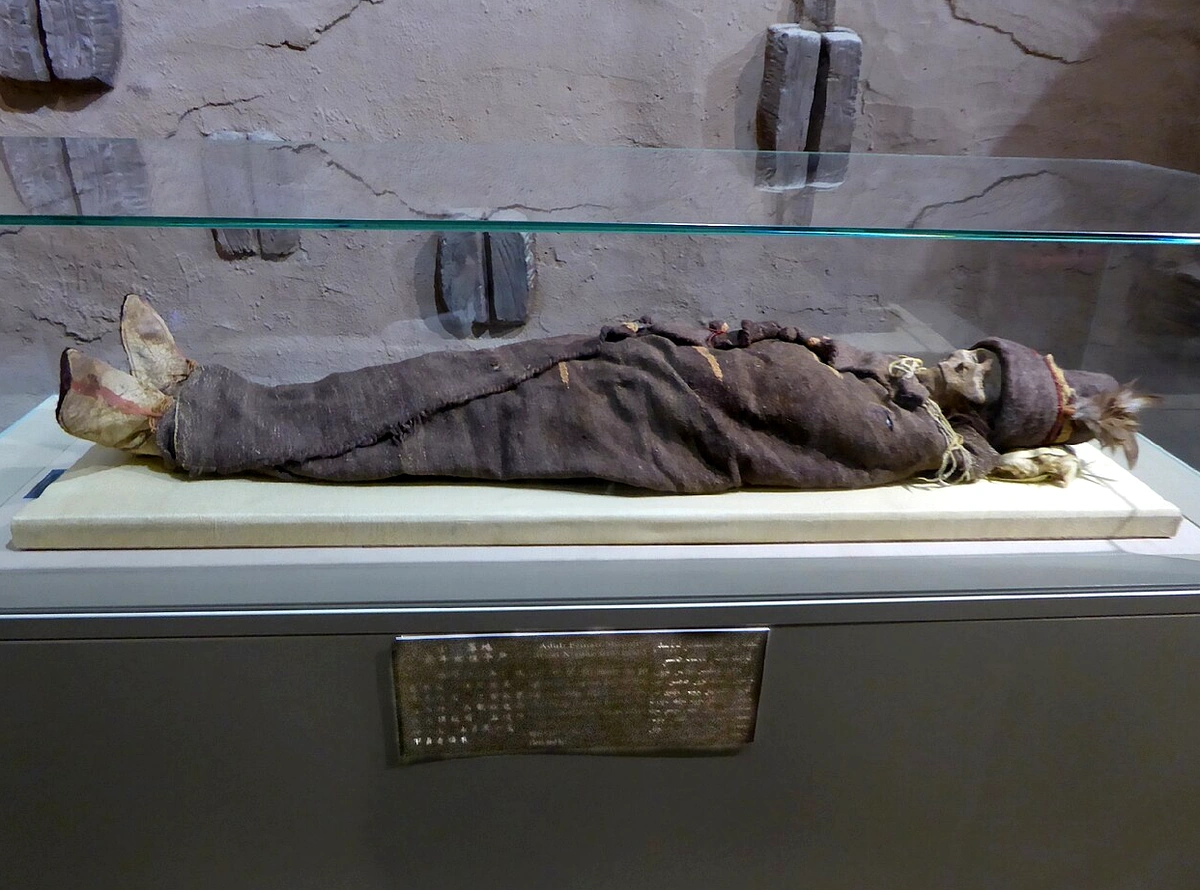
Exploring the heart of the Eurasian interior requires meticulous preparation and a sharp field guide so that every step in Xinjiang’s capital becomes complete. Urumqi is not only a vibrant cultural crossroads but also a metropolis with specialized operating rules where modern life is deeply intertwined with long-standing traditional regulations. To begin this exploration, grasping timetables and ticket-booking procedures for cultural institutions is essential. For instance, the Xinjiang Uyghur Autonomous Region Museum—a treasury preserving ancient mummies and tens of thousands of priceless Silk Road artifacts—requires visitors to book reservations via WeChat 3 to 7 days in advance, while noting that this cultural site closes every Monday for artifact maintenance.
Conversely, community-oriented spaces like Hongshan Park open completely free of charge to welcome travelers. Here, summer sunset hours typically stretch from 21:30 to 22:30, creating a magical atmosphere as sunlight dyes the rugged red sandstone cliffs red, reflecting across the gentle Urumqi River. This temporal shift stems from Xinjiang utilizing Beijing time while operating about two hours behind the mainland daily schedule, creating a special experience as night falls late and markets stay brilliantly lit until midnight.
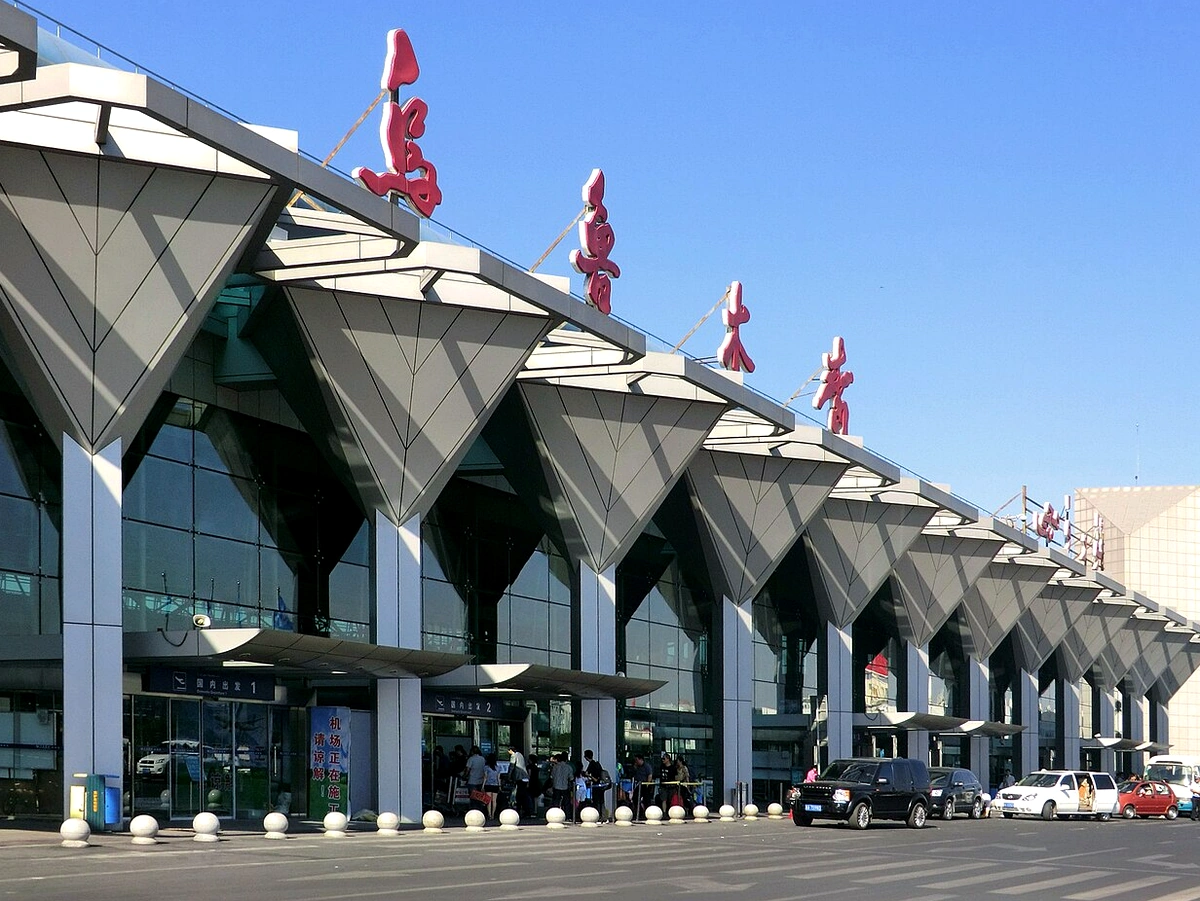
The urban transit network in Urumqi is interconnected seamlessly and conveniently. Diwopu International Airport (URC) features a modern Metro Line 1 connecting directly from the aviation terminal straight into downtown, helping travelers easily plunge into the bustling flow upon landing. However, when wishing to venture beyond the city interior to discover the legendary Heavenly Lake of Tianshan, the optimal option is hiring a private car or choosing reputable tour operators to ensure schedule flexibility and safety along winding mountain passes.
To optimize experiential time during a full day in the city, travelers can reference a closed-loop itinerary compiled by local researchers: mornings begin by admiring artifact treasures at the Autonomous Region Museum, then moving to Guyuan Lane to enjoy traditional rice pilaf imbued with Uyghur family flavors for lunch; afternoons continue with visits to the ancient Shaanxi Grand Mosque and bustling Datizi area, before climbing Hongshan peak to catch the brilliant sunset and closing a long day by strolling to explore the lively night market at the Grand Bazaar.
Besides itineraries and transport, behavioral norms in Urumqi are matters travelers must never take lightly. Due to its distinct nature as a region with a long-standing Muslim population, everyone must strictly respect religious customs, absolutely avoiding bringing non-Halal foods (especially pork) into religious zones or traditional restaurants. Additionally, security control systems here are established very strictly at all public spots, transport hubs, and shopping centers; therefore, carrying your ID card or passport at all times is mandatory. Travelers must also note that temperature amplitudes between day and night in Urumqi are vast—warm clothing in the morning can shift to blazing midday heat, demanding diverse apparel preparation to protect health throughout the journey. If you are seeking a complete, professional package to fully explore this land without organizational worries, immediately check out the Northern Xinjiang Tour to have everything fully covered from permits and transport to the most valuable stops.