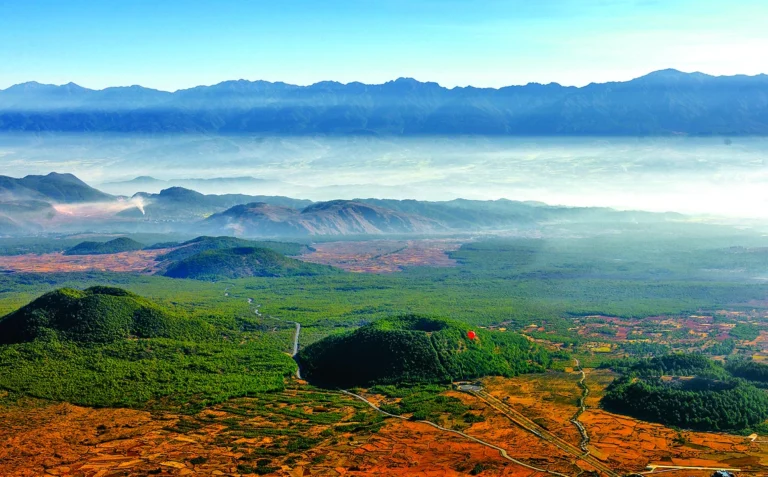
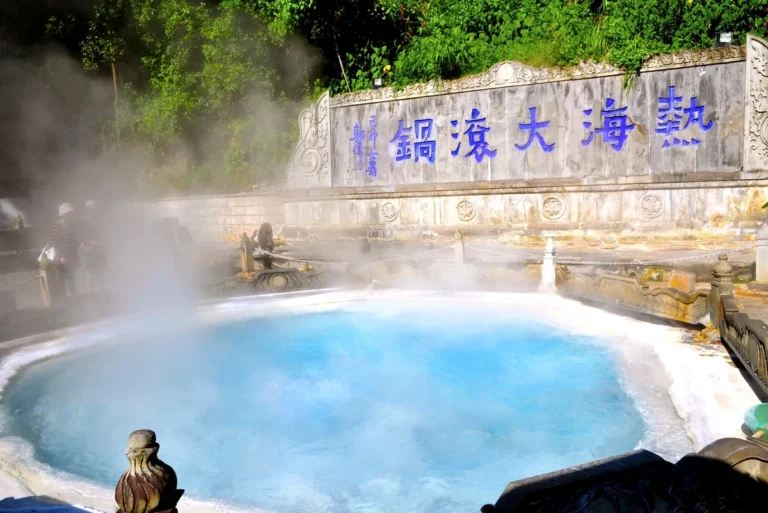
In the chronicles of humanity’s natural and cultural wonders, Blue Moon Valley in Lijiang emerges as a majestic harmony sculpted by the unseen hand of geological tectonics and the endless flow of time. Situated in the borderland between the Tibetan Plateau and the Yunnan Basin, this valley is far more than a geographical scenic spot; it is a sacred space where ancient cultural strata, poignant legends of the Naxi people, and historical shifts of China’s southwestern frontier converge. From an academic research perspective, decoding Blue Moon Valley calls for a multidimensional approach that places it within the dialectical relationship among extreme terrain, endemic alpine ecosystems, and deep anthropological processes that have shaped its character from antiquity to the modern era.
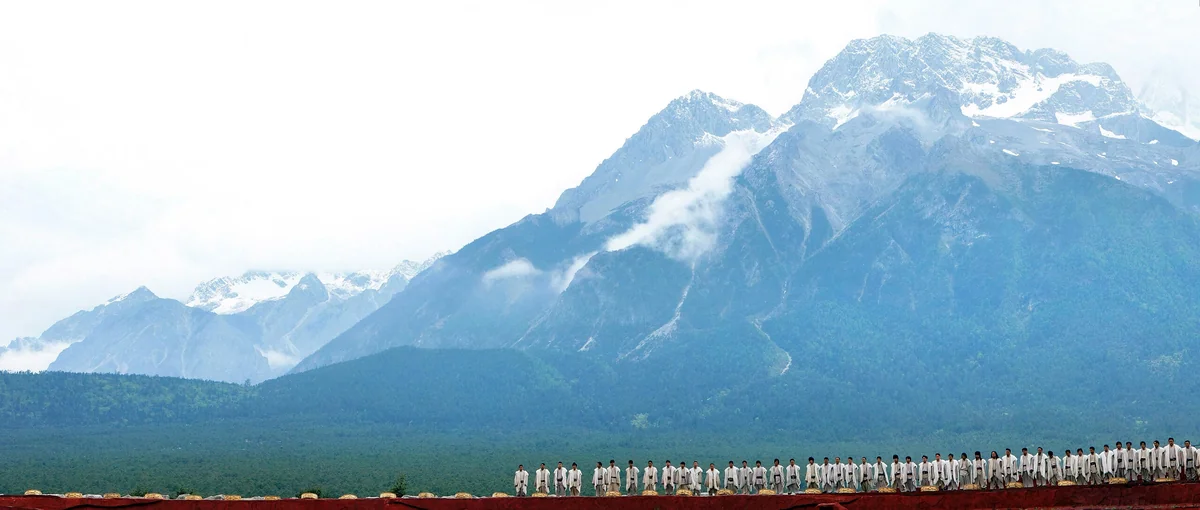
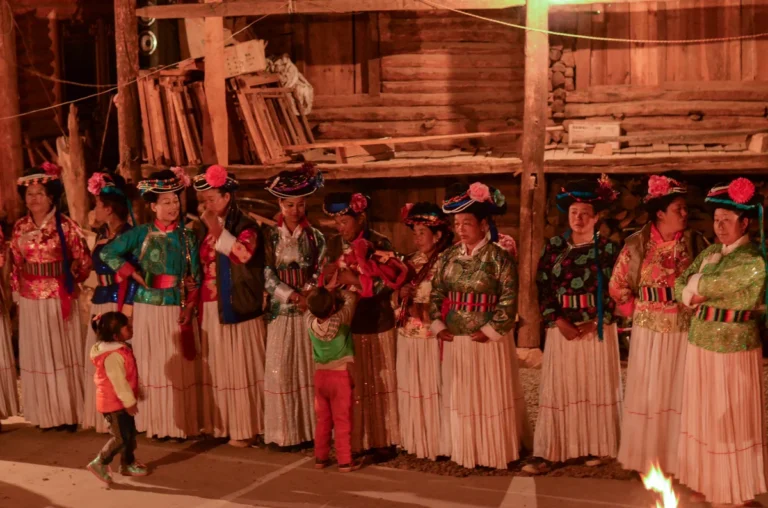
Majestic natural scenery at Blue Moon Valley in Lijiang.
In terms of geographical coordinates and spatial morphology, Blue Moon Valley nestles at elevations ranging from 2,600 meters to more than 3,000 meters above sea level, stretching along the eastern foothills of Jade Dragon Snow Mountain (Yulong Xueshan)—the southernmost glacial mountain massif on the Eurasian continent. Across latitude and longitude, this landscape sits in a sensitive transitional zone where complex fault topography has carved deep gorges, hanging valley terraces, and glacial lakes of distinctive turquoise hue. This elevation places the valley along the ecological boundary of a high-mountain temperate climate, marked by wide day-to-night temperature swings and pronounced shifts in vegetation every few hundred meters of altitude. The valley’s terrain was shaped primarily by Quaternary glacial activity, leaving behind glacial outwash terraces, moraine belts, and striations across limestone surfaces worn down by ancient glaciers during global ice ages.
The hydrological system of Blue Moon Valley is a masterpiece of nature, in which meltwater from the summit of Jade Dragon Snow Mountain cascades downward, winding over snow-white limestone travertine steps to form a linked chain of lakes whose hues shift expressively with sunlight and mineral content. Dissolved carbonate minerals in the water do more than produce the signature blue reminiscent of a crescent moon hugging the mountain base; they also build up natural submerged dams, dividing the waters into four main lakes with names rich in poetic resonance and Eastern philosophical meaning. The contrast between the pure white of limestone silt beneath the lakebeds, the deep turquoise of the water, and the dark green of primeval pine and spruce forests along both banks turns the valley into a living geological museum that draws keen interest from international geomorphologists and hydrologists.
Looking back across history, the formation and development of Blue Moon Valley are closely tied to the rise and fall of the Mu Tusi (native chieftaincy) domain and the Naxi people—inhabitants who transformed this rugged terrain into an important trading hub along the legendary Ancient Tea Horse Road. From the Tang and Song dynasties, as frontier ethnic groups began forging political and commercial alliances with central imperial courts, the Lijiang region in general—and the valley beneath Jade Dragon Snow Mountain in particular—became a strategic corridor connecting Tibet, Sichuan, and Yunnan. Blue Moon Valley served not only as a source of fresh water and supplies for pack-horse caravans, but also as a sacred arena for indigenous religious rites, where the Naxi revered the snow mountain as a supreme guardian deity embodying supernatural power and eternity.
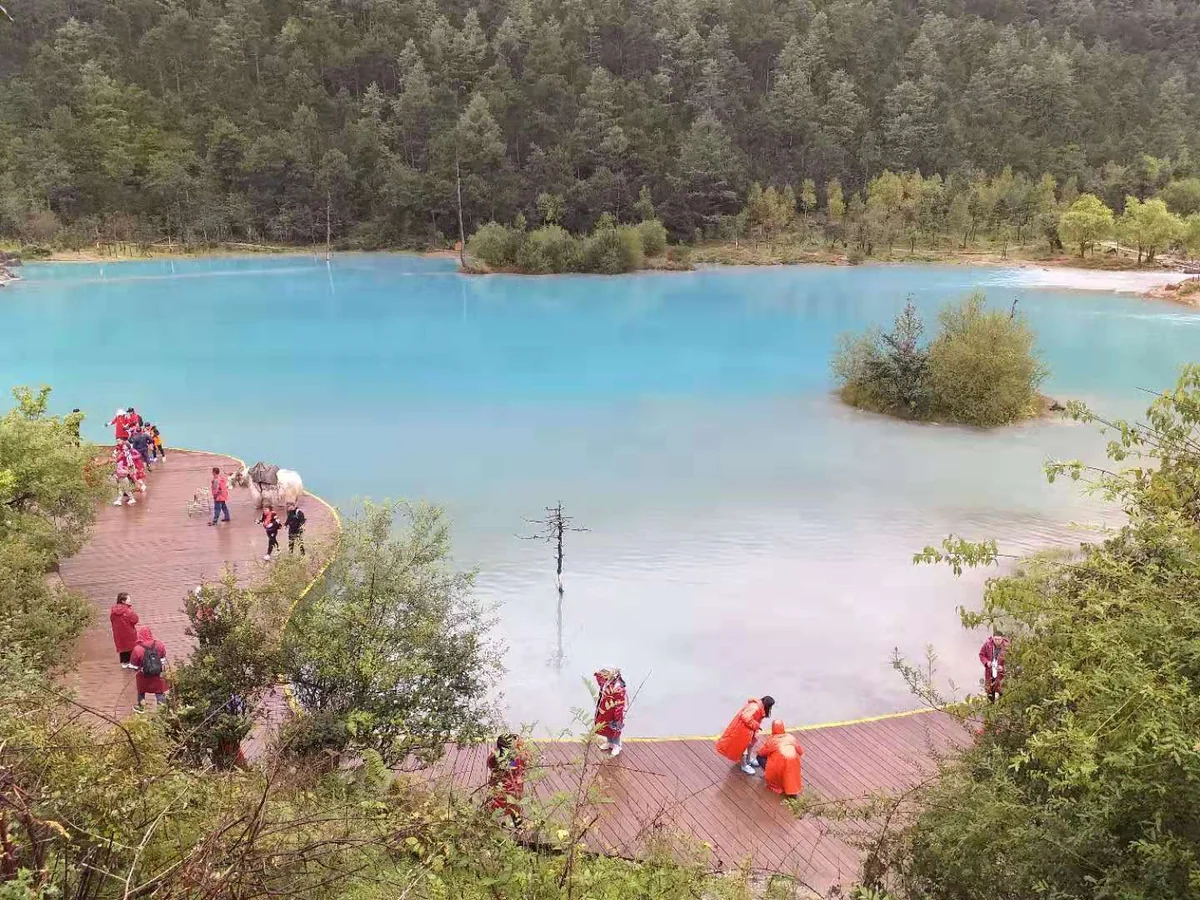
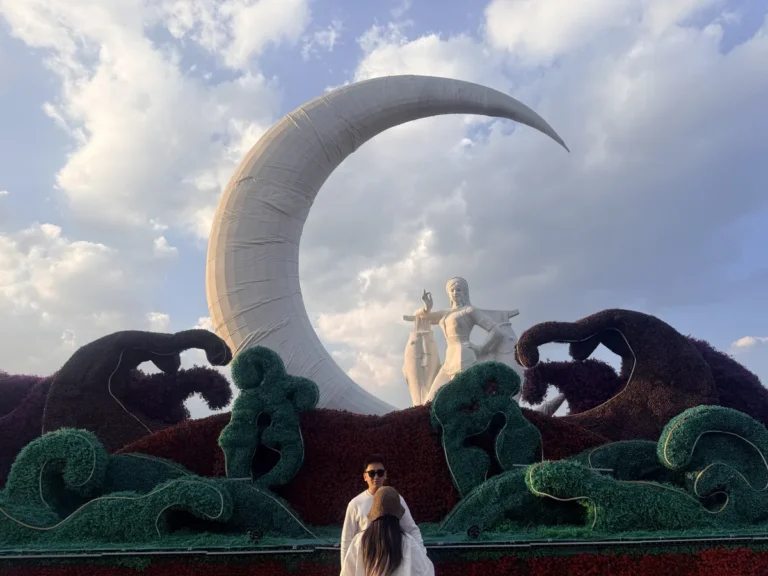
Exquisite scenery and expansive space at Blue Moon Valley in Lijiang.
Across the Yuan, Ming, and Qing dynasties, this region witnessed profound shifts in state governance, moving from hereditary autonomous Tusi rule to the Qing policy of replacing native chieftains with centrally appointed magistrates (“gaitu guiliu”) as the imperial court imposed direct administration to control rich resources and vital trade arteries. During eras of warfare, unrest, and ethnic conflict, Blue Moon Valley maintained relative tranquility thanks to its rugged topography, becoming a refuge for monks, philosophers, and merchants seeking serenity amid untamed nature. Ancient historical records and Naxi Dongba pictographic manuscripts preserve numerous writings, poems, and myths reflecting the symbiotic bond between people and landscape here, attesting to an indigenous culture resilient through changing times.
Entering the 20th century—and especially within the modern era of globalization—Blue Moon Valley’s symbolic stature expanded beyond local boundaries to become a national emblem and global heritage asset. UNESCO’s inscription of the Old Town of Lijiang as a World Cultural Heritage site in 1997 brought comprehensive attention to the surrounding ecosystem and landscape, within which Blue Moon Valley serves as an indispensable ecological and aesthetic buffer. The valley quickly became a prime model for bridging natural heritage conservation with sustainable eco-tourism, attracting millions of researchers, photographers, and travelers from around the world to contemplate raw beauty unspoiled by extreme industrialization.
Blue Moon Valley’s global significance also lies in its iconic landscape value, evoking deep aesthetic feelings of human smallness before nature’s grandeur while posing urgent environmental questions in the face of global climate change. The retreat of glacial ice fields atop Jade Dragon Snow Mountain in recent decades directly threatens the water supply feeding the valley’s entire network of lakes and streams, making this site one of the most important natural monitoring stations for scientists studying global warming’s impact on Asian high-mountain ecosystems. Consequently, the valley is far more than a visual spectacle; it is a wake-up call and an academic research subject of strategic value for the planet’s future.
Taken as a whole, Blue Moon Valley in Lijiang stands at a brilliant intersection of geological science, human cultural history, and ecological philosophy. From its distinctive geographical coordinates in the shadow of snow peaks to the heroic and poignant chapters of Naxi history, it preserves the memories of the Earth and the spirit of mountain peoples. The valley’s national symbolic status and global influence offer undeniable proof of the enduring power of authentic beauty, where nature and culture intertwine in an eternal structure that defies the erosion of time and continues to inspire scholars, researchers, and all who seek the primeval roots of life.
Emerging amid the majestic Yunnan-Guizhou Plateau, Blue Moon Valley sits grandly at the foot of the legendary Jade Dragon Snow Mountain, forming a geological wonder and landscape-architectural space marked by deep cultural exchange between the Naxi and Tibetan peoples. This land’s geological evolution is a vivid testament to intense Quaternary orogeny, when uplifting movements of the Earth’s crust—combined with the melting of ancient glaciers—carved and eroded primeval limestone strata to produce a unique crescent-shaped valley with terraced lakes of enchanting color. Over millions of years of geological change, the karst bedrock here received pure glacial meltwater pouring down from the main Shanzidou peak, creating a gracefully winding stream that hugs the mountainside like a turquoise silk ribbon draped across wilderness. The water’s signature turquoise hue stems not only from meltwater purity, but also from dissolved copper sulfate minerals and suspended micro-minerals abraded from subsurface rock layers, refracting sunlight through natural optical dispersion to turn the entire valley into an open-air geological museum captivating both Earth scientists and travelers returning to nature’s origins.
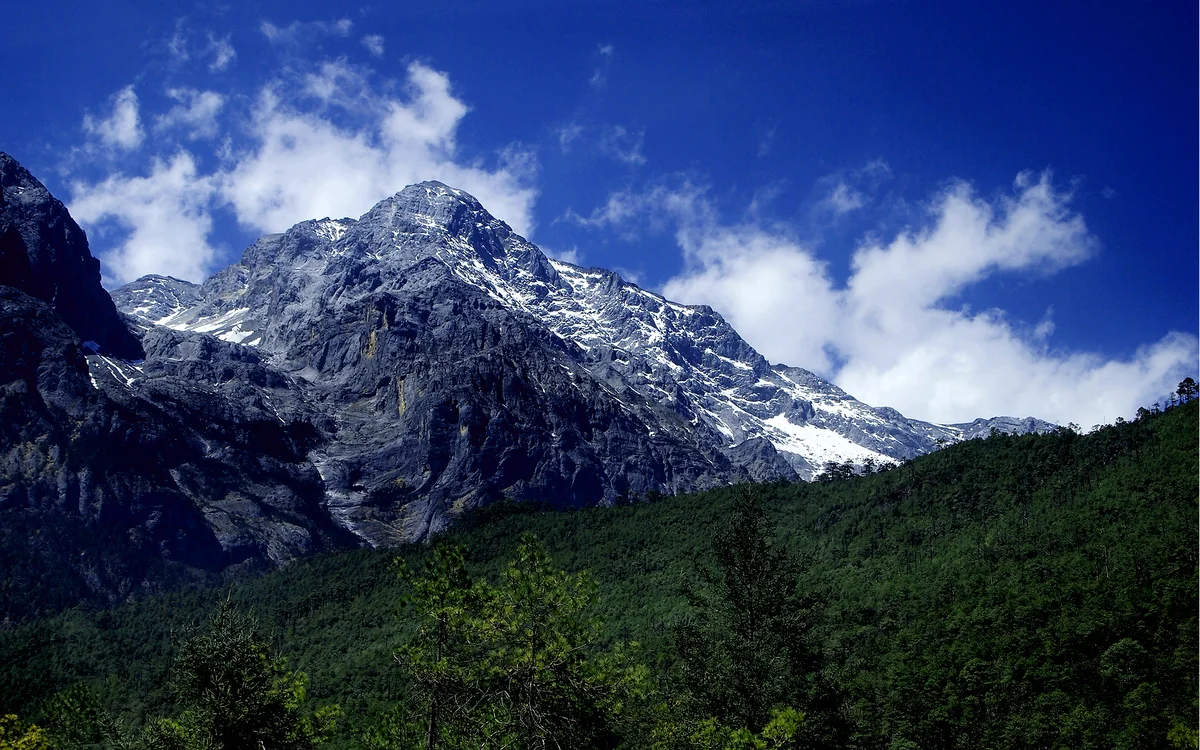
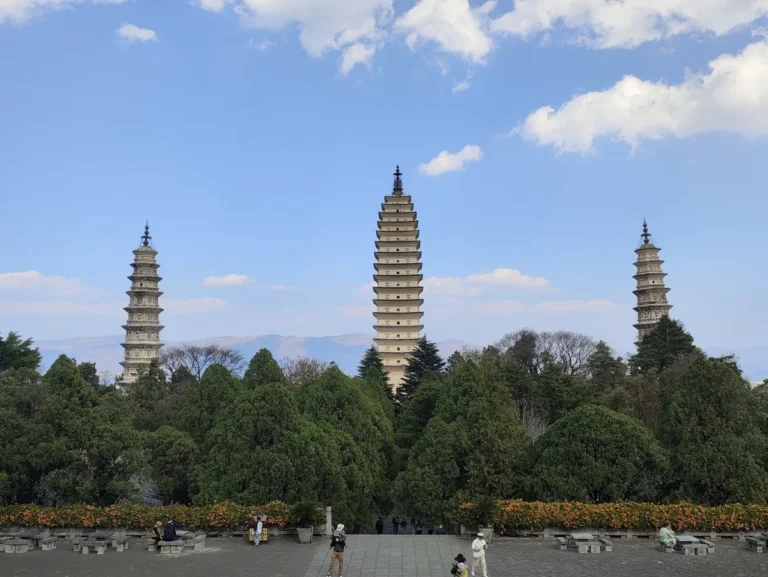
Close-up view of the pristine beauty at Blue Moon Valley in Lijiang.
Alongside nature’s constructive marvel stands the highly refined landscape-architectural planning and indigenous building craft of the Naxi community, who have lived closely with this land since ancient imperial China. Blue Moon Valley’s master plan strictly follows traditional feng shui philosophy, placing people and human-built structures in absolute harmonious symbiosis with primeval forests, snow peaks, and hydrology. The valley’s overall layout is divided into clear functional zones yet organically linked by natural flagstone trails, ancient arched stone bridges, and water terraces murmuring across all four seasons. The central valley is defined by four major lakes arranged in a natural hydraulic staircase—Jade Lake (Yuye), Mirror Lake (Jingtan), Blue Moon Lake (Lanyue), and Three-Stream Lake (Bashui)—each with its own elevation and expressive character, linked by skillfully hand-stacked cobblestone weirs that regulate water flow and create rustic yet sturdy waterfalls able to withstand harsh highland weather.
In terms of construction technique and building materials, structures scattered across the valley—from observation stations, stone bridges, and viewing pavilions to cultural service zones—strictly follow the principle of using local materials to preserve landscape authenticity. Local granite, mature pine and spruce timber from nearby forest belts, and handcrafted glazed tiles form the three core material pillars of architecture here. Traditional Naxi mortise-and-tenon joinery without iron nails is thoroughly applied in the load-bearing frames of viewing pavilions, allowing structures to flex and adapt gracefully to minor seismic shifts common along highland tectonic faults. Large stone blocks are hand-dressed and stacked with tight precision without chemical mortar, demonstrating the master craftsmanship of folk stonemasons across centuries of passed-down building art.
The decorative arts and carving techniques on architectural surfaces in Blue Moon Valley form a priceless storehouse of tangible and intangible cultural heritage, reflecting the cosmic worldview and polytheistic beliefs of the indigenous people. Relief motifs on stone balustrades, bridge piers, and wall bases often depict sacred symbols such as water lotuses, rolling clouds, auspicious creatures like white deer and mountain eagles, and notably the world’s only surviving Dongba pictographic script. Combining shallow and deep relief with polished natural stone surfaces keeps carvings from washing out under intense highland sunlight, allowing them instead to grow sharper and more venerable under wind, frost, and time. Together, traditional stone carving and moving water create a unified artistic space where the sound of flowing water blends with the stillness of stone and wood, awakening every sense of the viewer.
Regarding actual scale metrics, Blue Moon Valley spans a broad planned landscape area of up to hundreds of hectares, nestled squarely within the core ecological buffer zone of the Yulong Xueshan National Nature Reserve. Stretching along a north-south axis with a main watercourse estimated at several kilometers in length, the valley features an impressive relative elevation gain from roughly 2,800 meters at the mountain base up to high viewpoints near permanent snow and ice. The terraced lakes hold seasonal water volumes that peak in spring and summer as snow and ice melt rapidly, generating substantial surface runoff that is steadily buffered by weirs and dense surrounding primeval forest cover. This spatial scale allows the valley to regulate and accommodate large numbers of international visitors each day without damaging the fragile highland ecosystem.
Visitor carrying capacity and reception scale at Blue Moon Valley are scientifically calibrated by planners and local authorities to maintain strict ecological balance. Boardwalks, suspended timber bridges, and eco-boat piers running along the lakes are engineered with load limits using eco-friendly materials—such as high-pressure-treated timber and durable local stainless steel—to ensure complete safety for heavy visitor flows while minimizing compressive stress on sensitive karst geology. During peak travel seasons, daily visitor numbers can reach tens of thousands, requiring an integrated public transit system of clean-energy electric shuttles linking outer transfer hubs deep into the valley core to strictly control carbon emissions and noise.
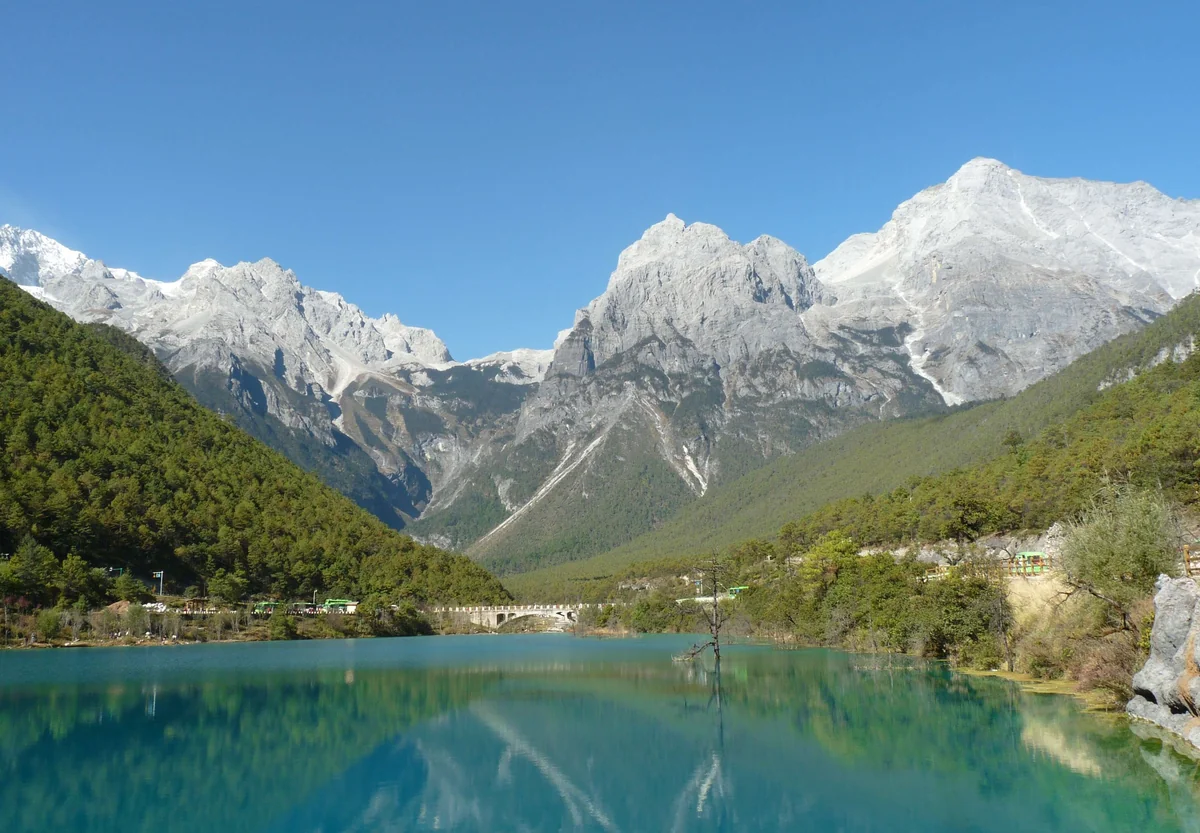
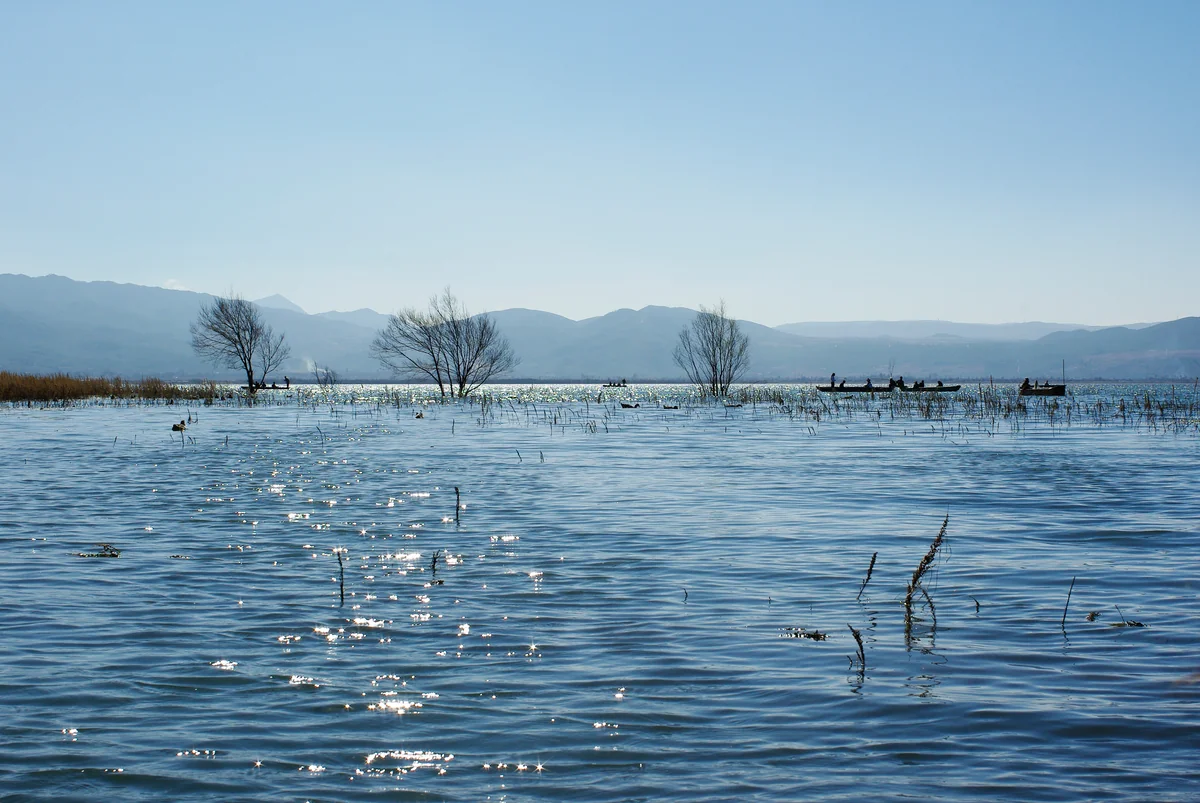
Distinctive scenic highlights drawing visitors to Blue Moon Valley in Lijiang.
Overall, the seamless union of millions of years of geological evolution, profound indigenous ecological-architectural planning, and refined handcraft construction has made Blue Moon Valley in Lijiang an enduring emblem of humanistic landscape design in the world. It is far more than a visually breathtaking destination; it is an invaluable space for geological, architectural, and folk-cultural study, where humans express humility and reverence before nature’s supreme power. By safeguarding its real-world scale, traditional material structures, and pristine ecology, the valley continues to write an enduring story of harmony among heaven, earth, and humanity within an extraordinary earthly realm.
Nestled in the majestic shadow of Jade Dragon Snow Mountain, Blue Moon Valley—also poetically celebrated as the Valley of the Blue Moon—appears as a grand natural canvas painted in the purest hues of nature and Naxi indigenous culture. This landscape is not merely a geological wonder formed by millennia of glacial erosion; it is also a sacred space and an open-air museum holding deep layers of spiritual culture, Eastern philosophy, and distinctive visual art from ethnic minority communities across the Yunnan Plateau. Stepping into this realm, travelers feel as though they cross the threshold of everyday reality into a pure land where earth and sky mingle in the whisper of mountain winds, the song of turquoise waters, and the solemn silhouette of year-round snow-capped peaks.
At the heart of the valley’s essence is its natural system of stepped lakes, reverently named by locals after expressions of heaven and earth and ancient legends. Meltwater from glaciers on Jade Dragon Snow Mountain, filtered through mineral-rich limestone strata, tumbles into the valley and is held back by natural stone dams to form four principal lakes—Jade Turquoise (Ngoc Bich), Mirror Pool (Kinh Dam), Blue Moon (Lam Nguyet), and Three Waters (Ba Thuy). Each lake forms a distinct zone with its own spiritual depth and visual artistry, reflecting a philosophy of cosmic cycles and the flow of time. According to Naxi belief, the water’s rich turquoise hue comes not only from minerals, but also embodies the tears of snow-mountain guardian spirits mourning ill-fated lovers—transformed into an eternal life force nourishing all living things.
Examining the stone carving and human-made architecture woven through the valley, one is struck by the skill of traditional artisans in blending built structures into untamed nature. White stone bridges spanning the water—most notably Crescent Bridge (Cau Trang Non) and Jade Harp Bridge (Cau Ngoc Cam)—are intricately carved with motifs evoking drifting clouds, rolling waves, and sacred highland blossoms. Stone carving here strictly follows feng shui philosophy and Eastern cosmology, where the arch’s curve symbolizes heaven, the water’s flat surface symbolizes earth, and crossing the bridge forms a harmonious link between yin and yang, and between the mortal realm and a fairy domain. Limestone boulders along the lakeshores occasionally bear ancient poems in Dongba pictographs—the only living pictographic script in the world—recording prayers for peace, favorable weather, and boundless reverence toward the Jade Dragon mountain deity.
Delving further into its spiritual and cultural depth, Blue Moon Valley is also a sacred space tied to the animistic beliefs of the Naxi people and the ancient Dongba religion. Locals believe spirits dwell within every blade of grass, stream, stone, or tree trunk in the valley. Small shrines and stone sacrificial altars tucked beneath moss-draped ancient pines are where Dongba priests perform rituals of communion with spirits during major festivals of the year. Relics, ritual implements, and votive paintings kept across sacred spots around the valley bear strong marks of Tibetan religious painting blended with Naxi indigenous style, using vibrant natural mineral pigments—such as gold leaf, turquoise, and vermilion—to portray guardian deities, mythical beasts, and realms of rebirth.
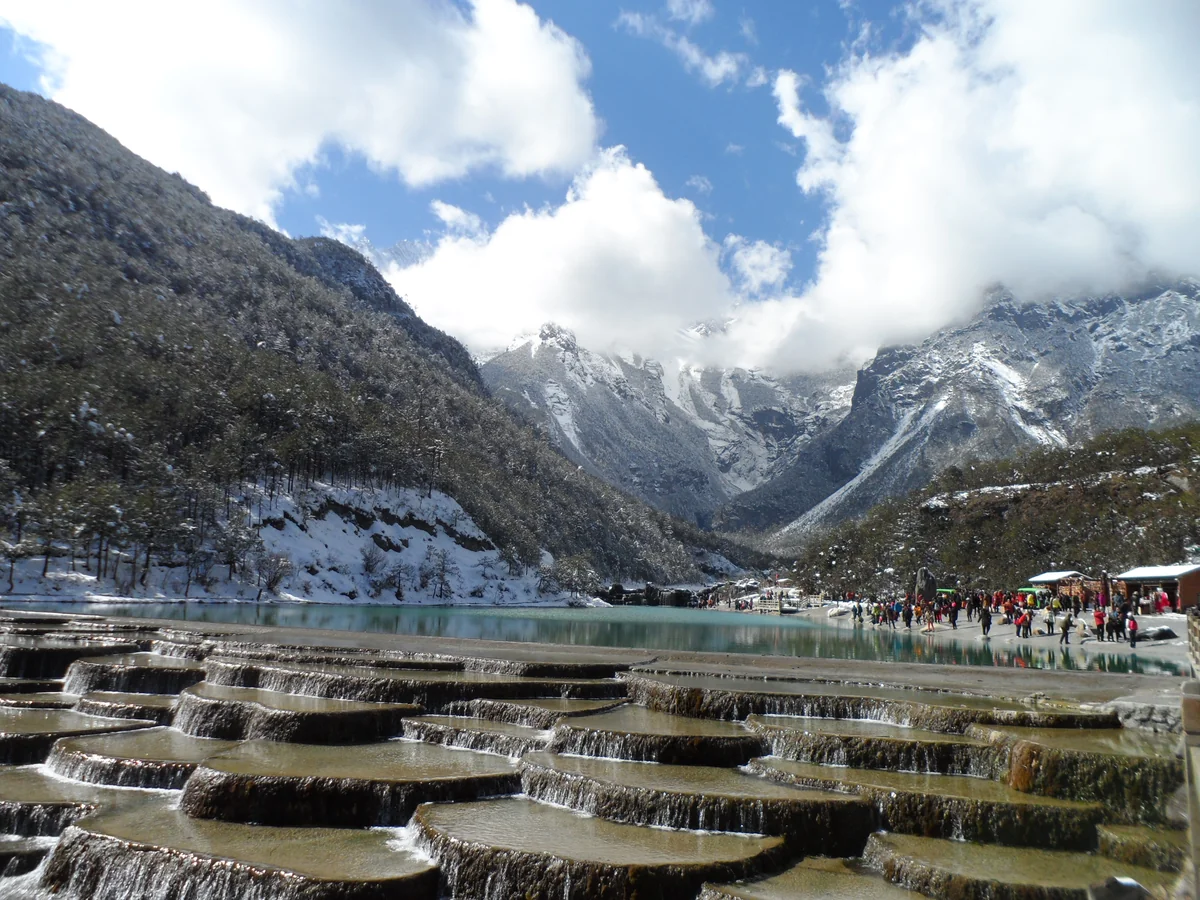
Ecological imprints and natural waterways around the Blue Moon Valley area in Lijiang.
Folk legends surrounding the valley add even greater mystique, turning every boulder and stream into a witness to poignant romances. Legend has it that Blue Moon Valley is a sanctuary for young Naxi lovers who chose death to protect their love when confronted with harsh feudal conventions, believing their souls would transform into stars and cool waters at the snow mountain’s foot to remain together across lifetimes. For that reason, the valley offers more than dazzling scenery; it carries a melancholy beauty and deep humanistic resonance, where love and devotion have been honored across centuries through oral songs and graceful ritual dances.
From the perspective of landscape architecture aesthetics, the arrangement of cascading waterfalls in Blue Moon Valley (Lan Yue Gu) embodies the philosophy of “harmony between heaven and humanity” at the pinnacle of natural spatial composition. Four waterfall tiers pouring into four lakes symbolize the four seasons of the year and the four stages of human life, reminding travelers of the impermanence of time while affirming the eternal beauty of nature and the cosmos. Pure white travertine terraces worn smooth by water over tens of thousands of years form giant natural steps, where rushing currents cascade like silver silk ribbons across the valley’s jade-green carpet. The color contrast between snowy peaks, coniferous greenery, jade-blue waters, and ancient weathered karst rocks creates an unmatched visual harmony that stirs the soul of anyone who beholds nature’s grandeur.
Viewed as a whole, Blue Moon Valley in Lijiang is far more than an eco-tourism destination blessed with scenic mountains and waters; it is a radiant symbol of cultural, artistic, and spiritual convergence in the high plateau of northwestern Yunnan. Through every carving on its stone bridges, every page of Dongba script etched into cliff faces, and every seasonal shift in water hue, the valley tells an enduring story of the deep bond between people and nature. It preserves the sacred spirit of Jade Dragon Snow Mountain, offers a sanctuary for souls seeking serenity, and stands as a landscape architectural masterpiece rich in human value across historical eras.
Blue Moon Valley—a jade jewel nestled beneath the majestic, imposing Jade Dragon Snow Mountain—is a natural masterpiece now further enriched by a gentle, contemplative, yet vibrant flow of travel life and local indigenous culture. To truly grasp the soul of this extraordinary space, travelers cannot simply skim past with a casual glance; they must step into a journey aligned with time, where each moment of the day opens deep sensory layers and awakens every emotion. The pace of travel here is not frantic or noisy like a modern metropolis, but flows slowly and gracefully to the rhythm of drifting clouds, legendary jade-blue glacial meltwater, and the distant sound of pipes and flutes echoing from centuries-old Naxi villages at the foot of the mountain.
Dawn in Blue Moon Valley begins with a pure, crystalline light as the first rays of morning strike Jade Dragon Snow Mountain, tinting its snowy summit from silver-white to a glowing coral-pink like a silk ribbon draped across deep blue skies. At this hour, the tiered lakes across the valley lie still as giant mirrors, gathering the entire magnificent panorama within their depths. The early morning air carries the crisp, biting chill of a snow-dusted plateau, yet feels wonderfully invigorating, infused with the scent of damp earth, ancient moss, and aged pine carried on the dawn breeze. Early risers begin exploring with unhurried steps along moss-worn stone steps, listening to water murmur over snow-white travertine ledges. Morning sunlight slanting through conifers casts bright golden beams across delicate mist lingering over the lake, creating a dreamlike realm where reality and fantasy blur and awakening the eyes with the purest aesthetics of untamed nature.
Outdoor excursion and landscape exploration space at Blue Moon Valley in Lijiang.
As the sun climbs high overhead, the valley puts on its bright daytime attire, and the rhythm of travel picks up gently while preserving its signature nostalgic charm. Beneath the midday sun, Blue Moon Valley’s waters reflect a deep jade green, shifting in places to an enchanting turquoise thanks to copper minerals and organic matter carried down by millennia-old glacial melt. This is an ideal time to experience local culture through vividly and respectfully staged traditional daily life. Locals dressed in colorful traditional attire lead long-haired yaks along the lakeshore, adding a distinctive cultural touch that invites travelers to capture nostalgic photographs. Touch is refreshed by cool mist drifting off white waterfalls, while taste is delighted by fragrant highland Oolong tea sipped at small roadside stalls, where wisps of hearth smoke mingle with the rich mountain-spice aromas of local dishes.
As dusk settles, Blue Moon Valley slips into a majestic hush, with late-day golden light casting a solemn, grand, and nostalgic palette across the limestone cliffs. It is a sacred threshold hour as shadows gather over the pine slopes and lanterns along the service areas flicker on, heralding an evening of luminous artistic spectacle. Speaking of artistic experiences here, one cannot overlook the grand visual and auditory feast staged right below the mountain. Large-scale outdoor live performances—mobilizing hundreds of local farmers and herders as performers—reenact migration history, Dongba religious traditions, and tragic Naxi love legends. Resonant brass horns and deep war drums blend with folk melodies echoing across the vast natural amphitheater beneath a star-studded night sky, creating a powerful spiritual resonance that transports spectators into another dimension where past and present converge.
At night, once darkness blankets the valley, subtly designed architectural lighting transforms Blue Moon Valley into an earthly Milky Way. Water spilling over weirs is illuminated by shifting bands of colored light—deep blue, warm gold, mysterious violet—reflecting off rock faces to create a fairy-tale glow. Nighttime travel life brings a quieter, more contemplative mood. Visitors often gather around small night markets near the exit, sipping warming plum blossom wine, nibbling on specialty rose cakes, and listening to legends recounted by respected village elders. Hearing is soothed by night wind whistling through highland rock crevices and the ceaseless murmur of mountain streams, weaving a natural lullaby that calms the spirit.
To take in the most prized panoramic views of Blue Moon Valley, seasoned travelers often seek elevated vantage points placed naturally along the cable-car route or scenic hillside stops. The finest viewpoint looks down from an upper observation deck, where the four major lakes—Jade Liquid Lake (Yu Ye), Mirror Pool (Jing Tan), Blue Moon Lake (Lan Yue), and Listening to the Peach Lake (Ting Tao)—curve gracefully like green crescent moons cradling the base of the snow mountain. From this height, the valley’s entire geography comes into focus with its distinctive stepped structure, where the pure white of glacial snow blends seamlessly with jade-blue water and the deep green of primeval forest. Standing before such expansive scenery, people feel small before nature’s immensity, yet their spirits fill with quiet peace, depth, and reverence for ancient Lijiang.
The cuisine of Blue Moon Valley and greater Lijiang is not merely a sum of nutritional values or ordinary cooking skills, but a living museum reflecting the history, anthropology, and life philosophy of the Naxi people and neighboring ethnic groups living in the shadow of majestic Jade Dragon Snow Mountain. Nourished by pure glacial meltwater flowing directly from snow-capped peaks, the local agricultural and wild ecosystem has given rise to a deeply rooted culinary tradition that blends untamed mountain-forest flavors with centuries-old artisanal techniques. Studying the region’s renowned local flavors reveals a fascinating intersection of Tibetan pastoral culture, Central Plains farming traditions, and unique Naxi heritage, forming a repertoire of dishes that awakens every sense of distant diners through layered, profound, and surprising flavors.
Breathtaking panoramic view across Blue Moon Valley in Lijiang.
Leading the list of signature delicacies are Yak Rib Hot Pot and Lijiang Black Chicken Hot Pot—iconic dishes that bring warmth to the breezy high plateau. Yak meat, prized from the proud animal of the cold highlands, is sliced by skilled local chefs to a balanced thickness that preserves its natural sweetness and firm texture. When simmered in a broth slow-cooked for hours from marrow bones along with rare medicinal herbs gathered on the slopes of Jade Dragon Mountain—such as goji berries, danggui (angelica root), wild forest mushrooms, and mountain ginseng root—the meat releases a rich, savory aroma that stays comforting rather than heavy. The heart of this hot-pot craft lies in mastering heat and timing, requiring cooks to understand each ingredient’s nature. Meanwhile, black chicken hot pot uses free-range mountain birds with firm meat and crisp skin; paired with matsutake or white truffles foraged in surrounding old-growth forests, it makes a deeply restorative dish that drives away the piercing chill of highland winters.
Alongside famous hot pots, street food and traditional snacks in the historic markets around Blue Moon Valley offer rustic yet refined pleasures. Naxi baba—also known as Lijiang flaky layered flatbread—exemplifies time-honored handmade pastry craft. Made from fine local wheat flour kneaded with lard and cane sugar or fresh scallions, it is carefully rolled and layered before being baked to a golden crisp in traditional clay ovens. On the first bite, diners enjoy a crisp, flaky crust giving way to a soft, tender interior fragrant with scallion oil or sweet with brown sugar, reflecting the locals’ philosophy of achieving perfection from simple ingredients. Another well-known specialty is Lijiang tofu, crafted with mineral-rich natural spring water from Blue Moon Valley, giving it a distinct sweet aftertaste found nowhere else. Usually pan-fried crisp over high heat in a cast-iron pan and topped with a spicy chili sauce mixed with Sichuan pepper and chopped cilantro, it delights any palate.
No discussion of Lijiang’s culinary essence is complete without tea traditions and ancestral beverage craft, especially the butter tea and Pu-erh tea cultures of Tibetan and neighboring communities. Tea is far more than a thirst quencher; it is a spiritual thread connecting people with nature and a symbol of hospitality and respect in every local household. Butter tea—though unfamiliar to first-time visitors due to its blend of bold aged brick tea, rich butter churned from yak milk, and a touch of salt—serves as an essential source of energy against cold and high-altitude thin air. Churning tea inside a traditional wooden tube requires patience and steady rhythm, turning into an artistic communal ritual. Alongside butter tea, aged Pu-erh tea culture in the old streets around Lijiang opens a rich world of its own, where tea cakes aged for decades in natural stone cellars release earthy notes of pine wood, damp soil, and wild blossoms that bring deep calm to the mind.
Exploring renowned local flavors feels all the more complete when strolling through famous food streets across the old town and villages bordering Blue Moon Valley, where past and present mingle in the rising steam of long-standing eateries. Sifang Street’s food scene, with winding canals running past centuries-old wooden houses, beats as the lively heart of Lijiang’s food culture. Along stone walkways polished smooth by time, stalls overflow with fresh mountain-and-forest ingredients—from colorful clusters of wild mushrooms and smoked pork cuts hanging beneath eaves to jars of tangy fermented mash made with wild leaf starters. At dusk, as sunset paints snowy peaks in warm gold, the air fills with the sizzle of cast-iron pans, lively chatter from villagers, and fragrant spices such as Sichuan peppercorn, star anise, cinnamon, and black cardamom.
Ancestral dining customs here also carry rich etiquette and ceremonies shaped by Naxi heritage. Humility, respect, and togetherness anchor the traditional table. Family meals often begin by inviting the eldest member to sit in a place of honor facing the sacred mountain, showing filial respect toward ancestors and mountain deities. Dishes are arranged on rustic wooden trays symbolizing abundance and community solidarity. Sharing food from a common hot pot or large platter is not merely about nourishment, but a ritual that strengthens bonds among family members as well as between hosts and honored guests from afar. This harmonious blend of pure natural ingredients, multi-generational recipes, and a philosophy of living in tune with the cosmos has turned the food around Blue Moon Valley and Lijiang into an invaluable intangible cultural heritage that lingers in every visitor’s memory.
Actual on-site appearance of the destination and surrounding scenery at Blue Moon Valley in Lijiang.
Blue Moon Valley—also known in Chinese as Lan Yue Gu—nestled at the foot of majestic Jade Dragon Snow Mountain in the ancient city of Lijiang, Yunnan Province, China, is a natural masterpiece whose beauty captivates travelers from afar. To enjoy a full, meaningful journey through this scenic wonderland, preparing a comprehensive travel guide covering climate, transportation, prime times of day, and local cultural etiquette is essential. The valley is not merely a geographic beauty spot with turquoise lakes tinted by minerals and glacial snowmelt, but also a sacred cultural space tied to the beliefs of the Naxi community. A thorough grasp of practical details helps travelers protect their health against demanding high-plateau conditions while showing deep respect for the region’s natural and cultural heritage.
Regarding climate and ideal times of year, Blue Moon Valley wears completely different natural coats across the four seasons, each offering a distinct charm hard to compare. Spring, from February to May, brings crisp air with wild rhododendrons blooming across mountain slopes and snow on Jade Dragon peak beginning to melt into cool streams feeding the tiered lakes; even so, sharp day-to-night temperature swings require a warm jacket at all times. Summer, from June to August, surrounds the valley in lush greenery beneath high skies, though it is also the rainy season and sudden highland showers can shift visibility and water clarity. Autumn, from September to November, is widely regarded by travel writers and photographers as the finest season of the year to visit Blue Moon Valley, when clear, cloudless skies and golden conifer hues pair with deep jade waters to form a breathtaking landscape painting. Winter, from December to January, brings quiet majesty as snow blankets the valley, creating a pure, icy scene while biting cold and thin air call for solid physical conditioning.
Getting to Blue Moon Valley requires careful planning of transport and routes to save both time and energy. Setting out from Lijiang Old Town or Dayan Ancient Town, travelers can choose among several options depending on budget and travel style. Dedicated public buses from the city bus station or transfer stops around the old town offer the most budget-friendly way to reach the Jade Dragon Snow Mountain scenic area checkpoint, where visitors must transfer to in-park electric shuttle buses to head deep into the valley. For those who value flexibility and comfort, hiring a private car with a local driver or using popular ride-hailing apps in China is an ideal choice, letting you stop easily at scenic viewpoints along the way on your own schedule. One key local transit rule is that ordinary taxis cannot freely enter the core scenic zone without special permits, so pairing a private car or eco-tour bus with in-park electric shuttles is essential to reach all of Blue Moon Valley’s lakes—Jade Liquid Lake, Mirror Pool, Blue Moon Lake, and Listening to the Peach Lake.
Alongside choosing the season, pinpointing the best time of day to take in the scenery plays a decisive role in a visitor’s visual experience. Experienced researchers and photographers widely agree that 9:00 AM to 11:00 AM is the most magical window, when morning sunlight filters through delicate mist, illuminating minerals beneath the lakebeds and turning the water into shimmering turquoise silk. Conversely, in late afternoon as the sun dips behind Jade Dragon Snow Mountain, the valley quickly falls into shadow, temperatures drop abruptly, and the water takes on a quieter, more wistful tone. For admission costs, travelers should keep in mind the layered ticketing structure around the site—including general admission to the Jade Dragon Snow Mountain scenic area, environmental conservation fees, electric shuttle tickets into Blue Moon Valley, and—for those going higher—cable-car tickets to the glacial zones near the summit, which are sold separately in limited daily quotas. Tickets generally require advance reservation via official digital platforms using a foreign passport or with assistance from accommodations, as local authorities enforce strict visitor quotas to protect the fragile highland ecosystem.
Proper attire and physical preparation are vital factors determining the success of an expedition to Blue Moon Valley, which sits at an elevation of roughly three thousand meters above sea level. Travelers should strictly follow the layering principle, combining thermal base layers, lightweight sweaters, and a waterproof windbreaker or heavy down jacket so you can easily remove or add layers as weather shifts unpredictably between bright daytime sun and bone-chilling shade. Athletic shoes with strong grip and slip resistance are essential equipment, as the stone steps along the lakeshore are frequently damp from mist and morning dew. Due to low air pressure and thin oxygen levels, carrying a portable oxygen canister—readily purchased at convenience stores at the foot of the mountain—is crucial, while pacing yourself slowly and avoiding running or overexertion helps prevent sudden altitude sickness symptoms such as dizziness and lightheadedness. In addition, solar radiation at this altitude is exceptionally intense, making high-SPF broad-spectrum sunscreen, UV-blocking sunglasses, and a wide-brimmed hat indispensable protective items in every traveler’s backpack.
Visiting Blue Moon Valley means not only admiring dramatic natural scenery, but also stepping into the distinctive indigenous cultural space of the Naxi people, which calls for a thoughtful understanding of local etiquette and traditional taboos. The Naxi follow Dongba traditions—an animistic belief system rooted in nature worship that regards mountains, rivers, and valleys as dwelling places of supreme deities—so littering, trampling lakeside vegetation, or dipping hands directly into and polluting the sacred waters is viewed as a grave act of disrespect. Visitors must never move or disturb the stacked Mani stone piles placed by locals along walking paths, as these are sacred offerings used for prayer and honoring mountain spirits. When wishing to photograph local residents in traditional dress or tribal elders, politely asking permission beforehand is a basic rule of courtesy. Any behavior showing disrespect toward local culture or creating loud disturbances within the valley’s tranquil setting will draw disapproval from both the community and heritage site wardens. With thorough preparation in knowledge and gear alongside an open, nature-respecting spirit, every traveler setting foot in Lijiang’s Blue Moon Valley will take away profound intellectual and emotional experiences, carrying lasting memories of a serene, sacred, and timeless paradise nestled deep within the mountains of Yunnan.