Tracing time back to the heroic pages of the Korean Peninsula’s history, the roots of the Korea Government Ginseng Center (KGC) are intertwined with the royal ginseng administration system of the Joseon Dynasty, where this rare herb was not merely a medicine, but a national treasure of strategic diplomatic and economic significance. The royal ginseng management regime at the time operated with extreme strictness, laying a solid foundation for the globally renowned red ginseng industry of later years. Research from precious historical texts such as the Veritable Records of the Joseon Dynasty (조선왕조실록), the Diary of the Royal Secretariat (승정원일기), and the masterwork of traditional medicine Donguibogam (동의보감)—completed by royal physician Heo Jun in 1613—meticulously recorded the profound pharmacological foundations of ginseng, affirming its capacity to invigorate vital energy, clear blood circulation, and nourish the five viscera, serving as a guiding compass for Eastern medicine for centuries.
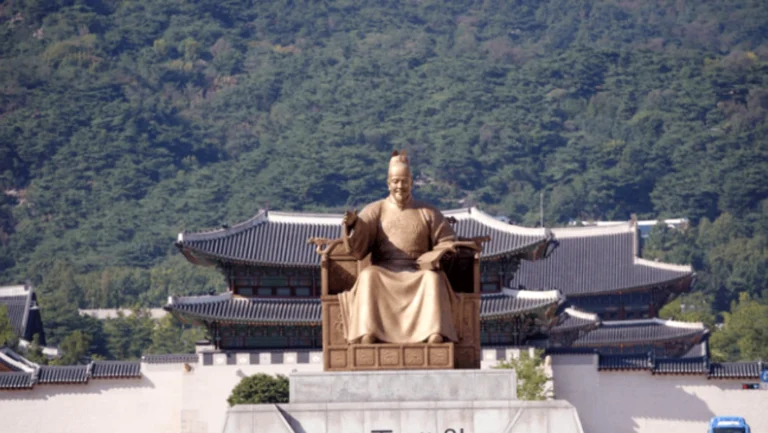
The decisive historical turning point for the formation of this specialized institution occurred in 1899, corresponding to the third year of Gwangmu under the Korean Empire (大韓帝國), when Emperor Gojong approved the establishment of the Naejangwon Jang-guk-seo (內藏院掌榷署) under the Imperial Household Department. This bold decision officially brought the entire process from ginseng cultivation and production to red ginseng processing under royal control, establishing a monopoly system to safeguard maximum quality and prevent counterfeit goods from plaguing the market. Also from this period, pioneering anti-counterfeit practices in commercial history were born, epitomized by the red-hot branding technique and specialized sealing packaging systems, which helped identify imperial red ginseng products as an absolute symbol of prestige, transparency, and royal class.
Yet the historical flow of this national ginseng treasure could not avoid turbulent twists and turns when the Korean Peninsula fell into the Japanese colonial period from 1910 to 1945. Under harsh colonial rule, the administration enacted the Red Ginseng Monopoly Act (紅參專賣法), forcibly restructuring the entire production system under the direct control of the Governor-General’s Monopoly Bureau. Despite many vicissitudes and pressures from foreign powers, the underground current of traditional secret red ginseng processing recipes was heroically preserved by generations of native artisans, fully safeguarding the essence of its medicinal properties through the changes of wartime and political shifts.
The return of peace opened a new chapter for the revival and modernization of the country’s spearhead industry. In 1962, the Government of the Republic of Korea officially established the Monopoly Office—the predecessor of the Korea Tobacco and Ginseng Corporation (KT&G)—to reconstruct and reorganize the entire ginseng value chain according to modern industrial standards while strictly respecting centuries-old traditional values. The pinnacle of this streamlining and specialization occurred in 1999, when the ginseng business division officially spun off independently to establish the Korea Ginseng Corporation (KGC), officially inheriting the complete government ginseng institution from the ancient Joseon Dynasty. The birth of KGC not only marked a spectacular transformation from a feudal administrative agency into a global economic corporation, but also served as a steadfast commitment to preserving and promoting the culinary and traditional medical heritage of the land of kimchi as it reaches far out to the world.

Stepping onto this sacred land bearing the heroic breath of ancient dynasties, the cultural ethos and terroir of the Korea Government Ginseng Center emerge like a flawless painting bridging nature and human biological wisdom. Nestled entirely in the heart of Buyeo County within Chungcheongnam-do Province—once the illustrious ancient capital Sabi of the Baekje Kingdom—this national ginseng production headquarters stretches along the basin of the Baengma River, a waterway imbued with the historical and spiritual cultural imprints of the land of kimchi. Since ancient times, Eastern feng shui masters have regarded this land as a vital energy point abounding with life force, converging all five mutually generating elemental forces to nurture the world’s most precious herb. Here, landscape architecture and spatial planning philosophies not only strictly adhere to traditional Eastern feng shui principles, but are also filtered through the lens of modern agricultural science, creating an incomparable closed ecosystem.
Viewed from a landscape geography perspective, the entire core layout of the workshop complex and surrounding raw material zones strictly adheres to the classical principle of backing against sturdy mountain ranges and facing winding water currents, also known as the “backing against mountains and facing water” (tựa sơn hướng thủy) terrain. This topographical arrangement maximizes sheltered wind placement, welcoming mild morning sunlight while effectively shielding against harsh northern cold winds blowing down in winter. This natural setup perfectly satisfies the rigorous biological requirements of the ginseng plant, which is famously known as a shade-loving flora that intensely detests harsh direct sunlight and fears root waterlogging above all. The gently sloping hillside terrain with moderate gradients allows rainwater to drain quickly, preventing any water accumulation and keeping the topsoil dry, loose, and well-aerated year-round.
Delving deep into soil strata—the factor determining ginseng’s medicinal quality—agricultural and feng shui experts discovered a rare geological wonder in the special transitional zone between weathered soil from ancient granite and red basalt loam deposited by volcanic ash over millions of years. This unique blending creates a multi-layered, loose soil structure with superb drainage capacity that still retains necessary moisture while remaining extremely rich in natural micronutrients. This very specialized terroir triggered the biosynthesis and accumulation of saponins—precious bioactive compounds unique to Korean ginseng (Ginsenosides)—reaching peak levels in both quantity and quality, vastly outperforming ginseng cultivated in any ordinary soil worldwide.
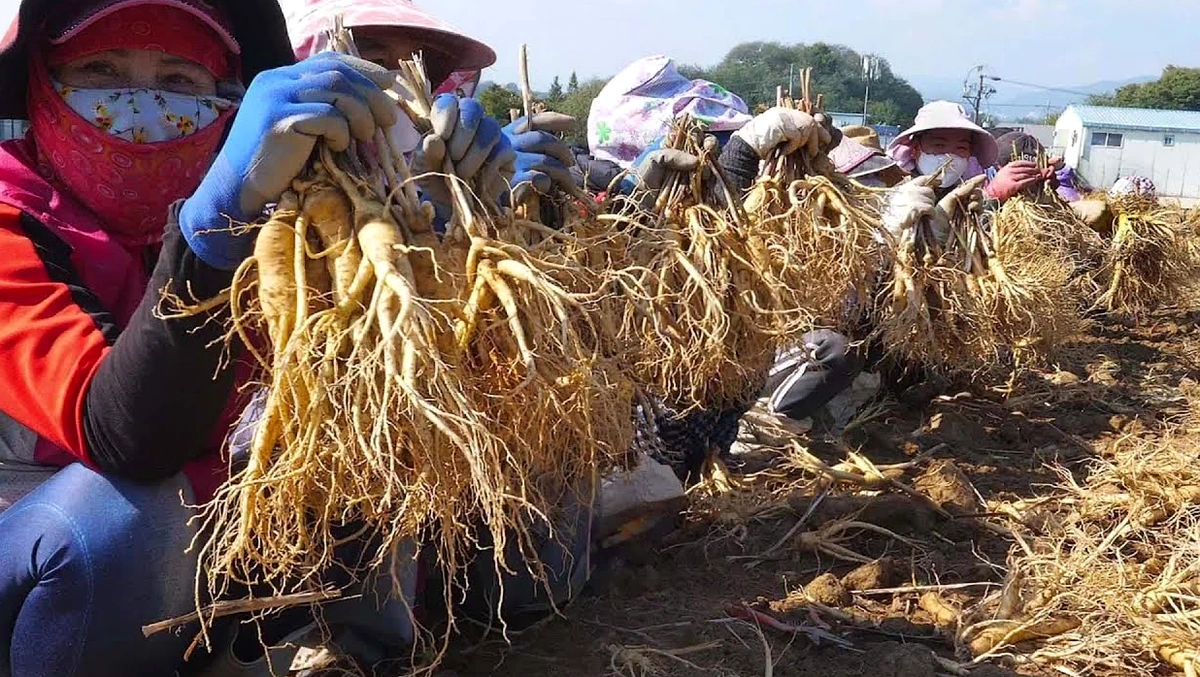
To recreate and optimize the wild habitat inherent to ginseng beneath primeval forest canopies, the Center’s planning committee deployed a world-class advanced microclimate technology system across cultivation areas and landscape research zones. All ginseng beds are covered by multi-layered specialized black shade netting capable of flexibly adjusting light spectrum ratios and light intensity according to each growth stage of the plant, combined with smart greenhouse networks automatically controlling temperature, humidity, and ventilation. This model plays the role of a giant glass cage accurately simulating climatic conditions beneath dense old forest canopies where wild mountain ginseng (Sansam) typically thrives naturally. The delicate intervention of high technology combined with natural laws created an ideal environment, helping ginseng plants absorb the full essence of earth and sky, grow vigorously, and accumulate transcendent medicinal properties before entering rigorous harvesting and processing procedures.
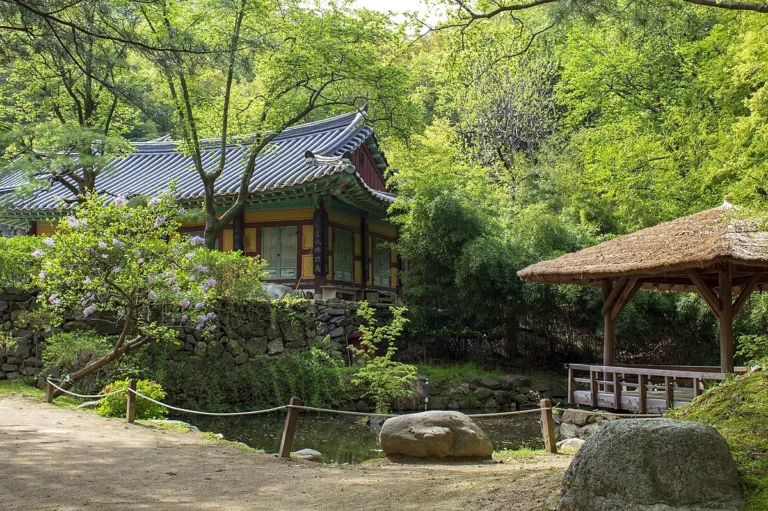
Stepping into the premises of the Korea Government Ginseng Center (韩国人参公社), visitors are immediately captivated by an encyclopedic architectural system where the boundary between traditional heritage and modern industry is harmonized delicately and spectacularly. The entire architectural system here is planned around a unique dual system, reflecting the twin philosophy of preserving ancient roots while striding boldly into humanity’s high-tech production era. In the heritage exhibition area and flagship boutique stores, traditional Korean architectural language is faithfully recreated through the renowned Hanok timber framework system. Under the talented hands of master artisans, the entire system of pillars, horizontal crossbeams, and wooden joists is erected without using a single iron nail or metallic material. Instead, the load-bearing structure relies entirely on traditional woodworking art, where mortise-and-tenon joints are carved precisely to the millimeter, interlocking and fastening securely across centuries to defy all changes of time and weather.
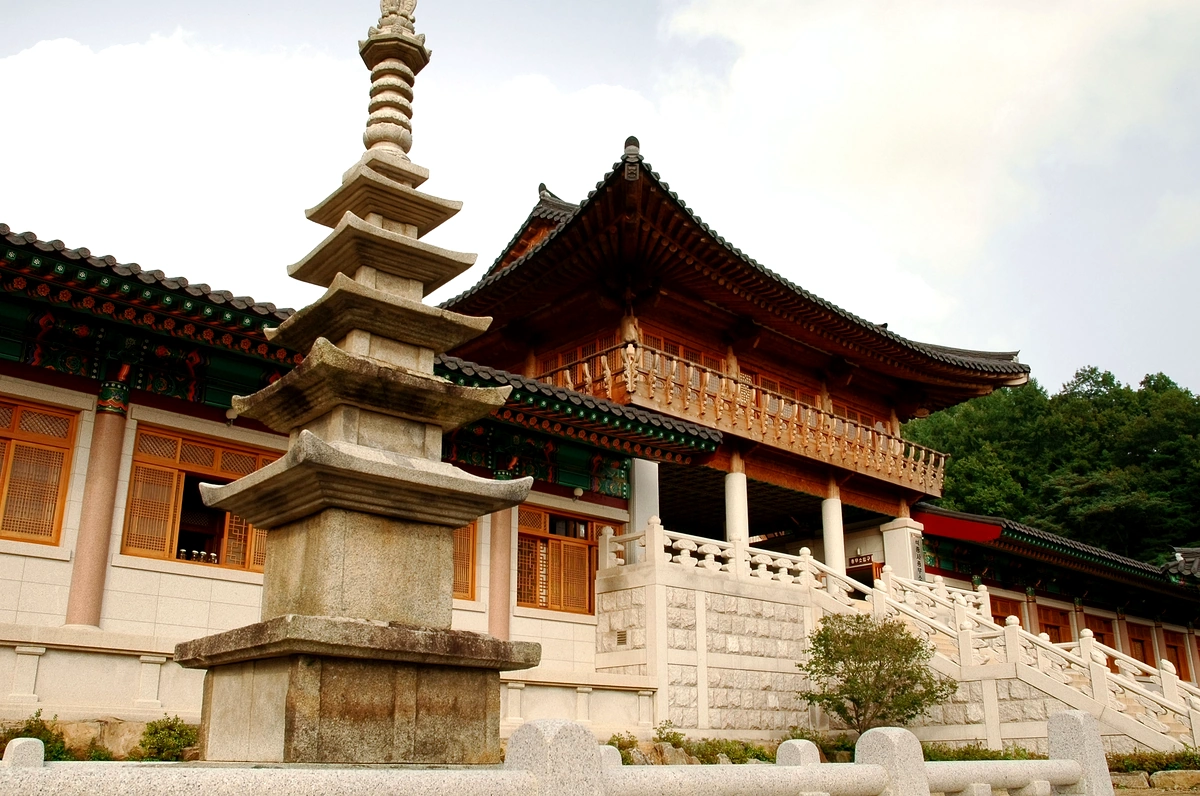
Delving deeper into the material analysis of this Hanok architecture, one fully appreciates the depth of native ecological philosophy. Red pine wood (赤松 – Korean red pine) with its characteristic natural fragrance, dense wood grain, and warm reddish hue is chosen for the backbone skeleton, providing optimal termite resistance and load-bearing capacity. Enveloping this wooden frame are plastered walls formed by combining yellow earth (黃泥 – the characteristic yellow loess of the peninsula) mixed with chopped straw, creating a superb natural insulation shell that keeps interior spaces warm in chilly winters and pleasantly cool during scorching summer afternoons. Window frames and doorways are lined with Hanji paper (고려지 – Goryeo paper)—handmade paper crafted from mulberry tree bark with extraordinary toughness, which not only filters sunlight into a hazy, gentle aura, but also functions as a natural air filtration membrane, regulating humidity for the entire room. Atop, the roof is tightly covered with traditional dark curved tiles, creating a rhythmic, graceful skyline reminiscent of the silhouettes of ancient Joseon Dynasty palaces.
In stark contrast to the subdued, nostalgic beauty of the exhibition and cultural experience zone, the headquarters and government red ginseng manufacturing plant in Buyeo emerge as a symbol of the world’s most advanced industry. Situated on grounds with a colossal actual scale, this plant boasts steel-truss structural frameworks combined with modern reinforced concrete, designed in open-space layouts to optimize heavy industrial production lines. Within this vast space lies closed automation lines imported directly from Germany and Japan, handling complex processes from steaming fresh ginseng, infrared radiation drying, to concentrated extract manufacturing and high-grade ginseng refining. Remarkably, while carrying a transcendent industrial heart, the facade and auxiliary blocks of this production complex skillfully integrate terracotta brick walls carved with traditional Korean motifs, harmonizing with large tempered glass panels reflecting the sky, helping the plant dispel the cold feel of steel and iron while presenting an aesthetic appearance brimming with cultural identity and the absolute transparency of a national brand.
When night falls, cleansing away the hurried rhythm of modern urban life and daytime radiant halos, the Korea Government Ginseng Center enters a completely different spatial dimension where the nighttime economy is awakened through cultural planning and pinnacle visual technology. No longer a static museum or exhibition center, the site transforms into a vivid live-action art space where a millennia-old history of royal herbs is woven by light, sound, and soaring emotions. Stepping into this complex compound as dusk fades, travelers cross an invisible time threshold into a contemporary fairy tale where tradition and future intertwine skillfully across every timber beam and blade of grass under the shaping hands of landscape design masters.
The most magical highlight of the nighttime space is the lighting aesthetic philosophy calculated meticulously down to the Kelvin. Lighting here avoids cold industrial white light, strictly restricted to a warm color range from 2700K to 3000K, faithfully recreating the subdued, deep amber glow of court lanterns or crackling firewood from ancient ginseng hunters’ hearths. Beneath this nostalgic color spectrum, traditional curved tile roof outlines of Hanok architecture are etched sharply and proudly against the night sky, embracing surrounding ancient pine trees with a hazy, mystical aura. Light is not merely for illumination; it has become an artistic language guiding vision, highlighting terracotta walls and rustic wooden verandas while creating a tranquil, peaceful yet authoritative atmosphere reminiscent of the royal medicinal golden age.
Nighttime life here reaches a crescendo when viewers immerse themselves in a live-action theatrical production titled “Red Ginseng Source” (Hồng Sâm Chi Nguyên), a multimedia performing arts masterpiece. The stage opens a magnificent space where the boundary between reality and illusion is completely dissolved thanks to bold integration of advanced holographic projection technology, vibrant multi-dimensional surround sound systems, and fluid live dance choreography by leading dance artists. The performance portrays the arduous yet proud journey of ancient ginseng hunters—braving forests and rivers, facing danger, and performing solemn deity worship rituals before carefully pulling up precious ginseng roots. Every dance movement follows war drums and bamboo flutes echoing among artificial mountains, guiding viewers from the pristine realms of rugged mountains into majestic royal palaces where premium ginseng roots are presented to the royal medical board for crafting life-saving remedies.
Leaving the emotionally resonant live-action space, nighttime life at the center continues to embrace travelers through the art of culinary appreciation and refined medicinal tea at open lounges and tea ceremony spaces nestled beneath old pine tree canopies. In the chill of night mist, leisurely sipping a warm cup of red ginseng tea, where bitterness gently transforms into a deep sweet aftertaste on the tip of the tongue, becomes a true meditative experience. Surrounding spaces radiate rustic herbal aromas, blending with wind rustling through pine branches and the gurgling sound of spring water from landscaped features. Here, amidst sweet amber light and contemporary art echoes, humans recover their inner original balance, closing a day of exploring every emotional gradation at the ginseng sanctuary of the land of kimchi.
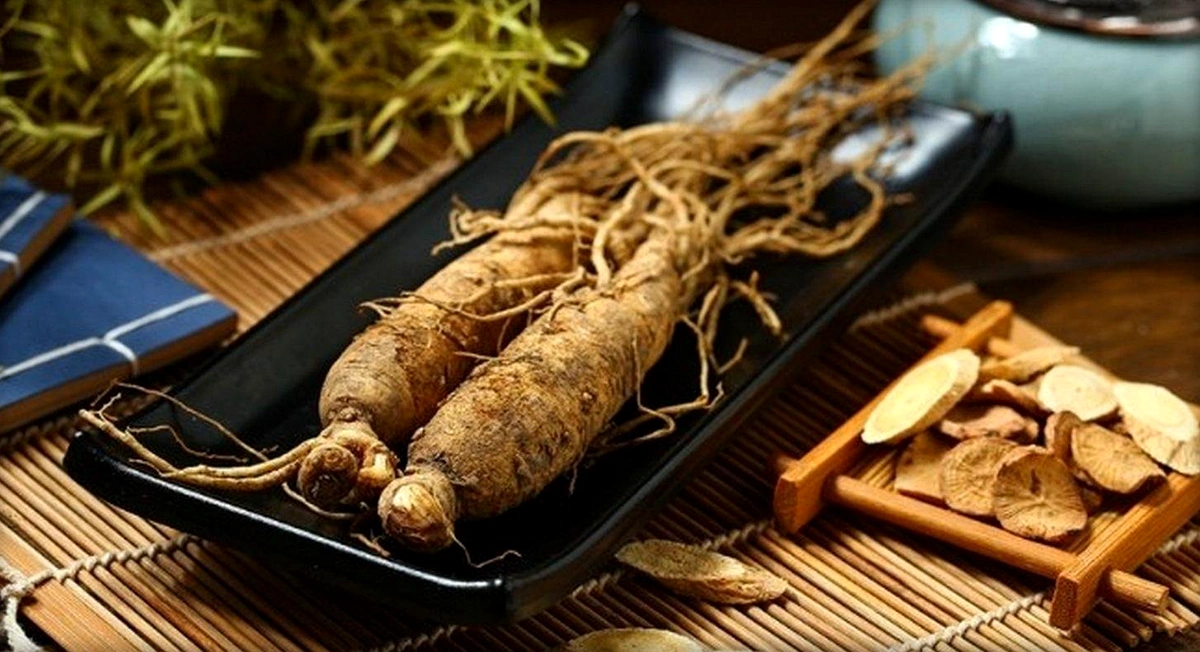
The culinary cultural space at the Korea Government Ginseng Center is where the philosophy of food and medicine sharing the same origin is elevated into intangible heritage. Here, the essence of Goryeo ginseng is not limited to traditional medicinal preparation methods, but blends into every royal and folk dish and beverage. The core of this culinary art lies in an elaborate processing cycle, where pure fresh ginseng roots through artisans’ hands undergo nine steaming and nine sun-drying cycles. This thermodynamic structural transformation converts fresh ginseng into premium red ginseng, activating and producing high concentrations of rare saponin compounds such as Rg3, Rh2, and Rg5—bioactive compounds with functions in immune enhancement, anti-oxidation, and comprehensive physical recovery.
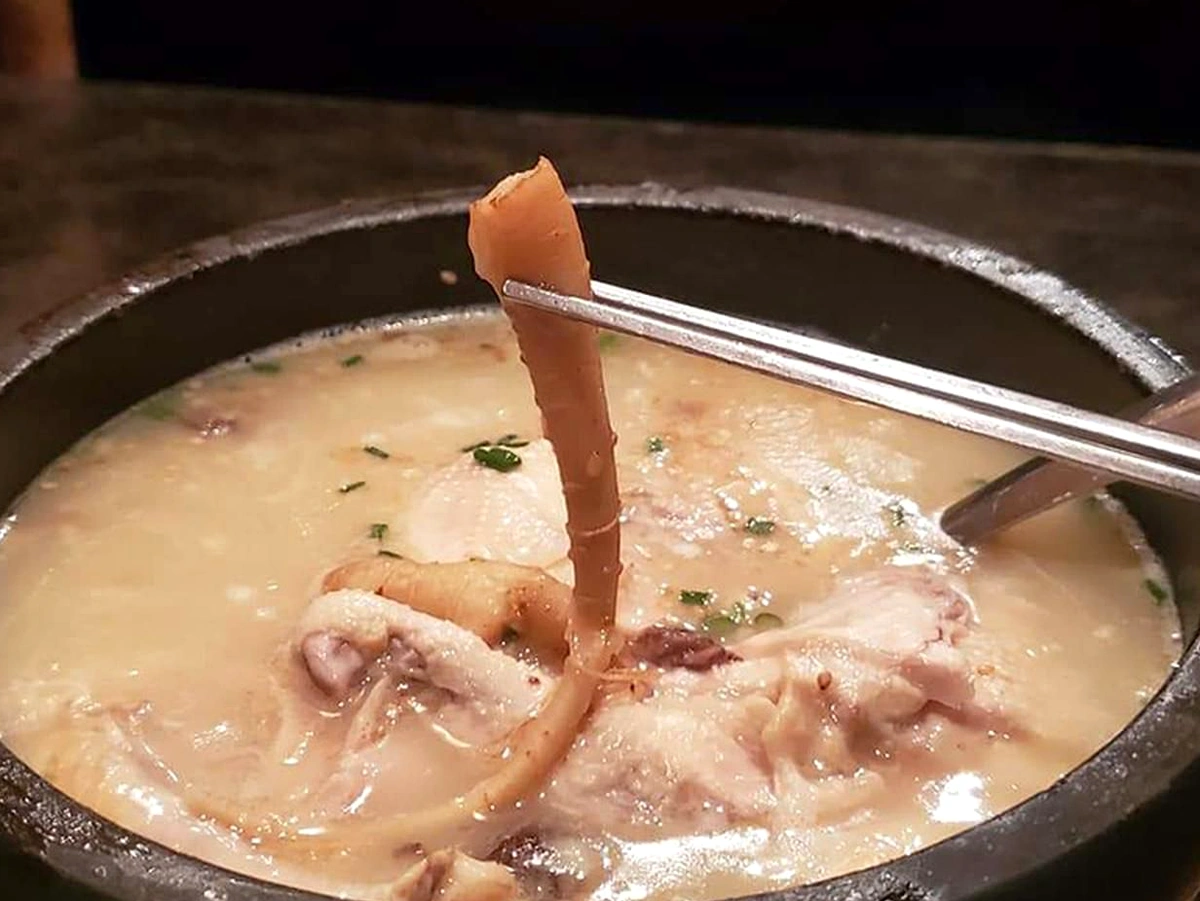
The renowned culinary map tied to the Korea Government Ginseng Center opens a rich taste world where each dish is an Eastern medicine prescription crafted under gastronomic principles. Preeminent among them is Samgyetang, or ginseng chicken soup, a folk culinary masterpiece imbued with the Korean philosophy of “using heat to treat heat” during scorching summer months. To prepare an authentic bowl of Samgyetang, chefs meticulously select young tender whole chickens stuffed with sticky rice, sweet jujubes, fresh garlic, nutritious milkvetch root, and notably a pure KGC red ginseng root simmered tenderly for hours. Upon tasting, diners experience a milky white, viscous broth with a rich, elegant yet supremely buttery flavor, blending with ginseng’s characteristic passionate aroma penetrating every shred of tender chicken meat, delivering abundant vitality and banishing all body fatigue and lethargy.
Alongside traditional ginseng chicken soup, the family culinary experience here leaves a deep mark with Sam-twigim, or crispy battered deep-fried ginseng, a bold yet sophisticated culinary reinvention. Fresh ginseng slices or pure red ginseng roots are trimmed neatly, dipped in a thin batter formulated by secret recipes, and deep-fried in boiling oil at precise temperatures, creating a golden, crispy outer crust while keeping the interior moist and soft alongside a rich flavor that is slightly bitter with a lingering sweet aftertaste. Furthermore, the gastronomic journey leads visitors into court delicacies through honey-infused ginseng products and premium ginseng fruit teas. Thinly sliced ginseng steeped in aged wild forest honey until absorbing sweet notes becomes a precious dessert of ancient noble court consorts, preserved today and served to all travelers as a living testament to a millennia-old food culture that never fades.
The journey to explore the ginseng capital of the land of kimchi becomes complete and smooth when travelers grasp practical experiences regarding timing, transit routes, and smart shopping tips distilled from veteran travel experts. The Buyeo Red Ginseng Factory and Museum under the Center welcome visitors daily from Monday through Friday, with standard operating hours running from 09:00 AM to 17:00 PM. However, a crucial note travel enthusiasts must remember is that the production factory and specialized tours require visitors to complete online registration procedures via the official web portal at least two weeks prior to departure so management can arrange guide personnel and control visitor volume to ensure strict operating standards of a national facility.
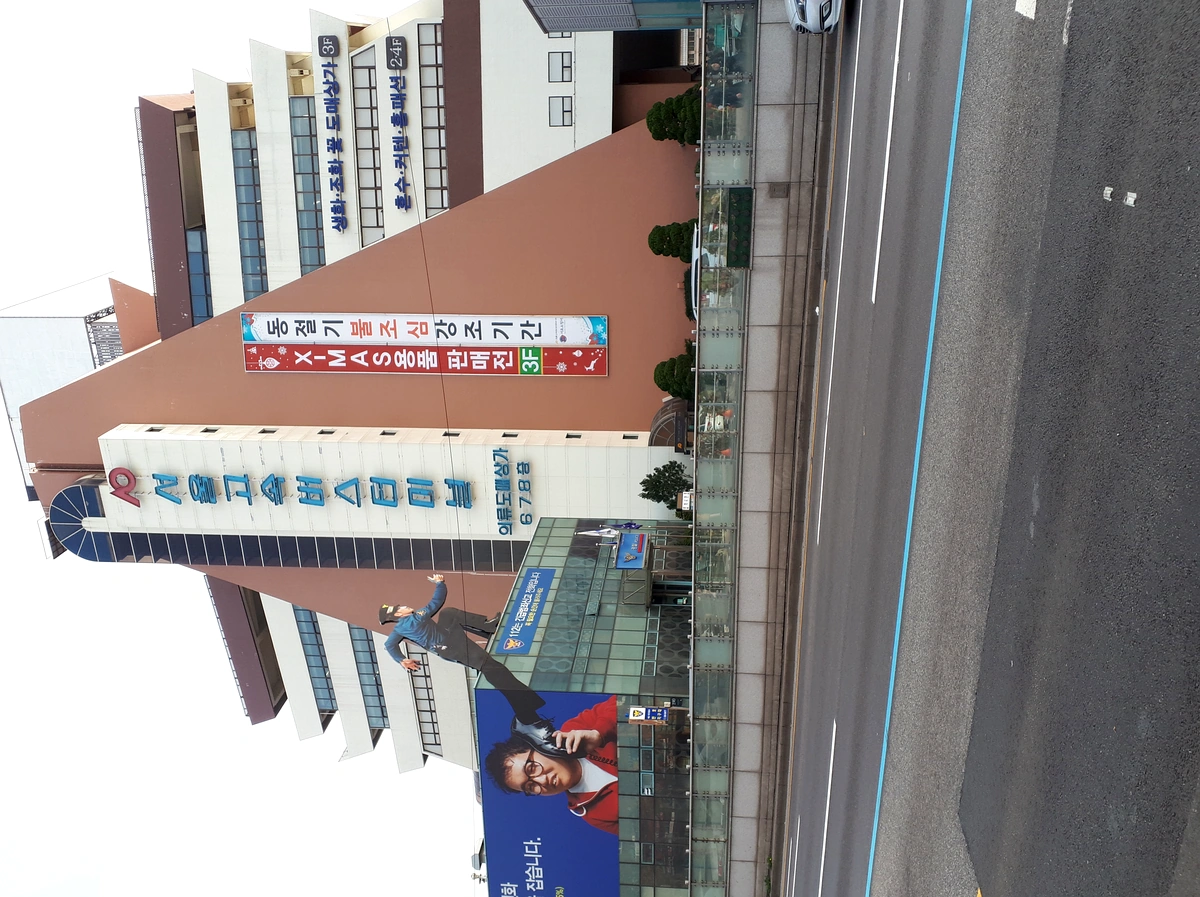
Regarding transit options, the most popular departure point for international travelers is Seoul, where a developed public transit system makes interprovincial connections extremely convenient. From the Seoul Express Bus Terminal, travelers can purchase tickets for direct buses to Buyeo Intercity Bus Terminal with an estimated travel time of about two hours, admiring scenic pastoral landscapes changing outside windows. Upon arriving at Buyeo terminal, the optimal and fastest way to reach the factory grounds is taking a direct taxi, taking roughly ten to fifteen minutes. Crossing the security gates of the complex, all visitors must strictly adhere to regulations on anti-contamination and cleanroom standards. Wearing full-body anti-dust protective suits accompanied by specialized shoe covers is mandatory for anyone stepping into fresh red ginseng processing and packaging areas, protecting absolute purity and hygienic safety for this precious medicinal product.
Beyond visual and technological experiences, shopping for ginseng and red ginseng gifts always requires sophistication to avoid purchasing counterfeit goods adrift on the market. Experts advise travelers shopping here to always inspect authentic identification features carefully, including the exclusive registered brand ‘Jung Kwan Jang’ along with high-tech anti-counterfeit stamps on every product packaging. Government red ginseng quality classification systems are divided clearly into levels from Heaven Ginseng (Cheonsam), Earth Ginseng (Jinsam), Good Ginseng (Ryangsam) to Cut Ginseng (Jeolsam), reflecting the perfection of raw ginseng roots and internal saponin active ingredient content. For daily health invigoration needs for oneself and family, product lines in the ‘Ryangsam’ segment or concentrated red ginseng extracts are the most logical choices, ensuring premium medicinal properties while optimizing costs, preventing buyers from confusion and blindly chasing peak luxury lines. To witness this royal medicinal preparation process firsthand without worrying about detailed planning or complex booking procedures, explore all-inclusive tour packages for fulfilling and absolutely reassuring cultural experiences.