Welcome to the most comprehensive international travel encyclopedia guide created by the experts and cultural writers of VDS Travel. In the journey of exploring China’s golden travel route (Beijing – Shanghai – Hangzhou – Suzhou – Wuzhen), Beijing always emerges as a wonderful picture intersecting a thousand years of feudal history with the strong rise of one of the world’s most modern mega-cities. Located at the heart of the Beijing Olympic Park, right next to the legendary Bird’s Nest stadium, the National Aquatics Center—known worldwide by its poetic name Water Cube (Thủy Lập Phương)—is an unmissable architectural icon. This article will guide you deep into every corner of this magnificent structure, from its historical background, magical scientific structure, practical field experiences to top-tier cultural experiences, making your trip with VDS Travel perfect and complete.
The Beijing National Aquatics Center is located in the Olympic Park, Chaoyang District, Beijing, China. This location lies right on the northern central axis of the city, about 10 to 12 km north of the Forbidden City and Tiananmen Square. In terms of transportation, it possesses one of the most synchronized infrastructure systems with the Beijing Subway (Line 8 runs right through Olympic Center Station), helping visitors easily connect from any point within the inner city. Placing the Water Cube right next to the Beijing National Stadium (Bird’s Nest) was no coincidence, but a deeply profound urban planning intention by the government and architects.
To prepare for the 2008 Beijing Summer Olympic Games, the Chinese government organized an international design competition to seek revolutionary ideas for key sports competition venues. Construction of the Water Cube commenced on December 24, 2003, and was officially completed in January 2008. This structure stands as a testament to China’s strong resurgence in the 21st century, affirming its technological capabilities, financial potential, and timeless aesthetic vision before international friends. It once witnessed historic moments in world sports, notably the feat of winning 8 historic gold medals by the great “aquatic fish” Michael Phelps, turning this swimming pool into a sanctuary of world records.
The most unique element creating the encyclopedic cultural value of the Water Cube is its symbolic meaning in traditional Chinese philosophy. According to Eastern geomancy and cosmology, the square shape of the building symbolizes Earth, carrying a Yin nature, solid and stable. Meanwhile, the round Bird’s Nest stadium next to it symbolizes Heaven, carrying a Yang nature, dynamic and vast. The perfect combination of “Round Heaven and Square Earth” (Thiên viên địa phương) creates absolute Yin-Yang balance for the entire Olympic complex. Furthermore, the name “Water Cube” is not merely a translation, but “Lập Phương” in Chinese also carries the meaning of a three-dimensional space where water—the source of life—is honored through the most sophisticated geometric structure.
Landscape of water canals, ancient stone bridges, and passenger boats in a traditional water town in China.
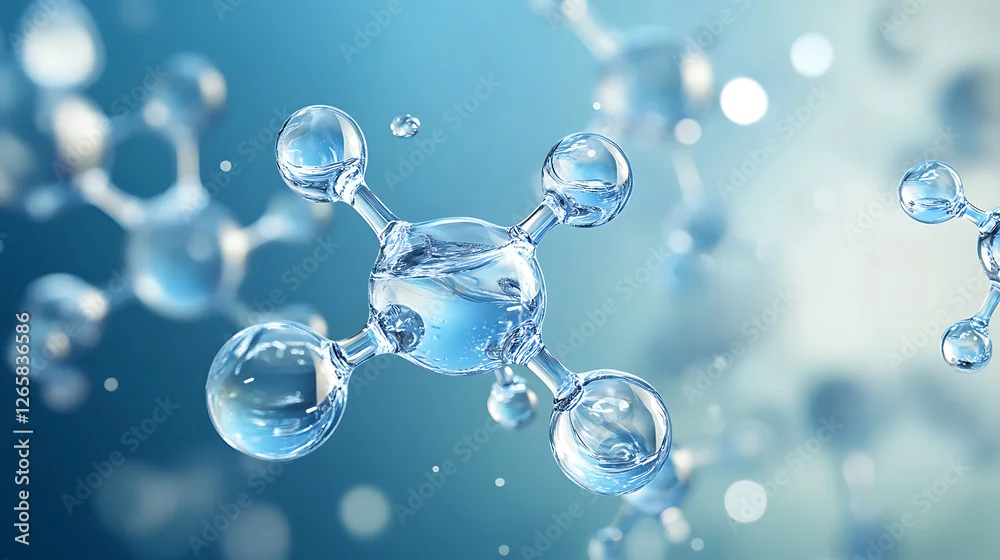
Completely different from traditional sports structures utilizing heavy load-bearing concrete and steel, the Water Cube is the embodiment of lightness, fluidity, yet extreme sturdiness. The international architectural team, including PTW Architects (Australia), Arup engineering firm, and China State Construction Engineering Corporation (CSCEC), drew inspiration from the natural structure of soap bubbles when clustered together. They successfully applied the complex mathematical geometric structure named Weaire-Phelan—a structure demonstrating how space is divided into volumes of equal size with minimal surface area. This helps the structure accurately simulate biological cellular structures and water bubbles in nature.
The brilliant and magical exterior surface of the Water Cube is made from 3,000 pneumatic cushions made of a fluoropolymer synthetic resin material named ETFE (Ethylene Tetrafluoroethylene). This was a revolution in the building materials industry at the time. These ETFE panels are extremely lightweight (only 1% the weight of glass), highly durable, fire-resistant, self-cleaning when it rains thanks to a dust-resistant surface, and especially feature superior light transmission. This material allows natural sunlight to penetrate deep into the building interior, helping save maximum daytime lighting energy and absorbing solar heat to warm the water in the swimming pools—a pioneering green architectural solution.
The Water Cube possesses a floor area of up to about 70,000 square meters, with an initial seating capacity of up to 17,000 seats serving swimming, diving, and synchronized swimming events at the 2008 Olympics. After the games, recognizing the importance of maintaining and effectively utilizing legacy structures, the Beijing government undertook a large-scale major renovation in 2010. Half of the indoor space was successfully converted into a world-class indoor water park named Happy Magic Water Park (Ice and Snow Water Cube). This ingenious transformation helped the Water Cube transition from a closed specialized arena into a vibrant entertainment complex, attracting millions of visitors year-round regardless of Beijing’s harsh winter weather conditions.
When visiting the Water Cube during the day under the bright sunlight of Beijing’s capital, visitors will be mesmerized by the visual effects brought by the ETFE bubble blocks. Viewed from afar, the building looks like a giant melting blue ice block or a glowing coral reef in the heart of the city. You can stroll leisurely around the Olympic Park grounds to fully admire the stunning contrast between the lush green square block of the Water Cube and the interwoven curved steel structure of the bird’s nest stadium next door. Don’t forget to take photos capturing the panoramic perspective of both iconic structures from the park’s main observation deck.
Tourists boating on an ancient water canal in Jiangnan water town, China.
However, the most explosive moment of the Water Cube takes place when night falls. The sophisticated LED smart lighting system installed ingeniously inside thousands of “bubbles” begins operating, turning the entire building into a giant screen bursting with color. Color bands continuously shift fluidly from ocean blue to magical purple, brilliant red, warm yellow, or vibrant green, creating an extremely eye-catching and somewhat futuristic visual space. This is a million-like check-in sanctuary for global youth when traveling to China. Portrait photos with the backdrop of shimmering light emanating from the ETFE cells will create an unforgettable imprint in your journey album.
Stepping inside, you will be overwhelmed by the vast space and modern interior architecture. If you purchase an admission ticket to the Olympic heritage area, you will admire the international-standard swimming pool system where the world’s top athletes once competed. For tourists who love excitement and practical experiences, the Happy Magic Water Park inside opens up a wonderful entertainment world with high-speed winding water slides, giant artificial wave pools, a relaxing lazy river, and colorful play areas for all ages. The feeling of immersing yourself in high-tech warm water right in the heart of a world heritage-scale architectural work is extremely special that VDS Travel wants you to experience.
After hours of delightful exploration at the Water Cube, enjoying Beijing’s rich cuisine is an essential experience. The area around the Olympic Park and neighboring streets concentrates countless budget to high-end restaurants serving famous traditional dishes. You must definitely taste Beijing Roast Duck (Peking Duck) with crispy skin and tender meat, served with thin rice pancakes, scallions, and signature sweet bean sauce. Besides, dishes deeply imbued with imperial flavors and local profiles such as Beijing soybean paste noodles (Zhajiangmian), Mongolian-style grilled meat skewers, royal green bean cakes (Lvdagun) or traditional red sugar-coated hawthorn skewers (hulu) will awaken all your senses.
At souvenir shops inside the Olympic complex and the Water Cube, you can find countless unique handicrafts as gifts for family and friends. Popular gifts include miniature glowing night models of the Water Cube, ETFE bubble-shaped keychains, embossed artistic postcards of the 2008 Olympic complex, along with sophisticated porcelain products imbued with traditional Chinese styles. Additionally, if you happen to visit traditional markets or the Wangfujing pedestrian street during VDS Travel’s Beijing route schedule, you can buy extra premium Longjing tea, high-grade silk, or delicate lacquer gift boxes.
Scene of a wooden boat rowing on a water canal under an ancient stone bridge in Wuzhen, China
Beijing has a distinct temperate continental climate with four distinct seasons: spring, summer, autumn, and winter. According to VDS Travel’s in-depth tour organization experience, the best times of year to visit the Water Cube and fully participate in the China tour route are autumn (from September to November) and spring (from April to May). During these periods, Beijing’s weather is extremely pleasant, skies are clear and blue, with little rain, highly favorable for outdoor photography and walking tours of the Olympic park. If you visit in winter (from December to February), the weather is very cold and snowy, but it is a wonderful opportunity to witness the Water Cube glowing in magical night lights and experience warm indoor entertainment activities.
Beijing’s transportation system is extremely developed, making travel to the Water Cube very convenient:
Subway: This is the fastest, most economical, and congestion-avoiding method. You just need to board Line 8 and get off at Olympic Center Station (奥体中心站) or Olympic Park Station (奥林匹克公园站), then walk about 5 to 10 minutes to reach the main gate of the Water Cube. Taxi or Ride-hailing (DiDi): Suitable for groups traveling in large numbers or carrying heavy luggage. You should give the Chinese name of the destination to the driver: 国家游泳中心 (National Aquatics Center) for easy understanding. Public bus: There are many bus routes passing through the Olympic Park area such as routes 82, 538, or specialized tourist sightseeing buses.
Ticket prices for visiting areas inside the Water Cube generally vary depending on the area you want to experience (traditional Olympic heritage area or Happy Magic water park):
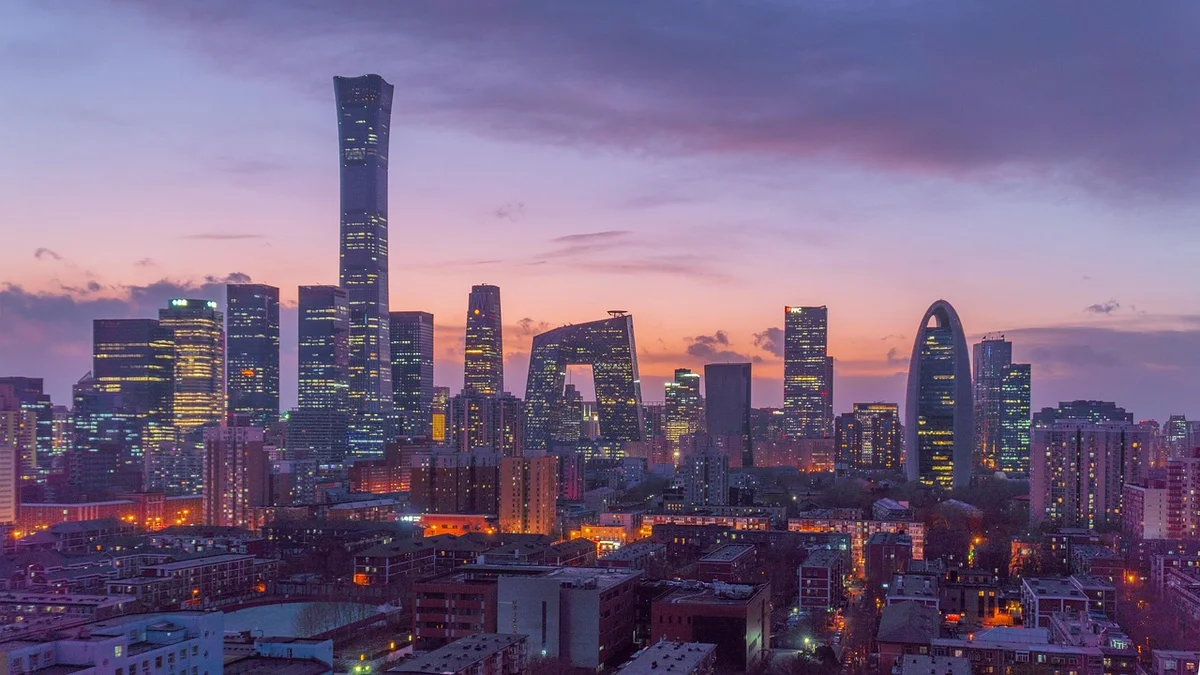
National Aquatics Center (Water Cube) glowing magically at Beijing Olympic Park
LISTED SIGHTSEEING TICKET & SERVICE PRICE TABLE
Field tips from VDS Travel: Because the number of domestic and international tourists flocking here is very large every day, you should book tickets online in advance through smart platforms or via a reputable tour operator to avoid long lines waiting under the sun or cold.
When visiting the Water Cube and destinations on the China tour route, you should note some important rules below to ensure your trip goes smoothly:
Security and Inspection: Like most public works and major historical sites in Beijing, the Olympic Park area and Water Cube apply strict security check procedures at entrances (similar to airports). Keep your passport ready. Public Cultural Etiquette: Always maintain a polite attitude, queue neatly when buying tickets or boarding public transport. Avoid speaking too loudly in crowded places and strictly adhere to no-smoking signs inside buildings. Electronic Payment: China is currently the world leader in cashless payment. You should prepare international payment apps linked to cards or use small cash at some small service counters (though cash is less preferred than WeChat Pay/Alipay electronic wallets).
Scene of boating on a water canal in Wuzhen, China with ancient architecture.
The most perfect time is around 16:00 afternoon. At this time, you can leisurely explore the exterior architecture under sweet sunset light, then wait until around 18:00 – 19:00 when night falls to admire the entire brilliant and magical color-changing LED lighting system of the structure. This time period also helps you combine viewing both the Bird’s Nest stadium next door when lights turn on.
Completely suitable! The surrounding area of the building has very spacious, airy park spaces, with flat walkways convenient for elderly people to stroll and enjoy the scenery. For children, the Happy Magic Water Park indoor water park inside will be a wonderful recreational entertainment paradise with countless safe, colorful, and attractive water games.
Thanks to its prime location in the Olympic Area, on the same day you can completely combine visiting the Beijing National Stadium (Bird’s Nest), Beijing Olympic Observation Tower, and Olympic Forest Park right nearby. If you want to expand your itinerary to subsequent days on the Beijing route, you can easily travel to the Forbidden City, Tiananmen Square, the Temple of Heaven (Hanhung Tiantan), or the Summer Palace.
Clothing depends heavily on the season you travel. In summer, wear airy clothes, bring an umbrella, sunscreen, and sunglasses because the park grounds are quite open. In autumn and spring, light jackets, comfortable sneakers are optimal choices because you will have to walk quite a lot. Especially in winter, prepare thick thermal jackets, wool hats, gloves, and scarves to fight against Beijing’s characteristic sub-zero cold.
Hopefully, this comprehensive encyclopedia guide from VDS Travel has provided you with the deepest, most practical, and useful knowledge for your journey to explore the National Aquatics Center (Water Cube) on your upcoming China tour route. Wishing you a trip filled with wonderful experiences and unforgettable memories!