The Mogao Caves complex in Dunhuang, Gansu Province, China, is situated at a strategic geographical crossroads on the edge of the Gobi Desert, where the northern and southern branches of the ancient Silk Road converged before crossing the Tarning Mountains. The historical creation and development of this heritage site span over a millennium, originating in 366 AD during the Former Qin dynasty and continuing seamlessly through the Northern Wei, Sui, Tang, Five Dynasties, Song, Western Xia, and Yuan dynasties. According to historical records on a stone stele in Cave 332, a monk named Le Zun, while passing through this area, saw brilliant halos shining upon the clustered sandstone cliffs, resembling the vision of tens of thousands of manifested Buddhas. Moved by this mystical scene, he decided to carve out the first cave for meditation and worship, thereby laying the foundation for one of humanity’s greatest religious and artistic achievements. The early formation of Mogao took place amidst the vigorous spread of Indian Buddhism into China along treacherous trade routes, where merchants, travelers, and monks stopped to pray for safe passage before facing unknown desert journeys ahead.
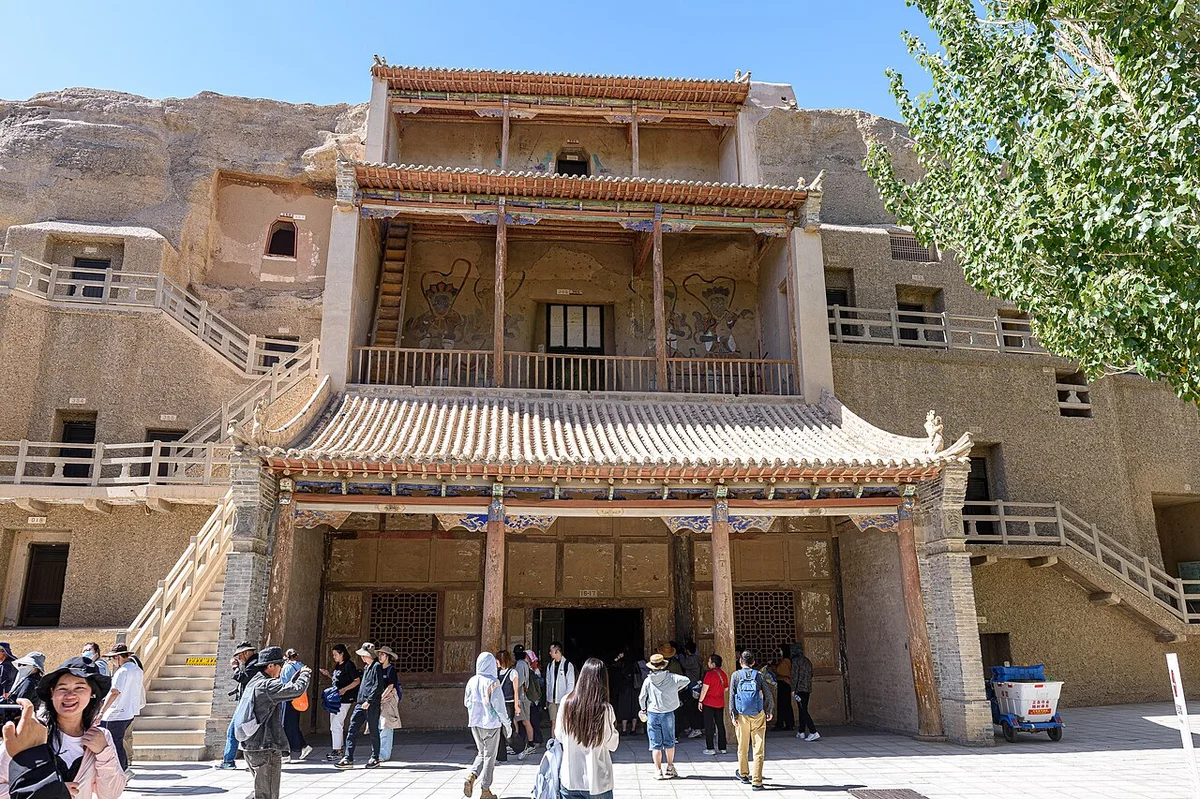
The historical progression across dynasties in Dunhuang directly reflects the political upheavals, cultural exchanges, and ideological shifts of ancient China alongside its neighboring ethnic groups in Central Asia. During the Northern Wei and Western Wei dynasties, plastic arts were deeply influenced by Indian and Gandhara Buddhist styles, featuring U-shaped arched niches, high nasal bridges, deep-set eyes, and tight-fitting clothing on statues, clearly demonstrated through the architecture of early caves such as Caves 254 and 275. Entering the Sui dynasty and especially the Tang dynasty—the golden age of the Chinese feudal empire—the Mogao complex witnessed a large-scale explosion of architecture and fine arts. With its openness in politics and international trade, the Tang dynasty absorbed Western aesthetic elements, creating large-scale Buddha statues, majestic heavenly kings, and murals depicting pure lands with thousands of characters possessing rich and vibrant emotional expressions. Representative caves from this period, such as Caves 96 and 130 featuring colossal seated Buddha statues tens of meters high, showcase supreme spiritual power and the pinnacle ancient sculpting techniques on soft sandstone foundations.
The decline of the Silk Road during the Yuan dynasty, driven by the development of international maritime trade and shifting continental trade routes, caused Dunhuang to gradually fade into oblivion. However, this relative isolation inadvertently preserved the priceless heritage within the cave system from large-scale wartime destruction in subsequent centuries. A milestone event in the modern study of Mogao occurred in 1900 when Taoist priest Wang Yuanlu, who self-proclaimed as the guardian of the 1,000 caves, accidentally discovered Cave 17, also known as the Library Cave. This secret chamber contained over fifty thousand rare documents dating from the 4th to the 11th centuries, including hand-written Buddhist sutras in Chinese, Sanskrit, Tangut, Tibetan, Khotanese, and various lost ancient languages, alongside administrative texts, economic contracts, poetry, and religious silk paintings. This discovery shocked the international academic community, attracting explorers and scholars from Britain, France, Russia, and Japan to study and collect them, thereby giving birth to a new branch of science known as Dunhuangology.
The significance and symbolic cultural role of the Mogao Caves extend far beyond the boundaries of a conventional religious site, serving as the most comprehensive visual archive of human civilization’s history along the East-West trade lifeline. Over seven hundred surviving caves, housing tens of thousands of square meters of murals and thousands of painted sculptures, form a living encyclopedia reflecting the social life, attire, architecture, music, dance, military technology, and ideological systems of multiple ethnic groups throughout a millennium. Murals depicting graceful Feitian (flying Apsaras) figures soaring through the air not only symbolize the aspiration to reach nirvana but also testify to the synthesis of traditional Chinese dance art with the acrobatic techniques and aesthetics of Central Asian nomadic peoples. The symbolic value of Mogao also lies in its cultural tolerance, where foreign religions such as Manichaeism, Nestorianism, and Buddhism coexisted and blended with indigenous Confucian and Daoist cultures, creating a truly unique identity.
In the contemporary context, the stature of the Mogao Caves is strongly affirmed through UNESCO’s official recognition as a World Heritage Site in 1987. The conservation of this monument requires cutting-edge scientific and technological efforts to address challenges from the harsh desert environment, including wind-sand erosion, groundwater moisture, and the impact of large tourist volumes on the fragile indoor atmosphere within the caves. The application of 3D digital imaging techniques, the construction of a modern exhibition center, and the implementation of strict tourist capacity control measures have helped extend the lifespan of these centuries-old artworks. The Mogao Caves thus stand firm as an enduring monument to the spirit of exchange, learning, and connection among civilizations, testifying to the everlasting vitality of human heritage through the vicissitudes of time.
The Mogao Cave complex in Dunhuang shapes an unparalleled architectural and religious art heritage along the ancient trade route connecting East and West. Regarding spatial geographical creation, this heritage site stretches along the eastern slope of the Mingsha Mountains, directly facing the Three-Rabbit Mountain peak (Sanweishan) across an arid valley formed by the alluvial deposits of the Dachuan River over millions of years. The local terrain has long been subject to strong erosion by desert windstorms and extreme continental climate fluctuations, creating a layer of weakly consolidated gravel and soft sandstone. This geological feature is simultaneously a major challenge for structural conservation and a favorable condition that enabled generations of Buddhist artisans to carve deep into the cliffside, creating a large-scale spiritual space system. The overall master planning of the complex did not follow a unified blueprint from its inception in the 4th century during the Former Qin dynasty, but rather developed over centuries through continuous accretion, simulating the organic growth of a miniature religious city.
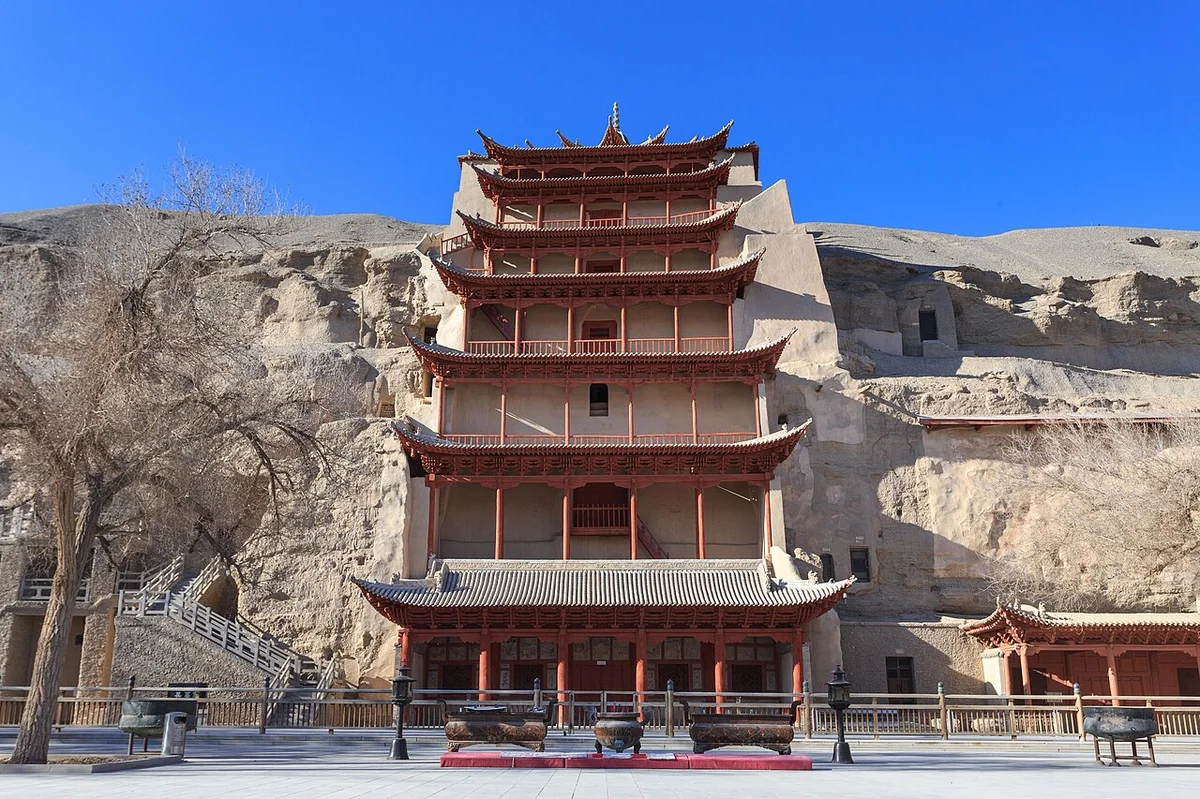
The master layout of Mogao clearly reflects spatial organization thinking in both vertical and horizontal dimensions, maximizing the natural structure of the cliff face stretching over 1,600 meters. The caves are arranged in multiple tiers, sometimes rising up to five levels of varying heights, linked together by wooden corridor systems, staircases clinging to the cliff face, and stone steps carved directly into the bedrock. The distribution of the caves is not random but adheres to traditional feng shui principles closely combined with Buddhist pilgrimage rituals. Large-scale caves housing colossal Buddha statues are typically positioned centrally, capturing the entire view looking up from the valley, while smaller caves designated for monks’ meditation and study are arranged on upper levels or hidden niches at the northern and southern ends. This stratification creates a distinct spatial hierarchy reflecting the differentiated social and religious structure of each historical dynasty from the Northern Wei, Tang, and Song to the Yuan dynasties.
The spatial division solutions inside each cave demonstrate masterly architectural and sculptural engineering, transforming the crude material of sandstone into solemn shrines. The typical interior structure generally comprises three main parts: the outer vestibule, the central space housing sacred relics, and the rear shrine or circumambulation corridor surrounding the main statue core. The initial vestibules were often sheltered by wooden eaves structures attached to the cliff face; however, most of these wooden structures have been destroyed over time, leaving only purlin socket traces on the cliff surface or being reconstructed in later periods. The interior space of the cave is shaped by directly carving into the bedrock to form seated or reclining Buddha statues, then coating them with a layer of mud mixed with straw and white lime before executing the murals. The focus of the interior space is always placed on the central deity, where natural daylight from the cave entrance shines during the day, creating a powerful visual effect that highlights the majestic demeanor of the statues.
The evolution of architectural forms across historical dynasties records clear imprints in the organization of interior spaces at Mogao. Under the Northern dynasties, cave structures were deeply influenced by the central pillar model originating from the Indian cave tradition, where monks and devotees performed circumambulation rituals around a central stone pillar carved with dense reliefs. By the Tang dynasty, the golden age of Dunhuang art, this model gradually shifted toward large hall styles with open front spaces, serving large-scale ceremonies hosted by the imperial court and the general populace. Tang dynasty caves emphasized height and depth, creating expansive spaces to accommodate giant Buddha statues reaching tens of meters high. Entering the Song, Western Xia, and Yuan periods, cave dimensions shrank somewhat due to changing historical conditions, but detailed floor plan solutions became more sophisticated with the appearance of complex circumambulation corridors, allowing pilgrims to perform ritual rounds around sacred statues in strict accordance with Buddhist canons.
The landscape surrounding the Mogao Cave complex serves as a distinctive ecological and ecological-geographical backdrop that determines both the survival and the solemn atmosphere of the heritage site. The Dachuan River valley together with sparse desert vegetation growing along the stream banks creates a natural boundary separating the tranquil monastic space from the vast desert outside. The eastward orientation of the entire cave system not only meets technical requirements to avoid predominant sandstorms blowing from the west but also carries profound philosophical significance regarding the reception of morning light, symbolizing enlightenment and new beginnings in Buddhist philosophy. The striking contrast between the arid yellowish-gray color of the sandstone cliffs and the rare strip of green foliage along the stream creates a unique landscape ecosystem where harsh nature and human creative labor harmonize into a sustainable historical entity enduring across millennia.
The method of connecting caves through vertical and horizontal transportation networks is also a remarkable achievement in Mogao’s master planning. Due to the steep cliff topography, movement between cave levels required ancient engineers to carefully calculate the load-bearing capacity of foundations and resistance to desert storm impacts. Although the initial wooden staircases and sheltered corridors have undergone numerous restorations and material replacements in modern times to serve heritage management, they retain their elevation and linear principles in strict accordance with traditional planning. These walking routes are not merely circulation pathways but are designed as scenic viewpoints, opening up panoramic views of the entire Dunhuang valley, helping observers fully appreciate the grandeur of the boundless natural landscape enveloping the artificial religious architecture.
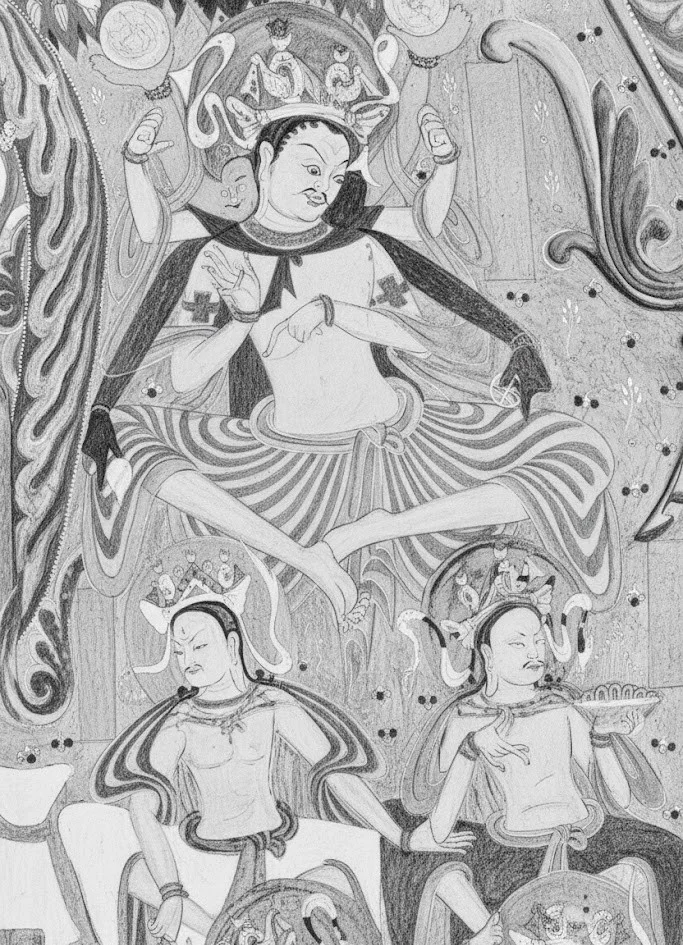
Synthesizing elements from natural topography, master planning, interior spatial division solutions, and the surrounding ecological landscape transforms the Mogao Cave complex into an open-air architectural museum of exceptionally high research value regarding ancient construction techniques. The carving and spatial arrangement here do not follow a static template but represent an ongoing dialogue between humanity and local materials, between the spiritual needs of various dynasties and the harsh limitations of the Gobi Desert environment. The enduring survival of hundreds of caves through thousands of years of history stands as the clearest testimony to the long-term strategic planning calculations of Dunhuang artisans and monks, leaving humanity with an architectural religious heritage of rare perfection.
The Mogao Cave complex, located on the edge of the Gobi Desert in Gansu Province, China, began its historical creation process in the 4th century with the first cave carved into Miocene conglomerate-sandstone cliffs. The geology of Mingsha Mountain’s cliff face is neither high-durability granite nor monolithic limestone, but rather ancient fluvial-lacustrine sediment compressed with relatively loose cohesion. This material property completely governed the architectural methodology and carving techniques of Buddhist artisan generations throughout more than a millennium. Instead of monolithic subtractive carving from the outside inward with the support of strong natural stone structures, ancient craftsmen had to apply an extremely elaborate mixed technique involving deep excavation into soft rock, followed by surface reinforcement using local clay mixed with fine sand, chopped straw, and goat hair to increase tensile strength and limit cracking caused by extreme diurnal temperature fluctuations in this arid continental climate.
The structural framework of the Mogao caves visually reflects the deep synthesis of traditional Chinese wooden architecture and Buddhist devotional cave models originating from Central Asia and India. In the early phase, caves often followed the central pillar devotion model, where monks and devotees could circumambulate a central stone pillar carved directly from the cliff to venerate Buddha statues. However, as Buddhism underwent profound Sinicization under the Tang and Song dynasties, Mogao architecture witnessed an explosion of caves with expansive vestibules and truncated pyramidal tiered ceilings modeled after imperial palaces or tombs. Most notable is the system of wooden structures projecting outward in front of the cliff face, commonly referred to as wooden pagodas or “nine-story towers,” which served both as protective frameworks shielding colossal statues inside and as outdoor ritual spaces for devotees before entering the tranquil inner world of the caves.
Statue sculpting techniques at Mogao strictly adhered to religious shaping canons while remaining flexibly adaptable to available material conditions. Most large-scale statues were not carved directly from the cliff’s bedrock but were crafted using a relief technique built over wooden or bound-reed cores. Artisans erected load-bearing wooden frameworks, wrapped them with layers of straw and river clay mud, performed rough shaping, and then refined details before coating them with a thin layer of plaster as a base for painting. This method enabled the creation of giant seated Buddha statues tens of meters high with majestic, well-proportioned bodies while minimizing the load pressing down on the weak sandstone foundation below. For smaller statues, terracotta techniques combined with lacquer or painted wood carving were also widely applied, creating a diverse array of artifacts bearing the distinct personal imprint of each historical dynasty.
The interior surfaces of the caves completely conceal the raw structure of building materials, being densely covered by massive layers of murals. The mural creation process at Mogao demanded extremely rigorous base preparation procedures. Over the initial wall-plaster layer, master painters swept a coating of fine white gypsum powder mixed with animal glue to create absolute brightness and flatness for the surface. Artists then sketched compositions in red or black ink before applying natural mineral pigments ground from gemstones and minerals such as cinnabar, ochre, malachite, azurite, and even pure gold leaf. This color-mixing technique helped murals retain astonishing color durability over centuries underground, while reflecting Dunhuang’s robust trade connections along the Silk Road as precious raw materials from Persia, Central Asia, and India were continuously brought here to serve religious endeavors.
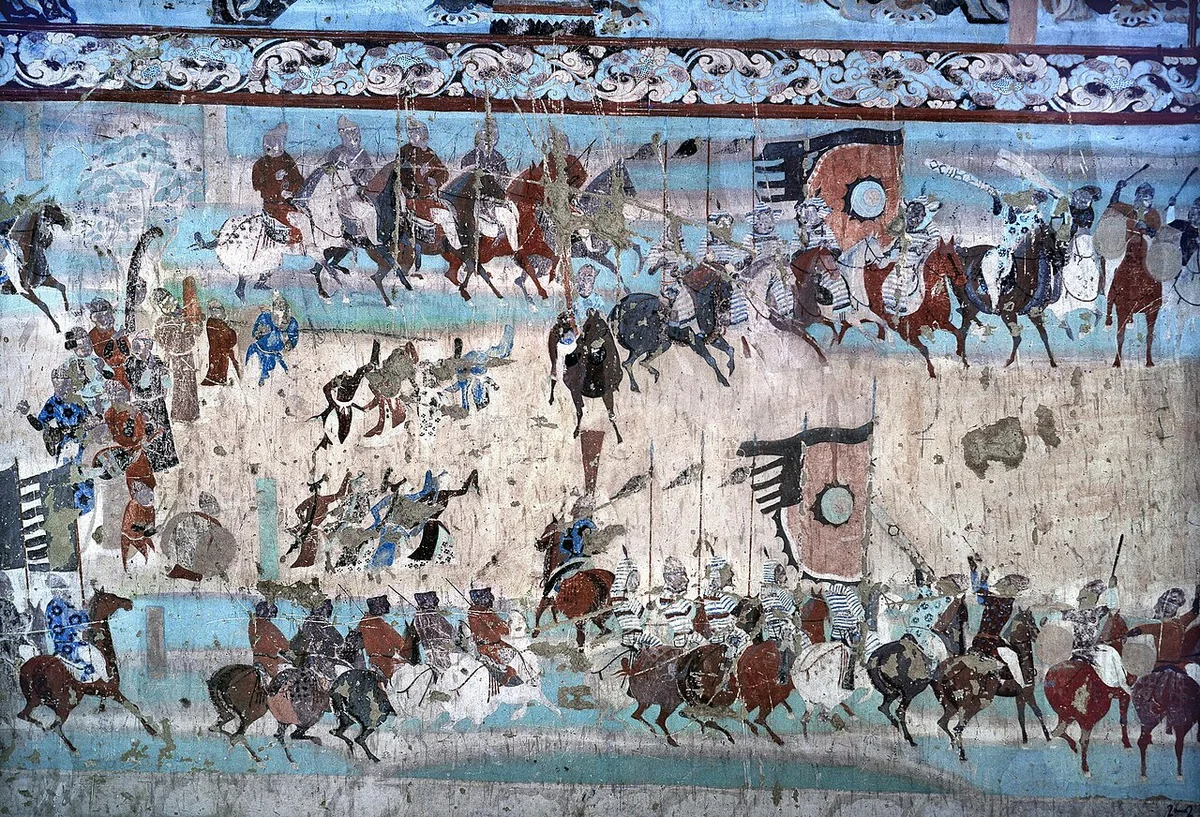
From an aesthetic philosophical perspective, the architectural and pictorial art at Mogao is the spatial materialization of Mahayana Buddhist thought, particularly scriptures related to Pure Land realms and Bodhisattva vows. The cave space was conceived as a miniature Buddha realm, where entrants must undergo a journey of cognitive transformation from the mundane world to eternal enlightenment. Lighting inside the caves, inherently limited and mainly originating from oil wick lamps or faint external light reflecting through cave doors, created a mystical atmosphere stimulating deep meditative states. Buddha figures with compassionate smiles and half-closed eyes looking down upon sentient beings not only exemplify the pinnacle of religious portrait sculpture techniques but also convey messages of inner stillness amid the impermanent flow of time and history.
The artistic symbolic layers here also possess encyclopedic qualities regarding contemporary society due to the method of reflecting real life through a religious lens. In murals depicting previous lives of the Buddha or sutra transformation scenes, viewers can recognize clothing systems, court architecture, traditional musical instruments, diplomatic rituals, and even camel caravans crossing the desert. This transforms each cave into a visual historical document where boundaries between divine art and worldly life are delicately dissolved. Ceiling decorative floral motifs, drawing inspiration from Persian art combined with Chinese lotus culture, testify to Dunhuang’s boundless cultural synthesis, where major human civilizations from East to West converged and blended.
Viewed from the perspective of modern conservation and research, the entire Mogao Cave system poses significant challenges in material mechanics and conservation chemistry due to declining bedrock durability and aging color paint layers. Analyzing the micro-structure of the sandstone cliff and plaster layers has helped scientists better understand how ancient artisans utilized natural moisture and binding minerals in the region to maintain structural stability under harsh desert conditions. The integrity of architectural, sculptural, and pictorial values here lies not only in external plastic aesthetics but also in the wisdom of construction technique selection, allowing earthen and wooden structures to endure millennia of weathering, serving as eloquent proof of humanity’s supreme creative capability against desert wilderness.
The Mogao Cave heritage complex is distributed across the desert cliffs on the eastern side of Mingsha Mountain, stretching nearly two kilometers from north to south, directly opposite the Three-Rabbit Mountain peak. The geological structure of the cliff consists primarily of poorly weathered conglomerate and soft sandstone, a physical characteristic that compelled ancient artisans to carve deep into the mountain interior and use mud mortar mixed with straw to create mural surfaces. Accessing and experiencing this world heritage site in person requires strict adherence to conservation principles, as the microclimate inside each cave is highly sensitive to humidity and temperature fluctuations generated by human breath. The visitor space organization is divided by management into two main zones: the research and digital exhibition center in the north, and the heritage core zone containing hundreds of authentic caves spanning centuries of historical change in the south. This clear demarcation aims to regulate academic and general tourist flows while minimizing environmental pressure on Buddhist mural and statue structures dating from the Northern Liang to the Yuan dynasties.
The mandatory starting point for any physical exploration journey at Mogao is the Dunhuang Digital Exhibition Center, which acts as a cognitive filter before visitors directly confront real caves. Here, ultra-high-resolution digital dome cinema technology recreates representative caves that are restricted from direct public access for conservation reasons. In-depth documentary films thoroughly depict the formation process of each mural wall, cross-century architectural structures, and the symbolic meanings of mythological figures, Buddhist doctrines, and Silk Road merchant attire. The transition from digital illusion space to physical reality is executed via specialized shuttle buses transporting groups across the arid desert valley directly to the foot of the Mogao cliffs. From the moment they step onto the plaza before the cave cliff, visitors witness firsthand the multi-tiered wooden corridor system clinging to the cliff, connecting cave openings numbered scientifically according to the Dunhuang Academy’s classification system.
The practical tour itinerary within the southern core zone is structured into alternating thematic routes, each comprising roughly eight to ten caves with mutually complementary historical and artistic value. Professional research institute guides lead visitors across steep wooden staircases clinging to vertical cliffs, where each cave doorway opens into completely distinct artistic worlds. Cave 96, featuring a nine-story wooden architectural structure hugging the mountain cliff, houses a colossal Maitreya Buddha statue over thirty-five meters high carved into the cliff during the Tang dynasty. This serves as a spatial axis milestone for the entire complex, where visitors can observe techniques combining monolithic rock sculpture and painted terracotta modeling. Moving deeper into the itinerary routes, Northern Wei-period caves such as Caves 249 and 285 introduce a complex religious symbolic system where Indian Buddhist art deeply fuses with indigenous Chinese mythology through figures of Western deities, flying immortals, and exotic beasts.
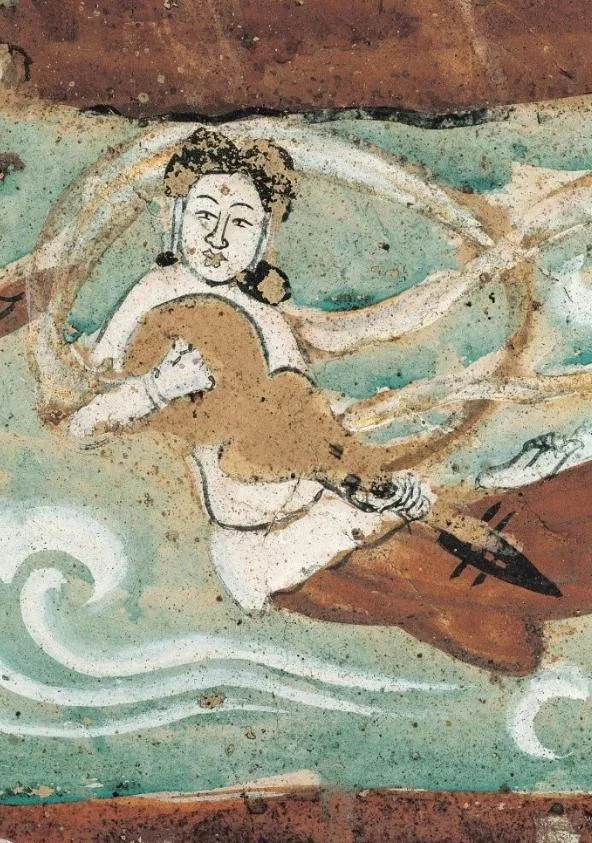
Visual experiences inside each cave require low-intensity specialized flashlights due to strict conservation regulations preventing the fading of natural mural pigments. Under gentle yellow light, walls emerge with the vibrant colors of natural minerals such as cinnabar, malachite, azurite, and gold leaf preserved intact over thousands of years. Cave 61, featuring a massive geographical map mural depicting Mount Wutai alongside Song dynasty monasteries and trade routes, provides priceless historical documentation value for geography and ancient architecture researchers. Meanwhile, Cave 217 represents the artistic pinnacle of the prosperous Tang dynasty with Sanskrit sutra narratives recounted in monumental figurative language, miniature palace architectural details, and exquisite expressions of inner emotion among bodhisattvas and heavenly kings.
The journey continues toward the northern section of the complex, which concentrates caves that once served as living quarters, meditation halls, and cremation sites for generations of monks and scripture translators across various dynasties. Unlike the splendor of devotional caves in the southern zone, northern caves are more modest and rustic, featuring stone meditation platforms, wall niches for scriptures, and centuries-old oil lamp smoke traces. Touring this area helps viewers comprehensively understand the practical living context of the monastic community that transformed a barren desert into the Eurasian region’s largest cultural exchange hub. Culturally deep researchers and travelers often spend ample time observing ceiling dome construction techniques, lotus floral patterns, and Persian-Hellenistic geometric motifs lingering on cave ceilings.
Concluding the field survey at the Mogao Caves, the itinerary leads visitors back to the thematic exhibition area to study the discovery history of documents in Cave 17, also known as the Library Cave. This exhibition space recreates a treasury of over fifty thousand rare documents in various languages such as Sanskrit, Khotanese, Tibetan, Old Uighur, and Chinese, which were sealed for centuries before discovery in the early twentieth century. Accessing reproductions and original materials here forms a perfect closure for travelers’ cognitive sequence, connecting architectural objects and cliff murals with world-class documentary heritage. The entire real-world experiential journey at Mogao thus transcends standard sightseeing, becoming a trans-temporal dialogue with civilizations that once flourished along the vital route connecting East and West.
The Mogao Cave complex in the Dunhuang oasis, Gansu Province, China, exists not only as an outdoor Buddhist art museum across dynasties from Northern Wei to Yuan, but also as the center of a uniquely distinct local service, amenity, and cultural space ecosystem. Thousands of years ago, this land served as a vital crossroads of the Silk Road, intersecting traditional Chinese culture, Central Asian culture, Indian culture, and steppe nomadic traditions. The constant movement of merchants, monks, and envoys enriched a distinctive indigenous cultural stratum, currently preserved through the daily lives of communities residing around the heritage site. Modern tourism and cultural service ecosystems here are designed to harmonize strict UNESCO world heritage conservation requirements with travelers’ demands for deep historical experiences.
The Dunhuang Digital Exhibition Center, located at a distance from the main cave area to minimize moisture and carbon dioxide emissions from human breath harmful to ancient murals, is a mandatory starting point in modern service infrastructure. Here, high-resolution digital cinema technology is thoroughly applied via dome films vividly recreating the spatial structures and artistic nuances of caves restricted from direct access due to physical capacity limits. This utility system solves a core challenge in contemporary heritage management: providing accurate, multi-dimensional academic information on formation history, wall-painting techniques, and social contexts of each historical period before visitors step into the actual desert cliff environment. This scientific zoning strictly controls visitor volume and protects the microclimate environment inside the caves.
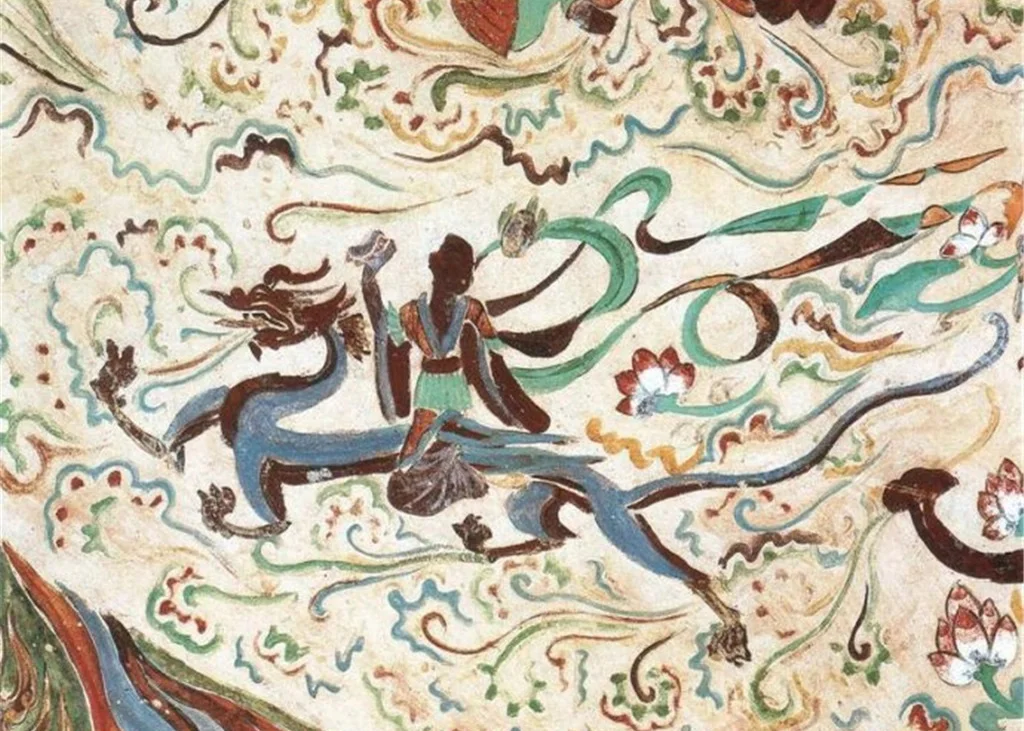
Surrounding the buffer zone of the heritage site, community interaction spaces and indigenous resident lifestyles bear the distinct imprint of Gobi Desert oasis culture. Dunhuang residents across generations have forged lifestyles deeply adapted to harsh climatic conditions, where water flowing from the Kunlun and Qilian Mountains nourishes the only green belts amid golden sand seas. Traditional economic activities such as oasis agriculture growing grapes, cotton, and wheat combined with nomadic pastoralism have created distinct handicraft villages and markets. Visitors approaching neighboring residential areas have opportunities to observe firsthand ancient ceramic replication techniques, traditional wool carpet weaving, and folk art forms such as Apsara dances adapted from flying fairy postures in Mogao murals. These art forms are maintained by descendants of artisans who participated in heritage restoration across generations, forming a vibrant intangible heritage lifeline.
Dunhuang culinary specialties represent an important study chapter on the blend of Chinese and Central Asian culinary cultures, directly reflected through ingredients and cooking methods passed down for centuries. Local dishes feature generous amounts of lamb, wheat, beans, and strong spices like cumin, dried chili, and black pepper, heavily influenced by the palates of Uyghurs and Muslim minority groups who once lived and traded along the Silk Road. Dunhuang noodles, also known as hand-pulled noodles with broth simmered from lamb bones and desert herbs, are popular dishes defining this region’s flavor. Additionally, lamb-stuffed baked pastries, traditional lamb hotpot, and famous dried fruits like raisins, jujubes, and sweet desert watermelons created by extreme day-night temperature amplitudes provide unique gustatory experiences for travelers.
Indigenous cultural experience services around the cave area are further expanded through outdoor art spaces, historical dance-drama performances recreating journeys of scripture-seeking monks like Xuanzang, or Sogdian merchants on ancient trade routes. Accommodations and restaurants in Dunhuang town are planned following architectural styles mimicking ancient Silk Road inns, combining traditional rammed-earth materials with modern amenities to offer nostalgic feelings while ensuring international standards. Thematic seminars on Buddhist art history, ancient Chinese calligraphy classes, and lectures on Western Xia script or ancient Sanskrit are regularly organized by scholars from the Dunhuang Academy, catering to in-depth knowledge seekers.
The reciprocal relationship between the local community and the Mogao Cave heritage site forms a solid foundation maintaining this destination’s enduring vitality over time. Local residents act not only as logistics providers, guides, and craft artisans but also as direct guardians of their homeland’s cultural values against pressures from mass tourism. Service development planning policies here consistently prioritize protecting the fragile desert oasis ecosystem, controlling groundwater resources, and minimizing negative impacts on the natural environment. The tight integration of academic scientific research, strict heritage management, and sustainable tourism economics has transformed the area surrounding the Mogao Caves into an exemplary model of how a world heritage site interacts with the contemporary world.
Planning a field expedition into the Dunhuang Mogao Caves heritage complex requires accurate knowledge systems regarding Gobi Desert microclimate conditions and strict heritage conservation standards mandated by Chinese state authorities. Situated in the southeastern suburbs of Dunhuang city, Gansu Province, this heritage site is strongly governed by a characteristic dry continental climate with extreme day-night temperature ranges and minimal annual precipitation. Preparation for academic surveys or cultural tourism here cannot be separated from analyzing optimal yearly timeframes to avoid extreme weather events that could severely hinder heritage access. The period from May to October is evaluated by researchers and tourism planners as the most meteorologically viable phase, when daytime temperatures remain stable and skies are cloudless, facilitating travel between functional zones. However, summer peaks from July through August typically bring blazing sunshine and sand surface temperatures exceeding 50 degrees Celsius, requiring travelers to possess thorough physical preparation and specialized body temperature protection measures.
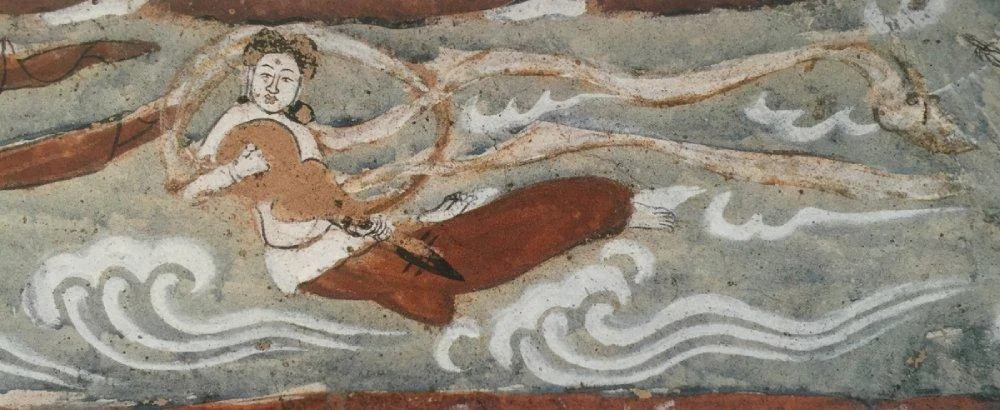
In contrast to summer, winter in Dunhuang brings biting cold from Siberian air masses; although tourist visitor numbers drop significantly, this period is ideal for researchers seeking quiet working spaces and lower air humidity. Regarding golden daily timeframes, itinerary allocation must strictly adhere to e-ticket systems and pre-registered time slots via the Dunhuang Academy’s online platform. Due to strict visitor management policies controlling humidity and carbon dioxide concentration inside caves, each visitor is granted access to only a limited number of caves during specific tour shifts. Mornings from 8:00 AM to 11:00 AM are the ideal timeframe when natural light slants through valley crevices, combining with specialized lighting at parking lots and reception centers to create a logical transit flow before tourist crowds surge in early afternoon.
Transportation systems connecting to Dunhuang have developed significantly over the past decade, allowing travelers to choose between air travel and the national high-speed rail network. Dunhuang Mogao International Airport, located about thirteen kilometers from downtown, receives direct flights from major economic hubs like Lanzhou, Xi’an, Beijing, and Shanghai depending on airline seasonal schedules. Meanwhile, Dunhuang railway station serves high-speed and sleeper trains from Lanzhou, offering time- and cost-saving travel options for those wishing to observe landscape transformations from steppes to semi-deserts. From downtown Dunhuang or the railway station, the optimal transport method to the Mogao Research and Exhibition Center is specialized tourist shuttle buses or metered official taxis, with travel times ranging from twenty to thirty minutes depending on traffic density along the G215 national highway.
Wardrobe preparation requires thoughtful consideration balancing practical defense against harsh environments with respect for a sacred space holding profound Mahayana Buddhist values. Due to desert topography and continuous walking on wooden pathways or sandy terrain between cave cliffs, visitors must wear sturdy, highly elastic, slip-resistant shoes, preferably specialized hiking sneakers. Layered clothing is recommended for easy removal to rapidly adapt to large temperature differences between the blazing outdoor sun and caves maintaining year-round cool temperatures thanks to sedimentary cliff structures. Apparel should consist of breathable, long-sleeved fabrics protecting skin from high-intensity ultraviolet radiation, supplemented by wide-brimmed hats, UV-blocking sunglasses, and thin scarves to guard against sudden dust-carrying wind whirlwinds.
Mandatory regulations and behavioral standards at the Mogao Cave complex are established extremely rigorously to protect millennia-old murals and sculptures from irreversible destruction. The supreme and inviolable rule strictly prohibits cameras, video recorders, or any recording devices emitting light or flash inside all caves, as high-intensity artificial light is a direct agent fading colors and destroying minerals in ancient paints. Additionally, touching cave walls, mural surfaces, or sculptures is strictly forbidden, as body moisture and sweat oils contain organic acids with strong corrosive properties against earthen plaster layers and natural mineral pigments.
Bulky personal luggage, large backpacks, oversized umbrellas, and handbags exceeding regulation sizes are prohibited inside main tour areas and must be stored in automated lockers right at the visitor reception center. When moving with professional heritage site guides, visitors must strictly follow designated routes, walk gently on wooden staircases, and listen to commentaries via low-volume wireless audio headsets to prevent acoustic resonance from damaging weathered cliff structures. Smoking, bringing food, or carrying beverages inside cave areas are also severely penalized under host nation cultural heritage protection laws.
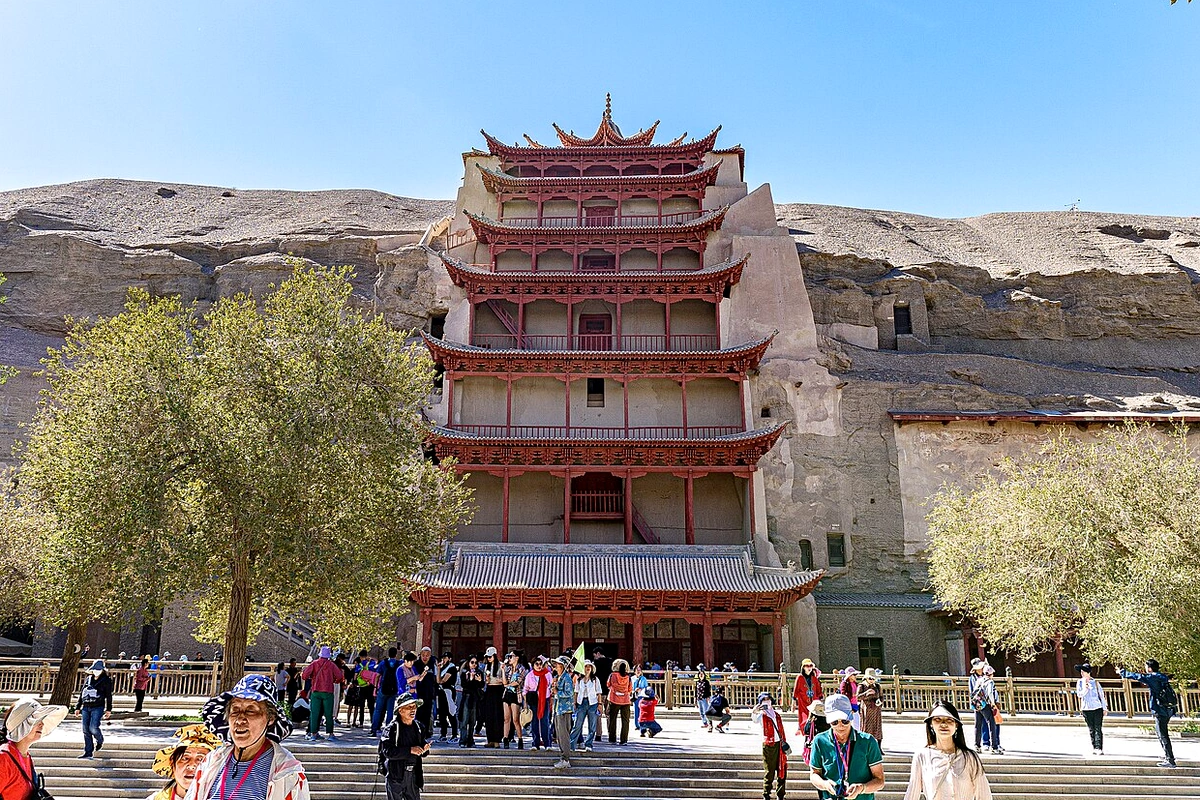
To supplement field experiences limited by time constraints inside original caves, pre-trip preparation should include thorough research into cave classification structures across historical dynasties from Northern Wei, Sui, and Tang to Western Xia and Yuan. Pre-studying classical subjects depicted in murals—such as sutra transformation paintings, Jataka tales of Shakyamuni Buddha, or Western Regions artistic floral motifs—helps travelers develop deeper empathetic thinking when confronting sculptures within dim flashlight-guided spaces. The seamless integration of timeline scheduling, strict adherence to conservation rules, and foundational knowledge acquisition will transform a Dunhuang visit into a genuine historical-cultural dialogue, transcending regular tourism to reach the level of a human heritage pilgrimage.
To fully experience this journey alongside local guides, you can explore all-inclusive China tour packages with pre-arranged itineraries.