The geological formation of the Zhangye Danxia landform complex spans hundreds of millions of years, beginning with red continental sediments accumulated during the Cretaceous period and continuing through tectonic crustal movements in the Tertiary period. Geologically, this region was once an inland enclosed lake for millions of years, where river currents deposited layers of sand, gravel, and silt rich in iron minerals. As the climate shifted toward aridity, the lake dried up, leaving behind thick sedimentary layers subjected to immense compressive pressure from the weight of overlying strata, transforming them into sandstone and red sedimentary rock. The collision between the Indian tectonic plate and the Eurasian plate roughly fifty million years ago generated massive geological faults, uplifting these horizontal sedimentary strata into complex folded mountain massifs while exposing geological cross-sections to the erosive forces of rainfall, wind, and glaciers across geological eras.
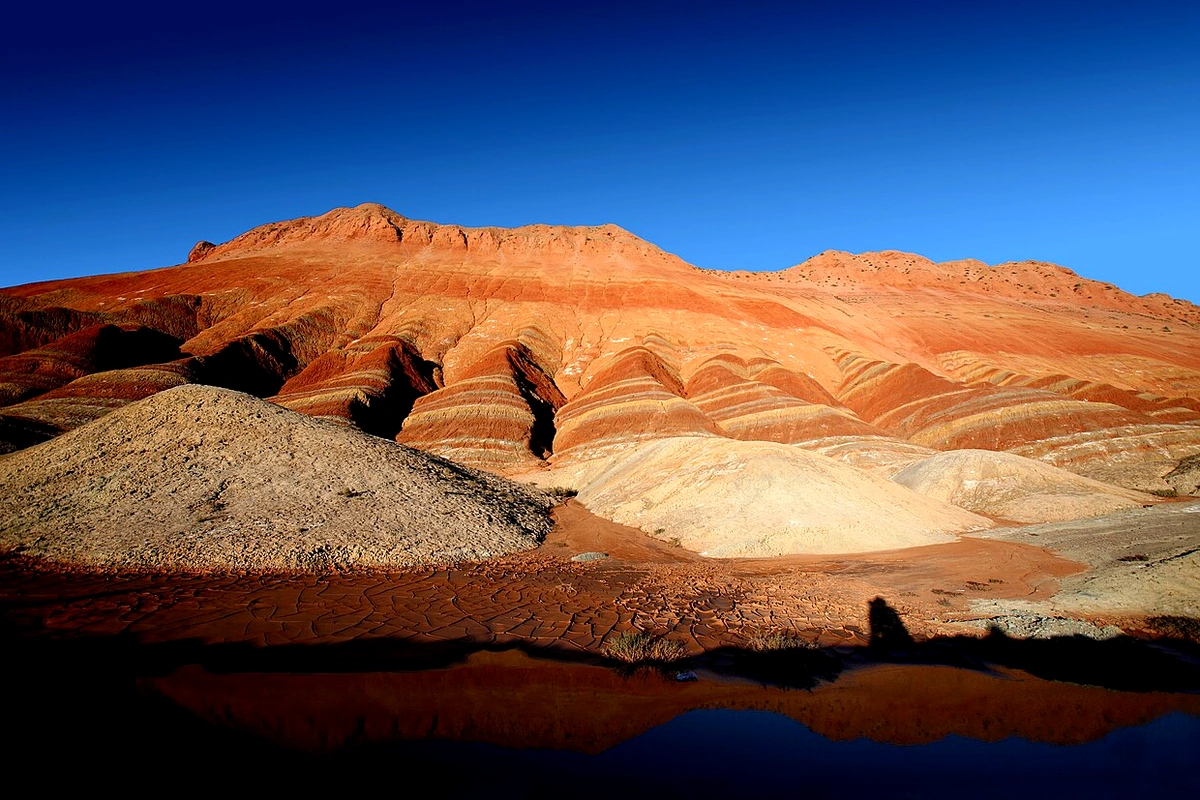
The vivid bands of color—ranging from deep crimson, orange, and yellow to turquoise and ash gray—across the mountain slopes stem from the varying chemical compositions of sedimentary layers laid down across different eras of natural history. The oxidation of iron-bearing minerals under hot, arid desert conditions produced the signature red tones, whereas sulfide and clay minerals occurring in strata formed under anaerobic waterlogged environments created hues of blue, green, and gray. Over tens of thousands of years of weathering, physical and chemical processes sculpted the sandstone formations into dramatic shapes—including rock pillars, sheer cliffs, deep gorges, and undulating surfaces resembling colorful silk ribbons draped across the arid terrain of the Hexi Corridor in Gansu Province—creating one of the world’s finest natural laboratories for desert geomorphology and landscape evolution.
Stepping into human history, the geographical expanse surrounding the Zhangye Danxia landform complex served as a strategic bottleneck along the ancient Silk Road, a crossroads where steppe nomadic civilizations met the agrarian dynasties of Central China. Zhangye, as one of the Four Commanderies of the Hexi Corridor during the Han Dynasty, was a vital stopover for merchant caravans, diplomats, and Buddhist monks traveling between East and West. Although the Danxia sandstone mountains themselves could not support large human settlements due to rugged terrain and scarce water resources, their presence acted as an unmistakable natural landmark along this vital trade artery, shaping ancient geographical perceptions of the peril and grandeur of the western frontier.
Under the Tang, Song, and Yuan dynasties, the Hexi Corridor witnessed fierce power struggles between the Central Plains courts and the Western Xia and Mongol forces, imbuing the region with deep military and religious imprints. Ancient texts and poetry composed by scholars, exiles, and envoys traversing this borderland frequently recorded their awe at the untamed natural scenery, where blazing red mountain ranges contrasted starkly against arid desert skies and endless golden sands. Though not yet identified by the modern geological term “Danxia” in ancient manuscripts, the aesthetic value and visual uniqueness of this landscape were recognized early on in traditional culture as an emblem of mystery and nature’s raw power in a formidable land.
The term “Danxia” officially entered modern Chinese scientific history in the 1920s when geologist Feng Jinglan surveyed red-bed strata in Guangdong Province; the concept was later expanded to encompass similar red-rock landscapes nationwide, with Zhangye standing as the premier representative of the arid Danxia landform type of Northwest China. The transformation of a barren mountain range into a national geological icon reflects the modernization of scientific awareness in twentieth-century China. Systematic geological surveys conducted by scientists turned rock formations once viewed merely as natural obstacles into a scientific heritage of global significance, helping decipher millions of years of Earth’s climate change history.
In the early twenty-first century, the iconic status of Zhangye Danxia rose to international prominence when the area was officially designated within the UNESCO Global Geoparks network and subsequently inscribed as a World Natural Heritage site as part of the China Danxia landform series. This recognition not only affirmed its outstanding universal value in geological science but also transformed the site into a flagship for national natural heritage conservation. Heritage managers have implemented stringent measures to safeguard fragile geological surfaces from human encroachment, balancing scientific research, mass tourism, and the preservation of landscape integrity.
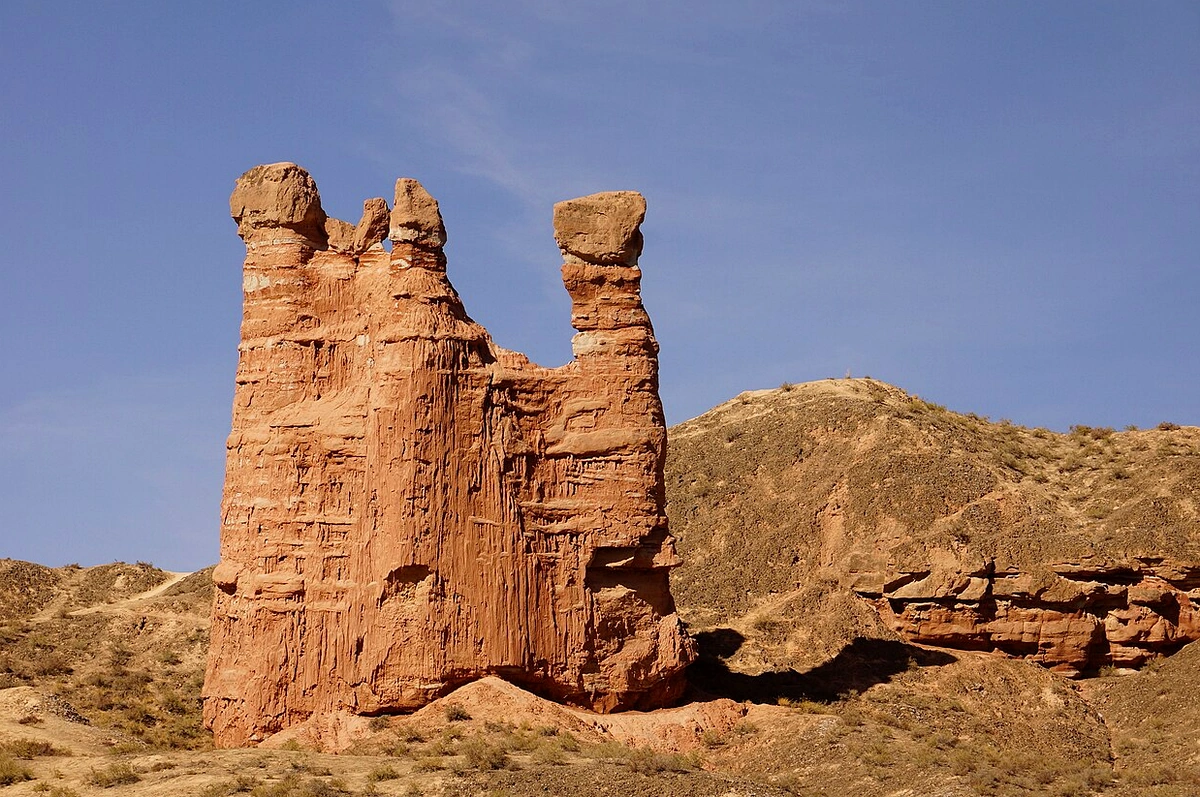
In contemporary Chinese cultural life, Zhangye Danxia stands as an emblem of the majestic landscapes of the far west, frequently featured in geographical publications, documentaries, and international promotional campaigns showcasing the nation’s natural beauty. It represents the ecological and geological diversity of a country whose territory spans multiple climatic zones. The allure of these multicolored rock strata transcends that of an ordinary tourist destination, serving as a profound source of inspiration for photographers, painters, and geologists seeking a connection between deep geological time and the historical cultural landscape of humanity along the Silk Road.
Viewed holistically through historical and scientific lenses, Zhangye Danxia is a silent yet eloquent witness to the violent upheavals of Earth’s crust across geological epochs. From a primordial sedimentary lakebed submerged beneath water to towering rainbow mountains rising from the heart of the Hexi desert, the site preserves pages of stone chronicling global climate shifts. Its iconic stature lies not only in the breathtaking visual spectacle of its mineral-colored layers, but also in its power to spark scientific curiosity, reminding humanity of the permanence of natural time compared to the fleeting dynasties that once traversed this frontier land.
The geological evolution of Zhangye Danxia National Geopark, situated at the northern foothills of the Qilian Mountains in China’s Gansu Province, is a monumental testament to the complex transformation of Earth’s crust over millions of years. Spanning the Cretaceous and Tertiary periods, this region was an enclosed basin lake where rivers descending from high mountain ranges continuously deposited vast quantities of alluvium, desert sand, and mineral sediments. Crustal fluctuations alongside alternating uplift and subsidence produced geological strata of varying chemical compositions and colors, predominantly red sandstone, conglomerate, and siltstone. When the Tibetan Plateau began uplifting during the Tertiary period, intense compressional tectonic forces folded these originally flat sedimentary beds into intricate domes and basins. Over millennia of weathering by wind, rainwater runoff, and extreme diurnal temperature swings, the outer mantle eroded away, exposing sheer geological cross-sections etched with vibrant, undulating horizontal bands of color across the hillsides.
The spatial master plan of the Zhangye Danxia Scenic Area is engineered around the strict preservation of the geological ecosystem’s integrity while channeling the movement of large volumes of international visitors. The overall layout is divided into distinct functional zones to minimize physical human impact on fragile sandstone structures vulnerable to external forces. At the core of the master plan is a network of scientifically positioned viewing platforms situated at prime vantage points, enabling panoramic observation of the mountains’ shifting hues under changing angles of sunlight throughout the day. Planners skillfully utilized the natural topography of dry valleys and erosional gullies to establish an internal transit network comprising dedicated paved roads for eco-friendly shuttle buses and elevated wooden boardwalks. This design prevents direct foot traffic on sandstone surfaces while creating the necessary visual distance for observers to appreciate the grand scale of the landscape without disturbing weathered sedimentary crusts highly sensitive to mechanical pressure.
This spatial zoning strategy reflects a modern philosophy of landscape management, where boundaries between visitor reception areas, central service hubs, and the core geological heritage zone are defined by expansive ecological buffer zones. The main entrance gate and service center are sited on the park’s periphery, well removed from the colorful hills so that commercial activities and vehicular traffic neither pollute the environment nor disrupt the pristine geological setting. From this central hub, public transit distributes visitors along closed-loop routes connecting four primary viewing gates, each offering a distinct perspective on geomorphological features such as undulating color valleys, sheer rock pillars, and tilted rock slabs millions of years old. Strict controls on the height and density of auxiliary service facilities—such as public restrooms, observation decks, and rest stations—ensure they blend seamlessly into the surrounding arid terrain without creating jarring visual contrasts.
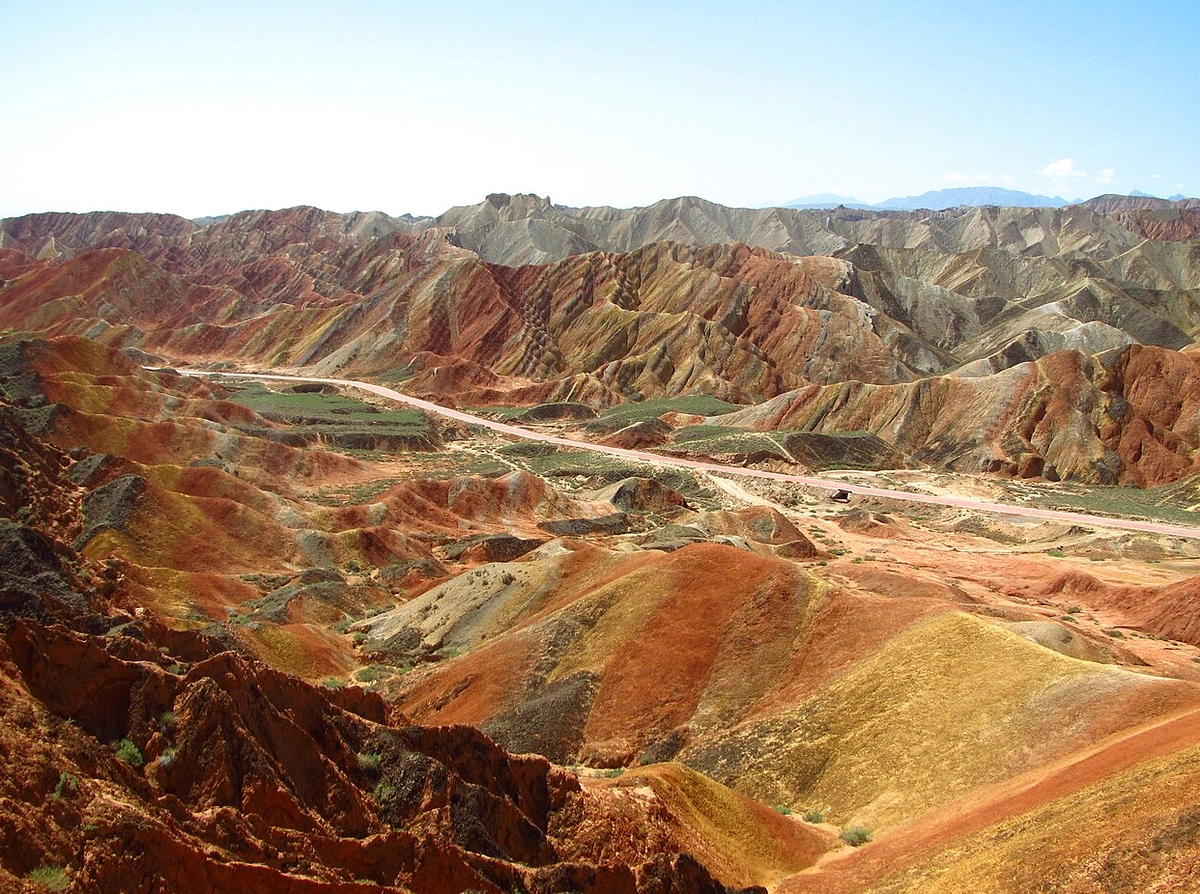
The architecture of man-made structures within Zhangye Danxia adheres strictly to a minimalist design philosophy, employing materials whose colors and textures harmonize with the surrounding desert and sedimentary rock environment. Multi-tiered viewing platforms are constructed from lightweight steel frames paired with timber cladding or earth-toned concrete, allowing them to recede visually against the dramatic backdrop of striped hills. Elevated wooden boardwalks not only protect fragile rock and soil strata beneath them, but also introduce crisp linear or gently curving geometric lines that form an intentional yet harmonious counterpoint to nature’s organic, sweeping contours. Nighttime lighting is strictly limited and recessed to prevent light pollution, preserving the unspoiled beauty of the night sky across Northwest China far from urban glare.
The landscape enveloping Zhangye Danxia is heavily shaped by the arid continental climate of the Hexi Basin, characterized by sparse vegetation consisting primarily of drought-tolerant shrubs, thorny grasses, and low scrub adapted to saline-alkaline soils. The surrounding terrain transitions from expansive gravel plains to the towering peaks of the Qilian mountain system, framing a sharp, wide-open horizon. Small rivers fed by seasonal snowmelt from the high mountains supply the sole water source for scattered oases along the periphery, creating a vivid contrast between the lush green of agricultural plots and the fiery reds of the Danxia cliffs. The master landscape plan capitalizes on vast spatial distances and the deep field of view inherent to desert topography to craft scenes of remarkable visual depth, inspiring awe at the solitude and grandeur of the natural world.
Managing crowd flow and allocating public space here requires meticulous pedestrian-flow engineering to prevent localized bottlenecks at sunset viewpoints, when sunlight produces the most brilliant optical effects across the sandstone strata. Boardwalks are designed with one-way circulation at critical junctions to maintain a steady pace of movement, minimize congestion, and ensure visitor safety along steep, heavily weathered slopes. Stone staircases and ramps are graded carefully to accommodate visitors of varying mobility levels while preserving visual continuity with the surrounding terrain. The integration of a closed-loop transit infrastructure, minimalist architectural interventions, and strict spatial zoning enables Zhangye Danxia to maintain a delicate equilibrium between mass tourism and its mission to safeguard one of the planet’s most extraordinary geological legacies.
The Danxia landform complex in Zhangye, Gansu Province, People’s Republic of China, represents a singular geological wonder forged by crustal tectonic movements spanning tens of millions of years. Over millions of years of deposition from the Cretaceous through the Tertiary period, this area was a vast inland basin partitioned by surrounding high mountain ranges. Under arid climatic regimes alternating with humid intervals, thousands of meters of red terrigenous clastic sediments—comprising sandstone, conglomerate, and mudstone—were laid down in parallel strata. When Earth’s crust underwent intense compression during the Himalayan orogeny, this immense sedimentary sequence was thrust upward above water level, forming intricate geological folds and faults. Mechanical weathering combined with fluvial erosion over tens of thousands of centuries sculpted the rock surfaces, stripping away overlying layers to reveal multicolored stratigraphic cross-sections once hidden beneath the surface. In terms of natural building materials, this landscape is wholly uncontrived by human hands—a pure product of biogeochemical and mineralogical processes operating under intense subterranean heat and pressure.
The composition of the strata at Zhangye harbors a rich color palette derived from the presence of diverse metallic elements and chemical compounds. The dominant fiery red hues of the ridges originate from high concentrations of hydrated ferric oxide—commonly known as hematite—evenly dispersed throughout fine-grained sandstone beds. Conversely, the bands of green, blue, and dark gray result from ferrous iron-bearing minerals formed under reducing, anaerobic conditions, notably chlorite and montmorillonite. Ochre yellow, bright orange, and deep brown layers reflect varying oxidation states of iron ions combined with quartz, feldspar, and carbonate minerals. The continuous alternation of sedimentary beds ranging in thickness from a few centimeters to tens of meters creates the visual illusion of multicolored silk banners stretching endlessly across the terrain. Completely devoid of large-scale human carving, the natural architecture of these mountains arises from differential erosion, whereby softer strata wear away faster than harder beds, sculpting steep scarps, deep gullies, and dramatic stepped fault landforms.
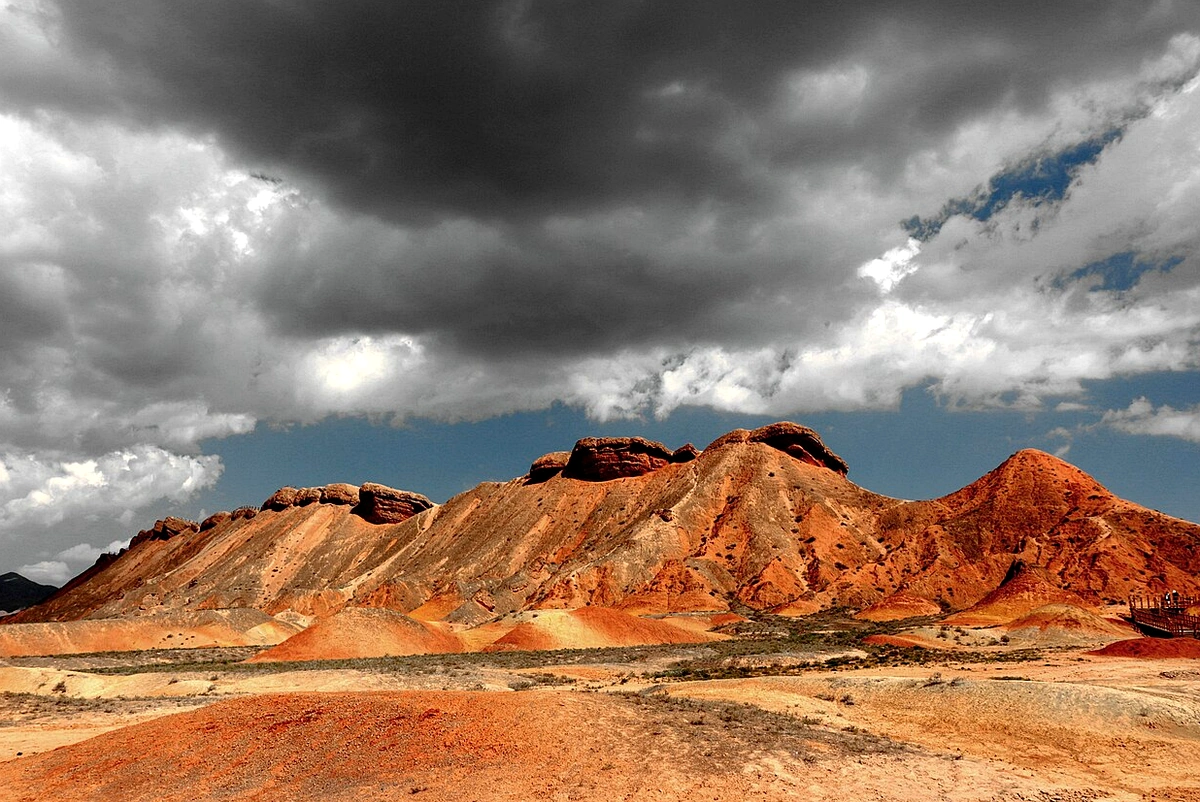
From an aesthetic and philosophical standpoint, the geomorphological structure of Zhangye Danxia embodies traditional Eastern concepts of permanence, constant flux, and cosmic order. In stark contrast to timber or masonry temples erected by human hands in defiance of time, this landscape signifies nature’s eternity through ceaseless self-transformation. The sweeping, fluid curves of the multicolored ridges evoke the principle of qiyun shengdong (“rhythmic vitality”) in classical Chinese landscape painting, where nature’s brushwork traces monumental strokes across an arid plateau canvas. Each exposed geological stratum acts as a stone chronicle, recording a chapter in the planet’s climatic and geological history. Sunlight sweeping across the slopes at different hours produces a continuous metamorphosis of tone—from solemn, deep crimson at dawn to radiant amber and gold at sunset—expressing the philosophy of impermanence and the dialectical interplay between matter and light in natural architecture.
The cultural depth woven into the Zhangye Danxia landscape was further shaped by its vital geographical position along the ancient trade corridor linking China with Central Asia and Europe. Zhangye served as a major waystation on the Silk Road, where merchants, monks, and envoys exchanged knowledge, faiths, and artistic traditions. While the colorful mountains themselves did not host monumental rock-cut religious complexes on the scale of the nearby Mogao Caves in Dunhuang, their vast expanse served as an inexhaustible wellspring of inspiration for literati and poets across successive imperial dynasties. The juxtaposition of arid valleys framing polychromatic cliffs creates a striking visual contrast that instills a sense of human smallness before nature’s grandeur while prompting contemplation of the origins of life and geological time. Remnants of modest temples and shrines scattered around the foothills from the Ming and Qing dynasties attest to local communities’ reverence for the guardian deities of this harsh yet geologically storied land.
In terms of conservation engineering and contemporary artistic symbolism, the site demands an uncompromising management approach to preserve the integrity of its stratigraphy. The sandstone and mudstone layers here are relatively friable and highly susceptible to anthropogenic erosion caused by overtourism or extreme fluctuations in desert rainfall. Trails, wooden boardwalks, and viewing platforms are modularly engineered to minimize direct contact with the underlying bedrock while guiding visitor circulation along designated corridors. As a result, the artistic iconography of Zhangye Danxia has transcended that of a purely geological attraction to become a global symbol of humanity’s relationship with the natural environment in an era of climate change. The endurance of these multicolored rock formations stands as living proof of the boundless sculptural power of endogenous physical and chemical forces while providing vital empirical data for international geomorphologists decoding the evolutionary history of Earth’s crust.
Straddling the border of Sunan and Linze counties in Gansu Province, China, the Zhangye Danxia landform complex spans hundreds of square kilometers as an open-air geological museum preserving imprints of crustal tectonics across millions of years. To facilitate comprehensive access and study of this intricate landscape, scenic area authorities have established a systematic zoning framework paired with an integrated internal transit network designed to optimize the experience for both tourists and geological researchers. The spatial layout is organized into primary viewing areas, each showcasing a distinct weathering morphology, color spectrum, and perspective on ancient desert sedimentary strata. Route planning not only regulates massive annual visitor numbers, but also safeguards delicate landform surfaces vulnerable to human footprints and external erosive elements.
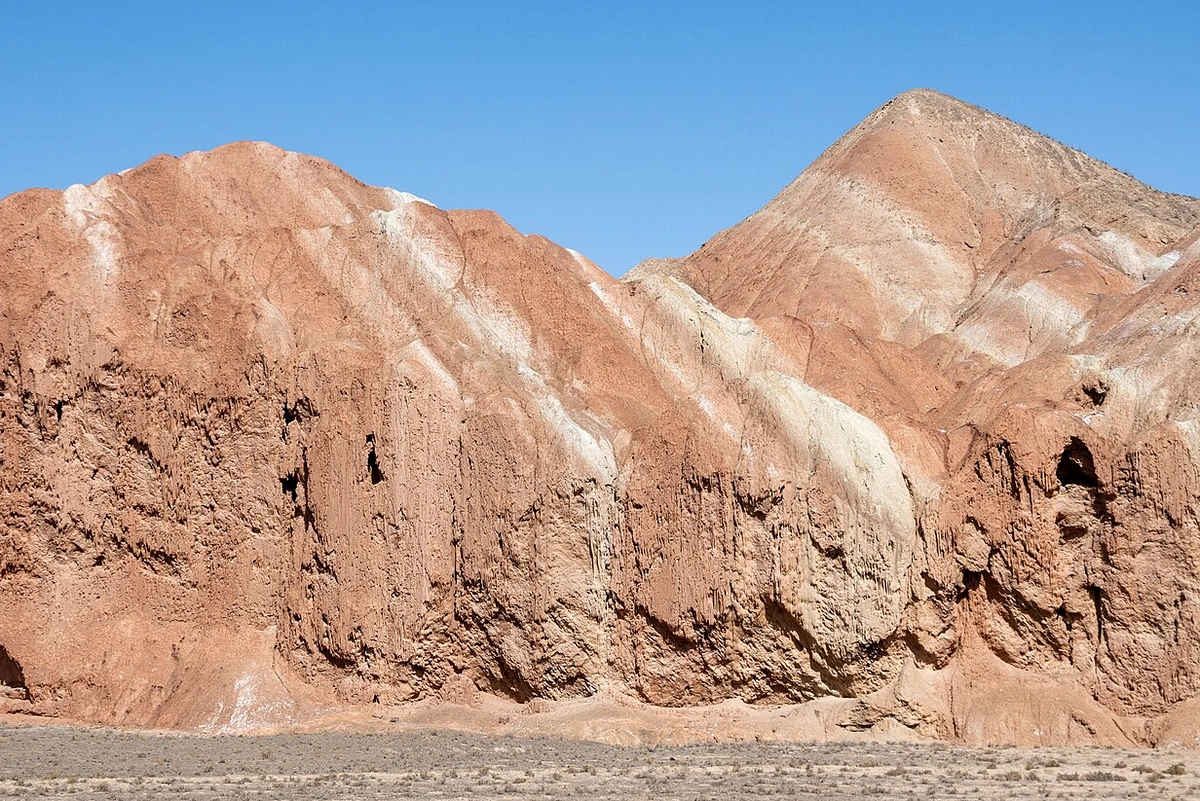
The first stop on a standard exploration itinerary typically begins at the North Gate, which anchors the main route into the core zone welcoming the highest volume of visitors due to its rich concentration of exposed geological strata. Here, sturdy wooden boardwalks extend across dry valleys and hug the flanks of steep sandstone hills, allowing observers to examine multicolored rock textures at close range. The ridges here stand out for their bands of deep crimson, bright orange, ochre yellow, and occasional glints of copper-mineral green, most vivid when illuminated by low-angle sunlight. Venturing deeper along the main trail, wooden staircases lead visitors up to elevated observation decks commanding expansive panoramas across sweeping valleys where sedimentary beds ripple in dramatic tectonic folds dating back to the Himalayan orogeny.
Advancing toward the central zone—designated as Viewing Platform No. 2—the terrain shifts from undulating, wave-like hills to towering rock formations whose bizarre silhouettes evoke ancient fortresses and walled citadels. Micro-weathering driven by windblown sand grains abrading softer sandstone surfaces has carved shallow alcoves and vertical fissures, accentuating the complex stratification of Earth’s crust deposited during the Cretaceous period. Reaching this vantage point requires ascending a long, steep stone staircase, rewarding visitors with a 360-degree panorama of mountain ranges stretching all the way to the northwestern horizon of Gansu Province. The stark contrast between the searing red of the desert rock and the cloudless azure sky creates a powerful visual field that captures the quintessential arid continental climate of the historic Hexi Corridor.
The arid northwestern reaches of Gansu Province, where the Zhangye Danxia geological landscape unveils its brilliantly colored sandstone strata, also form a rich cultural-ecological space shaped over centuries. The region’s evolution from a strategic trade corridor along the ancient Silk Road into a premier international tourist destination has spurred the growth of a distinctive ecosystem of hospitality services, amenities, and local cultural spaces. This development not only meets the rising expectations of global travelers, but also endeavors to preserve and revitalize the cultural heritage of long-established nomadic and agrarian communities living along the Heihe River basin. Modern facilities are planned and implemented carefully to minimize adverse impacts on the fragile desert ecosystem while fostering meaningful cultural encounters between visitors and local residents.
Visitor service infrastructure around the Rainbow Mountains is distributed along major transit arteries linking Zhangye city with the scenic area’s entrance gates. Large-scale visitor reception centers integrate modern management technologies such as facial-recognition e-ticketing systems, multilingual geographical information desks, and geological model exhibition halls. These hubs serve as departure points for clean-energy internal shuttle buses—the sole vehicles permitted inside the park to protect the fragile sandstone surfaces of the polychromatic hills. Alongside these facilities, accommodations ranging from family-run traditional guesthouses to upscale eco-resorts are designed to harmonize with the surrounding environment, utilizing local materials such as fired clay brick and natural timber to minimize visual intrusion on the natural landscape.
Local cultural life in the historic villages surrounding Zhangye Danxia bears the distinct imprint of centuries of interaction between Han traditions and ethnic minorities who settled in or migrated through the Hexi Corridor, including Hui, Tibetan, and Uyghur communities. Community exchange thrives at periodic local markets, where residents sell traditional handicrafts—most notably handwoven textiles, desert-motif ceramics, and miniature sculptures carved from local sandstone. Elder artisans continue to pass down folk performing arts such as Yugur dances, traditional antiphonal singing, and heaven-and-earth worship rituals dating back to the Han Dynasty. These cultural spaces invite travelers to engage directly with daily local rhythms, elevating a scenic sightseeing trip into an immersive journey into the anthropological heritage of China’s northwestern frontier.

Local cuisine in Zhangye and the surrounding Danxia region directly reflects the arid continental climate and the agro-pastoral livelihoods of its inhabitants. Regional specialties feature bold, warming spices and wild herbs harvested from nearby mountain slopes and plateaus to help the body withstand sharp temperature swings between day and night. Zhangye stir-fried noodles with potato—an iconic local dish—pairs chewy handmade noodles with sweet, earthy desert potato slices tossed in rich lamb sauce and local chili paste. Hand-grabbed mutton, a staple among Hui and Tibetan communities in neighboring valleys, is simmered simply in natural spring water and rock salt to preserve the pure, sweet flavor of free-range lamb grazed on high-altitude pastures. Additionally, local specialty fruits such as grapes, hawthorns, and desert watermelons irrigated by glacial meltwater from the Qilian Mountains play a vital role in regional gastronomy, offering refreshing energy for travelers along their journey.
The growth of eco- and cultural tourism in Zhangye Danxia has also posed significant challenges to the socioeconomic fabric of traditional farming communities. To address this, local administrators and cultural research institutions have established sustainable community-based tourism models in which residents actively participate in the service value chain rather than remaining passive bystanders. Handicraft cooperatives and dining collectives have been formed to distribute tourism revenues equitably among local households, improving both material living standards and community well-being. Regular training programs in international hospitality communication, lodging management, and heritage conservation equip younger generations with the skills to independently safeguard and promote their homeland’s unique cultural assets.
The cultural landscape surrounding the Rainbow Mountains is further enriched by historic religious monuments and folk shrines scattered across desert valleys and cliffside niches. Ancient temples, earth-god shrines, and Ming Dynasty beacon tower ruins recall a storied past of frontier defense and the rich spiritual lives of garrison soldiers and Silk Road merchants who once paused here. Local residents still observe seasonal rituals honoring mountain and water deities during traditional festivals, expressing deep reverence and a philosophy of living in harmony with an unforgiving environment. Preserved intact thanks to the relative isolation of the desert and plateau terrain, these intangible cultural practices form a rich human stratum running parallel to the geological wonder of Danxia.
Public facilities dedicated to scientific research and environmental education also stand out as a key pillar of the service ecosystem surrounding the scenic area. Geological museums and community education centers feature extensive exhibits detailing the tectonic processes that created the colorful sandstone formations, offering students, scholars, and visitors an engaging, hands-on learning environment. Experiential programs—such as mock archaeological workshops, nighttime stargazing beneath crystal-clear desert skies, and guided botanical walks—are led by local specialists. These initiatives transform conventional sightseeing into a deeper educational journey highlighting the importance of conserving biodiversity and geological heritage.
Overall, the service infrastructure, visitor amenities, and local cultural ecosystem surrounding the Zhangye Danxia Rainbow Mountains exemplify a tourism development model anchored in responsible natural and cultural stewardship. The seamless integration of modern visitor facilities, distinctive frontier gastronomy, historically rooted community spaces, and environmental education programs has created a resilient, sustainable framework. Not only does this framework offer international travelers multifaceted perspectives on a region that once served as a vital artery of human civilization, it also ensures that local communities remain empowered stewards and rightful beneficiaries of the natural and historical treasures bestowed upon legendary Gansu.
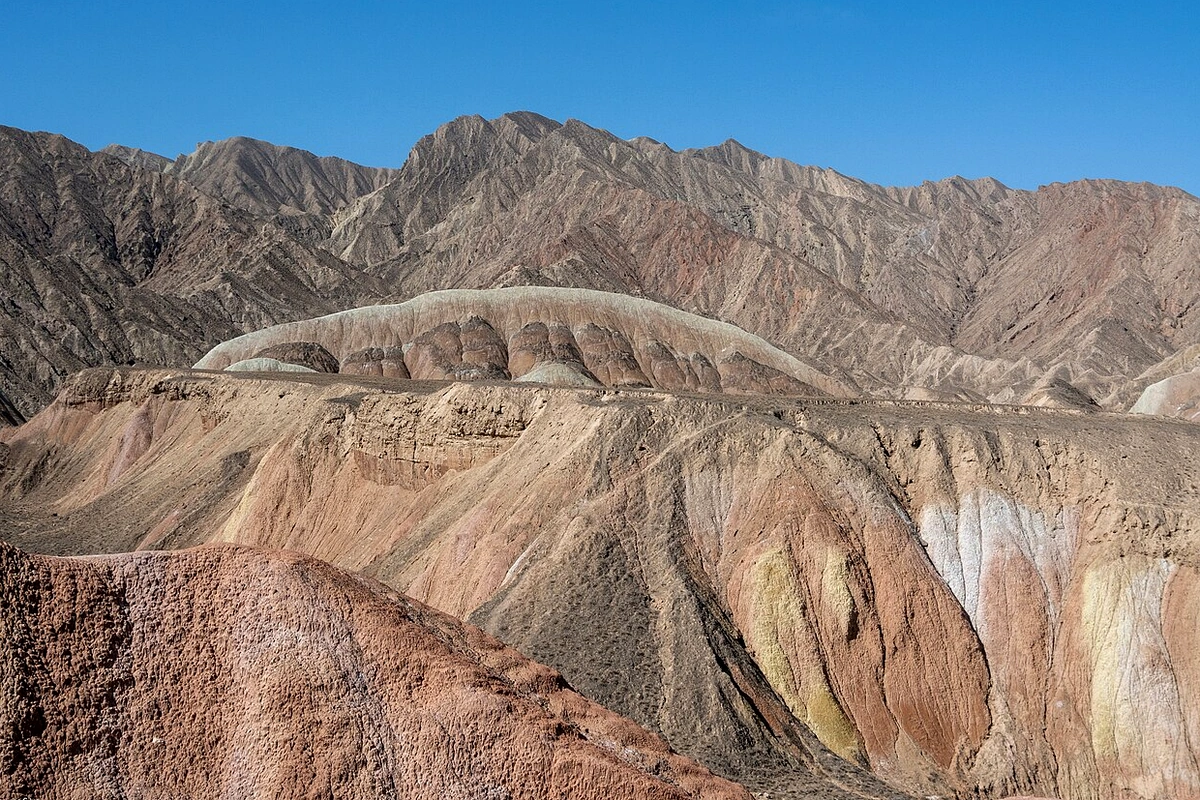
Planning a field expedition to Zhangye Danxia National Geopark—particularly the Rainbow Mountains landform area in China’s Gansu Province—requires careful attention to regional climatology, transportation logistics, and heritage conservation regulations. Positioned along the northern edge of the Qilian Mountains, the terrain is governed by an arid plateau continental climate characterized by extreme diurnal temperature swings, minimal annual precipitation, and intense solar radiation. Consequently, the optimal window for experiencing and photographing this geological landscape depends not only on the season of the year, but also on specific hours of the day when the angle of sunlight strikes the iron-rich minerals and sandstone strata to produce the most vivid optical brilliance across the multicolored hills.
On a macro seasonal scale, the period from June through September is widely regarded by researchers and international travel specialists as the most favorable window for visiting. During these months, skies are typically clear, relative humidity is low, and direct sunlight illuminates the sandstone faces, igniting the bands of deep crimson, ochre yellow, jade green, and burnt orange forged over millions of years of geological weathering. However, travelers should note that this coincides with China’s peak domestic travel season, and daytime temperatures in July and August can soar past 35°C (95°F), requiring adequate physical preparation and heat-exhaustion precautions. Conversely, the period from October through April offers an entirely different atmosphere with sharply lower temperatures—even frost and snow cover in midwinter—transforming the red desert landscape into a striking contrast of white snow against crimson stone, though road travel can occasionally be disrupted by severe weather.
On a micro daily scale, the golden hours for witnessing and photographing Zhangye Danxia in its full glory fall into two windows: early morning right after the reserve gates open, and late afternoon roughly two hours before sunset. Late afternoon—specifically between 4:00 PM and 7:00 PM depending on the season—is widely considered the premier viewing window, as sunlight slanting at a 45-degree angle rakes across the gorges and sandstone slopes, accentuating the undulating geological folds and pushing mineral color saturation to its peak. Itinerary planning must account accurately for internal shuttle transit times between viewing platforms so visitors do not miss the sunset climax, when light shifts from warm amber to a mystical deep crimson across dozens of square kilometers of landform terrain.
Reaching and navigating Zhangye Danxia involves combining rail, air, and strictly regulated internal shuttle transport. The primary transit hub is Zhangye city, served by Zhangye Ganzhou Airport with flights connecting from major aviation hubs such as Lanzhou and Xi’an, alongside the Lanzhou–Xinjiang High-Speed Railway stopping at Zhangye West Station. From downtown Zhangye to the scenic area’s entrance gates—such as the North Gate in Sunan County or the West Gate—distances range from 40 to 60 kilometers. Travelers can reach the entrances via tourist buses departing from Zhangye’s central bus station, private hired cars with experienced local drivers, or organized guided tours. Upon arrival at the park’s main entrance, all private vehicles and self-drive cars must remain outside, and visitors are required to transfer to professionally dispatched electric internal shuttle buses operating along fixed loop routes to each main viewpoint.
Packing clothing and personal gear for this excursion should prioritize protection against arid desert conditions, brisk winds, and intense ultraviolet radiation. Because the terrain consists of exposed sandstone hills with virtually no tree shade, visitors should bring long-sleeved UV-protective outerwear, a wide-brimmed hat, UV-rated sunglasses, and a neck gaiter or scarf to shield against blinding glare and sudden gusts of windblown sand. Footwear is critical to a safe and comfortable visit: sturdy hiking shoes or trail sneakers with high-traction, non-slip soles are essential for climbing the long wooden staircases leading up to elevated viewing platforms. Furthermore, because temperatures fluctuate dramatically between direct sun, shade, and dusk, dressing in breathable layers that can be easily added or removed is the best way to maintain thermal comfort. Carrying a reusable water bottle, high-SPF sunscreen, moisturizing lip balm, and basic remedies for digestion or heat fatigue is also indispensable for completing the full route comfortably.
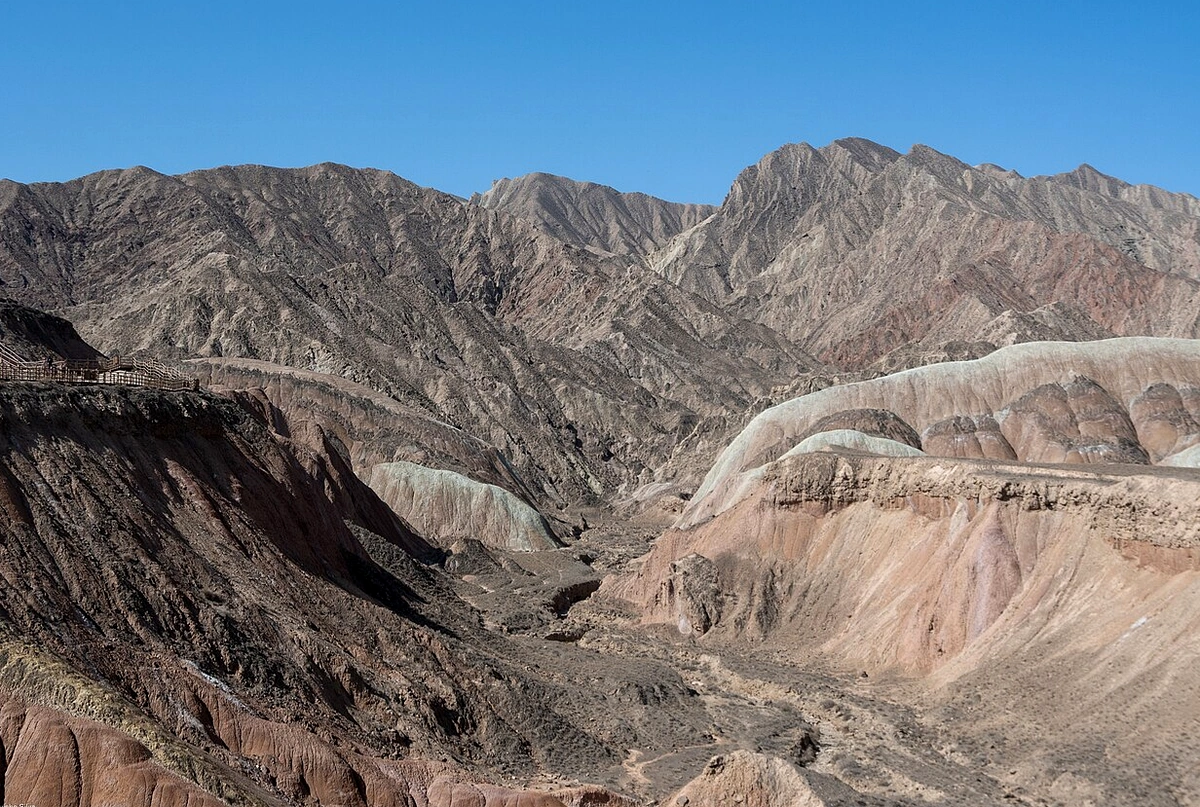
Legal regulations and environmental conservation rules at Zhangye Danxia National Geopark are strictly enforced to protect fragile geological formations that took millions of years to form. Any direct intrusion onto the sandstone surfaces—such as stepping off the wooden boardwalks, climbing the multicolored slopes, carving graffiti, or trampling sedimentary layers—is strictly illegal and carries severe administrative or legal penalties under China’s natural heritage protection laws. Visitors must also adhere rigorously to fire-prevention regulations; due to sparse vegetation and extreme aridity, smoking and carrying flammable items into the core zone are strictly prohibited. Maintaining cleanliness and refraining from leaving any plastic waste or litter in the natural environment is both a legal obligation and an ethical responsibility for every traveler visiting this world-renowned geological heritage site.
To experience this journey seamlessly with a knowledgeable local guide, explore our all-inclusive China tour packages featuring thoughtfully curated itineraries.