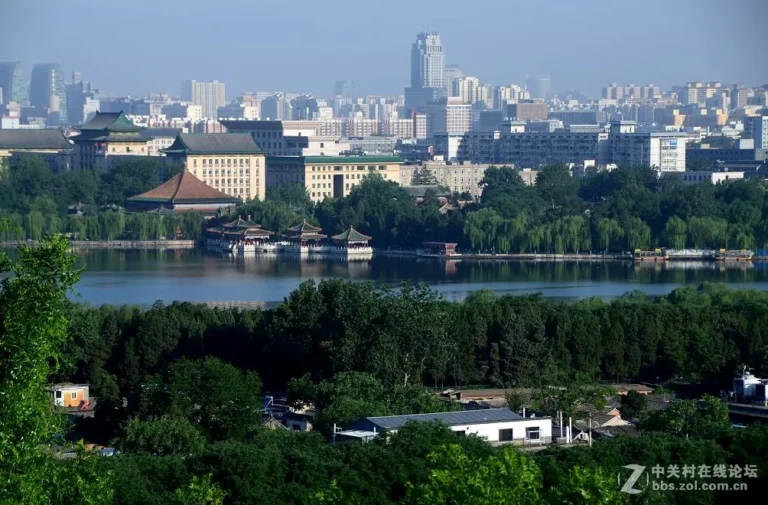
The Great Hall of the People in Beijing stands proudly on the west side of Tiananmen Square, along Chang’an Avenue—the main arterial thoroughfare of the capital of the People’s Republic of China. In terms of geographical coordinates and urban morphology, this landmark occupies one of the most pivotal positions in Beijing’s historic central plan, an area that weathered centuries of transformation across the Ming and Qing dynasties before being completely reshaped in the mid-twentieth century. The terrain here is naturally flat, forming part of the North China Plain, with thick alluvial deposits compacted tightly over tens of thousands of years to create a solid foundation supporting one of the largest public architectural masses in the modern world. Sitting at an elevation of roughly forty meters above sea level, the building commands an expansive vista overlooking the vast open expanse of the grand square in front, directly facing the historic Forbidden City to the north and the Mausoleum of Chairman Mao Zedong along the central axis.
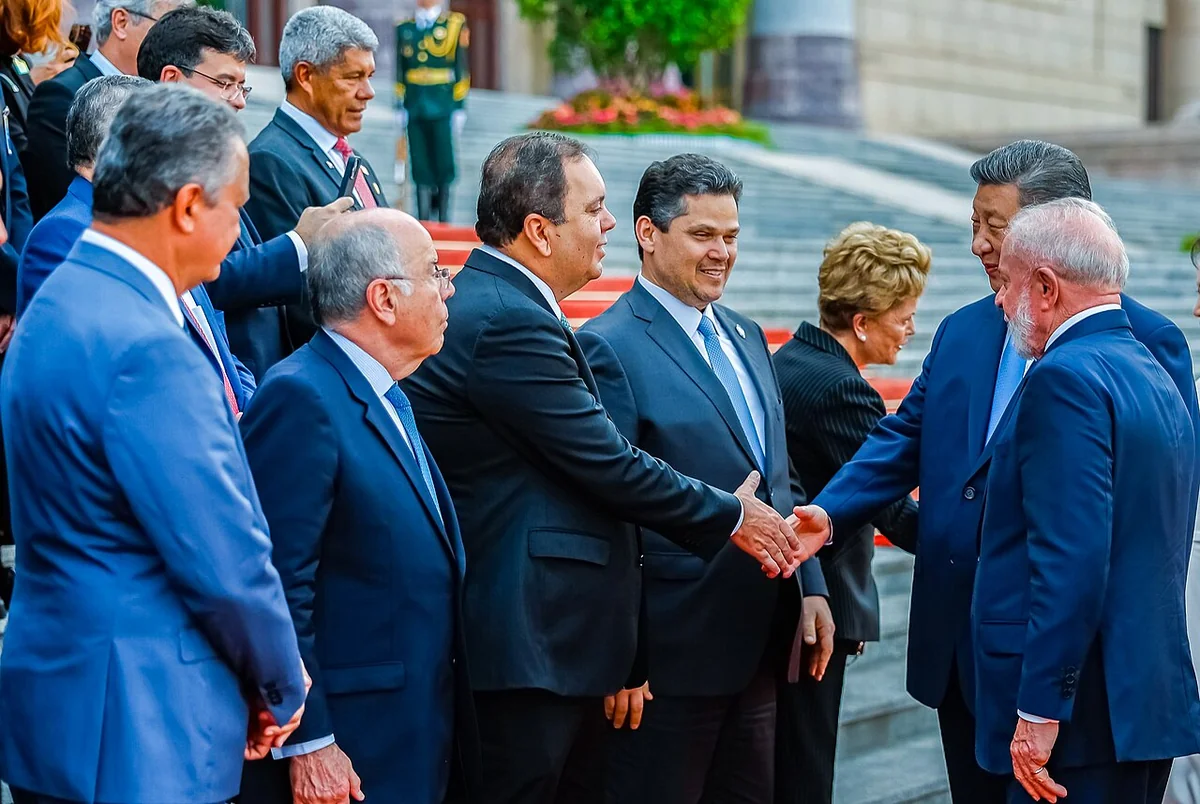
The decision to construct the Great Hall of the People emerged during a pivotal political era in the late 1950s, when the newly established government sought to project national stature through monumental architecture. In 1958, the Central Committee of the Communist Party of China approved the design and construction blueprint for the “Ten Great Buildings” to commemorate the tenth anniversary of the founding of the People’s Republic. The project was entrusted to a team of the country’s foremost architects under the direct guidance of veteran chief engineers, supported by the tireless labor of tens of thousands of builders from provinces nationwide. Remarkable in architectural history is the fact that this entire colossal complex was completed in just ten months, from late 1958 to September 1959—a record construction pace worldwide for an edifice boasting a total floor area exceeding 170,000 square meters.
Realizing the Great Hall required a sweeping transformation of the surrounding urban fabric, including clearing numerous old residential quarters and small-scale commercial lanes that had stood along the western edge of the square since imperial times. Designers masterfully blended classical Soviet monumentalism with signature elements of traditional Chinese decorative arts, forging an architectural idiom deeply reflective of its era. The facade is punctuated by towering granite colonnades reminiscent of ancient Western temples, yet crowned with golden glazed roof tiles faithful to Eastern imperial standards. This synthesis was far more than an aesthetic solution; it embodied the ideological spirit of that historical moment, fusing an imperial heritage with the ambitions of socialist modernization.
Throughout the defining chapters of modern Chinese history, the Great Hall of the People has served as the stage for pivotal political decisions shaping the destiny of a nation of over a billion people. It is the regular venue for landmark sessions of the National People’s Congress and the Chinese People’s Political Consultative Conference, China’s supreme legislative and political advisory bodies. Macroeconomic reforms, the five-year development plans guiding the Reform and Opening-up era since the late 1970s, and key constitutional amendments have all been deliberated and adopted beneath its grand dome. Beyond domestic governance, the building functions as China’s premier stage for international diplomacy, welcoming heads of state, prime ministers, and diplomatic delegations from every continent and underscoring Beijing’s stature on the global stage.
Behind its imposing shell of reinforced concrete and granite lies a vast interior divided into three main functional zones. At the center sits the Great Auditorium, capable of seating more than 10,000 delegates beneath a vaulted ceiling adorned with a five-pointed star radiating around a crimson globe—a symbol of leadership and national unity. The northern wing houses the State Banquet Hall, an expansive dining venue able to host thousands of guests simultaneously for China’s highest-level diplomatic receptions. The southern section serves as the working headquarters of the Standing Committee of the National People’s Congress, featuring conference halls named after China’s thirty-four provincial-level administrative divisions, autonomous regions, and special administrative regions, each decorated in the distinctive cultural style of its namesake region.
The national symbolic significance of the Great Hall transcends that of an ordinary government building to stand as a physical embodiment of state authority and national cohesion. Artworks displayed throughout its halls—from monumental oil paintings depicting China’s sweeping landscapes to intricate hand-embroidered silk screens—reflect the aesthetic values and political ideals of the era. Celebrated works such as the massive landscape painting “Such Great Beauty Like This River and Mountain” hanging in the main reception hall serve not merely as ornament, but as visual declarations of sovereignty and cultural pride. As a result, the complex has evolved into a living museum of visual art and civic architecture from the second half of the twentieth century in Asia.

The cultural resonance of the Great Hall of the People extends deeply into the collective consciousness of the Chinese public through television broadcasts, cinema, and historical literature. For domestic travelers, it stands as an emblem of solemnity, prestige, and civic order—a landmark millions dream of visiting at least once during a trip to the capital. When major political sessions are not in progress, guided tours of the Great Hall offer travelers and scholars an invaluable window into modern history. Through curated displays and public access to key ceremonial halls, the monument serves an enduring educational mission, helping new generations appreciate the arduous and transformative journey of modern nation-building.
From the standpoint of modern urban heritage conservation, maintaining the Great Hall of the People presents ongoing engineering challenges as building systems must meet increasingly sophisticated technical standards. Engineers and conservationists continually upgrade climate-control, lighting, acoustic, and fire-safety infrastructure while safeguarding the building’s original 1959 architectural fabric. Its enduring presence amidst a rapidly evolving megacity testifies to how twentieth-century civic heritage can adapt seamlessly to contemporary urban life, securing its place as a defining milestone in the history of Asian urban planning and monumental architecture.
The Great Hall of the People in Beijing ranks among China’s foremost national architectural icons, initiated in the late 1950s to mark the tenth anniversary of the founding of the People’s Republic of China. Framing the western flank of Tiananmen Square, the edifice unites modern structural language with classical Chinese aesthetics, capturing the ambitious urban vision of Beijing’s capital during a transformative historical era. Executed at an unprecedented pace, the project mobilized tens of thousands of architects, engineers, and laborers from across the nation working around the clock to complete the entire complex in just ten months. The emergence of the Great Hall not only set a milestone for rapid twentieth-century construction, but also anchored Beijing’s central civic axis in harmonious symmetry with the surrounding political and cultural institutions.
In terms of spatial scale and master planning, the building encompasses nearly 170,000 square meters of floor space, rivaling and surpassing many of the world’s grandest parliaments and convention halls in both footprint and structural depth. Rising roughly forty meters from ground level to roofline, its facade is defined by rows of monolithic marble columns supporting the main portico, establishing a commanding architectural rhythm. The complex is organized into three primary functional zones: the central ceremonial hall, the grand auditorium for congressional assemblies, and the administrative wing for the Standing Committee of the National People’s Congress. This clear spatial hierarchy ensures seamless operations for major state events, international summits, and high-level diplomatic receptions demanding exacting security and protocol standards.
Architecturally, the Great Hall exemplifies a classic synthesis of socialist monumentalism and traditional Chinese palace design—a style often described by scholars as the fusion of classical and modern. Its roof is crowned with gleaming yellow glazed tiles that honor traditional imperial roofing conventions seen in the nearby Forbidden City. Decorative eaves, carved stone balustrades, and relief panels were carefully researched to distill the elegance of dynastic craftsmanship while adapting proportions to the monumental scale of a modern civic landmark. Most striking along the facade are twelve monolithic white granite columns soaring over thirty meters high, symbolizing institutional strength and creating an unforgettable visual impression for everyone entering the square.
Construction materials were sourced from every province across China, transforming the Great Hall of the People into a nationwide showcase of geological and artisanal treasures. White marble quarried from Fangshan on Beijing’s outskirts, prized timber from southern forests, specialty fired bricks from traditional kilns in Jiangsu, and advanced thermal and acoustic insulation materials of the era were mobilized on a massive scale. Accomplishing this feat without modern computer modeling or heavy automated machinery required extraordinary ingenuity: engineers relied on meticulous manual structural calculations paired with the coordinated labor of tens of thousands of workers to lay deep foundations and hoist colossal steel trusses capable of spanning the main auditorium without a single interior support column.

The central auditorium stands as the crowning engineering triumph of the complex, seating more than ten thousand delegates simultaneously with unobstructed sightlines from every angle. Overhead, the vaulted ceiling features an intricate lighting design centered on a radiant five-pointed star surrounded by thousands of recessed lights evoking a starry night sky, framed by decorative bands inspired by traditional ethnic minority motifs. Sound reinforcement, air conditioning, and ventilation systems are ingeniously integrated beneath the seating tiers—a pioneering innovation in the late 1950s that ensured crisp acoustics and fresh airflow throughout the immense hall without disrupting its clean architectural lines.
Alongside the auditorium, the complex features the State Banquet Hall, capable of hosting thousands of guests for formal state dinners and diplomatic galas. Dressed in warm, dignified tones, the hall pairs gilded architectural carvings with expansive hand-woven crimson carpets to create an atmosphere that is both stately and welcoming. Surrounding corridors connect thirty-four reception rooms named after China’s provinces, autonomous regions, and special administrative regions, each curated with signature regional artworks such as lacquerware murals, cloisonné vases, hand-knotted carpets, and intricate jade or stone carvings celebrating local heritage.
Managing daily operations and visitor access at the Great Hall requires rigorous institutional coordination. When not hosting annual legislative sessions or state functions, the building opens to millions of domestic and international visitors each year. Visitor routes are carefully separated from active government offices to maintain strict security while protecting the integrity of historic interiors. Security screening, fire suppression, and automated climate-control systems have been continuously modernized over the decades to meet the exacting standards expected of a world-renowned public monument.
More than half a century after its completion, the Great Hall of the People retains its original historical, artistic, and engineering distinction while standing witness to the profound transformation of the world’s most populous country. Beyond serving as a landmark of mid-twentieth-century civic architecture, it demonstrates the extraordinary capacity of modern planners to choreograph monumental urban space. This harmonious blend of contemporary engineering and East Asian cultural heritage continues to draw architectural historians, structural engineers, and travelers fascinated by how spaces of power evolve across history.
Situated along the western edge of Tiananmen Square, the Great Hall of the People broke ground in October 1958 and was completed in an astonishing ten months under the direction of China’s leading architects and tens of thousands of dedicated builders. The edifice stands as a compelling emblem of an architectural turning point in which imperial-scale urban planning merged with a modern international civic aesthetic. Spanning over 170,000 square meters of floor space—exceeding the enclosed floor area of the Forbidden City—the building commands attention through sheer scale while maintaining balanced proportions via towering monolithic marble columns and tiered eaves echoing traditional palace design. Bringing this vision to life required mobilizing master artisans from across the country, from Suzhou woodcarvers renowned for intricate joinery to Jingdezhen ceramicists who fired specialty glazed tiles and monumental decorative vases.
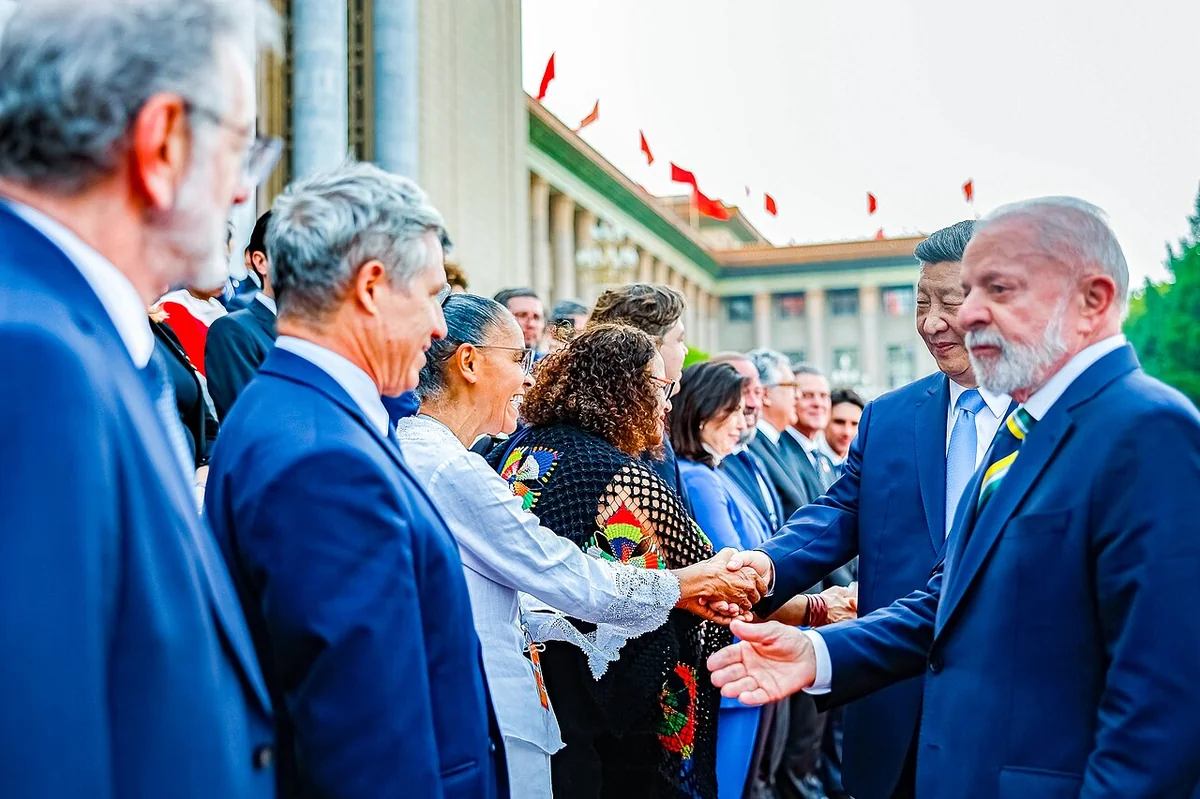
Stepping across the main threshold, visitors and diplomatic delegations enter a grand foyer defined by soaring columns and polished terrazzo floors gleaming beneath massive crystal chandeliers. Designed to maximize openness and verticality, the lobby immediately conveys dignity and ceremonial welcome. At the heart of the building lies the Great Auditorium, seating more than 10,000 delegates for major parliamentary sessions and national assemblies. Its acoustic engineering was calibrated using cutting-edge late-1950s science so that speeches from the podium carry clearly to the farthest balconies without heavy reliance on artificial amplification. Overhead, the domed ceiling features a luminous crimson five-pointed star radiating gilded plaster rays, encircled by stylized sunflower and peony reliefs symbolizing vitality, harmony, and unity among China’s diverse ethnic groups.
The network of reception halls named after China’s provinces, autonomous regions, and special administrative regions functions as a living gallery of regional craftsmanship. Each room showcases materials and motifs emblematic of its home territory—from fragrant agarwood and rosewood to Henan Phoenix jade and expansive northern wool carpets woven with classical court patterns. The Jiangsu province reception room captivates visitors with exquisite double-sided Suzhou silk embroidery screens, where artisans used hundreds of thread shades to render the misty waterways of Jiangnan in lifelike detail. Nearby, the Sichuan reception room pairs expressive contemporary wood carvings with Song-style celadon porcelain vessels, layering rich historical resonance into the space. Every detail—from carved hardwood tea tables to dragon-and-phoenix bronze candelabra—reflects a holistic Eastern aesthetic in which ornament carries deep cultural storytelling and auspicious symbolism.
Located on the top floor of the northern wing, the State Banquet Hall exemplifies grand-scale hospitality, accommodating thousands of diners along crisp white-linen banquet tables. Its ceiling is adorned with stylized lotus and bodhi-leaf relief bands evoking millennia of Buddhist artistry and Confucian philosophy embedded in Chinese cultural memory. Daylight pours through tall windows overlooking Tiananmen Square, mingling with the warm glow of custom-crafted Czech crystal chandeliers commissioned specifically for the building. Monumental lacquer murals lining the walls depict China’s iconic landscapes—from the mist-shrouded peaks of Mount Huangshan to the sweeping gorges of the Yangtze River—turning the hall into an immersive gallery of national scenery.
The art collection housed within the Great Hall of the People also features hundreds of paintings and calligraphy works by celebrated twentieth-century masters, including Qi Baishi, Zhang Daqian, and Fu Baoshi. Large-scale ink-wash landscapes and bird-and-flower compositions hang prominently in ceremonial rooms, showcasing the expressive power of brushwork on Xuan paper to infuse vast spaces with quiet poise. Sculptures carved from monolithic jade, ivory, and fine porcelain accent the main lobbies, celebrating the revival of traditional craft guilds under modern master artisans. Each piece serves as a tangible cultural milestone linking centuries-old artistic lineages with a modern landmark.
From the perspective of architectural philosophy, the Great Hall of the People embodies a thoughtful synthesis of traditional Chinese cosmological spatial planning and modern structural engineering. Positioned along Beijing’s central axis in balanced symmetry with the National Museum of China across Tiananmen Square, the layout reflects classical yin-yang principles—where the solid, grounded mass of the building balances the open receptivity of the expansive plaza before it. Its classical proportions, colonnade rhythms, and red-gold-and-ivory palette adhere strictly to traditional principles of civic dignity and order. Over the decades, the edifice has grown beyond its legislative role into a defining architectural landmark preserving the engineering ingenuity, decorative artistry, and philosophical depth of a multi-millennial civilization.
Standing along the western border of Tiananmen Square, the Great Hall of the People is one of mid-twentieth-century China’s most recognizable national landmarks. Built rapidly in the late 1950s to celebrate the tenth anniversary of the People’s Republic, it functions not only as the seat of China’s highest legislative assemblies, but also as a living urban landmark woven into the daily rhythm of Beijing. Observing everyday life around this monumental space reveals a fascinating intersection between solemn state ceremony and the vibrant flow of millions of residents and travelers who pass through each year.
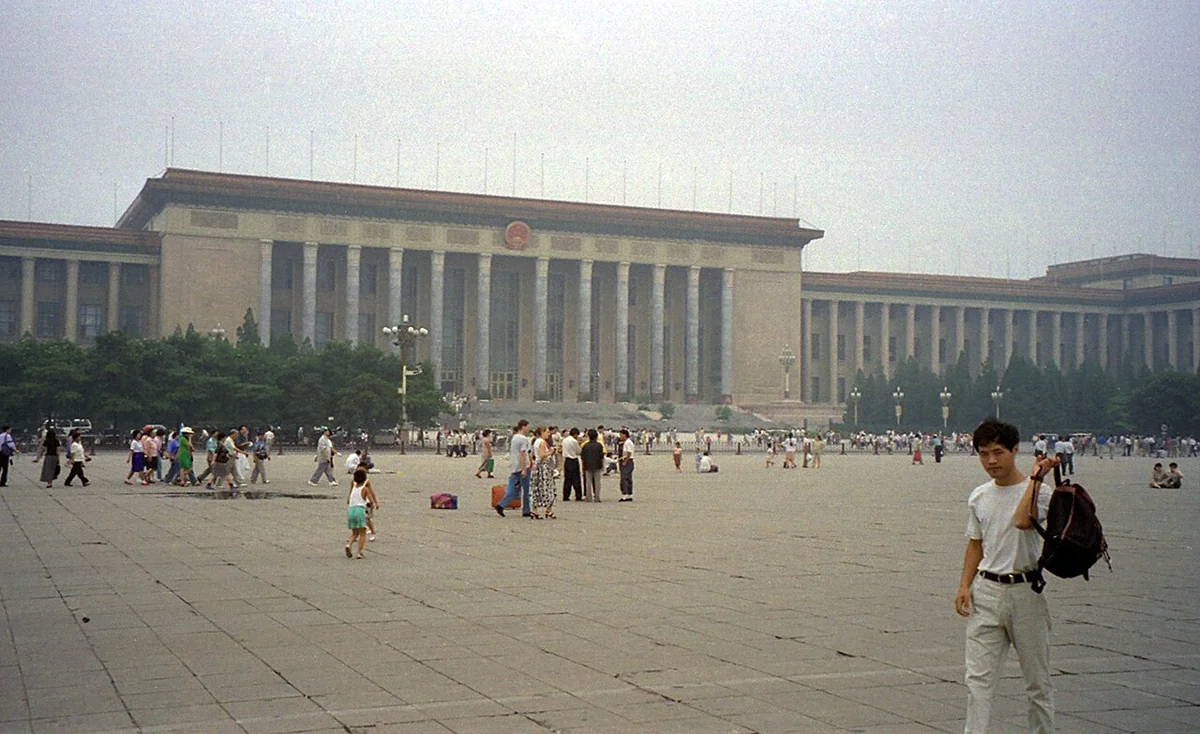
Dawn over Tiananmen Square ushers in a distinctly ceremonial daily cycle, with the Great Hall of the People providing an imposing backdrop for the morning flag-raising ceremony. As the first rays of sunlight break through the early mist of the North China Plain, thousands of visitors from across the country gather in hushed anticipation. When the honor guard marches across the avenue in crisp formation to the strains of the national anthem, early morning light washes across the building’s soaring granite columns in warm hues of rose and gold. This moment signals the start of a bustling day as visitors pass through security checkpoints to explore the grand foyer and the legendary 10,000-seat auditorium inside.
By day, the plaza surrounding the Great Hall becomes a lively stage of Beijing life filled with cultural energy. International tour groups and visiting school classes move in steady, orderly streams across the stone-paved square. Local guides share detailed stories of how the building bridges imperial Chinese motifs with twentieth-century civic architecture, pointing out the star-studded auditorium dome and intricate ceiling reliefs that showcase 1950s craftsmanship. Along the broad granite steps outside, older Beijing residents often pause to admire the cast-bronze reliefs celebrating labor and national unity, recalling pivotal chapters of modern history.
As the sun dips westward, the atmosphere shifts dramatically, bathing the square in the warm, nostalgic glow of a Beijing sunset. Late-afternoon rays gild the cream-colored stone walls and monumental carved timber doors, creating striking interplay between natural light and clean geometric lines. This golden hour is prime time for photographers seeking panoramic compositions: from elevated vantage points east of the square or across Chang’an Avenue, you can frame the entire sweep of the Great Hall in visual dialogue with the Forbidden City to the north and the Chairman Mao Memorial Hall along the central axis. Sunset light glinting off tall glass windows softens the building’s imposing facade, transforming a seat of state authority into an evocative work of urban art.
When night falls, the Great Hall of the People takes on a luminous presence under a carefully engineered architectural lighting scheme. Concealed floodlights at the base of the facade cast warm upward beams across dozens of white marble columns, accentuating the building’s scale, symmetry, and quiet dignity. In the cool evening air, Tiananmen Square transforms into a relaxed gathering space for locals—families strolling leisurely, friends chatting, and visitors taking in the illuminated skyline. The contrast between the hushed grandeur of the lit colonnade and the easygoing laughter of evening strollers creates a memorable urban snapshot in which a monumental public building feels intimately connected to the pulse of the city.
Attending cultural events inside the Great Hall offers another rich window into Beijing’s artistic and intellectual life. Symphony concerts, classic dramas, and large-scale traditional dance productions regularly take the stage in the building’s grand theater, equipped with world-class acoustics and lighting that have hosted renowned domestic and international ensembles. Stepping into this venue invites visitors to experience the sense of occasion surrounding major civic performances—where plush crimson seating, corridor ink-wash murals, and regional woven carpets reflect meticulous attention to cultural identity.
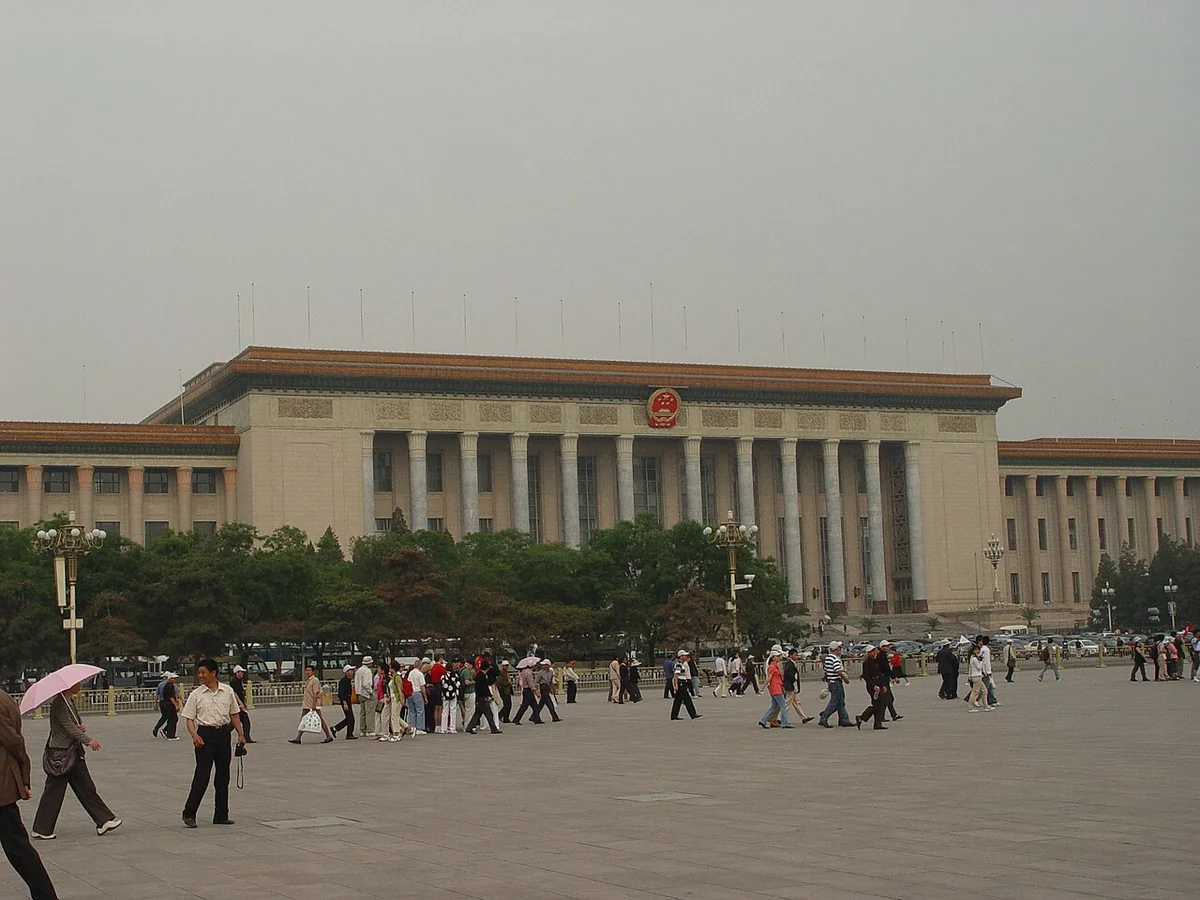
Viewed across the arc of a full day, the Great Hall of the People is far more than a static political monument; it is a living landmark pulsing with the rhythm of a global capital where revolutionary history meets dynamic modern growth. From the quiet anticipation of the dawn flag-raising to the radiant reflections across Tiananmen Square at night, it remains an essential focal point for anyone seeking to understand the spirit, history, and aspirations of modern China.
Positioned along the western flank of Tiananmen Square, the Great Hall of the People represents not only a landmark of twentieth-century Chinese civic architecture and diplomacy, but also sits at the crossroads of imperial court gastronomy and classic Northern Chinese cuisine. Surrounding the monument—from historic Qianmen just to the south to the winding hutong alleyways of Xicheng and Dongcheng districts—lies a rich culinary ecosystem steeped in Shandong (Lu) culinary traditions and authentic Beijing street fare. Following the fall of the Qing dynasty, many former imperial palace chefs settled in these neighborhoods, bringing exacting culinary techniques and precision heat control to create a flavor landscape that bridges royal refinement with everyday Beijing street life.
At the heart of formal dining around this area—as well as state banquets hosted inside the Great Hall of the People itself—is Shandong cuisine, one of China’s Four Great Culinary Traditions. Known for its mastery of clear consommés and rich milky broths simmered for hours from chicken, pork, and duck without artificial seasonings, Lu cuisine prizes pure, deeply layered umami. Iconic dishes such as Beijing roast duck—crisped to mahogany perfection over fragrant pear or jujube wood fires—and braised sea cucumber with scallions showcase extraordinary control over flame and timing, reflecting classical principles of balance. High-heat flash stir-frying paired with velvety sauces preserves crisp textures and natural sweetness, highlighting the sophistication of northern Chinese cooking.
Venturing into the historic lanes northwest and south of the square introduces travelers to beloved everyday Beijing specialties that remain essential to local life. Traditional copper-pot mutton hot pot—heated by glowing charcoal down the center chimney—is an indispensable winter ritual. Paper-thin slices of free-range Inner Mongolian lamb are swished briefly in a light broth infused with scallions, ginger, and goji berries before being dipped into a rich blend of roasted sesame paste, fermented tofu, chive flower sauce, and a touch of chili oil. Mornings in the surrounding neighborhoods are equally evocative, featuring classic snacks like imperial pea-flour cakes (wandouhuang) and crisp fried dough rings paired with warm, freshly ground soy milk.
Tea culture in traditional teahouses near the capital’s historic core forms another vital thread in the cultural fabric surrounding the Great Hall. Locals and visitors alike gather to sip fragrant jasmine tea or aged Pu-erh brewed in Yixing clay pots or fine white porcelain, often accompanied by live Peking Opera excerpts or traditional storytelling. Authentic Beijing jasmine tea pairs tender Fujian green tea leaves scented repeatedly with fresh summer jasmine blossoms, offering a floral, palate-cleansing finish after rich northern dishes. Watching tea masters pour boiling water with acrobatic precision from long-spouted brass kettles adds an unforgettable touch of heritage hospitality.
Nearby historic thoroughfares such as Dashilar (Dazhalan), Qianmen Street, and Liulichang serve as vibrant culinary corridors lined with century-old heritage eateries. Here, legendary Qing-era roast duck houses still uphold the traditional craft of carving each duck into 108 delicate slices served with paper-thin handmade pancakes, julienned scallions, cucumber, and sweet fermented bean sauce. Every dish carries echoes of imperial history, from poetic dish names to time-honored presentation rituals preserved across generations.
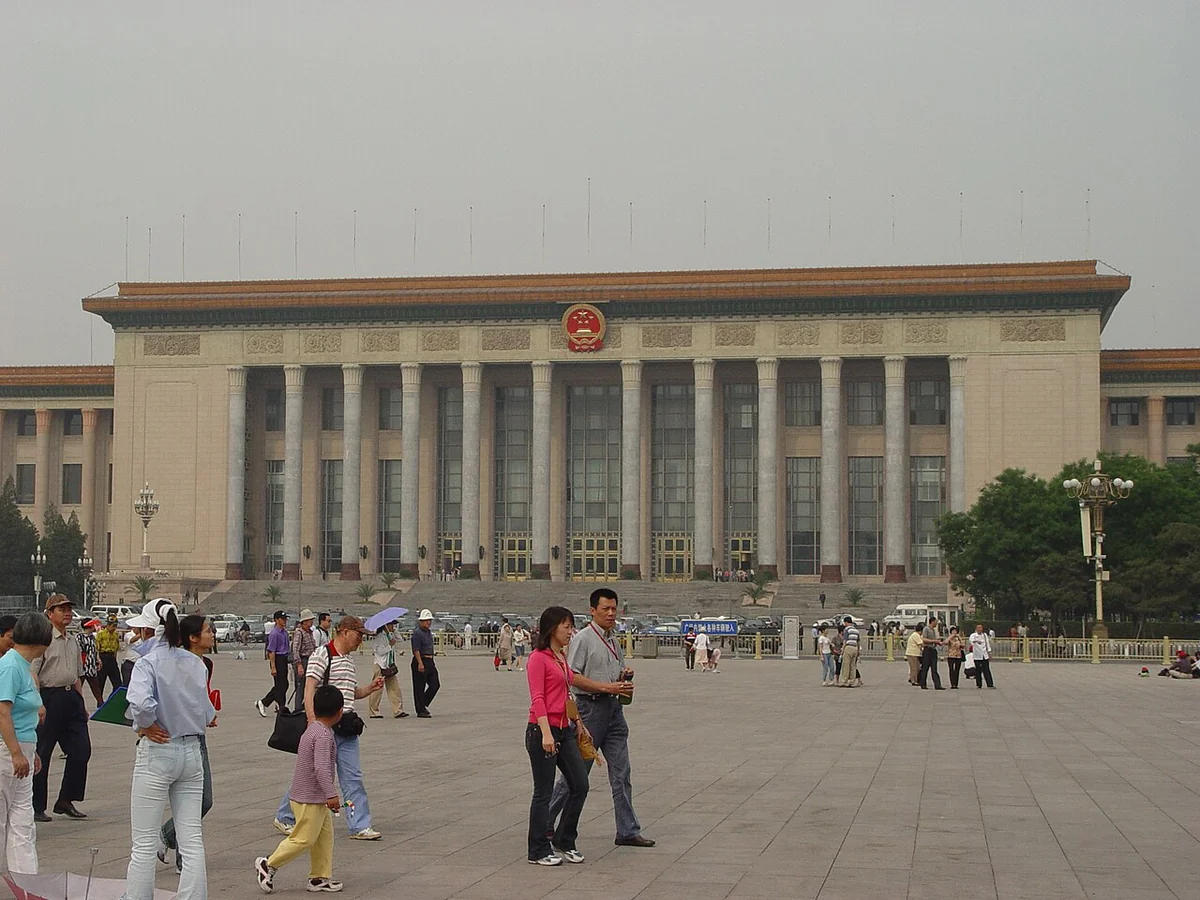
Taken together, the culinary traditions surrounding the Great Hall of the People offer a living archive of northern Chinese history, craftsmanship, and hospitality. The seamless coexistence of refined banquet gastronomy and comforting neighborhood street food creates a dining culture found nowhere else—turning every meal into a journey through centuries of flavor and tradition.
Visiting the Great Hall of the People in Beijing requires thoughtful preparation regarding seasonal weather, transit logistics, advance reservations, and strict etiquette protocols. Beijing experiences a temperate continental monsoon climate with four distinct seasons that directly shape the sightseeing experience. Spring (March to May) brings mild temperatures, though occasional northern dust storms mean travelers should check air-quality forecasts. Summer (June to August) is hot and humid, with occasional afternoon thunderstorms that can sweep quickly across the open square. Autumn—particularly September through November—is widely regarded as the best time of year to visit Beijing, offering crisp blue skies, comfortable temperatures, and golden ginkgo and crimson maple foliage framing the capital’s historic landmarks. Winter (December to February) brings dry, freezing temperatures and brisk Siberian winds, requiring heavy thermal layers for exploring the exposed plaza comfortably.
Beijing’s extensive public transit network makes reaching the Great Hall of the People straightforward and reliable. Taking the subway is strongly recommended to bypass downtown traffic congestion: Beijing Subway Line 1 stops right at Tiananmen West and Tiananmen East stations, while Line 2 serves Qianmen Station just south of the square. From any of these exits, it is only a short walk through security checkpoints to the building entrance. Numerous public bus lines also run along Chang’an Avenue, though navigating bus routes is easiest if you use local mapping apps. Note that taxis and ride-hailing vehicles are strictly prohibited from stopping directly in front of Tiananmen Square or the Great Hall for security reasons, requiring drop-offs at designated perimeter points several blocks away—making the subway far more convenient.
Timing your visit wisely makes a substantial difference in both crowd levels and lighting conditions. Arriving early in the morning—around 8:00 AM to 9:00 AM—allows you to clear security before peak crowds arrive while capturing crisp morning sunlight illuminating the monumental granite colonnade. Afternoon visits are also possible, but keep in mind that public opening hours are strictly governed by official state calendars and may be shortened or suspended without prior notice when major political conferences or diplomatic events are in session. Because the Great Hall is a supreme national institution, visitors must adhere to a neat, respectful dress code: men should wear collared shirts or neat tops with long trousers, while women should avoid overly short skirts, off-the-shoulder tops, or ripped jeans. Comfortable, supportive walking shoes are essential for covering the vast distances across Tiananmen Square and the building’s expansive interior corridors.
Ticket reservations and security screening at the Great Hall of the People are significantly stricter than at standard museums or parks. Unlike the Forbidden City or Summer Palace, entry requires advance online registration using full passport details—or booking through an authorized travel agency—and you must carry your original physical passport to clear multiple layers of airport-style security checkpoints around Tiananmen Square. Sharp objects, flammable items, aerosols, liquids exceeding permitted limits, and oversized professional camera rigs without special media permits are strictly prohibited.
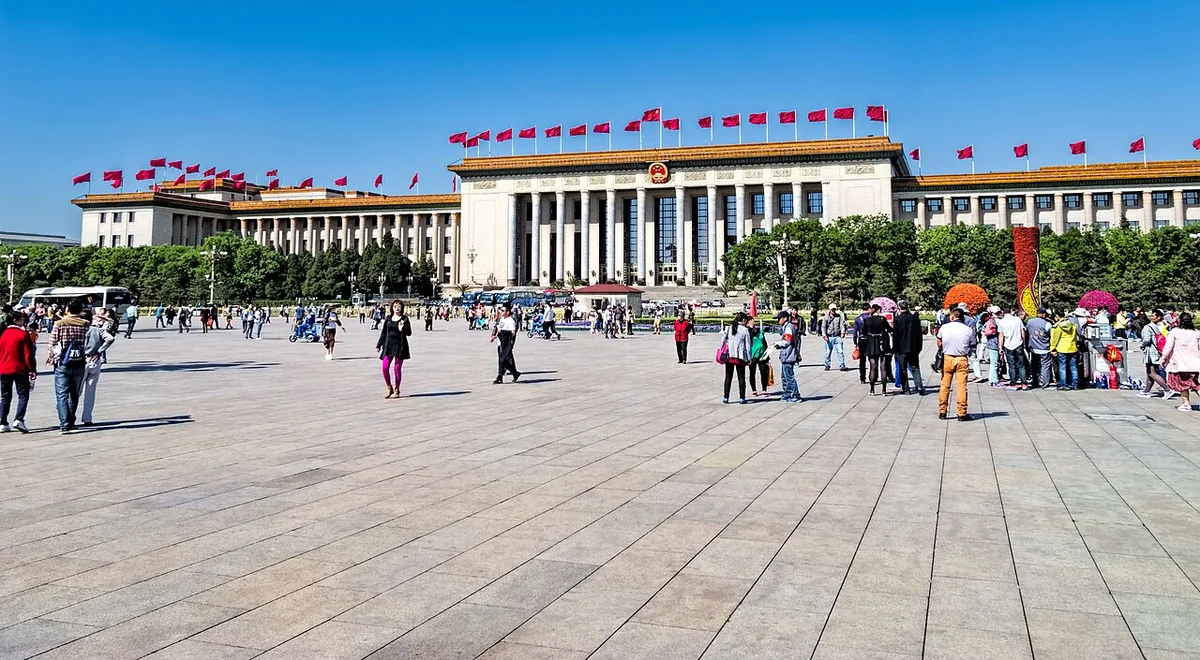
Observing proper decorum inside the Great Hall of the People is essential for a smooth, respectful visit. Inside the Great Auditorium, State Banquet Hall, and ceremonial corridors, maintain a quiet, dignified demeanor—loud talking, running, or boisterous behavior will promptly draw intervention from security personnel. Photography and filming are restricted in designated halls and exhibition areas where bilingual signage prohibits cameras, and political commentary or disrespectful gestures toward national symbols are strictly forbidden under local law. Approaching the site with cultural respect, patience through security procedures, and proper attire ensures an unforgettable, trouble-free visit to one of the modern world’s most iconic civic monuments.
To experience this journey seamlessly alongside a knowledgeable local guide, explore our Beijing – Suzhou – Hangzhou – Wuzhen – Shanghai Tour featuring a thoughtfully curated, hassle-free itinerary.