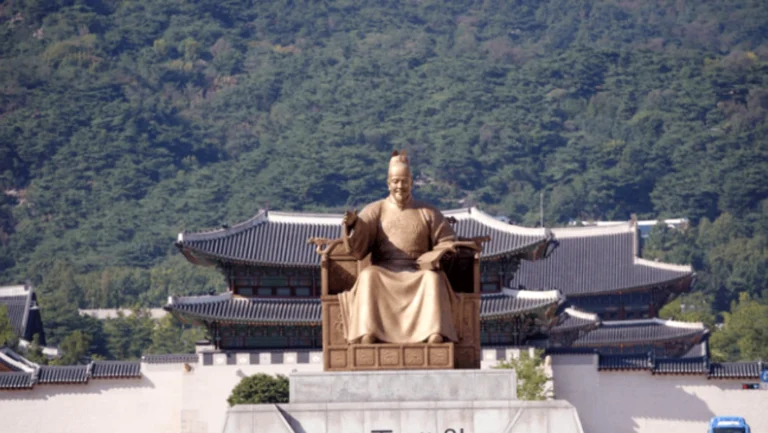
Beneath the shadow of the ancient ramparts of the Edo shogunate from 1603 to 1867, the land that is Akihabara today was once just a quiet expanse of wilderness lying right outside the Sujikai-gomon gate. When Shogun Tokugawa Ieyasu carried out his grand master plan for the capital of Edo to establish a governing order, this northern outer perimeter was carefully calculated as a buffer belt separating the residential quarters of lower-ranking samurai warriors from those of townspeople and merchants. Fires back then were a terrifying nightmare for wooden structures—poetically dubbed the “flowers of Edo” by people of the era—compelling the shogunate to maintain a broad geographic gap to isolate the danger of spreading flames whenever fire broke out among crowded shanties.
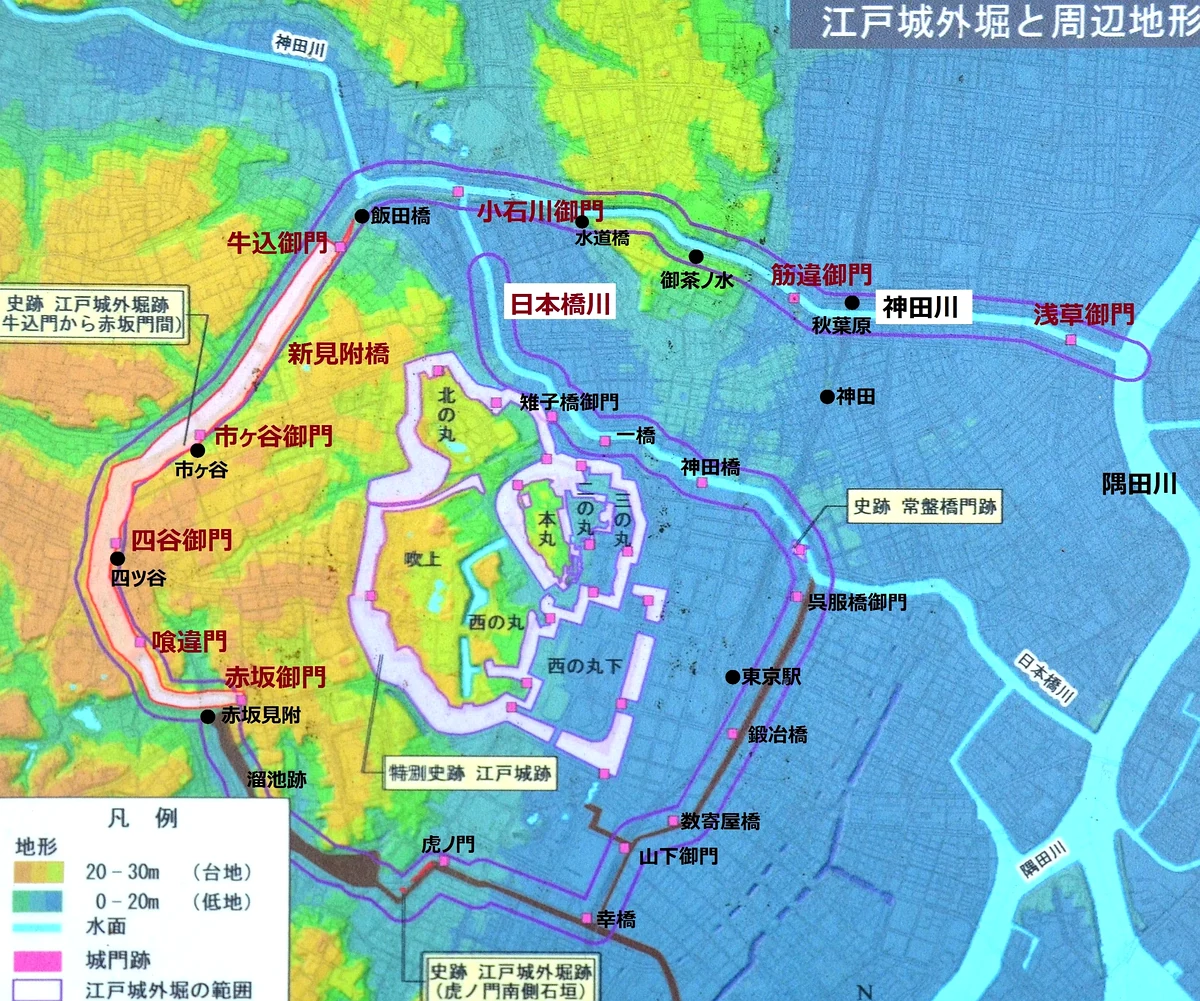
The historical turning point that completely transformed the face of the land occurred in 1869, the second year of the Meiji era, when a devastating conflagration swept through, burning thousands of roofs to ashes and leveling the entire surrounding neighborhood into a plain of soot. Aiming to permanently eliminate the danger right next to the imperial castle, the Meiji court immediately cleared roughly nine thousand square meters of land, creating a vast firebreak plaza named Hikeshi Chi. Right at the center of this buffer zone, people enshrined incense and established Chinka-sha Shrine to worship Akiba Daigongen, the deity who wards off fire. Locals grew accustomed to calling this deity-shaded plain Akiba-ga-hara—meaning a field of vibrant autumn leaves—before shifting pronunciation over time officially named it Akihabara on the cadastral maps of the Land of the Rising Sun.
When World War II drew to a close in 1945, Tokyo once again buckled under devastation, yet right from those ruins, Akihabara’s first technological seed sprouted. The area beneath the elevated railway viaducts and the Kanda Sudacho intersection quickly turned into a bustling black market specializing in trading radio components, vacuum tubes, and receivers salvaged from military depots of the stationed U.S. forces. Young engineers alongside brilliant students from Tokyo Imperial University came here to scavenge every semiconductor diode, enameled copper wire, and capacitor to build radio sets by hand for essential postwar communication needs. Under the skilled hands of that impoverished intellectual class, makeshift stalls of corrugated sheet metal gradually took shape into a rudimentary yet creatively vibrant engineering hub.
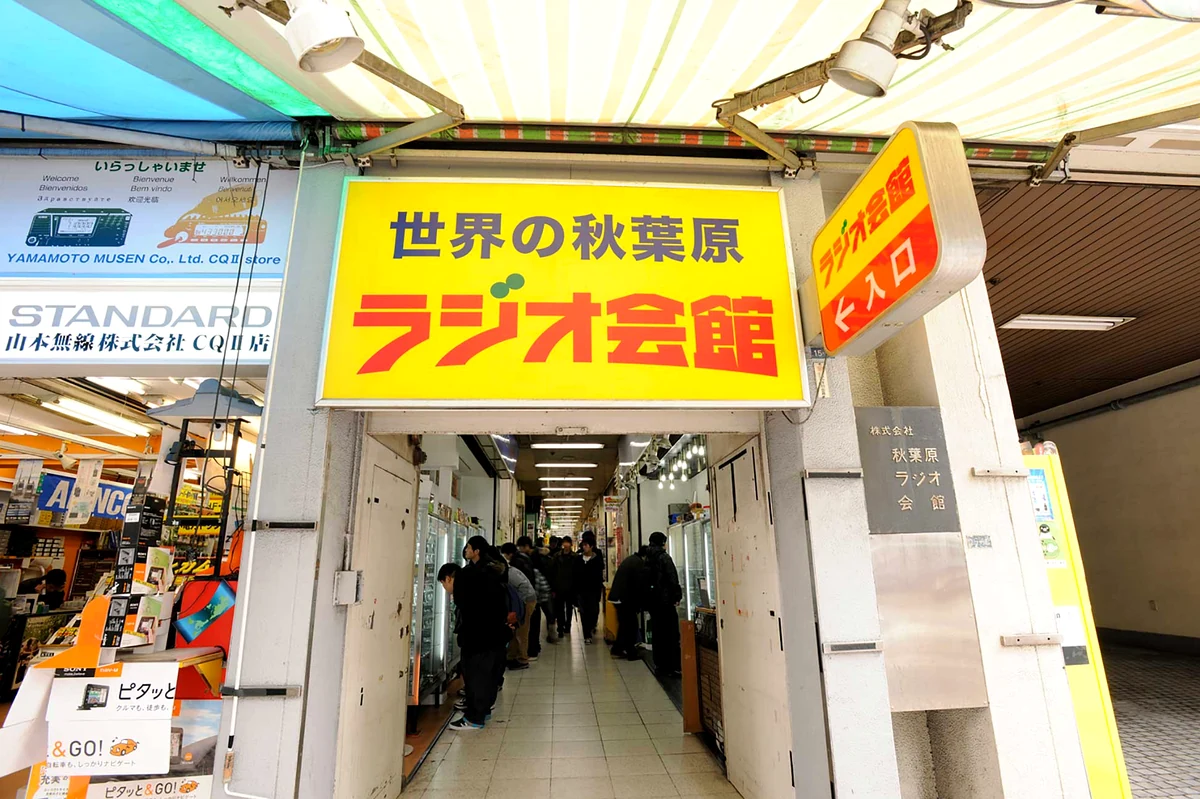
Stepping into the era of reconstruction and economic boom during the 1980s and 1990s, Akihabara underwent a dramatic metamorphosis into a symbol of modern Japanese prosperity as it became Asia’s largest distribution hub for household electronics and semiconductor components. Closely packed multi-story buildings such as Radio Kaikan and personal computer dealers swarmed with buyers and sellers hunting for motherboards, microprocessor chips, and the legendary PC-9801 computer line. This place was not only a meeting ground for hardware-building tech enthusiasts, but also a proving ground for the most cutting-edge consumer electronics inventions before export worldwide, serving as proof of an industrial superpower’s miraculous surge.
Since the 2000s, the wave of global digitalization alongside the shift toward online shopping has propelled Akihabara through another spectacular transformation stamped with contemporary character. The realm of vacuum tubes and silicon microcircuits rapidly expanded to embrace Otaku subculture, becoming the absolute sacred ground of Anime animation, Manga comics, video games, and one-of-a-kind Doujinshi self-published works. Along Chuo-dori avenue blazing with neon signage, the emergence of cultural concepts like Maid Cafés alongside intricate figure showrooms has distilled a singular visual art space where feudal firebreak history and futuristic fantasy blend into one.
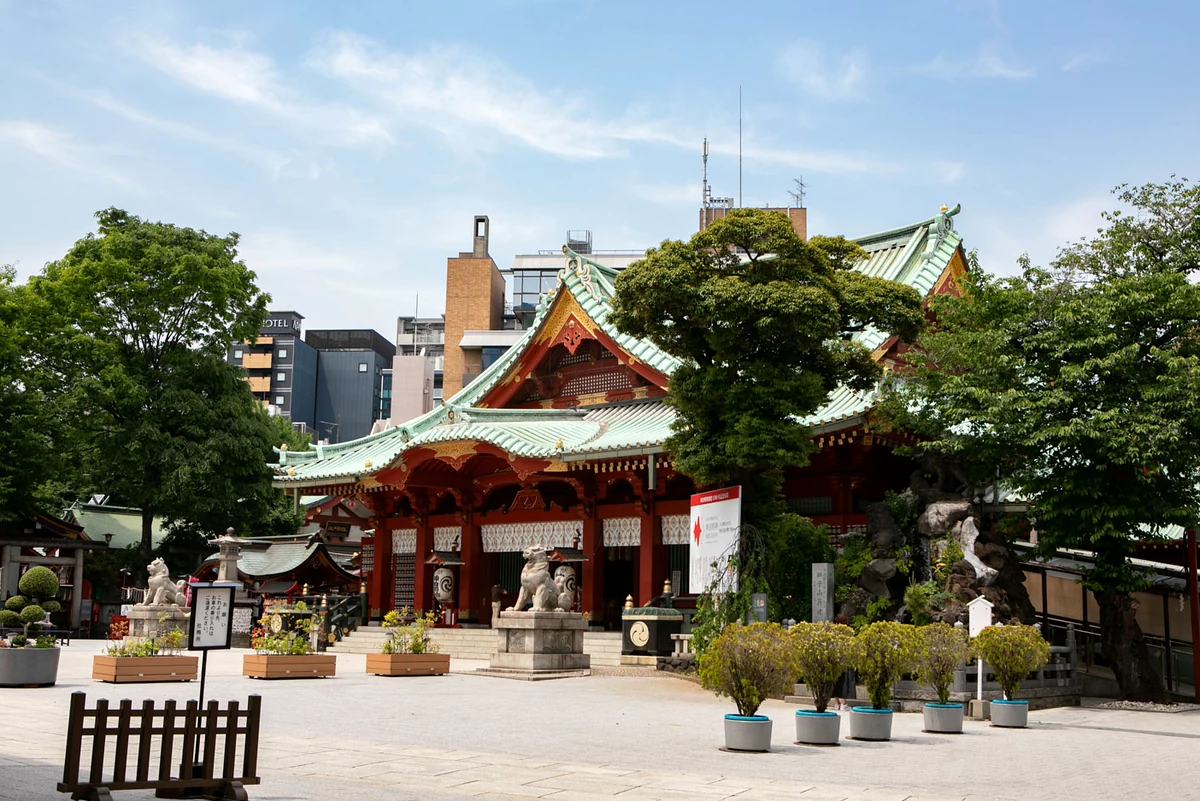
Viewed through the lens of East Asian feng shui and urban planning, Akihabara sits on a gently sloping plain bordering the Kanda River basin, where it once served as a natural firebelt protecting the northeastern frontier of the ancient Edo fortress. This low-lying tract was once called Hibarigahara, an expansive open space meant to keep fires from spreading before receiving spiritual life force from the famed Kanda-Myojin Shrine. Standing tall on a high knoll to the northwest like a sturdy feng shui screen, Kanda-Myojin Shrine enshrines three supreme deities who guard merchants’ prosperity and shelter the residents’ peace and well-being. That spiritual undercurrent seems to have formed an invisible launchpad for the plain below to grow into one of the liveliest commercial hubs in Japan, turning a spot that was once an empty firebreak plot into land gathering boundless wealth over centuries of change.
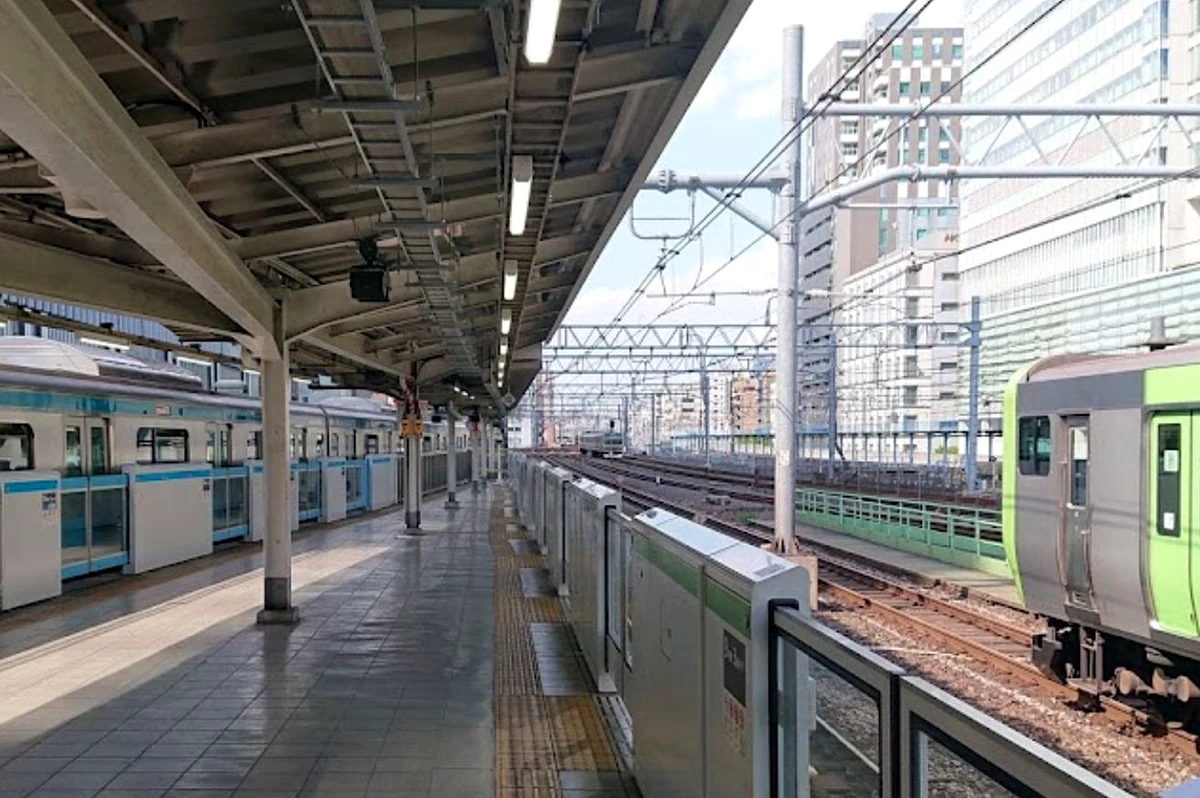
The foundational pillar shaping Akihabara’s modern face is its complex multi-level transit infrastructure, reaching the pinnacle of Japanese urban mechanical engineering. Akihabara Station operates like a giant mechanical heart where vital elevated and underground rail lines interlace densely. The station structure is built on a classic cross-shaped intersection layout: the JR Sobu Line runs along a high elevated viaduct on an East–West axis, cutting across the two vital ring and trunk rail lines—JR Yamanote and JR Keihin-Tohoku—running parallel on a North–South axis. Deep below ground, the Tokyo Metro Hibiya Line under code H-15 harmonizes with the Tsukuba Express high-speed rail line, a technical feat bored through multiple geological strata to connect central Akihabara straight to Tsukuba Science City in just 45 minutes of travel. On the road network, the district links directly with Metropolitan Expressway Route 1 along the Ueno Route via two strategic gateways, Manseibashi and Ueno, establishing a smooth traffic flow for international tour buses to reach the commercial core without clashing with the local pedestrian network.
The spatial landscape in Akihabara carries a unique duality as it showcases a remarkable continuity between traditional Shinto imprints and contemporary industrial architecture. Just a few steps from the electronics avenue, visitors can come across the 2k540 Aki-Oka Artisan complex, a creative space ingeniously revived right beneath the sturdy railway viaduct arches between Akihabara Station and Okachimachi Station. The name 2k540 comes from the railway survey marker indicating a distance of 2 kilometers and 540 meters from Tokyo terminal station, reflecting a pragmatic mindset paired with refined aesthetics by turning raw concrete underpasses into an elegant artisan craft street coated in pure white. The contrast between solemn Kanda-Myojin Shrine filled with incense smoke on one side and modern craft workshops alongside glass-and-mirror high-rises reflecting the eternal light of technology on the other creates a culturally rich landscape structure across the entire area.
Stretching along the axis of Chuo-dori avenue, Akihabara’s visual landscape is a multidimensional matrix overflowing with electronic and animated color. Street-front topography is fragmented into hundreds of narrow, vertically deep commercial plots where mixed-use buildings rise at high density. Ground floors and underground passages are typically dedicated to stalls of electronic components, semiconductor microcircuits, and mechanical cables bearing traces of the postwar era, while successive upper floors open up the vibrant futuristic world of multimedia entertainment centers, maid cafés, and giant animation figure museums. This vertical stacking of space turns Akihabara into a concrete forest illuminated by thousands of LED signs and large-scale animation banners, creating a surreal urban landscape experience that few places in the world can fully replicate.
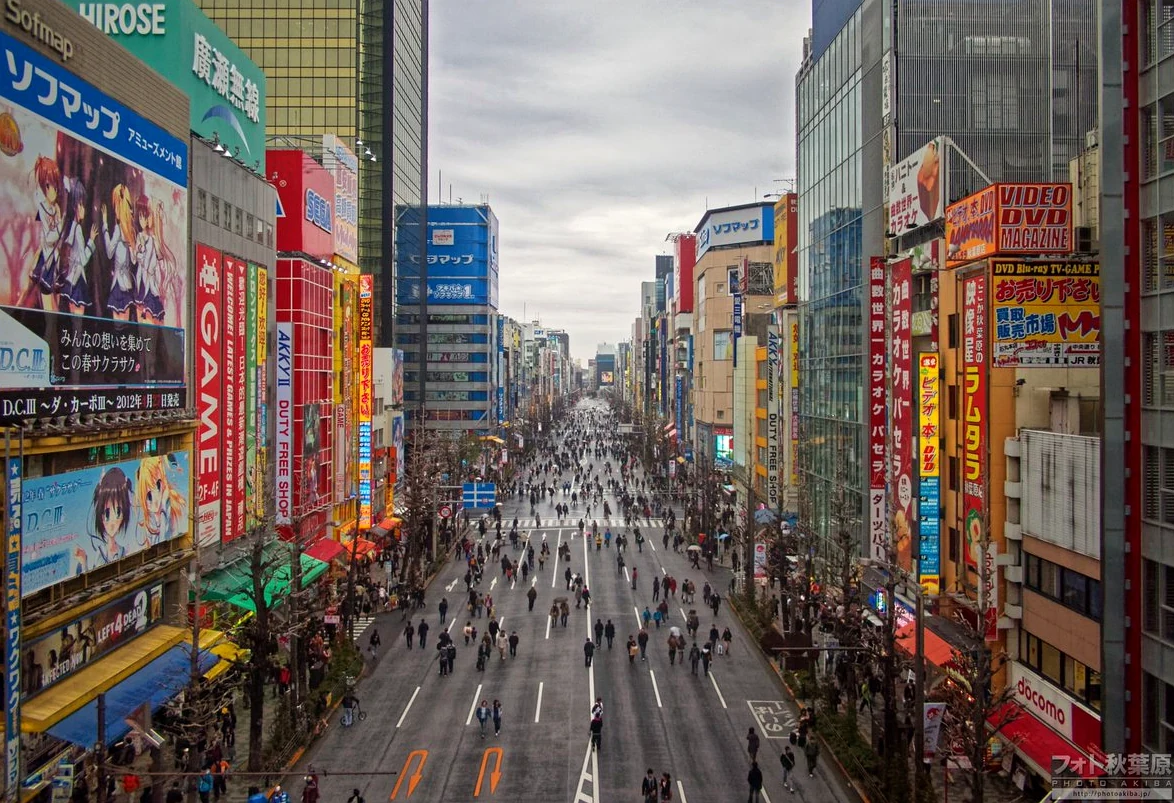
Viewed from the plane of urban planning, Akihabara opens up a singular spatial structure where the backbone of the entire district is shaped by the Chuo-dori (中央通り) avenue stretching roughly 500 meters. By day, this artery carries the bustling flow of some of Tokyo’s most modern vehicles, yet when the transition arrives on regular Sunday afternoons from 13:00 to 17:00, the entire roadway transforms dramatically into a spacious pedestrian zone named Hokousha Tengoku. During these hours, the barrier between roadway and sidewalk vanishes completely, freeing travelers’ sightlines so they can take in the full grandeur of a Post-modern architecture cluster. Physical space here does not follow ordinary conservative conventions, but is instead a dramatic dialogue between sturdy reinforced concrete blocks carrying the breath of the 1970s and 1980s and sleek reflective glass skyscrapers of the new century. The entire surfaces of these architectural blocks seem to dissolve their physical boundaries as they are covered from foundation to pinnacle in rows of multicolored signs and giant LED screens, continuously broadcasting vibrant anime scenes twenty-four hours a day and turning the streets into a nonstop moving visual museum.
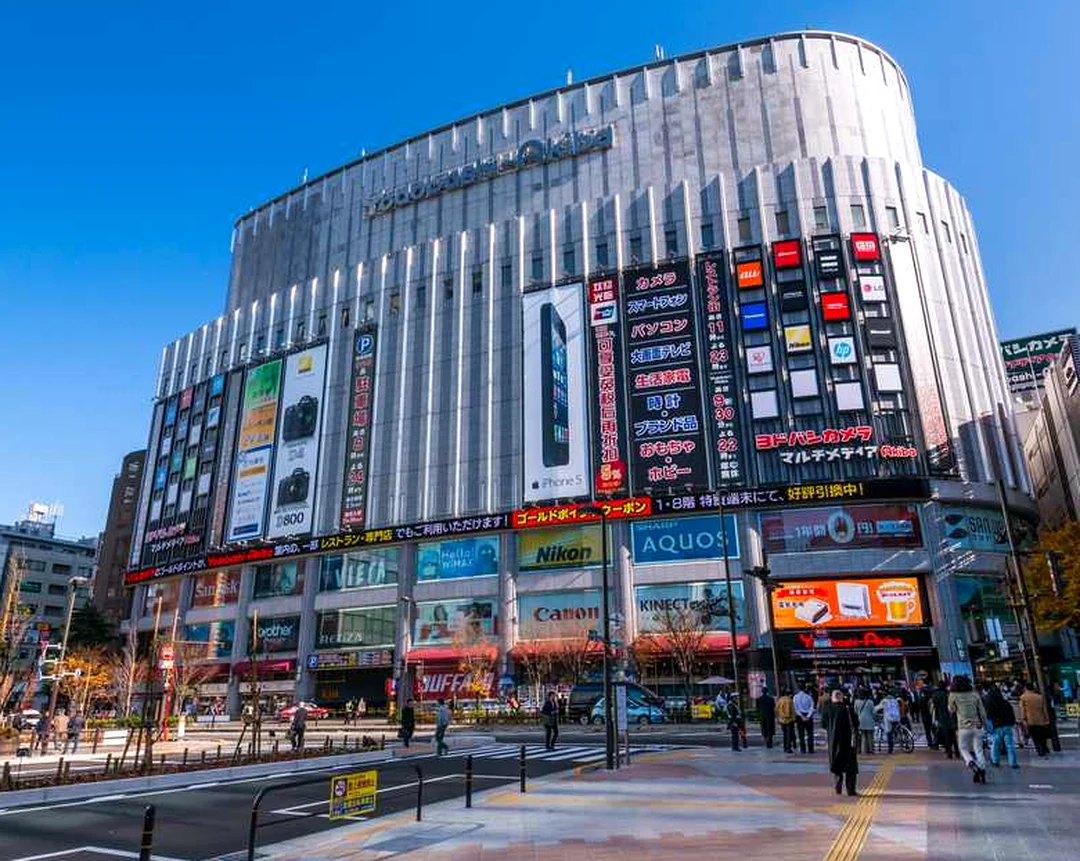
The architectural imprint in this sacred ground reaches a peak of contrast through iconic landmarks guarding the station gateways. Most notable is the Akihabara Radio Kaikan building, a historical witness that has undergone multiple large-scale reconstructions to transform from a fledgling postwar radio semiconductor parts market into a grand multi-story commercial center while keeping intact the soul of mechanical culture fused with animation. Not far away, towering on the eastern side is the Yodobashi Camera Multimedia Akiba complex on an overwhelming scale of 9 above-ground floors and 6 basement levels, boasting massive floor area wrapped in gleaming glass and metal. This technology headquarters stands proud like a futuristic fortress, directly countering the distinctive blue-toned Sofmap buildings lined up close together along the avenue to form an artificial skyline steeped in Japan’s unmistakable cyberpunk aesthetic.
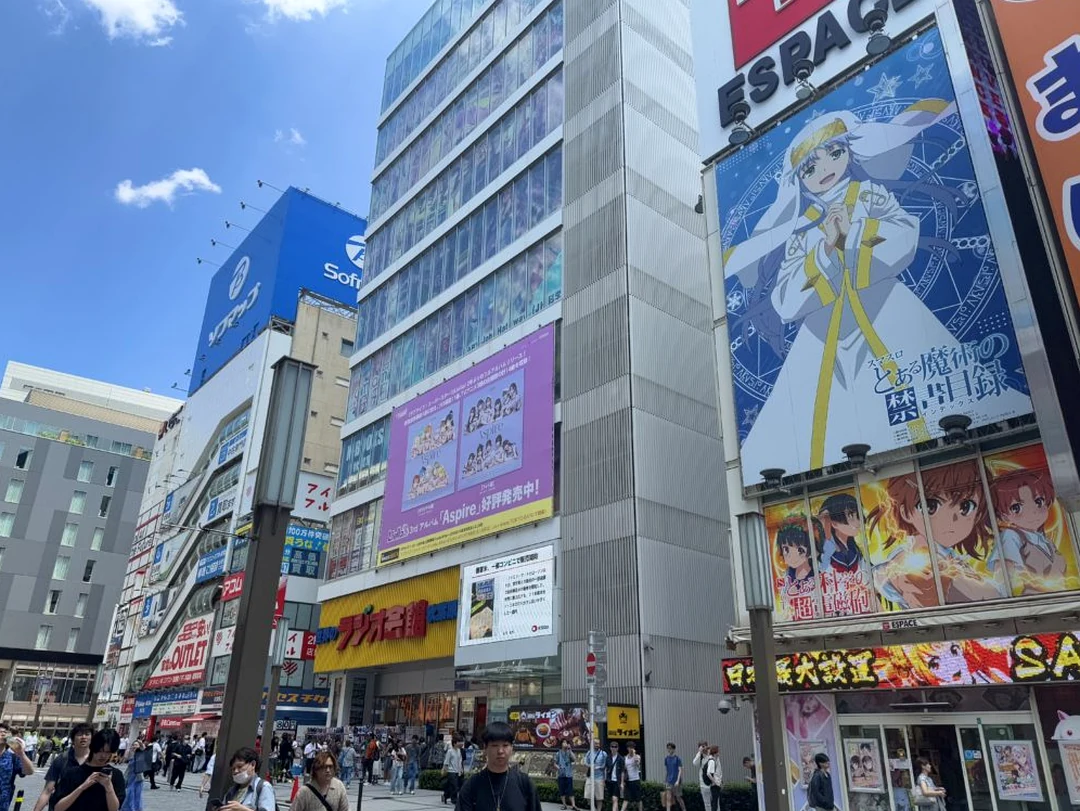
What makes Akihabara’s spatial organization so refined lies not only in ground-level breadth, but in the art of exploiting vertical space—also known as the Vertical Retail model. Because land area in central Tokyo is costly, the Japanese have skillfully turned each high-rise building into a multi-story micro-cultural ecosystem where each floor represents a specialized worldview arranged systematically and tightly. Typically, at complexes like Sofmap or Radio Kaikan, floors one to three are always a sanctuary for the art of static figure and Gunpla model making, displaying tens of thousands of resin and ABS plastic works cast and hand-painted down to nanometer precision. Moving up to floors four and five, the space opens into a vast library archiving manga comic works, original artbooks, and rare independent doujinshi publications. Floors six and seven shift into quiet yet dramatic arenas for trading card games (TCG), where specialized tables are always packed with contenders sizing up their skill. Finally, the tops of buildings or secluded upper floors are often set aside for theme cafés and high-concept maid cafés, completing a closed loop of experiences from shopping and collecting to interactive entertainment.
Every step weaving through each square meter of Akihabara’s tightly interlacing alleys is a journey through cultural strata materialized through pragmatic architectural art. Unlike the quiet stillness of ancient temples in Kyoto or the solemnity of imperial residences, the spatial structure here faithfully mirrors the contemporary pulse of Japanese society: an absolute harmony of maximum commercial utility, cutting-edge display technology, and boundless human imagination, turning inanimate concrete blocks into a living sacred ground of endless cultural depth.
When twilight settles and gives way to nightfall covering Tokyo, Akihabara sheds its daytime commercial bustle to don the guise of a massive live-action light performance stage steeped in cyberpunk atmosphere. The Chuo-dori axis along with its interwoven back alleys immediately blazes to life in the fervent dance of tens of thousands of LED lights, multicolored electronic matrix signs, and giant outdoor screens continuously screening vivid animated footage 24/7. Neon spectra shimmer across the asphalt, turning each multi-story architectural block into multidimensional towers of light where the line between earthly reality and illusory worlds seems to dissolve completely.
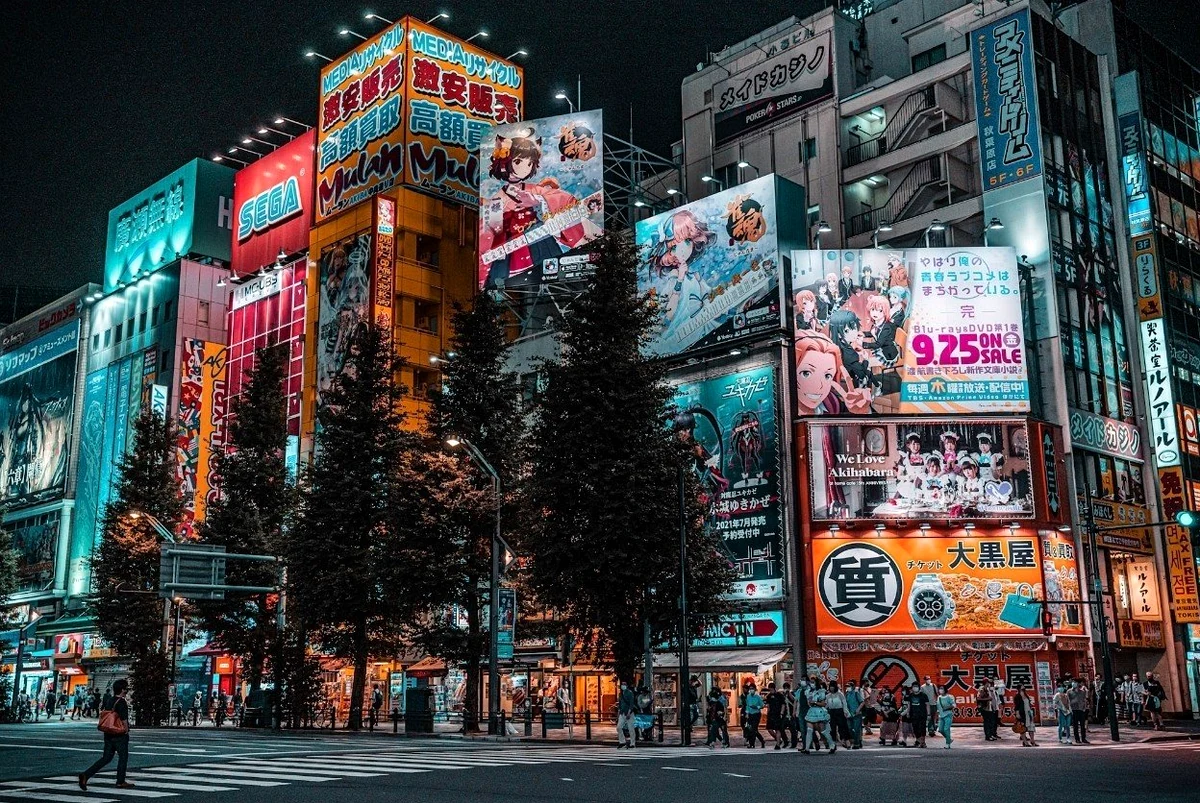
The focal point of this sleepless nightlife converges at towering arcade entertainment complexes like the renowned GiGO chain, once famed as legendary SEGA gaming sanctuaries. Stepping through the automatic doors, visitors are immediately drawn into a captivating soundscape and visual field where the ground floor glows with light from hundreds of modern UFO Catcher claw machines packed with limited-edition character figures. The crisp clinking of one-hundred-yen metal coins dropping into the slot blends with driving electronic chiptune melodies, booming Taiko drumbeats, and nimble footsteps on rhythm-simulation dance floors. Higher floors open up a world of fiery head-to-head fighting matches or quiet corners for players immersed in trading card games, where each magic card is flipped over under dramatic focused spotlights.
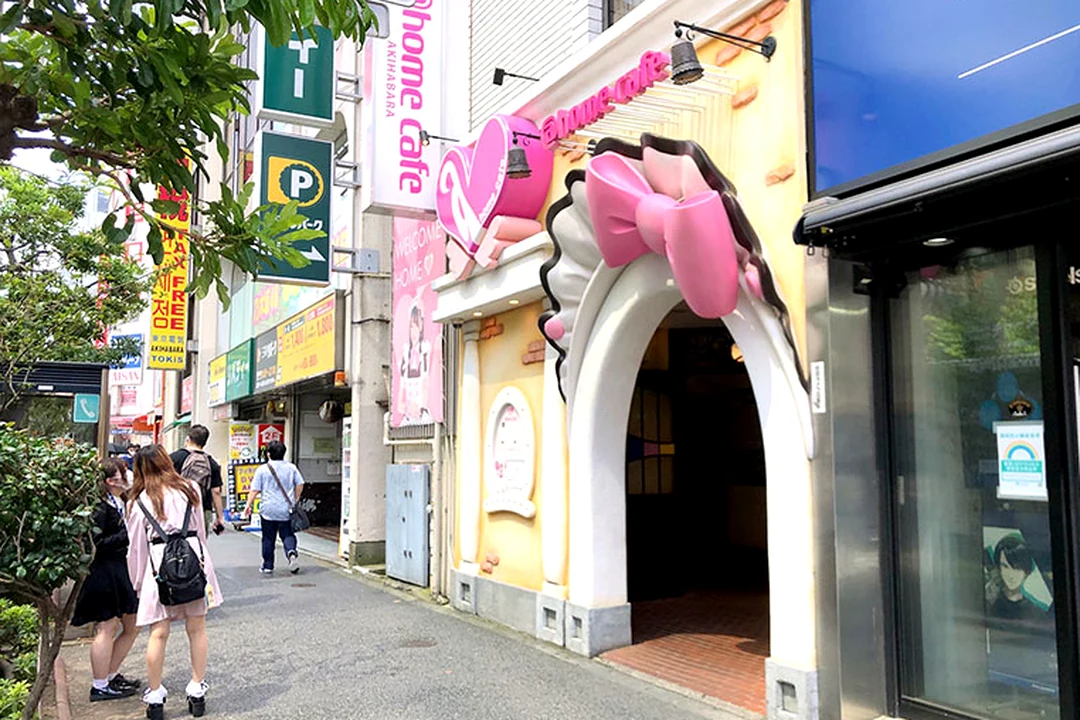
Following the alleys tucked behind the main thoroughfare, Akihabara’s nightlife reveals a more refined and discreet dimension of enjoyment on mezzanine levels and theme bars. Small Katakana signs guide travelers up to maid cafés hidden on upper floors, where lighting is arranged warmly and softly with stylized candlelight and sweet pastel tones, creating a sense of complete detachment from the megacity’s rush. At cosplay bars or sci-fi animation pubs, bartenders in intricate costumes mix cocktails inspired by magic spells, using dry-ice mist and fluorescent light to turn drinks into glowing works of light art in the dark.
Akihabara at night is not merely a pure visual stroll, but also an emotional symphony of the Otaku community and young people from afar seeking kindred spirits. Beneath the never-fading glow of manga heroine murals towering dozens of meters high, one spots travelers engrossed in virtual reality technology, collectors patiently hunting rare late-night releases, or simply dreamers standing quietly watching traffic glide past like streaks of the future. Nighttime enjoyment here has moved past the bounds of simple mechanical entertainment to become a living museum of contemporary aesthetic taste, where light installation art and Japanese pop-culture spirit reach their brightest flowering.
Behind the flashing neon strips and labyrinths of glass towers packed with semiconductor parts, Akihabara conceals a distinctive culinary map where the down-to-earth flavors of the Edo and Showa era Kanda merchant quarter intersect with the brisk pace of contemporary visual-culture fans. Strolling across the border where Akihabara meets Kanda, travelers encounter the alluring refinement of Kanda Niku Bar style grilled meat spots. Long known as a prime protein haven for office workers and shoppers after hours of combing electronics stalls, the essence of this food zone comes together completely in the famed Gyukatsu breaded fried beef cutlet. Each slice of top-grade marbled beef is coated in an ultra-thin layer of panko breadcrumbs and deep-fried for just sixty seconds to keep its tender, juicy rose-pink interior at a medium-rare core. Diners place the beef slice themselves onto a steaming mini grill stone right at the table, listen to the cheerful sizzle of rendering fat, and dip it in a touch of pink salt or freshly grated wasabi to feel dairy-richness meld with deep, pure savory sweetness.
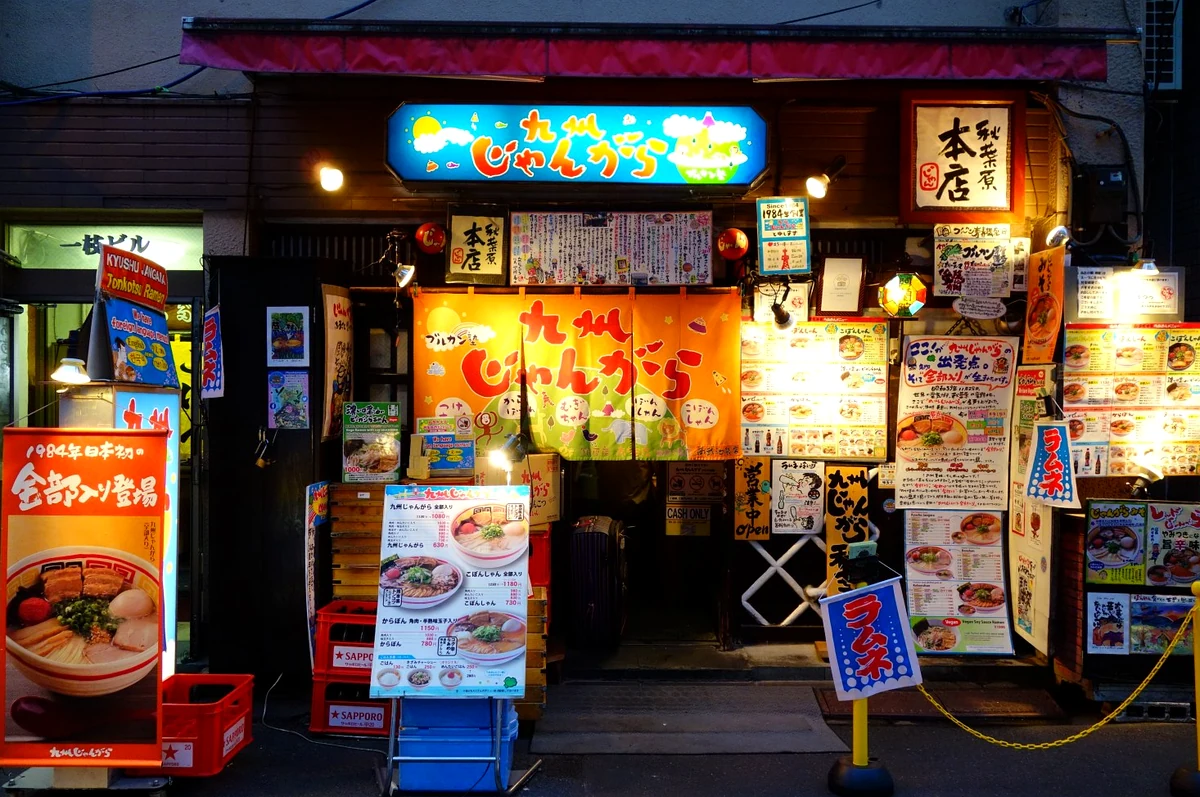
Winding down the tightly interwoven alleys around Akihabara Station and the central basement zone, savory rising steam leads footsteps into the world of Akiba Ramen Street. This is a fierce culinary arena where master noodle makers compete through every bowl of broth distilled over the years. Standing out most amidst tight quarters and humble stools is the famed Kyushu Jangara brand, an icon that has warmed townspeople’s hearts across generations. The Tonkotsu ramen bowl here is an elaborate craft: pork leg bones are simmered continuously over a high flame for more than ten hours with marrow and aromatics, yielding a thick, milky-white broth rich and creamy to the core without feeling heavy. Accentuating the firm, chewy thin noodles are thick slices of chashu steeped in mirin seasoning, a spoonful of bright red spicy mentaiko cod roe carrying unmistakable Hakata character, and a glossy ajitsuke tamago soft-boiled egg marinated in soy sauce. Counterbalancing the classic Tonkotsu school is the energetic wave of spicy dry-mixed Mazesoba noodles, where wide noodles are blanketed in chili-stir-fried minced meat, crushed raw garlic, smoked bonito flakes (katsuobushi), and a fresh raw egg yolk, requiring diners to toss them rapidly with chopsticks so every flavor layer marries together.
If ramen and gyukatsu represent sturdy, time-honored culinary identity, then Maid Cafés create a singular gastronomic concept found only in this Otaku cultural sanctuary. Here, the boundary between simple dining and interactive performance art dissolves completely. The signature dish of this space is a golden plate of Omurice rolled omelet rice. A silky-smooth omelet wraps deftly over tomato-butter chicken rice, turning into a living canvas right before the guest’s eyes. Under the nimble hands of servers in classic maid uniforms, strokes of bright red ketchup appear and vanish to sketch a playful cat face or familiar cartoon characters. Before digging in, a synchronized chant bestowing luck and energy at the table breathes a whimsical spirit of delight into the meal. This dining experience is not merely physical nourishment, but rises into a unique cultural excursion that deeply reflects a longing for connection, endearing aesthetics, and the devoted service spirit characteristic of the Land of the Rising Sun.
A journey into the heart of Akihabara begins from one of Tokyo’s largest railway networks, where Akihabara Station serves as a massive transfer hub receiving the major JR Yamanote, JR Keihin-Tohoku, and JR Chuo-Sobu lines, along with the Tokyo Metro Hibiya Line and Tsukuba Express. Most shopping complexes and art-toy shops here open rather late, usually around 10:00 or 11:00 AM, and stay brightly lit until 8:00 or 9:00 PM, letting travelers enjoy a quiet morning at nearby shrines and temples before plunging into the brisk pulse of the digital world.
The golden window to take in the district’s carefree spirit in full is on Sunday afternoons, from 13:00 to 17:00, when wide Chuo-dori avenue enforces a full pedestrian street rule named Hokousha Tengoku, also shortened to Hoka-koku-tengoku. When traffic barriers come down, the entire broad roadway becomes a boundless stage for visual culture: cosplayers confidently show off intricate outfits, photographers hunt cinematic angles beneath high-rises plastered with character posters, and crowds from everywhere stroll leisurely through a sky filled with cheerful electronic sounds without worrying about motor vehicles.
For seasoned collectors, Akihabara’s strongest allure lies not only in brand-new releases but also in the treasure trove of secondhand goods carefully curated at famed spots like the eight-story Mandarake Complex or the Surugaya store chain. Secondhand trade culture in Japan is defined by honesty and absolute precision through a detailed condition-grading label system affixed outside packaging. A-rank items represent mint products like new off the factory line with spotless, intact cardboard boxes; B-rank is for figures or accessories with only tiny hairline scuffs barely visible to the naked eye or slightly dented box corners; while items marked J-rank—short for Junk—are defective products that may miss included parts or have broken mechanisms, often bought at rock-bottom prices by amateur engineers or restoration artisans to salvage spare parts.
Managing travel finances is also far easier thanks to tax-free shopping policies for international visitors. At large electronics superstores such as Yodobashi Camera’s Akiba branch or Laox retail centers, simply making same-day purchases reaching a minimum spend of 5,000 JPY or more (excluding consumption tax) and presenting a valid original passport with an eligible entry stamp grants a direct deduction of the value-added tax right at the checkout counter. This creates a prime opportunity for shoppers to pick up high-end optical gear, new-generation handheld consoles, or specialized computer components at highly attractive discounts.
Still, the dazzling prosperity of this entertainment capital also requires visitors from afar to keep a clear head against ready-made commercial traps. Travelers need to stay vigilant against pitches into unfamiliar bars or cafés from street touts scattered along side alleys, while firmly saying no to fly-by-night stalls selling character statues at unusually cheap prices to avoid buying poor-quality counterfeits and knockoffs that are completely shunned within the genuine fan community. Prioritizing transactions at reputable brands with clear verified origins protects personal rights and keeps memories untainted. To optimize exploration time and reach unique cultural nooks deeply without language barriers getting in the way, choosing a professional all-inclusive tour package with a well-researched itinerary will be an ideal solution to throw open the doors into the legendary sanctuary of Akihabara.