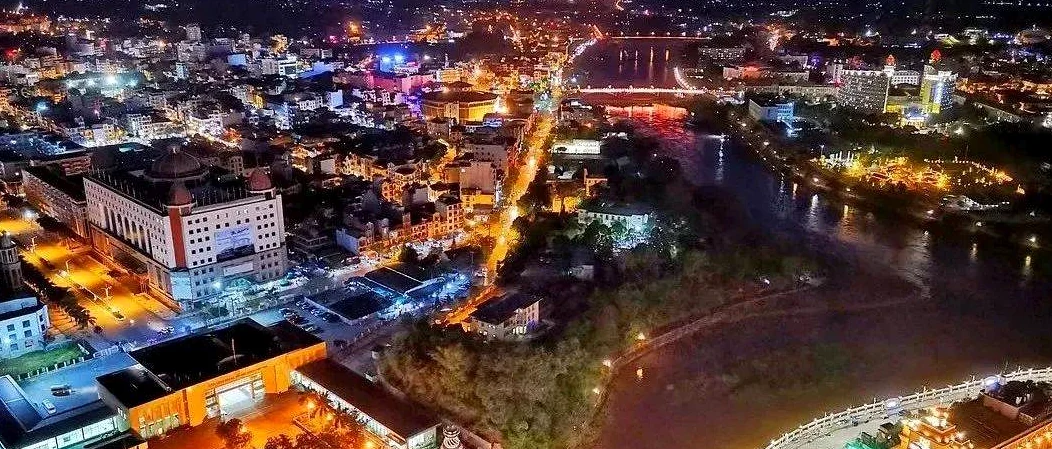
Under the slowly descending twilight along the southernmost coastal strip of Guangxi, the Beilun River stretches like a jade-green silk ribbon dividing the borderlands, silently witnessing layers of time settle upon both banks. Today’s Dongxing—where bursts of fireworks brilliantly illuminate the night sky beside graceful Western-style avenues—actually originated from a rustic riverside landing in ancient times. Throughout the Ming and Qing dynasties, this territory consisted merely of scattered fishing villages and rudimentary trading posts under the jurisdiction of Fangcheng County. Back then, residents on both banks relied on the ebbing and flowing tides of the Gulf of Tonkin to cast their nets and barter baskets of fish and shrimp, opening the earliest underground currents of local commerce before evolving into a bustling frontier port.
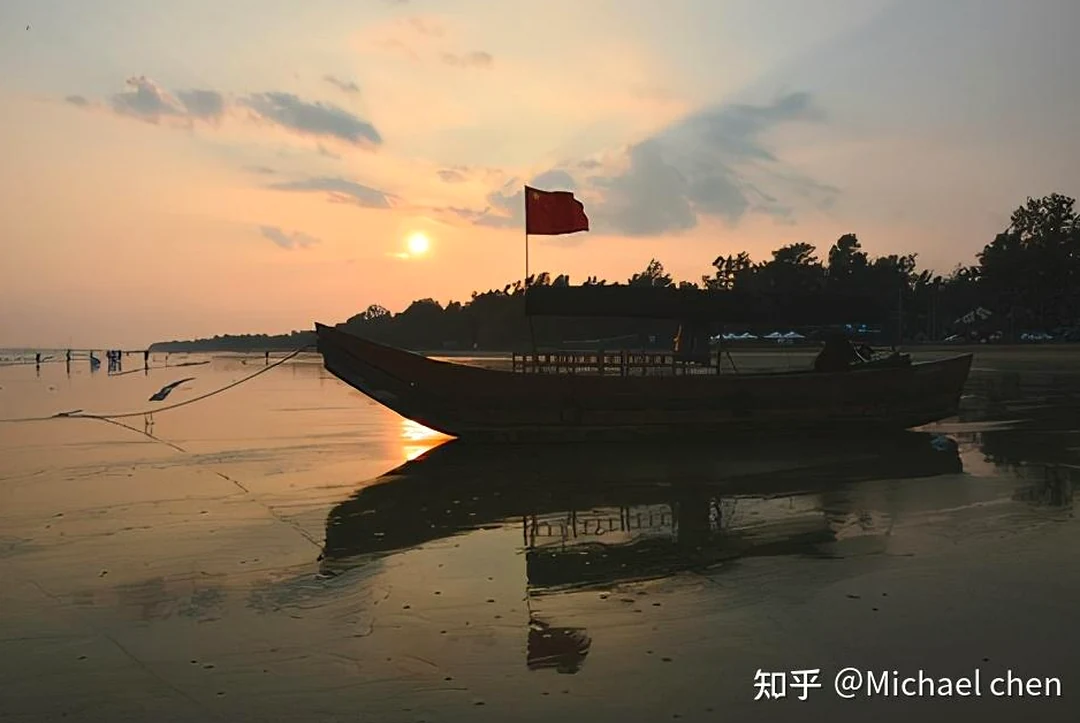
The history of this coastal stretch records an astonishing cultural migration dating back to the sixteenth century, when descendants of ancient fishing villages in Do Son, part of the former Hai Duong Prefecture, braved the open sea in search of new lands. They settled on three isolated islands hugging the waters off Dongxing, forging a one-of-a-kind community known as the “Three Gin Islands” (Kinh Toc Tam Dao), comprising Wanwei Island, Shanxin Island, and Wutou Island. Across more than four centuries of historical upheaval, the Gin (Kinh) community here has faithfully preserved the soul of their heritage through the resonant melodies of the monochord (dan bau), ancient curved-roof communal houses, and time-honored antiphonal folk singing, blending seamlessly into the cultural landscape of the Guangdong–Guangxi border region.
The turning point that shaped the modern border occurred in 1887, the thirteenth year of the Guangxu Emperor’s reign during the Qing Dynasty. Following complex military and diplomatic shifts in Tonkin, the Sino-French Convention on Border Delimitation was signed, officially designating the deep channel of the Beilun River as the natural boundary dividing the territories of the two nations. Dongxing Port immediately transformed from a quiet estuary town into a vital international trade outpost, housing boundary survey stations and imposing granite border markers driven deep into the earth.
Throughout the turbulent twentieth century, Dongxing continued to serve as a sacred bridge of diplomatic friendship. The Beilun River once reflected the silhouette of President Ho Chi Minh during his historic journeys between the two countries, where he paused to visit border residents and soldiers, leaving a profound legacy around the old pontoon bridge and checkpoint. Those warm, amicable encounters along the riverbanks became cherished memories, forging a symbol of peace for the entire frontier region.
The tides of history eventually closed the chapter of separation and ushered in a brilliant renaissance in April 1996, when China’s State Council officially approved the establishment of the county-level city of Dongxing under the prefecture-level city of Fangchenggang. This milestone served as a massive catalyst in creating the modern face of the Dongxing National Gate Scenic Area, transforming the Beilun River waterfront and Western Street into a premier hub of economic exchange and vibrant nighttime festivities. Tonight’s dazzling fireworks blooming across the night sky—casting multicolored reflections upon these historic waters—are a magnificent symphony born from centuries of dynastic rise and fall, celebrating a borderland forever lush with enduring vitality.
Viewed through the lens of feng shui and the natural geography of southernmost Guangdong–Guangxi, Dongxing occupies a uniquely convergent terrain where continental dragon veins taper off into the ecosystem of the Gulf of Tonkin. The Beilun River winds gracefully like a jade belt encircling the borderland, forming an auspicious “jade belt around the waist” configuration that embraces the National Gate Scenic Area before emptying into the open sea. This frontier gateway is far more than a natural boundary separating China and Vietnam; it is a focal point where auspicious energy gathers to generate prosperity, where continental landforms meet coastal alluvial plains stretching toward the Three Gin Islands—the three ancient islands of Wanwei, Shanxin, and Wutou. In particular, the gently sloping sands stretching endlessly along Wanwei Golden Beach to the southeast act as a stalwart natural bulwark against ocean winds and waves, sheltering a fertile, wind-protected coastal plain that cradles the sprawling, bustling border town.
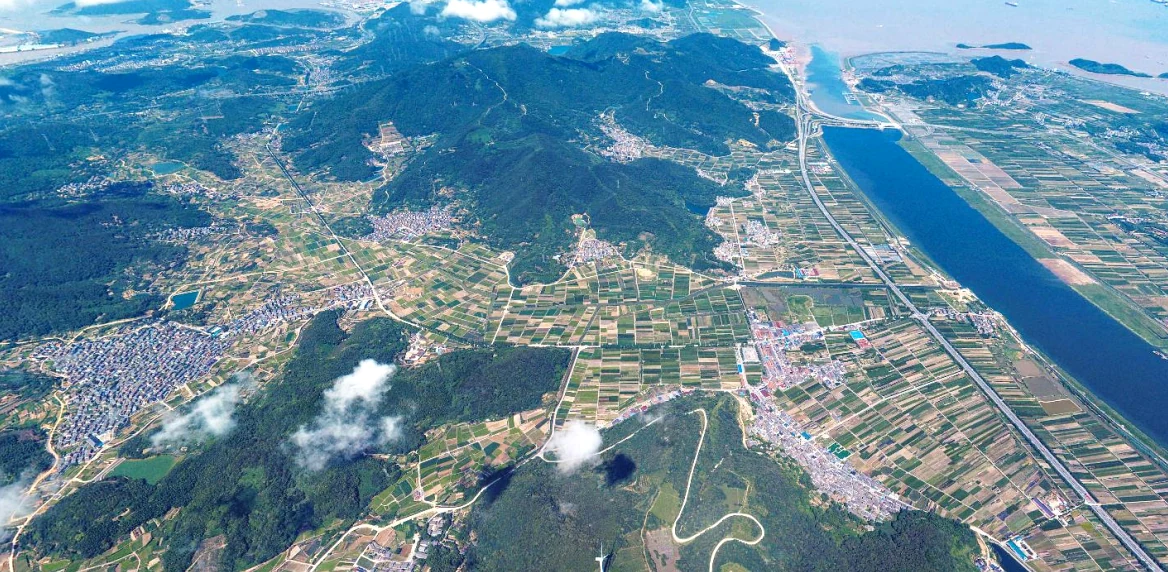
The landscape planning of Dongxing Western Street and the Beilun River waterfront corridor is arranged sequentially in a remarkably precise, stepped waterfront layout. Sturdy granite embankments lining the northern bank not only serve flood-control functions during the rainy season but also double as a multi-tiered open-air amphitheater looking directly across toward Mong Cai City. Public spaces here follow a horizontal axis stretching for kilometers, cleanly delineated into a bluestone-paved pedestrian street blending Lingnan architecture with Western neoclassical touches, a lush park strip of flowerbeds, and a waterside viewing terrace. The topographical cross-section steps down gradually from the commercial sidewalk via solid stone staircases, creating an ideal gradient that maximizes sightlines for evening strollers while establishing a natural safety buffer that welcomes sea breezes blowing upriver deep into the urban core.
The technical execution and spatial organization of nighttime fireworks along the Beilun River fully capitalize on the natural advantages of the waterfront terrain. The lowest stone terrace right at the water’s edge—featuring non-flammable inert surfaces with high heat absorption—serves as an ideal technical platform for securing firework racks, ranging from skyrockets and multi-shot cakes to artistic spinning fountains. The Beilun River’s expansive water surface, spanning hundreds of meters wide, acts as an absolute isolation buffer that completely eliminates the risk of stray sparks or embers blowing back onto wooden heritage structures onshore, while functioning as a giant smoke-dispersing filter driven by natural riverside convection currents. When the charges ignite, carefully calculated spacing between launch points keeps smoke density low and rapidly dissipating, ensuring crystal-clear visibility for spectators lining the upper promenade railings.
The nocturnal scenery along this border river exudes a deeply theatrical quality thanks to the extraordinary interplay of light, architecture, and topographical acoustics. As night falls and blankets the borderland, the surface of the Beilun River transforms into a colossal glass mirror reflecting multidimensional hues of blazing fireworks interwoven with rows of red lanterns and neon lights from Western Street’s taverns and teahouses. The crisp crackle of exploding fireworks is never muffled; instead, it rebounds off the flat water surface and the opposite embankment, generating layered, resonant echoes that sound majestic yet pleasant to the ear. Amid drifting wisps of firework smoke carrying the warm, traditional scent of gunpowder, brilliant bursts soaring skyward pierce the darkness, illuminating the emerald boundary waters and the border bridge spanning across them—sculpting a breathtaking visual masterpiece along a peaceful frontier.
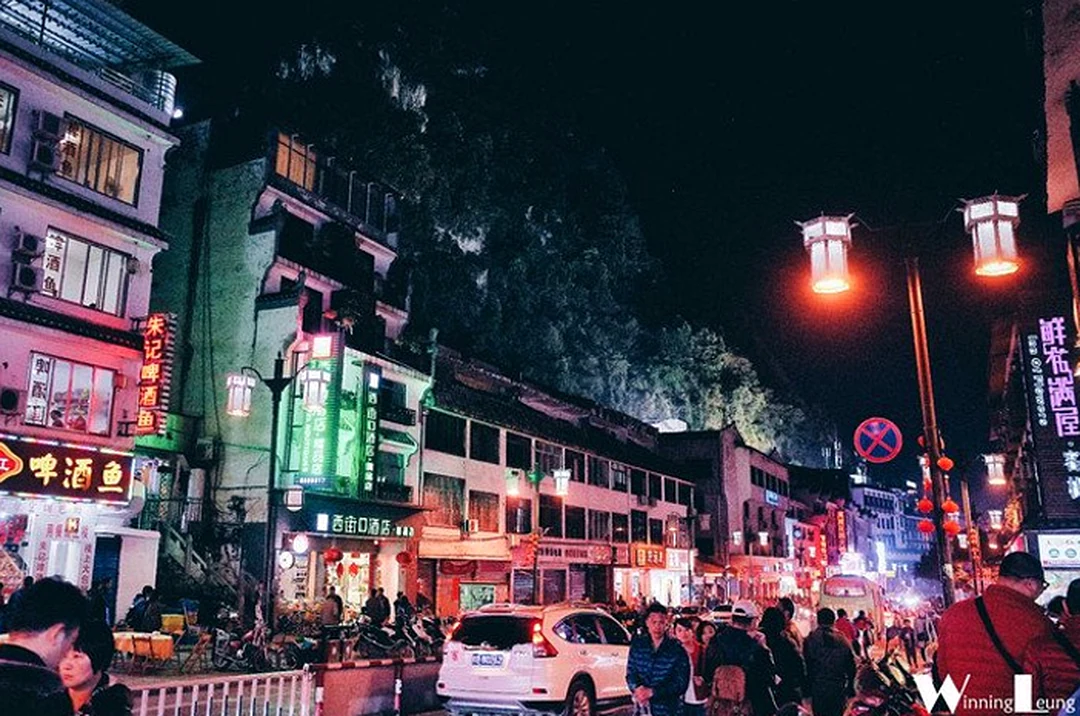
Following the gentle alluvial banks of the Beilun River straddling the two borderlands, Dongxing Western Street emerges as a distinctive architectural landmark where European Baroque and Neoclassical aesthetics merge seamlessly with the dynamic energy of a modern Lingnan trading port. The entire complex is designed as an open mixed-use commercial avenue stretching thousands of meters along the river embankment. The facades of its commercial shophouses make a striking visual impression with proud Corinthian columns supporting intricate relief moldings, dark slate-tiled Mansard roofs, and jet-black wrought-iron balconies. Classic Western symmetrical layouts have been cleverly adapted to optimize nighttime commerce, creating generous six-to-eight-meter sidewalk setbacks paved with rough-cut natural granite that enhances load-bearing capacity while eliminating slip hazards and ember ignition risks.
At the heart of this spatial design lies a rhythmic transition between the ornate pedestrian avenue and the waterside embankment plaza. The Beilun River promenade acts as a colossal open-air grandstand, reinforced with sturdy stone revetments and uniform cast-alloy railings that open up sweeping views across the border toward Mong Cai Bay. Building density here is strictly controlled to preserve airy breathing corridors for natural river breezes, swiftly clearing away smoke during lively evening festivities. At dusk, an artistic lighting system featuring tens of thousands of multicolored LEDs tucked beneath architectural arches illuminates simultaneously, gilding the buildings in a radiant golden sheen and turning the entire frontier into a multi-layered visual stage shimmering across the water.
Situated within a zone specifically designated for legal recreational fireworks, Dongxing Western Street showcases the pinnacle of traditional Eastern pyrotechnic craftsmanship. The dazzling firework cakes sold here inherit centuries-old secret pyrotechnic techniques from renowned firework capitals such as Liuyang (Hunan) and traditional craft villages across Guangdong and Guangxi. Each firework tube is a precision-engineered mechanical and chemical marvel, tightly rolled from multiple layers of high-pressure compressed kraft paper to withstand immense explosive pressure. Inside the launch tube, refined black powder is blended according to time-honored formulas alongside modern color-producing chemical pellets, yielding a vivid spectrum: crimson red from strontium salts, emerald green from barium salts, imperial gold from sodium, and sapphire blue from copper compounds.
The sheer scale of nighttime firework launches along the Beilun River never fails to leave travelers awestruck. Unlike sporadic backyard displays, fireworks here boast powerful launch altitudes ranging from thirty to over seventy meters, rocketing into the dark sky with a crisp whistling whoosh before blooming into giant chrysanthemums, silver-gilded weeping willows, or showers of golden shooting stars. The expansive riverside space allows hundreds of visitors to simultaneously light massive 36-shot, 64-shot, or even 108-shot cakes, unleashing an uninterrupted cascade of layered pyrotechnics. Exclamations of awe mingle with thunderous booms, the faint aroma of gunpowder in the cool border night breeze, and the stately backdrop of Western-style facades to craft a multidimensional sensory experience—rich in East Asian festive spirit yet infused with the free-spirited character of a thriving commercial crossroads.
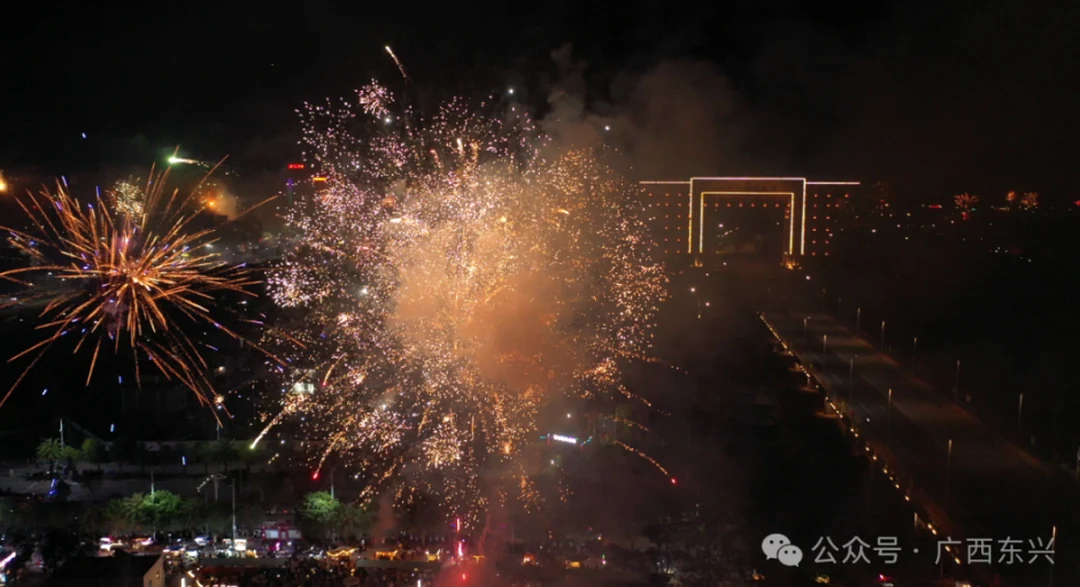
As twilight draws a deep indigo curtain across the border and the last sunset glow fades behind distant hills, the entire Dongxing National Gate Scenic Area enters an entirely different waking cycle. The waters of the historic Beilun River become a colossal mirror reflecting thousands of brilliant hues, where modern artistic lighting blends harmoniously with the neon glow of Western Street’s coastal-fusion architecture. Moving with the times, flexible adjustments to urban firework regulations in this border trade zone have injected vibrant energy into the nighttime economy, transforming the riverside strip into a living open-air stage where every traveler is simultaneously a spectator and the lead performer in a dance of fire and light.
Along the sturdy stone embankments facing the boundary river, excitement begins building at dusk as officially licensed stalls open to sell certified, safety-compliant pyrotechnics. Visitors can easily find delicate handheld sparklers evoking childhood nostalgia, spinning ground flowers scattering silver sparks like summer snowflakes, mid-range Roman candles, and large multi-barrel artistic cakes. These stalls resemble miniature workshops of magic, drawing crowds who patiently browse while vendors explain the trajectory, color palette, and altitude each firework tube can achieve in the night sky.
The moment an igniter touches the fuse, the ensuing explosion unleashes an unforgettable feast for all the senses. Streaks of light slash through the pitch-black night with sharp, whistling shrieks before bursting into giant blossoms of imperial gold, ruby red, and jade green high above the frontier sky. Tiny glowing embers drift lazily downward before gently extinguishing in the Beilun River, mirroring the multi-tiered illumination radiating from the Friendship Bridge and the imposing border gate complex on the opposite bank. The pungent, nostalgic scent of gunpowder lingers in the night air, mingling with the river’s humidity and the crisp reports of consecutive barrages—awakening the primal East Asian cultural consciousness of warding off ill fortune, welcoming blessings, and praying for peace and prosperity.
The viewing experience here is never confined by symbolic stage barriers or fixed seating; instead, it unfolds naturally with every step along the breezy embankment. Enthusiastic cheers in myriad languages ring out in unison whenever a high-altitude cake reaches its crescendo, erasing linguistic boundaries among lovers of beauty. Western Street’s nightlife stretches endlessly onward, as trails of firelight lead visitors toward Lingnan-style milk tea shops, sizzling grills fragrant with local spices, and ringing laughter that lingers in the footsteps of distant travelers amid a radiant, prosperous border town.
When the final firework blossoms dissolve into the indigo mist hovering over the Beilun River, returning a serene, classic ambiance to Western Street, Dongxing’s late-night culinary scene reaches its richest peak. Late-night Lingnan air often carries a brisk river chill—a magical catalyst that leaves anyone strolling through brick-paved alleys enchanted by enticing aromas wafting from family-run eateries. Local culinary culture here is far from insular; rather, it is a vibrant symphony uniting abundant seafood from the Gulf of Tonkin fisheries with the bold, endlessly inventive culinary artistry of Guangxi.
Topping the roster of culinary masterpieces that warm travelers on a crisp border night is Dongxing milk hotpot, a signature delicacy known locally as Dongxing Niunai Huoguo. Unlike fiery, numbing hotpots found elsewhere, this milk hotpot wins diners over with a creamy, jade-white broth simmered painstakingly for hours from fresh pork marrow bones and pure local fresh milk. Bubbling over glowing charcoal, the broth releases a delicate herbal aroma and a deeply savory, subtly sweet, and velvety richness. Paper-thin slices of fresh beef, freshly caught seafood still crisp and snappy, and wild forest mushrooms dipped into the milky broth become coated in a silky glaze that locks in their natural sweetness without ever feeling heavy.
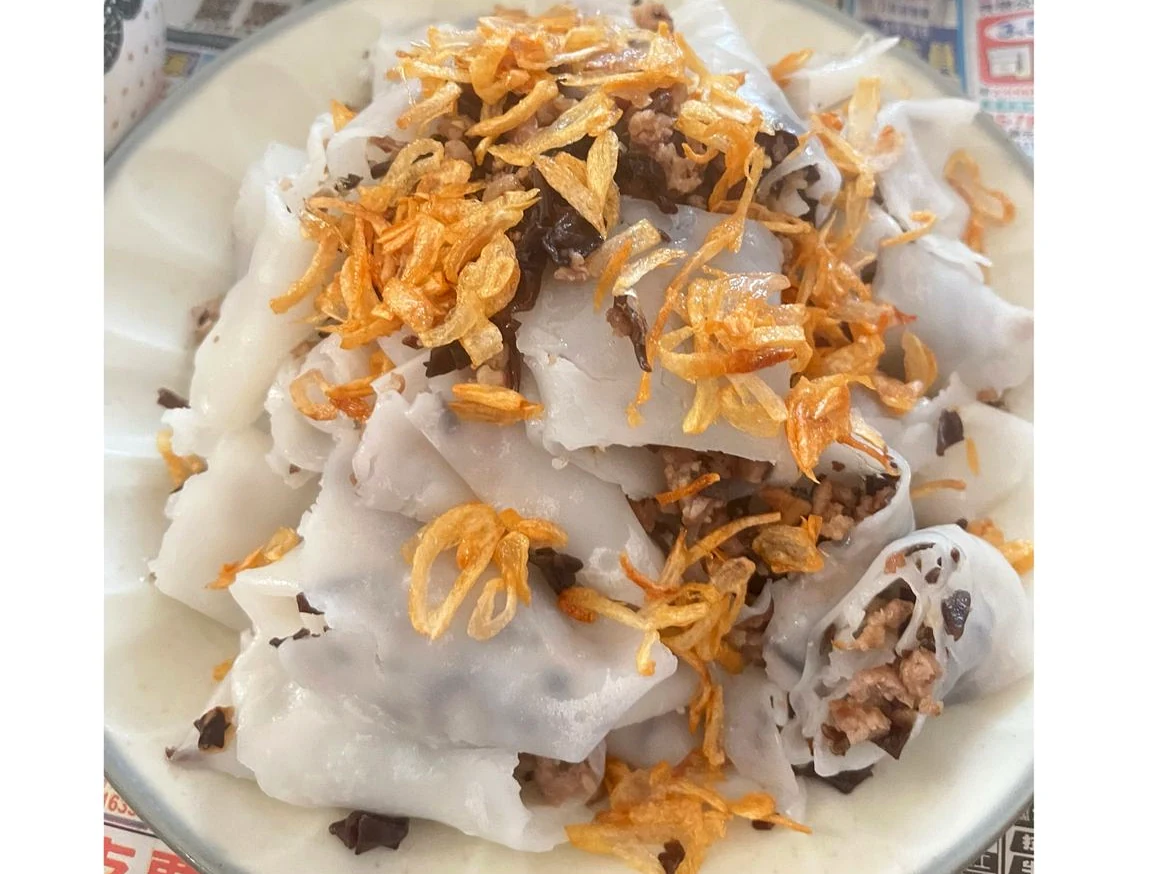
Stepping away from steaming hotpot tables, diners can hardly resist the rhythmic clatter of trays at traditional Guangxi steamed rice roll stalls, known as changfen. With practiced, nimble hands, veteran artisans ladle freshly milled rice batter—thin as cicada wings—onto metal trays, slide them into roaring steamers, and swiftly roll them around savory seasoned minced pork, rich runny egg, and bright red shrimp. The soul of every plate of changfen lies in its secret soy-based sauce infused with shiitake mushrooms, fried shallots, and rock sugar, yielding a delicate sweet-and-savory balance that envelops the silky rice sheets as they melt on the tongue.
The essence of the border sea shines just as brightly in bowls of crab and seafood thick noodle soup, affectionately called haixianfen by locals. Made from newly harvested rice, the noodles possess a natural chewy tenderness, submerged in a golden-hued broth simmered from crab shells and marine fish bones. Each late-night bowl is generously loaded with firm chunks of crab meat, sweet peeled sea shrimp, and crisp fresh cuttlefish, finished with a scattering of sharp scallions that completely banishes the damp night chill. For those craving bolder flavors, plates of rice noodles stir-fried over roaring flames—capturing authentic “wok hei”—deliver a crispy, smoky street-food experience signature to Chinese cuisine.
Dongxing’s nocturnal culinary harmony would be incomplete without gathering around clay pots of roasted milk tea and sizzling skewers of spicy grilled meats. Glowing red clay pots rest atop crackling charcoal embers, where wild tea leaves are roasted with rock sugar until caramelized to a deep amber hue before being steeped with fresh milk, pouring out steaming cups with a lightly astringent finish and fragrant aroma. This refined beverage pairs effortlessly with street-side skewers heavily dusted in cumin seeds, ground pepper, and tongue-tingling Guangxi chili. Savoring sizzling, aromatic meat skewers alongside sips of sweet, warm milk tea while watching stray firework embers drift down toward the glowing riverbanks captures the quintessential elegance of an evening wander along the frontier.
To ensure your pilgrimage to witness this dance of light along the Beilun River goes off without a hitch, preparing entry documentation is the essential first step. Vietnamese citizens simply need to present their original chip-based Citizen Identity Card along with white-background passport photos to apply for a Border Exit-Entry Travel Permit at the Immigration Management Department of Quang Ninh Provincial Police. The Beilun Friendship Bridge linking Mong Cai Town and Dongxing City operates daily for border clearance from 7:00 AM to 8:00 PM Hanoi time (8:00 AM to 9:00 PM Beijing time). However, because Western Street’s nocturnal firework displays reach their peak after nightfall around 7:30 PM, travelers must register for an overnight stay at hotels licensed to host international guests in central Dongxing rather than opting for a day trip.
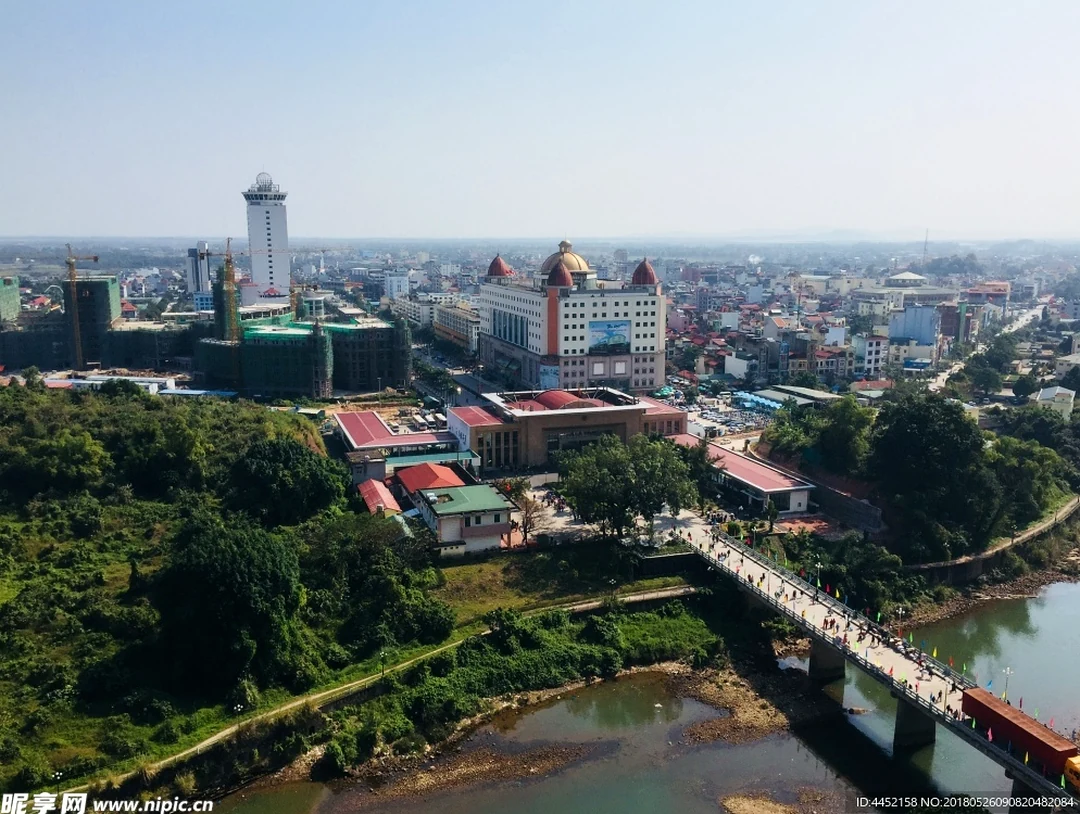
Upon completing modern biometric checks at the National Gate Scenic Area checkpoint, visitors can step into Dongxing’s colorful cityscape via iconic local transport. The most fun and budget-friendly way to get around is hopping aboard bright yellow electric three-wheeled tuk-tuks lined up right outside the border gate archway. For just 10 to 15 RMB per ride carrying up to four passengers, drivers whisk visitors down Xinhua Avenue, past China-Vietnam People’s Friendship Park, and straight to the entrance of Western Street (European Style Street). For travelers who prefer soaking in the riverside pace on foot, a leisurely stroll along the willow-shaded granite embankment downstream along the Beilun River takes roughly fifteen minutes.
The consumer pyrotechnics market along the Dongxing waterfront operates completely legally under strict municipal oversight, creating an enchanting wonderland of light for visitors from near and far. Designated mobile stalls offer an impressive variety of fireworks at accessible price points tailored to every preference. Large bundles of handheld sparklers glowing like stardust run between 10 and 20 RMB, while spinning lotus fountains or silver-spouting conical fountains cost 30 to 50 RMB apiece. Travelers eager to launch spectacular aerial shows that light up the entire border sky can opt for 36-shot, 64-shot, or even 88-shot prosperity cakes priced from 120 to over 300 RMB each, delivering an explosive visual spectacle reflected across the emerald river.
To ensure seamless transactions when buying fireworks and sampling street food, digital payment preparation is an indispensable tip. While Chinese Yuan (RMB) cash remains widely accepted at a steady exchange rate of roughly 3,500 to 3,600 VND per RMB, most riverside vendors prefer QR code payments via Alipay or WeChat Pay linked to international credit cards. At the same time, internet firewall restrictions in China make it essential for travelers to install a reliable VPN service prior to departure—or activate an international roaming eSIM data package—so navigating via Baidu Maps, livestreaming moments on social media, or messaging via Zalo stays uninterrupted.
A vital rule for preserving a safe, joyful border experience is strictly respecting the designated firework safety zones marked by local police and urban management officers. Never ignite fireworks along covered downtown streets, beneath ancient trees, or near high-voltage power lines; the ideal launch spot is always the open riverside promenade where prevailing winds blow along the river channel out toward the bay. To steer clear of forced-shopping traps at disguised commercial stops often found on budget self-organized tours, choosing a dedicated, pure cultural exploration itinerary with a strict no-forced-shopping standard is the smartest approach. To effortlessly enjoy every dazzling moment of the fireworks and immerse yourself in the romantic scenery of this border river junction without worrying about border formalities or accommodations, travelers can explore a curated itinerary through an All-Inclusive Dongxing China Tour featuring top-tier service and thoughtful planning.