In the heart of eternal Rome, where every stone conceals an epic tale, the Roman Colosseum rises as an enduring symbol of power, grandeur, and the tragedies of a celebrated empire. For us, exploring the Colosseum is not merely a monument visit, but a deep dive into the flow of history, where we can touch the pulse of a civilization that shaped the world. Before admiring its ruined yet proud beauty today, let us travel back in time to trace the dramatic historical context and origins of this extraordinary architectural structure, known to the ancient Romans by its majestic name: Amphitheatrum Flavium.
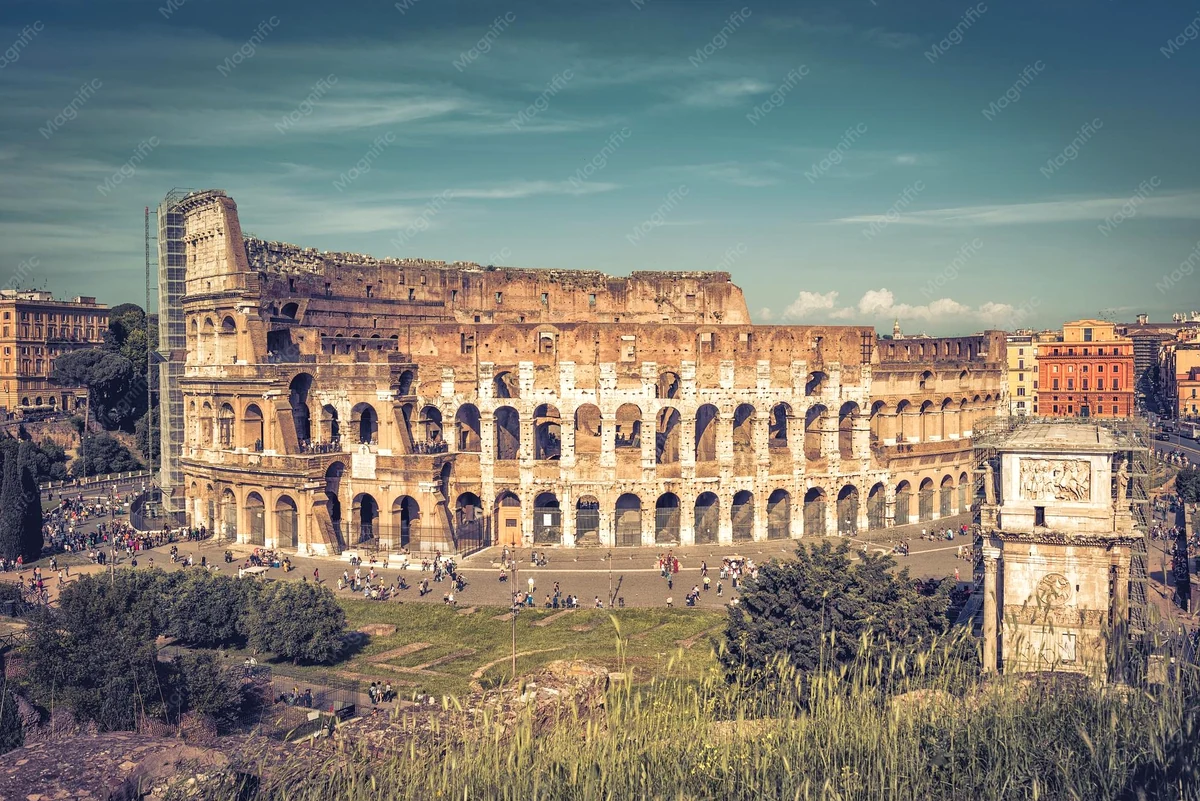
The story of the Colosseum begins during a turbulent era of the Roman Empire, following the fall of the Julio-Claudian dynasty and the infamous death of Emperor Nero. Rome was plunged into chaos, and a capable general, Vespasian, emerged from civil war to establish the new Flavian dynasty. To consolidate power, restore public trust, and erase memories of Nero’s extravagant excess (particularly the massive Domus Aurea Golden Palace built on public land), Vespasian initiated an iconic architectural project: a grand public amphitheater open to all classes of citizens. It was not simply an entertainment venue, but a powerful political statement affirming the return of order and Roman authority.
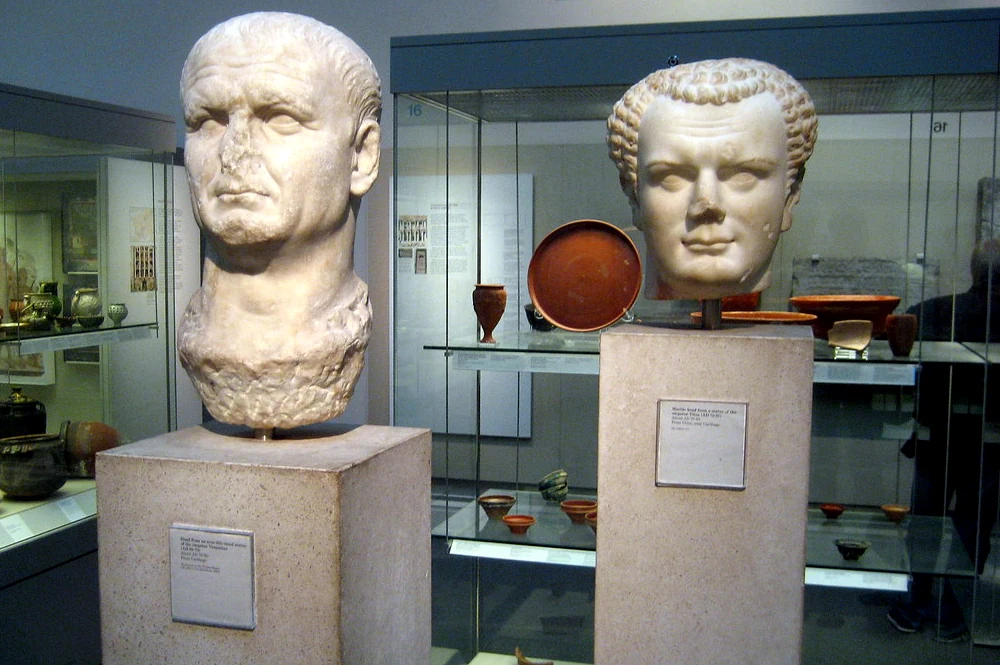
Construction began in 72 AD, and the scale of the project surpassed every structure built before it. To finance this megastructure, Vespasian used the vast spoils plundered from the Great Jewish Revolt in Judea, along with the labor of roughly 100,000 Jewish prisoners enslaved in the aftermath. Imagine tens of thousands of people, under strict supervision, tirelessly hauling tons of travertine limestone from Tivoli 20 miles away, dressing tufa stone, and mixing Roman concrete (*opus caementicium*)—a revolutionary material that enabled the Romans to build durable, complex structures. It stands as a vivid testament to the organizational capacity, engineering skill, and brutality of the Empire.
Set on a sprawling plot of roughly 2 hectares that once held an artificial lake on the grounds of Nero’s Domus Aurea, the Colosseum was designed with impressive footprint dimensions: 189 meters long and 156 meters wide. Its original height reached around 48 meters, equivalent to a modern 12-story building. The amphitheater’s capacity was staggering, able to welcome between 50,000 and 80,000 spectators, turning it into the largest entertainment center of the ancient world. Even more astonishing was its superior egress system called *vomitoria*, allowing that entire massive crowd to exit the seating tiers in just 5 minutes—a feat of crowd-management engineering that even many modern stadiums struggle to match.
Although Emperor Vespasian did not live to see the project finished, his son, Emperor Titus, carried it forward and inaugurated the Colosseum in 80 AD with a festival lasting 100 continuous days and nights. It was an unprecedented series of events, featuring fierce gladiator matches (*munera*), brutal wild beast hunts (*venationes*) with thousands of wild animals brought in from across the empire to display Roman might, and even spectacular mock naval battles (*naumachiae*) when the arena floor was flooded with water. Later, Titus’s younger brother, Emperor Domitian, completed the structure by adding the top level and, notably, the intricate underground tunnel network called the *hypogeum*, where wild beasts were kept and surprise performances staged. The contributions of these three Flavian emperors created an architectural and engineering masterpiece, a grand entertainment center that served the Roman Empire for more than four centuries.
Architecturally, the Colosseum is a pinnacle of ancient Roman style, harmonizing solidity with refined beauty. Its exterior facade is adorned with stacked classical orders: the ground floor features the robust Doric order, the second level displays the slender Ionic order, and the third level showcases the Corinthian order with intricate acanthus leaf motifs. The fourth level, or attic story, is a solid wall decorated with Corinthian pilasters, niches for statues, and sockets for wooden masts that held up a giant sun canopy (*velarium*), shielding spectators from Rome’s harsh sun. All of these details not only display Rome’s wealth and power, but also demonstrate the sophistication in design thinking and execution of ancient architects and engineers, laying the foundation for a grand legacy that we still admire and marvel at today.
Stepping into the sacred space of the Roman Colosseum, visitors do more than gaze upon an ancient ruin—they stand before a grand architectural masterpiece, an enduring symbol of Roman creativity and power. It is not merely a place of entertainment, but an eloquent proclamation of construction engineering, artistic refinement, and forward-looking vision from a celebrated empire. Every travertine block, every arch, and every carved detail tells the story of a civilization that shaped human history.
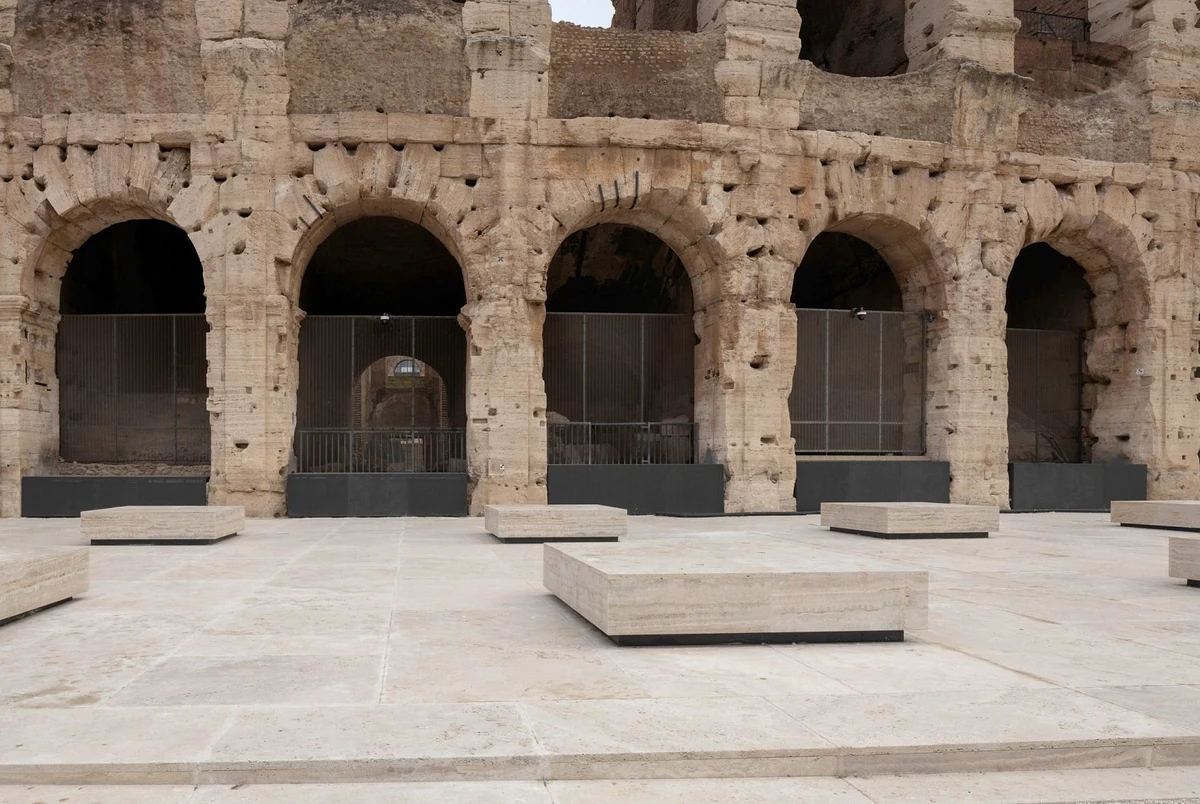
The first wave of awe comes from the sheer scale of the monument. Covering a footprint of up to 2 Hectares (20,000 m²), stretching 189 meters long and 156 meters wide, the Colosseum rises to an original height of roughly 48 meters, comparable to a modern 12-story building. Even more remarkable is its ability to hold a massive crowd of 50,000 to 80,000 people, a figure that even many stadiums today find hard to rival. To ensure safety and convenience for the crowd, the Romans developed the superior exit system known as *vomitoria*, allowing all spectators to clear the stands in just 5 minutes—clear proof of urban planning sophistication and crowd-management engineering from more than two millennia ago.
The Colosseum’s building materials and construction techniques represent the peak of ancient Roman knowledge. Its foundation and load-bearing structure were built from Roman concrete (*opus caementicium*), a revolutionary invention that provided superior durability and flexible shaping. The facade and main piers were clad in travertine limestone quarried from Tivoli, lending a majestic and sturdy exterior. In addition, tufa and fired brick were widely used in interior sections, creating a harmonious and solid whole. This smart choice of materials not only ensured the structure’s endurance across millennia, but also reflected a deep understanding of each material’s properties in large-scale construction.
The Colosseum’s supreme artistic value is clearest on its exterior facade, where classical architectural orders are stacked seamlessly. The ground floor, with its strong arches, is embellished with the Doric order—a symbol of masculinity, sturdiness, and strength. It serves as a firm base, giving the entire monument a sense of permanence and majesty. Right above it, the second level transitions to the Ionic order, with more slender columns and graceful spiral capitals, bringing a lighter, refined elegance and a harmonious visual transition.
Continuing its artistic peak, the third level of the Colosseum is adorned with the Corinthian order, featuring capitals intricately carved with acanthus leaves that symbolize luxury and splendor. This is the height of ornament, reflecting the wealth and authority of the Roman Empire. The fourth level, also known as the attic story, is a solid wall decorated with Corinthian pilasters, alternating with statue niches and sockets for wooden poles. Those sockets once anchored the *velarium*—a massive canopy that could be extended or retracted to shield spectators from sun and rain, another engineering feat showing the Romans’ attention to comfort and design ingenuity.
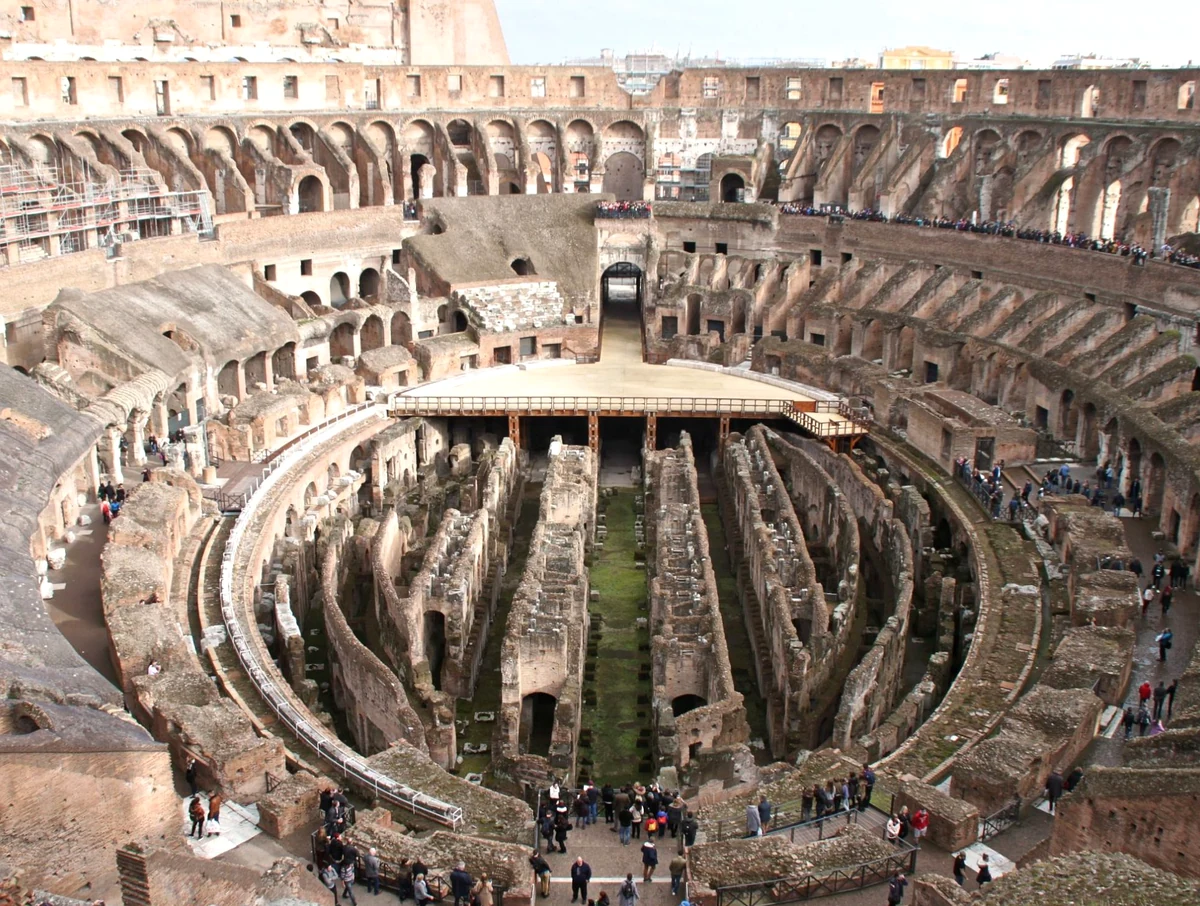
Hidden underground, another engineering masterpiece awaits discovery: the underground system (*hypogeum*). It is a complex labyrinth of tunnels, cages for wild beasts, and manual winches and pulleys. Hundreds of enslaved workers operated these mechanisms to suddenly bring gladiators and fierce predators (such as lions, tigers, leopards, and elephants) onto the arena floor through trapdoors. The *hypogeum* was not just a structural component, but the beating heart of the spectacles, turning the arena floor into a dynamic stage full of drama and surprise, elevating entertainment to an unprecedented level. The complexity and efficiency of this system reveal the Romans’ foresight and superior applied engineering, transforming the Colosseum into a complete entertainment machine.
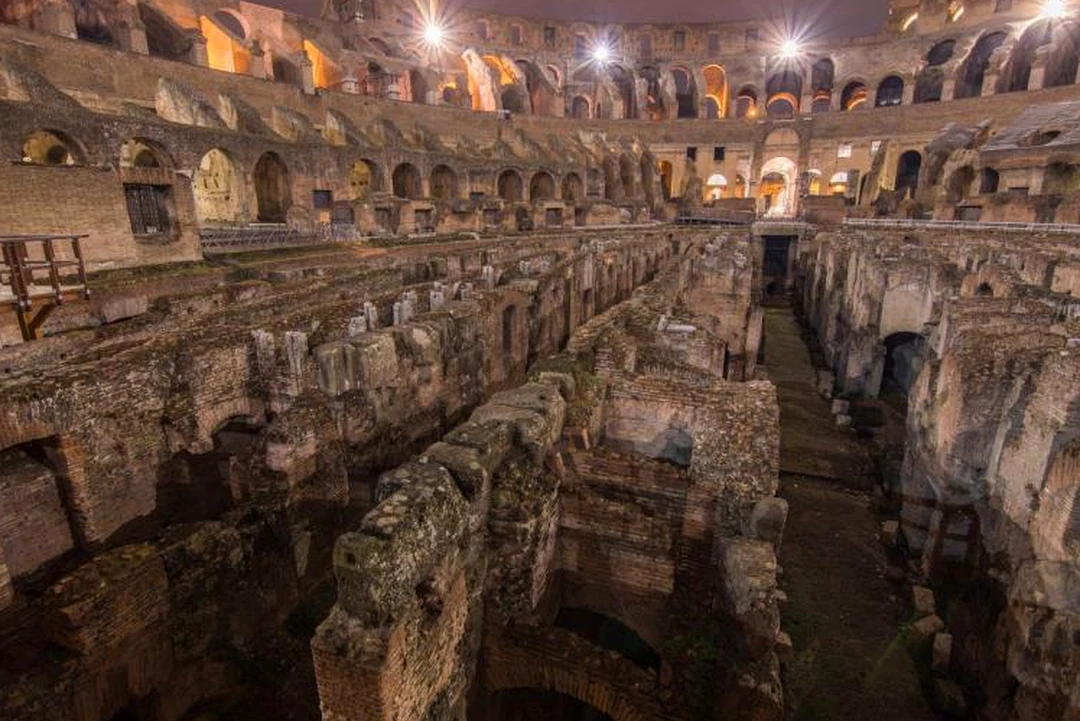
From its grand arches to its intricate carvings, from its capacity for tens of thousands of people to its complex underground network, the Colosseum truly is a masterpiece of architecture and supreme artistic value. It is not simply a building, but a fusion of stone and intellect, an immortal testament to the greatness of Roman civilization that continues to inspire and amaze every generation of travelers setting foot in Rome.
After immersing yourself in the turbulent flow of history and admiring the grand architectural wonder of the Roman Amphitheater, our journey of discovery will bring you to truly “priceless” experiences—moments that not only touch the eye but also stir the soul deeply, turning the trip into an unforgettable memory. This is more than visiting a monument; it is a dialogue across time, where every angle and every step tells a story.
Imagine standing on the Arena Floor—once the epicenter of life-or-death battles, where tens of thousands of cheers and chants echoed from 50,000 to 80,000 spectators. From this vantage point, your eyes sweep across towering stone walls, feeling how small you are against the monument’s immense scale, and above all, understanding the perspective of a Roman gladiator looking up toward the stands where the Emperor and crowd awaited their fate. This is far more than a “million-dollar” photo spot; it is a gateway through time opening onto a dramatic, heroic world where glory and death stood a heartbeat apart.
Yet the most “high-value” experience may well be exploring the Hypogeum (Underground)—the mysterious subterranean maze that served as the backstage for every breathtaking spectacle. With a specially arranged Full Experience Ticket + Access to the Arena Floor and Underground, you will descend into dim passageways and see firsthand the cages that held wild beasts along with the intricate manual winches and pulleys operated by hundreds of slaves to bring lions, tigers, leopards, or even elephants up onto the arena floor through trapdoors. Every step underground is a whisper from the past, telling stories of brutality, master engineering, and the fate of creatures that fell in fierce venationes or munera.
Leaving the shadows of the Hypogeum behind, we rise to the highest levels. The Upper Tier (Tầng 3) is not merely a “million-dollar” view, but a sweeping panorama. From here, the entire amphitheater unfolds in majesty within your line of sight. Looking straight ahead, you will see the Roman Forum and Palatine Hill stretching out like a vast open-air museum, once the political, social, and religious heart of the Empire. This view not only reveals the grandeur of the Colosseum but also places it within the broader context of a civilization that shaped the world, where historic decisions were made and empires were built.
VDS Travel recognizes that the modern traveler seeks more than just sightseeing—they crave context, connection, and effortless luxury. That is why our itineraries are meticulously crafted to bypass the exhausting logistics, allowing you to absorb the full weight of history undisturbed. From the moment you step into the archaeological zone, every detail is seamlessly orchestrated.
And remember, to capture the most “priceless” moments, aim for golden hour. From the sidewalk along Viale dei Fori Imperiali or a nearby rooftop cafe, you will watch the entire facade of the Colosseum glow in warm golden sunlight. Those travertine limestone blocks—once stripped away to build other structures such as St. Peter’s Basilica—now shine brightly, highlighting the beauty of three stacked classical architectural orders: a sturdy Doric ground level, a graceful Ionic second level, and an ornate Corinthian third level. This enchanting light transforms the structure into a living work of art, telling a story of time and endurance, of what was lost and what remains.
Perhaps the crowning highlight of a “high-value” visit, however, is the Colosseum by Night. As night falls, the amphitheater puts on a golden, mystical cloak, shimmering under the lights. This special tour, capped at a limited number of guests, offers a quiet, solemn, and deeply captivating atmosphere. Free from daytime bustle, you will stroll through the shadows, listen to historical stories brought vividly to life, and feel the authority of an empire that has passed into history. It is a near-royal experience where every angle and every breath is steeped in the grandeur and mystery of ancient Rome—a privilege not everyone gets to enjoy.
At VDS Travel, we understand that these experiences are not just about “visiting” a place, but about “living” inside each historical moment. That is why we always prioritize Fast-track (skip-the-line) tickets and pair you with knowledgeable local guides who not only know history well but also hold backgrounds in archaeology, helping you not merely look at ruins but feel the soul of a civilization. From smart itinerary planning to avoid crowds to optimizing every small detail, VDS Travel is committed to delivering the most rewarding experiences, making your trip to the Colosseum an unforgettable milestone in your journey around the world.
After immersing ourselves in great layers of history and admiring the enduring architectural wonder of the Roman Colosseum, our exploration of Rome shifts toward an equally alluring dimension: the local culinary map, where flavors tell the story of a refined and passionate dining culture. Stepping away from the monumental stands, we invite you into historic Rione Monti, an authentic cradle of cucina romana—traditional Roman cuisine—where every dish is a heritage, a song of land and sky crafted by skilled hands.
First and unmissable is an authentic Roman Pasta Carbonara. Forget any cream-laden versions of Carbonara you may have tried before, because here you will experience its purest, most essential flavor. Glossy, springy egg pasta is tossed with rich fresh egg yolks, savory Pecorino Romano cheese, and crisp, melt-in-your-mouth cured pork cheek seasoned with pepper known as Guanciale. Every plate of Carbonara is a statement of simple perfection, where ingredients harmonize for the palate with not a drop of cream allowed to cloud its authenticity. It is a culinary experience that VDS Travel believes will stay etched in every traveler’s memory as an indelible mark of Rome.
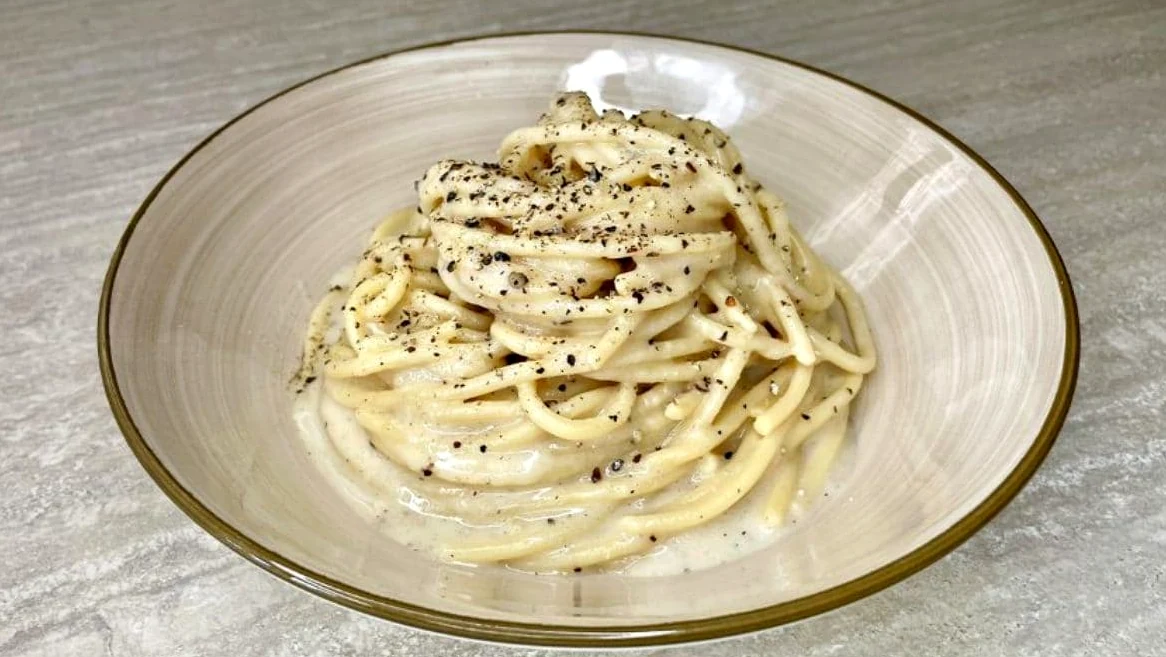
Continuing our tasting journey, we arrive at another masterpiece of minimalism: Cacio e Pepe. This Roman pasta dish is a living testament to the “less is more” philosophy of Roman cooking. Built around just two main ingredients—Pecorino Romano cheese and freshly ground black pepper—the chef’s skillful touch transforms them into a velvety, rich sauce clinging evenly to every strand of pasta, creating a flavor that is at once bold yet light, gently spicy yet creamy. It is more than a meal; it is an art form, a delicate balance of elements reaching a peak of flavor.
To open the Roman feast, nothing beats Supplì. These classic fried rice balls are an icon of Roman street food. On the outside is a golden-brown, crisp breadcrumb crust, and inside is tender risotto rice mixed with rich meat ragù and a core of melted mozzarella. When broken in half, the cheese stretches like an old telephone cord, creating the playful “supplì al telefono” effect. Each bite of Supplì is a burst of flavor and texture—an ideal snack to recharge after hours of exploring.
And if you want to try something a little more distinctive, order Carciofi alla Giudia—crispy artichokes prepared in the Jewish-Roman tradition. Fresh artichokes are carefully trimmed and deep-fried until the leaves flare open, turning crunchy like potato chips while keeping a nutty, tender heart inside. This dish showcases culinary cultural exchange while offering an unforgettable bite, with fragrant aroma and natural artichoke sweetness elevated by expert frying technique.
Finally, to close out a captivating food journey, nothing compares to a cup of Gelato at Frigidarium, one of the best-known artisan gelaterias near the Colosseum. Here you can enjoy fresh, smooth Italian gelato across a wide range of classic and creative flavors. A signature touch is the melted dark chocolate drizzled on top, which hardens instantly against the cold ice cream to form a delightfully crisp shell. It is a sweet, refreshing treat—perfect for taking the edge off Rome’s warmth and leaving a lasting finish.
Roman food culture goes beyond simply eating; it is part of a way of life and a way to connect with history and people. Every meal is an occasion to gather, share, and enjoy the present moment. VDS Travel always prioritizes taking travelers to restaurants and eateries loved by locals, ensuring authenticity and quality in every dish. VDS Travel believes that exploring local food is a wonderful way to understand the culture and soul of the Eternal City more deeply, turning every meal into a meaningful memory on your travel journey.
After pages of travel notes that have carried you back through time, admired grand architecture, and tasted ancient Roman flavors, now—as a specialist at VDS Travel—I would like to place an essential “pocket guide” right in your hands. Because making your visit to the Roman Colosseum not merely a trip, but a complete, safe, and memorable experience takes thorough preparation. These are not generic tips, but distilled field-tested wisdom to help you conquer this great landmark with confidence.
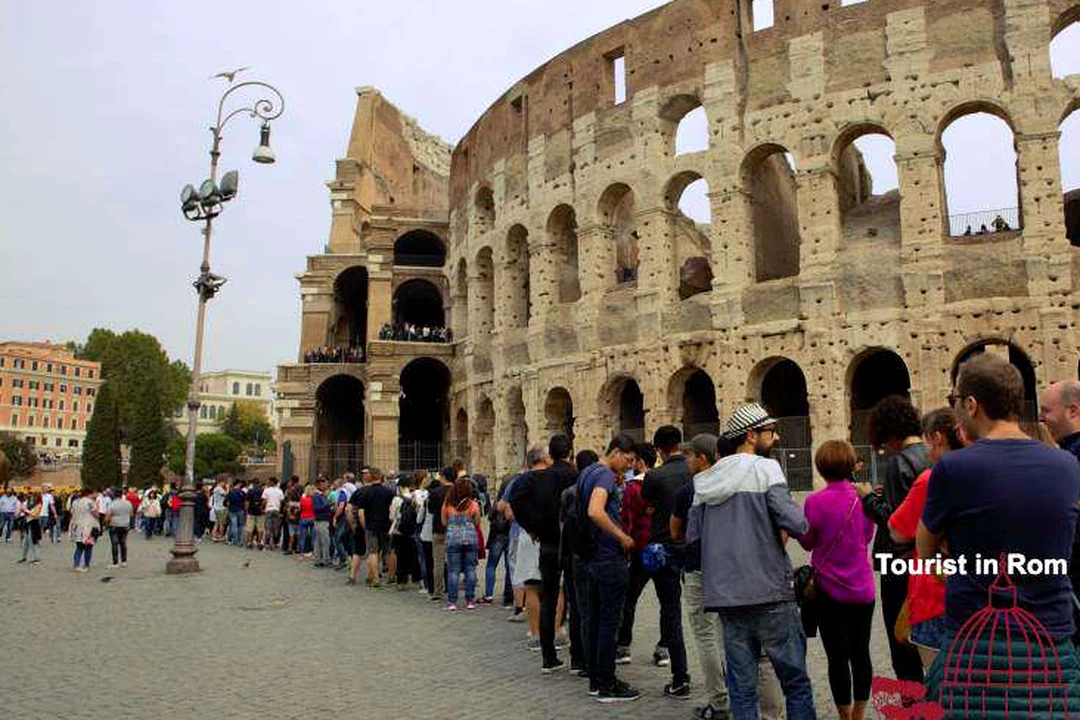
The best time to visit the Colosseum, in VDS Travel’s experience, is during spring (April to June) and autumn (September to November). During these months, Rome wears mild weather with honey-gold sunlight over ancient stone and gentle breezes that chase away summer heat. Comfortable temperatures make continuous walking across the expansive archaeological site a pleasure. Conversely, VDS Travel always advises steering clear of peak summer months like July and August. Even though it is high travel season, harsh heat that can climb past 40°C along with heavy crowds will turn your visit into a real battle against fatigue and jostling, noticeably diminishing your appreciation of the history.
When it comes to tickets, this is one of the decisive factors in how smoothly your visit goes. The Colosseum is among the world’s top attractions, and queuing on site for tickets can eat up hours of your valuable time. VDS Travel always recommends the Full Experience Ticket + Access to the Arena Floor and Underground (Hypogeum). This is the golden ticket that opens the doors to the amphitheater’s most mysterious corners, allowing you to step down into the underground chambers where gladiators and wild beasts once awaited their fate, and stand on the Arena Floor to experience the atmosphere of a life-or-death fighting ring firsthand. This ticket also includes access to the Roman Forum and Palatine Hill, creating a seamless route of exploration. Most importantly, book tickets online in advance through the official system of the Parco Archeologico del Colosseo or through authorized service partners of VDS Travel. Never buy tickets from street scalpers or unverified ticket booths outside, as the risk of counterfeit tickets is high—costing you money and disrupting your entire planned itinerary.
Safety is always a top priority on every trip, and the area around the Colosseum calls for special vigilance. Unfortunately, the Colosseum plaza and the Colosseo metro station are notorious hotspots for professional pickpockets and sophisticated scam rings. They often pose as charity workers, street performers, or lucky-bracelet sellers to approach and distract visitors. Our guides will always remind you to stay extra alert: always wear your backpack in front of your chest, never keep wallets or phones in back pockets, and most importantly, do not accept any items from strangers. Proactive vigilance is the strongest shield protecting your belongings and peace of mind on your journey.
Regarding dress code and opening hours, while the Colosseum is not as strict as sacred churches, choosing appropriate attire is still essential. Prioritize comfortable, respectful clothing and especially bring athletic shoes with good traction. Rome’s ancient cobblestones—particularly inside and around the arena—can be very slippery and uneven, easily causing slips or falls in high heels or smooth-soled shoes. The Colosseum typically opens at 08:30 AM and closes about an hour before sunset, with exact closing times ranging from 16:30 to 19:15 depending on the season. Please note that the amphitheater is closed on two major holidays: December 25 (Christmas) and January 1 (New Year’s Day). Checking the exact opening hours before setting out is an indispensable step to ensure your group’s itinerary runs smoothly.
With these detailed facts and practical tips, we hope you now have a solid guide in hand to prepare for your visit to the Colosseum. We believe that thorough preparation will turn every moment at this legendary amphitheater into an experience that is not only memorable, but also safe and deeply meaningful.
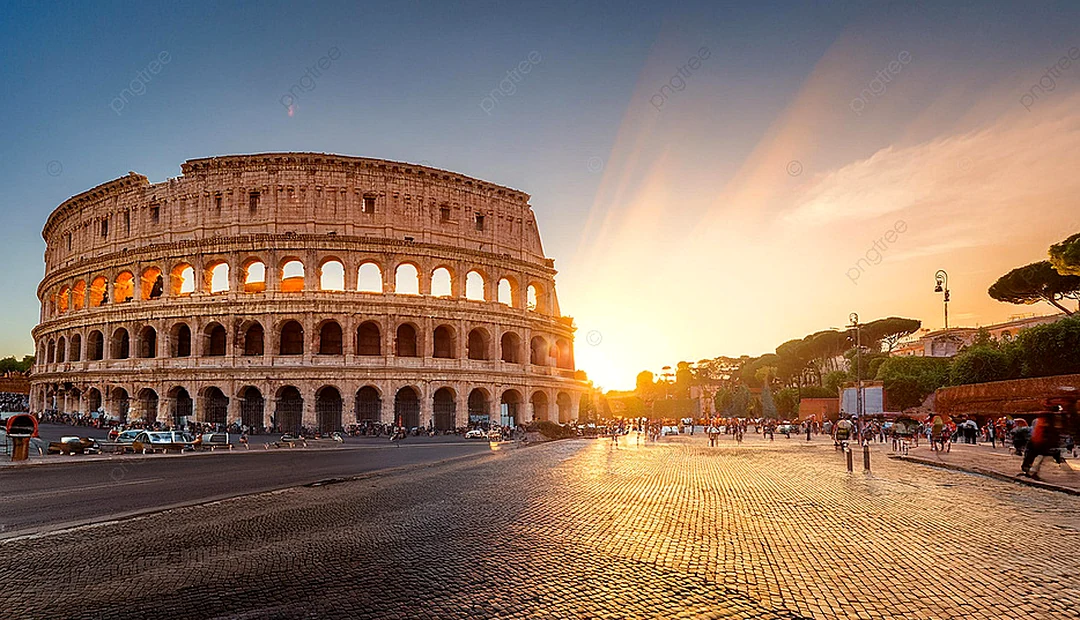
After a winding journey back through time—from the early beginnings of an imperial dream to turbulent historical shifts—the Roman Colosseum emerges not merely as a grand architectural structure, but as an immortal symbol of power, art, and human tragedy. Together, we have admired its monumental scale holding 50,000 to 80,000 spectators, its remarkable vomitoria exit system allowing crowds to clear out in just 5 minutes, and the subterranean hypogeum maze—where gladiators and wild beasts awaited their grim fates. From the sturdy Doric ground floor and graceful Ionic second level to the intricate Corinthian third level, every detail tells a story of ancient Roman ingenuity. Now, as the last rays of sunset settle over the ancient stone arches and cast a magical golden glow across the Colosseum, we realize that truly reaching the soul of this heritage site requires a journey taken not only on foot, but also with heart and mind.
At our company, we believe travel is not just setting foot in a destination, but crafting a profound experience—a sincere dialogue with history and culture. The Colosseum, with all its grandeur and drama, is a strategic link essential to our Italy and Europe travel product chain. It is far more than a simple photo spot; it is a gateway into an ancient world where travelers can vividly feel the pulse of a civilization that once ruled the world. We design refined itineraries that connect the Colosseum seamlessly across classic routes such as Italy’s “Golden Triangle” (Rome – Florence – Venice) or the central archaeological circuit: from the Colosseum through the Roman Forum and Palatine Hill to the majestic Pantheon and the splendid Trevi Fountain.
To elevate the experience for discerning travelers, we position our offerings in the High-end Tour segment, where comfort and intellectual depth come first. We integrate Fast-track (priority skip-the-line) access, helping you save precious time and stay clear of crowds and noise so every moment at the Colosseum feels calm, reflective, and complete. In particular, we take pride in partnering with authorized local specialist guides with archaeology degrees. They are not just storytellers, but scholars who have devoted their lives to researching and understanding every stone block and trace of time. As a result, Vietnamese travelers do not merely “see” the ruins of an ancient arena, but “empathize” with an entire great civilization—hearing stories of Emperors Vespasian, Titus, and Domitian, fierce munera combats, and thrilling venationes animal hunts.
We optimize the economic and experiential value of travel through smart scheduling, often departing early in the morning or late in the afternoon to avoid peak-hour congestion and deliver a sense of privacy and royal poise. After hours immersed in history, you will have ample time to make the most of shopping along the bustling Via del Corso fashion street or enjoying authentic cuisine in the historic Monti district. Imagine, after feeling the breath of the past, savoring a plate of authentic Roman Pasta Carbonara made with crispy Guanciale and no cream, a silky bowl of Cacio e Pepe, or warm Supplì starters with stretchy melted cheese. And finishing with a cup of Gelato at Frigidarium topped with a layer of pure dark chocolate that hardens on contact—all coming together as the ideal pieces of an unforgettable journey that elevates brand value in our guests’ hearts.
So that exploring great wonders like the Colosseum goes beyond the printed page and becomes a vivid reality, we are honored to invite you to create priceless memories together. Let us guide you along heritage routes where every step tells a story and every stop leaves a lasting mark. With thorough preparation—from the best seasons to visit (Spring and Autumn) and detailed security advice on pickpocketing and counterfeit tickets to dress code and opening hours—we are committed to delivering the safest, most comfortable, and most fulfilling trip possible. Explore our All-Inclusive Tour Package now to begin a transcontinental adventure, where ancient Rome is just one of countless iconic heritage sites awaiting your discovery. Let us turn your dream of exploring Europe into reality, with the Colosseum shining as a highlight that opens a new chapter in your personal travel journal.