The Kingdom of the Netherlands, a nation renowned for its intricate system of dikes and canals reclaimed from wetlands lying below sea level, has long produced one of continental Europe’s most unique tangible cultural symbols: the traditional wooden clog, known in the native tongue as the klomp. From a human geography perspective, the artisanal wooden clog workshops here are not merely ordinary handicraft production facilities; rather, they serve as spaces for preserving and reproducing the collective memory of the communities inhabiting the Rhine-Meuse-Scheldt delta. Located in prosperous rural regions such as Zaanse Schans, Marken, or traditional handicraft villages scattered from North Holland to Gelderland, these clog workshops have stood firm through centuries as living witnesses to humanity’s resilient ecological adaptation against a terrain and soil structure heavily dominated by tides and ancient glacial rivers.
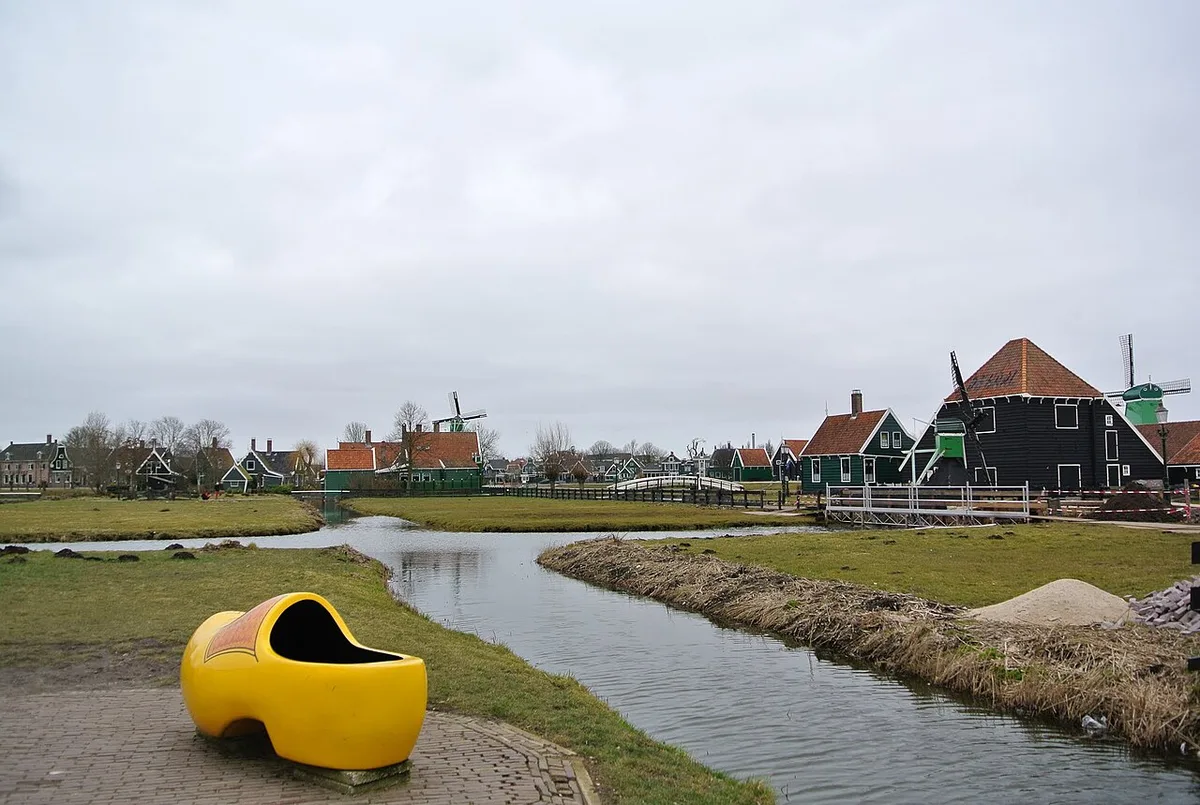
Looking back at the history of state-building and socio-economic development in the Low Countries, the first wooden clogs appeared during the Middle Ages, with archaeological evidence recording wood clog fragments dating back to the thirteenth century excavated in ancient urban areas like Rotterdam and Dordrecht. Amidst a terrain consisting primarily of muddy, waterlogged soil year-round due to tidal surges and overflowing river systems, conventional leather or fabric footwear proved entirely helpless against the high humidity and corrosive acidic mud. The advent of the wooden clog workshop thoroughly resolved livelihood and health protection challenges for agricultural and fishery workers. Willow and poplar wood—tree species that grow rapidly and adapt exceptionally well to the moist alluvial soils of river floodplains in the Netherlands—were selected as the primary raw materials to be carved into durable, insulating, and perfectly waterproof protective footwear.
Through the turbulent fluctuations of modern and contemporary history, particularly the shift from a traditional agricultural economy to the first and second industrial revolutions, Dutch clog workshops faced survival challenges against the wave of mass mechanization. In the nineteenth century, when industrial leather and rubber shoe manufacturing factories emerged with superior productivity, the handicraft clog-carving trade faced a severe risk of fading into obscurity. However, rather than being completely eradicated, traditional clog workshops underwent a strategic transformation by combining steam- or electricity-powered wood-lathe techniques with exquisite finishing stages requiring master craftsmanship. This steadfastness enabled generations of artisans to preserve ancestral technical secrets, from selecting fresh timber blanks to prevent cracking during drying, to shaping the interior arch to fit the user’s foot arch scientifically.
Entering the twentieth and twenty-first centuries, as traditional agricultural labor gave way to high-tech agriculture and urban service industries, the practical utility of wooden clogs gradually transformed into a national cultural symbol. Clog workshops now assumed a new mission in preserving intangible cultural heritage and educating history. The interior spaces of these workshops no longer merely echoed with the whir of wood lathes or the rhythmic tapping of chisels, but became crucial research destinations for ethnographers, historians, and millions of international visitors seeking to understand authentic Dutch cultural identity. Here, elderly artisans patiently demonstrate traditional technical operations, from using specialized curved carving knives to hollow out the wood interior to smoothing and decorating traditional patterns deeply imbued with the Dutch Renaissance style.
In terms of symbolic value, the wooden clogs originating from these craft workshops transcended ordinary protective gear to become an indispensable part of folklore, appearing densely in folk songs, proverbs, traditional dances, and modern paintings by illustrious masters. They represent the practicality, resilience, diligence, and self-reliance of the Dutch people in their prolonged battle against natural disasters and the sea. Each product leaving the workshop is the crystallization of indigenous knowledge accumulated over hundreds of years and an absolute respect for surrounding natural resources. Consequently, traditional wooden clog workshops continue to assert their position as one of Europe’s most enduring cultural milestones, where past and present harmonize powerfully within each meticulously sculpted grain of wood.
The traditional Dutch Clog Workshop represents one of the oldest industrial and handicraft architectural symbols in the low-lying delta of Western Europe, where foundational geological strata built up from the Rhine, Meuse, and Scheldt river deltas demand exceptionally specialized spatial planning solutions. Viewed in terms of local tectonic history, this land originally consisted of waterlogged river floodplains reclaimed through centuries of diligent labor in building dikes and digging drainage canals, creating a soft geological foundation rich in sandy clay and high groundwater levels. To construct a facility capable of serving production and preserving cultural heritage like the wooden clog workshop, 17th- and 18th-century Dutch vernacular architectural masters had to apply timber-pile or old pine-pile foundation techniques driven deep through the muddy sludge to reach stable clay layers below, thereby completely eliminating subsidence caused by harsh soil characteristics. The architectural style reflects strict practical functionality combined with the rustic aesthetic of Northern European rural architecture, prioritizing maximized usable space, natural lighting ingestion, and load-bearing capacity against fierce sea winds blowing from the North Sea.
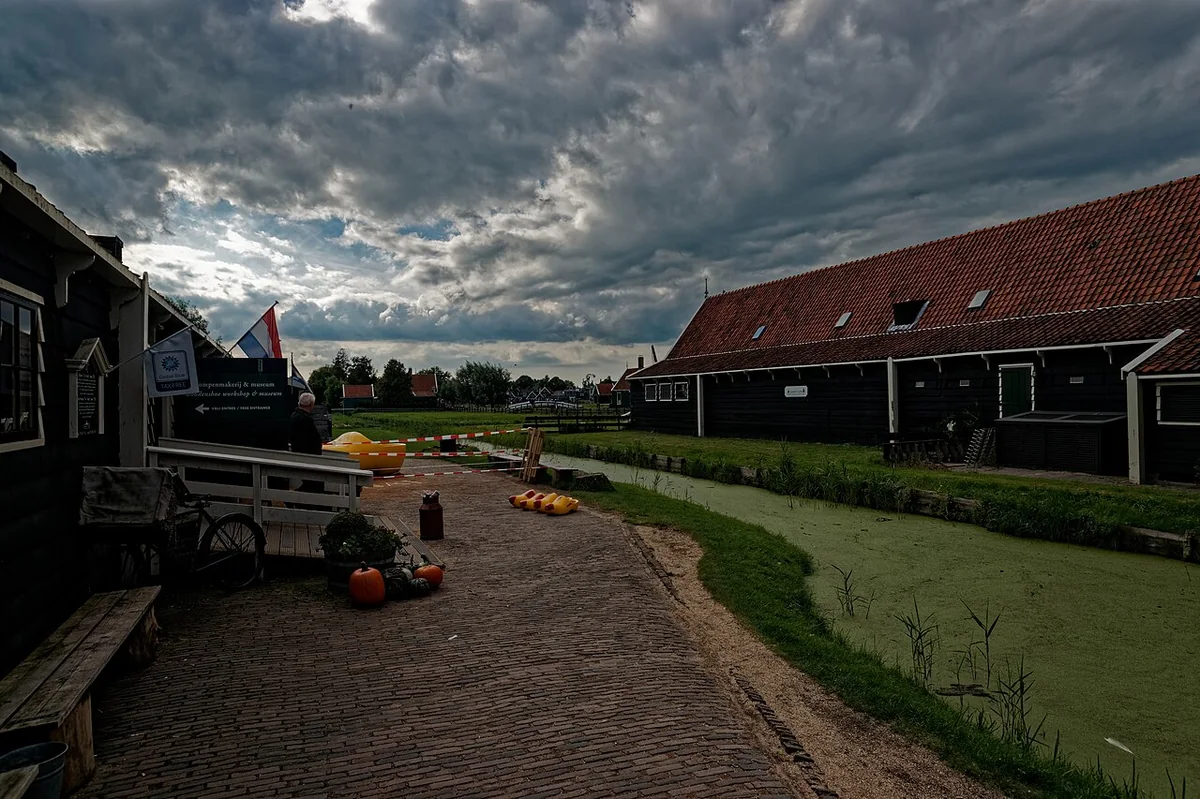
The primary building material of the traditional Dutch Clog Workshop is a sophisticated combination of hand-molded red bricks matching traditional IJsselsteen dimensions and old oak or Baltic pine wood—materials possessing high load-bearing capacity alongside excellent adaptability to large temperature ranges and high year-round atmospheric humidity. Load-bearing walls were constructed using thick mortar joints with slaked lime mixed with coarse sand to create elasticity, allowing wall structures to withstand minor vibrations from wood-carving machinery operating inside. The roof truss system utilizes traditional mortise-and-tenon joinery completely free of metal nails, giving structural components flexible elasticity responding to weather shifts without cracking or breaking. The tiled roof is covered with charcoal-gray fish-scale tiles or traditional yin-yang tiles, creating a steep pitch allowing rainwater and winter snow to slide off quickly, protecting all underlying wooden structures from rot due to mold. This unique construction technique not only demonstrates pre-industrial master builders’ peak structural mechanics expertise but also maintains sustainability across hundreds of years of temporal turbulence.
The floor plan layout of the traditional Dutch Clog Workshop is organized along a closed linear axis, optimizing the entire artisanal production chain from raw material processing to final finished goods. The total floor area of the workshop complex and exhibition space reaches approximately one thousand two hundred square meters, distributed across two main floors plus an attic level used for storing raw timber. The workshop ceiling height averages eleven meters, featuring high, airy ceilings designed to release heat and sawdust generated during clog-shaping machine operations. The ground floor central zone is zoned into a live crafting demonstration space housing traditional wood-scraping benches, water-powered or retro steam-powered mechanical lathes, and intelligent timber gravity chutes. The eastern ground floor zone is arranged as a log storage warehouse, primarily housing poplar and willow wood—lightweight, highly elastic woods that do not crack upon drying and possess good waterproof qualities, serving as unchangeable standards in Dutch clog-making art since ancient times.
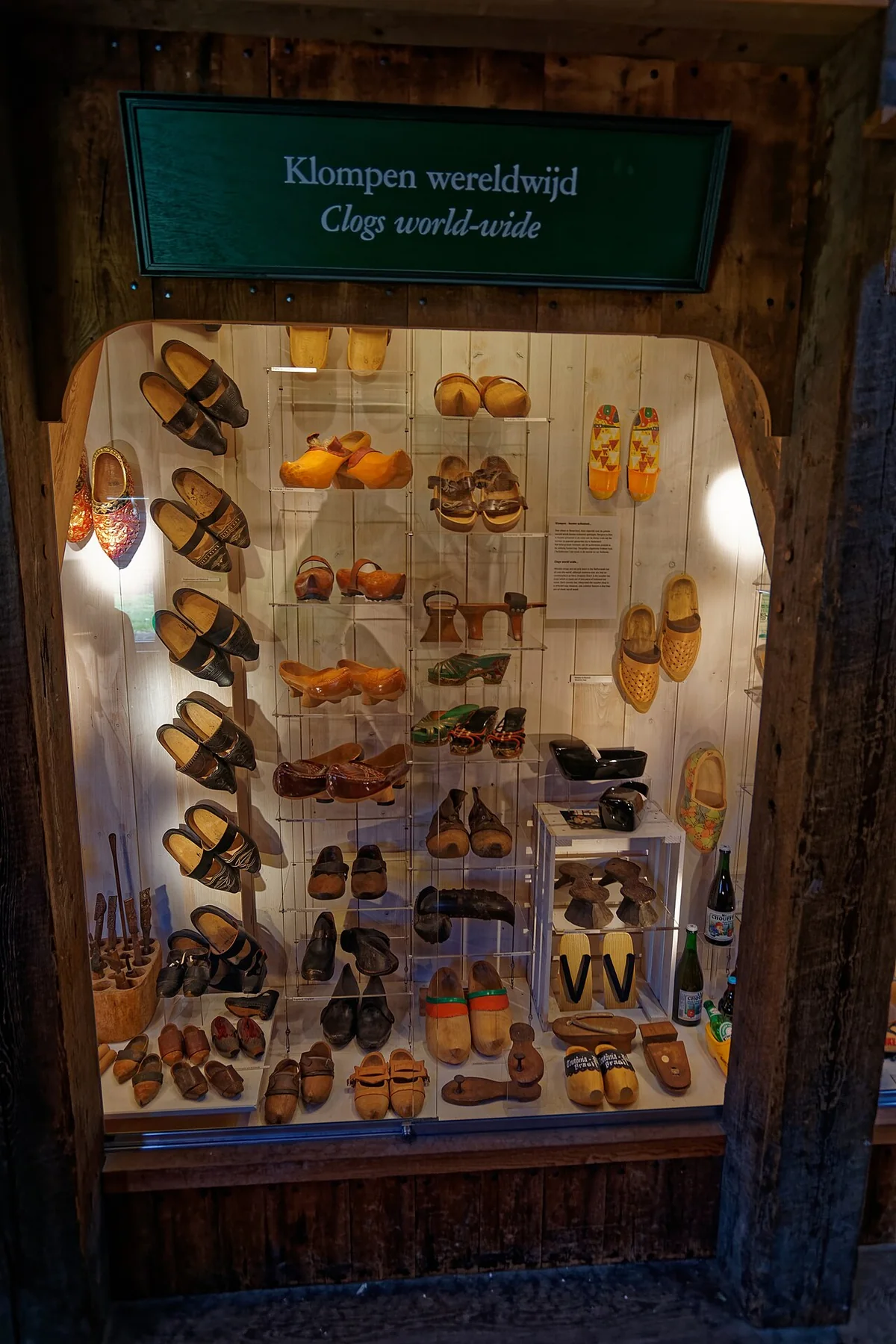
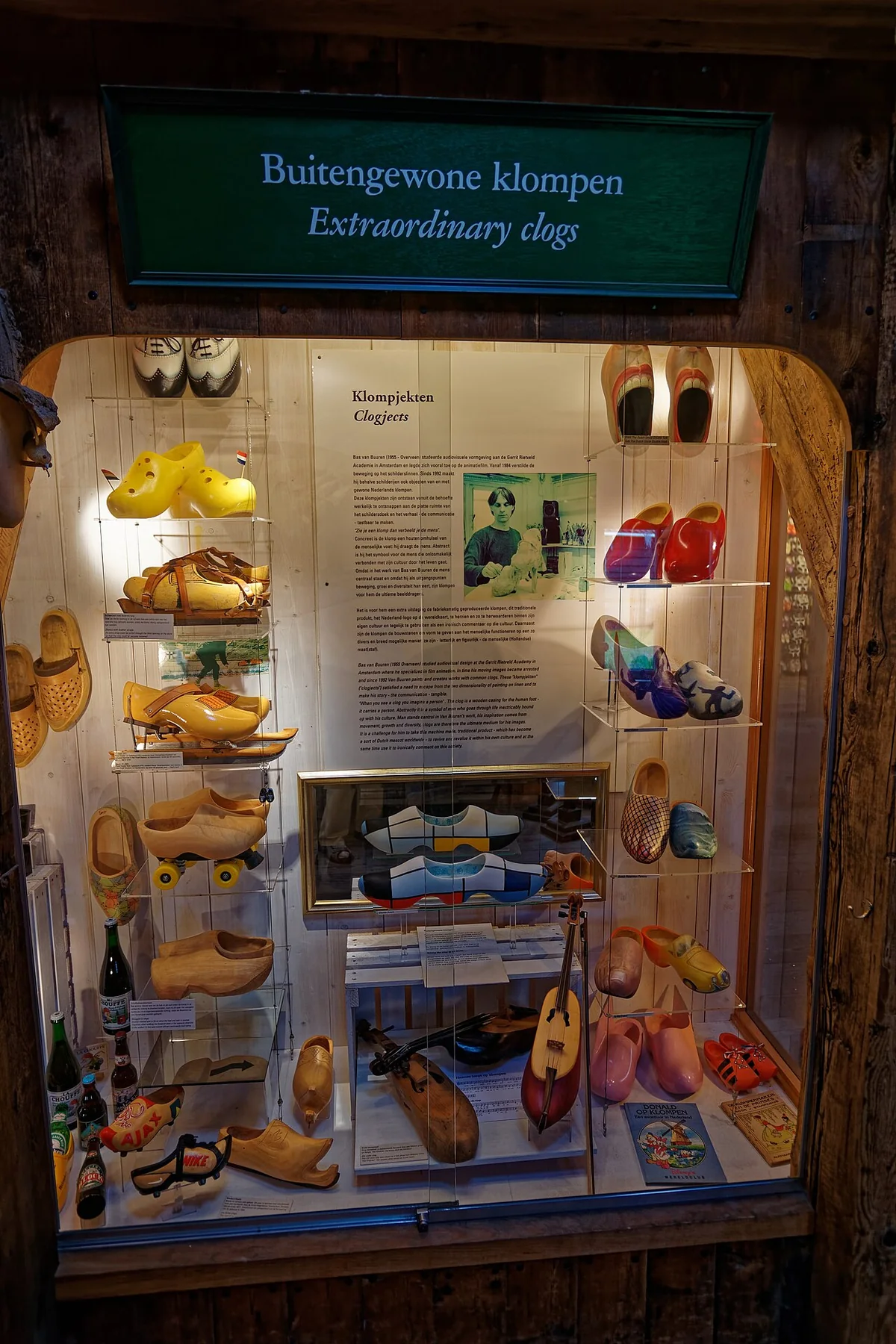
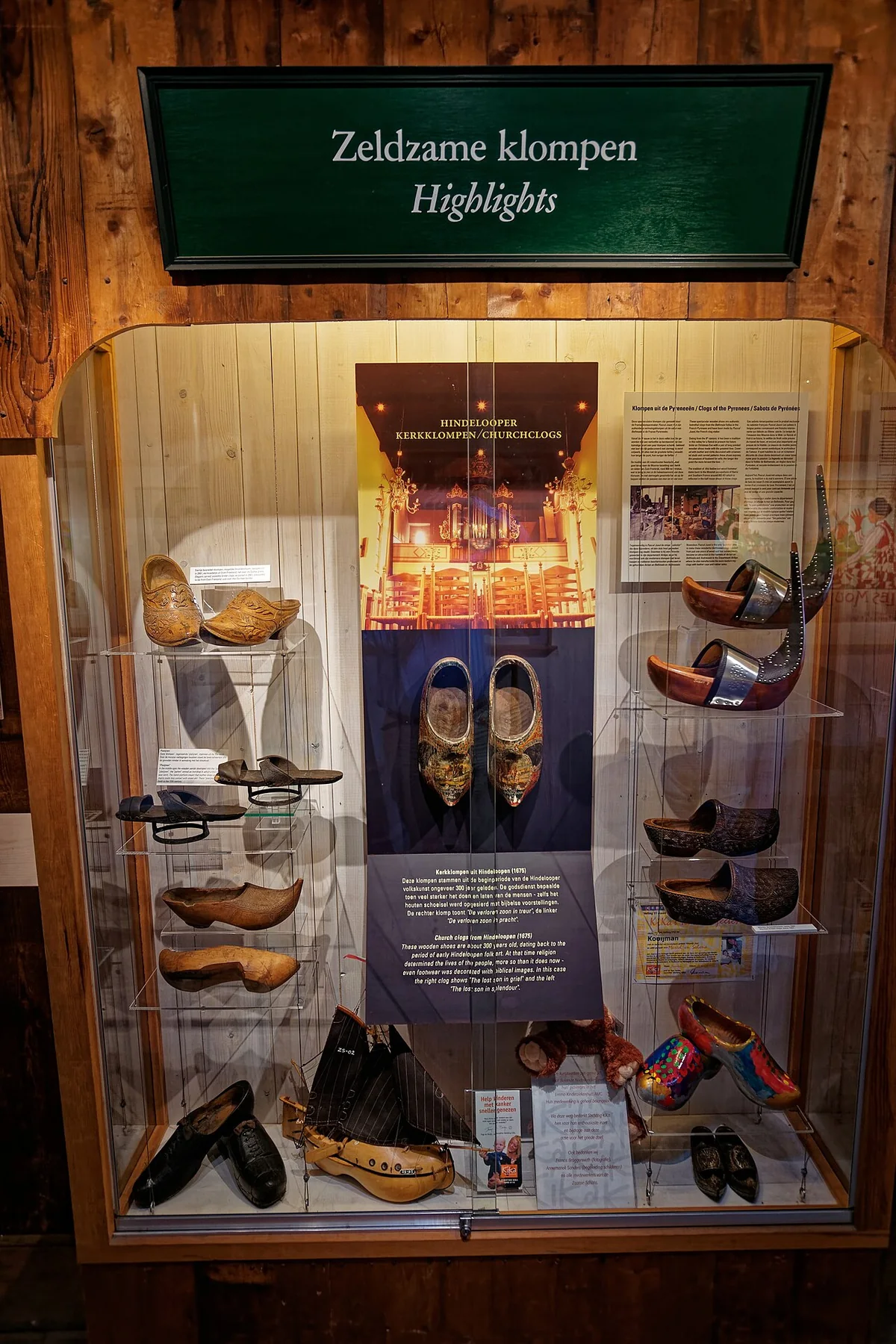
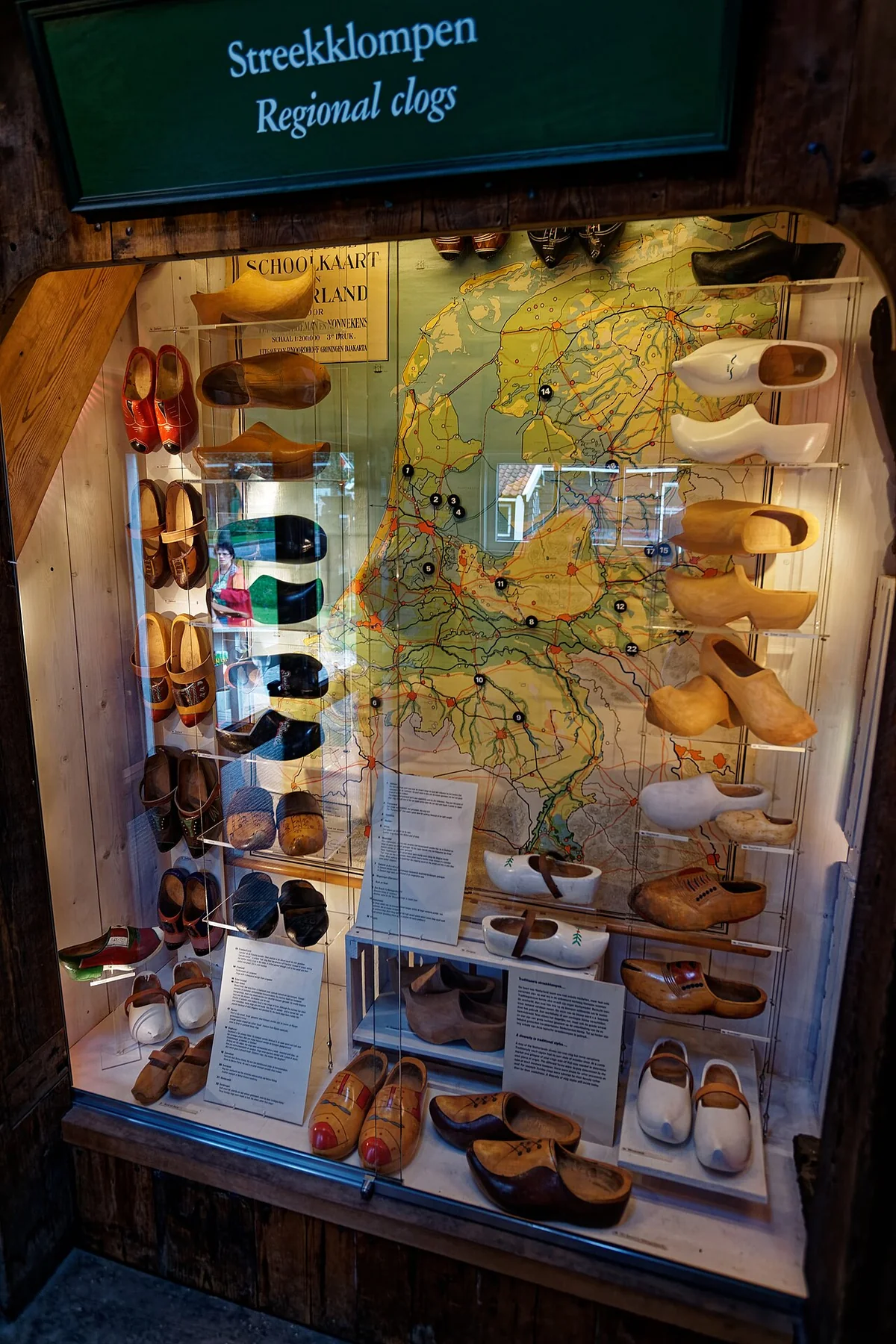
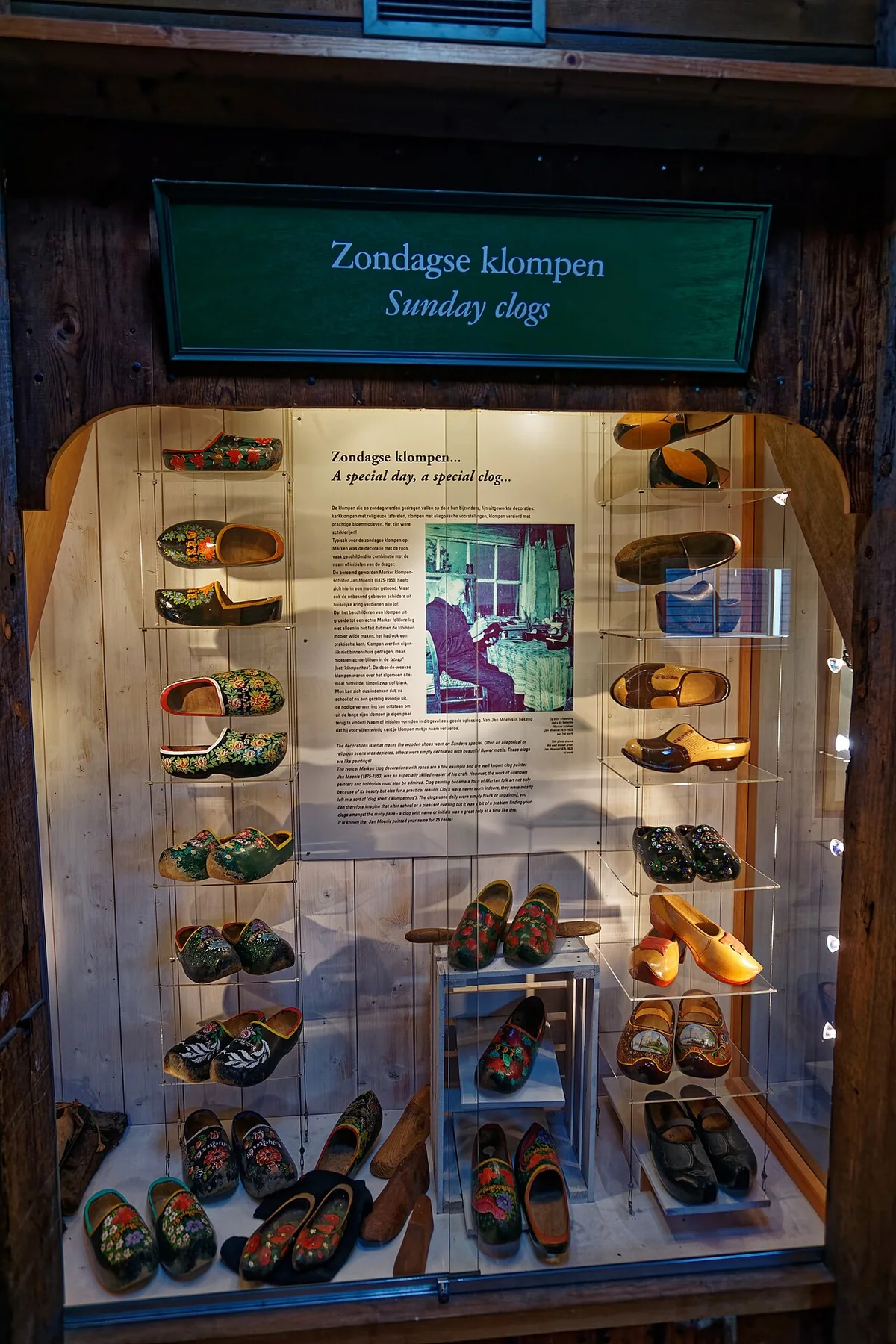
The western wing of the structure is dedicated to the cultural heritage exhibition space, housing hundreds of ancient wooden clog artifacts from various regions across the Dutch kingdom, reflecting diversity in shapes, carved motifs, and utilization purposes in agricultural and fishing daily life. This space features meticulous spotlighting combining natural light filtering through small traditional Dutch-style glass window frames with modern recessed LED wall lights discreetly disguised to preserve the nostalgic ambiance. The workshop’s second floor is zoned for a thematic exhibition on folk costume history, auxiliary labor tools like specialized carving knives, wooden irons, and archival documents on guild eras. The visitor capacity of the traditional Dutch Clog Workshop is designed to accommodate international tourist streams and culture researchers, with an simultaneous reception capacity of approximately one hundred to one hundred and fifty people per visiting time slot, ensuring the experiential space remains airy, orderly, and meets highest safety standards for a contemporary handicraft architectural monument.
Preserving and operating the traditional Dutch Clog Workshop demands strict technical standards in humidity control and ventilation to protect ancient wooden components and vintage machinery from environmental damage. Natural ventilation is intelligently designed through symmetrical flip windows along the walls, combined with attic vents ensuring continuous airflow, preventing moisture condensation inside enclosed exhibition rooms. Technicians and artisans maintain traditional manual maintenance methods, using natural linseed oil and beeswax to polish and protect wood surfaces instead of modern industrial chemicals, thereby preserving the characteristic scent of raw wood and pine resin throughout the interior. The harmonious blending of coherent spatial planning, soil-adaptive construction techniques, and sustainable heritage preservation thinking turns this building into a living document on European architecture and tangible cultural history, attracting tens of thousands of scholars, researchers, and visitors each year to admire, study, and experience the enduring value of master handicraft.
The low-lying alluvial delta below sea level in the Netherlands has spawned one of material civilization’s most unique symbols in agricultural aquatic civilization: the craft and usage of klomp wooden footwear. The traditional Dutch Clog Workshop is not merely an artisanal manufacturing space but exists as an institution preserving collective memory, where traditional woodworking is elevated into universal human heritage. Situated on the specific geographical foundation of land built up by the Rhine and Meuse river systems, this space directly reflects humanity’s prolonged struggle against harsh nature. The emergence of wooden clogs stemmed from practical survival needs in waterlogged, muddy conditions of polder lowlands, where ordinary leather footwear rapidly rotted and failed to protect farmers’ feet against the biting cold of Northern European winters. Over hundreds of years of development, from a rudimentary labor tool, wooden clogs gradually entered spiritual life, becoming an inseparable part of rural Dutch folklore, bearing profound aesthetic and philosophical values distilled through generations of skilled artisans.
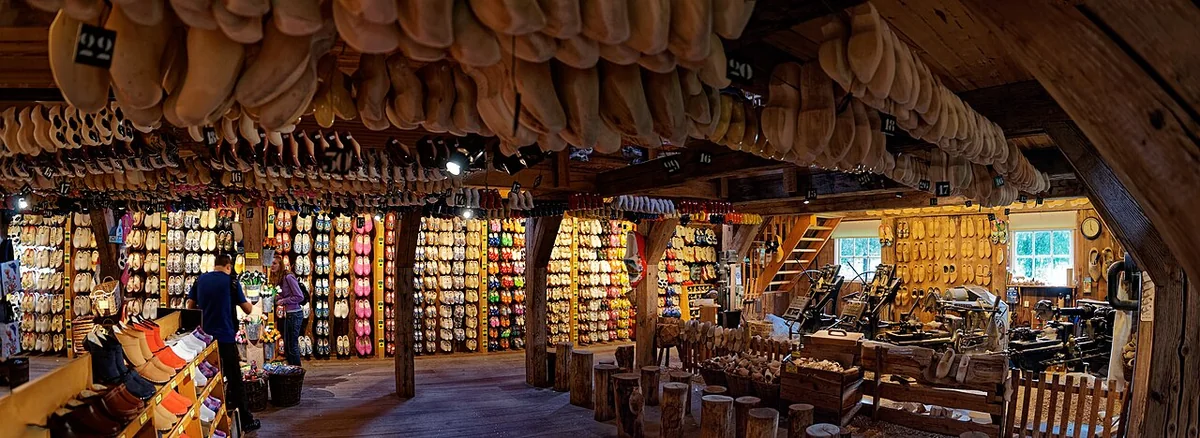
Spatial structure examination of this craft workshop reveals clear division into specialized zones, recreating the entire value chain of traditional woodworking. The first partition and core material storage area is the timber selection zone, where willow and birch logs are gathered under strict criteria for moisture, flexibility, and grain patterns. In Dutch crafting tradition, willow wood emerges as an optimal choice due to its light weight, good load-bearing capacity, and crack resistance when exposed to high humidity. Directly adjacent to the material zone is the operating space of classic shaping machines, where master artisans execute rough wooden blank shaping via carving knives and mechanical rotary shafts driven by early water or electric power. In this zone, machine sounds blend with manual chiseling to create an industrial epic labor atmosphere. The subsequent zone is the clog-interior hollowing area, requiring absolute artisan dexterity when using specialized hollow chisels with distinct curved blade shapes to create snugly fitted spaces for feet, ensuring maximum user comfort without damaging external load-bearing structures.
Stepping deeper into the artifact and treasure exhibition zone, observers are drawn to the richness of wooden clog product lines spanning different historical eras of the kingdom. The most precious artifacts stored here include intricately carved 19th-century royal wedding clogs, weathering-scarred labor clogs, and artistic clog works imbued with local sculptural styles. Each artifact carries a distinct story of social class, historical context, and utility purpose. For instance, clogs for nobility were often crafted with magnificently curved toes inspired by Gothic or Renaissance architecture, while North Sea fishermen’s clogs featured thicker designs with reinforced soles to withstand saltwater and sharp rocks. These treasures possess archaeological and technical value while opening doors for posterity to deeply understand the stratified social structure of pre-modern Netherlands, where every citizen’s feet—from impoverished tenant farmers to wealthy merchants—were tied to distinct wooden clogs.
Decorative patterns and sculptural art on clog surfaces at the workshop express a new pinnacle in folk aesthetic thought. Moving beyond simple wooden blocks, ancient artisans breathed life into works via meticulous relief carving, incised carving, and hand painting. Popular decorative motifs revolve around nature, agriculture, and folk beliefs, such as tulips, windmills, vibrant flower fields, wildlife, or religious symbols invoking blessings and protection. Colors used in traditional clog painting are primarily original tones like turmeric yellow, vermilion, cobalt blue, and milk white, extracted from natural minerals and plants, undergoing strict blending to ensure weather resistance. Each pattern line on clog bodies stems not from personal whim but strict regional shaping standards, reflecting a closely knit worldview between humanity and nature in the lowlands.
Philosophical and spiritual depth tied to this clog workshop lies in the philosophy of sustainability, pragmatism, and respect for natural materials. In Dutch folk philosophy, wooden clogs symbolize humility, hardworking spirit, and human resilience against adversity amid natural disasters. Crafting wooden clogs from trees growing along canal banks demonstrates a closed ecological loop of indigenous ecology, where humanity takes necessary survival items from nature and returns eternal cultural values to mother earth. In traditional rituals, wooden clogs play crucial courtship roles in rural weddings, where grooms hand-carve beautiful clogs for brides as a commitment to steadfast bonds and solid household building. This spiritual meaning transformed simple labor tools into symbols of romantic love and familial prosperity.
Intangible heritage preservation is conducted via continuous direct skill transmission from elderly artisans to youth. Workshop artisans serve as cultural ambassadors decoding and conveying ancient crafts to global publics. Observing transformations from inert timber logs to complete art pieces allows viewers to contemplate patience, respect for manual labor, and material heritage values in the digital age. The traditional Dutch Clog Workshop stands as a proud symbol of European craft culture, where time seems frozen within wood grains, retaining the pure spirit of a people transforming mud into vibrant cultural flowers along historic canals.
In the earliest moments of a new day, when thin morning mist lingers over waterlogged grass patches in Dutch lowlands, the traditional clog workshop awakens with a characteristic, time-honored sound. It is the creaking of ancient oak doors opening, blending with quiet footsteps on workshop floors bearing fresh wood shavings. Dawn casts pale yellow rays through wide, tall windows, illuminating piles of willow and poplar wood stacked in room corners, preparing for a new labor cycle spanning centuries. Elderly artisans, with calloused yet delicate and patient hands, enter workshops early to check material moisture—a task demanding deep understanding of physical properties of soaked and dried timber under strict standards. Morning silence quickly yields to rhythmic classical mechanical lathes and sharp, decisive chiseling, creating a rustic yet intensely vital labor symphony of agricultural and maritime civilization tied to reclaimed land. The air smells of natural wood resin mixed with canal humidity, awakening visitor senses to witness transformations from rough logs to world-famous klomp clogs.
As the sun climbs high and silver-white light blankets flat rural landscapes, workshop activity peaks with visitors seeking authentic cultural values. Artisans act as heritage preservers and propagators, demonstrating carving techniques before international publics. Thin wood shavings peel from sharp chisels under millimetric control, turning inert blocks into perfectly curved pieces cradling human foot anatomy. Visitors closely observe fine manual steps, from shaping thick moisture-resistant soles to decorating surfaces with traditional Delft Blue motifs featuring cobalt blue on white enamel. Historical stories explaining why wooden clogs became indispensable protective gear for Dutch farmers, fishermen, and artisans for centuries are vividly narrated through diligent artisan movements. Visitors observe and are invited to handle wooden hammers, test sanding stages, and feel real weights of items shaping lowland cultural identity since the Middle Ages.
Late afternoon transitions bring distinct perspectives to clog workshops, where life slows down for contemplation and nostalgia. As twilight shifts to warm amber, casting long shadows over steep roofs and calm canal waters, industrial operations close, yielding to community gatherings and art displays. This is ideal for viewing artifact displays housing century-old clogs whose natural wear tells stories of nameless past owners. Elaborately carved wedding clogs, lacquered clogs for nobility, or experimental contemporary designs are respectfully arranged under warm spotlights. Visitors find prime viewpoints from second-floor windows, gazing at classic windmills, interlaced waterways, and green expanses stretching to horizons where land and sky blur in sunset light.
When night falls and skies don deep Northern European blue, clog workshops don solemn yet cozy appearances under warm yellow lights from small windows. During traditional festivals or periodic cultural events, spaces become vibrant community hubs featuring folk musicians with acoustic instruments and culture lovers. Traditional dances with sharp wooden clog tapping on wooden floors create powerful resonance within historic architecture, recalling rich spiritual lives of Dutch laborers. Thematic talks and workshops explore ecological philosophies behind traditional woodworking, where wood shavings serve as fuel or recycled materials, demonstrating sustainable symbiosis between humanity and nature. Experiences conclude in warm summer evenings or chilly winter nights, leaving lasting impressions of a resilient indigenous lifestyle where traditions flow quietly, enriching contemporary human culture.
The Rhine and Meuse delta plains of the Netherlands, preserving ancient craft heritage including traditional wooden clog workshops, are renowned for rustic woodcarving and distinctive culinary culture reflecting maritime temperate ecology. Indigenous cuisine evolved from needs adapting to wet climates, long winters, and abundant North Sea seafood alongside agricultural goods from green pastures. Entering workshop cultural spaces where willow and birch sawdust mingle with country breezes, a deep gustatory journey opens via traditional agricultural and artisanal products passed down through centuries.
The culinary foundation around craft heritage sites is tied to cheese cultures of rural Netherlands, notably Gouda and Edam cheeses produced since the Middle Ages. At traditional farms surrounding workshops, fresh whole cow’s milk from dairy cows grazing on below-sea-level pastures is condensed and aged in cellars following ancestral recipes. Cheesemaking requires meticulous temperature and humidity control, creating textures from smooth-pliant to hard, delivering rich, buttery flavors with herbal aftertastes. Locals enjoy cheese with whole-grain rye bread and local mustards, balancing richness, saltiness, and fermented acidity.
Besides cheese, salted herring dishes, known as Hollandse Nieuwe, hold unique positions in lowland culinary heritage maps. Herring fishing seasons start in late spring when plump fish traverse cold seas, carrying optimal nutrients and fats. Traditionally, caught herring are cleaned onboard, removing gills and guts, then soaked in diluted brine with minced onions to remove fishy smells while retaining original meat freshness. Eating herring requires adherence to ancient rituals: diners hold fish tails, tilt heads, and drop whole fish vertically into mouths alongside crunchy raw onions. Salty sea tastes combined with natural fish sweetness create intense gustatory experiences reflecting survival methods tied to the sea.
Culinary journeys around clog workshops lead diners to famous caramel waffle treats called Stroopwafels. Appearing in the 18th century in Gouda, they originated from utilizing cookie crumbs with sweet caramel syrup as rations for poor laborers. Stroopwafel crafting requires baking thin dough on hot iron molds to form round wafers with square grid lines, then spreading thick syrup cooked from cane sugar, butter, and cinnamon inside. Traditional waffle enjoyment involves warm art: diners place wafers atop hot drink cups like black tea or espresso so heat melts interior caramel syrup, softening shells and releasing rich cinnamon aromas.
During cold winter months when ice and snow blanket canals and windmills, cuisine around workshops shifts to stews and thick soups providing body-warming energy. Traditional Dutch pea soup, called erwtensoup or snert, is winter culinary symbolism. Cooked from dried green split peas simmered with smoked pork, rookworst sausages, potatoes, celery, and leeks for hours until blended into rich pulpy mixtures. Locals enjoy pea soup with rye bread spread with lard and pickles, embodying traditional agricultural identity.
Winding old streets around clog workshops host traditional bakeries serving royal-style pastries and savory cakes. Exemplified by poffertjes, tiny pancakes made from buckwheat flour and yeast, baked on special multi-dimpled iron pans. When puffed and golden, bakers dust powdered sugar and place butter dabs to melt into soft sponges. Apple tarts (appeltaart) with crispy crusts wrapping sliced apples mixed with cinnamon and raisins embody family baking arts preserved across generations.
Beverage culture links to local herbal teas and artisanal roasted coffee, reflecting global maritime trade history from the Dutch East India Company era. Imported black teas are blended with canal-side herbs like chamomile, mint, and dried citrus peels. Dutch people value afternoon tea times, called koffietijd or thee-tijd, gathering for family chat or woodworking discussions after workshop labor.
Traditional food markets in historic squares near clog workshops preserve culinary heritage. Stalls display neatly arranged cheese wheels wrapped in red-yellow wax, smoked sausages scented with oak wood, and fresh salted herrings prepared under strict royal fisheries association standards. The intersection between traditional woodworking and culinary arts creates unique cultural ecosystems where flavors and dishes tell stories of perseverance, creativity, and deep human love for homelands.
The Kingdom of the Netherlands with winding canals and tangible cultural heritage attracts ethnographers and international tourists. Among lowland cultural symbols, klomp wooden clogs occupy prominent positions, reflecting direct ecological adaptation to wetland soils. Accessing historical and artisanal values requires detailed planning on timing, transit, and etiquette at traditional clog workshops. Workshops operate year-round, welcoming bustling visitor streams; hence grasping weather rhythms and geography ensures high exploratory efficiency.
Dutch climate is heavily influenced by the North Sea, featuring maritime temperate characteristics with high humidity and erratic weather. Spring, from March to May, brings fresh nature with blooming flowers, pleasant temperatures, and frequent sudden rain showers. Summer, from June to August, features long daylight and warm temperatures, facilitating outdoor travel and craft village visits. Autumn, from September to November, witnesses foliage color shifts along canal roads, though rainfall increases with chilly sea winds. Winter, from December to February, brings low temperatures and canal ice, demanding warm clothing preparation for outdoor field trips.
Public transit infrastructure in the Netherlands is globally renowned for punctuality, connectivity, and eco-friendliness, facilitating access to handicraft workshops. Most famous clog workshops sit in heritage reserves or historic suburbs near Amsterdam or major cities like Zaanse Schans or Volendam. Optimal transit involves regional trains operated by Nederlandse Spoorwegen. From Amsterdam Central Station, visitors buy direct trains to village stations within twenty minutes. Local buses with frequent schedules bring passengers near craft village gates. Public transit payments utilize OV-chipkaart smart cards or contactless international bank cards, offering absolute convenience without cash.
Besides trains and buses, bicycles represent Dutch transit culture, ideal for exploring flat rural paths along ancient dikes. Renting bikes near train stations offers authentic observation of local life. For fast transit or heavy luggage, taxis and ride-hailing apps operate at major nodes. However, taxi fares are high compared to European averages, so train-walking or biking combinations remain prioritized in academic field trips.
Choosing visiting times affects visual and auditory experiences. Mornings from 9 AM to 11 AM offer quiet atmospheres with fresh wood scents. This is ideal for observing elderly artisans starting work with deep focus, executing rough shaping via traditional machines or classic hand tools. Afternoons from 1 PM to 4 PM gather peak tour groups, bringing lively planer sounds and continuous multilingual technique demonstrations. For deep discussions with artisans on folk woodworking evolution, early mornings or early afternoons post-lunch are perfect.
Attire at traditional clog workshops requires practicality, comfort, and adaptation to woodworking environments. Floors feature sawdust and wood chips, so thin soles, high heels, or light shoes are discouraged. Closed-toe sneakers or rubber-soled slip-resistant shoes are optimal. Since workshop interiors are cooler than exteriors in winter, layered clothing helps adjust body temperatures.
Regarding etiquette, Dutch people value respect for artisan workspaces and safety. Workshops are working spaces with operating machinery; visitors must not cross safety lines or touch moving equipment without guidance. Photography is encouraged, but avoid high-intensity flash directly into artisans’ eyes during sharp tool handling. Maintaining quiet, limiting loud talk, and obeying no-smoking signs are minimal civilized behaviors.
Ticket management and access to traditional clog workshops are digitized while retaining local culture. Most large workshops in open-air museums offer free admission to basic production areas to promote intangible heritage. However, deep lectures and practical clog-carving classes require prior booking online or ticket purchases at counters. Combined tickets cover historical costume museums and ancient clog displays. Ticket control uses mobile barcodes or paper tickets, ensuring fast, orderly access.
To experience this journey fully with a local guide, you may refer to the 9-Day Germany – Austria – Hungary – Czech Republic Tour with a pre-arranged itinerary.