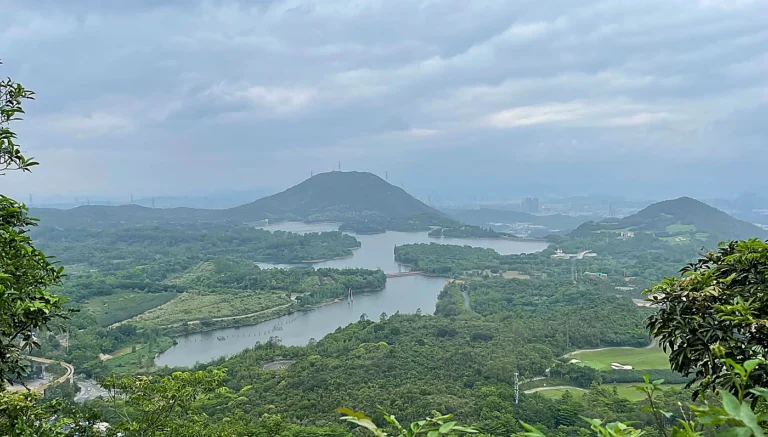
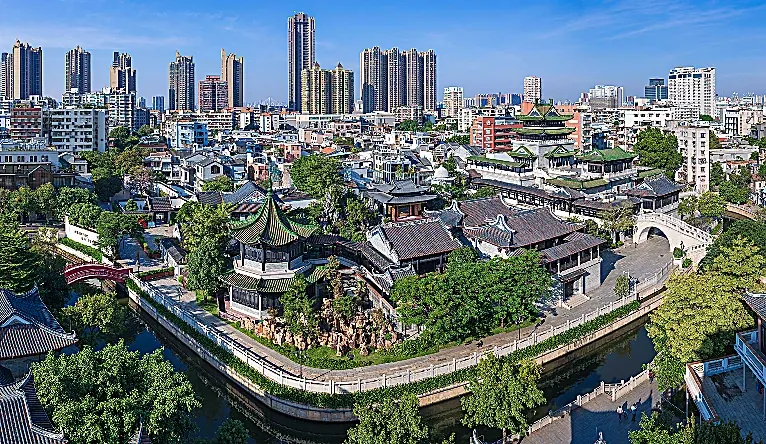
Nestled within the prime core of the ancient Xiguan district in Liwan District, Guangzhou City, Yongqingfang Ancient Street resembles a chronicle unfolding in the heart of the prosperous southern metropolis. The lifeblood of this street is intimately tied to the birth of Enning Road in 1931 during the Republican era—an iconic arcade street that once witnessed the golden age of one of the busiest trading ports in the Lingnan realm. Having spent nearly a century accumulating cultural alluvial silt, each bluestone-paved alley and gray-brick building here has fully absorbed the pure urban flavor of Guangfu, forging a wondrous interlacing space between simple daily life and multi-layered historical strata of shifting dynasties.
The soul that built Yongqingfang’s resounding renown is its profound human sediment defined by legendary talents and prestigious cultural institutions. Most prominent among them is the ancestral residence of martial arts icon Bruce Lee—originally an estate built by his father, Li Haitquan, the renowned Cantonese Opera star of the Republican era. This place once served as a gathering spot for Lingnan’s illustrious theatrical circles. Right beside it stands Luan Yu Tang, the celebrated martial arts guild hall of Cantonese Opera stunt actors, alongside the Bahe Guild Hall, which served as the headquarters for preserving southern traditional art through various historical vicissitudes. Interlacing within this network of narrow alleys are Xiguan grand mansions featuring peak Sino-Western blended architecture, symbolizing the perfect synthesis of indigenous creative philosophy and international trade waves flowing along the Pearl River.
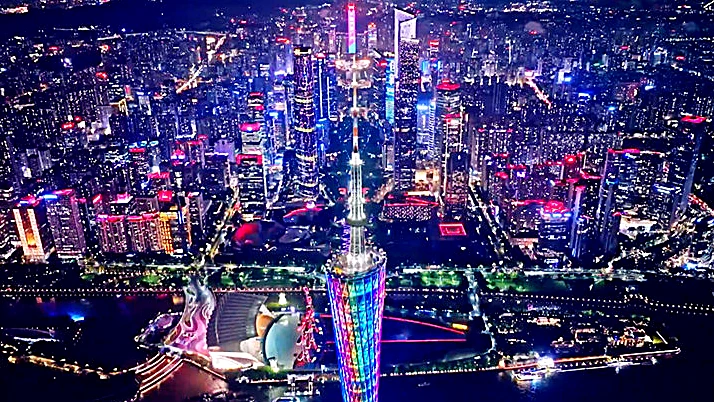
Yet despite its golden brilliance, the harsh currents of time throughout the latter half of the twentieth century cast a heavy shadow over the old district’s physique. Entering the 1990s, pressed by the relentless wave of reinforced concrete urbanization, Yongqingfang gradually fell into dereliction, becoming a high-risk residential zone featuring severely dilapidated buildings with leaky tile roofs, clogged drainage systems, and electrical wires tangled like spiderwebs. The street’s fate stood before a life-or-death crossroads between completely demolishing and leveling everything to construct modern commercial high-rise complexes, or accepting a thornier path to preserve every single brick and tile of antiquity.
The concept of urban renewal began taking shape in 2006 through countless rigorous social debates among planners, heritage conservationists, and indigenous residential communities. Authorities enacted a landmark decision firmly rejecting heavy-handed wide-scale demolition and rebuilding. In January 2016, Yongqingfang was officially approved to become the nation’s first organic micro-renewal model pilot project. By September of the same year, phase one of the project was successfully completed, triumphantly restoring historical appearances with a consistent philosophy: repairing old houses while retaining original characteristics, and crafting new sections seamlessly bound to old souls. When senior leaders directly inspected the site in October 2018, the project was designated as a benchmark model for preserving urban historical memory and anchoring nostalgic longings within the hearts of hometown residents.
Situated within the thousand-year cultural cradle of Xiguan, Yongqingfang enjoys the full vital energy originating from the ancient Lichiyuan stream and Enning Road, where water and land routes converge. The overall area features flat terrain nourished by fertile silt from the bountiful Pearl River system, creating an interwoven network of canals threading into every nook of civic life. Under traditional Lingnan geomantic perspectives, this land represents the classic formula of “water and land mutually relying, using water to gather wealth”—the symbiotic bond between waterways and roadways not only moderates refreshing microclimates year-round but accumulates fortune, turning Xiguan into the southern realm’s premier bustling commercial hub across centuries. The tranquil Lichiyuan waters wind like a soft silk ribbon embracing residential clusters, serving simultaneously as a natural defensive moat and a dragon vein channeling prosperous energy from the mother river across the entire ancient street complex.
Regarding traditional urban planning, Yongqingfang skillfully employs the spatial structure of “comb-frame skeletal patterns”—the classic comb-tooth shape of indigenous Lingnan architecture. From the main arterial backbone, straight or gently curving alleys branch out symmetrically like comb teeth, providing natural ventilation against humid sea breezes while ensuring rapid surface drainage during harsh stormy seasons. This spiderweb transport network links closely with surrounding cultural zones: the northern section connects straight to the renowned Xiguan Grand Mansions conservation zone along Dabao and Fengyuan roads; the southern extension reaches Shamian Island and the breezy Bai鹅潭 waters—the confluence of three major river branches; while the eastern flank adjoins the golden Shangxiajiu commercial core. This positioning network transforms the district into a flawless transitional focal point between bustling commerce and tranquil sanctuary.
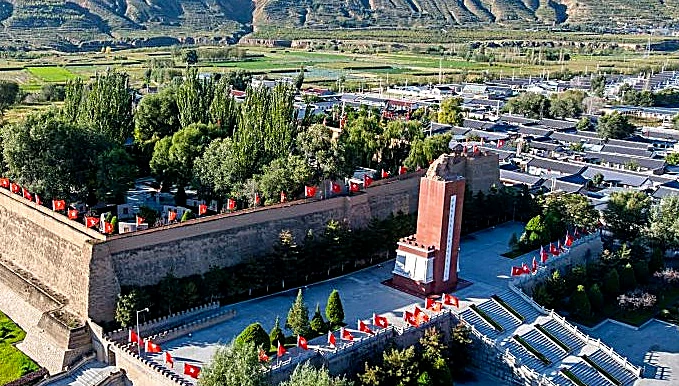
Natural landscape breaths within Yongqingfang carry distinct delta wetland ecological imprints tamed with sophistication. Through various ups and downs, local soils retain fertility that once nourished “Pangtang Five Treasures”—five delicate botanical delicacies comprising lotus roots, water chestnuts, water caltrops, fox nuts, and water spinach, crystallized from crystal waters of adjacent Bandutang lakes. Beneath the shade of centuries-old banyan trees whose sprawling roots cling tightly to gray-brick walls, this space feels entirely isolated from external modern urban hustle. Roadways paved entirely from thick bluestone flagstones have grown polished smooth by time, absorbing daytime heat and radiating coolness by night while functioning as natural filtration layers for urban subterranean groundwater.
The organic fusion of nature and planning crafts a picturesque living panorama that predecessors encapsulated through the famous landscape phrase: “red reflections on water, arcades by cliffs, quiet dwellings in alleys.” Brilliant red kapok blooms hanging heavy beside riverbanks each summer mirror upon azure waters, conversing with graceful arcade rows offering shelter along pathways, before guiding travelers deep into contemplative alleys where ancient homes hide discretely and peacefully. This geomantic formation of gathering water and sheltering wind, masterfully combined with terrain-adapted architecture, turns Yongqingfang’s landscape into an immutable cultural-ecological entity safeguarding indigenous lifestyles across generations.
From an urban morphology perspective, Yongqingfang Ancient Street stands as a living museum preserving most completely and seamlessly the longest arcade architectural complex of the millennial Luoyue realm. Arcade rows here represent the exquisite synthesis of southern European coastal colonial architecture and indigenous knowledge adapting to the Lingnan monsoon climate. Ground floors step backward intentionally, creating continuous covered corridors allowing pedestrians to stroll comfortably through lingering rainy seasons or scorching summer days. Upper levels house family living spaces featuring protruding balconies facing streets, where facades display intricate plaster relief carvings, warm gray washed-aggregate stucco walls, and gorgeous multicolored stained-glass Manchu windows that disperse solar radiation while orchestrating magical morning light symphonies.
Venturing deep into bluestone alley networks, Yongqingfang’s space unfurls cultural strata condensed through core heritage structures. Prominent on street corners is Bruce Lee’s Ancestral Residence, a quintessential Xiguan Grand Mansion featuring deep triple-bay construction built from handmade green bricks and supported by dark-red timber purlins stained by time. Adjoining it stands Luan Yu Tang, the golden heritage site belonging to the Bahe Guild Hall—a sacred ancestral hall where martial arts students practiced boxing and theatrical performance arts, alongside the Baoxiang Dafang pawnshop fortress featuring thick stone walls standing tall, evoking bustling late-Qing and Republican commercial finance along the Pearl River.
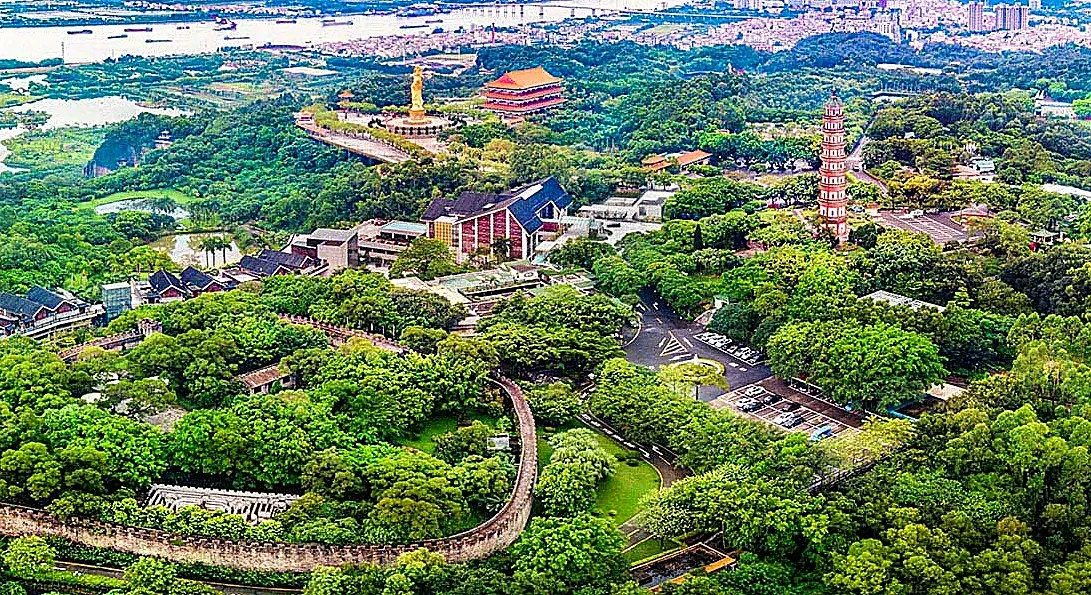
The most breathtaking landscape centerpiece across the entire master plan is the Cantonese Opera Art Museum, a masterpiece fully recreating the poetic water-pavilion spirit of traditional Lingnan gardens. The central architectural axis comprises multi-story pavilions built entirely with mortise-and-tenon joints without iron nails, reflecting upon clear waters alongside an antique water pavilion stage jutting over the lake. Skillful arrangement of winding pathways, carved rockeries, and weeping willow groves transforms this traditional opera performance space into picturesque natural scenery where erhu fiddles, yueqin lutes, and clappers blend naturally with gentle waterside breezes rustling through parasol trees.
Behind this spectacular renaissance lies colossal investment scale paired with modern urban management models. Phase two renovation alone mobilized actual capital reaching 1.07 billion RMB, deployed across 90,000 square meters of planned land with roughly 72,000 square meters of constructed renovation scale. Rather than massive demolition, it applied organic micro-renewal models based on a triangular linkage between directive governance, professional operations enterprises, and companion indigenous residents. Every red sandstone foundation block and mossy green brick and gray tile was lovingly preserved in situ, then seamlessly bound to transparent tempered glass panels and modern prefabricated steel frames. The delicate fusion of traditional materials and contemporary architectural vocabulary creates a shifting heritage space that never freezes the past, turning it into part of prosperous daily life.
As dusk fades behind ancient banyan trees and Lichiyuan waters darken, Yongqingfang enters a spectacular visual transition imbued with the distinctive flavor of “Night Xiguan.” Shedding daytime antique contemplation, the entire heritage space dons a gorgeous nocturnal cloak woven by sophisticated landscape lighting art. Along bluestone alleys and curving canals, low color temperature lighting strips concealed behind architectural elements emit warm, gentle golden light embracing green-brick surfaces, honoring pan-shaped gable curves and illuminating gorgeous multicolored Manchu window lattices. The contrast between southern nocturnal shadows and warm lights across arcade rows forges a multi-layered visual field, guiding travelers into magical, deeply nostalgic spaces.
The masterpiece highlight within Yongqingfang’s optical symphony rests upon the Moon Bridge spanning Lichiyuan waters. Crafted in graceful semi-circular arch shapes, the stone bridge combines with artistic lighting strips to mirror impeccably upon mirror-flat waters. From perfect angles, the real upper arch on land and virtual lower arch in water merge into a complete full moon glowing magically across the ancient street. This exquisite symmetrical optical phenomenon evokes Lingnan autumn moons in classical poetry while becoming a prized visual symbol, drawing countless footsteps to pause and admire moonlit waters within the bustling metropolis.
The heritage block’s nocturnal cultural heartbeat truly peaks at the waterside theatrical stage within the Cantonese Opera Art Museum. Standing beside calm waters, the gorgeous curved-roof stage transforms into a vibrant real-scene arena for classic Cantonese opera vignettes. When erhu melodies blend with crisp clappers piercing the night, artists in meticulous gold-embroidered costumes wave water sleeves, chanting immortal excerpts like “Princess Changping” brimming with tragic romance or “Fen Fei Yan” overflowing with parting sorrow. Rippling waters reflect gorgeous attire and magical light beams, turning performance spaces into living natural paintings where boundaries between human stages and historical myths dissolve completely.
Leaving the theatrical melodies behind, travelers wandering deep into arcade alleys encounter youthful, vibrant contemporary life. Heritage intangible cultural heritage creative markets stretch beneath red lanterns, displaying exquisite Guangcai ceramics, Guangzhou embroidery, and renowned wood carvings. Alongside millennial values, fresh cultural waves find perfect footing through cocktail bars hidden behind antique wooden doors, craft beer pubs scented with jasmine flowers, and cozy independent cafes. Clinking glasses and soothing jazz blend with the gurgling Lichiyuan canal, forging a multi-dimensional Yongqingfang night: solemn in traditional cultural soul yet liberating and enchanting in modern civilized breath.
Ancestors once encapsulated the famous proverb “Eating in Guangzhou, flavors in Xiguan,” affirming this ancient land as the defining soul of peak Guangfu culinary culture. Nestled right within that current, Yongqingfang and adjacent old streets like Enning, Dabao, and Baohua roads have long served as headquarters for celebrated heirloom culinary brands. Walking across bluestone alleys shaded by greenery, travelers not only admire antique arcade architecture but are captivated by rising smoke and alluring aromas from kitchens burning bright for decades. Cuisine here preserves strict Guangfu cooking philosophies, prioritizing ingredient freshness, sophisticated fire-control techniques, and heirloom sauces passed down across generations.
Right within the Yongqingfang Culinary Cluster and Enning Road frontage, legendary Chen Tianji Fish Skin has become an iconic stop. Fresh grass carp fish skin is expertly prepared via traditional skinning techniques, boiled briefly and plunged into ice water to achieve crisp springiness, then tossed in premium sesame oil, superior soy sauce, julienned ginger, cilantro, and crunchy roasted peanuts. Beside celebrated fish skin dishes stands oyster sauce steamed rice noodle rolls. Steps away, Grandma Niu Za queues bustle with diners waiting for renowned beef offal hotpots. This braised beef charms diners with rich brown peanut-butter-infused broth cooked with tripe, honeycomb tripe, and tender white radishes melting instantly on the tongue.
Yinji shop preserves heirloom flavors of traditional cloth-stretched rice noodle rolls. Fresh ground rice batter is spread thin over stretched cloth atop boiling water, quickly yielding translucent, chewy, smooth sheets rolling around savory beef or crunchy shrimp, drizzled with sweet rock-sugar soy sauce and sesame oil. Meanwhile, century-old Kaitian Dessert Shop is famed for classic tangerine peel green bean soup. Artisans manually peel green bean skins, simmering them with aged Xinhui tangerine peel until smooth, emitting refreshing aromas that soothe and calm minds.
Strolling ten minutes from Yongqingfang to quiet Baoxiang New Alley on Dabao Road, diners encounter Ngo Tai Kee Noodle Shop, a celebrated establishment with over seventy years of history frequently honored in Michelin Bib Gourmand guides. The shop’s soul is bamboo-pressed noodles entirely kneaded from fresh duck eggs without water, pounded using giant bamboo poles by master artisans to achieve natural springiness unmatched by machines. Served with dried shrimp, flounder, and bone broth, along with fresh wontons, gourmets always order crispy fried wontons with golden puffed crusts dipped in sweet-and-sour red sauce.
Alongside celebrated brands, this ancient land preserves rustic flavors of original Xiguan boat congee. Bowls of smooth rice congee cooked to blooming flower shapes brim with fresh ingredients like sliced raw fish, crispy jellyfish, pork skin, peanuts, and crispy crullers. Xiguan culinary feasts conclude with renowned desserts like black lava buns filled with salted egg yolk, Shunde fried milk with golden crispy crusts enclosing sweet milk, double-skin buffalo milk, and crispy roasted goose with amber skin.
Yongqingfang’s public spaces open freely 24 hours daily without admission fees, offering ideal settings for meditative strolls at dawn or glittering nights. Nonetheless, commercial life and cultural experiences operate under standard schedules. Teahouses, handicraft workshops, and art cafes open from 10:00 AM to 10:00 PM. Specifically, the Cantonese Opera Art Museum and Bruce Lee’s Ancestral Residence open from 9:00 AM to 5:00 PM (Tuesday–Sunday), closing entry at 4:30 PM and resting Mondays for maintenance. International travelers must bring original passports for identity registration at security gates or pre-book online.
Guangzhou’s modern public transit makes accessing the millennial ancient street convenient. The optimal choice is taking Metro Line 1 or Line 6 and alighting at Huangsha Station. Leaving via Exit B, stroll 500 meters under shaded trees to reach Yongqingfang’s western zone. Another poetic route is taking Metro Line 1 to Changshou Lu Station, exiting via Exit D2 and walking 800 meters along bustling jade street markets. For taxis or ride-hailing, request drop-offs at the Enning Road and Yongqing Alley intersection where welcoming stone signs stand.
To enjoy Xiguan flavors within a day, establish a scientific itinerary. Begin mornings along Dabao Road tasting fish congee and heirloom dim sum, before strolling under shaded arcades on Enning Road. Enter Yongqingfang at midday to visit Bruce Lee’s residence or Cantonese Opera exhibits. Late afternoons are magical as golden sunlight yields to lanterns illuminating Moon Bridge over Lichiyuan waters.
When purchasing souvenirs, smart travelers distinguish mass-produced industrial goods from authentic indigenous crafts. For durable Xiguan brassware or exquisite Guangcai ceramics, seek workshops holding provincial or national intangible cultural heritage titles hidden in deep alleys. Additionally, Moon Bridge reflection crowds peak between 7:30 PM and 9:00 PM. To avoid crowds, view from second-floor balconies of bookstores or teahouses facing waters along Enning Road.
Exploring Hong Kong and ancient Lingnan regions is enhanced by preparing valid passports over 6 months alongside international e-wallets linked to credit cards for transit and dining. For seamless journeys without logistical worries, explore itineraries within the Guangzhou – Shenzhen 4D3N Tour, unlocking southern coastal cultural depths.