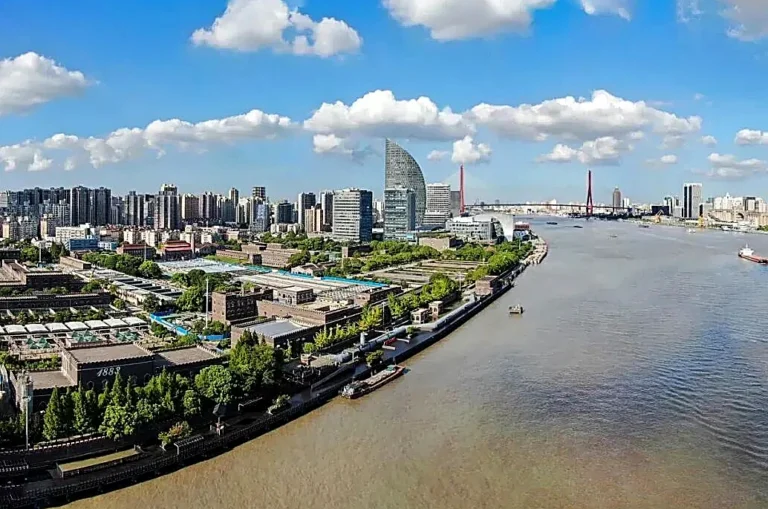
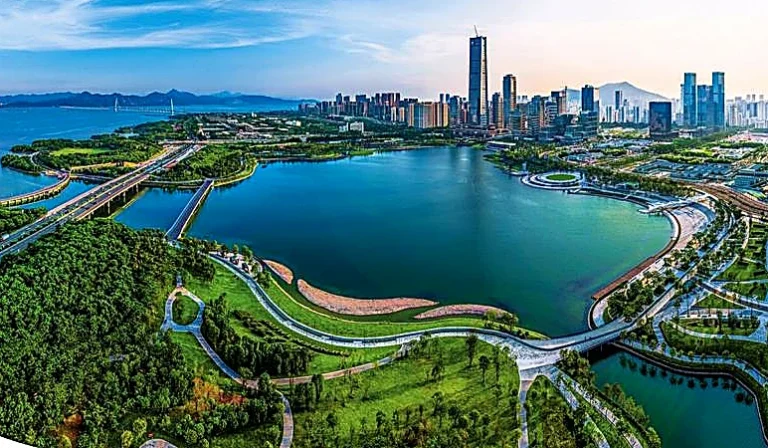
Nestled along the western gateway of Pingbian Miao Autonomous County within the Honghe Hani and Yi Autonomous Prefecture in highland Yunnan, Dishui Miao Village—also known as Dishui Miaocheng (“Dripping-Water Miao Town”)—stands as an enduring epic of Miao origins and highland survival amid deep mountain forests. More than a cluster of traditional dwellings, it serves as a vibrant crossroads of millennia-old migration history, organically preserving old-town character to become a welcoming cultural threshold before travelers venture deeper into storied Pingbian.
Turning through Miao historical chronicles and oral epics, the community’s roots trace back to chieftain Chiyou at the dawn of Chinese civilization. Following ancient conflicts along the Yellow River and middle Yangtze basins, Miao branches embarked on long southward migrations along towering mountain ranges. Across the Qin and Han periods and taking clearer shape under the Tang and Song dynasties, resilient migrants crossed rugged terrain across Guizhou and Sichuan to reach enclosed valleys in southernmost Yunnan. For the Miao people, every place of settlement is a testament to survival—chiseling stone paths, clearing terraced clearings, and making life beside high mountains and pure water an enduring philosophy passed down across generations.
Entering the Ming and Qing eras, shifting imperial policies further shaped this frontier through administrative reforms (gaitu guiliu) that gradually replaced hereditary native chieftaincies (Tusi) with direct imperial governance. During the Yongzheng and Qianlong reigns of the Qing dynasty, migrations and border resettlement brought thousands of Miao households deeper into the rugged primeval forests of Dawei Mountain across historic Kaihua and Lin’an prefectures. Amid remote mountain valleys, flowing springs and Dishui Stream nourished early settlements like a mother’s milk; local Miao builders used steep slopes to raise timber stilted houses (Diaojiaolou) and laid bamboo conduits carrying clear spring water right to their thresholds, turning the secluded valley into a resilient sanctuary.
The name Dishui (“Dripping Water”) itself holds deep folk wisdom—evoking pure droplets of highland morning mist condensing onto mossy stone, gathering drop by drop into a refreshing stream that sustains the village. Believing all things possess spirit, the Miao view high mountains as sheltering the body while flowing waters nourish the soul. Through centuries of shifting border administration and upheaval, Dishui residents have faithfully preserved ancient traditions—from rites honoring Mountain and Forest Spirits and Flower Mountain harvest celebrations to resonant lusheng reed-pipe dances echoing off cliffs—while every stone lane and quiet yin-yang tiled roof in Pingbian carries memories of generations who cleared the frontier.
Carrying centuries of history forward, Dishui Miao Village entered a new chapter as traditional heritage was awakened through thoughtful landscape conservation and organic urban renewal. Rather than sweeping away historic fabric for jarring redevelopment, planners followed natural contours to honor vernacular timber verandas, sturdy stone walls, and sweeping pitched roofs—blending modern amenities seamlessly with ancestral spirit so the historic settlement thrives as an ecological showcase where history flows into living daily life.
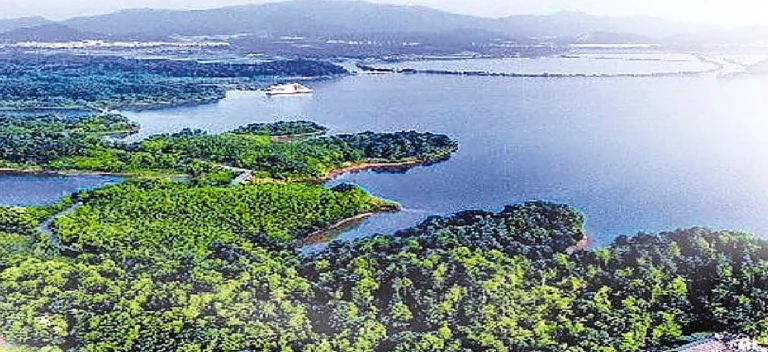
Resting quietly within the dramatic mountain transition zone of southern Yunnan in Honghe Prefecture, Dishui Miao Village appears as a settlement masterpiece sculpted into the valley by nature and human craft. Positioned along a striking elevation shift surrounded by deep green mountain ridges, it opens onto sweeping forest seas where primeval canopy casts cool shade year-round. More than a secluded mountain retreat, the site enjoys a harmonious natural setting where ideal elevation, cool valley humidity, and encircling limestone ridges gather vital energy.
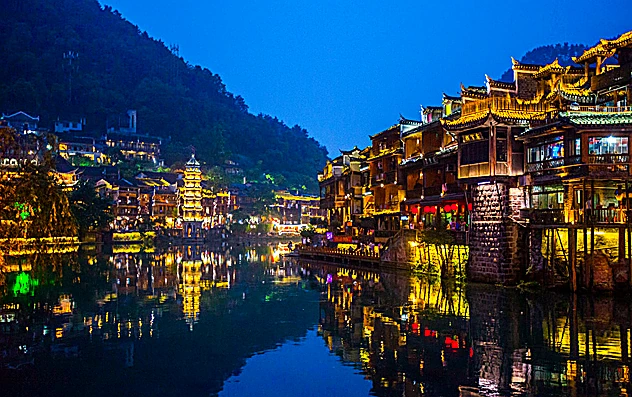
Making water the lifeblood of its spatial design, the village follows the principle of “taking water as the main axis”—using flowing water as a continuous thread shaping settlement form. Drawing from the roaring Dishui Waterfall deep in the surrounding forest, local folk engineers channeled clear living water throughout the village, creating a lively waterside corridor through stone channels, ponds, and willow-lined banks that supplies daily water, aids drainage, tempers summer heat, and moderates highland winter humidity.
Topographic planning at Dishui Miao Village reflects agile adaptation to terrain through the principle of “relying on mountains to form ramparts, using water as streets.” Backing onto steep hillsides and facing an open basin, tiers of traditional stilted houses rise as if growing naturally from the earth, while bluestone lanes wind beside streams to form lively artisan and trade streets where the gentle clink of silversmith hammers blends day and night with flowing water—turning elevation shifts into layered visual vistas across misty moss-covered roofs.
Through traditional southwestern geomancy, Dishui forms an auspicious closed ecological loop of “Mountains – Water – Village – Forest.” Towering peaks behind act as a protective Black Tortoise barrier against northern winds; lush primeval forests hold soil and moisture like a green screen; circulating waters bring lively vitality in front; and the village itself concentrates human warmth and cultural heritage—embodying deep Miao reverence for nature in a lasting mountain settlement.
Looking across Dishui Miao Village from the gentle slopes of the Dawei Mountain range, visitors are struck by a sweeping architectural ensemble where traditional timber carpentry rises to artistic perfection. The entire village is shaped around the national intangible cultural heritage of “Miao Stilted House (Diaojiaolou) Construction Craft”—proving how highland builders adapted ingeniously to rugged karst terrain while uniting pure life philosophy with large-scale landscape design.
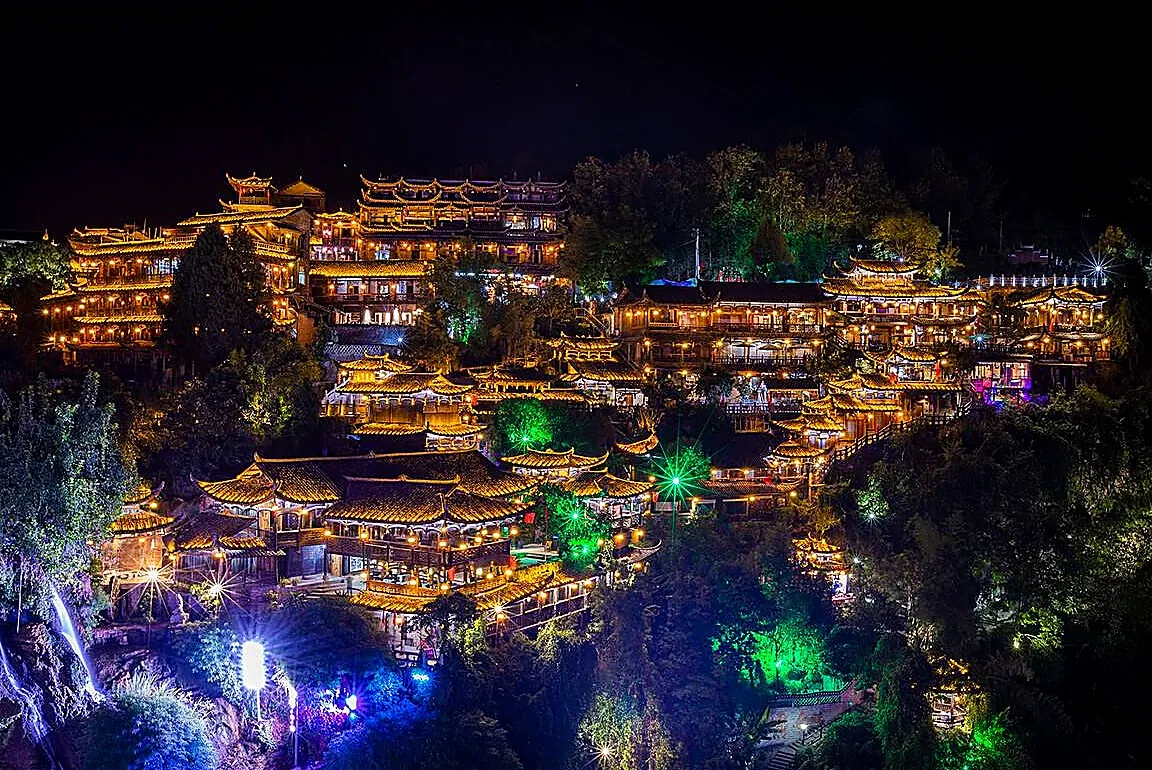
Structurally, village buildings descend from ancient cliff-and-tree nest dwellings (“chaoju“), evolving over millennia into a distinctive cantilevered half-stilted form suited to steep gradients. Rather than leveling hillsides mechanically, Miao carpenters anchor the rear of each house firmly against the slope while supporting the front veranda on straight fir columns set onto stone plinths—creating an airy cantilevered stance above the incline. The entire frame uses mortise-and-tenon joinery (chuandou beam-and-column framing) locked together without a single iron nail, yielding remarkable flexibility against seismic tremors and mountain storms.
Inside each dwelling, spatial layout follows disciplined traditional proportions such as three-bay four-rafter or grander four-bay five-rafter plans arranged across three vertical levels. The open ground floor resting on stone column bases encourages airflow to dispel misty valley dampness while storing farm tools and firewood. The second floor forms the family heart with a central hall housing the ancestral altar, year-round hearth fire, and sleeping quarters—highlighted by an airy gallery lined with curved wooden benches known as “Beauty Lean-Tos” (Meirenkhao) where young Miao women embroider and chat overlooking the lane. The dry, ventilated top attic stores highland corn and golden grain through long winters.
Beyond individual craftsmanship, Dishui Miao Village impresses through coordinated large-scale planning that arranged hundreds of stilted dwellings in overlapping, fish-scale tiers along both banks of the Muyang River. Warm brown fir timber, somber gray concave roof tiles, and sweeping upturned eaves harmonize with ornate wind-and-rain bridges, spacious stone squares, and winding canals to establish Dishui as a premier model of frontier heritage conservation and ecological town planning.
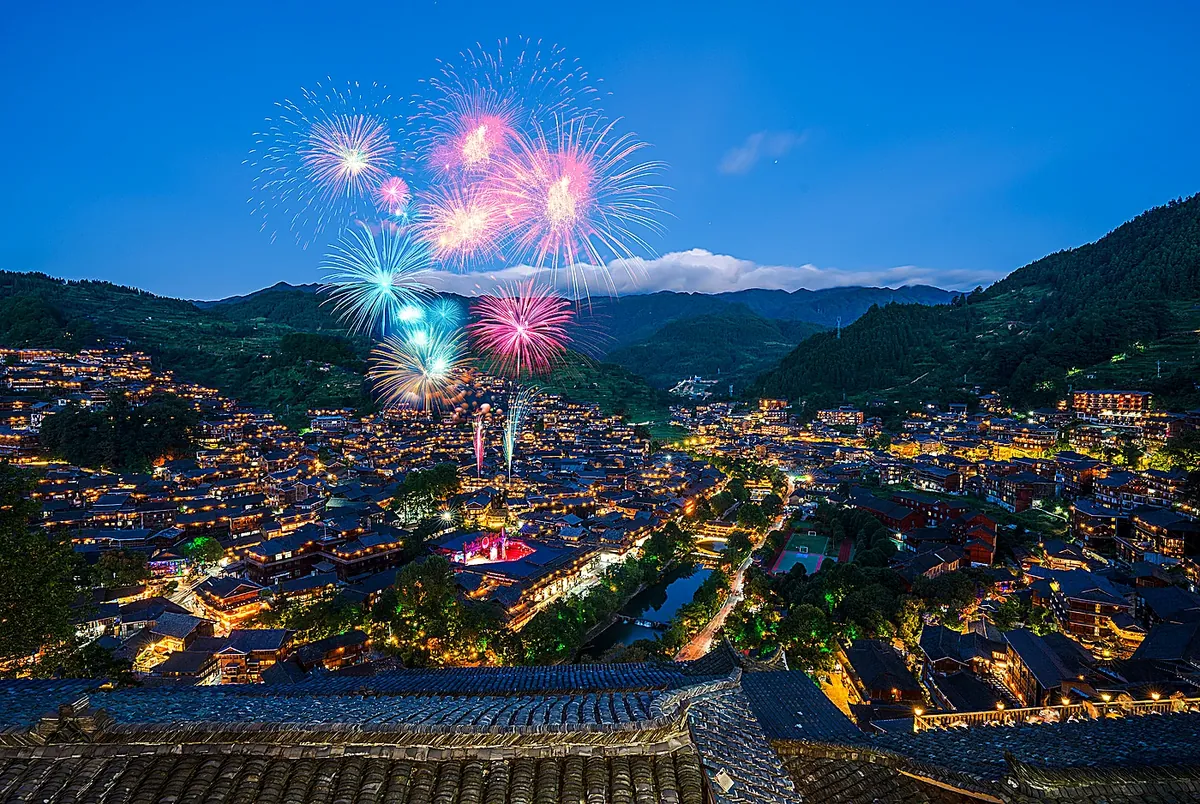
As sunset settles across the Pingbian valley, the boundary between reality and dream at Dishui Miao Village seems to dissolve as thousands of lights glow along gentle slopes. Thoughtful architectural lighting traces tiered timber stilted houses climbing steep cliffs while warm golden reflections ripple across the central canal like floating lanterns—merging cool mountain mist and evening hearth smoke with the ethereal beauty of a dreamscape.
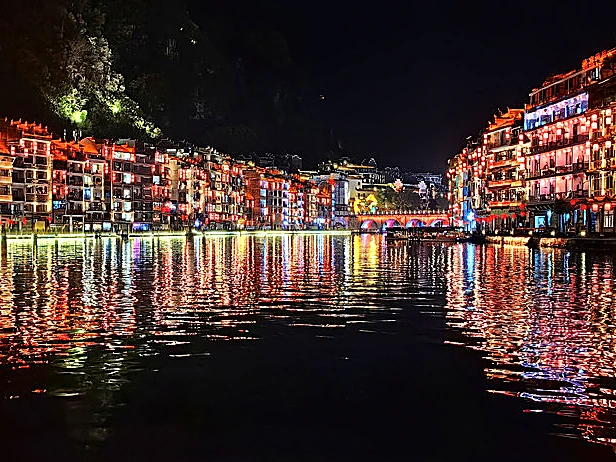
Once darkness falls completely, valley stillness gives way to lively folk music and dance across bluestone squares and beneath curving wind-and-rain bridge roofs. Resonant lusheng reed pipes echo between timber posts as Miao men in indigo-woven geometric attire spin and leap in traditional lusheng dances, while bright silver ornaments chime in harmony with the graceful steps of Miao women in pleated百褶 skirts embroidered with phoenix, mother-butterfly, and river-wave motifs—drawing visitors into expanding circles of celebration.
The highlight of nightfall in Dishui is the traditional bonfire gathering and vibrant processions in heritage attire winding through stone lanes. Flames leaping from a central wood bonfire illuminate joyful smiles and intricate botanical embroidery on silk aprons as hosts and guests clasp hands around the fire to bronze drums and mountain folk songs—warming away Honghe highland chill and dissolving every language barrier into genuine human fellowship.
Evening energy continues along the canal with a fragrant night food market beneath warm red lanterns hung along stilted eaves. Spicy chili-grilled stream fish, thinly sliced smoked hearth pork seared crisp, and aromatic black-cardamom black-chicken hot pot comfort travelers from afar—so that sipping herbal-fermented corn wine to flowing water beneath bridges and distant lusheng melodies reveals the warm, unpretentious spirit of a living mountain culture.
Miao culinary culture at Dishui Miao Village is far more than local ingredients—it is a living chronicle of human adaptation to Pingbian’s misty, steep mountain wilderness. Beneath cloud-draped Dawei Mountain, high humidity and rugged slopes shaped culinary habits in which natural fermentation and five-flavor balance became time-honored survival wisdom, filling traditional wooden homes with comforting aromas of hearth smoke and tangy fermented broth.
Crowning the Miao food map is famous Sour Fish Soup, captured in the centuries-old saying: “Three days without sourness, and your legs feel weak and unsteady.” In cool, damp mountain air, sourness aids digestion and dispels dampness; Dishui’s soup gets its vibrant rosy hue and rich tang from wild local tomatoes and fermented rice water aged for months in earthenware crocks. Simmered over glowing charcoal, fresh stream fish cooks up sweet and tender in deep tangy broth touched with wild forest herbs—awakening every sense.
The grandest expression of Dishui Miao Village’s cuisine unfolds at the Long-Table Banquet, where neighbors join rustic wooden tables in a long line across the dining hall. Dishes span glossy black-pig trotters slow-braised with forest spices, restorative upland chicken simmered with medicinal tianma (Gastrodia) root, chilled rice tofu seasoned with chopped chili and sour vinegar, sizzling dry-fried wok dishes, and freshly pounded glutinous rice cakes dipped in thick cane-sugar syrup—delivering rustic richness that lingers on the palate.
No Miao feast at Dishui is complete without rice wine and the celebrated “High Mountain, Flowing Water” (Gaoshan Liushui) toasting custom. To gentle lusheng music and welcome songs, Miao women in embroidered costumes and silver headdresses line up buffalo horns or ceramic bowls in descending tiers, pouring sweet, clear glutinous rice wine in a continuous stream from top to bottom straight to the guest—expressing boundless Miao hospitality and turning each toast into a lasting memory.
Dishui Miao Village in Pingbian—also known as Dishui Miaocheng—operates as an open ecological and cultural park where most public areas along the Muyang River, flower-lined squares, and wind-and-rain bridges welcome visitors freely day and night, while select upper viewpoints, embroidery exhibition halls, or special festival performances charge separate posted admission. Half a day to a full day is ideal for taking in the village rhythm, especially around dusk when thousands of lanterns light curving Diaojiaolou roofs and shimmer across the water.
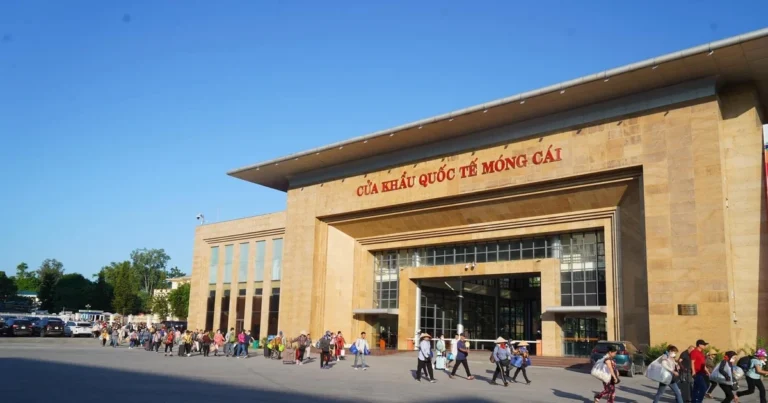
Reaching Pingbian Miao Autonomous County commonly begins via the Lao Cai–Hekou International Land Border Gate. Vietnamese travelers enter with a valid passport and Chinese tourist visa or an official Border Travel Permit issued under bilateral agreements; after crossing Hukou Bridge over the Nanxi River, fast trains from Hekou North Station to Pingbian Station run through karst valleys in roughly thirty to forty minutes, followed by public Bus No. 1 or a short seven-kilometer taxi ride up to the village gate.
Because the valley sits amid misty highlands with natural stone lanes and steps, morning fog and sudden mountain showers can make moss-flecked flagstones slick—so wear comfortable, non-slip soft-soled walking shoes rather than high heels or stiff smooth soles, and carry a light windbreaker or shawl for cooler evening temperatures beside the water.
Inside traditional stilted homes, visitors experience warm Hoa Miao hospitality, including the lively “High Mountain, Flowing Water” wine-pouring welcome. Pace yourself according to your tolerance and gently cup the bowl or clasp hands to signal a polite pause when full, while showing respectful etiquette toward household traditions: avoid stepping on the main threshold, and refrain from pointing at or touching family ancestral altars or sacred ritual posts.
Understanding the terrain and honoring Miao customs turns a mountain visit into a deeply memorable cultural encounter. To enjoy rustic highland flavors and linked historical sites without worrying about transport or border logistics, consider joining a curated Honghe Prefecture tour package for a smooth and enriching journey.