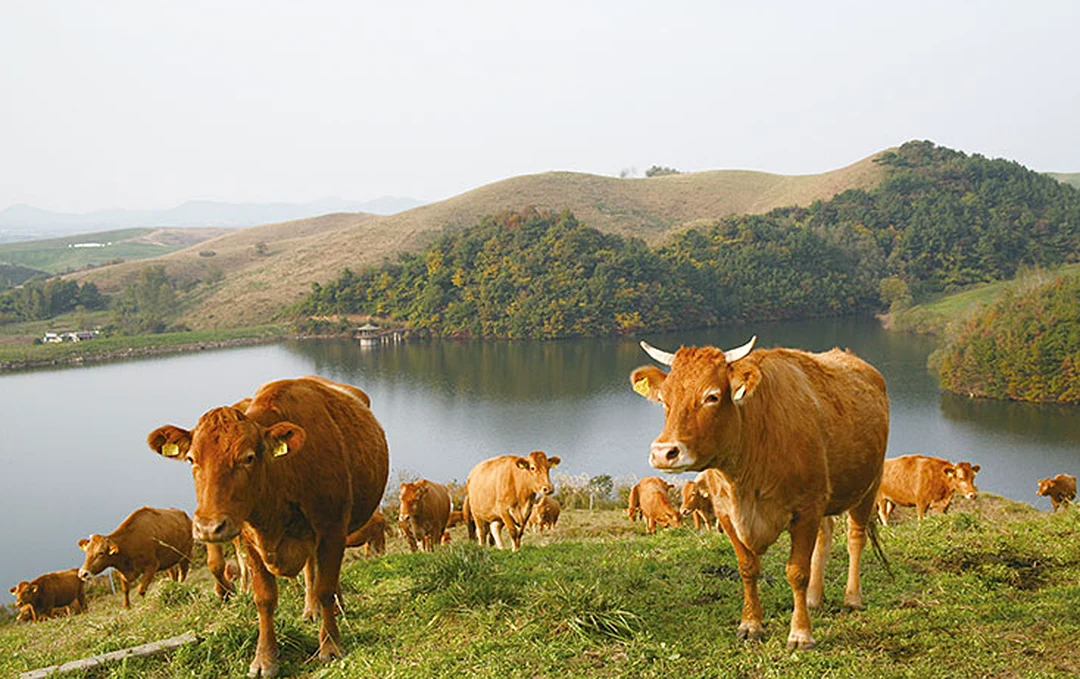
Across thousands of years of Korean Peninsula history, the art of grilling meat has never been merely a method of thermal cooking—it is a mirror reflecting pivotal shifts in history, religion, and socioeconomic life. The origins of this culinary culture are deeply intertwined with the fate of Korea’s native Hanwoo cattle, an ancient crossbreed between wild Bos taurus and Zebu cattle dating back to the Bronze Age. During the Three Kingdoms period—spanning Goguryeo, Baekje, and Silla—sleek golden-brown Hanwoo cattle were revered as the ultimate means of production, the backbone of wet-rice agriculture, and an irreplaceable force for hauling military provisions during territorial campaigns. Because their survival was vital to the state, royal edicts strictly prohibited cattle slaughter under severe penalties, elevating beef into a sacred delicacy reserved exclusively for grand ancestral rites, heaven-and-earth ceremonies, or royal rewards bestowed upon high-ranking nobles.
Entering the Goryeo Dynasty, when Buddhism became the state religion and precepts against taking life reached their zenith, livestock-based cuisine virtually ground to a halt for centuries. However, the historic upheaval of the 13th-century Mongol invasions upended both royal and common culinary traditions. Steppe armies introduced a meat-centric diet and large-scale livestock processing techniques to the peninsula, reviving Maekjeok—an ancient skewered meat dish from old Goguryeo. Through a synthesis of northern techniques and local flavors, primitive Maekjeok—originally chunks of meat marinated in soy sauce and garlic, skewered, and roasted over open flames—gradually evolved into Seoryeamyeok, laying the groundwork for the rise of refined grilling methods in the era that followed.
During the illustrious Joseon Dynasty, secular Confucian philosophy liberated culinary practices from religious restrictions, bringing grilled meat into the refined halls of the royal court and aristocratic Yangban scholars. In classic medical texts such as Dongui Bogam (Principles and Practice of Eastern Medicine) by royal physician Heo Jun and royal culinary treatises, Hanwoo beef was viewed through the lens of “food and medicine sharing the same origin”—nourishing vital energy, enriching the blood, and strengthening digestion. Neobiani, the direct precursor to modern Bulgogi, was born here: wide, tender cuts of beef were finely scored, marinated in aged soy sauce, crushed snow pear, fragrant sesame oil, and minced garlic, then slowly grilled over an iron grate set above glowing oak charcoal. Each slice of Neobiani presented to the monarch not only delighted the palate but embodied the pinnacle of Yin-Yang and Five Elements harmony in royal gastronomy.
While Hanwoo beef held an exclusive throne within aristocratic court circles, the legend of Samgyeopsal pork belly emerged from the vibrant heartbeat of the modern working class. Although pig farming had existed since the Three Kingdoms era, sliced pork belly sparked a true culinary revolution in the 1960s and 1970s alongside South Korea’s miraculous industrialization along the Han River. In the rugged coal-mining towns of Gangwon Province such as Taebaek, Samcheok, and Jeongseon, exhausted miners emerging from deep underground shafts filled with coal dust turned to sizzling slices of pork belly grilled at humble roadside stalls. The earnest local belief that rich pork fat lubricated the throat and flushed toxic coal dust from the larynx and lungs transformed Samgyeopsal into soul-and-body salvation for the unsung laborers building the nation.
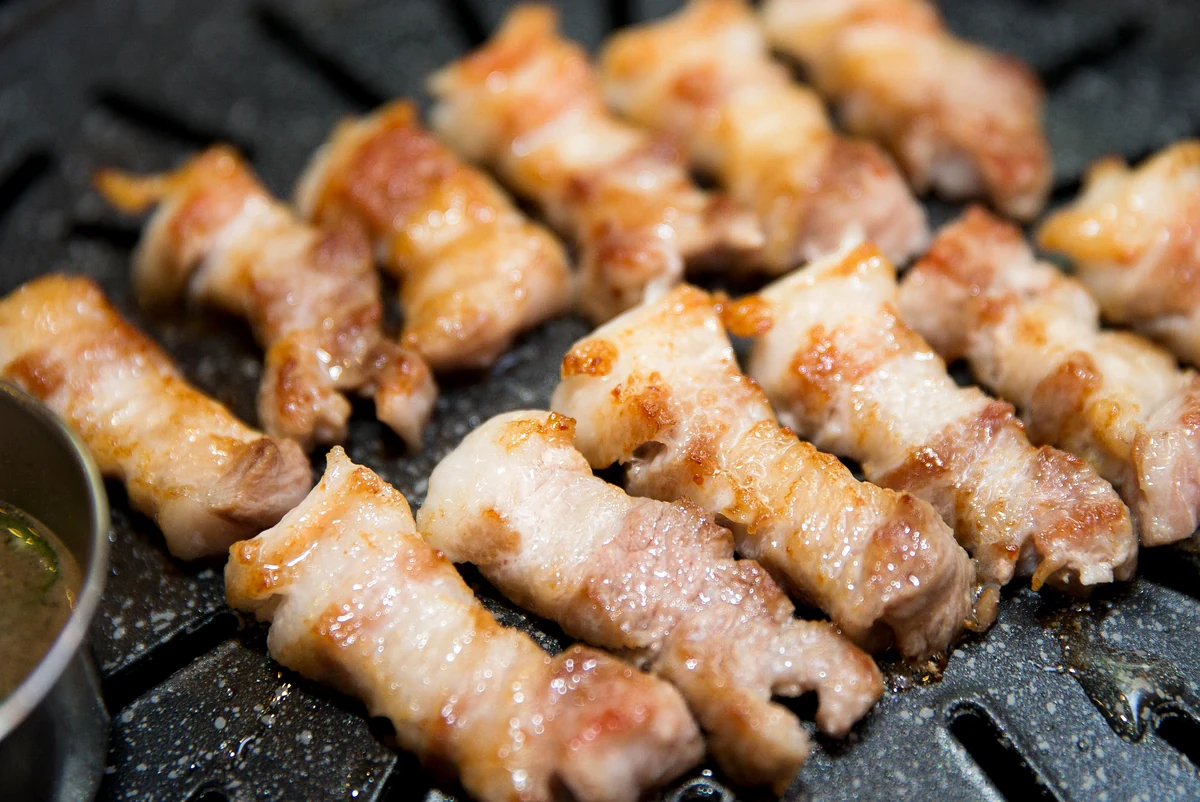
From rustic mining camps in mountainous Gangwon, the craze for grilled pork belly swept rapidly across construction sites and textile factories before permeating every urban alley in Seoul and Busan. The annual March 3rd celebration—known as Samgyeopsal Day, inspired by the auspicious repetition of the number three (“Sam”)—cemented the dish’s status as a beloved pop-culture icon. The coexistence of noble Hanwoo beef steeped in royal heritage and unpretentious Samgyeopsal radiating working-class spirit forms a seamless duality, capturing the full historical sweep and soulful identity of Korea over eternal glowing embers.
With over seventy percent of the Korean Peninsula covered by rugged mountains, geography has sculpted a remarkably distinctive culinary map where every region guards its own grilling secrets. Along the eastern slopes of the majestic Taebaek Mountains, Hoengseong County in Gangwon-do boasts an ideal high-altitude basin terrain, pristine groundwater from the Seomgang River watershed, and pronounced day-night temperature swings. This crisp, oxygen-rich microclimate serves as the cradle of world-famous Hoengseong Hanwoo beef, prized for deep crimson muscle fibers interwoven with supreme 1++ grade marbling. Modern transit infrastructure—most notably the KTX Gyeonggang high-speed rail slicing through steep mountain passes—has erased geographic distance, whisking travelers from bustling central Seoul to the Hanwoo capital of Hoengseong in under an hour.
Complementing the high-speed rail network is an arterial system of national expressways stretching from the Yeongdong Expressway to the vital Gyeongbu corridor. Along these cross-country highways, Korea’s meticulously planned rest stop culture (Hyu-geso) rivals modern commercial complexes, turning roadside stops into lively showcases of regional cuisine. Travelers can savor fragrant grilled skewers and listen to sizzling fat right in the middle of a mountain pass journey before turning off into specialized culinary districts named after each local subregion.
At the heart of Seoul, the flat terrain along the northern bank of the Han River preserves the storied heritage of Korea’s most famous Samgyeopsal districts. Mapo—which originated as a bustling Joseon-era commercial ferry port where dockworkers gathered around charcoal braziers after grueling shifts—has evolved into a mecca of legendary pork belly institutions. Nearby, the gentle slopes of Hongdae showcase a vibrant contemporary cityscape where late-night BBQ alleys glow beneath sleek metallic exhaust ducts dropping from the ceiling onto round stainless-steel tables. Born during the post-war economic reconstruction era, these circular metal tables not only maximized tight urban floor space but dissolved social hierarchies, fostering an open, convivial atmosphere of shared camaraderie.
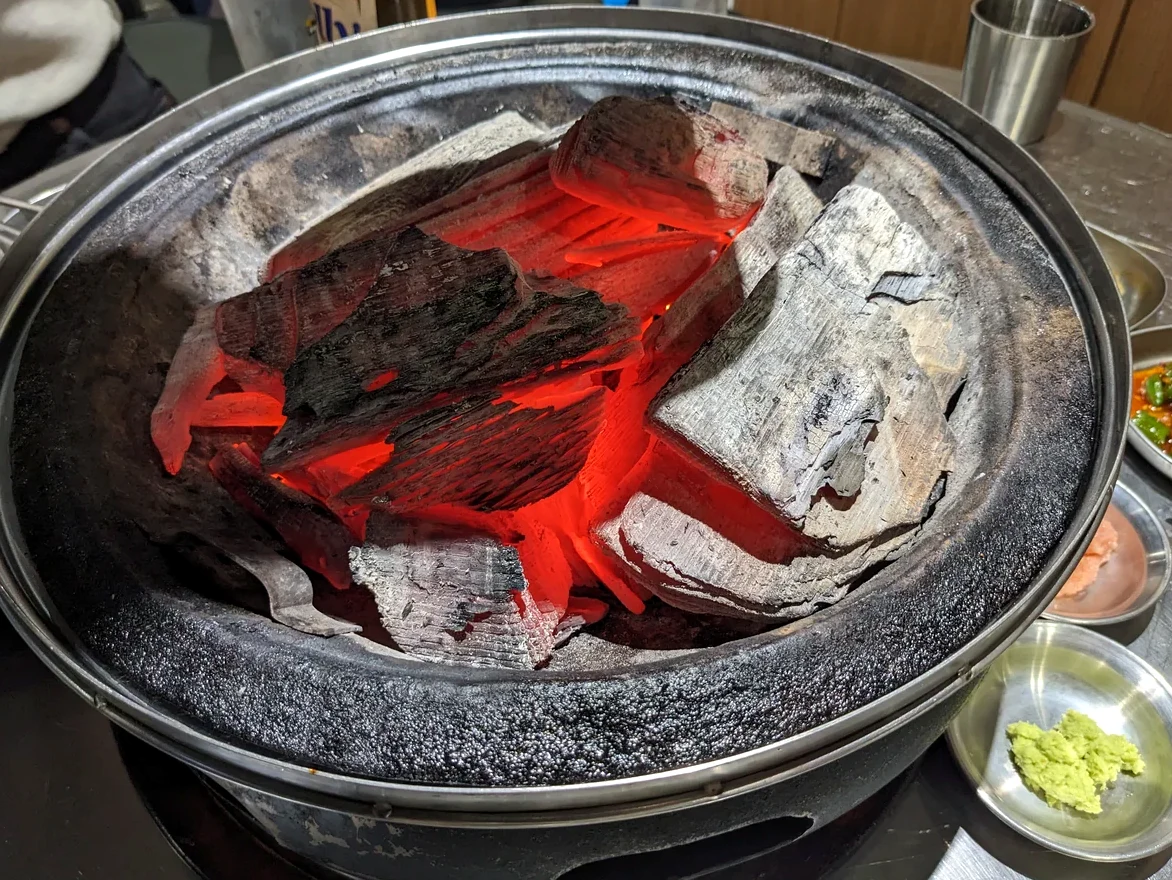
Grilling techniques in these culinary spaces demand extraordinary precision in thermal control and heat-conducting materials. Locals favor white oak charcoal (Baektan), fired at over a thousand degrees Celsius to produce pure, smokeless heat, or rely on the thick domed surface of traditional cast-iron cauldron lids (sot-tteukkeong) held steadily at 200°C—searing Samgyeopsal rapidly to lock every drop of sweet meat juice inside. Heading south down the expressway, the basin valley of Daegu emerges as an unrivaled sanctuary with Anjirang Alley, home to hundreds of Gopchang and Makchang grilled offal eateries. Sheltered beneath wind-blocking Mount Palgongsan, Daegu’s glowing charcoal alleys create an intoxicating spectacle of sight and aroma that rounds out a journey across Korea’s extraordinary culinary landscapes.
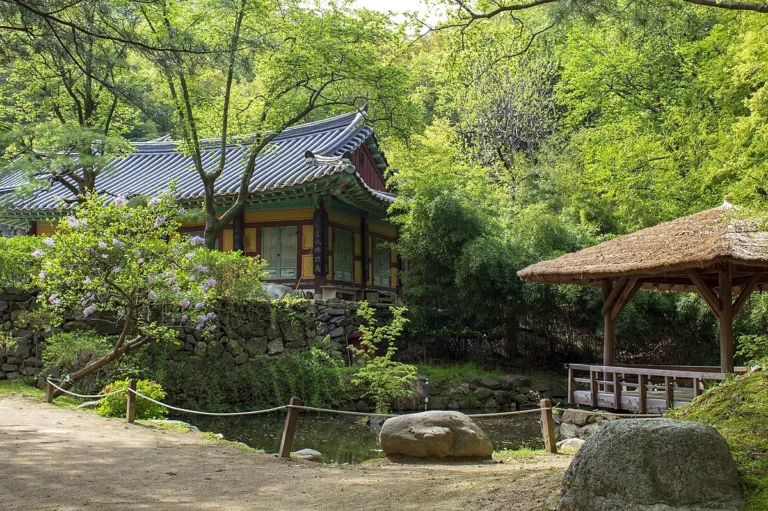
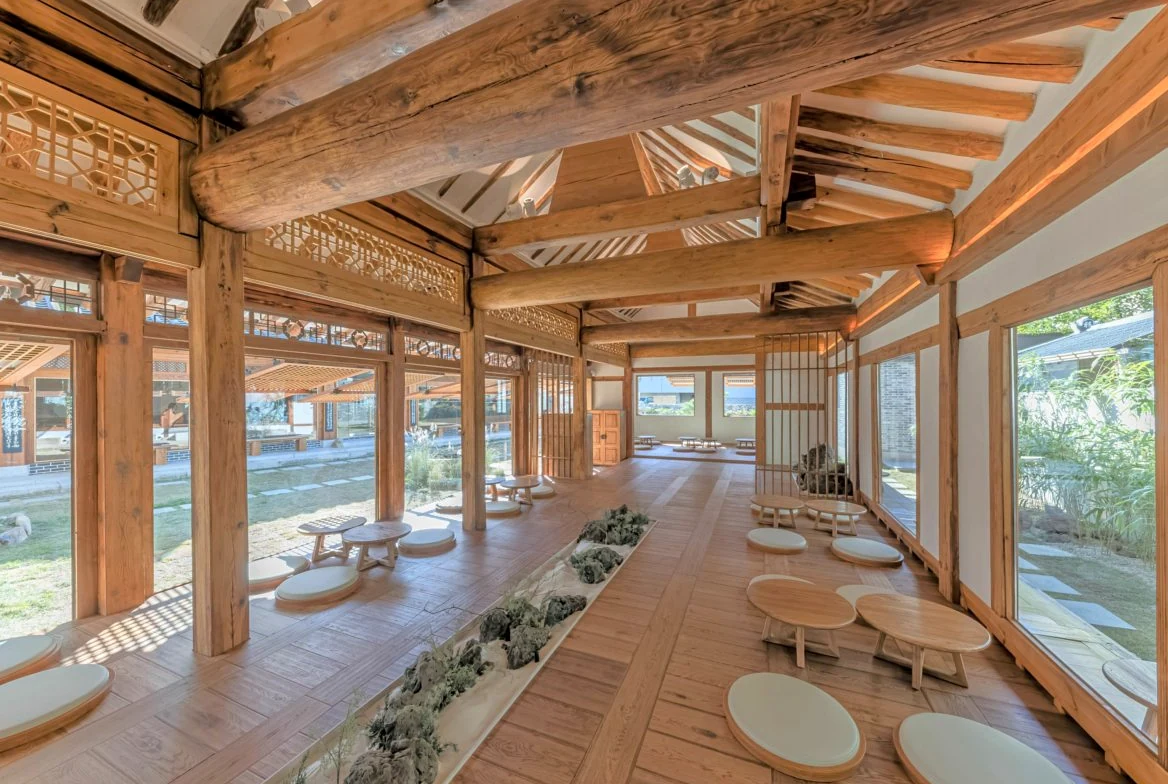
Korean BBQ dining spaces represent a remarkable convergence of East Asian philosophy and rigorous functional engineering, where architecture acts not merely as a shell but as an active participant in the flavor structure of the meal. Rooted in traditional Joseon-era Hanok wooden houses, historic taverns and inns shaped BBQ dining around intimate gatherings of family and friends. At the core of this design lies the famed Ondol underfloor heating system—an ingenious engineering marvel channeling warm air beneath clay-sealed flagstones to create ideal thermal balance for diners seated at low Jwaseok tables. Framing the room are nail-free red pine timber beams paired with partitions lined with handmade Hanji mulberry paper. Delicate yet resilient, Hanji acts as a breathable natural membrane that softly diffuses warm golden light while aiding passive ventilation, mellowing earthy charcoal smoke and restoring serene tranquility to the room.
In heritage Hanok restaurants preserving classical proportions or dining nooks inspired by traditional Darakbang attic lofts, every inch between seating positions and tabletop braziers is calibrated to the ergonomics of floor seating. As body warmth rises from the Ondol floor, sitting cross-legged at a Jwaseok table draws diners closer together, deepening the emotional resonance of Jeong—Korea’s deeply rooted culture of warmth and communal sharing. Clean air from glowing white Baektan or Chamsoot oak charcoal circulates smoothly through wooden-latched Hanok windows, infusing prized Hanwoo beef with subtle oak-smoke fragrance without ever feeling stuffy or trapping smoke indoors.
In the modern urban era, Korean BBQ spaces have undergone a striking transformation into industrial-chic venues across vibrant dining hubs like Gangnam, Hongdae, and Euljiro. Standing in bold contrast to the weathered serenity of Hanok architecture, this design movement celebrates raw, muscular textures—unplastered brick walls, polished concrete floors, and exposed ceilings revealing matte-black steel beams. Liberated from enclosed traditional layouts in favor of sleek minimalism, modern grill houses turn the sizzle of melting Samgyeopsal fat and dancing flames into the centerpiece of an audiovisual performance.
The defining mechanical and aesthetic breakthrough in contemporary BBQ restaurants is the overhead retractable exhaust hood crafted from brushed stainless steel or raw copper. Sleek metallic ducts extend smoothly from ceiling ventilation mains down to just fifteen or twenty centimeters above the grill grate, generating powerful suction that whisks away grease and smoke the instant they rise. Pairing natural stone or seamless stainless-steel tabletops with grill plates cast from Bangjja Yugi bronze or natural agate creates a setup that is both refined and impervious to temperatures of several hundred degrees. Thanks to precision negative-pressure aerodynamics across the dining floor, hundreds of guests can savor intensely aromatic grilled meats simultaneously while keeping their clothes fresh, elevating dinner into a seamless multi-sensory experience.
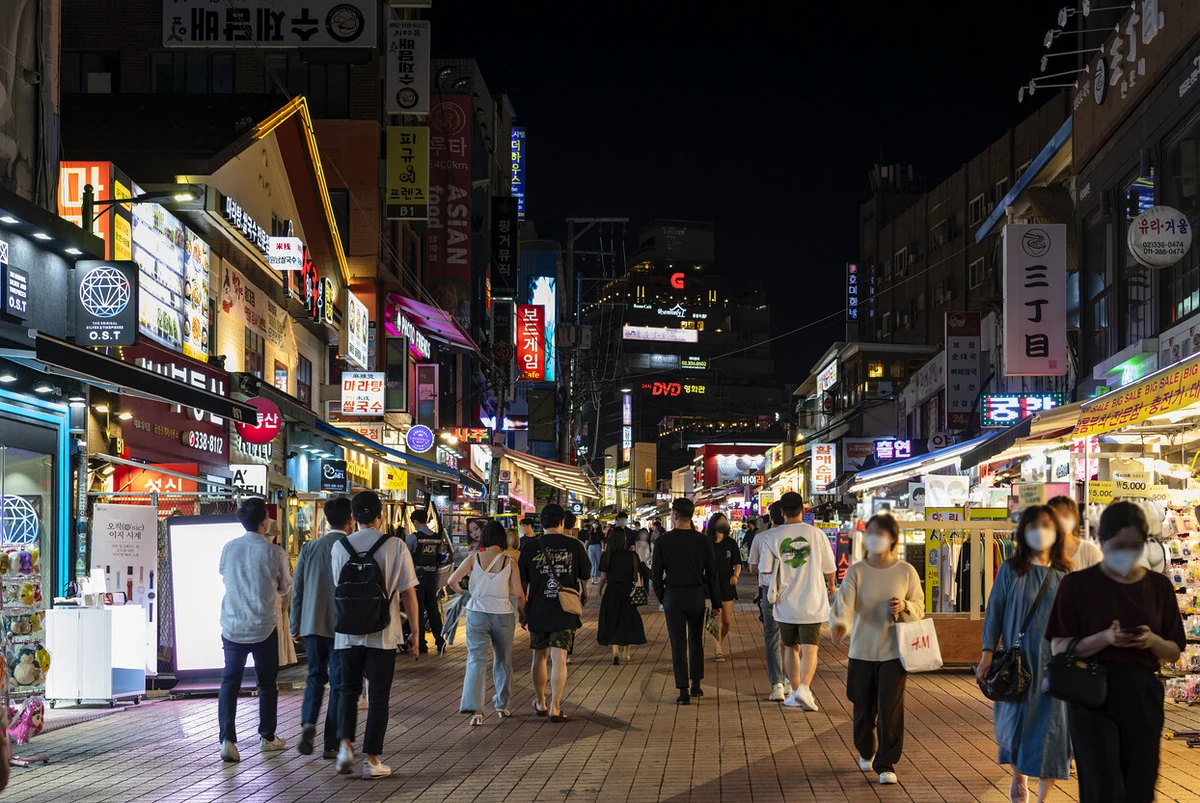
When night falls across the Korean Peninsula, concrete towers and reflective glass give way to an enchanting spectacle of light and aroma. K-BBQ culture transcends an ordinary evening meal, transforming into a live theatrical showcase of urban pulse where metal grates serve as center stage and flame and fragrant smoke orchestrate the mood. Beneath vivid neon signs and colorful lanterns, street-side grill stalls and bustling BBQ halls paint a compelling contrast between youthful, uninhibited energy and time-honored nostalgia passed down across generations.
At the heart of Mapo’s nightlife—a riverside district famed since the Joseon era as a thriving port renowned for salted shrimp and the capital’s finest pork—legacy grill houses preserve round tin or stainless-steel tables reminiscent of post-war reconstruction days. Here, heavy cast-iron cauldron-lid grills (sot-tteukkeong) radiate steady heat as strips of Samgyeopsal arranged in neat fan patterns sizzle, draining excess fat down gently sloped grooves. The crackle of rendering fat mingles with clinking chopsticks, hearty laughter, and lively toasts of milky Makgeolli rice wine or crisp green bottles of Soju, composing an unpretentious street symphony that stirs the soul.
Over in Hongdae, where Korea’s premier fine arts university shapes the creative spirit of every alleyway, BBQ culture puts on the youthful cloak of contemporary street performance. Amid acoustic guitar strums, the beat of indie buskers, and ever-shifting storefront lights, grill restaurants throw open their windows to welcome cool night breezes. Savory smoke scented with toasted sesame seeds and cold-pressed sesame oil drifts upward, mingling with the warm amber glow of low-hanging incandescent bulbs to turn every corner into a living canvas. In stark contrast to that bohemian grit, glamorous Gangnam offers an altogether different expression of lighting and culinary luxury. Inside discreet gastronomic townhouses and plush private dining rooms, serving supreme 1++ grade Hanwoo beef becomes an elevated visual ceremony. Focused spotlights illuminate specialized grates, highlighting intricate snowflake marbling woven through deep ruby lean meat. Heat here is calibrated using white Binchotan or natural Chamsoot oak charcoal—prized for burning at ultra-high temperatures with virtually no dark smoke, emitting pure infrared heat that seals sweet juices inside thick-cut steaks.
No portrait of Korean nightlife is complete without another iconic cultural fixture: Pojangmacha, the glowing orange or blue canvas street tents pitched along sidewalks after dark. Inside a cozy space of just a few square meters shielded from biting winds and lit by a single warm bare bulb, the chef-owner deftly tosses slices of spicy Gochujang-marinated pork across a thick flat cast-iron griddle as steam and savory smoke curl toward the canvas ceiling. Here, lighting design comes not from sophisticated electronics but from raw flames flickering in diners’ bright eyes—a sanctuary where life stories and daily work worries melt away with every crispy bite wrapped in fragrant perilla leaves.
On Korea’s culinary chessboard, the philosophy of enjoying grilled meats lies not in elaborate marinades, but in absolute reverence for the pristine freshness of the cut itself. For pork, the pinnacle of pleasure is Samgyeopsal—three-layered pork belly alternating cleanly between lean meat and rich fat, left completely unseasoned before hitting the heat. Thick slabs are laid directly onto heavy cast-iron grates or subtly sloped cauldron lids, a clever mechanical design that channels rendered fat into drainage grooves—leaving a crisp, golden-brown exterior while keeping the interior remarkably juicy. Joining Samgyeopsal at the top tier of Korean pork cuts are Moksal—flavorful, firm-textured pork collar—and Hangjeongsal, prized pork jowl laced with gossamer fat marbling that delivers an addictive, bouncy crunch at first bite.
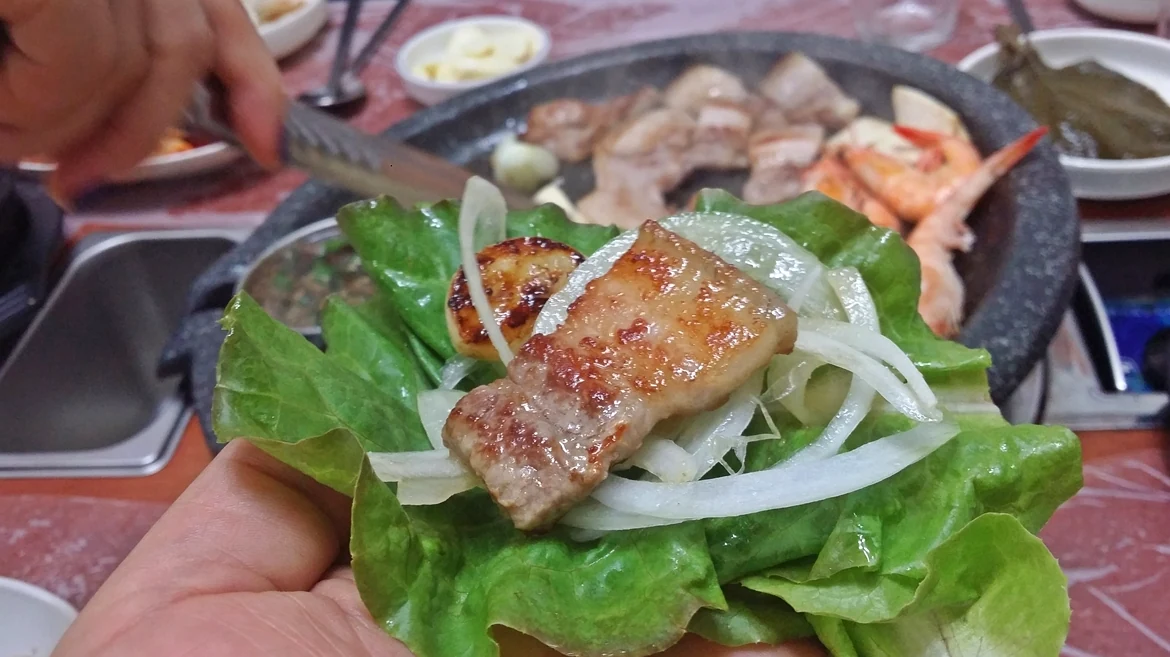
The ritual of eating grilled pork reaches perfection through ssam—the art of wrapping. A vibrant green kkaennip perilla leaf bursting with herbal freshness is cradled in the palm, receiving a piece of Samgyeopsal snipped to bite size with kitchen shears while still sizzling on the grill. Topped with a golden clove of roasted garlic, a slice of fiery green chili, and a dab of ssamjang—a rich reddish-brown paste blended from fermented soybean doenjang, gochujang chili paste, artisanal sesame oil, and minced garlic—the bundle is folded neatly and eaten in a single bite. The crisp snap of fresh greens, succulent richness of pork, and savory-spicy depth of fermented paste strike an impeccable Yin-Yang balance, eliminating heaviness and awakening every taste bud.
If pork embodies the warmth and egalitarian spirit of Korean street food, Hanwoo beef reigns as a national treasure at the summit of luxury gastronomy. Raised under exacting standards honed over centuries, this purebred golden cattle passes rigorous national grading inspections to achieve the coveted 1++ classification. At this tier, intramuscular marbling is extraordinarily dense and fine, resembling delicate snowflakes scattered across bright crimson flesh. The Hanwoo map is divided into celebrated cuts with distinct personalities: tender, full-bodied Deungsim (ribeye), velvety-smooth Ansim (tenderloin), richly aromatic Chae-kkeut (striploin), and Salchisal—chuck flap tail prized for the most intricate snowflake marbling of all.
To awaken the full soul of 1++ Hanwoo beef, master grillers trust only the pure heat of white Binchotan charcoal. Fired at temperatures exceeding 1,000°C, this smokeless, odorless oak charcoal emits intense infrared radiation that sears and locks natural juices inside the steak within seconds. Unlike pork’s multi-layered accompaniments, Hanwoo rejects heavy sauces. A delicate touch of coarse cheonilyeom sea salt harvested by hand from coastal salt flats—or a dab of freshly grated wasabi—is all it requires. Such supreme restraint leaves center stage entirely to pure, milky-sweet richness and a melt-in-the-mouth velvet texture that turns every meal into an iconic cultural experience in South Korea.
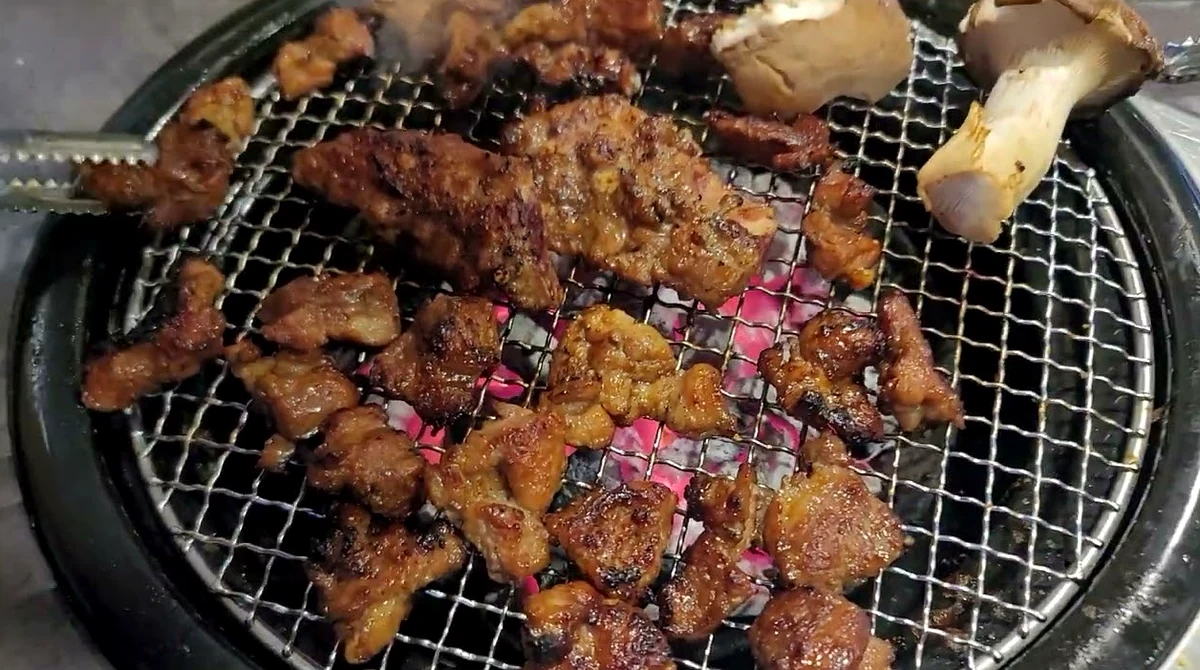
As twilight settles over Seoul’s broad avenues, savory smoke drifting from glowing charcoal braziers awakens the city’s legendary nocturnal dining scene. Most casual Samgyeopsal joints in lively districts like Hongdae, Itaewon, and the back alleys of Euljiro open from 5:00 PM until 2:00 or 3:00 AM, serving as essential gathering hubs for Korea’s after-work hoesik dining culture. Conversely, upscale establishments specializing in prime Hanwoo beef—particularly in affluent Cheongdam-dong and the beef mecca of Majang-dong—follow more structured hours, welcoming guests for lunch from 11:30 AM to 2:30 PM and dinner from 5:00 PM to 10:00 PM. At renowned Hanwoo restaurants, advance reservations are virtually essential if you wish to savor top-grade marbled cuts in an elegant private setting.
Budget-wise, a Korean BBQ feast scales directly with the origin and grade of the meat. A generous 200-gram serving of fresh domestic Handon pork belly typically runs between 15,000 and 21,000 KRW, accompanied by endless refills of colorful banchan side dishes and bubbling kimchi stew. By contrast, indulging in 1++ grade Hanwoo beef with intricate snowflake marbling—such as Kkotdeungsim ribeye or Salchisal chuck flap—commands 50,000 to over 100,000 KRW per curated portion. Getting to these culinary havens is effortless via the Seoul Subway: take Line 5 to Majang Station (Exit 2) for Majang Meat Market—where you can handpick fresh trays from ground-floor butchers and head upstairs to grill them for a modest table-setting fee—or ride Line 2 or Line 3 to Euljiro 3-ga Station to explore nostalgic charcoal grill alleys.
Mastering tabletop etiquette is the key to experiencing Korean BBQ at its finest. An essential unspoken rule is asking staff to swap out your grill grate as soon as dark char builds up, preventing bitter carbon residue from tainting the next round of tender meat; fatty pork belly thrives on thick heat-retaining cast iron, whereas prized Hanwoo beef shines when seared briefly on a slender wire mesh suspended over smokeless white Baektan embers. Drink pairings complete the harmony: crisp, clean Soju acts as an ideal palate cleanser after rich, fat-laden ssam wraps, while the gentle tang and natural effervescence of traditional Makgeolli rice wine served in brass bowls pair effortlessly with sour-spicy kimchi and savory Ssamjang.
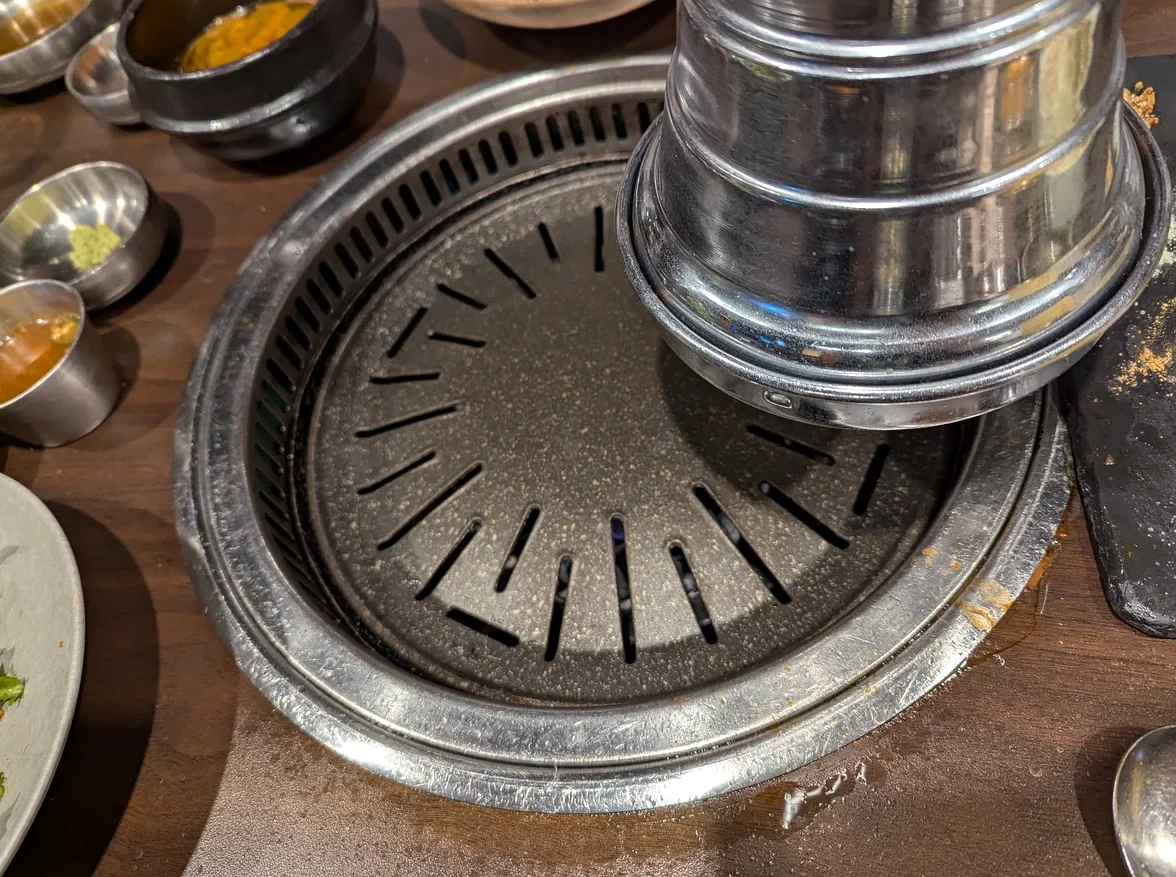
Alongside cherished traditions, Korea’s modern grilling landscape is evolving rapidly through Smart Grill technology and Eco-friendly Dining philosophies. Downdraft smoke extraction paired with automated temperature control keeps dining rooms crisp and fresh—eliminating any worry of smoky odors clinging to your clothes—while organic seasonal produce supports environmental sustainability. Today, international travelers can also take advantage of flexible group visa policies or visa-free transit programs via key gateways such as Jeju Island and Yangyang International Airport. Choosing a thoughtfully curated itinerary that eliminates forced shopping stops so you can devote every moment to authentic culinary immersion is always the smartest move; explore further inspiration through an all-inclusive tour package to embark on a true gastronomic journey across the Land of Morning Calm.