In the heart of glamorous Paris, where the poetic Seine River meanders around historical witnesses, stands a grand symbol of human civilization: the Louvre Museum. But before becoming the magnificent temple of art we admire today, the Louvre underwent a wondrous journey of transformation, from a fortified stronghold to a lavish royal palace, and finally to a public museum, opening its arms to all souls who love beauty. The story of the Louvre's origins and historical context is not merely a sequence of dry dates, but an epic about power, art, and the evolution of a nation.
The Louvre's journey began in ancient times when Paris was still a young city in need of protection. In 1190, during the reign of King Philip II (Philippe Auguste), a fortified stronghold was initiated on the Right Bank of the Seine. The initial purpose of this work was entirely military: a sturdy defensive wall with watchtowers and deep moats, intended to protect the capital of Paris from the relentless attacks of fierce Vikings and threats from the Count of Flanders. Imagining a medieval Louvre would surely surprise many—it was a crude, robust structure, completely different from the refined, splendid beauty we know today. The ruins of this ancient fortress still hide underground, serving as a living testimony to the thorny beginnings of a legend.
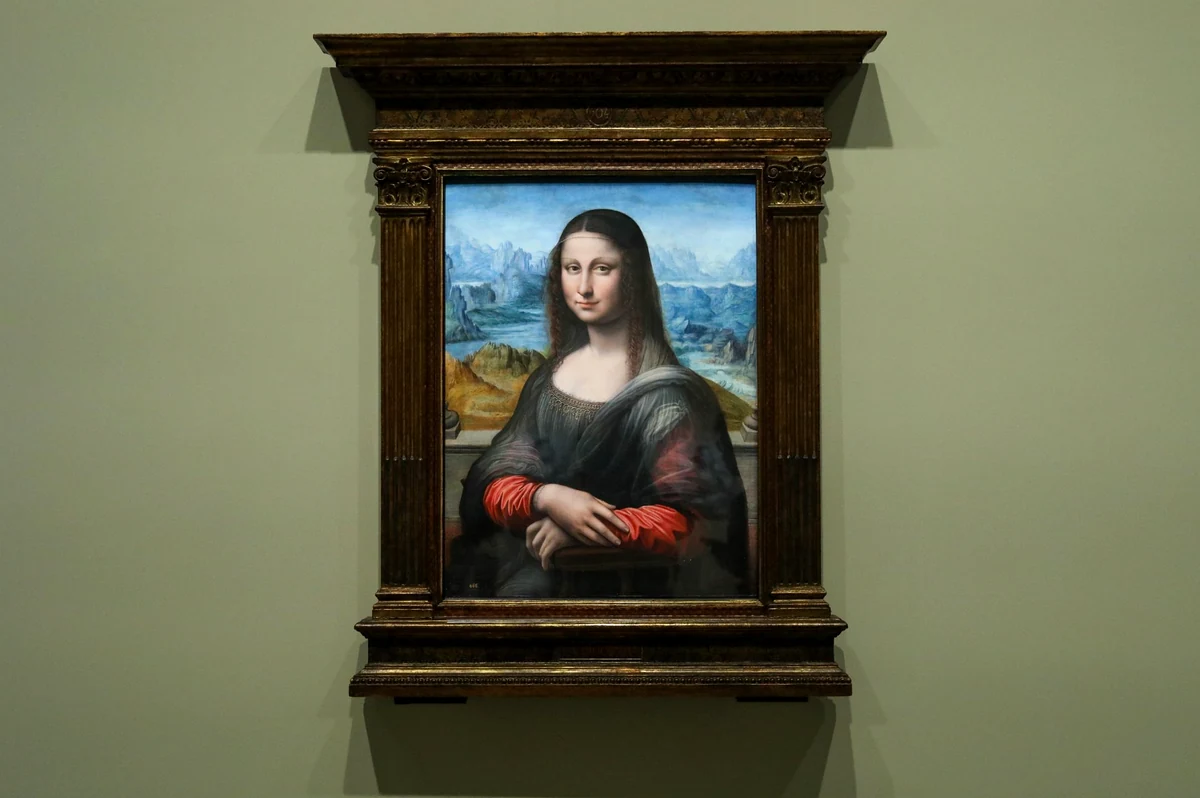
The 16th century marked a major turning point when the military fortress began to don the cloak of art and royal authority. King Francis I (François I), a visionary monarch and great patron of the arts of the French Renaissance, decided to turn the medieval fortress into a magnificent royal residence. He ordered the demolition of the old walls, replacing them with architecture deeply imbued with exquisite Renaissance style, opening a new era for the Louvre. Francis I was the one who purchased the priceless *Mona Lisa* painting from master Leonardo da Vinci, laying the foundation for the massive art collection that the Louvre proudly holds today. From then on, the Louvre was not only the home of kings but also the center of creativity, where talented artists were welcomed and masterpieces were nurtured.
However, the fate of the Louvre changed once again during the reign of King Louis XIV (the Sun King). In 1682, this powerful monarch made a historic decision: to move the entire court from the Louvre to the more splendid and lavish Palace of Versailles. This event left the Louvre neglected for a long time, but this very "abandonment" unintentionally paved the way for a new future. No longer a royal residence, the Louvre gradually became home to artists, art academies, and a repository for royal collections. This was the incubator stage for the idea of turning the Louvre into a public museum, a place where art belonged not only to the aristocracy but to all people.
The most momentous historical event shaping the Louvre's identity as a museum was the French Revolution. On August 10, 1793, amidst the simmering atmosphere of revolution, the revolutionary government officially opened the Louvre as a public museum. This was an act of profound symbolic significance, turning royal property into the heritage of humanity, affirming the right of every citizen to access art and knowledge. Since then, the Louvre has no longer been a symbol of feudal power but has become a testament to the spirit of enlightenment and democracy.
After the Revolution, the Louvre continued to witness ups and downs under Emperor Napoleon Bonaparte. He renamed the museum *Musée Napoléon* and added a series of spoils of war from military campaigns across Europe, turning it into an unprecedentedly huge art treasury. Although many works had to be returned to their rightful countries later, this period solidified the Louvre's position as one of the most important museums in the world.
Even in the darkest moments of modern history, the value of the Louvre was affirmed. During World War II, thousands of priceless artworks, including the legendary *Mona Lisa* and the *Venus de Milo*, were secretly evacuated to castles in the French countryside to escape Nazi looting. This action not only demonstrated absolute respect for cultural heritage but also served as a testament to the resilient spirit of the French nation in protecting beauty.
And then, in the 1980s, under the presidency of François Mitterrand, the Louvre was reborn once again with a modern vision, through the talented hands of architect I.M. Pei and the iconic Glass Pyramid. Although a relatively recent addition, the pyramid has become an inseparable part of the Louvre, serving as a point of intersection between the past and present, between ancient architecture and an innovative spirit. From a defensive fortress, through a royal palace, to a grand public museum, the Louvre has continuously transformed, absorbing and reflecting the historical and cultural currents of France and the entire world. Every brick and every wall at the Louvre tells a story, inviting visitors to explore layers of time, understanding that this is not merely a museum, but a living chronicle of humanity.
Having traveled back in time together to explore the historical strata that shaped the Louvre Museum from a fortified stronghold into a royal residence, we will now admire the splendid beauty and unparalleled artistic value that have turned this place into an eternal symbol of humanity. The Louvre is not simply a museum; it is an architectural harmony where every brick and every line tells a story of continuous human creativity across the centuries.
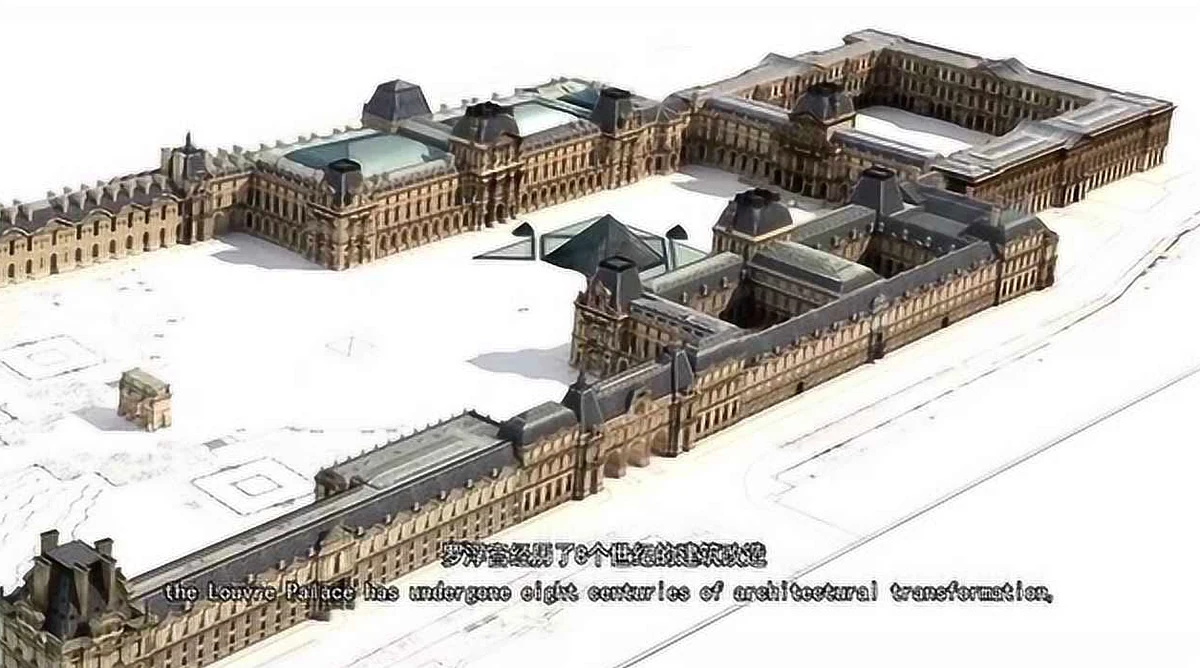
Stepping into the Louvre’s grounds, visitors are immediately overwhelmed by the exquisite intersection of architectural styles. From the ruins of medieval fortress foundations hidden underground—testifying to its inception in 1190 under King Philip II—to its spectacular metamorphosis into a French Renaissance royal residence by King Francis I in the 16th century. Each wing of the palace, from Richelieu and Denon to Sully, bears the mark of different eras, ranging from the majesty of Neoclassical architecture to the boldness of Modern architecture. This massive overall architectural ensemble, spread across a total complex area of over 210,000 m², with approximately 72,735 m² of exhibition space, is truly a wonder that commands awe from everyone.
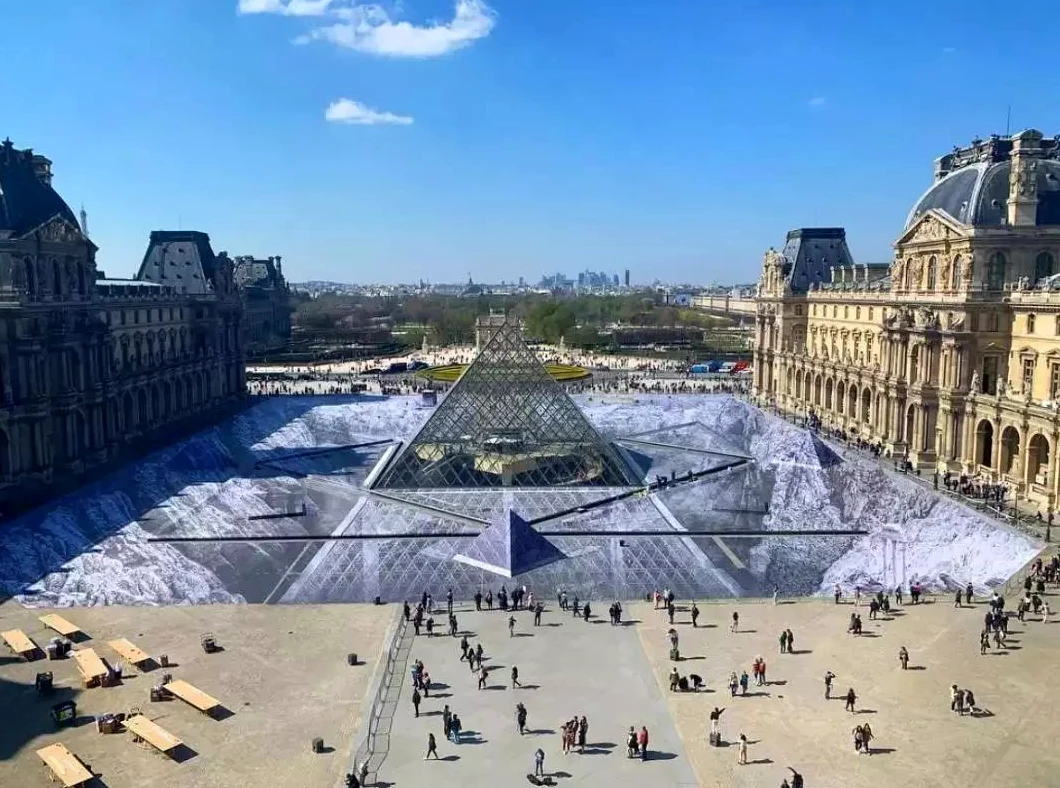
An architectural highlight that cannot be omitted, and perhaps the most modern symbol of the Louvre, is the Glass Pyramid (Pyramide du Louvre). Completed in 1989 under the direction of the renowned architect I.M. Pei, this structure once sparked much controversy but has now become an inseparable part—even the soul—of the museum. Standing 21.6 meters tall, this exquisite metal-framed structure is assembled from 603 rhombus-shaped glass panes and 70 triangular glass panes. Far from being merely a giant sculpture of light, the pyramid also serves as the main entrance, guiding absolute natural light down into the expansive underground Hall Napoléon, where millions of visitors begin their exploration journey each year. The combination of the palace’s ancient beauty and the modern, minimalist aesthetic of the pyramid creates an enchanting visual dialogue, a testament to the ability to harmonize the past and the future.
However, the value of the Louvre lies not only in its architecture. It is a priceless treasury of humanity, housing over 380,000 artifacts and regularly displaying around 35,000 works of art, divided into 9 specialized Departments (Curatorial Departments). Each department is a world of its own, ranging from the ancient civilizations of Egypt, Greece, and Rome to masterpieces of painting, sculpture, Islamic art, and European decorative arts. Among them, three masterpieces are known as the “Big Three” of the Louvre, capturing the attention of every visitor and becoming unmissable destinations.
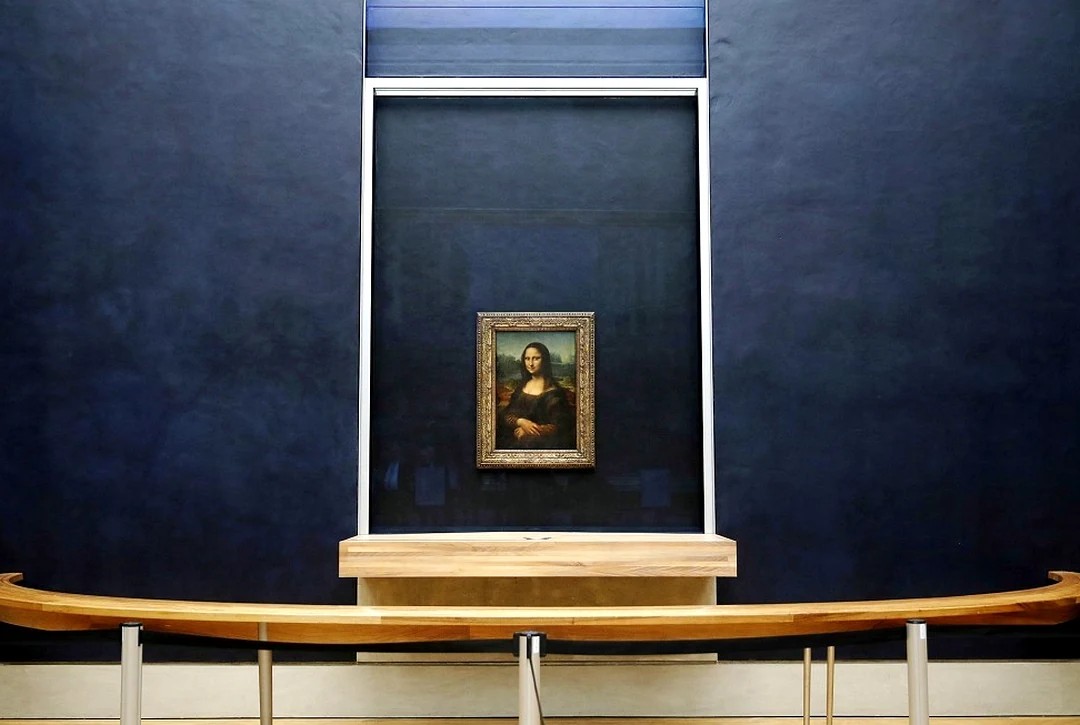
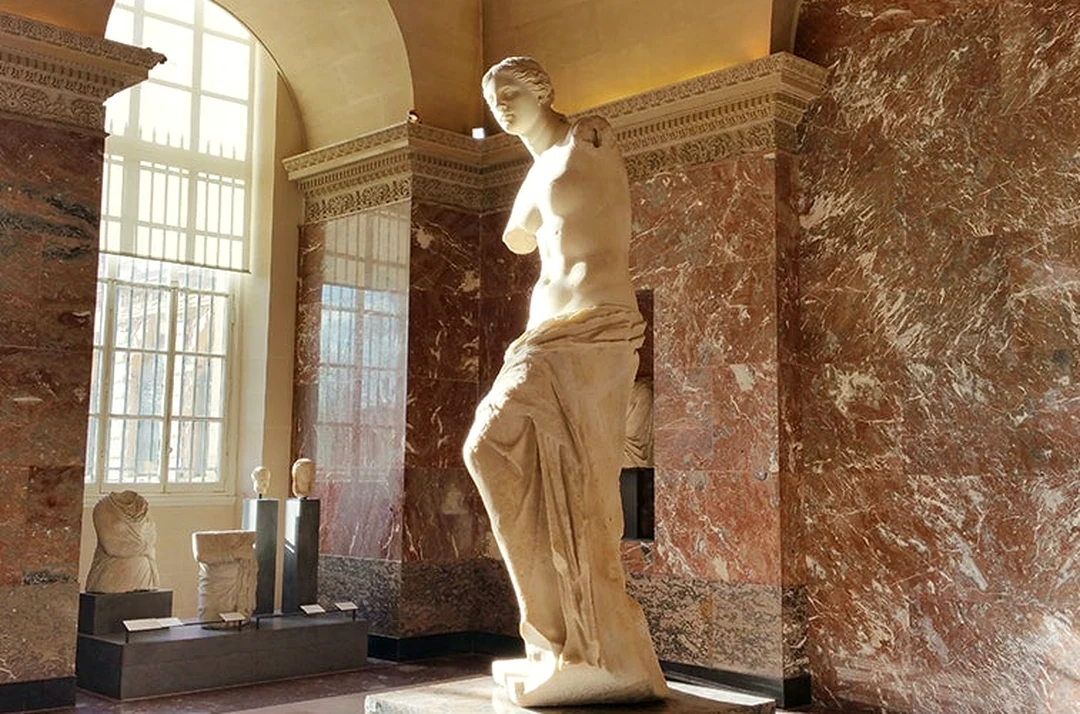
First and foremost is Leonardo da Vinci’s Mona Lisa. Elegantly situated in the Denon Room on the 1st Floor, the enigmatic smile of La Gioconda has mesmerized millions for centuries. This portrait is not merely a masterpiece of painting utilizing sfumato technique but also a global cultural symbol, intertwined with the history of the Louvre itself since King Francis I acquired it. Next, upon the grand Daru staircase, visitors can admire the Winged Victory of Samothrace. This headless marble statue, with its outstretched wings and garments fluttering in the wind, exudes an indescribable dynamic and majestic beauty, as if the goddess has just landed upon the prow of a warship. Finally, in the ancient Greek sculpture section, the Venus de Milo stands as a symbol of ideal beauty and perfection in ancient Greek sculpture. Despite lacking her arms, the statue still radiates an intense allure, a timeless balance and grace that leaves viewers in awe of the talent of ancient artisans.
Beyond the classic masterpieces, the Louvre also harbors countless wildly popular artistic check-in spots. From photographing the underground Inverted Pyramid (Pyramide Inversée) at the Carrousel du Louvre shopping mall, which creates a magical visual effect, to the Richelieu balcony corner overlooking the panoramic Cour Napoléon main courtyard and the main pyramid reflecting the sunset, every moment at the Louvre can become a work of art. We always encourage our travelers to take the time not only to look but also to feel, ensuring that every photo is not just a memory but a story about the intersection of grand architecture and supreme artistry, where past and present blend into an unforgettable travel experience.
In the journey of exploring the great Louvre Museum, where time and space seem to merge into an endless stream of art, selecting truly “priceless” experiences is not merely an art but a strategy. As a Leading International Travel Chronicler and Cultural History Expert, I would like to guide you through unmissable moments and elite touchpoints whose value far transcends any numbers, ensuring every step you take here leaves an indelible mark on your soul.
First and foremost, one cannot fail to mention the “Louvre’s Three Treasures” – three legendary masterpieces that have placed this museum on the global cultural map. The journey to find Leonardo da Vinci’s Mona Lisa in the Denon Wing, Level 1, is always an emotional pilgrimage. Despite having to navigate through a sea of people and stand before the bulletproof glass, her enigmatic smile and captivating, following gaze possess an irresistible allure that makes all distance melt away. It is not merely a portrait, but a symbol of perfection, an eternal challenge to all senses and intellect, acquired by King Francis I directly from the master painter himself, marking the beginning of an priceless heritage.
Leaving behind the contemplative stillness of the Mona Lisa, you will be guided to another moment of exaltation at the Daru Staircase, where the Winged Victory of Samothrace stands majestic and imposing. This headless, armless marble statue exudes a strangely fierce vitality. Her outstretched wings seem to glide through the air, and her drapery billows in the sea wind, creating a dramatic sense of movement and triumph. Standing at her feet and looking up, one sees not just a sculpture, but feels the indomitable spirit and the glory of an ancient civilization coming back to life.
And then, in the ancient Greek sculpture section, you will come face to face with the flawless beauty of the Venus de Milo. She stands there, armless, yet radiating a grace, balance, and mesmerizing sensuality. Every curve and every fold of her drapery is exquisitely carved, reflecting the supreme refinement of ancient Greek art. The Venus is not only a symbol of love and beauty, but also a testament to the power of simplicity and eternity in art, leaving viewers to wonder about the story behind her missing arms.
Alongside priceless art masterpieces, the Louvre also treats visitors to unique architectural perspectives, serving as a “crowd-favorite” backdrop for unforgettable photos. Do not miss the opportunity to explore the Inverted Pyramid (Pyramide Inversée) located underground in the Carrousel du Louvre lobby. With its striking upside-down glass structure, it creates a magical visual effect where natural light filters down into the subterranean space, reflecting and intersecting with modern architecture, symbolizing the connection between the Louvre’s past and present.
Another “priceless” experience is standing at the Richelieu Balcony Corner. From here, the panoramic view of the Cour Napoléon main courtyard and I.M. Pei’s iconic glass pyramid unfolds majestically. Especially at sunset, when the last rays of daylight gild the glass panes, creating a magical painting of light, that is when you can fully experience the exquisite fusion of Medieval, Renaissance, and Modern architecture—a poetic and contemplative moment.
To turn these experiences into a truly “priceless” journey where not a single moment is wasted, has designed exclusive privileges. With the VIP Experience, you will enjoy priority access via the Richelieu entrance or the Passage sous la Pyramide, bypassing the long queues. Furthermore, an expert Art Historian Guide will accompany you throughout the 3-hour tour, not only leading you to the masterpieces but also sharing historical stories and hidden artistic secrets, helping you gain a deeper understanding of each work. This optimized itinerary ensures you fully appreciate the most important highlights while avoiding “Museum Fatigue,” transforming every moment at the Louvre into a top-tier, personalized, and inspiring cultural experience.
After hours of immersing yourself in the flow of history and the endless beauty of art at the Louvre Museum, your soul feels cleansed, but your palate begins to call out. With, the journey of exploration does not stop at paintings or sculptures, but extends to the local culinary map, where each dish tells a story, and each flavor reflects the distinct culture of glamorous Paris. The 1st Arrondissement around the Louvre is not only the heart of art but also a paradise for gourmet dining experiences, from an elegant breakfast to a luxurious dinner, all carefully curated to complete your experiential canvas.
Imagine a gentle Parisian morning as you sit at Café Marly, a hidden gem nestled right beneath the magnificent arches of the Richelieu wing, overlooking the sparkling glass Louvre Pyramid. This is not merely a café, but a stage where history and modernity intersect, where you can sip a warm Café au lait, and enjoy a golden, flaky Croissant scented with French butter. Each bite melts in your mouth, blending with the mild bitterness of coffee, while your gaze takes in the lively Cour Napoléon square. It is a moment of peace and luxury, an upscale culinary experience that believes will be etched into every traveler’s memory, kicking off a day full of artistic inspiration.
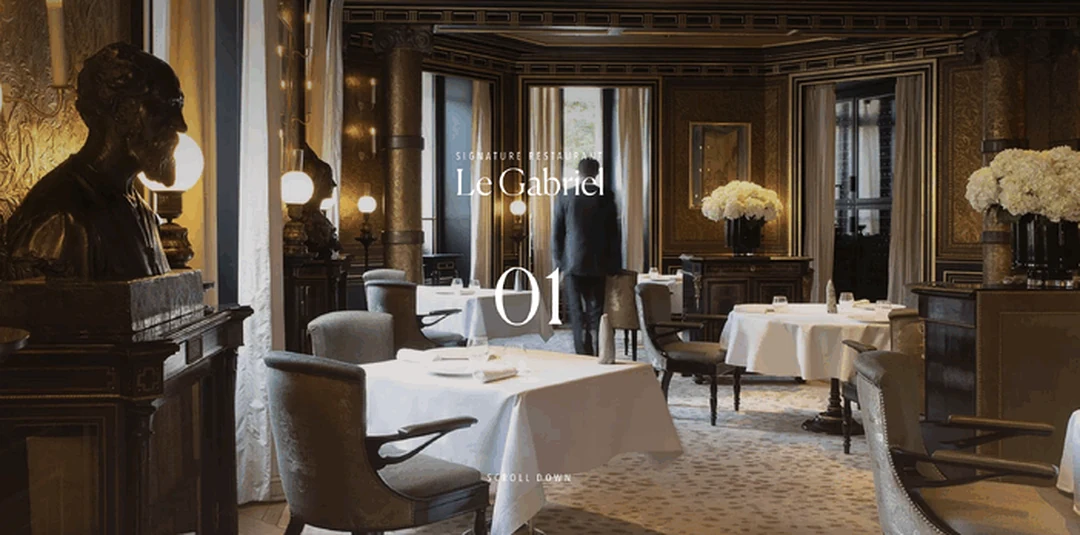
To elevate the culinary experience to another level, proudly presents Le Gabriel, the prestigious Michelin-starred restaurant located within the magnificent La Réserve Paris hotel, just steps away from the Louvre. Here, gastronomy is not just food, but an exquisite work of art crafted by talented chefs. You will savor classic French dishes given creative twists, such as the rich, melt-in-your-mouth pan-seared Foie Gras, or dishes accented with aromatic, enticing truffle sauce. Each plate is a flawless combination of flavor, color, and texture, delivering an unforgettable sensory feast. Le Gabriel’s luxurious ambiance, impeccable service, and Michelin reputation guarantee a refined dining experience worthy of the most sophisticated guests of, elevating the culture of gastronomy into an art form.
It would be a major omission not to mention Angelina Paris, an icon of sweet indulgence in Paris, located at 226 Rue de Rivoli, just steps away from the Louvre. Since the early 20th century, Angelina has been a favorite gathering spot for nobility, artists, and lovers of beauty. It is renowned for its signature Hot Chocolate (Chocolat L’Africain) – a rich, velvety, and irresistibly sweet beverage crafted from three carefully selected cocoa varieties from Africa. The intense aroma of Angelina’s hot chocolate not only warms the heart but awakens all the senses, transporting you back to the timeless charm of classic Paris. Paired with the legendary Mont Blanc pastry featuring rich, fluffy chestnut cream and a crisp meringue, you will experience sophistication in every detail, from the flavors to the splendid Belle Époque interior. This is a must-visit stop where you can fully immerse yourself in the French “goûter” (afternoon snack) culture, a culinary tradition passed down through generations.
The dining spots around the Louvre are not merely places to satisfy your appetite; they are gateways into the culture and lifestyle of the Parisians. From an elegant breakfast at Café Marly, a Michelin-starred dinner at Le Gabriel, to a sweet afternoon tea at Angelina, every experience is curated so that you not only taste the flavors of Paris but also feel the heartbeat of the city. It is the perfect fusion of visual and culinary arts, creating a multi-dimensional, rich, and memorable travel journey where every moment brings a new discovery and a new joy.
After immersing ourselves in the historical currents, admiring the majestic architecture, and discovering priceless art masterpieces, now, as an expert at VDS Travel, I would like to share practical insights and invaluable pocket tips to ensure your Louvre exploration is complete and seamless. After all, a perfect trip goes beyond just sightseeing; it involves thoughtful preparation and carefree experiences.
First, let us discuss the best time to visit. The Louvre, with its global appeal, is always bustling with visitors. However, to fully appreciate the beauty and tranquility essential for art appreciation, I highly recommend choosing autumn (from September to November) or spring (from April to May). During these months, the weather in Paris is mild, neither as freezing as winter nor as sweltering as peak summer. Furthermore, international tourist crowds “cool down” significantly compared to the July-August peak, giving you more breathing room to admire the artworks without excessive crowding. The soft golden autumn light or the freshness of spring adds an extra layer of romantic beauty to the glass pyramid and the museum grounds, creating stunning keepsake photos.
Regarding tickets and the entry process, this is one of the most crucial elements that requires careful preparation. The standard adult ticket price in 2024 is approximately 22 EUR, and it is essential that you book your tickets online in advance via the museum’s official website. This not only saves you from standing in endless lines but also guarantees entry, especially on peak days. However, for VDS Travel clients, we offer an exceptional experience: you will enjoy Priority Access through dedicated entrances such as the Richelieu door or Passage sous la Pyramide, completely bypassing the wait times. This is accompanied by an expert Art Historian Guide from VDS Travel for 3 hours, ensuring you not only hear fascinating historical and cultural stories but also follow an optimized itinerary to experience the finest masterpieces without falling victim to “Museum Fatigue.”
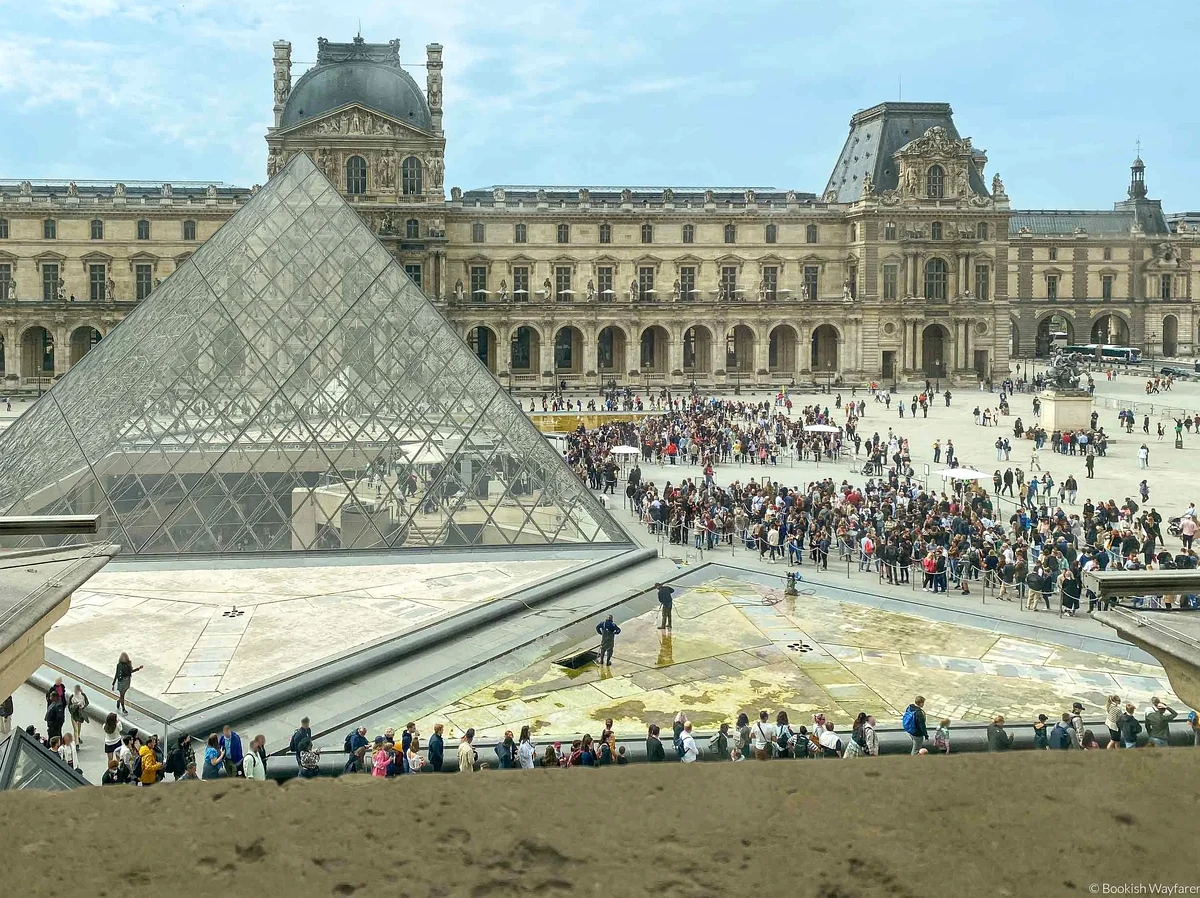
To ensure a smooth trip, being aware of opening hours and closure days is a must. The Louvre Museum is open from 09:00 to 18:00 on most days of the week. Notably, on Wednesdays and Fridays, the museum extends its opening hours until 21:45, making it ideal for those who want to experience the Louvre with fewer crowds or under magical night lights. However, please note that the Louvre is closed every Tuesday for maintenance and preparation, as well as on major holidays such as May 1st (Labor Day) and December 25th (Christmas Day). Planning ahead will help you avoid unnecessary inconveniences.
Regarding dress code, although the Louvre does not have strict clothing regulations like some religious sites, as a prestigious art museum, dressing politely and modestly is recommended to show respect. More importantly, prioritize comfortable clothing and especially comfortable footwear. With an exhibition space spanning up to 72,735 m² and hundreds of galleries, you can easily walk between 10 and 12 kilometers if you wish to explore thoroughly. A good pair of shoes will be your greatest companion, keeping your feet fatigue-free and your mind refreshed to fully embrace the beauty of art.
Finally, and perhaps the most crucial safety advice that VDS Travel always emphasizes: always remain vigilant against pickpocketing. The plaza area around the Louvre Pyramid, especially the underground subway entrances such as the *Palais Royal – Musée du Louvre* station, is a hotspot for professional pickpocket gangs. Thieves often pose as charity petitioners, drop gold rings, or use other distraction tricks to approach and steal visitors’ belongings. The golden rule of VDS Travel is: always wear your backpack or small handbag in front of your chest, and hold tightly to your phone and wallet. Absolutely do not stop to sign paperwork, accept items from strangers, or participate in any street games in the museum courtyard. High vigilance will protect your belongings and ensure peace of mind for your trip.
With these pocket guides, we believe you are ready for a journey to explore the Louvre Museum that is not only filled with knowledge and emotion, but also safe and convenient. Let the Louvre open up a magical world of art, where every step is a discovery, and every gaze is a profound contemplation of humanity’s great heritage.
After a meandering journey exploring layers of history, majestic architecture, and priceless art masterpieces at the Louvre Museum, we have immersed ourselves together in the flow of human culture. From the fortified medieval fortress under King Philip II in 1190, through the lavish royal residence of King Francis I, to the grand public museum after the French Revolution in 1793, and the modern glass Pyramid symbol by architect I.M. Pei, the Louvre is not merely a destination, but a miniature universe of knowledge and beauty. Now, to turn the dream of touching these timeless values into reality, VDS Travel cordially invites you to co-create a journey that is not just tourism, but a profound dialogue with history and art.
At VDS Travel, the Louvre Museum is positioned not merely as a standard sightseeing spot, but as an “Anchor Attraction” – a core highlight, a beating heart within our high-end Western Europe discovery itineraries. Whether you choose the romantic France – Switzerland – Italy route or immerse yourself in the unique beauty of Paris, the Louvre is always a signature heritage thoughtfully arranged to ensure every moment here becomes an unforgettable experience. VDS Travel understands that with a colossal exhibition area of up to 72,735 m² and over 35,000 permanently displayed works, exploring the Louvre can be a challenge. That is why VDS Travel has painstakingly designed exclusive value-adds, turning challenges into privileges.
To combat “Museum Fatigue” – the exhaustion of walking too much and taking in too much information, VDS Travel has optimized the visiting route to just 2.5 to 3 hours. This is not a rushed trip, but a “Short-cut Route” meticulously researched by VDS Travel’s art history experts, focusing on the absolute peak masterpieces. You will admire the Louvre’s Three Treasures: the mysterious smile of the Mona Lisa in the Denon Wing, the majestic beauty of the Winged Victory of Samothrace on the Daru staircase, and the perfection of the Venus de Milo in the ancient Greek sculpture section. Every step is purposefully guided, ensuring you fully appreciate the essence without feeling overwhelmed.
Moreover, the experience with VDS Travel is elevated with Priority Access via the Richelieu door or Passage sous la Pyramide, helping you bypass the long, tiring lines typically seen with standard ticket prices of around 22 EUR/adult. Alongside this, the high-tech specialized Whisper Audio Guides system will be your ideal companion. Even in the most crowded spaces, the inspiring voice of the Art Historian Guide will ring out clearly in your ear, opening up stories and profound analyses of each artwork and historical period without the need to jostle or strain to listen. This is the difference that VDS Travel delivers: a personalized, in-depth, and upscale experience.
The journey exploring the Louvre with VDS Travel does not stop at the museum walls. VDS Travel skillfully connects this experience with other precious moments in Paris. Imagine that after immersing yourself in the world of art, you can enjoy a cup of Café au lait and a croissant at Café Marly, right under the arches of the Richelieu wing, facing directly towards the Louvre Pyramid, or sip signature hot chocolate at Angelina Paris. And as dusk falls, a sunset cruise on the Seine River awaits right at the foot of the museum, offering a completely different perspective of glamorous Paris, where glittering lights reflect on the river’s surface, creating an unforgettable romantic picture. This is the perfect combination, transforming a day of sightseeing into a multi-sensory experience sequence, ranging from history and art to cuisine and picturesque scenery.
With VDS Travel, every trip is a story, and the story of the Louvre will be a glorious chapter in your book of memories. VDS Travel commits to absolute safety, especially regarding pickpocket warnings around the Pyramid plaza and the Palais Royal – Musée du Louvre subway station. The VDS Travel team always reminds guests to adhere to the “VDS Travel Rule”: always wear backpacks in front, and absolutely never stop to sign paperwork or accept items from strangers. Your peace of mind is VDS Travel’s top priority, allowing you to completely focus on enjoying the beauty and greatness of the Louvre.
Let VDS Travel be your trusted companion, leading you to the wonders of the world. Do not miss the opportunity to experience the Louvre Museum in the most complete and upscale way. Connect with VDS Travel today to book your spot and begin your enchanting European discovery journey. You can learn more about VDS Travel’s high-end tour itineraries, including the legendary Louvre destination, at VDS Travel All-Inclusive Tour Package. A cultural adventure awaits, where every moment is meticulously cared for, turning your exploration dreams into reality.