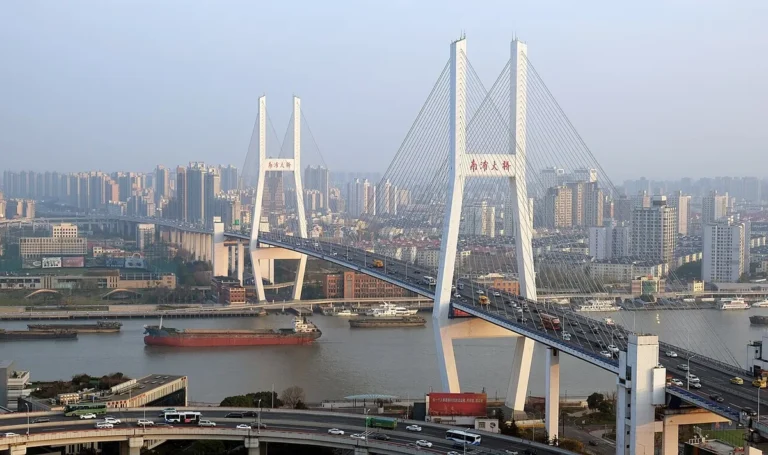
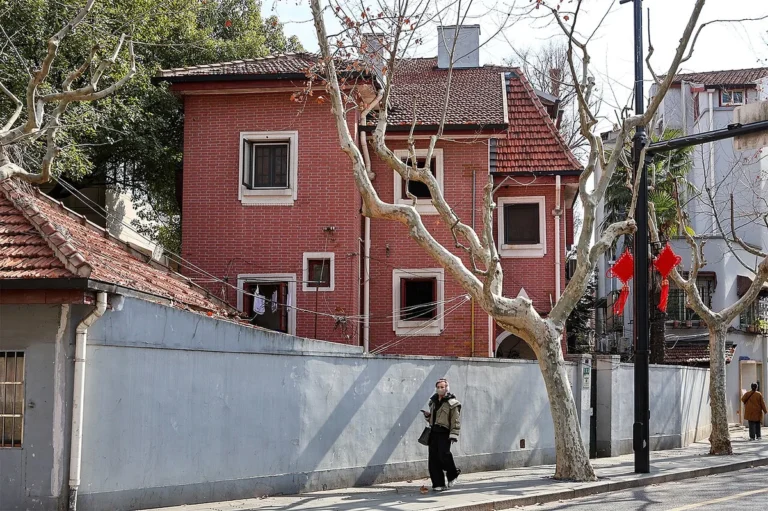
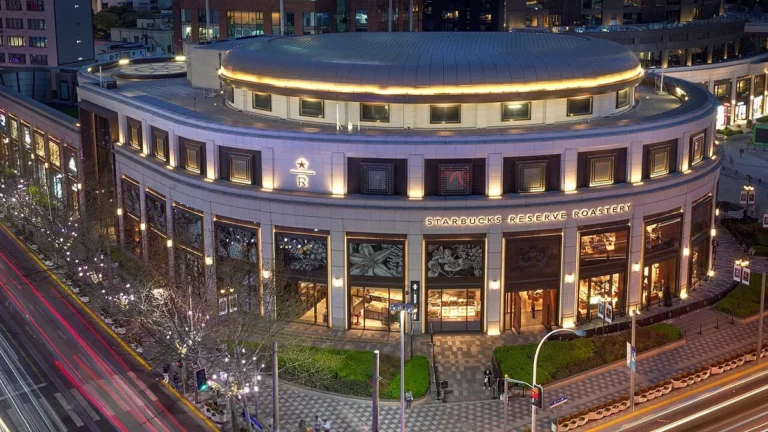
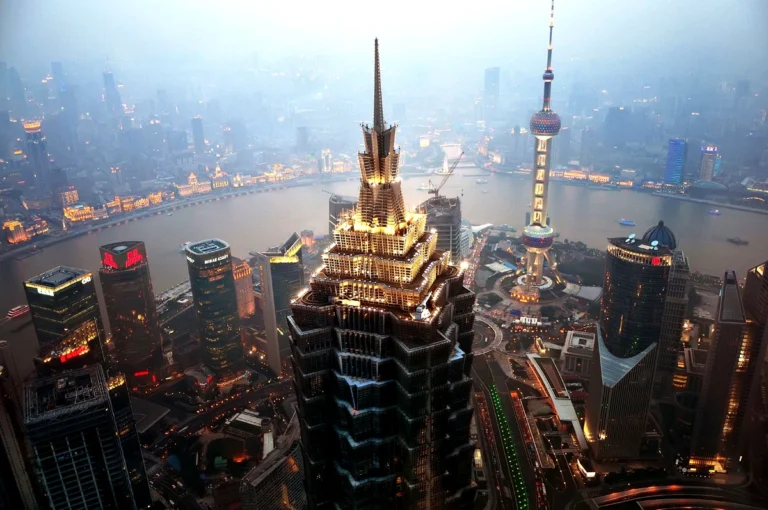
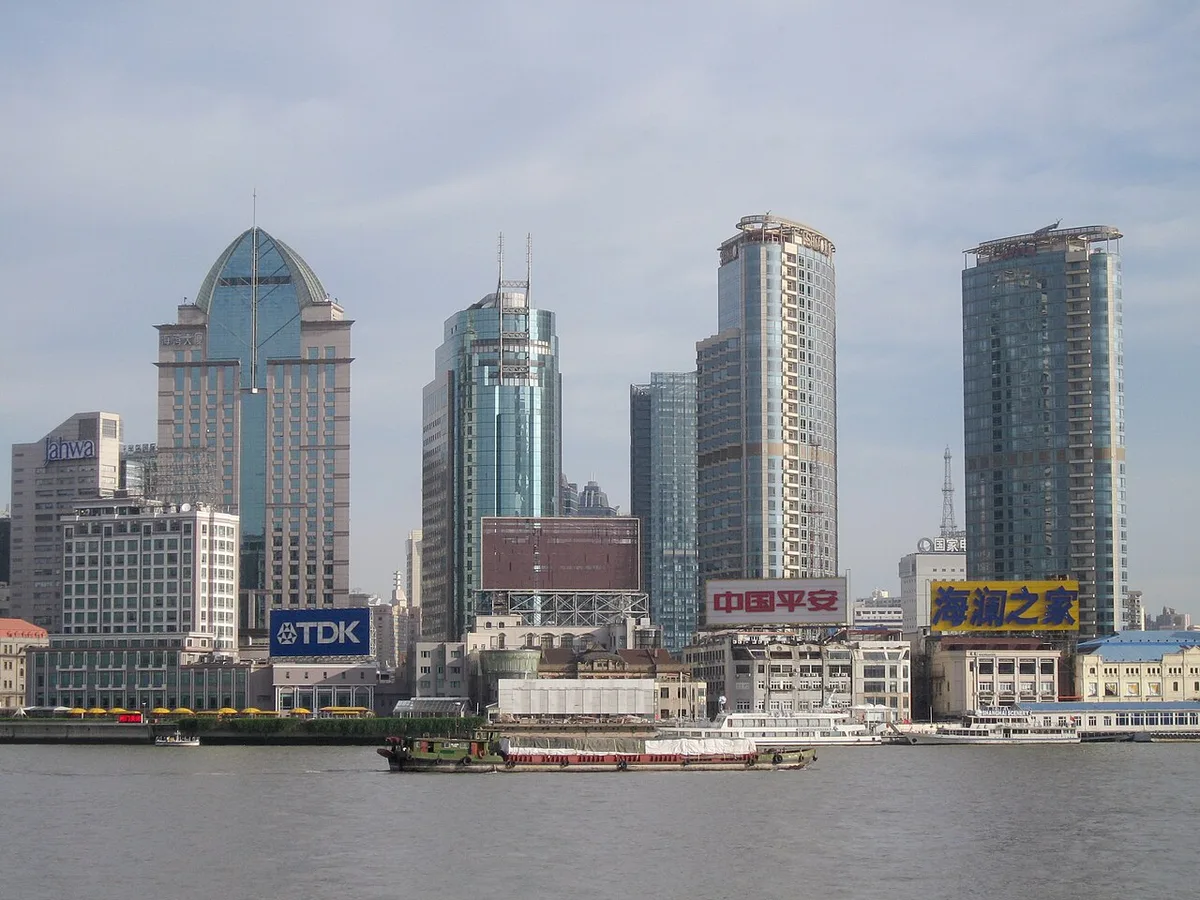
The land located on the northern bank of the winding Huangpu River, where China’s modern historical flow intersects with the pulse of global commerce, is the geographical space that shapes the North Bund Park. Stretching along the boundaries of Hongkou District, this area possesses a strategic coordinate looking directly across to the future space of the Lujiazui financial district on the opposite bank, while directly facing the eclectic classical architectural strip of the traditional Bund. In terms of morphological terrain, the landscape here is created on the thick alluvial sediment layer of the Yangtze River delta, forming a flat terrain with an average elevation of only a few meters above sea level, bounded by a solid granite seawall system built since the late nineteenth century to resist tides and seasonal rising water levels of the lower hydrological system. The geomorphic transformation from a pristine riverside alluvial plain into a modern waterfront park reflects the profound intervention of Western urban engineering into East Asian natural space, where every square meter of land bears the fierce shifts in the geopolitics of East Asia over the past two centuries.
The journey to study the historical chronology of this land begins with the Treaty of Nanking in 1842, an event that turned Shanghai into one of the first open port cities for Western world trade. When the southern area became the International Settlement controlled primarily by Britain and the United States, the North Bund territory in Hongkou District quickly fell into a special sphere of influence, largely under Japanese control on the eve of World War II. During this period, the northern bank of the Huangpu River did not develop into magnificent bank buildings or flashy consulates like the south; instead, it became an extremely bustling port complex with giant warehouses, a system of shipyards, and specialized piers serving international maritime routes connecting the mainland with Europe and Japan. Tens of thousands of coolies, crews from all over the world, and foreign merchants turned this place into a volatile cultural melting pot, where ideological and colonial interests intertwined to create a stifling atmosphere yet full of the primordial vitality of a port city rising to become the largest economic power in the Far East.
The ups and downs of modern history continued to carve deep scars and profound lessons into the North Bund space throughout the Sino-Japanese War and the civil war that ended in 1949. The ports here witnessed major evacuations of refugees, serving as the gateway where tens of thousands of Jews fleeing the Nazi genocide set foot to seek a rare haven in the middle of a stormy Asia. After the founding of the People’s Republic of China, this area was entirely replanned to serve a centrally planned economy, prioritizing state-owned trade activities, strategic maritime transport, and heavy riverside industry. The old colonial warehouses were gradually converted in function, and the specialized railway system serving the loading of goods from ships to the mainland was expanded along the riverbank, turning this place into a closed-door port industrial zone where local residents had little opportunity to access the water landscape directly due to strict security and transport requirements.
The turning point shaping the contemporary symbolic status of the North Bund Park took place in the final decades of the twentieth century and the early twenty-first century, when urban development strategies shifted focus from industrialization to high-end financial services and the improvement of urban ecological environmental quality. The government of Shanghai carried out an unprecedented spatial planning overhaul, deciding to relocate all obsolete warehouses and polluting industrial factories along the northern bank of the Huangpu River to make way for a lush green public space, opening up an open view toward the historic river. The planning and construction of this park was not merely planting trees or paving sidewalks, but a manifesto on the revival of maritime heritage, where surviving historic architectural works such as old red-brick warehouses are preserved intact and converted into art centers, maritime history museums, and international cultural exhibition spaces.
Standing from the perspective of national symbolic value, North Bund Park embodies China’s strong upward aspiration in the era of globalization, where a painful colonial past is transformed into a developmental driving force to create a world-class maritime and financial center. This park space acts as a visual and philosophical bridge between two completely different historical eras of the city, connecting on one side nostalgia for the period when Shanghai was an international settlement with on the other side the capability to build a modern megacity featuring futuristic skyscrapers on the eastern bank. Urban planning researchers often view this area as an outdoor living museum where visitors and scholars can directly observe the evolution of urban industrial architecture, from early-twentieth-century classic riveted steel structures to the twenty-first century’s most advanced glass curtain walls and digitally controlled artistic lighting systems.
The cultural influence of this park transcends the boundaries of ordinary entertainment to become a venue for monumental national events, hosting riverside cultural festivals, outdoor contemporary art exhibitions, and regionally influential economic summits. Life here reflects a human-centric urban development philosophy, as tens of thousands of urban residents and international tourists gather to stroll along the historic dike, watching huge cargo ships sailing up and down the Huangpu River and feeling the breath of a metropolis that never sleeps. The presence of public sculptures, memorials to great cultural figures who once lived in Hongkou such as Lu Xun, and an underground transport infrastructure system seamlessly connected to the urban subway network have made this place an irreplaceable destination in shaping Shanghai’s visual cultural identity before the international community.
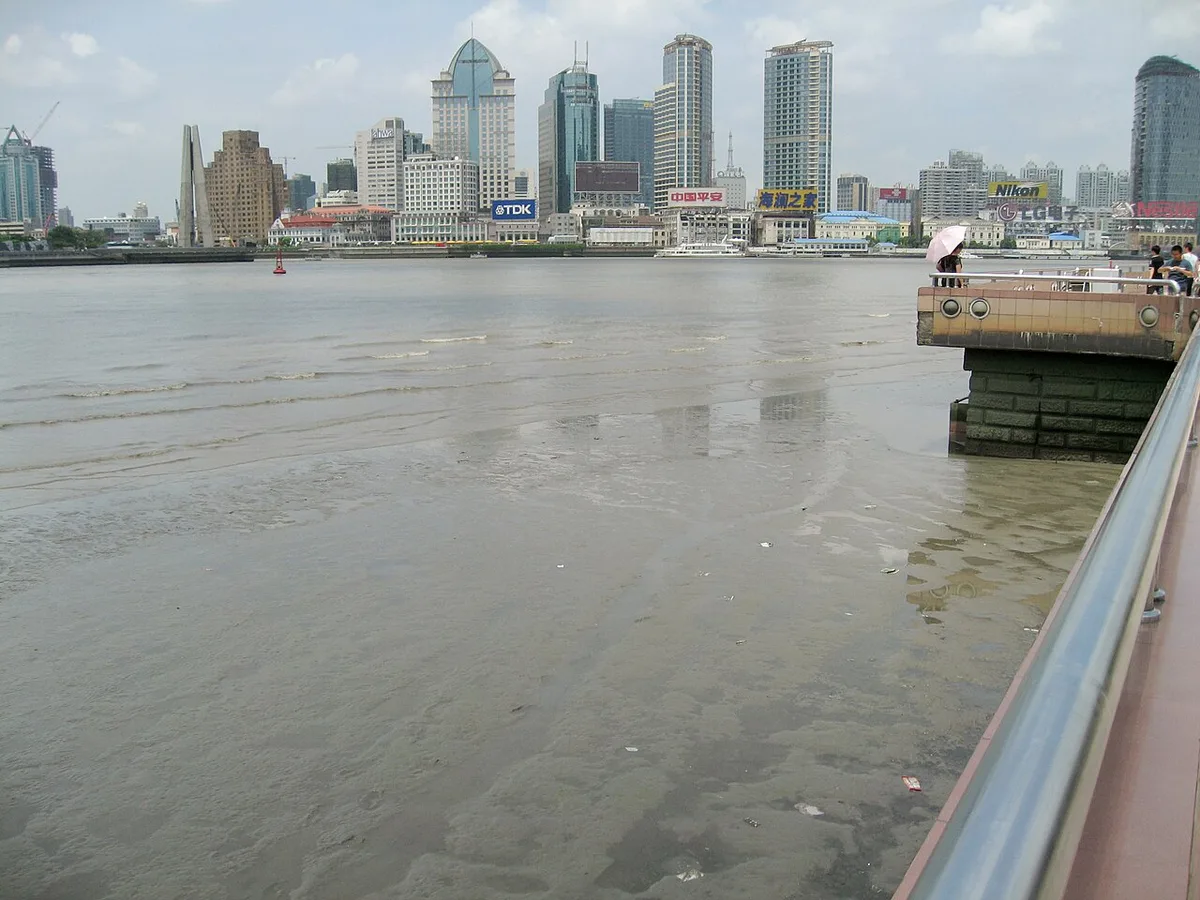
A deep study of the North Bund Park thus reveals a comprehensive picture of the interaction between humanity, nature, and architecture throughout the flow of time, where every inch of land carries stories of the decline and rebirth of a trading port empire. From quiet riverside alluvial plains under the feudal era to bustling foreign concessions in modern times, then transforming into an industrial fortress and now a public space symbolizing prosperity, this place has successfully fulfilled its historical mission in telling the story of a resilient, open, and future-oriented Shanghai. The historical, architectural, and cultural values preserved here continue to contribute precious materials for research works in urban studies, sociology, and modern Asian history, affirming the enduring stature of a global geographic coordinate along the mother Huangpu River.
The Yangtze River delta, with desert and alluvial sediments deposited over tens of thousands of years, has witnessed powerful geographical transformations forming Shanghai’s modern urban landscape. At the strategic bend where the Huangpu River meanders before blending into the East China Sea, the North Bund area has undergone a complex spatial creation process, transforming from a busy commercial port during the colonial era into an ecological waterfront park of supreme urban stature. This reflection not only shows the infrastructural planning ambitions of a global megacity but also stands as proof of the art of redefining public spaces, where boundaries between maritime history and contemporary life are harmonized through architectural language and advanced construction techniques.
The overall scale and area of North Bund Park are planned along a riverside strip extending from the old port area to the eastern boundary of Hongkou District, encompassing a vast area with an interconnected landscape system along the western bank of the Huangpu River. The length of the exploited riverbank corridor reaches several kilometers, creating an open visual corridor pointing straight toward the Lujiazui financial district on the opposite bank and the southern suburban heritage architectural cluster. Urban planners adopted a multi-layered design philosophy, where ground-level space is divided into different ecological layers, including low-level riverside walkways for pedestrians to approach the water directly, a central plaza for large-scale community events, and gently sloping artificial hill landscape structures that help optimize panoramic views for tens of thousands of visitors simultaneously.
The signature architectural style here is a direct dialogue between maritime industrial tradition and minimalist modernism. Instead of completely erasing traces of the past, architects retained and restructured historic port cranes and early-20th-century steel-structured warehouses, turning them into giant industrial sculpture highlights amidst the green space. Main building materials were strictly selected to endure harsh estuarine climate conditions, including high-performance fiber-reinforced concrete, natural anti-corrosion weathering steel, large-format grey granite quarried from regional natural stone deposits, and large reflective toughened glass systems. Unique construction techniques applied to the seawall system utilize steel sheet pile wall technology combined with load-bearing precast concrete, protecting the riverbank from rising tides while creating eco-friendly water-stepping steps.
The park’s zoning diagram is structured around three main spatial axes: the historical-cultural axis, the green ecological axis, and the interactive technology experience axis. The historical-cultural axis centers around old pier relics, where red-brick warehouses are repurposed into contemporary art centers and miniature maritime museums, using internal steel frame structural reinforcement techniques to preserve the original architectural shell. The green ecological axis occupies most of the area with native vegetation arranged in biological canopy models, from saltwater-tolerant riverside shrubs to shady tree rows, creating a mild microclimate minimizing the urban heat island effect. The interactive technology axis integrates embedded smart floor lighting, automated environmental monitoring stations, and solar-powered public utilities seamlessly into the landscape.
The height and elevation of architectural works within the campus are strictly controlled so as not to obstruct views from behind residential areas toward the Huangpu River, while creating a spatial rhythm harmonious with the city’s skyline. Landmark structures such as riverside observation decks or architectural cafes range from one to three stories in height, utilizing green vegetation-covered roofs for natural thermal insulation and blending entirely into the overall landscape. Deep bored pile foundation techniques were thoroughly applied due to the soft alluvial geological characteristics of the area, ensuring absolute solidity for heavy load-bearing structural works during high visitor concentrations.
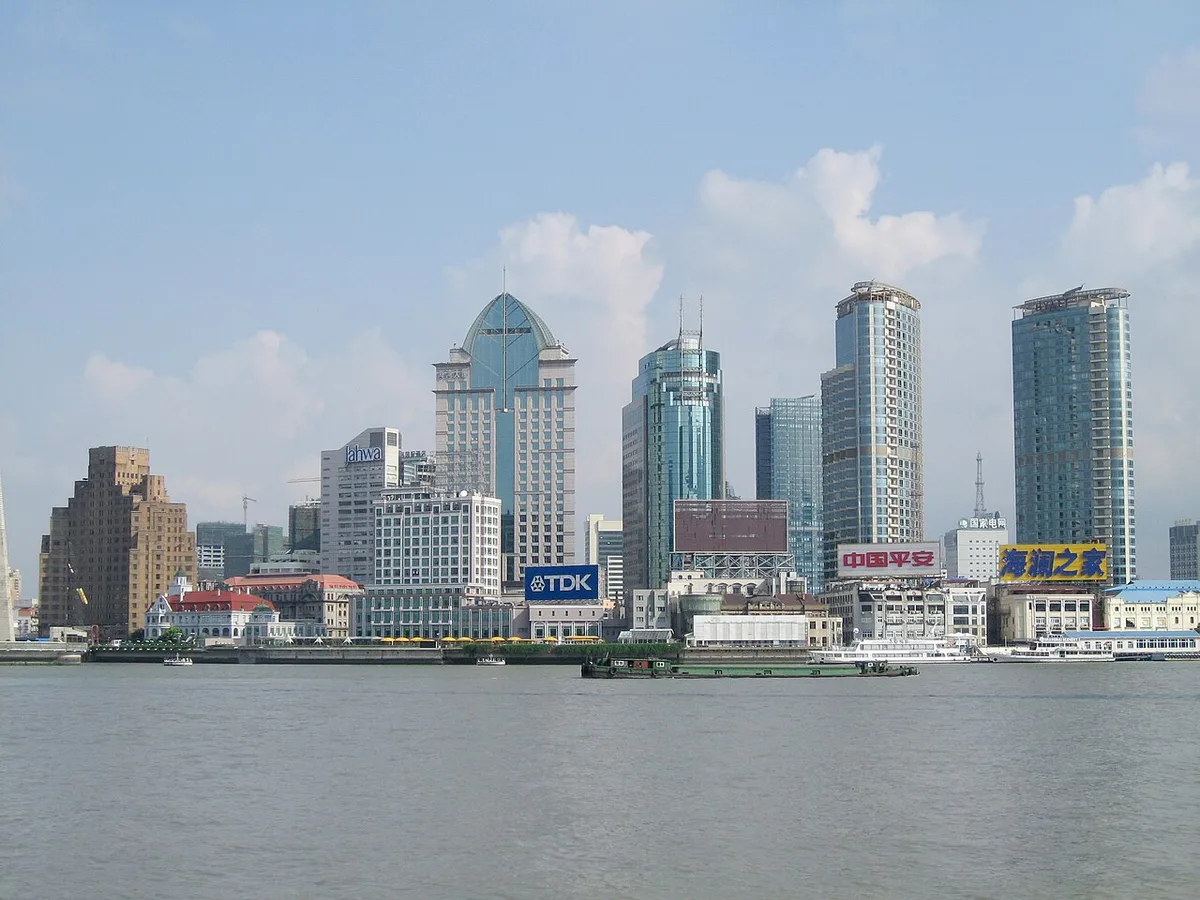
The visitor volume capacity and operational capacity of North Bund Park are designed to accommodate tens of thousands of visitors daily without spatial congestion. The underground transit system connects directly with urban subway lines, combined with elevated pedestrian walkways, and curved steel-and-glass pedestrian overpasses, completely resolving traffic approach flow challenges. Expanded plaza spaces allow for street art festivals, outdoor architectural exhibitions, and international cultural events, turning this place into one of East Asia’s most vibrant community activity hubs.
Thoroughly examining material engineering aspects, the surface drainage system here applies advanced pervious concrete technology, allowing rainwater to infiltrate automatically into underground aquifers below, completely preventing urban waterlogging during storm seasons. Walkways are paved with slip-resistant bush-hammered granite slabs, precisely cut using CNC technology to perfectly match hidden underground drainage channels beneath decorative grass strips. This meticulous planning detail affirms sustainable urban design thinking, placing people and nature at the center of 21st-century infrastructure development.
The combination of geology, architecture, spatial planning, and construction engineering turns North Bund Park into a living textbook on riverside urban landscape transformation. It represents not only the strong transformation of a leading economic center but also preserves collective memories of a golden age of international maritime trade, reborn through contemporary architecture and top-tier construction engineering.
Stretching along the western bank of the historic Huangpu River, the North Bund Park area emerges as a vivid architectural and archaeological document, recording ups and downs of an international port city across two centuries. Shaped from the late nineteenth century amidst intense intersections between Western planning schools and Eastern spatial philosophies, this space is not merely a public riverside strip but an open-air museum of unique architecture. The formation of the landscape here links with Shanghai’s modern geopolitical trade shifts, as Western powers established concessions and left deep marks on every brick, granite block, and load-bearing steel frame. Through multiple restorations and master planning to connect the past with the digital era, the North Bund has preserved an invaluable architectural heritage system reflecting aesthetic thinking blending European classicism, ornate Art Deco, and indigenous modern creation spirits.
Detailed surveys of the park’s spatial structure and adjacent structures reveal meticulous arrangement based on Renaissance symmetry and golden ratio principles, harmoniously combined with traditional Chinese feng shui art in handling water views. Functional zones are clearly demarcated via bluestone-paved pathways, rigorously maintained ancient camphor trees, and contemporary sculptural structures carrying deep philosophical symbolism. The park’s central zone is designed as an open plaza, where visual axes point straight toward Lujiazui on the opposite bank, creating a direct dialogue between colonial historical heritage and 21st-century skyscraper heights. Green zones are tiered from low lawns to shrubs and tall shade trees, offering ecological value while serving as spatial buffers, softening rigid reinforced concrete and elevating the solemn beauty of surrounding heritage buildings.
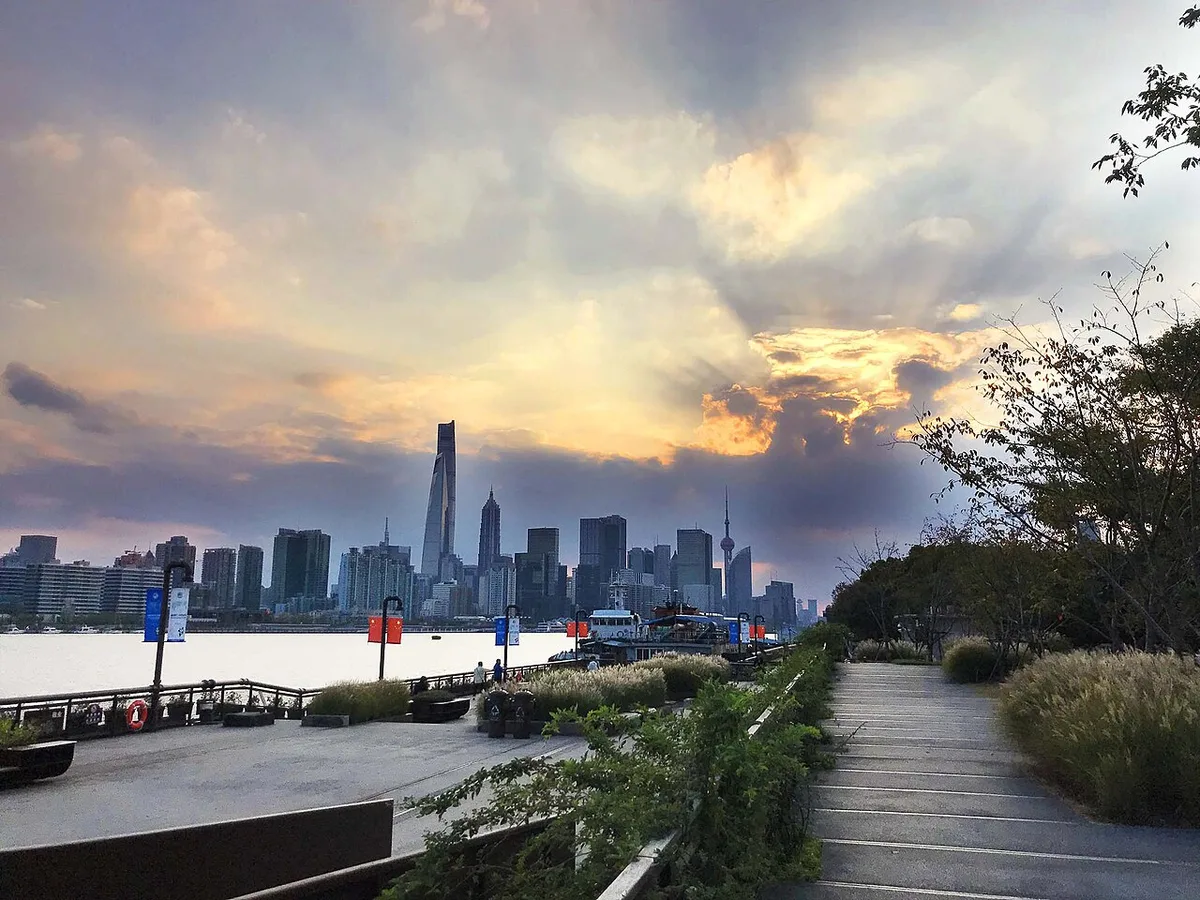
The core highlight in the cultural depth of the North Bund lies in its modern historic architecture near the park boundary, prominently featuring Art Deco buildings that once served as headquarters for shipping lines, banks, and international consulates. These works testify to the talent of international and native architects who skillfully fused Western geometric decorative patterns with traditional auspicious symbols of Jiangnan culture. On plywood stone and granite facades, one easily recognizes intricately carved moldings reproducing ocean waves, stylized lotus bunches, or meander patterns signifying eternity. Large arched entrance systems, Corinthian and Doric columns meticulously carved down to pattern details, demonstrate the financial power and prosperity of a premier pre-war Asian trade center.
Beyond exterior architectural values, the interior spaces of monuments within the North Bund complex preserve precious artifacts reflecting cultural, diplomatic, and maritime trade life from earlier periods. Urban archaeological excavations and conservation efforts brought to light original structural components like high-strength steel beams imported from Britain, Gothic-style handmade stained glass panels featuring religious motifs and decorative arts, and brass door locks carved with exquisite reliefs by last century’s Shanghai goldsmiths. These artifacts hold technical crafting value while carrying historical stories of East-West cultural exchange, where European engineers had to compromise and learn load-bearing construction techniques suitable for the water-logged riverside geology of the Yangtze delta.
Decorative arts here represent an independent study chapter on aesthetic ideological shifts from traditional to modern. Motifs appearing on riverbank cast-iron railings, memorial bases, and lighting poles strictly follow classical form principles while breathing the industrial age. Wave clouds, dragon-carp, and Eastern lucky symbols are stylized into minimalist, sharp geometric lines in the spirit of 1930s Western modern art. This combination creates a unique visual language found in no pure Western city or inland Chinese city, shaping the distinct aesthetic identity of the Huangpu riverside urban space.
From philosophical and spatial spiritual perspectives, North Bund’s planning deeply reflects the “unity of heaven and man” philosophy applied to modern urban planning. The surging Huangpu River is viewed as a life-force channel bringing wealth and prosperity, while sturdy riverside structures act as anchoring milestones stabilizing energy. The stillness of ancient heritage stone blocks and the dynamism of trading vessels on water create a balanced yin-yang equilibrium per traditional Eastern views. Meanwhile, the park’s open space provides necessary breathing room, allowing contemporary humans to contemplate historical time flows, where past, present, and future intertwine harmoniously.
Conservation and restoration of heritage values at North Bund Park recently adhered strictly to international scientific principles for historical monument restoration, ensuring maximum preservation of original material and structural integrity. Architectural history researchers analyzed wall mortar chemical compositions, identified natural stone origins from past centuries to find compatible replacements, and applied 3D laser scanning technology to digitize the heritage system. Thanks to this rigorous scientific approach, core artistic, technical, and cultural values of the architectural ensemble resist rapid urbanization pressures, instead elevating their unique status within human cultural heritage maps.
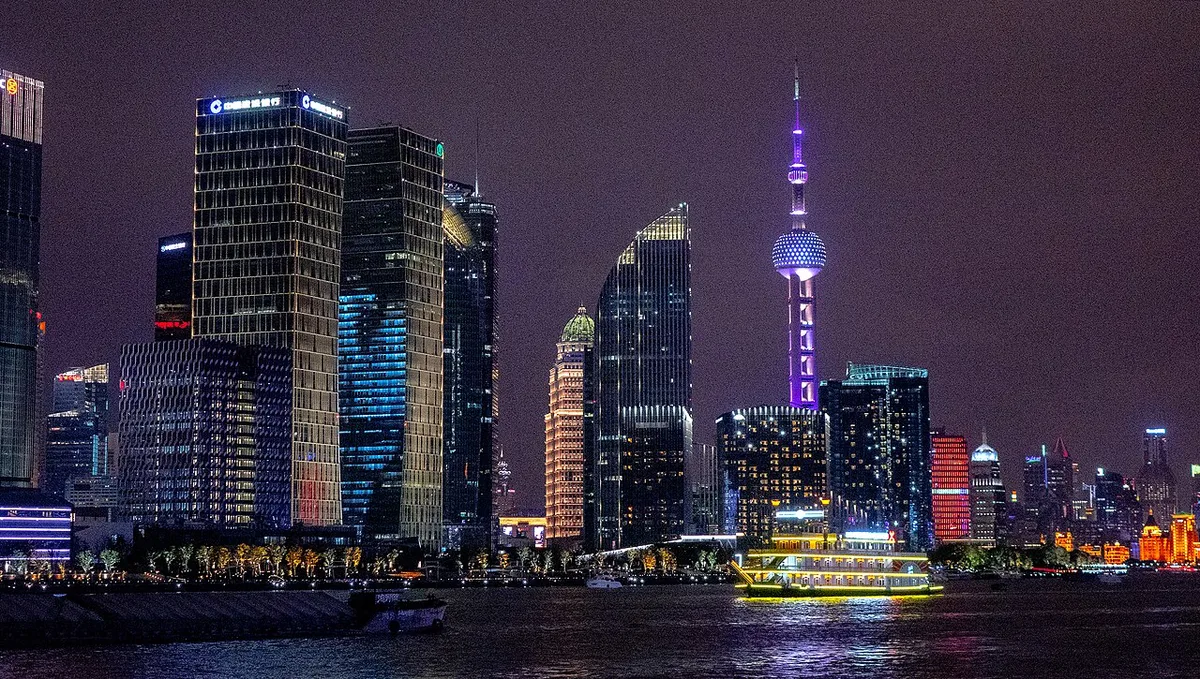
In summary, examining unique architectural arts and cultural heritage depths at North Bund Park opens a comprehensive view of modern East Asian urban development history. It preserves priceless material and spiritual values, from wall carvings to strategic spatial planning philosophies. Every corner tells a story of collision, synthesis, and elevation among civilizations, turning this site into a crucial academic research hub for historians, architects, and heritage admirers.
Stretching along the western bank of the historic Huangpu River bend, North Bund Park constitutes a special public space where the classical pulse of a century-old port city merges with the surreal rhythm of the twenty-first century. This space evolved from a riverside floodplain serving colonial maritime trade into a green ecological belt and a giant outdoor mirror reflecting Shanghai’s urban culture. Understanding indigenous daily life here requires approaching it chronologically through daily cycles, where natural light dictates human interaction with architecture. When dawn’s first rays pierce thin river mists, North Bund Park awakens with a solemn, meditative atmosphere reflecting traditional physical exercises of elderly Shanghainese. Across granite plazas and lawns facing the water, groups practice Tai Chi smoothly in absolute silence, contrasting with cargo ships sounding horns on shipping lanes. Paper fan snapping rhythms, broom swishing on stone paths, and early magnolia scents create an authentic sensory impression of everyday Shanghai, escaping financial center glamour. Seniors attached to this metropolis for decades treat this as an enduring fitness habit, turning the waterfront into an open gym where individual and community boundaries blur.
Toward midday, the park shifts into a modern, dynamic rhythm with white-collar workers and international travelers. Wooden riverside walkways become arterial tracks for office workers during lunch breaks seeking green quietude away from financial screens across the river. Water-facing benches fill with whispered conversations and quick industrial lunches, alongside freelance photographers capturing contrasts between colonial Art Deco and ultra-modern towers. By late afternoon, when warm amber sunlight illuminates the Huangpu River into thousands of golden shards, the park dons a romantic coat attracting peak crowds. Local families fly kites, couples capture pre-wedding moments, and street artists set up acoustic instruments or easels. Violin melodies blend with children’s laughter and wind rustling plane trees, forming a vibrant soundscape proving urban riverside vitality.
Sunset at North Bund Park marks a visual and emotional climax. As the western sky shifts from bright orange to deep dusk purple, artistic lighting systems along seawalls and historic facades ignite, marking a dramatic transition to night scenes. From optimal viewpoints, across the river lies Pudong with the Oriental Pearl TV Tower, Shanghai Tower, and World Financial Center piercing clouds. Neon reflections on churning water juxtaposed against dignified 19th-century heritage buildings create an enchanting bipolar urban painting. Crowds line guardrails, while community art performances unfold in small plazas. Contemporary outdoor music shows, light installation exhibitions, or limited-craft markets on weekends turn the park into a bustling international cultural hub.
During major festivals like Chinese National Day, Lunar New Year, or International Light Festivals, activities escalate via large-scale performances. High-altitude firework displays combined with laser light shows on the Huangpu River turn the park into the city’s grandest stand. Despite historical ups and downs, North Bund Park remains a living witness to civic cultural identity. Harmonizing traditional slow-paced lifestyles in early mornings with vibrant contemporary night cultures yields a unique anthropological value. Every step along the waterfront yields multi-dimensional perspectives on a moving Shanghai, where past, present, and future converse vividly.
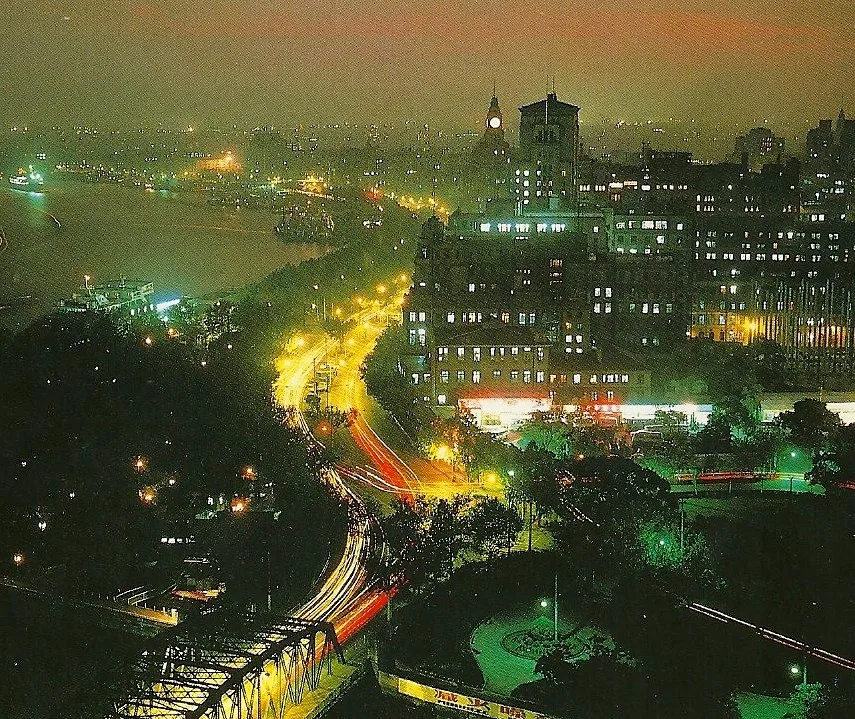
The alluvial land on the left bank of the Huangpu River, housing North Bund Park, has long witnessed strong intersections between indigenous Jiangnan culture and international culinary currents introduced in the late 19th century. Unlike southern colonial glamour, North Bund carries the diligent labor breath of coolies, Western crews, and returning overseas Chinese merchants. This blend creates a unique culinary map where traditional Shanghai dishes feature rich, slightly sweet flavors utilizing heavy oils, seamlessly combined with Western cooking techniques. Strolling historic streets surrounding the park like North Sichuan Road or Haining Road, diners sense urban memories via kitchen smoke from multi-generational family eateries.
Characteristic cuisine links with the sophisticated cooking techniques of the Baibang school, an important sub-branch of Jiangsu and Zhejiang cuisine. The iconic dish is Xiaolongbao, small pork-and-broth-filled steamed buns requiring expert skill to wrap thin yet resilient dough holding hot soup without tearing. This technique demands precision in flour proportions, pork skin gelatin broth quantity, and bamboo steamer temperatures. Locals traditionally dip buns in red vinegar with shredded ginger to soften pork fat richness. Additionally, seasonal Shanghai hairy crabs hold an exclusive culinary spot, reflecting ancient seasonal eating philosophies. Plump crabs with golden roe from Yangcheng Lake are steamed with perilla leaves and fresh ginger, then dipped in sugar-vinegar to elevate natural brackish seafood sweetness.
Maritime trade expansion through the North Bund introduced a unique hybrid culinary school called Haipai style. Local chefs absorbed British, French, and Russian cooking skills, adapting traditional ingredients into novel dishes retaining Eastern souls. Typifying this art is Shanghai sweet and sour pork ribs, utilizing tender spare ribs marinated in premium soy sauce, aged rice vinegar, and rock sugar, forming a shiny coating wrapping firm meat. Another cultural intersection symbol is the fried pork chop sandwich, an adaptation of Asian cutlets paired with French baguettes, popular among port workers in the early 20th century. Crispy bread shells paired with golden breaded pork and local Worcestershire sauce demonstrate culinary adaptability and creativity.
Exploring deeper into alleys around the park reveals historical food streets like Zongjiamu Street or areas near the old North Shanghai railway station. Street stalls vend rustic snacks reflecting working-class daily life. Light wontons with thin wrappers enclosing fresh shrimp-pork fillings in chicken-dried shrimp broth offer delicate yet deep aftertastes. Nearby, pan-fried stuffed bun carts provide morning breakfast staples. Frying requires spraying water evenly into large covered iron pans so buns steam on top while bottoms turn golden-crisp, garnished with green onions and fragrant roasted black sesame.
Tea appreciation customs and traditional banquet cultures contain profound Jiangnan life philosophies. In antique teahouses hidden behind red-brick buildings around the park, Longjing or premium Oolong tea is brewed in purple clay pots via Gongfu Cha methods. Brewing water must be pure spring water heated appropriately without boiling over to retain oxygen, releasing tea leaf aromas. Tasting tea is a meditative ritual, temporarily suspending port noises to listen to water and contemplate time. Tea connoisseurs pair teas with traditional green bean, black sesame, and osmanthus pastries.
Along pedestrian paths toward the river, modern life meets tradition via upscale restaurants serving court-standard banquets. Dishes are meticulously prepared following traditional Chinese medicine five-element theories. Dishes like rock sugar bird’s nest soup, braised abalone with mushrooms, or herbal chicken nourish vitality against riverside weather. Through rich culinary systems and enduring customs, the North Bund area successfully preserves a living museum of China’s largest urban population’s living culture.
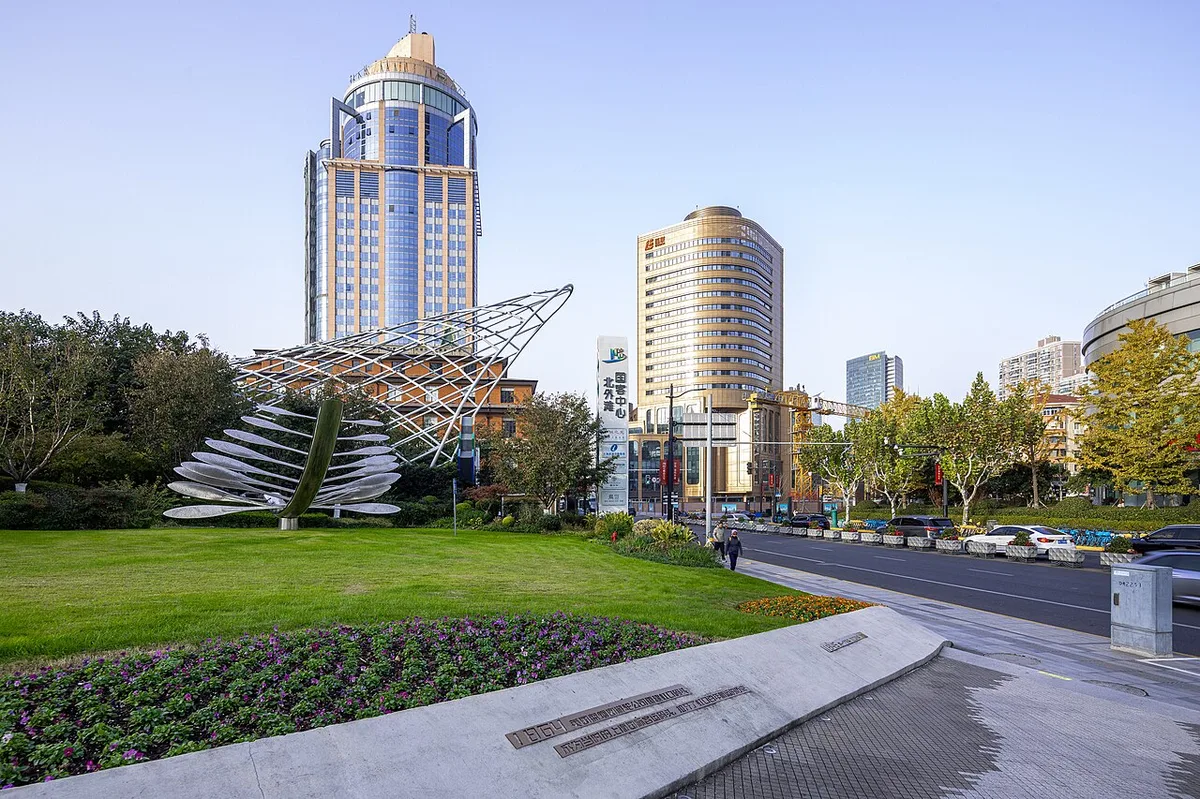
The land along the northern Huangpu riverbank, where modern urban spaces merge with 19th and early 20th-century colonial architectural sediments, requires thorough logistics preparation and deep understanding of Shanghai’s urban life rhythms. North Bund Park, with its strategic coordinates facing Lujiazui and opposing the traditional Bund’s classical architecture, requires travelers to master urban public transport options to optimize travel time. The Shanghai Metro, renowned for punctuality, coverage, and intuitive navigation, is optimal for reaching this area without facing perennial riverside traffic congestion. Metro lines 12 and 10 intersect at Tilanqiao Station or Sichuan North Road Station, placing visitors within a short walk through historic streets to the park’s open waterfront. Using Shanghai Public Transportation Cards or local mobile QR codes is necessary for quick station gate clearance, avoiding long ticket lines during morning and evening rush hours.
Beyond underground rail networks, public bus networks offer close-up views of local daily life. Bus routes along Dongchangzhi Road and Huangfang Road provide visual experiences passing Art Deco buildings and refined older apartments. For travelers using taxis or ride-hailing apps, traffic around the North Bund has strict drop-off restrictions for safety and aesthetics. Drivers typically drop passengers at designated points hundreds of meters away, requiring a short walk across wide, clean sidewalks. Preparing Chinese destinations on phone screens helps overcome language barriers with local drivers who rarely speak English.
The Huangpu riverfront climate exhibits Yangtze delta temperate monsoon characteristics with four distinct seasons, spring and autumn being ideal for outdoor surveys. Spring from March to May witnesses park vegetation transformations, crisp air, and clearer skies for architecture viewing without river mists. Autumn, from September to November, brings stable temperatures, low humidity, and golden sunset reflections on silt-laden waters. Conversely, summers feature intense heat, high humidity, and sudden monsoon thunderstorms, requiring rain and sun gear. Winter from December to February brings biting cold and strong river winds, making long outdoor stays physically challenging.
The peak visual experience time at North Bund Park is twilight when city lights ignite. As the sun sets behind Pudong skyscrapers, historical buildings across the river light up via artistic lighting systems, contrasting colonial pasts with technological futures. Early mornings suit those seeking solitude, when the park belongs to seniors practicing Tai Chi or dancing. Clothing choices should balance urban fashion and walking comfort. Soft-soled, slip-resistant walking shoes are mandatory given the expansive park grounds and stone paths slippery after light rains or night mists.
Public attire in major Shanghai spaces requires urban fashion mixed with mobility comfort. Due to strong riverside winds year-round, carrying light windbreakers or scarves protects against sudden temperature drops near the water. Culturally, international visitors must follow public hygiene rules, avoid smoking in marked outdoor public zones, and limit noise. Commercial photography or large tripods in controlled zones may require prior municipal management approval.
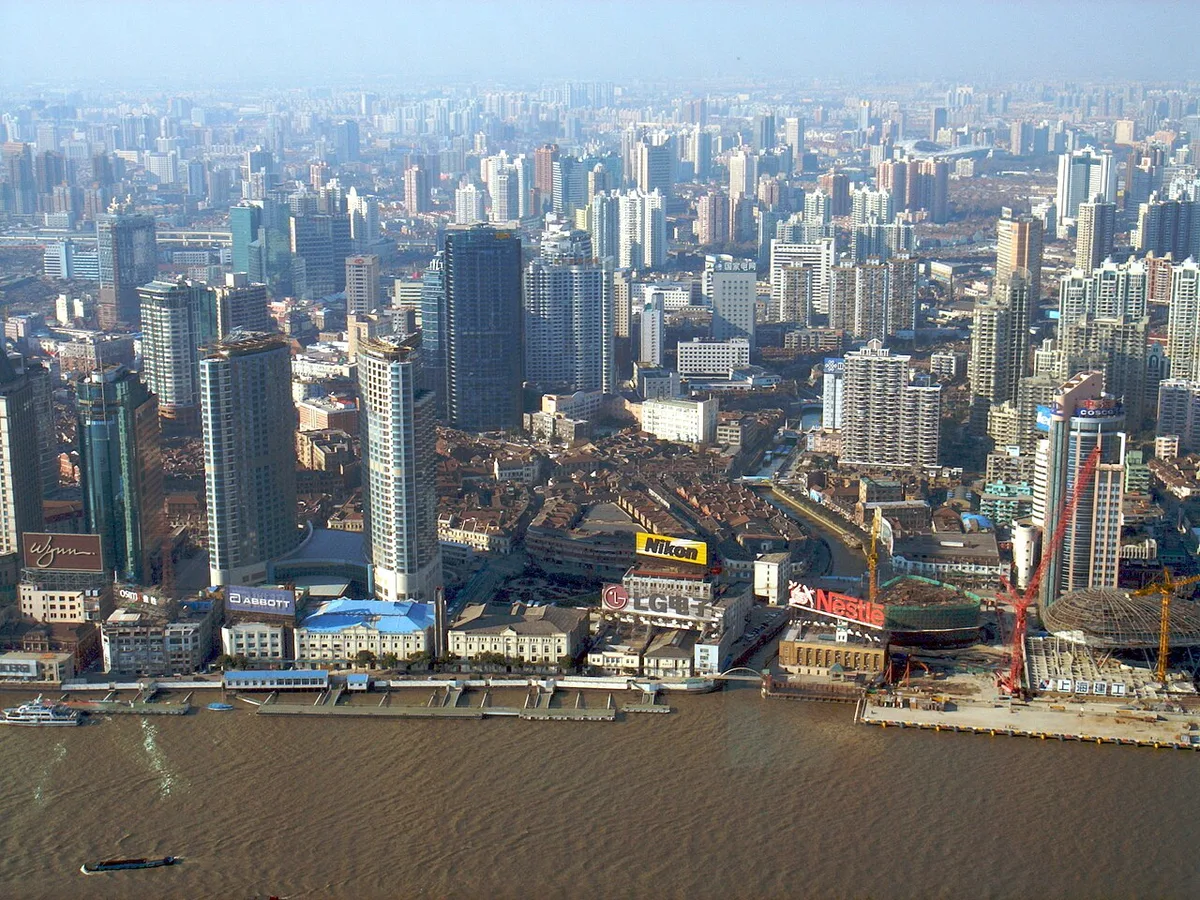
Ticket procedures and accessibility at North Bund Park offer great convenience since the open public landscape along the river is entirely free of admission fees. Visitors needn’t buy tickets or pre-book online for walkways, lawns, and outdoor river decks. However, accessing internal historic structures or private observation decks near park boundaries requires on-site or digital ticketing. Internet connectivity is vital since retail purchases, ride-hailing, and mapping rely on mobile digital payments. Preparing a tourist SIM card with roaming or necessary firewall-bypass software ensures smooth communication while exploring this culturally diverse land.
To fully experience this journey with a local guide, you can refer to the Beijing – Suzhou – Hangzhou – Wuzhen – Shanghai Tour with a pre-arranged itinerary.