Nestled on the eastern edge of the Eurasian continent, the history of Japan is an epic of triumph and tragedy, where the geographical isolation of thousands of islands intertwined intimately with an exceptional capacity to absorb and localize foreign cultures. The dawn of the archipelago flourished from the Jomon period, lasting from around 14,000 BCE to 300 BCE, an era when primitive hunter-gatherer inhabitants created some of the most intricate cord-marked pottery masterpieces in the ancient world. The flow of time transformed dramatically as wet-rice cultivation techniques, bronze casting, and iron smelting poured in during the Yayoi period from 300 BCE to 300 CE, laying a solid foundation for agricultural commune structures. Entering the Kofun and Asuka periods from 300 to 710, concentrated power was manifested through the appearance of gigantic keyhole-shaped burial mounds, while marking an unprecedented cultural turning point as Buddhism was officially introduced in 552. Under the patronage and far-reaching reform vision of Prince Shotoku (Shotoku Taishi), Buddhist philosophy and the bureaucratic governance model blended into the indigenous structure, paving the way for the formation of an early centralized state.
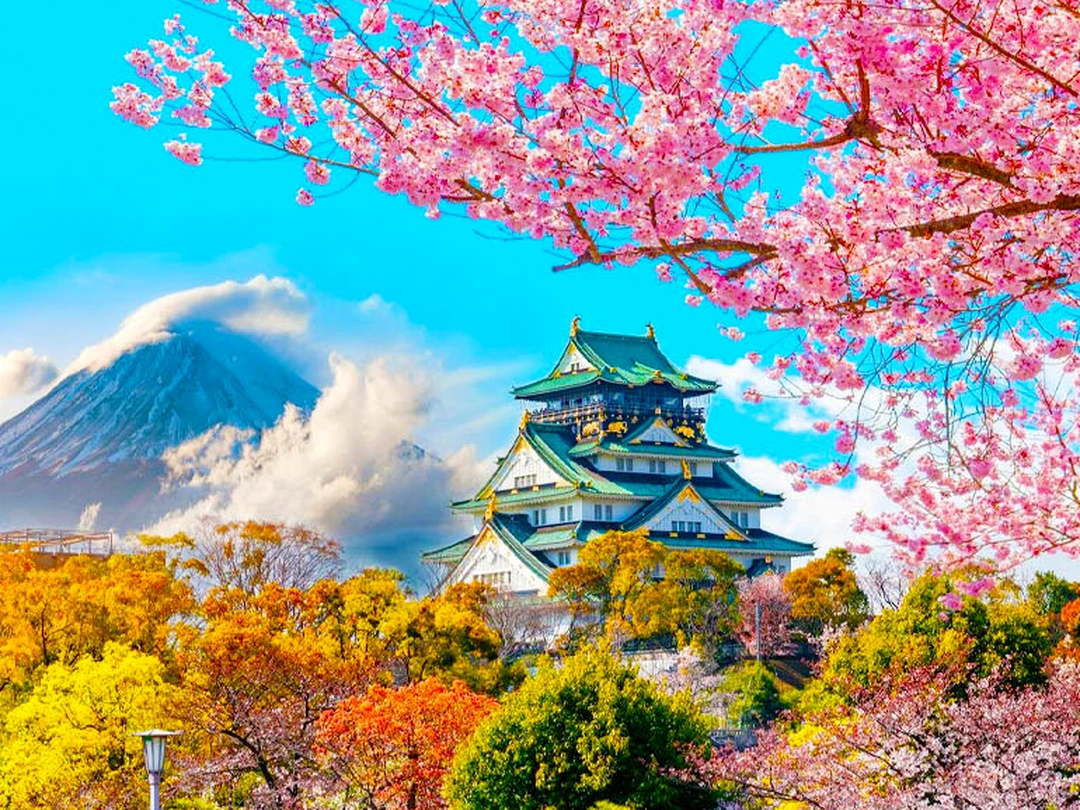
The true classical era blossomed brilliantly when the first fixed capital was established at Heijo-kyo, ushering in the Nara period from 710 to 794. This was the period when immortal official histories such as the Records of Ancient Matters (Kojiki) and the Chronicles of Japan (Nihon Shoki) were elaborately compiled to assert the divine origin of the imperial lineage. When the court decided to relocate the capital to Heian-kyo, now the ancient capital of Kyoto, the Heian period from 794 to 1185 rose to the pinnacle of courtly aristocratic aesthetics. The classic masterpiece The Tale of Genji by the female writer Murasaki Shikibu was born during this period, delicately portraying the aesthetic concept of impermanence “Mono no aware”, alongside the time when the Samurai warrior class quietly accumulated power in local manors, signaling the inevitable decline of secular royal power.
The political order of the Land of the Rising Sun completely reversed when the first shogunate was established in Kamakura, reigning from 1185 to 1333, officially transferring actual power from the imperial court to the hands of mighty Shoguns. This was an era when the samurai spirit was forged through fire and steel, especially the feat of repelling two large-scale invasions by the Mongol Empire thanks to the bravery of the warriors and legendary assistance from maritime storms revered as the “divine wind” or Kamikaze. The decline of the Kamakura shogunate plunged the country into the Muromachi period and the chaotic whirlpool of the Sengoku warring states period lasting from 1336 to 1573, where Daimyo lords vied for supremacy amidst endless warfare. The Azuchi-Momoyama period from 1573 to 1603 witnessed the spectacular unification of the realm, led by the iron will of the brilliant Oda Nobunaga, the strategic military talent of Toyotomi Hideyoshi, and the extraordinary patience of Tokugawa Ieyasu.
The historical victory at the Battle of Sekigahara opened the Edo period lasting from 1603 to 1868 under the rule of the Tokugawa clan, bringing the country into more than two centuries of peace and prosperity. Through the Sakoku policy of near-total seclusion from the outside world, a unique urban culture flourished brilliantly in the Edo region, exemplified by the mesmerizing Ukiyo-e woodblock print art and traditional theatrical drama. However, the sudden appearance of Western black ships shook the feudal foundations, leading to the Meiji Restoration from 1868 to 1912. The aspiration for comprehensive modernization to “enrich the country and strengthen the military” completely transformed the nation’s appearance, even though the price paid was the tragic decline of the traditional samurai class, of which leader Saigo Takamori is the immortal embodiment of that heroic swan song.
The modern and contemporary historical process continued to surge through the Taisho and Showa periods from 1912 to 1989, marking fierce ups and downs from the fires of two World Wars, devastation after the nuclear disaster to the miraculous revival that turned Japan into an economic superpower of the post-war world. From the Heisei period experiencing the ups and downs of the lost decade and demographic aging challenges, the Land of the Rising Sun today steadily steps into the Reiwa period under the reign of Emperor Naruhito. Japan continuously affirms its leading position in the era of digital technology and global cultural creativity, a nation where millennium-old traditions are still cherished and preserved amidst the bustling heartbeat of modern civilization.
Japan (日本) reigns over the Pacific Ring of Fire in the shape of a soft curving arc of jade amidst the vast ocean. The territory of the isolated archipelago does not border the mainland of any country, supported by four main pillar islands consisting of Honshu, Hokkaido, Kyushu, Shikoku, along with over six thousand large and small islands scattered across the East Asian Sea. In terms of natural feng shui and orographic morphology, the landscape of the cherry blossom country is heavily dominated by rugged mountainous structures accounting for approximately 73% of the total land area. Violent geological movements over millions of years have created towering natural ramparts, dividing the limited coastal plains into sub-regions of climates and living spaces with distinct identities. Amidst this overlapping feng shui formation, Mount Fuji (Fuji-san) towers 3,776 meters high into the blue sky, acting as the supreme convergence point of dragon veins, a sacred symbol guarding the eternity and stability of the nation. Connected to the sacred mountain is the backbone of Honshu island named the Japanese Alps (Nihon Arupusu), including three rugged mountain ranges Hida, Kiso, and Akaishi proudly featuring a series of sharp peaks exceeding the 3,000-meter snow-capped threshold, creating a majestic, solemn, and sacred natural landscape.
The intense interaction between the Eurasian continental air mass and warm-cold ocean currents has sculpted a distinct four-season cycle, profoundly shaping the aesthetic sensibility and indigenous culture. Spring blossoms in crystal-clear clarity as cherry blossoms (Sakura) begin to burst into bloom from the far south, step by step painting the land pink as they march northward, evoking the philosophy of impermanence and pure, fresh beauty. Entering summer, vast stretches of cedar and cypress forests on the mountain slopes turn a vibrant, life-filled emerald green, welcoming the nourishing rains that feed the fertile terraced fields. When the chilly autumn breeze heralds the arrival of autumn, ancient valleys from the former capital of Kyoto to the Nikko highlands immediately plunge into the crimson dance of Momiji leaves and brilliant golden ginkgo hues, displaying nature’s ultimate splendor before the seasonal transition. Then, as winter descends, cold Siberian winds sweeping across the Sea of Japan condense into thick, fluffy layers of powder snow, blanketing fairytale-like thatched roofs in Shirakawa-go or the vast plains of Hokkaido, offering a serene, ethereal landscape akin to a celestial realm.
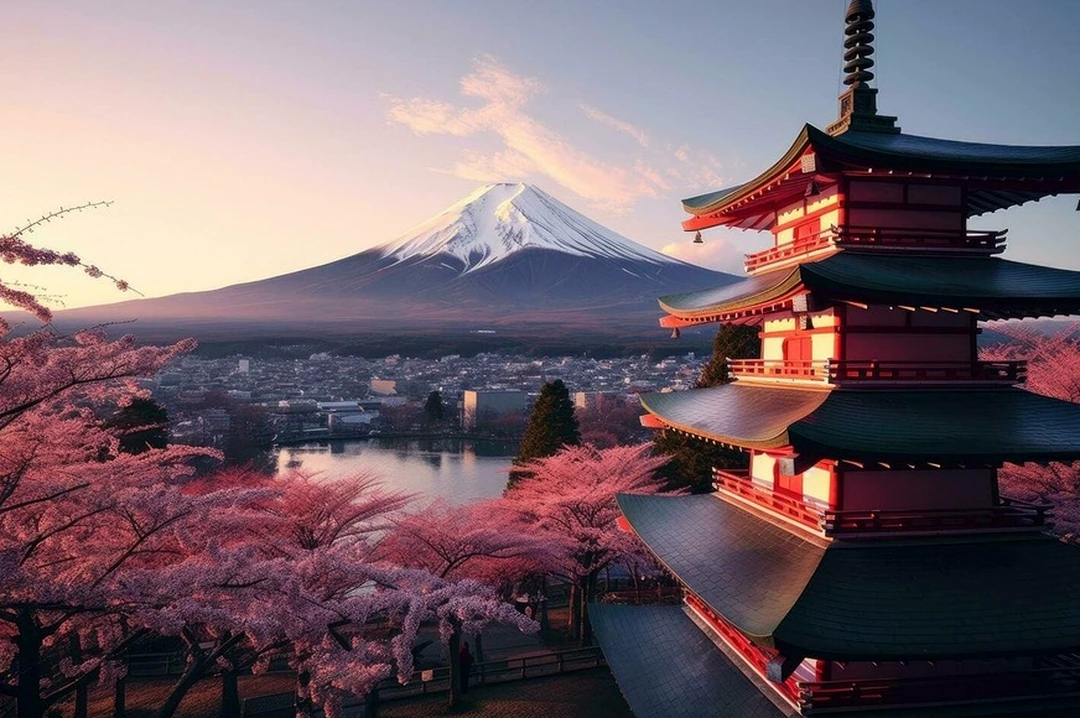
To overcome the severe fragmentation of a terrain composed of mountains and islands, a magnificent transportation system with some of the highest precision on the planet has been established, blending exquisitely into the natural topography without disrupting the feng shui layout of the land. The Shinkansen high-speed rail network operates with absolute, second-exact precision through thousands of tunnels carved deep into mountain rock, seamlessly connecting routes from the Tokaido, Sanyo, and Kyushu Shinkansen to the Tohoku and Hokuriku lines. This terrestrial lifeline coordinates smoothly with critical international gateways such as Haneda Airport (HND) and Narita Airport (NRT) in the Kanto plain, along with Kansai International Airport (KIX)—an artificial wonder floating on Osaka Bay. This top-tier infrastructure network has paved the way for classic travel itineraries, allowing refined travelers to fully explore the landscapes of the Land of the Rising Sun: the “Golden Route” connecting the modern mega-city of Tokyo, the Hakone hot spring stopover at the foot of Mount Fuji, and the profound charm of ancient Kyoto and historical Osaka; the “Japan Alps Route” winding through eternal snow-capped mountain ranges; the “Tohoku Odyssey” heading into the pristine, rustic North; and the “Sun Q Route” leading into the magical, fiery geothermal realm of the southern island of Kyushu.
Through millennia of interaction between a mindset of nature reverence and harsh geological upheavals, the architectural art of the Land of the Rising Sun has created a unique spatial language. Deep within indigenous spiritual architecture, the boundary between the mortal realm and the sacred Shinto domain is clearly defined by towering vermilion Torii gates, guiding the pilgrim’s footsteps into a sacred compound comprising the worship hall (Haiden) and the main hall (Honden)—the sacred dwelling place of the Kami deities. Eschewing ostentatious massive sandstone or sturdy mortar, Shinto shrines remain entirely faithful to unpainted, original Hinoki cypress wood structures, proudly displaying every rustic grain and pure fragrance to naturally weather and regenerate in an eternal cycle. When Buddhism was introduced during the Asuka period under the patronage of Prince Shotoku Taishi, the flamboyant temple style of the Tang dynasty was brilliantly assimilated and localized by the Japanese through the Kigumi woodworking art. The pinnacle masterpiece of this craft is crystallized at Horyu-ji Temple in the ancient capital of Nara—the oldest surviving wooden architectural complex on earth. By carving, slotting, and locking wooden panels with absolute precision without using a single iron nail, the five-story pagoda Gojunoto here has withstood thousands of violent earthquakes thanks to the Shinbashira central pillar pendulum, which neutralizes dynamic seismic vibrations.
Running parallel to the solemnity of sacred sanctuaries is folk residential architecture, where humans learned to dwell in complete harmony with the changing four seasons. Row upon row of Machiya merchant townhouses in Edo-period capitals, alongside Minka rural farmhouses, clearly reflect simplicity and extraordinary practicality. Spatial structures are maximally opened up through Shoji paper sliding partitions that admit soft, diffused light and Fusuma screens adorned with ink wash paintings, allowing homeowners to flexibly reconfigure their living space depending on the time of day. Floors are consistently elevated above the ground to prevent moisture, and surfaces are laid with Tatami mats woven from fragrant Igusa rush grass, serving as a standardized anthropometric measure that dictates the proportions of the entire room. The pinnacle of adaptation to harsh nature is vividly demonstrated in the Shirakawa-go valley within the Hida mountains of Gifu Prefecture. This place is famous for its traditional Gassho-zukuri farmhouses featuring steeply pitched thatched roofs angled at up to sixty degrees, resembling hands joined in prayer before the Buddha. This steep structure both neutralizes the crushing weight of meters-deep snow during freezing winters and utilizes the attic space for silkworm farming, bound entirely by ropes twisted from tree bark without shifting under millennia of gales.
Entering the contemporary era, Japanese architecture has not been swallowed up by the wave of modernization; on the contrary, it has risen to shape global trends thanks to the miraculous synergy between the Wabi-sabi philosophy of impermanence and cutting-edge construction technology. Facing the constant pressure from the Pacific Ring of Fire, massive urban mega-projects are heavily invested with seismic isolation foundation systems and sophisticated hydraulic damping pistons, allowing skyscrapers to safely flex during extremely strong tremors. Building upon this advanced technical foundation, the soul of Eastern philosophy continues to flourish brilliantly through the hands of master architects. Utilizing a language of silky-smooth bare concrete combined with the art of narrow-slit lighting, Tadao Ando has transformed rough geometric blocks into serene sanctuaries where souls are cleansed amidst a bustling life. In another dimension, Kengo Kuma revitalizes the essence of traditional Kigumi joinery by weaving thousands of natural lumber strips into large-scale national architectural structures, blurring artificial boundaries so that buildings breathe in unison with the heartbeat of forests and earth. This is not merely a display of top-tier construction technology, but an immortal manifesto of humanity’s humility and absolute respect for nature.
As the evening glow fades behind Mount Fuji, Japan dons a magical velvet cloak, where the boundary between a futuristic reality and millennia-old memories momentarily blurs in a myriad of shades of light. In mega-cities like Tokyo or Osaka, nightfall does not mean silence, but rather the prelude to a passionate visual harmony. At the foot of the legendary Shibuya crossing or along the bustling banks of the Dotonbori canal—where the iconic Glico running man sign has proudly shone since the tenth year of Showa (1935)—brilliant neon lights and giant LED screens create an overwhelming visual tapestry. Yet, stepping into narrow alleys barely wide enough for two people to pass, such as Omoide Yokocho or Golden Gai in Shinjuku ward, the pace of life suddenly quiets around clusters of cozy little pubs nestled closely together. Under the warm, crimson glow of aka-chochin paper lanterns hanging aslant from wooden eaves, the savory aroma of yakitori skewers blends with the clinking of rustic ceramic sake cups, painting an intimate urban sanctuary where the day’s corporate exhaustion of the salarymen melts deep into the night.
In stark contrast to the grandeur of the skyscrapers, nocturnal life in the ancient capital of Kyoto and the onsen hot spring towns exudes a secluded, profound beauty deeply imbued with Wabi-sabi aesthetics. Along the ancient stone-paved lanes of the Gion district or the sloping Pontocho alley winding alongside the Kamo River, a gentle golden light emanates from Chochin paper lanterns bearing family crests (kamon), casting shadows against the dark brown machiya wooden lattice walls. Occasionally, the nocturnal tranquility is softly broken by the clicking rhythm of geta wooden clogs striking granite flagstones, guiding the graceful silhouette of a Geiko or Maiko in a luxurious Nishijin woven silk kimono, hurrying to a private ozashiki banquet. Further south at the Beppu hot springs or the misty Hakone valley, geothermal steam rises hazily into the night, blending with lantern light that guides travelers draped in yukata for a stroll, creating an ethereal fairyland rarely seen in the mortal world.
The nightlife of the Land of the Rising Sun is also a premier stage for classical performing arts legacies preserved over hundreds of years. At theatrical sanctuaries like the Kabukiza Theater in upscale Ginza or the Minamiza on the eastern banks of Kyoto—the birthplace of the dances performed by the shrine maiden Izumo no Okuni during the Keicho era (1596–1615)—Kabuki art opens a gateway back to the dazzling Edo period. Under stage lighting meticulously designed to honor the kumadori blood-vessel facial makeup art, male actors portraying female roles (onnagata) showcase every utmost graceful and fluid gesture, while the hanamichi runway cutting straight through the middle of the auditorium draws the audience into historical tragedies and profound moral conflicts. Alongside magnificent spring-praising dances like the Miyako Odori, traditional Japanese theater turns the night into a space celebrating the eternal beauty of ancient court and urban culture.
The pinnacle of Japanese nocturnal light artistry reaches its most brilliant expression during the Hanabi Taikai summer fireworks festivals, a custom originating in the eighteenth year of Kyoho (1733) under the rule of Tokugawa Yoshimune, the Shogun, over the Sumida River to pray for peace and ward off epidemics. Hundreds of thousands of meticulously crafted handmade fireworks, perfected through the hands of renowned pyrotechnic guilds like Kagiya and Tamaya, simultaneously burst across the firmament, dyeing the night sky with brilliant chrysanthemums, weeping willows, and cascading trails of shimmering golden light. Amidst the resounding echoes of awe from millions of people dressed in yukata and holding uchiwa paper fans, the fleeting moment when fireworks blaze brightly only to vanish into nothingness in a split second is the ultimate manifestation of mono no aware—a poignant yearning for the impermanence of human life, turning Japanese nights into an unforgettable spiritual and aesthetic experience.
Exploring Japanese culture would be incomplete without contemplating the map of native gastronomy, where the philosophy of Washoku is elevated into a profound worldview recognized by UNESCO as an Intangible Cultural Heritage of Humanity. The cuisine of the Land of the Rising Sun is not merely a service to the taste buds, but an absolute harmony between humanity and the laws of the four seasons through the concept of eating seasonally to fully absorb the essence of nature. Stretching across the archipelago, deeply differentiated terrain has given rise to two contrasting yet perfectly complementary culinary schools: the regal, profound, and ancient flavors of the Kansai region, and the refined, liberated, and pragmatic essence of the Kanto urban sphere.
In the Kansai region, the thousand-year ancient capital of Kyoto is the cradle of Kaiseki Ryori – the pinnacle of imperial banquet culinary art rooted in Muromachi-era tea ceremony rituals shaped by masters like Sen no Rikyu. A traditional Kaiseki feast is a harmony of nine to successive fourteen courses, served on antique Wajima lacquerware and Bizen ceramics, reflecting the spirit of “Ichigo Ichie” (one time, one meeting) through each salted cherry blossom or delicately placed nascent red maple leaf. Hidden beside the tranquil temple grounds of Daitoku-ji or Tenryu-ji is Shojin Ryori – the art of vegetarian cuisine originating from thirteenth-century Zen monks. Strictly adhering to the precepts of non-violence, Shojin Ryori elevates pure ingredients such as marinated tofu, yuba tofu skin, lotus root, and shiitake mushrooms through the rules of five colors (white, black, red, yellow, green) and five flavors (sweet, sour, spicy, bitter, salty), turning every frugal meal into a meditative retreat. In contrast to Kyoto’s otherworldly detachment, Osaka – once celebrated as the “kitchen of the realm” (Tenka no Daidokoro) under the Tokugawa Shogunate – represents the philosophy of “kuidaore” (eat until you drop). The brightly illuminated streets of Dotonbori are the sacred ground of Takoyaki octopus balls, crispy on the outside and creamy on the inside, alongside savory Okonomiyaki pancakes drizzled with rich, sweet sauce, serving as a testament to a populist, open, and vibrant street food culture.
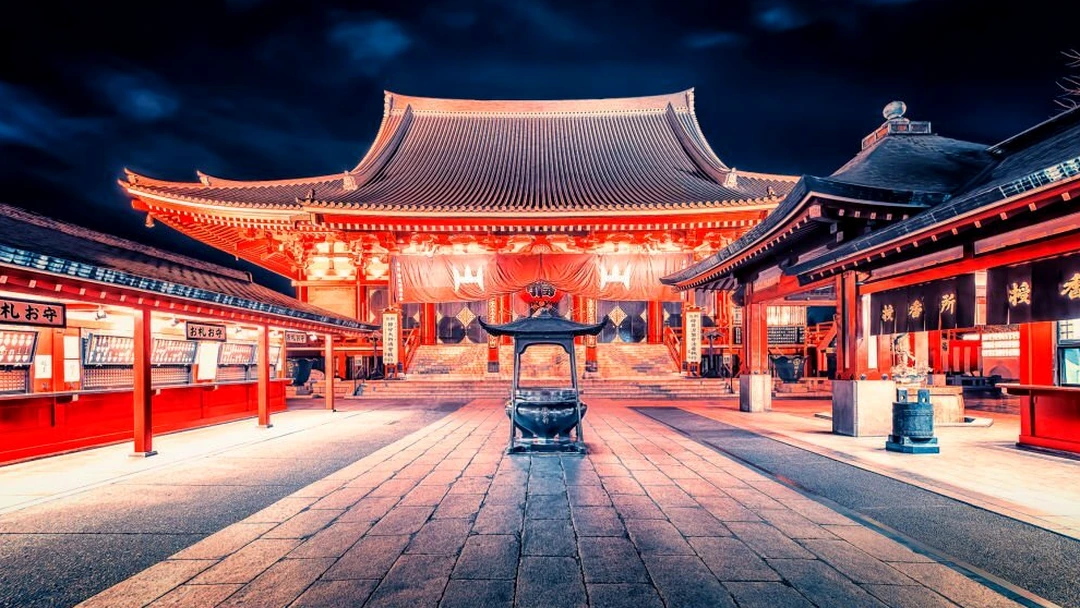
Flowing backward through history toward the east, the Kanto region centered around central Tokyo preserves the soul of the prosperous Edo period with its world-renowned Edomae Sushi. Originating from the street food stalls of the artisan Hanaya Yohei in the early nineteenth century, Edomae Sushi was initially a solution for preserving fresh seafood caught from Edo Bay before artificial refrigeration techniques existed. The sushi rice is evenly mixed with Akazu red vinegar—a slow-fermented sake lees vinegar aged for many years, creating its signature light brown hue and a deep, subtle tartness. Each slice of Hon-maguro tuna marinated in Shoyu (zuke), vinegar-salted Kohada gizzard shad, or simmered sea eel Anago topped with a concentrated tsume sauce is the crystallization of micro-processing techniques precise to every degree of temperature by the chef’s hands. Alongside the refinement of sushi, the old Tsukishima district in the heart of the capital preserves the rustic Monjayaki—a thin batter mixed with cabbage, squid, and cheese grilled to a crisp on an iron griddle, evoking memories of hardships in the post-war years.
Leaving behind the bustling metropolises to delve deep into the Chubu plains and the towering mountains of Tohoku, the culinary map of Japan opens up a world of unparalleled livestock masterpieces and unique communal traditions. This is the birthplace of the purebred Kuroge Washu black cattle, raised under a rigorous process to produce Wagyu beef with A5-grade Shimofuri marbling indexes. The reputation of Kobe beef from Hyogo prefecture, Matsusaka beef from Mie prefecture, and Hida beef from Gifu prefecture has become a global culinary standard; when placed on a Teppanyaki grilling stone or gently dipped into a Shabu-shabu hot pot broth for a few seconds, the unsaturated fat streaks immediately melt at body temperature, leaving a delicate, rich sweetness without any greasiness. Further north, Iwate prefecture in the Tohoku region captivates travelers with the one-of-a-kind Wanko Soba noodle experience. In a traditional wooden house setting, small bite-sized portions of buckwheat noodles are continuously served into the diner’s bowl accompanied by the rhythmic chants of the servers, a culinary ritual vividly symbolizing unconditional Omotenashi hospitality passed down for hundreds of years.
Exploring the Land of the Rising Sun requires a profound understanding of the local lifestyle and regulatory systems, where precision and public order are celebrated as ultimate standards. The public transport network, from Shinkansen bullet trains gliding with time margins measured merely in seconds to the intricate metro lines in major cities, operates on the principles of absolute silence and strict queueing. When visiting heritage temples or national museums, visitors should pay attention to specific operating hours; most ancient wooden spiritual complexes typically open their doors to visitors at sunrise and close around 16:30 to 17:00, with a policy of stopping new admissions thirty minutes prior. Although modern entry procedures have been rapidly digitalized through biometric verification gates, customs declarations still demand absolute accuracy, especially regarding strict regulations banning the carriage of fresh foods, agricultural products, and meat derivatives without strict quarantine clearance.
Step into the therapeutic space of an Onsen, and travelers will touch upon a cleansing ritual deeply rooted in the Shinto custom of misogi purification and pure Buddhist teachings from the Asuka period. The unchanging rule in both public bathhouses and hot spring inns is that bathers must completely strip off their clothes and swimwear, strictly avoiding letting synthetic fabrics come into contact with the pure mineral water. Before immersing themselves in the steaming hot water, everyone must sit on a low wooden stool at the individual shower area, use soap to thoroughly scrub their bodies clean before stepping into the communal soaking tub. Additionally, irezumi tattoos still bear deep social stigma due to historical traces from the Edo period—when tattoos were used as criminal marks carved onto convicts’ skin, and later associated with underworld syndicates. Therefore, travelers with tattoos should proactively use skin-toned specialized patches to cover them discreetly, or choose private kashikiri bathrooms to preserve absolute tranquility for the community.
Behavioral norms in traditional Japanese architectural spaces clearly demarcate the dusty outside world from the tranquil interior space. At the genkan threshold of Ryokan inns, ancient temples, or tea houses, removing shoes outdoors is a mandatory ritual before stepping onto the elevated wooden floor. Bare feet wearing clean socks glide over exquisitely woven Tatami rush mats, never wearing indoor slippers onto the mat surface to avoid scratching the natural igusa fibers. For polished wooden hallways, visitors switch to wearing uwabaki indoor slippers prepared by the host; however, when stepping into the restroom area, a separate pair of specialized slippers called toire-zori is neatly placed right in front of the threshold. Forgetting to change the toire-zori slippers when returning to the communal living space is considered a serious breach of etiquette against the house’s purity.
Quite unlike many Western cultures, Japan does not maintain a tipping custom under any form. The philosophy of Omotenashi—devoted service without ulterior motives and expecting no reward—has been fully integrated into every thoughtful gesture and inherently crystallized in the service charge on the bill. Foreigners intentionally leaving loose change on dining tables or payment counters often causes profound embarrassment, and is even regarded as rude behavior, as service staff driven by the shokunin kishitsu spirit naturally consider fulfilling responsibilities with all personal honor as a matter of course. If you wish to express deep gratitude for the gracious hospitality, a sincere thank-you in the local language along with a smile and a formal bow is the most precious spiritual gift that locals cherish.
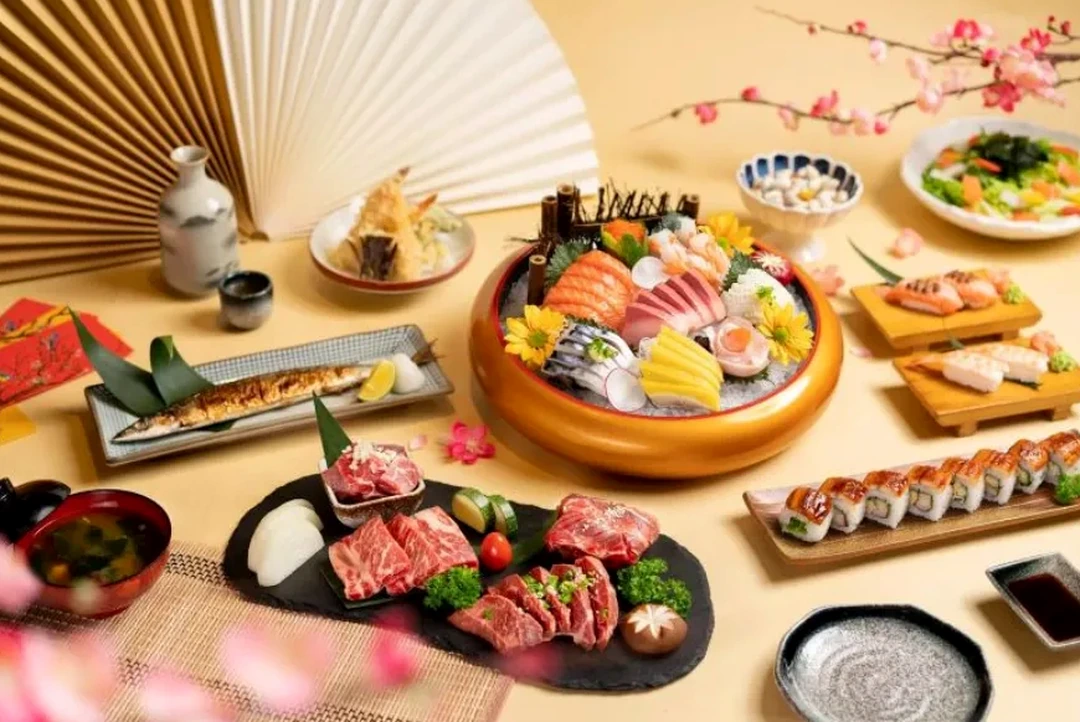
To fully embrace the cultural depth and ethereal beauty of the Land of the Rising Sun without being distracted by commercial hassles, choosing a meticulously designed itinerary is key. Authentic cultural journeys adopting a strict 100% No Shopping model preserve every moment for travelers to admire the profound serenity of the ancient capital, listen to the gentle murmur of pristine waters, and feel the rich layers of history. To realize an elegant and insightful journey into the essence of Japan, travelers can proactively explore the details of unique destinations through a professionally crafted and culturally rich all-inclusive tour package.