Nestled amid the tranquil folds of the Jianchuan Valley within Dali Bai Autonomous Prefecture, Shaxi Ancient Town (沙溪古镇) holds a deep historical current stretching back more than two and a half millennia. Tracing time back to the Spring and Autumn and Warring States periods—around 400 BC—this fertile land along the Black Hui River (Heihui) already welcomed early human settlements, clearing fields and laying foundations for an early agrarian and artisanal culture. Archaeological traces of bronze culture and artifacts found around the basin show that centuries before interregional trade routes appeared on imperial maps, Shaxi was already a strategic stop where southwestern peoples interacted with neighboring civilizations.
The turning point that transformed Shaxi from a quiet valley into a vibrant trade artery arrived during the golden age of the Tang Dynasty. The historic event when Princess Wencheng journeyed to Tibet in a marriage alliance with Songtsen Gampo of the Tubo Kingdom opened an unprecedented era of peaceful exchange. That diplomatic policy fueled strategic trade between Tibetan highland warhorses and fine tea from southern Yunnan’s rich flora, forming the grand “Yunnan–Tibet Tea-and-Horse Trade” network. Sitting at a vital crossroads between Dali, Lijiang, and routes climbing toward the roof of the world, Shaxi soon welcomed weather-hardened horse caravans—establishing itself as an indispensable relay station along the fabled Ancient Tea Horse Road.
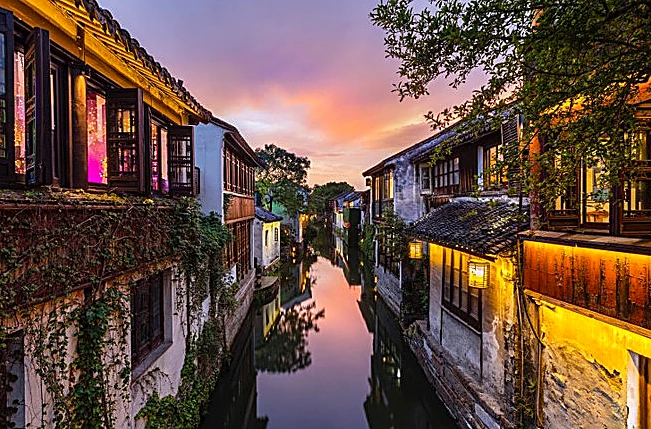
The heart of this living heritage crystallizes in Sideng Ancient Street (Sidengjie), the core precinct recognized by international cultural organizations as “the only surviving ancient market along the entire Ancient Tea Horse Road.” Unlike many historic towns erased by events or reshaped beyond recognition, Sideng Street preserves nearly intact the web-like layout of a classic feudal trading settlement. Bluestone paving slabs bear smooth depressions worn over centuries by horses’ hooves, while old teahouses and caravan inns sit beside an ancient stage pavilion and solemn temple halls—forming a living open-air museum. Its distinctive spatial tiers and authentic commercial traces earned Shaxi recognition as a “National Famous Historical and Cultural Town” of China.
Entering the new century, facing risks of decay and alteration to traditional timber-and-rammed-earth architecture, a remarkable revival began for Shaxi. Jianchuan County authorities partnered with the Institute for Spatial and Landscape Planning at ETH Zurich (Swiss Federal Institute of Technology), signing a memorandum and launching the “Shaxi Rehabilitation Project.” Across more than two decades of sustained, multi-phase work, this international partnership set a global benchmark for living-heritage conservation. Rather than wholesale clearance or turning the town into a soulless commercial set, the project kept indigenous Bai families right inside their ancestral yin-yang tiled homes. Blending modern restoration methods from Swiss specialists with local knowledge helped Shaxi retain its authentic spirit—where Bai speech, traditional dances, and daily life continue serenely over time.
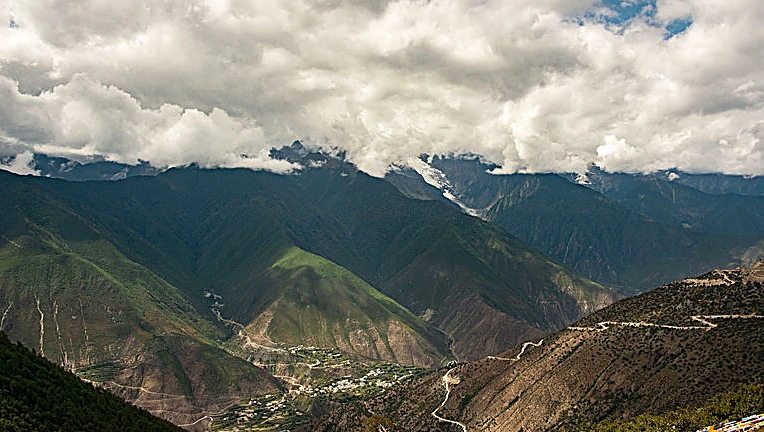
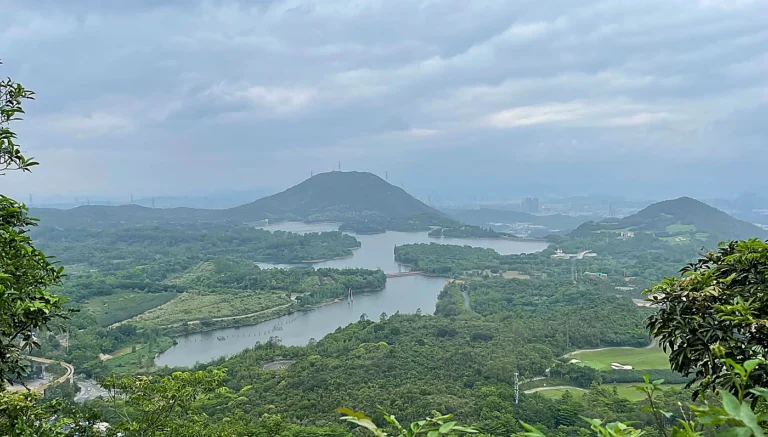
Viewed on China’s southwestern human-geography map, Shaxi Ancient Town occupies a distinctive position in Jianchuan County, Dali Bai Autonomous Prefecture, Yunnan Province. Sitting roughly 32 kilometers southwest of the Jianchuan county seat and about 120 kilometers from Dali Ancient City, it acts as a pivotal waystation between the two celebrated cultural centers of Dali and Lijiang. Tucked deep along the southeastern buffer of the “Three Parallel Rivers” World Natural Heritage area—where the Jinsha, Lancang, and Nu rivers run side by side through dramatic Hengduan gorges—Shaxi feels shielded from historical storms by a quiet, secluded natural setting.
Ancients called this distinctive basin terrain “Little Bazi of Shaxi”—a fertile valley cradled by surrounding mountain peaks. Unlike steep, barren ridges across parts of the Yunnan–Guizhou Plateau, this small basin enjoys fertile alluvial soil built up over tens of thousands of years by the Black Hui River. Rising from snow-dusted Mount Laojun to the north, this key upper tributary of the Lancang River winds north-to-south through the Shaxi plain. Clear water nourishes crops year-round while forming a gentle natural boundary separating caravan-route trade from quiet Bai farming hamlets.
Through traditional feng shui, Shaxi’s setting models harmony among yin, yang, nature, and humanity—summed up as “distant mountains as a screen, Black Hui winding around, fertile fields encircling the village, and ancient road linking passes.” Distant ridges act as a sturdy screen blocking biting winds from the Tibetan Plateau, while the Black Hui River curves like a silk ribbon around settlements to gather water and vitality. Within that calm expanse, terraced fields—lush green in spring and summer and golden at autumn harvest—frame rammed-earth walls and moss-rimmed yin-yang tiles into a village layout both sheltered and open.
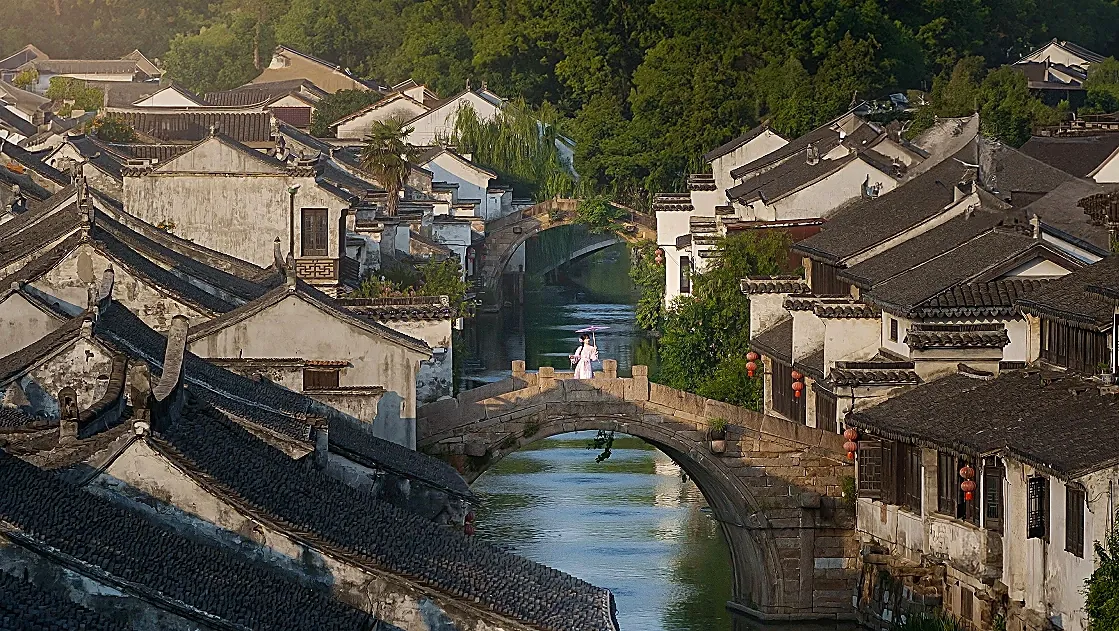
The centerpiece of Shaxi’s landscape planning is Yujin Bridge, an ancient stone arch spanning calm waters of the Black Hui River. Beyond serving as a vital crossing guiding Tea Horse Road caravans into town, Yujin Bridge in local geomancy acts as a “water-gate lock”—keeping auspicious energy gathered within the old town rather than washing away downstream. From its graceful arch reflected in emerald water, views take in riverside willows, evening hearth smoke rising into mist atop Mount Laojun, and smooth bluestone paths leading straight into the town core—creating a serene, peach-blossom-like retreat in time.
Spanning 288 square kilometers across the mountain valley, Shaxi’s spatial layout follows traditional Bai settlement philosophy, with its conservation core centered around Sideng Street and the Ming-era Xingjiao Temple complex. The heritage core forms a cohesive community plan around the ancient market square—bringing together religious, cultural, and trading life for caravan merchants along the Tea Horse Road. Central lanes are paved with rough-hewn stone slabs smoothed over centuries by horses’ hooves. From the square, herringbone-like alleys fan out into traditional neighborhoods and meet embankments along the Black Hui River—uniting built heritage with riverside ecology.
Architecturally, Shaxi preserves classic local layouts centered on “Three Courtyards and One Screen Wall” (Sanfang Yizhaobi) and “Four-Sided Courtyard with Five Skywells.” Load-bearing frames use sturdy timber post-and-beam structures fitted with traditional joinery without metal nails. Exteriors stand out for warm golden-ochre rammed-earth walls rising cleanly from large bluestone plinths that block ground moisture. Sloping roofs are clad in small gray tiles blending naturally with village scenery, while screen walls in front of courtyards feature ceramic reliefs and refined calligraphy or painting—reflecting the cultured lifestyle of frontier merchant families.
Reviving and safeguarding Shaxi’s soul bears the distinct imprint of architect Huang Yinwu, who spent years working closely with local life to practice organic adaptive reuse. Instead of heavy-handed commercialization, modern interventions build gently upon rural roots. A prime example is Pioneer Shaxi Bai Ethnic Bookstore, where an old modern-era tobacco-curing and purchasing station was reborn as a thoughtful cultural and reading space. By retaining weathered rammed-earth walls, reinforcing original timbers, and pairing them with local pine, daylight skywells, and a conical poetry tower, the building turns a former working structure into a new architectural landmark where past and present meet quietly.
Shaxi’s enduring vitality is also backed by substantial investment, with cumulative funding for its distinctive-town project exceeding 1.0875 billion RMB. Funds have focused on easing pressure on aging structures, improving microclimates in historic homes, upgrading the Lanling Pavilion Tea Horse Road street, and restoring ecology along both banks of the Black Hui River. Notably, the project uses non-invasive reinforcement on old timber frames while placing power, telecom, water, and fire pipes underground beneath historic stone—paired with “Digital Shaxi” smart monitoring of temperature, humidity, and fire safety to offer modern comfort without losing centuries-old charm.
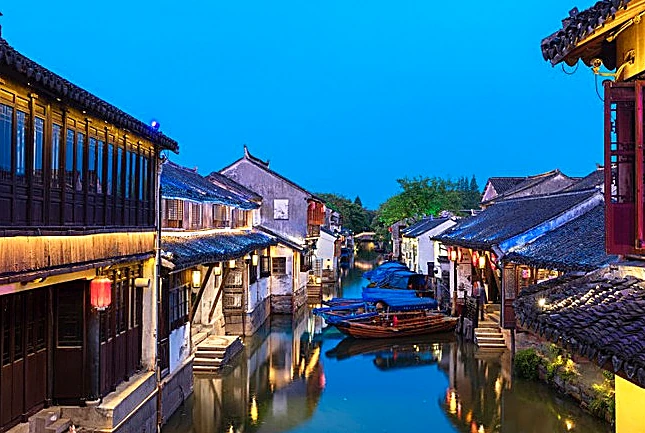
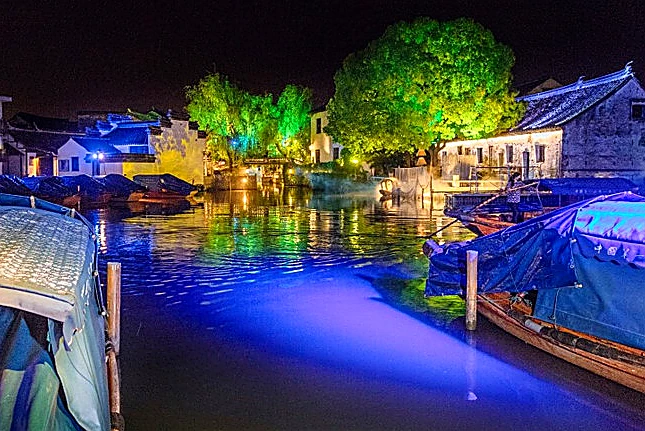
As sunset fades behind layered mountains of western Yunnan, Shaxi Ancient Town does not rush to put on bright neon lights, nor does it chase the loud nightlife of Lijiang’s Dayan lanes or busy lakeside spots in Shuanglang. Instead, the shift from day to night in this valley unfolds like a quiet rite of time, returning everything to its unhurried state. In late twilight and nightfall, the Black Hui River flows gently, its ripples reflecting the graceful arch of Yujin Bridge and century-old trees along the bank—like a giant mirror gathering mountain shadows, thin blue mist, and cool moonlight into a calm ink-wash painting.
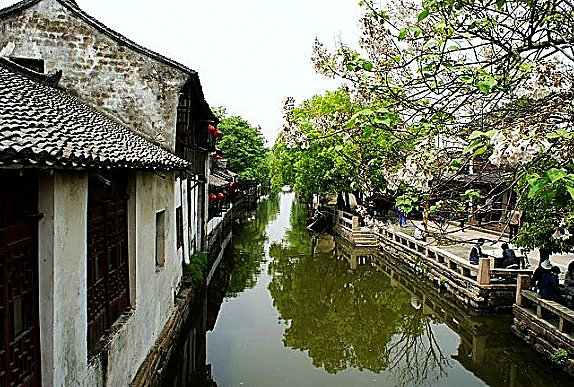
Lighting in Shaxi comes not from high-powered floodlights, but from the simple rhythms of local life across generations. Along Sideng Street and neighboring alleys, outside carved wooden gates or golden-ochre rammed-earth walls of Bai courtyards, soft amber lanterns glow gently. Warm, understated light kisses smooth bluestone slabs worn over centuries by pack horses along the Ancient Tea Horse Road. Restraint in light intensity preserves the solemn charm of Sideng Square and Xingjiao Temple’s historic stage while keeping Shaxi apart from noisy commercialization.
Shaxi nights belong to seekers of calm and cultural depth. Across the town, visitors find rustic traditional teahouses, cozy cafes tucked beneath teak eaves, and quiet independent bars. There are no blaring loudspeakers or rowdy dance floors; now and then, in peaceful air, the clear plucking of a Bai sanxian lute sounds from folk musicians. Old folk tunes and unhurried storytelling recounting mountain-and-stream caravan journeys turn small corners into intimate, authentic gatherings without elaborate staging.
Nature’s greatest evening gift to Shaxi is a night sky virtually untouched by light pollution. Nestled in a western Yunnan highland basin at a favorable elevation, the town after dark reveals a breathtaking sight: the Milky Way arching like a glowing river of light overhead, with tens of thousands of stars bright enough to trace curving yin-yang roof tiles. Crickets chirping in stone crevices, river water murmuring beneath old bridge arches, and warm light glowing behind wooden lattices make Shaxi nights quietly moving—a peaceful dreamscape where time seems to pause.
Set within a fertile valley basin below western Yunnan ranges, Shaxi Ancient Town’s food culture blends highland produce with time-honored Bai culinary wisdom. Unlike elaborate palace banquets or fiery lower-Yangtze flavors, cooking at this caravan stop carries the spirit of the Ancient Tea Horse Road: simple, pure, faithful to natural ingredients, and steeped in hearth smoke. Across changing eras, locals preserve hand-crafted methods tuned to seasonal cycles, turning each harvest into a distinct flavor experience.
Whenever summer rains drench pine and ancient oak forests around Jianchuan, Shaxi enters its liveliest food season with wild mushrooms. Before dawn while mist still clings to grass tips, experienced foragers search hillsides to bring back fresh harvests still smelling of damp earth. Among the best-known and most distinctive is “Jian Shou Qing” (bruising blue bolete), which turns bluish-green when cut and is stir-fried briskly over hot iron with dried garlic and local green chili for an alluring crisp-rich bite. Alongside it are prized matsutake simmered gently in clay pots with free-range mountain chicken, or an original wild mushroom hotpot with local chicken whose golden broth captures pure mountain sweetness.
A highlight of communal dining here is the “Shaxi Eight Big Bowls” banquet—a traditional Bai feast served during festivals, celebrations, or welcoming important caravans. Centered around famous Jianchuan ham—pork legs salt-cured and air-dried in rafters over years until thinly sliced into translucent amber-red pieces with rich fat and pine-smoke aroma—the feast includes dishes symbolizing abundance such as “Tian Zhang Rou” (tender pork belly layered artfully over tofu skin) and “Fen Zheng Rou” (steamed pork coated in fragrant roasted rice flour), creating rich, layered flavors of the Jianchuan plain.
Beyond historic courtyards, Shaxi’s flavors also shine simply near Yujin Bridge beside the Black Hui River. At the well-known Daguan Rice Noodles shop, visitors often start the morning watching a misty pastoral view through steam rising from overnight bone broth. Generous bowls are topped with tender, sweet sliced beef and silky handmade tofu pudding, followed by refreshing herbal shaved ice. Exploring stone alleys off Sideng Street, homely private kitchens like “Chu Jian Shaxi” delight palates with pan-seared goat-milk cheese cakes, crisp wild mountain greens fresh from the valley, and a warming sip of homemade corn spirit in crisp highland late afternoon.
Contemporary international exchange has also brought a subtle fresh breeze to Shaxi without dimming its traditional character. Vegetarian and craft-food spots founded by foreign owners—such as “Gui Jiu”—create an engaging dialogue between Western slow-food sensibilities and fresh organic produce from local farms. Blending wholesome vegetables with sustainable food ideas makes Shaxi a thoughtful stop where every dish holds ties to the land, Bai hospitality, and unhurried life.
Tucked in Jianchuan County’s calm valley basin, Shaxi Ancient Town still has no high-speed rail station or intercity bus terminal directly inside its heritage core. That is both a gentle travel hurdle and an effective natural shield keeping everyday heritage life safe from rapid urbanization. To reach this preserved Tea Horse Road site, travelers typically use Jianchuan Bus Station as their main hub. From Dali North Bus Station or Lijiang central bus stations, regular coaches cross pine-scented highland roads into Jianchuan Town. Right outside Jianchuan station square, small green rural buses run to Shaxi for roughly 10 RMB per ride. The winding mountain road of about 29 to 32 kilometers takes around 50 minutes with an experienced local driver, revealing green terraces and evening smoke along hillsides. Self-drivers can take the Dali–Lijiang expressway and turn onto the paved Jianchuan–Shaxi branch road for a smooth drive through western Yunnan scenery.
Unlike many commercialized attractions in Yunnan, Shaxi Ancient Town operates as an open historic residential community day and night with no general admission fee. Visitors can stroll freely from morning mist over Yujin Bridge until moonlight reflects on the Black Hui River. Still, a few practical tips help ensure a safe, smooth visit given local terrain. Sideng Street and connecting lanes are paved with stone slabs worn smooth over centuries by horses’ hooves, with uneven surfaces and stone steps. Soft-soled flat walking shoes with good grip are essential to protect joints over distance. Travelers with large suitcases should message traditional inns inside town in advance so staff can arrange local trike transport—protecting both bag wheels and ancient stone paving.
Sitting in northwestern Yunnan at an average elevation around 2,100 meters, Shaxi has a continental mountain climate with crisp air and wide day-night temperature swings. Daytime sun brings strong UV rays, so broad-spectrum sunscreen, a wide-brimmed hat, and UV sunglasses are helpful, while dusk breezes off Mount Shadeng cool the air briskly. Packing layered clothing—especially a windproof jacket and knit scarf—keeps you comfortable as temperatures shift. Also keep food-safety discipline in mind around wild mushrooms: when sampling boletes such as “Jian Shou Qing,” eat only at reputable places that cook them thoroughly at high heat for the proper time, and never forage wild mushrooms on hillsides or eat undercooked dishes.
Understanding local flavors and pacing your route thoughtfully opens the door to calm, unhurried travel in western Yunnan, where you can join an itinerary such as our Dali – Lijiang – Shangri-La – Kunming tour package (5D5N & 6D6N) to take in the scenery and culture of the region smoothly.