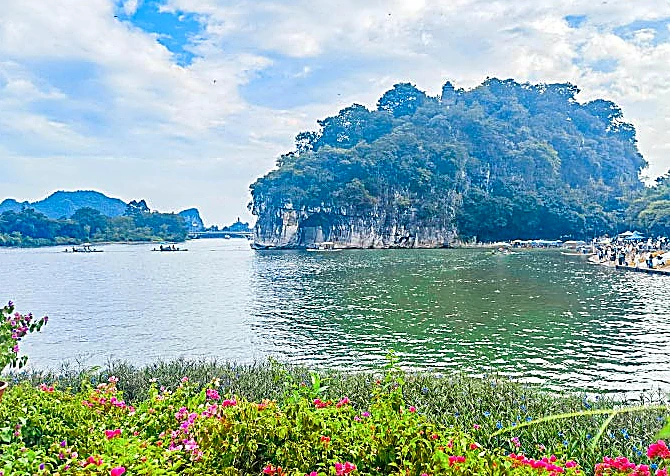
Situated along the southwestern coast of mainland China, Zhushan Ancient Village in Dongxing City, Guangxi Zhuang Autonomous Region, has long stood as a quiet cultural corner right where land meets open sea. Here, the historic Beilun River—after winding past highland ridges and border cliffs—carries its final silt into the Gulf of Tonkin. Facing Vietnam’s Sa Vi cape and Tra Co peninsula across a blue channel, Zhushan long held a strategic coastal defense role while bearing witness to frontier trade and shifting history along the coast.
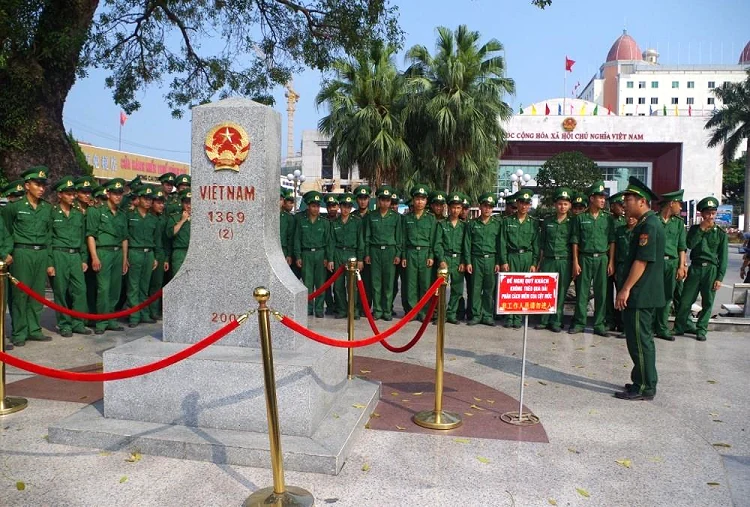
Tracing history back to the late 19th century, Zhushan’s border significance stood out as the Qing court and French Indochina authorities negotiated boundary markers under the 1887 Sino-French Convention. In 1890—the sixteenth year of Guangxu—imperial commissioner Cen Yukang and the demarcation team erected a solid sandstone marker inscribed as the Great Qing No. 1 Boundary Stele (Boundary Marker No. 1), setting an initial land-and-sea border marker between the two sides. Standing roughly two meters tall in weathered gray-green stone with four bold characters, it reflects late-Qing stonecraft and a complex chapter of frontier history.
Right beside the historic border stele sits Marker No. 0 Plaza, marking the start of China’s coastal highway running thousands of kilometers north toward the Korean border. Its stone sculpture rises like a sail catching sea breezes—marking the end of over 22,000 kilometers of land border and the start of nearly 18,000 kilometers of mainland coastline. From granite steps overlooking the bay, visitors take in quiet waters, white sandbars curving beside green mangroves, and distant fishing boats in soft mist.
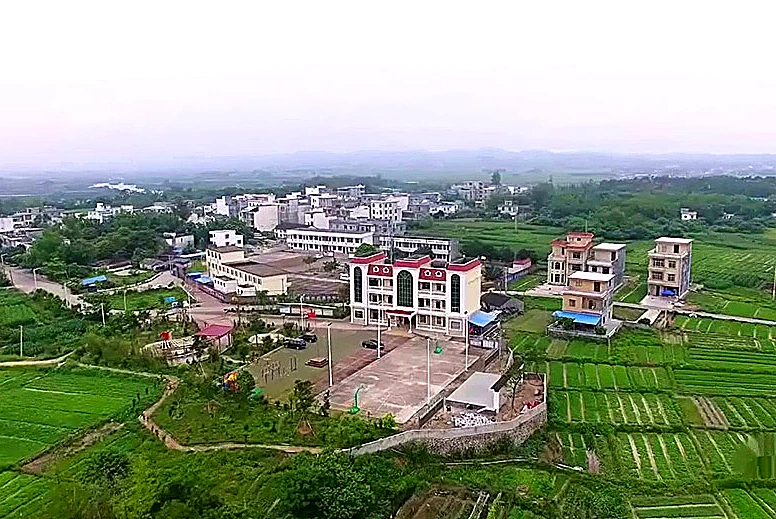
True to its name—”Bamboo Hill”—greenery and bamboo groves stretch from gentle slopes down toward salty water. Supported by a warm, humid maritime subtropical climate and sheltered by old coastal mangroves, deep-rooted mangrove trees help buffer waves and hold soil while giving waterbirds and migratory birds a quiet refuge away from busy border trade towns.
Houses in Zhushan Ancient Village preserve traditional coastal Lingnan building traits from the Ming and Qing dynasties into the early 20th century. Shaded stone lanes pass gray-green brick homes, moss-kissed yin-yang tile roofs, and curved phoenix-tail gables, while thick walls of stream cobbles and traditional lime-and-cane-sugar mortar help withstand coastal storms, keeping interiors cool in summer and sheltered in winter.
At the spiritual heart of the village stands Sanqing Ancient Temple, a quiet Daoist temple built in the Qing Dynasty honoring the Three Purities and waterside guardian deities. Passing through a carved ironwood gate with dragon-and-cloud motifs leads into a calm courtyard with incense smoke, bronze bells, gilded plaques, and blue-gray glazed roof ridges bearing waves and auspicious beasts—reflecting fishermen’s wishes for safe voyages home.
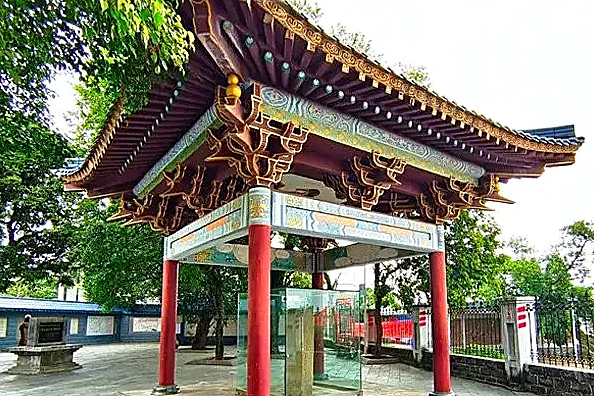
Daily life inside Zhushan moves at an unhurried pace apart from modern rush. Many residents are older villagers who have spent their lives beside the sea, the Beilun River, and bamboo groves—often sipping Tieguanyin tea near an old village well or mending fishing nets under wooden eaves with a warm, unpretentious welcome.
Reaching Zhushan commonly starts via the Mong Cai–Dongxing border crossing with a valid passport or border pass across the Beilun River bridge, followed by a roughly 12-kilometer drive or bus southwest along a breezy coastal road lined with casuarina trees. For a smooth day trip with border transfers and local commentary handled, joining a 1-day Dongxing tour package saves time and effort.
Food around Zhushan and nearby shores blends fresh Gulf of Tonkin seafood with savory Guangxi seasoning. After walking stone lanes, casual waterside eateries serve dishes like lemongrass-and-chili steamed prawns, salt-baked swimming crab, stir-fried squid with garlic and chili sauce, and hot peppery oyster congee, alongside thin rice rolls with minced pork and wood ear or cooling herbal jelly made from Shiwandashan mountain herbs.
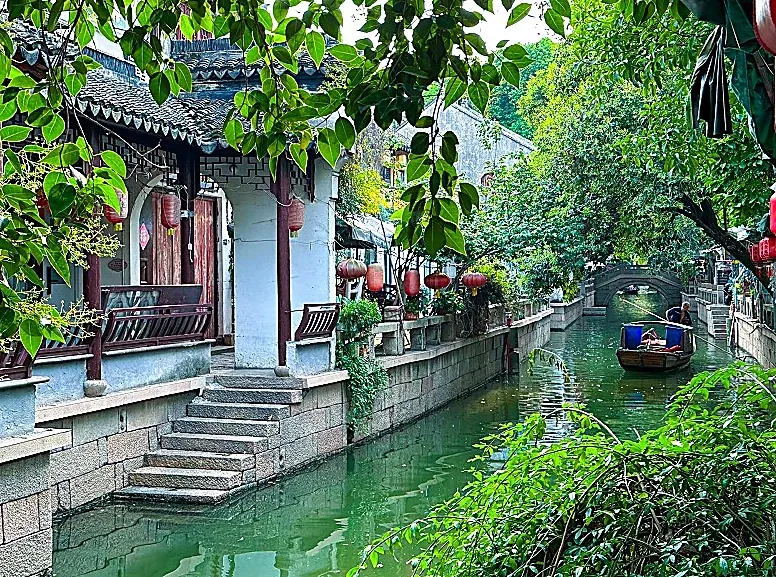
For photographers, a wooden boardwalk winding through Zhushan’s mangroves toward open water offers a standout stop. At sunset, light turns the Beilun River mouth warm crimson and gold behind rustling bamboo and timber piers, while looking south toward the Tra Co peninsula shows distant church spires and coastal casuarinas across the water.
A well-rounded coastal route often pairs Zhushan with the Kinh (“Jing”) ethnic community on the Three Islands—including Jintan Beach on Wanwei Island roughly 15 kilometers away—where visitors can learn about Kinh village traditions, monochord music, and fresh coastal catches. Connecting stops through a guided cross-border tour offers convenient context across border communities.
When visiting Zhushan Ancient Village, wear modest clothing inside temples such as Sanqing Temple and sturdy walking shoes for uneven stone lanes. Autumn through spring generally brings milder weather and clearer skies than peak summer heat or storms, and packing roaming data or a translation app helps with everyday conversations. Joining a 1-day Dongxing tour package is also an easy option if you prefer guided logistics.
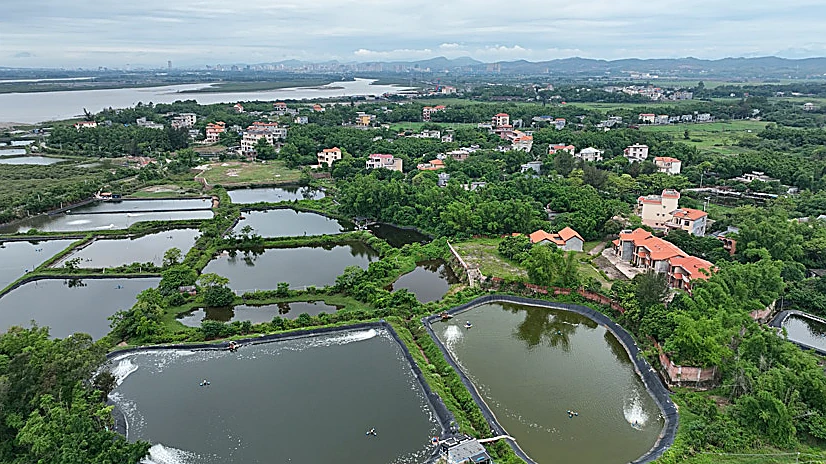
Zhushan Ancient Village has no flashy commercial strips, drawing visitors instead with quiet lanes, coastal history, and simple village life. Standing beside bamboo and sea breeze near Boundary Marker No. 1 offers a calm pause where coast, history, and everyday life meet.