Originating from the fertile plain nestled between the towering Cangshan Mountains and the vast expanse of Erhai Lake, Dali royal culinary etiquette is deeply rooted in the rise of the Nanzhao Kingdom, which lasted from 738 to 902 AD. When the Six Zhao tribes were united under a single royal banner, the rudimentary standards of diplomatic banquets began to take shape through rituals of entertaining military allies and foreign envoys. Through turbulent power struggles among ruling forces—marked by the imprint of leaders and court dignitaries such as Fan Luopi alongside powerful indigenous clans—this southwestern land forged a culinary identity that is both mystically ceremonial and rich in the rustic flavors of its native people.
It was not until 937 AD, when Emperor Taizu Duan Siping officially ascended the throne and founded the brilliant Dali Kingdom that endured for over three centuries, that royal cuisine reached full maturity in both standards and philosophy. Under the reign of the Duan clan—a dynasty devoted to Esoteric Buddhism and committed to governing with peace and benevolence—the bureaucratic system and court rituals were comprehensively rebuilt. During this golden era of peace and prosperity, Duan Siping elevated the finest folk delicacies of the Bai people into a grand imperial banquet known as Tu Ba Wan (Eight Earthenware Bowls), a feast meticulously arranged in eight rustic glazed ceramic bowls. The number eight not only symbolized the Bagua (Eight Trigrams), the eight directions of heaven and earth, and the perfection of the dynasty, but every dish presented at the table also served as an allegory reflecting policies of statecraft, embodying absolute harmony between royal authority and sincere reverence offered to heaven, earth, and ancestors.
Under the masterful hands of royal chefs serving the Duan monarchs, the eight bowls of the imperial banquet were governed by strict regulations regarding ingredients, order of presentation, and seasoning methods. It was a convergence of the finest delicacies: fresh fish from Erhai Lake, wild mushrooms from the Cangshan Mountains, free-range livestock raised on the plateau, and distinctive pungent spices designed to regulate blood circulation amidst the chilly mountain weather. Every succeeding king of the Dali dynasty—whether retiring to a Buddhist monastery in their twilight years or reigning upon the opulent throne—maintained Tu Ba Wan as the supreme diplomatic ritual to entertain chieftains of vassal tribes, affirming the legitimacy and majesty of the royal house.
A seismic historical upheaval struck in the winter of 1253, when the expeditionary cavalry of the Mongol Empire, personally commanded by Kublai Khan, crossed the Jinsha River on sheepskin rafts, dealing a fatal blow that conquered the Dali capital, deposed King Duan Xingzhi, and ended the kingdom’s more than three-hundred-year independent existence. It seemed that the radiant flame of royal culture would be extinguished forever beneath the heels of the invaders, yet the flexible governance policies of the Yuan dynasty opened a remarkable chapter of transformation. Rather than annihilating the Duan clan, Kublai Khan bestowed upon them the hereditary title of Governor-General of the Duan Clan, allowing them to continue administering and preserving social order in the land of the Bai people under the protection of the central court.
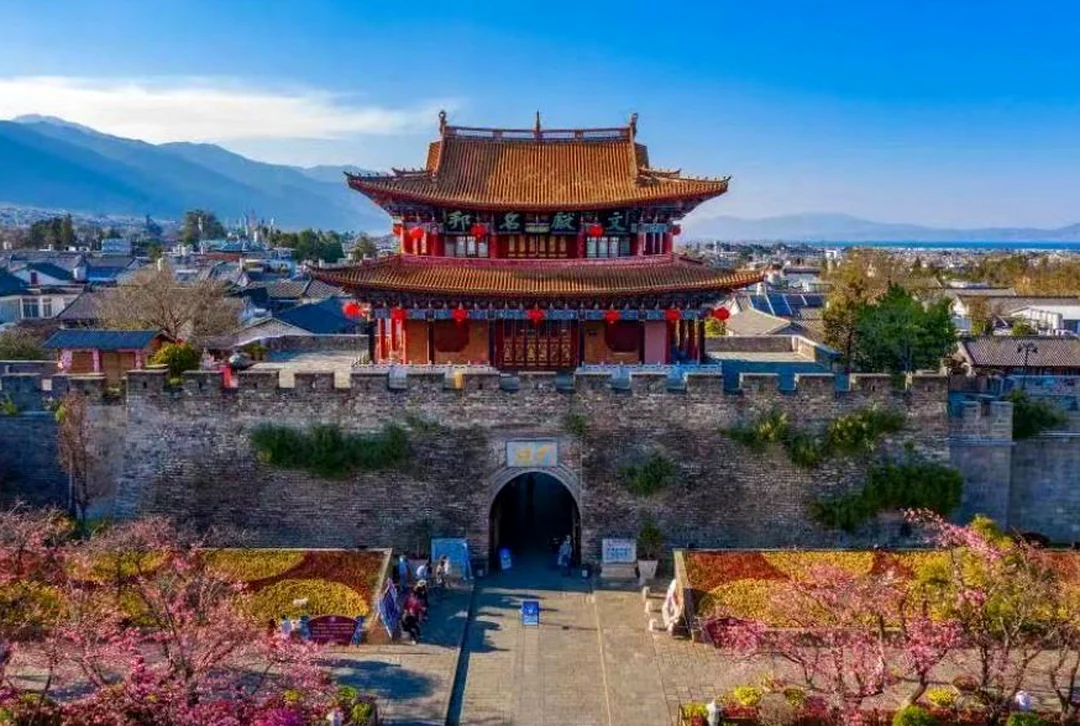
Thanks to the unique status of the hereditary Duan governors spanning the Yuan dynasty through the early Ming dynasty, the Tu Ba Wan ritual transcended the ruined palace walls and permeated deeply into the daily life of the Bai ethnic group. Former court officials, royal chefs, and palace retainers, upon blending into folk society, passed down the complete repertoire of imperial culinary techniques to subsequent generations. From the opulent royal palace, the eight-bowl dynastic banquet evolved into the most sacred and solemn feast for weddings, ancestral worship ceremonies, and village festivals. The tumultuous historical epic of the Dali Kingdom was thus never lost to the dust of the past; instead, it continues to resonate through every authentic flavor, telling the enduring story of a golden Buddhist kingdom amidst the majestic mountains of the Southwest.
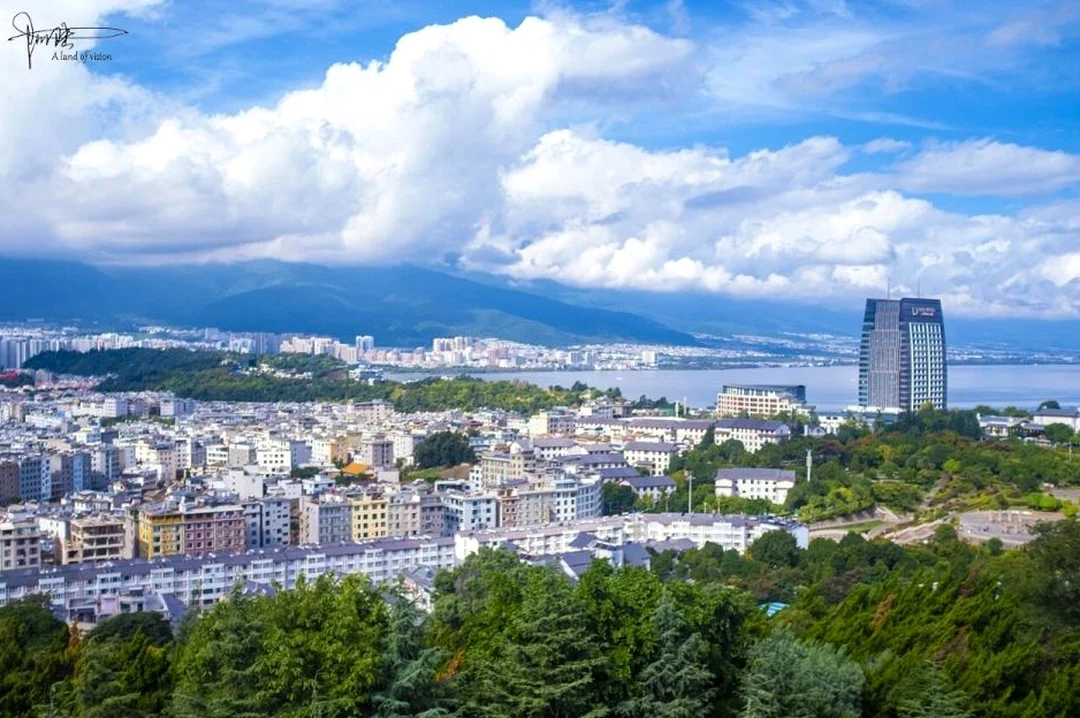
Situated at an average elevation of over two thousand meters on the Yunnan Plateau basin, the living space of the Bai community in Dali possesses a supreme feng shui geomancy unmatched by few ancient capitals on the southwestern frontier. The core heartland of the Nanzhao civilization and the Dali Kingdom is defined by the classic “backed by mountains, facing water” formation, where the towering Cangshan range rises like a jade screen behind and the mirror-like surface of Erhai Lake stretches endlessly before it. The Nineteen Peaks of Cangshan, crowned by the year-round snow-capped Malong Peak, form a sturdy natural defensive arc, while Erhai Lake—with its winding 128-kilometer shoreline—serves to gather water and shelter wind, concentrating the auspicious energy of an entire picturesque landscape. This topography creates a distinct, mild microclimate where all four seasons brim with blossoms and cool mountain breezes, providing the ideal foundation for distilling nature’s finest bounty for the royal banquet table.
The culinary lifeblood of the Dali royal banquet flows directly from the Eighteen Jade Streams (Shiba Xi), fed by melting snow in the gorges of Cangshan that winds its way over ancient granite boulders. This pristine glacial spring water, carrying countless natural minerals untouched by worldly dust, not only irrigates the fertile valleys stretching from Xizhou to Shaxi but also serves as a foundational ingredient in Bai cooking. In the traditional nutritional philosophy of the Duan clan when establishing their imperial capital, this snow-mountain water was considered the “dragon’s lifeblood,” reserved exclusively for fermenting local bean pastes, distilling fragrant liquors, and simmering sweet, clear broths for double-boiled dishes cooked over many hours. The harmony between pure alpine spring water and the abundant aquatic harvest of Erhai Lake—home to the renowned Gongyu (tribute fish)—wove an ingredient tapestry both refined and deeply rooted in local terroir.

Beyond its auspicious geography, the richness of the Tu Ba Wan Royal Banquet is inextricably linked to the legendary Ancient Tea Horse Road, particularly the vital arterial route connecting Dali through the Shaxi Valley toward Tibet and neighboring kingdoms. For a thousand years, packhorse caravans transported not only Pu-erh tea, marble, and Yunnan rock salt, but also brought back to the Dali royal palace an array of exotic spices—from black cardamom and wild mountain pepper to wood ear mushrooms, prized matsutake mushrooms growing on the forest floor of Cangshan, and pinnacle food preservation techniques. Methods of sun-drying, salt-curing fatty meats, and herbal fermentation transformed humble local produce into banquet delicacies capable of lasting through harsh winters, ready to feast envoys from all corners of the realm while preserving the full nutritional value and profound flavors of the mountains and forests.
The setting for enjoying the royal banquet is organically intertwined with indigenous architectural philosophy following the “Sanfang Yizhaobi” (Three Wings and One Screen Wall) or “Sihe Wutianjing” (Four Courtyards and Five Skywells) layouts. Traditional timber-and-stone residences featuring distinctive black-and-white patterned walls open their spacious halls toward the east to greet the dawn breaking over the waves of Erhai Lake. The eight-bowl banquet table is typically arranged at the center of a bluestone-paved courtyard, where guests listen to the Cangshan wind whispering through ancient pine groves while gazing at the shimmering moonlight reflected upon the tranquil lake, fully immersing themselves in the fabled scenery of “Wind, Flower, Snow, and Moon.” Every step of preparation by master artisans—from lighting pinewood stoves and lowering earthenware steamers to aligning the eight uniform bowls on a square Eight Immortals table—adheres to strict feng shui principles, deeply reflecting the interplay between dramatic natural topography and the zenith of Bai aristocratic culinary ritual.
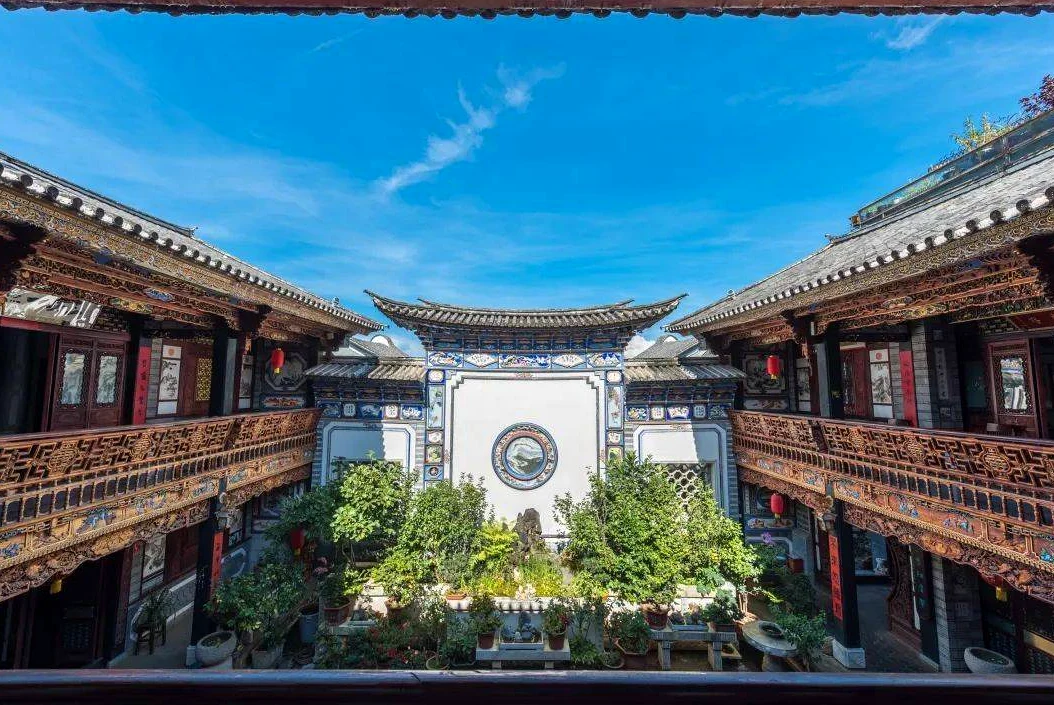
The venue for experiencing the Dali Royal Banquet is far more than a mere dining stop; it is a faithful restoration of an entire regal ceremonial ensemble set within iconic ancient Bai residential compounds. Nestled at the foot of the towering Cangshan Mountains and facing the azure waters of Erhai Lake, these estates represent the pinnacle of residential architecture in Southwest China, laid out according to the classic “Sanfang Yizhaobi” formula (three residential wings enclosing a central screen wall) interwoven with the “Sihe Wutianjing” structure (four wings surrounding five open-air skywells). This strict symmetry generates a feng shui energy field that gathers wealth and invites good fortune, while establishing a clear boundary separating the bustling clamor of the outside town from the serene, majestic atmosphere of a miniature Nanzhao royal court.
The visual centerpiece of the entire banquet compound is the magnificent screen wall standing prominently before the skywell courtyard. Crafted from premium Cangshan marble slabs whose natural veining swirls like rolling clouds and surging waves, this screen wall is coated with a layer of pure white Bai lime designed for a subtle optical purpose: capturing the late afternoon sunlight to reflect softly down into the courtyard, or bouncing the bright glow of the full moon onto the banquet tables after nightfall. This nature-harmonizing architectural technique transforms the local bluestone courtyard into a garden bathed in gentle luminescence, where the silhouettes of guests and the flowing silk robes of palace maidens seem to merge seamlessly into a timeless, breathtaking natural tableau.
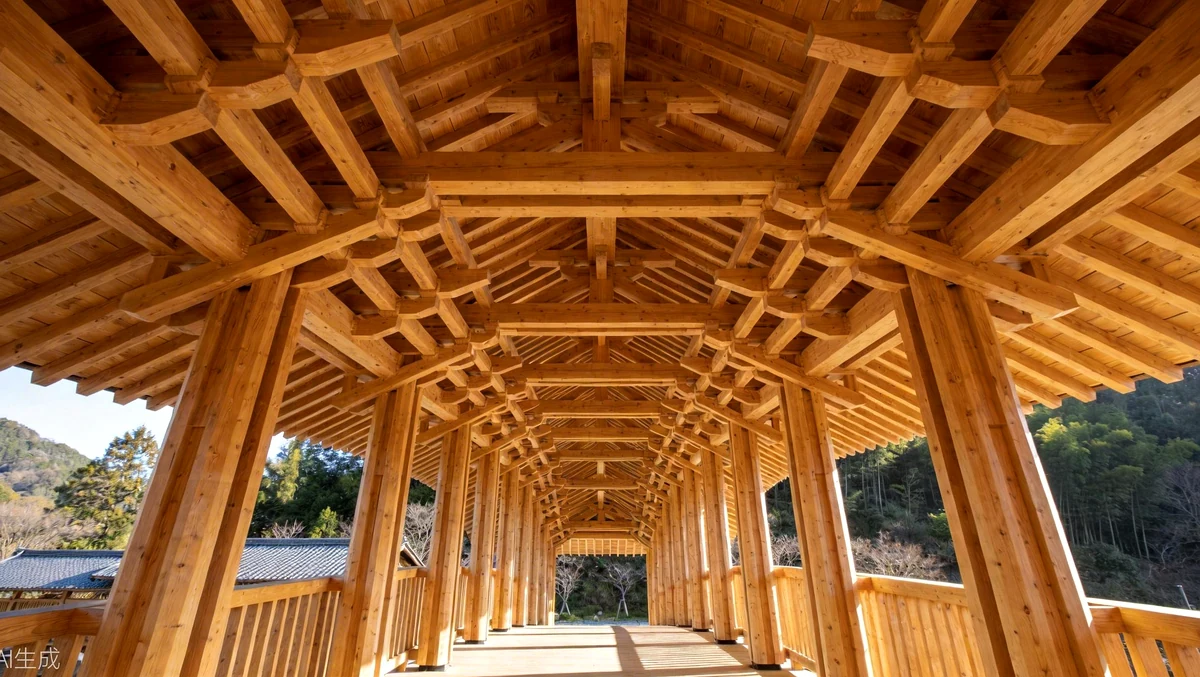
Supporting the entire millennium-old mansion structure is a sturdy framework of monolithic ancient ironwood columns, joined through intricate mortise-and-tenon craftsmanship by renowned Jianchuan master carpenters without the use of a single iron nail. Overhead, tiered rows of moss-draped yin-yang roof tiles align in immaculate formation, curving gracefully upward at the eaves to regulate a cool microclimate in summer while shielding against biting mountain winds in winter. Every lattice panel, purlin, crossbeam, and openwork window screen is a masterpiece of woodcarving, showcasing vivid depictions of the “carp leaping over the Dragon Gate” motif—symbolizing ascent and scholarly or official triumph—alongside blooming Dali camellias, the regal flower emblematic of the unyielding integrity and noble character of the Duan royal house.
The actual scale of the banquet space is meticulously organized across hundreds of square meters of courtyard grounds, capable of accommodating sixty to over a hundred distinguished guests simultaneously while preserving an intimate, solemn ambiance. Rows of dignified mahogany Eight Immortals square tables paired with exquisitely carved benches are arranged sequentially around the central skywell axis. Here, a crimson carpet embroidered with fire-cloud motifs leads from the triple-arched ceremonial gate straight into the main hall, where musicians pluck melodious tunes on the Bai three-stringed lute (sanxian) amidst drifting wisps of incense. The seamless fusion of golden spatial proportions, traditional joinery, and richly symbolic artistic details transforms every Tu Ba Wan banquet into a complete sensory journey, where architectural mastery serves as the flawless backdrop elevating a thousand-year-old dynastic culinary heritage.
As the crimson sunset sinks behind the nineteen snow-dusted peaks of Cangshan and wisps of mist from Erhai Lake begin drifting into the valley, Dali Ancient City sheds its daytime quietude to don the resplendent guise of a millennium-old royal capital. Amidst the traditional “Sanfang Yizhaobi” and “Sihe Wutianjing” architecture of Bai princely mansions and noble estates, the highland night is dispelled by hundreds of red lanterns hung along the sweeping dark-tiled eaves. The warm glow of bronze torches and beeswax candles mingles with the aged cypress aroma wafting from intricately carved pillars and rafters, conjuring an enchanting banquet realm wholly detached from the hurried pace beyond the city walls.
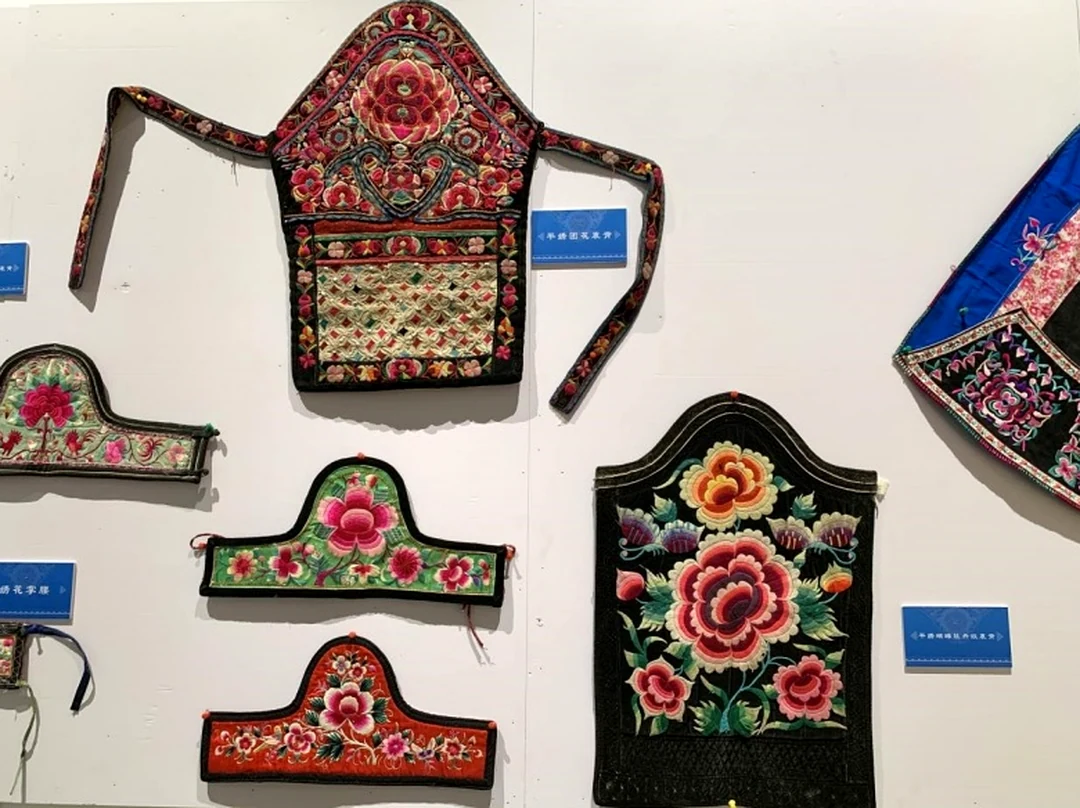
Right at the granite-and-marble threshold of the princely mansion, guests step into a unique cultural transition through the royal attire ritual of the Nanzhao and Dali eras. Shedding their everyday modern clothing, attendees drape themselves in brocade robes woven from renowned Shu silk, bordered with gold and silver thread embroidery depicting camellias—the national flower of this heritage land—alongside mythical phoenixes and surging wave motifs characteristic of the era when Duan Siping established his capital. Gentlemen don martial tunics or cross-collared robes belted with Dianchi silver-inlaid leather sashes and jade-adorned official caps, while ladies and young maidens wear intricately pleated hundred-butterfly skirts accented with peony-embroidered shawls and crescent-brimmed hats inlaid with gleaming white mother-of-pearl. The gentle chiming of handcrafted local silver jewelry with every footstep further enlivens the illusion of a noble golden age.
Before the sumptuous delicacies of the Tu Ba Wan banquet are brought forth, the dining hall settles into reverent silence to make way for a pinnacle artistic ritual: the dance and tasting of the Three-Course Tea (San Dao Cha)—a court ceremony once used to honor state guests under the Nanzhao kings. Amidst delicate tendrils of incense smoke and shifting silk-lantern light, Bai maidens in magnificent attire gracefully perform the elaborate tea-brewing ritual guided by the philosophy of “first bitter, second sweet, third lingering aftertaste.” The ethereal strains of the huqin fiddle and lilting bamboo flute guide guests through successive layers of life’s emotions: from the first cup, roasted in an earthenware pot to yield a bracing bitterness symbolizing the hardships of pioneering endeavor; to the second cup, sweetened with cane syrup, milk, and osmanthus to represent the sweet rewards of glory; and concluding with the third cup, spiced with fragrant ginger and nutty walnuts as a poignant reminder of reflection and wisdom accumulated over a lifetime.
In the signature crisp chill of a plateau lying more than two thousand meters above sea level, warmth radiating from glowing charcoal braziers placed beneath the mahogany banquet tables creates an atmosphere of absolute regal comfort and coziness. Ancient Bai Eight-Step Dances unfold continuously upon the bluestone live-action stage, with lighting shifting from dramatic hues matching the roll of war drums to soft, serene tones following the rhythm of bamboo-tube dances, blending with the gentle rustle of wind through old pines beyond the jade veranda. A Dali royal banquet night is far more than a palace meal; it is a seamless symphony of lighting artistry, royal costume, classical music, and life philosophy, carrying the traveler’s imagination effortlessly through the glorious currents of an empire enshrined in the grand epic of the southwestern frontier.
Situated at the crossroads of the mist-shrouded Cangshan Mountains and the expansive Erhai Lake, the culinary art of the Bai people is not merely a combination of rare land-and-sea delicacies, but a distilled repository of millennia of Nanzhao and Dali court culture. The very heart of this heritage crystallizes in the Tu Ba Wan culinary ritual—eight traditional earthenware bowls arranged with exacting precision upon an Eight Immortals table. Legend holds that this ceremony originated in the imperial banquets hosted by the Duan emperors to entertain foreign envoys and reward illustrious meritorious officials, before permeating daily life to become the supreme symbol of hospitality, reverence for deities, and aspirations for peace and prosperity.
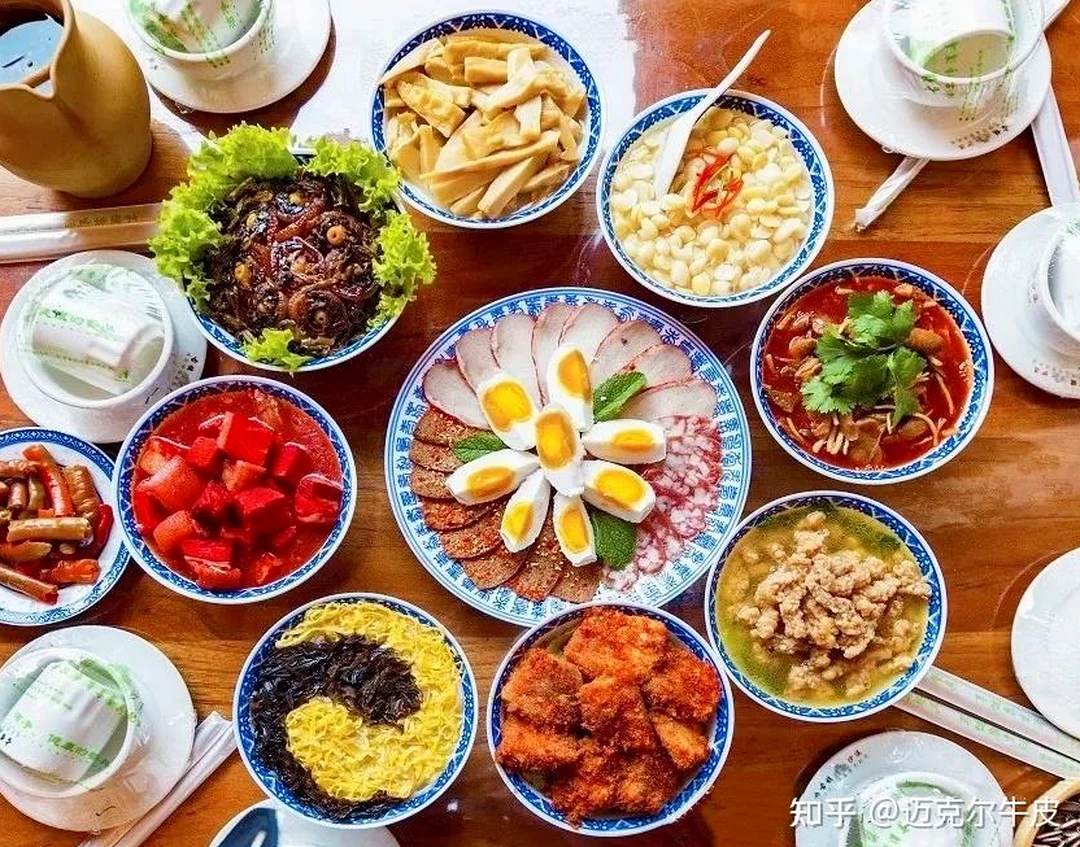
The arrangement of the eight-course feast strictly adheres to the Bagua (Eight Trigrams) diagram and the principles of Yin-Yang and the Five Elements, with each flavor profile representing a profound philosophical layer. Opening this symphony of taste is Hong Zhu Rou (Red-Braised Pork), prime cuts of pork belly meticulously marinated in natural red yeast rice and Cangshan black cardamom, then slow-braised over glowing charcoal for hours until the layers of fat melt like early winter snow, gleaming with a rich crimson hue symbolizing imperial prosperity and auspicious blessings. Positioned symmetrically opposite is Su Qi Rou, a masterwork of batter-coated pork twice-fried under exacting heat control to achieve a brilliant, airy crispness on the outside while locking in every drop of sweet, tender juice infused with local rice wine on the inside.
The most unmistakable imprint of royalty is embodied in Bai Zhi Ji (White-Sauce Chicken), tender stewed chicken enveloped in a creamy ivory sauce crafted from Rushan—the famed goat’s milk cheese handmade by herders at the foot of Cangshan Mountain through multiple stages of stretching and wind-drying. The delicate richness of goat’s milk melds seamlessly into the firm fibers of free-range hill chicken, creating a velvety texture and a flavor both regal and untamed. Next comes Xiu Liu He (Six-Harmony Braise), an assorted braised masterpiece combining six wild mountain ingredients—bamboo shoots, shiitake mushrooms, wood ear fungus, venison tendon, and butter beans—symbolizing absolute harmony between heaven, earth, and the four directions, evoking the aspiration for unified territory during the golden age of Nanzhao.
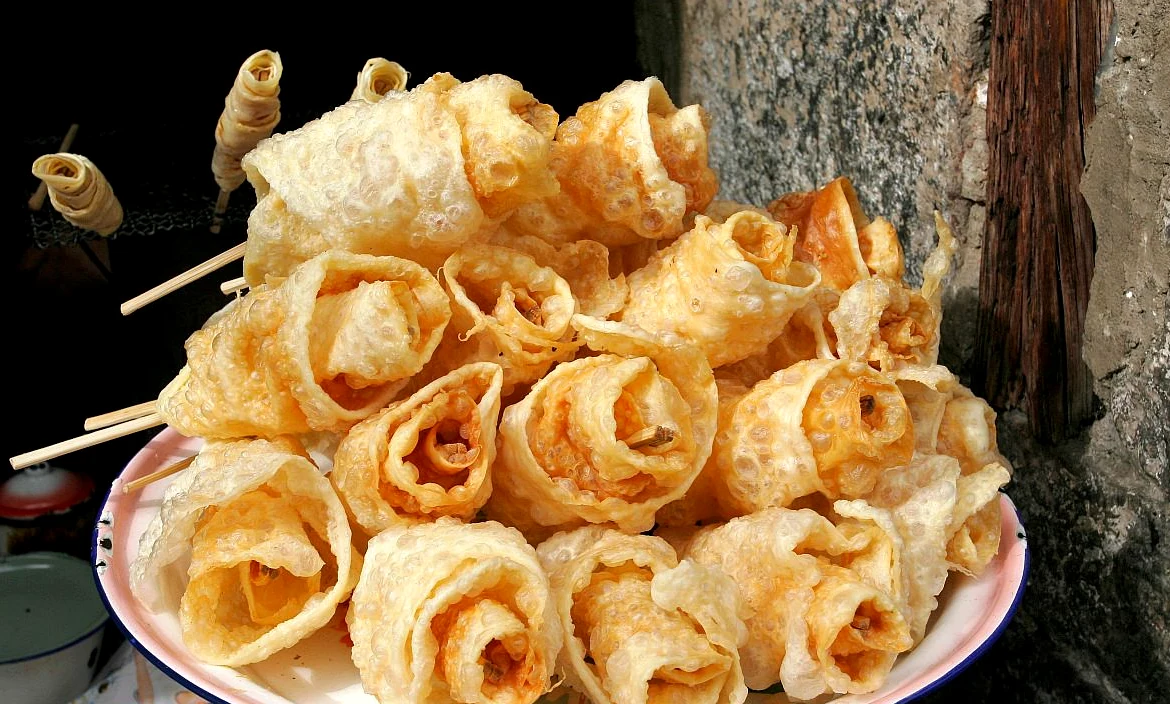
From the deep emerald waters of Erhai Lake, the banquet welcomes wild-caught fish steamed with fresh green Sichuan peppercorns, preserving its pure, natural sweetness without a trace of fishiness while releasing a gently numbing, citrusy aroma that awakens every sense. Palate freshness is elevated to its peak by a platter of Shui Xian Cai (water-blossom greens), an aquatic herb that thrives only in the crystal-clear, unpolluted depths of the lake, lightly stir-fried with scallion oil to retain its jade-green hue and refined, crisp crunch. Rounding out the savory progression is taro steamed with local brown sugar, delightfully chewy and fragrant with pure cane molasses, embodying the enduring bonds of clan and ancestral motherland.
The finale of every Tu Ba Wan banquet is always a refreshing bowl of snow fungus and pear blossom soup, gently double-boiled with high-altitude tremella mushrooms and pure white pear petals fallen early in the season on the mountain slopes. The crystal-clear broth, delicately sweet on the palate, not only balances all the rich, savory flavors that preceded it, but also encapsulates the transcendent, serene spirit of this storied Buddhist realm. Savoring Tu Ba Wan amidst the resonant plucking of a dragon-headed sanxian lute inside a traditional Sanfang Yizhaobi courtyard house is far more than a simple meal—it is a pilgrimage into dynastic memory, where travelers are welcomed with the genuine warmth and hereditary royal grace of the land of Wind, Flower, Snow, and Moon.
Journeying to experience the imperial flavors of the Dali Kingdom has become remarkably convenient and effortless thanks to the rapid advancement of intermodal transport infrastructure. From Vietnam, the modern road-and-rail route begins with immigration clearance at the Hekou international border gate, followed by a train leg to the provincial capital of Kunming. From Kunming South or Kunming Central Railway Station, travelers board sleek high-speed trains that glide smoothly across the central Yunnan plateau to arrive at Dali Station in exactly 1 hour and 52 minutes. This vital rail artery cuts like a silk ribbon through layered mountain ranges, whisking diners from the pulse of modern city life straight into the tranquil, cloud-draped realm of Cangshan and the shimmering waters of Erhai Lake.

To savor the full aesthetic splendor of the royal banquet amidst breathtaking natural scenery, the golden windows to depart are spring from March to May or autumn from September to November. Spring in Dali bursts with blooming camellias and crabapple blossoms, where mild air mingles with crisp lakeside breezes—an ideal setting for sipping Three-Course Tea with its bitter-to-sweet progression. Meanwhile, northern frontier autumn drapes Cangshan in the golden foliage of ancient ginkgo trees, and the crisp, dry climate heightens the rich, warming aromas of five-spice steamed pork belly bowls and steaming copper hotpots.
Unlike ordinary urban dining, an authentic Dali royal Tu Ba Wan banquet demands painstaking preparation, from sourcing indigenous agricultural produce to slow-simmering herbal broths over many hours. Consequently, historic princely mansions and traditional Bai estates in Dali Ancient City or Xizhou Ancient Town typically maintain two fixed dining sessions: lunch from 11:30 AM to 1:30 PM, and dinner from 5:30 PM to 8:30 PM. These schedules are precisely synchronized with royal theatrical performances, solemn Eight-Staff dances, and the celebratory Da Bing wine-toasting ceremony led by Jinhua maidens dressed in dazzling silver-embroidered traditional attire.
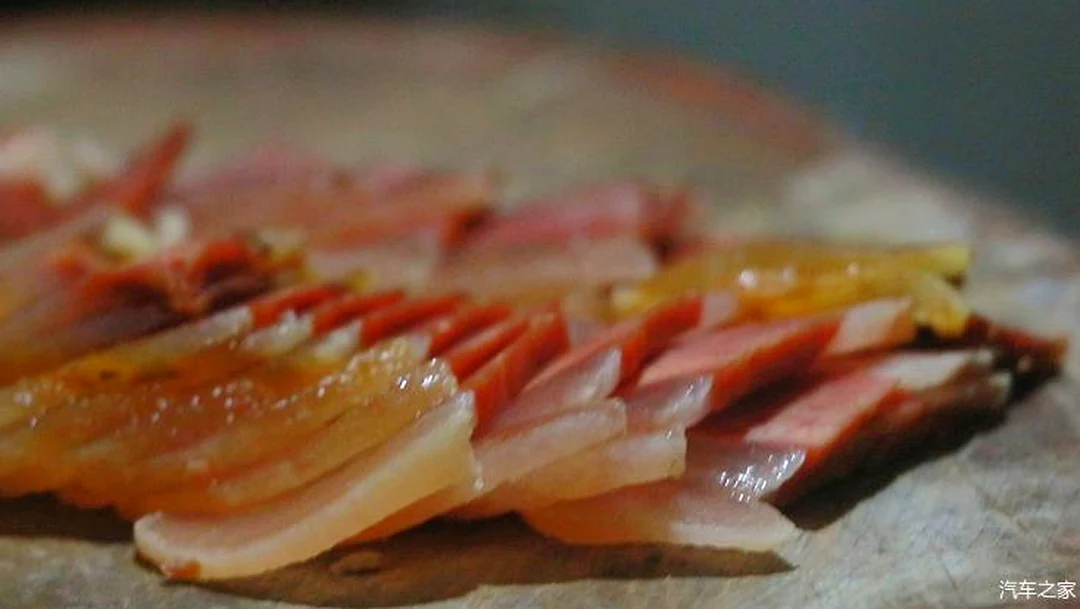
Reference prices for a royal banquet range from 120 to 280 RMB per guest, depending on the grade of specialty ingredients such as multi-year jar-aged Nuodeng ham, Cangshan matsutake mushrooms, or Erhai tribute fish. When booking heritage culinary experiences, seasoned travelers remain highly vigilant against disguised budget-tour traps disguised as shopping-subsidized trips, which often skimp on portion sizes or pressure guests into visiting subpar silver and jade workshops. Instead, choosing a pure-sightseeing travel format—known as an authentic Pure Tour model—is the essential key to ensuring unhurried dining time, complete ceremonial music and dance performances, and unadulterated regional flavors.
Keeping a few traditional Bai table manners in mind will further elevate your royal dining experience. According to the time-honored customs of the Duan aristocracy, seats facing the carved “Fu” (Good Fortune) screen wall or the peaks of Cangshan Mountain are always reserved for elders or honored guests from afar, and silver chopsticks only touch the dishes after the host raises a toast of blessing. To avoid the hassle of securing advance reservations at renowned royal estates or coordinating long-distance transit logistics, exploring and joining a well-crafted all-inclusive tour package offers the ideal solution, allowing you to immerse yourself effortlessly in the pinnacle culinary culture of a thousand-year-old kingdom.