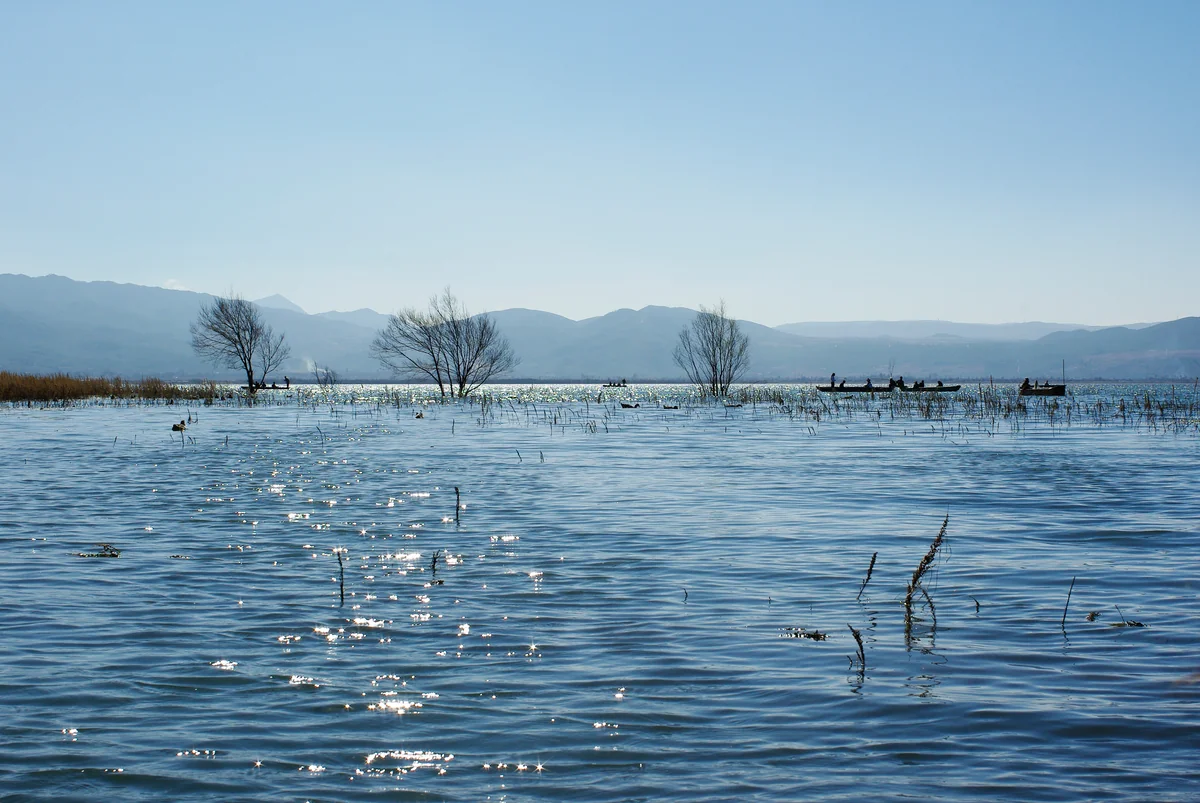
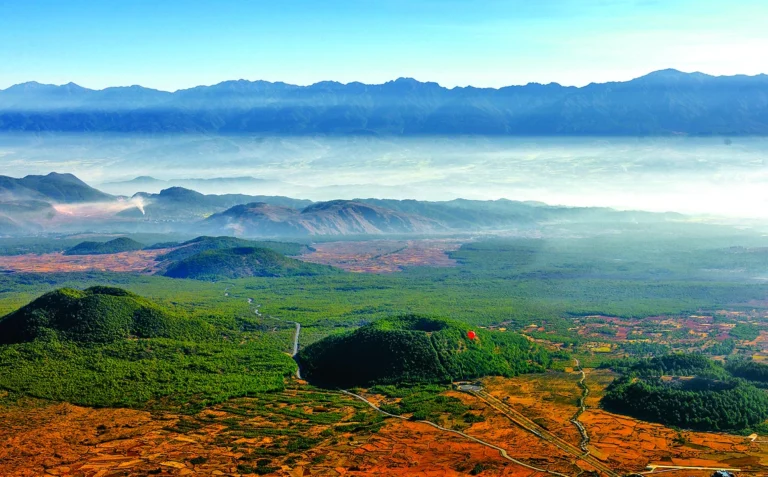
Welcome travelers to the most comprehensive international travel encyclopedia guide on Tiger Leaping Gorge—one of the deepest, most magnificent, and highly iconic gorges on the planet. Compiled by the team of travel experts and encyclopedic cultural writers at VDS Travel, this article will guide you through every layer of geographic, historical, and cultural value, alongside ultimate practical tips for your journey exploring the legendary Yunnan tourist route (Kunming – Lijiang – Shangri-La – Dali – Honghe Prefecture).
Hailed as Asia’s trekking sanctuary, Tiger Leaping Gorge is not merely an ordinary check-in destination, but a living museum of pristine nature where the might of floodwaters harmonizes with the majesty of eternal snow mountains. Let VDS Travel unpack every layer of this wonder’s breathtaking beauty in the detailed sections below.
Tiger Leaping Gorge is located on the border between the Yulong Naxi Autonomous County in Lijiang City and the Deqen Tibetan Autonomous Prefecture in the capital Shangri-La, Yunnan Province, China. It sits about 60 km north of Lijiang Ancient Town and roughly 100 km south of Shangri-La City, forming a perfect strategic stopover on the arterial route connecting central Yunnan with the Tibetan Plateau.
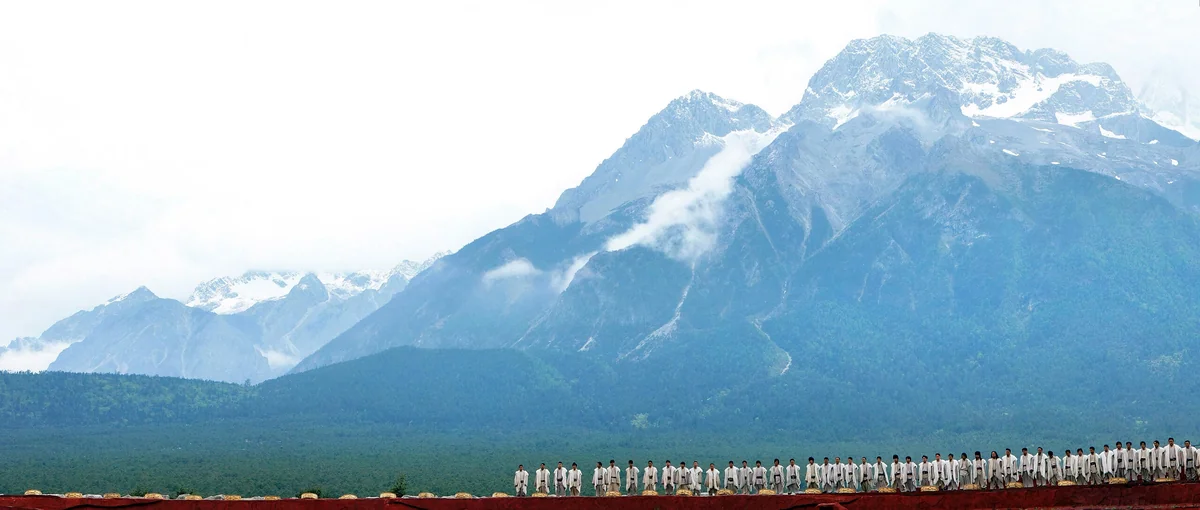
From a hydrological geography perspective, this gorge is carved by the surging waters of the Jinsha River—the upper reaches of the magnificent Yangtze River. The gorge spans a total length of about 16 km, sandwiched between two towering mountain ranges: Yulong Snow Mountain (Jade Dragon Snow Mountain) to the east and Haba Snow Mountain to the west. Most impressively, the vertical drop from the river surface to the snow-capped mountain peaks reaches nearly 3,900 meters, making it one of the deepest river gorges in the world.
The name “Tiger Leaping Gorge” originates from a thrilling folk legend of the local Naxi ethnic minority. According to oral history passed down through generations, a hunting tiger was once chased by hunters into a corner. When it reached the narrowest point of the Jinsha River, where roaring rapids rage and the distance between both banks is only about 30 meters, the tiger used its extraordinary strength to leap across to the other side and escape.
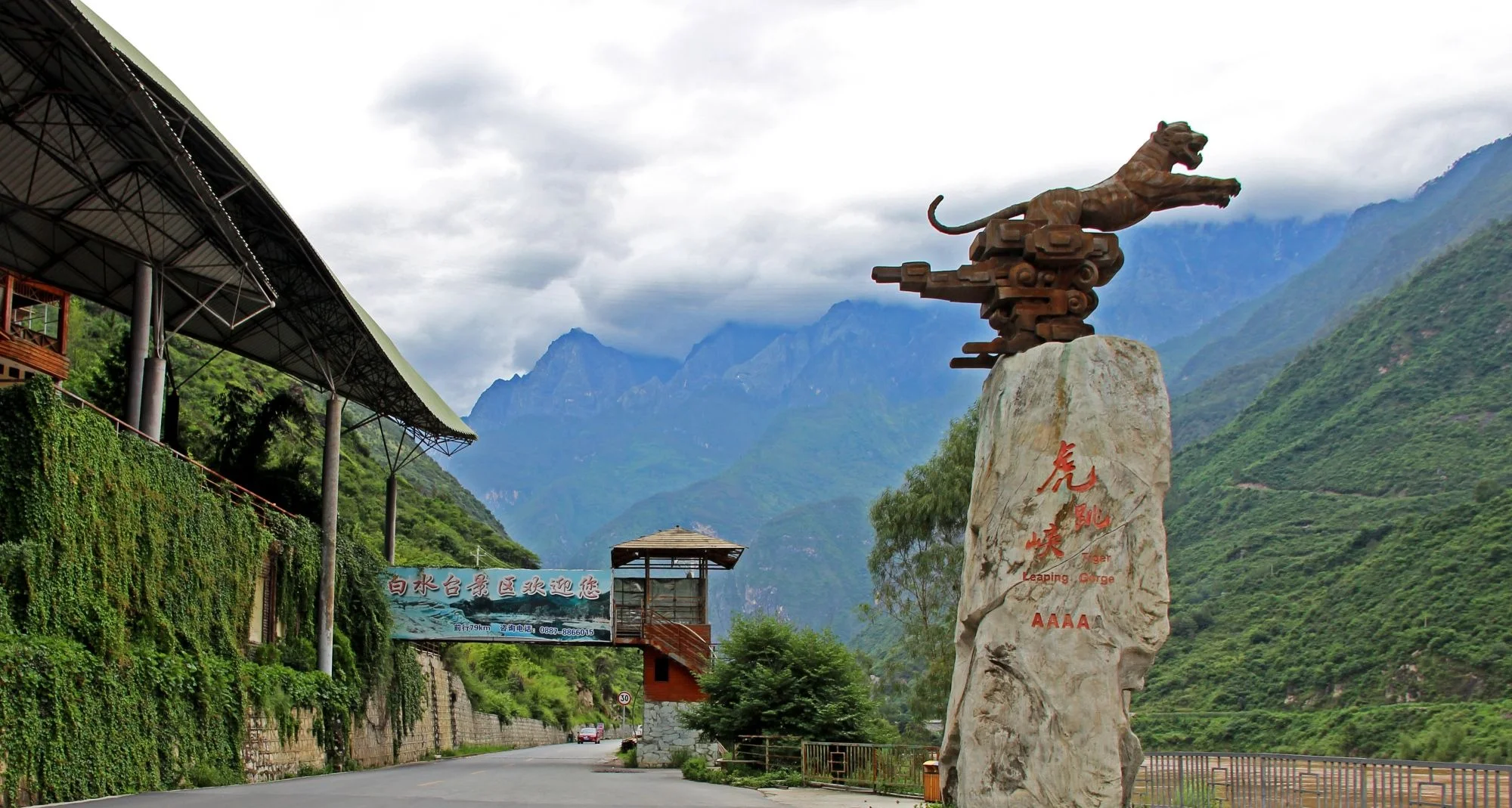
Archway and tiger statue at the Tiger Leaping Gorge tourist area in Yunnan, China.
In the middle of the river at this exact location, a large boulder named the “Tiger Leaping Stone” still stands today. This rock acts as a natural landmark, testifying to the heroic folklore and creating an exceptionally unique visual highlight for the entire gorge. The name Tiger Leaping Gorge not only recalls a mythical tale but also reflects the wild, rugged, and proud spirit of this land.
Within Yunnan Province’s tourism ecosystem, Tiger Leaping Gorge serves as a vital link connecting diverse cultures. It lies within the Three Parallel Rivers of Yunnan Protected Areas—a UNESCO World Heritage Natural Site. The intersection between Naxi culture and deeply colored Tibetan lifestyles creates an extremely rich anthropological space.
For the international travel community, Tiger Leaping Gorge represents borderless adventurous spirit. Conquering its mountain trails not only tests physical endurance but also serves as a soul-cleansing journey where humans are humbled before the absolute majesty of creation. VDS Travel asserts that anyone wanting to fully understand the sacred spirit of Yunnan’s mountains and rivers cannot skip this iconic destination.
Not crafted by human hands, the architecture of Tiger Leaping Gorge is entirely the masterpiece of Mother Nature through millions of years of geological tectonic movement. Continuous collisions between the Indian plate and the Eurasian continent thrust the Yulong and Haba mountain ranges upward, while the relentless flow of the Jinsha River carved deeply into the earth, creating a massive crack on the earth’s surface with near-vertical cliffs.
The gorge is divided into three main sections: Upper Gorge, Middle Gorge, and Lower Gorge. Each sub-region possesses its own distinct geographic architecture and visual beauty, eliciting different emotional tones for visitors.
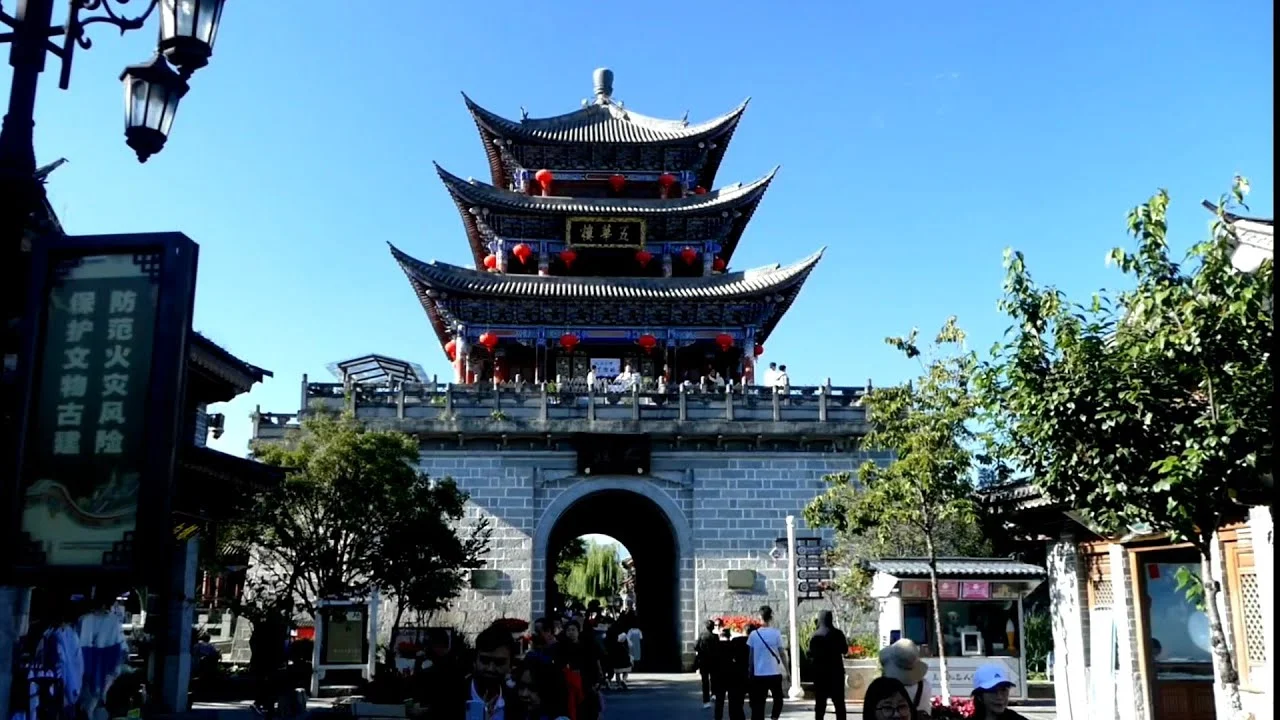
Traditional Chinese ancient city gate with multi-tiered curved roofs and a stone archway.
Upper Gorge: The most accessible section, located near the main ticket checkpoint. This is home to the legendary Tiger Leaping Stone. The landscape here features rolling emerald waters surging forward, bursting into white foam as they crash against massive rock reefs. A sturdy system of iron staircases and paved wooden paths allows visitors to easily approach the river up close. Middle Gorge: Located in the middle of the gorge, renowned as the most rugged and spectacular section. Here, the riverbed narrows abruptly, and hundreds of submerged rock reefs generate roaring rapids day and night. Soaring vertical cliffs on both sides block out sunlight for most of the day, creating a mysterious and somewhat overwhelming atmosphere. Lower Gorge: The final section of the gorge where the current begins to flatten out, widening into broader valleys before flowing down into lower regions of Yunnan Province. This area is less rugged yet offers expansive views of traditional indigenous agricultural villages.
The most powerful visual impression at Tiger Leaping Gorge is the color contrast and monumental scale. The deep jade-green hue of the Jinsha River winds softly at the bottom of the abyssal depths, embracing the base of colossal grey stone walls. High above, pure white snow-capped peaks sparkle under sunlight, composing a picturesque landscape reaching nature’s ultimate perfection.
Visitors to Tiger Leaping Gorge have two main experiential options depending on time, physical condition, and personal preference: A quick sightseeing experience by car combined with light walking, or embarking on the legendary trekking trail across the slopes of Haba Mountain.
If traveling with family members including seniors or children, this route is the optimal choice. VDS Travel’s tour vehicles will take you straight to the Upper Gorge area. From the parking lot, you walk along well-planned trails and staircases down close to the banks of the Jinsha River.
The ultimate check-in angle here is standing on the viewing platform right beside the Tiger Leaping Stone. The moment you listen to the roaring water thundering in your ears, feel the cool mist splash against your face, and snap a photo against the backdrop of the churning river and towering cliffs will become an invaluable memory.
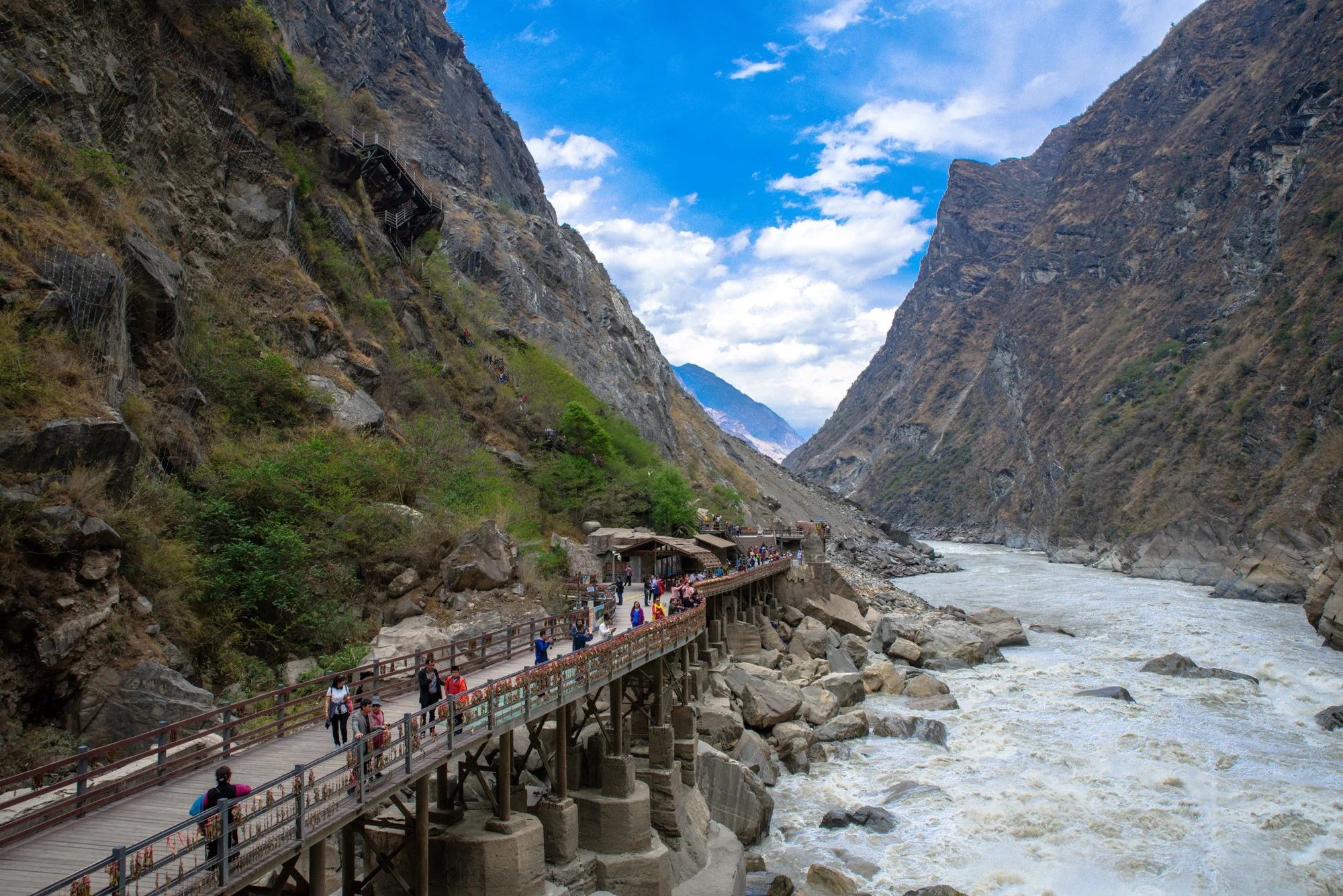
Wooden path along rugged cliffs beside churning river waters at Tiger Leaping Gorge.
For adventure travel enthusiasts, Tiger Leaping Gorge’s High Trail ranks among the world’s finest hiking routes. The journey typically spans 2 days and 1 night, starting from the trailhead at Qiatou, climbing gradually up the slopes of Haba Snow Mountain, and ending in the Middle Gorge area.
Along this trail, you will pass through Naxi villages, precipitous hillside terraced fields, and notably the famous section known as the 28 Bends. This presents the toughest physical challenge featuring 28 consecutive steep hairpin turns climbing upward, demanding exceptional patience and stamina.
High Trail Viewpoint: A scenic viewpoint along the trekking route where you capture the entire Jinsha River valley and Yulong Snow Mountain peak in a breathtaking panoramic frame. Sky Ladder: A precarious iron ladder system anchored straight into vertical cliffs in the Middle Gorge, guiding visitors past hazardous abyssal stretches. Checking in here delivers an extremely thrilling and unique sensation. Tea Horse Guesthouse: A legendary stopover along the trekking route. It not only serves hot tea and food but also features a veranda facing the snow peaks, making it an awe-inspiring sunrise and sunset photo spot. Guanyin Waterfall: A large waterfall cascading directly from towering cliffs onto the trail, forming a stunning natural water curtain that every trekker must stop to capture.
The journey exploring Tiger Leaping Gorge satisfies not only the eyes through landscapes but also awakens all senses via the distinct culinary culture of ethnic minority communities across the Yunnan plateau. Due to a unique geographical location intersecting Han, Naxi, and Tibetan cultures, local cuisine offers bold, warming flavors ideal for restoring energy after physical exertion from mountain climbing.
When stopping at local guesthouses along the trekking route or restaurants around the gorge area, you must try these signature dishes:
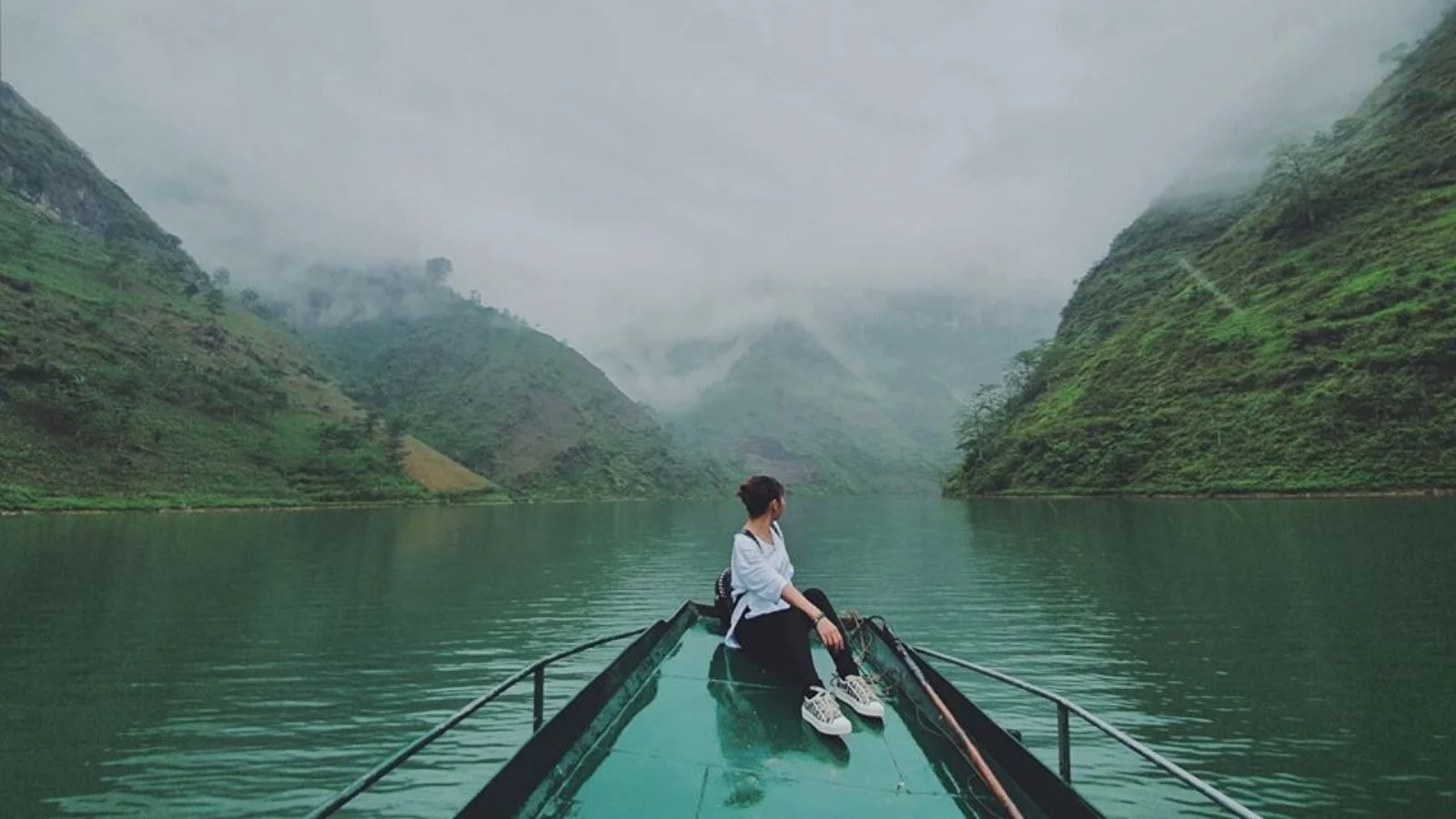
Visitors sitting on the bow of a boat admiring misty, majestic mountain and river scenery in China
Lijiang Dried Ribs Hotpot: An iconic dish made from strips of pork ribs heavily salted and air-dried naturally for months. When cooked in a hotpot, the meat becomes fall-off-the-bone tender and rich, combined with fresh mountain greens and local root vegetables, yielding an exceptionally enticing sweet broth. Yulong River Salmon: Pure glacial meltwater flowing from Yulong Snow Mountain’s peak creates an ideal habitat for cold-water salmon farming. Salmon meat here is firm, naturally sweet, and can be prepared as fresh sashimi, grilled with salt and chili, or simmered in a wonderful hot and sour hotpot. Rose Pastry: A traditional pastry made from crispy flaky layers wrapping fillings of fresh rose petal jam harvested directly from Yunnan valleys. Savoring a bite with a warm cup of Pu’er tea drives away high-altitude chills. Tibetan Butter Tea and Barley Dishes (Tsampa): Imbued with Tibetan cultural vibes, this beverage features the rich creaminess of pure yak butter combined with a hint of salt, helping the body retain heat exceptionally well at high altitudes.
Concluding your Tiger Leaping Gorge adventure, purchasing souvenir gifts carrying deep local marks for loved ones is indispensable. You can buy them at traditional shops around the gorge entrance or on the way back to Lijiang / Shangri-La:
Pu’er Tea: Yunnan serves as the cradle of globally renowned Pu’er tea. Aged tea cakes pressed tightly together, featuring bold flavors and a deep sweet aftertaste, make a premium and culturally rich gift. Naxi Handicrafts: Exquisite wood carvings, handmade silver jewelry bearing traditional patterns, or colorful woven brocade fabrics showcasing the talented craftsmanship of highland women. Precious Plateau Medicinal Herbs: Cordyceps sinensis, Chuanxiong, Gastrodia elata, or white fungus harvested directly from Yunnan’s high mountain ranges, famous for health-tonifying benefits.
To ensure your journey exploring Tiger Leaping Gorge runs smoothly, safely, and perfectly every moment, equipping practical knowledge is paramount. Below are insights distilled from VDS Travel’s long-standing international tour operation experts.
Tiger Leaping Gorge welcomes visitors year-round, yet each season brings a different appearance and experience:
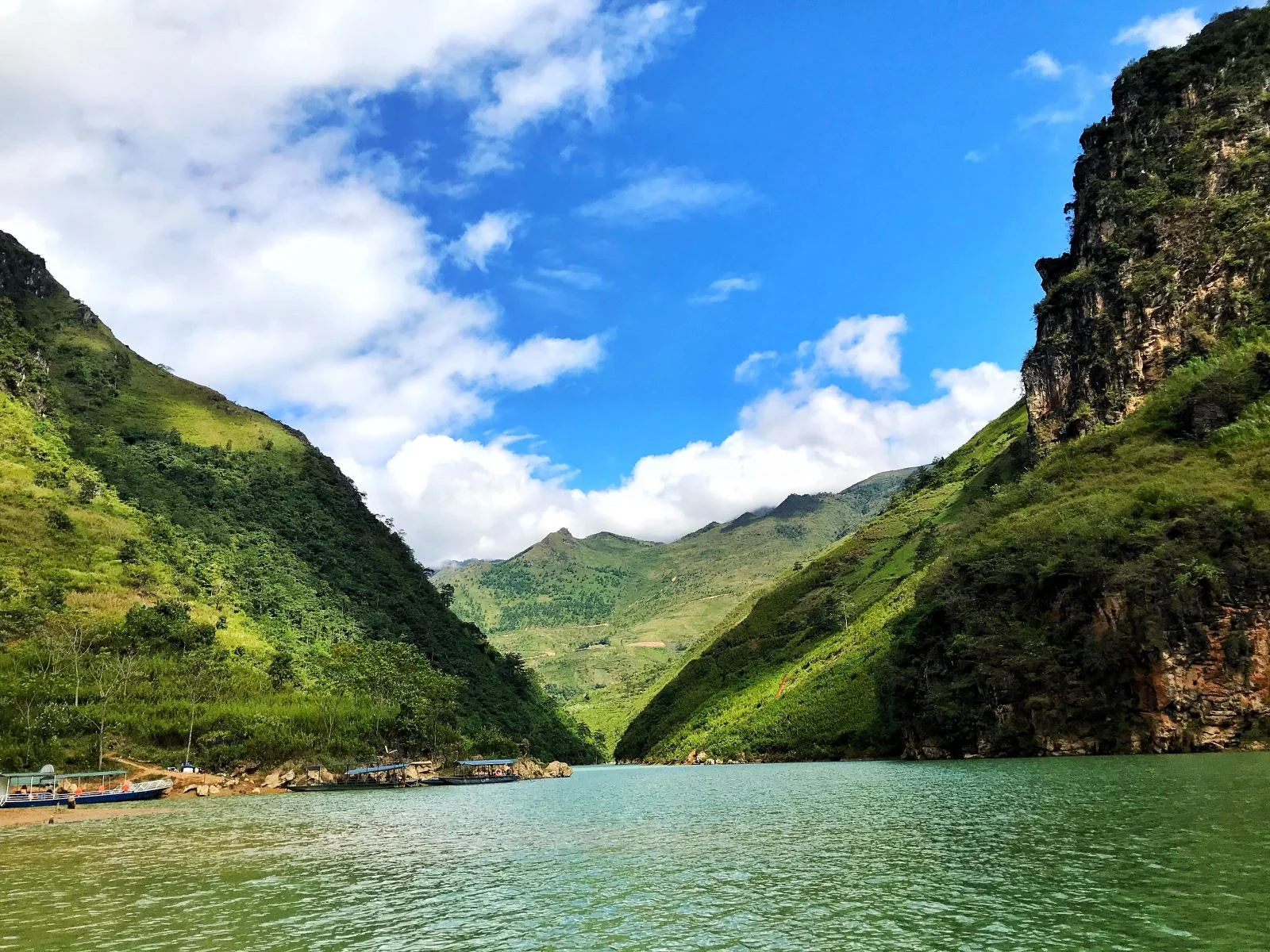
Majestic natural scenery with green mountain gorges and turquoise rivers.
Spring (March – May): Dry weather, clear skies, with yellow rapeseed flowers blooming across hillsides and valleys. This is the best time for sightseeing trekking activities. Autumn (September – November): Cool weather, clean air, farthest and clearest visibility to admire majestic snow peaks fully. Changing red and yellow foliage creates an unmatched romantic setting. Summer (June – August): Rainy season in Yunnan. Although the Jinsha River reaches peak water volume with churning, immensely spectacular power during this time, landslide risks along trekking trails are quite high. Travelers should carefully consider and closely monitor weather forecasts. Winter (December – February): Very cold weather; nighttime temperatures can drop below 0°C, with snow covering paths. However, gorge scenery becomes tranquil and mystical like a grand epic space.
Depending on your Yunnan tour itinerary, getting to Tiger Leaping Gorge typically follows standard routes:
From Lijiang / Shangri-La to Tiger Leaping Gorge: Travelers can choose intercity buses to Qiatou bus station, then catch motorbike taxis or local tourist transport to the gorge entrance. However, the safest, most convenient, and time-saving solution is booking all-inclusive private car services or package tours with VDS Travel, featuring terrain-savvy drivers and specialized modern vehicles for mountain passes.
LISTED TICKET PRICE & SERVICE TABLE
Altitude Sickness Prevention: Tiger Leaping Gorge sits at elevations ranging from 1,800m to over 2,600m (with surrounding peaks exceeding 4,000m). Travelers should move slowly, avoid strenuous exertion on the first day, drink plenty of water, and prepare portable mini oxygen canisters. Respect Local Culture: When visiting Naxi or Tibetan villages, respect local religious beliefs and customs. Do not arbitrarily photograph locals or religious ceremonies without consent. Specialized Trekking Gear: If choosing the trekking route, equip slip-resistant hiking boots, trekking poles, waterproof backpacks, warm windproof jackets (Gore-Tex), and high-SPF sunscreen since UV radiation at high altitudes is intense. Environmental Protection: Absolutely do not litter along gorges and trails. Preserve the absolute pristine nature of this natural wonder.
The Upper Gorge area is entirely suitable for all ages thanks to safely repaired pathways providing convenient mobility. However, the Middle Gorge and High Trail trekking routes are exclusively intended for those in good physical health accustomed to exercise without heart conditions or high blood pressure.
Based on VDS Travel’s tour operation experience, the ideal duration is 1 day if you only visit Upper Gorge combined with transit between Lijiang and Shangri-La. If you wish to experience the trekking route fully, you need to allocate at least 2 days and 1 night.
At main stops and guesthouses along the trekking route, cellular signals from major carriers like China Mobile or China Unicom are fairly stable with free Wi-Fi. However, in deep gorge sections, cellular signals may drop entirely due to obstructing high mountain topography.
For first-time visitors choosing multi-day trekking routes, hiring a local guide (or booking VDS Travel’s package tours with an accompanying guide) is extremely necessary. They not only lead the way accurately and help you avoid dangerous paths but also share fascinating cultural stories.
Hopefully, this comprehensive encyclopedia guide from VDS Travel has provided you with a deep, detailed, and inspiring perspective on Tiger Leaping Gorge. Prepare your belongings, refreshed spirit, and contact VDS Travel right away to materialize your dream of conquering Yunnan’s greatest wonder on your upcoming international trip!