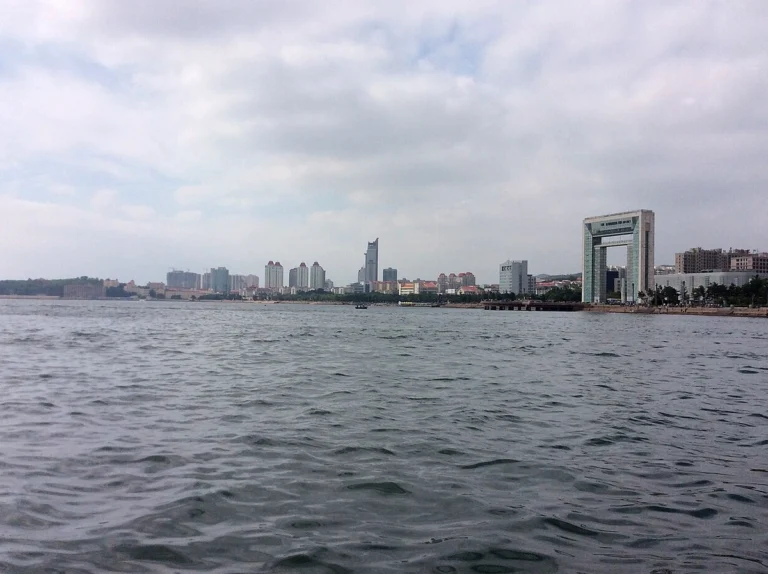
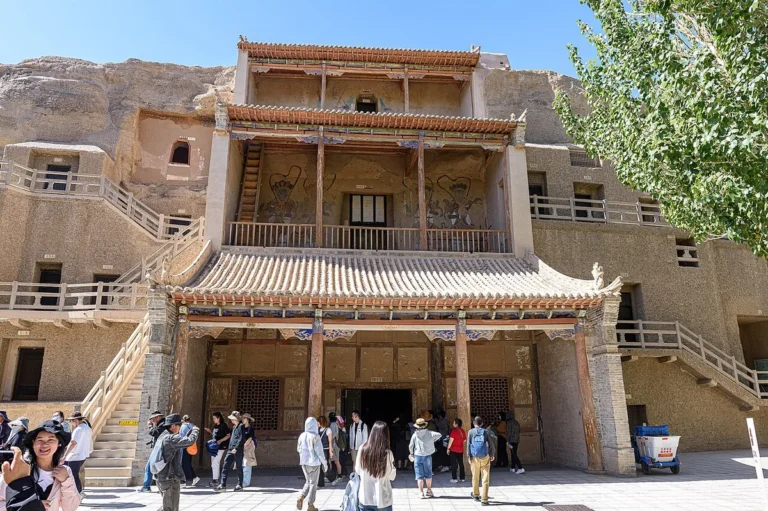
Turning back the clock to the pivotal years of modern Chinese history—when the thunderous gunfire of the Opium Wars forced the Qing court to open its doors to foreign trade—Tianjin entered one of the most transformative chapters of the era. Nestled quietly yet commandingly in the southern extension of the former British Concession in Tianjin’s Heping District, the Five Great Avenues Historic District (Wudadao) was never a single, haphazardly built street. In reality, it is a nationally protected historical architectural ensemble—a masterwork of urban planning shaped by an intricate geometric network of five main arteries: Machang Avenue, Munan Avenue, Dali Avenue, Changde Avenue, and Chongqing Avenue. The origins of this urban heritage trace back to 1860, when Tianjin was officially opened as a treaty port, culminating in the 1903 treaty expanding the British Concession, which formally brought the surrounding farmlands and ponds outside the old concession walls under British municipal administration.
From an untamed expanse of wetlands and suburban rice paddies, shaped by concession-era urban planning and the upheavals of the age, Wudadao transformed into an enclave steeped in “exiled gentry culture” (寓公文化). During the early decades of the 20th century, as the Qing Dynasty collapsed and the Republic of China descended into civil war and foreign encroachment, this neighborhood became an ideal sanctuary for displaced aristocrats, former statesmen, notorious warlords, and fallen members of the imperial family. Walking these streets in those years, one might have crossed paths with figures who once commanded the modern Chinese political stage—from the residences of President Cao Kun and second President Xu Shichang to the private mansions of powerful Premiers Duan Qirui and Jin Yunpeng, as well as the quiet footsteps of the Last Emperor Puyi alongside Empress Wanrong and Consort Wenxiu during their long days awaiting a restoration that would never come.
Beyond the highest echelons of politics, this historic district also holds countless untold stories of late-Qing and Nationalist-era financiers and nobility—most notably the opulent residence of financier T. V. Soong, the private home of Sun Fo, and the pinnacle of princely architecture, Prince Qing’s Mansion (the residence of Zaizhen, son of Prince Qing Yikuang), which remains the largest and best-preserved royal residence in Tianjin. Every street corner and every red-brick wall shaded by ancient trees in Wudadao stands as a living witness to a turbulent era defined by fleeting grandeur.
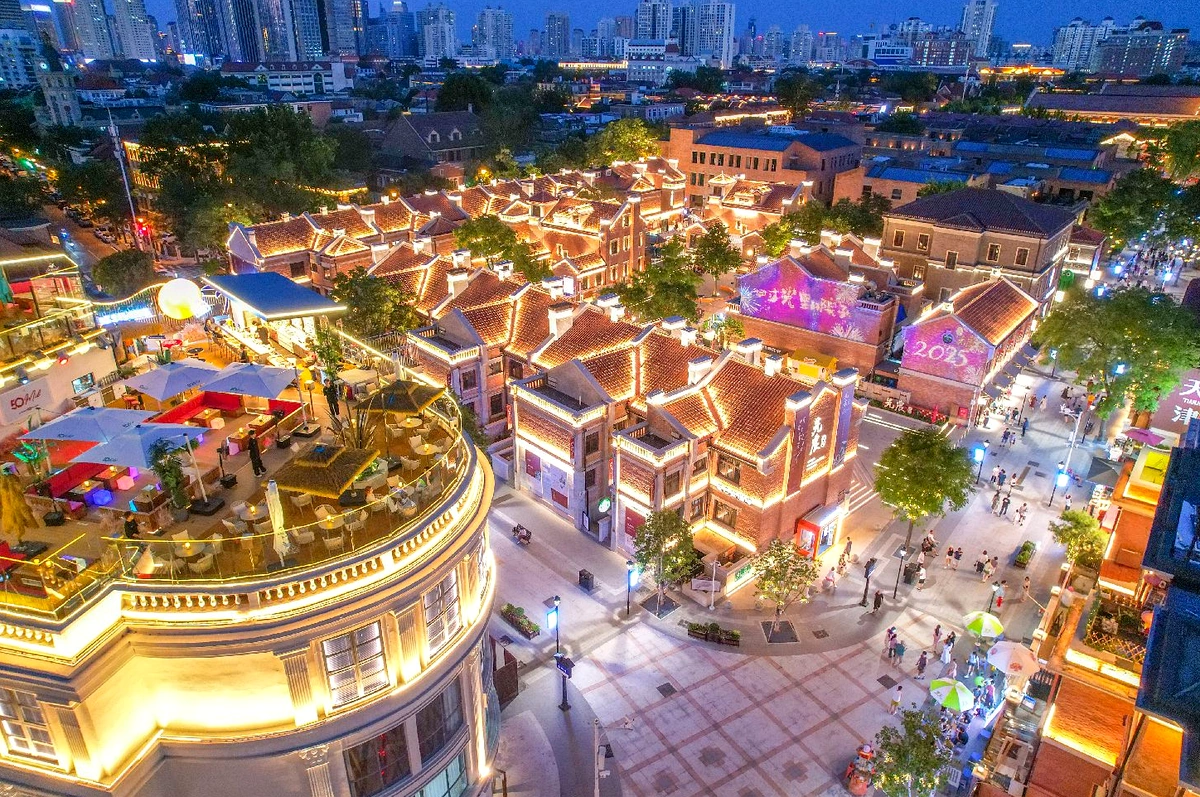
The tides of history left an equally profound mark during the dark years of the Japanese occupation and the War of Resistance. Amidst the conflict, the sturdy architecture and relative insulation of the concession mansions turned the area into clandestine communication posts, safe houses for underground resistance forces, and temporary shelter for tens of thousands of civilians fleeing the war. Rather than fading into oblivion, this vivid history has been meticulously preserved in priceless archives. Today, the Tianjin Municipal Archives houses a vast collection of original documents from the British Municipal Council, including land registries, architectural blueprints, and detailed urban plans from the past century. Far more than mere administrative records, these documents serve as invaluable historical artifacts enabling scholars to decode the evolution of a singular colonial-era district where Eastern feudal heritage intersected dramatically with Western bourgeois architecture.
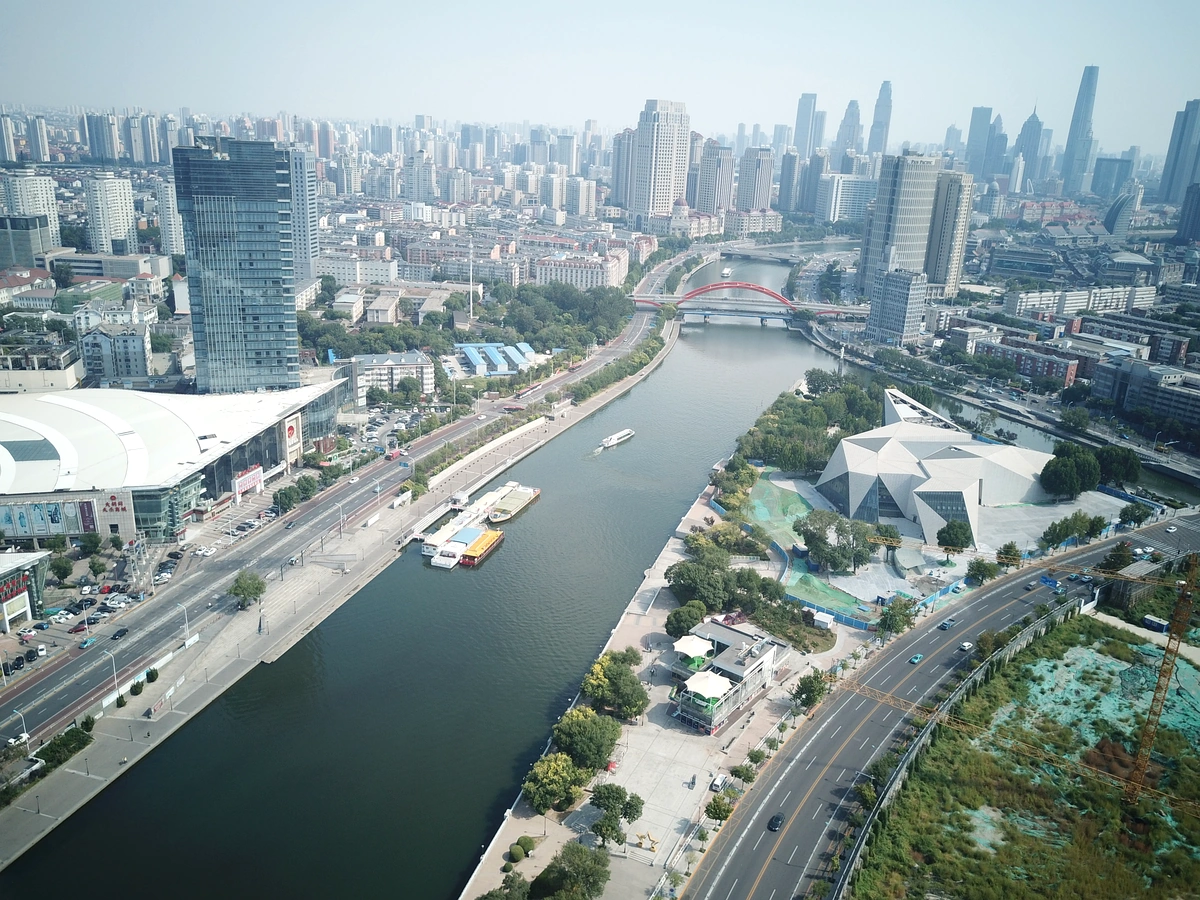
From a geological and urban morphological standpoint, the entire Five Great Avenues district rests on a low-lying alluvial plain within the Hai River basin, part of the vast North China Plain. Sitting at a modest elevation of just two to four meters above sea level, the terrain in ancient times consisted of untamed wetlands, marshes, and the shifting courses of alluvial tributaries. These geomorphological conditions posed formidable challenges for large-scale infrastructure development, demanding rigorous foundation engineering to transform a waterlogged marsh into one of the most magnificent and resilient residential enclaves in modern East Asia.
The turning point in shaping Wudadao’s spatial identity began with the forward-looking vision of Western engineers, who introduced an urban layout combining a grid system with radial avenues—a model widely favored in Europe at the time. This layout not only optimized traffic connectivity across major thoroughfares but also created harmonious, well-proportioned city blocks that balanced Western practical science with coherent spatial rhythm. Viewed through the lens of traditional East Asian geomancy (feng shui), Wudadao’s location also possessed rare auspicious qualities. Nestled along a gentle, bow-shaped bend of the Hai River right in the heart of the city, the entire area occupies a classic auspicious formation known in feng shui lore as “a jade belt encircling the waist” and “waters gathering in the bright hall.” In Eastern geomantic philosophy, a river curving around a settlement acts like a jade belt bestowing prosperity while serving as a focal point for accumulating wealth—making this district the most prosperous of all foreign concessions in modern China.
Yet bringing those grand blueprints to life on soft, waterlogged soil required architects and engineers of the era to overcome the daunting technical challenges of a high water table and heavily saline-alkali soil. To solve this, the most advanced construction technologies of the 19th and early 20th centuries were deployed across every villa. Deep foundation structures, elevated basements or crawl spaces (架空层) designed to completely isolate ground moisture, specialized waterproofing layers, and timber pilings reinforced with concrete enabled hundreds of buildings to endure the test of time and shifting environmental conditions. As a result, the foundations of these mansions not only withstood severe dampness and salinity but remained level and steadfast through decades of historical upheaval.
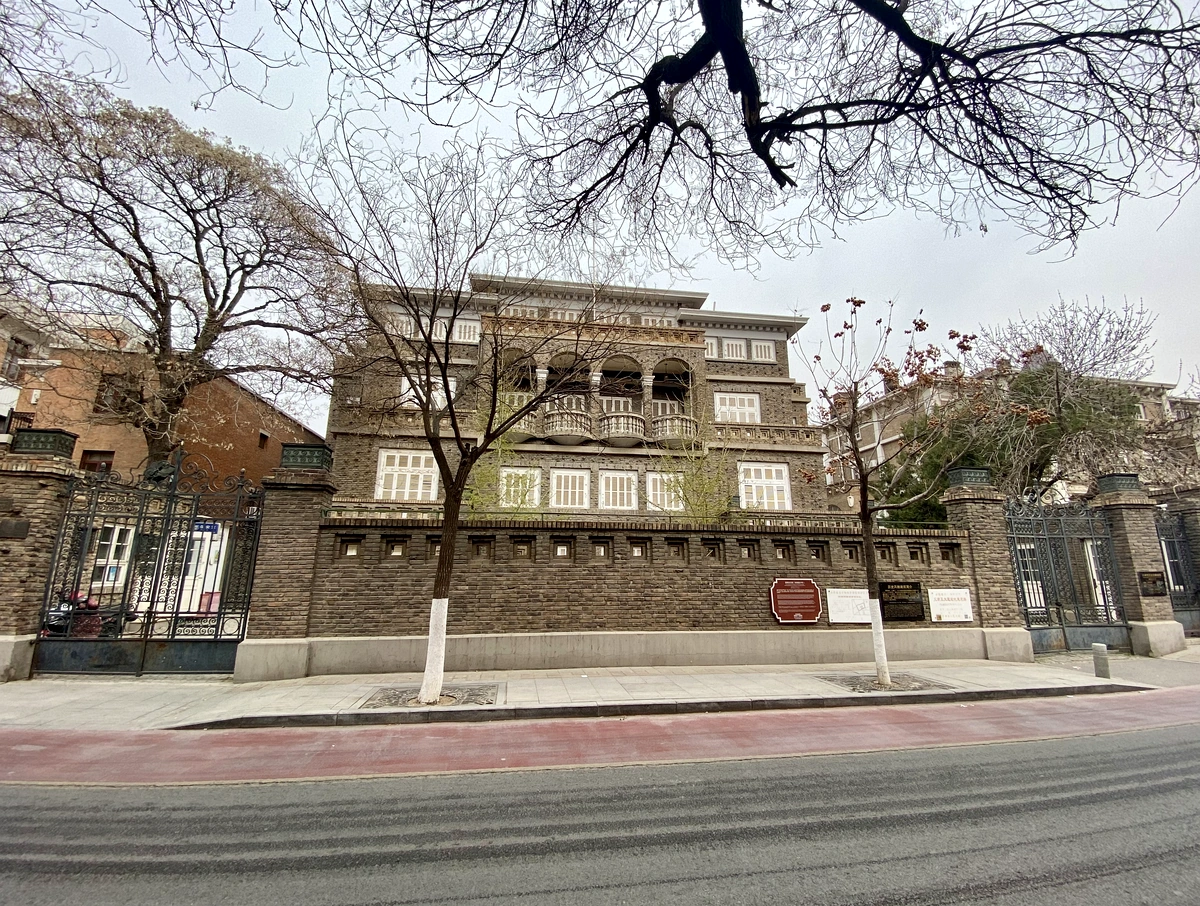
Beyond foundation engineering, Wudadao’s landscape and spatial layout stand as a living testament to the subtle fusion of Eastern and Western cultures. Overall, the villas draw primary inspiration from British Victorian residential architecture, blended with Neoclassical, Eclectic, and Art Deco styles. However, adapting them to the Chinese cultural context, architects thoughtfully incorporated traditional defensive sensibilities and the Eastern aristocracy’s desire for privacy. Nearly every residence features front courtyards, rear gardens, or surrounding greenery, creating secluded, intimate oases that still feel airy and expansive. Complementing the architecture are high, sturdy perimeter walls paired with intricately wrought iron gates, shaded outside by towering, century-old London plane trees and silk trees (合欢树). In spring and autumn, golden foliage mingling with sunlight filtering through the canopy paints a nostalgic urban tableau, transforming Wudadao into a living museum of modern urban landscape and spatial design.
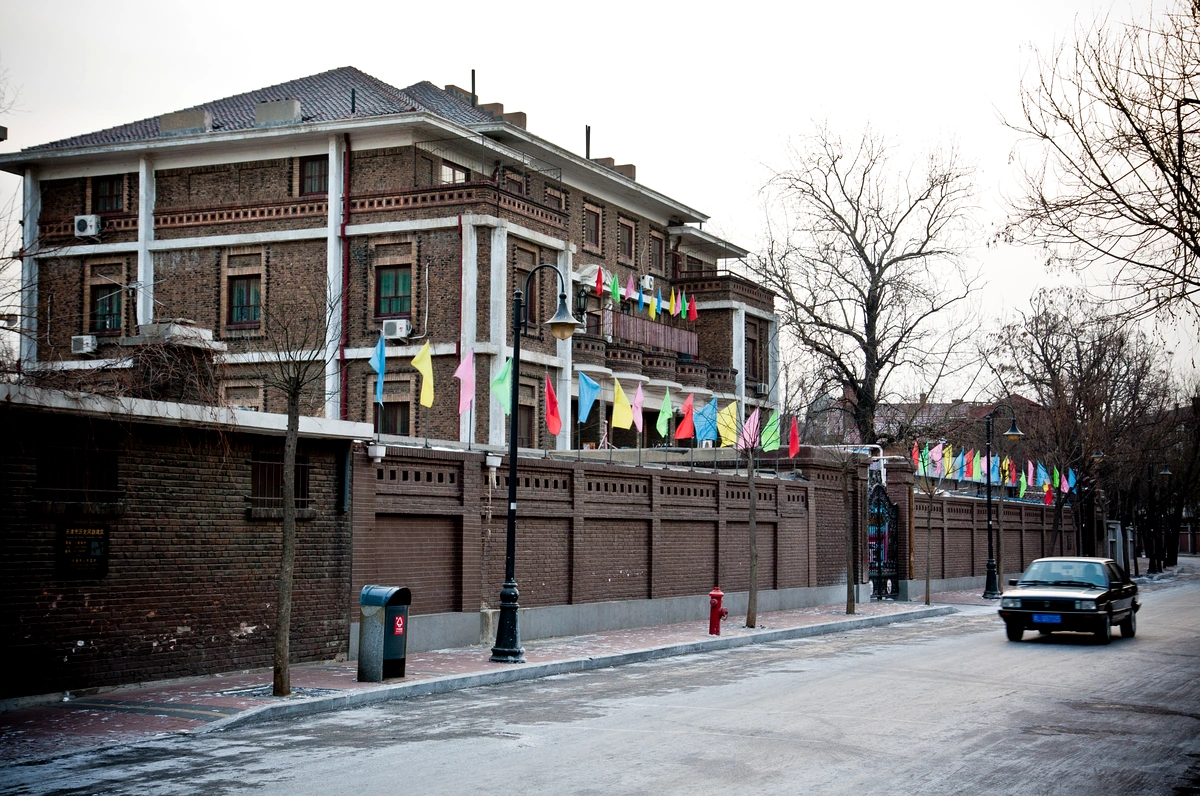
Stepping into Tianjin’s Wudadao Historic District—widely celebrated as the “Exposition of World Architecture”—travelers are immediately captivated by an open-air architectural museum of breathtaking scale. Spanning an expansive urban footprint, the district preserves more than two hundred historic buildings representing diverse international styles, with a total floor area exceeding one million square meters. The presence of such a monumental architectural ensemble reflects not only the prosperity of a turbulent era, but also the brilliance of Eastern and Western architects coming together to turn these city blocks into a silent symphony of brick, stone, iron, and time.
In terms of spatial composition and craftsmanship, Wudadao is a vivid showcase of Western architectural artistry harmonized with local Eastern traditions. Strolling down its tree-lined avenues, visitors can easily spot an array of classic global architectural styles standing side by side: stately Western Classicism, grand Renaissance, sturdy Romanesque, soaring Gothic, ornate Baroque, early Modernism, and distinctive Sino-Western fusion designs. Every mansion and villa tucked behind brick garden walls holds its own story, chronicling an era when Tianjin stood at the crossroads of international trade and diplomacy.
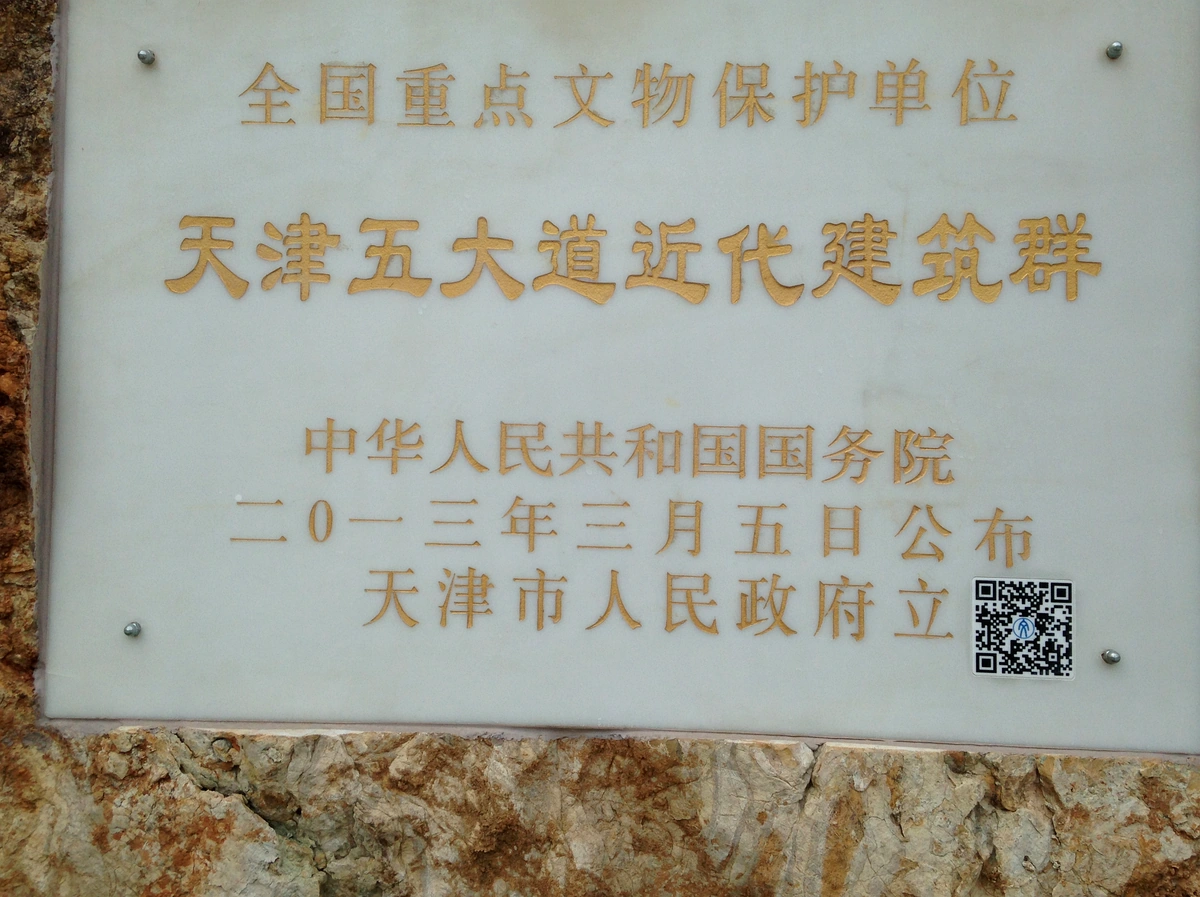
Examining the load-bearing structures and building materials reveals the remarkable sturdiness and exacting engineering standards of these buildings. Most historic residences in Wudadao utilize load-bearing walls constructed from early modern red and blue bricks, laid meticulously in traditional English or Flemish bond to an impressive thickness of 40 to 60 centimeters. This structural system has allowed the buildings to weather decades of environmental stress and seismic activity. Meanwhile, floor joists and roof trusses were crafted from imported redwood and larch, ensuring lasting structural integrity. For larger edifices, engineers of the era pioneered early reinforced concrete framing, unlocking spacious, modern interiors unprecedented at the time.
Beyond their solid structural frames, the decorative detailing in Wudadao represents the height of refinement and opulence. Master architects seamlessly paired classical Greco-Roman columns with traditional Chinese auspicious motifs, creating a fluid cultural dialogue across every relief and molding. Along facades and balconies, imported patterned stained-glass windows shimmer in the sunlight alongside finely hand-forged wrought ironwork curving into stylized vine motifs inspired by Art Nouveau. Crowning the buildings, multi-pitched tiled roofs work in concert with pure brass downspouts and gutters—ensuring optimal drainage in all weather while enhancing the timeless, aristocratic elegance of the entire ensemble.
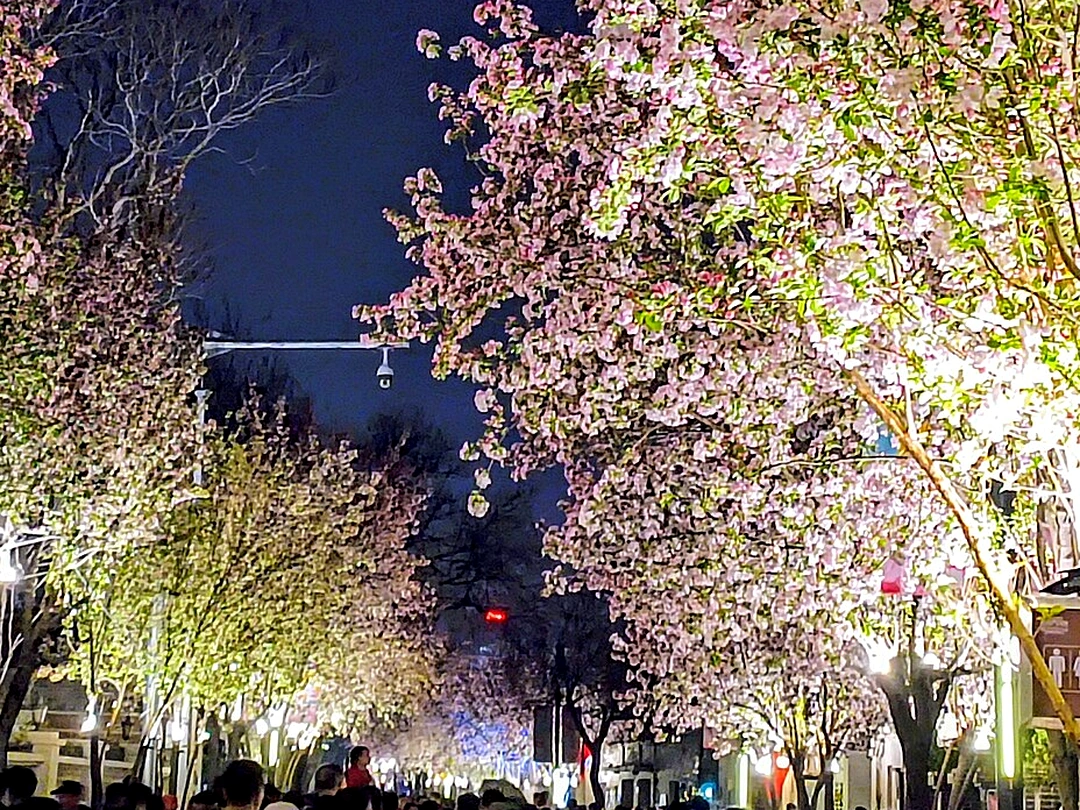
When night falls and sheds the quiet daytime demeanor of an open-air museum, Tianjin’s Wudadao Historic District awakens into a second life—radiant, commanding, yet deeply nostalgic. Fueled by the integration of culture and tourism alongside the rise of the modern nighttime economy, this former haven for politicians, warlords, and tycoons has gracefully evolved into an immersive, live-action cultural and artistic stage. Rather than simply floodlighting moss-covered walls, the district stages a subtle renaissance of light, sound, and motion—turning every alleyway and balcony into a theater of time that transports visitors back to the Tianjin of the early 20th century.
The nocturnal lighting design in Wudadao is a visual triumph guided strictly by the aesthetic philosophy of “seeing the light, not the fixture.” The entire artistic lighting system relies on low-color-temperature LEDs, specialized wall washers, and concealed linear strips emitting a warm golden glow. Rather than piercing the darkness harshly, this gentle amber light caresses graceful Baroque curves, crisp Neoclassical column carvings, and the deep recesses of arched colonnades. Through carefully calibrated intensity and beam angles, weathered red-brick facades and moss-dappled blue-grey roof tiles emerge from the shadows with rich three-dimensional depth, awakening the soul of mansions that have witnessed the sweeping drama of modern history.
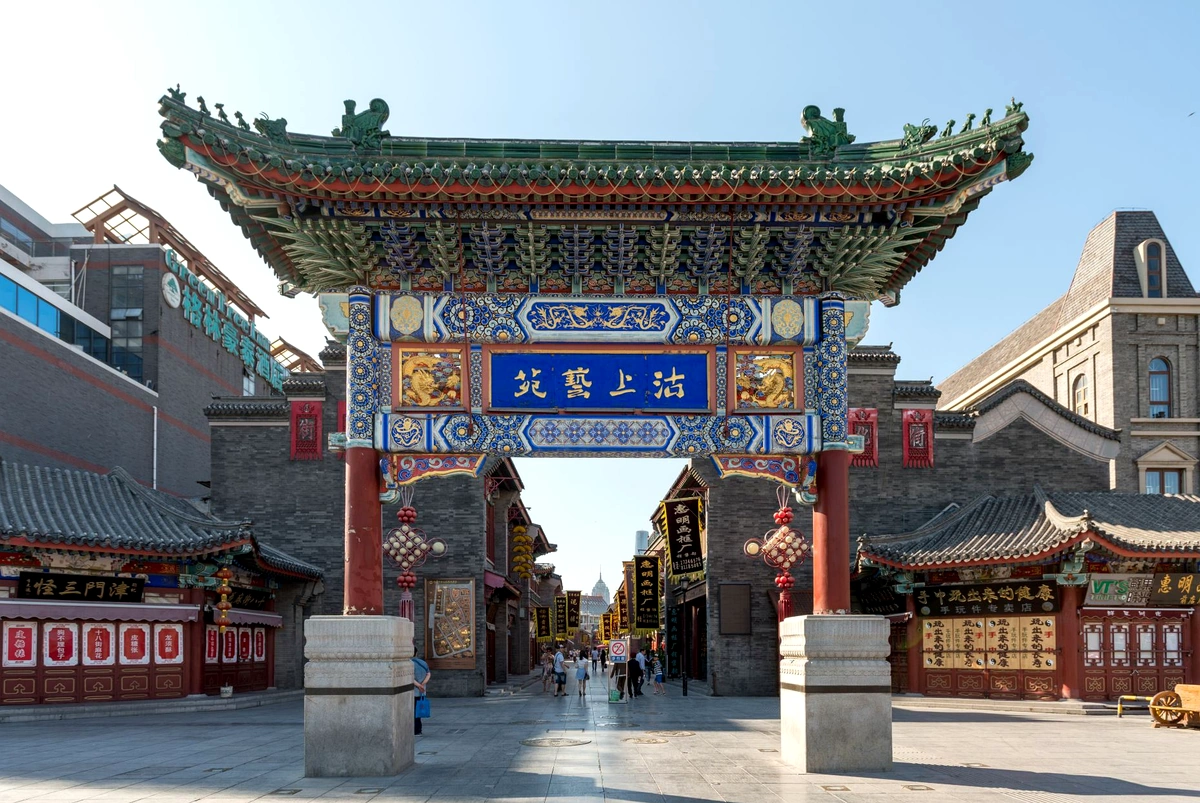
Complementing the serene illumination are dynamic live performances that breathe vibrant energy into the heritage quarter. At Minyuan Square—the bustling heart of the district—and inside historic villas open to the public, interactive theatrical experiences known as “Republic-Era Time Travel” are staged regularly as a signature cultural highlight. Visitors strolling through the area effortlessly cross paths with performers dressed in exquisitely embroidered qipaos and tailored British-style suits, recreating bustling commercial exchanges, high-society afternoon teas, and discreet political salon discussions of old Tianjin. Impromptu Republic-era flashmobs along mansion verandas and open-air chamber symphonies on manicured lawns create an enchanting interplay between past and present, giving visitors the sensation of holding a return ticket to a glamorous golden age.
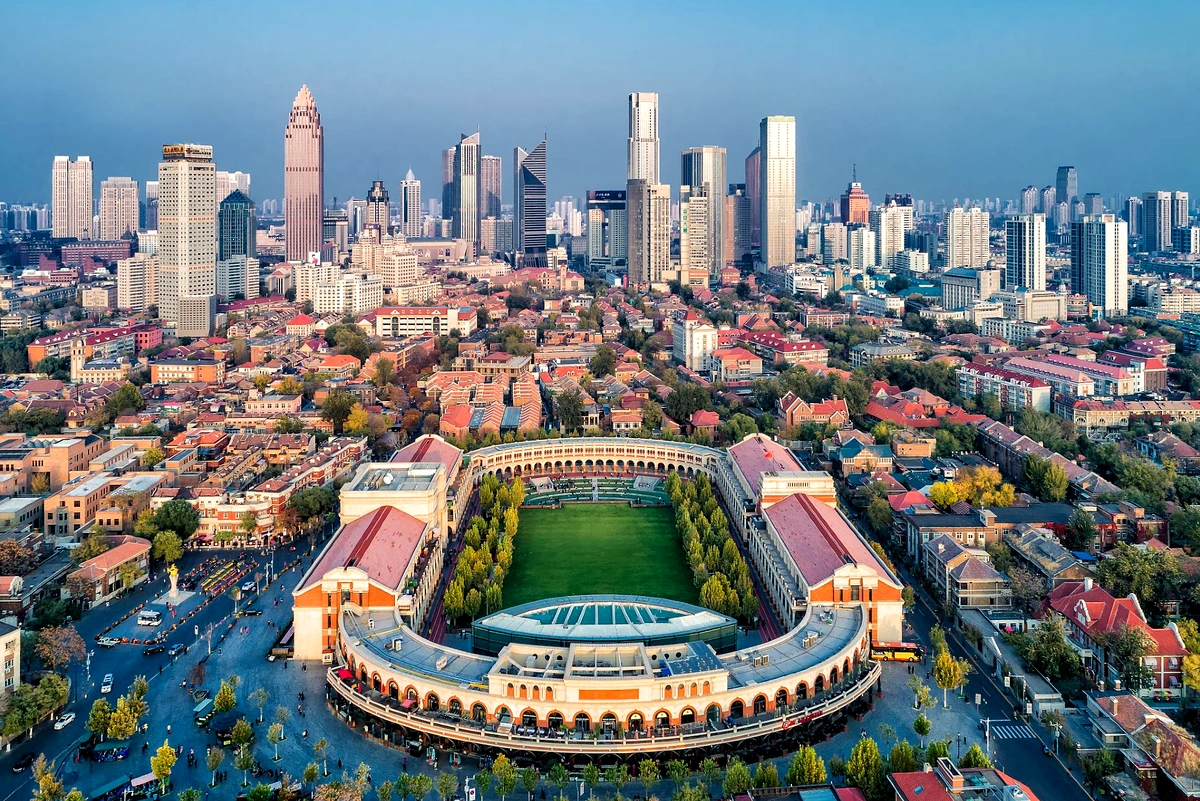
To round out the evening experience, nostalgic rides along Machang Avenue and Munan Avenue offer a poetic charm all their own. Travelers can take in the streetscapes from European royal-style horse-drawn carriages, their wheels clattering softly over historic flagstones as hoofbeats echo through the quiet night. This experience is elevated by cutting-edge holographic projections calibrated onto historic facades, weaving ethereal visual effects where history and technology merge. In the crisp northern evening air, the rich aroma of freshly brewed coffee wafting from cellar wine bars and teahouses housed inside converted mansions stirs a lingering sense of enchantment—turning a night in Wudadao into an unforgettable chapter one hates to see end.
Bordering Tianjin’s Old City, Wudadao is not only a monumental museum of modern architecture, but also a cradle that nurtured Tianjinwei cuisine—a culinary tradition with a distinct identity unlike anywhere else on the North China Plain. Deeply influenced by two major culinary traditions—Shandong (Lu) cuisine and imperial court cooking—local master chefs refined these techniques into an independent school defined by balanced savory-umami flavors, meticulous ingredient selection, virtuoso craftsmanship, and adaptability to palates across every walk of life. Seen through a cultural-historical lens, the meeting of Western mansions and local culinary mastery in Wudadao created a remarkably rich gastronomic map where aristocratic banquet dishes and intangible heritage street snacks exist side by side, telling the story of a thriving port metropolis across centuries of change.
The pinnacle of local gastronomy originates in time-honored official-residence dishes and celebrated classics, foremost among them Braised Carp with Crispy Scales in Sweet-and-Sour Sauce (Zengbeng Liyu). Crafting this dish requires extraordinary precision: chefs take a fresh, live carp with its scales intact and deep-fry it at high heat until the exterior turns shattering crisp while the flesh inside stays tender and sweet, before ladling over a signature sweet-and-sour glaze that makes the fish appear as though it is still leaping in a fisherman’s net. Equally renowned is Eight-Treasure Tofu (Bazhen Doufu), a marvel of ingredient pairing that combines silky soft tofu with eight prized delicacies—including sea cucumber, plump shrimp, and dried scallops—gently braised over low heat so each ingredient absorbs a deep, clean umami sweetness. Old Tianjin’s aristocratic menus also prized Pan-Seared Pork Tenderloin in Egg Batter (Wota Liji), in which prime pork tenderloin is coated in a delicate beaten-egg batter and slowly pan-fried over gentle heat to lock in succulence and aroma.
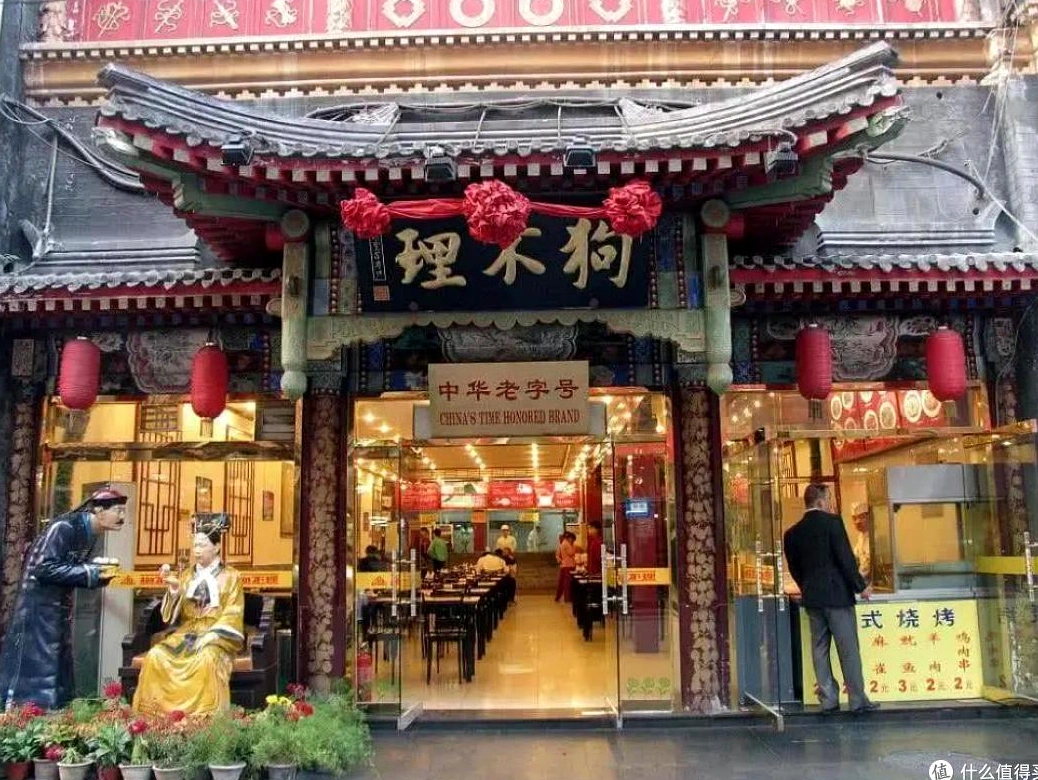
Alongside elaborate banquet fare, Wudadao’s culinary soul is anchored by intangible-heritage delicacies and traditional street snacks that have transcended time to become cultural icons of the city. Leading the list is Goubuli Baozi, the legendary steamed bun brand founded in 1858, celebrated for its semi-leavened dough wrapper enclosing a rich, juicy meat filling—requiring artisans to pinch at least eighteen crisp, uniform pleats atop every bun like a miniature sculpture. Just as iconic is Erduoyan Zhagao (Fried Glutinous Rice Cake with Sweet Red Bean Paste), dating back to 1892, where fragrant glutinous rice dough wraps smooth sweetened red bean paste before being fried in aromatic sesame oil until golden and crisp outside yet soft and chewy within. Completing this flavorful portrait is Guifaxiang 18th Street Fried Dough Twist (Shibadajie Mahua), a celebrated hand-twisted pastry crafted from a traditional recipe that yields remarkable crunch, deep sweetness, and a shelf life lasting months without losing its flavor. As travelers stroll past Wudadao’s historic villas, the warm scent of freshly fried dough twists drifting on the afternoon breeze evokes a Tianjin that is at once cosmopolitan and warmly rooted in folk tradition.
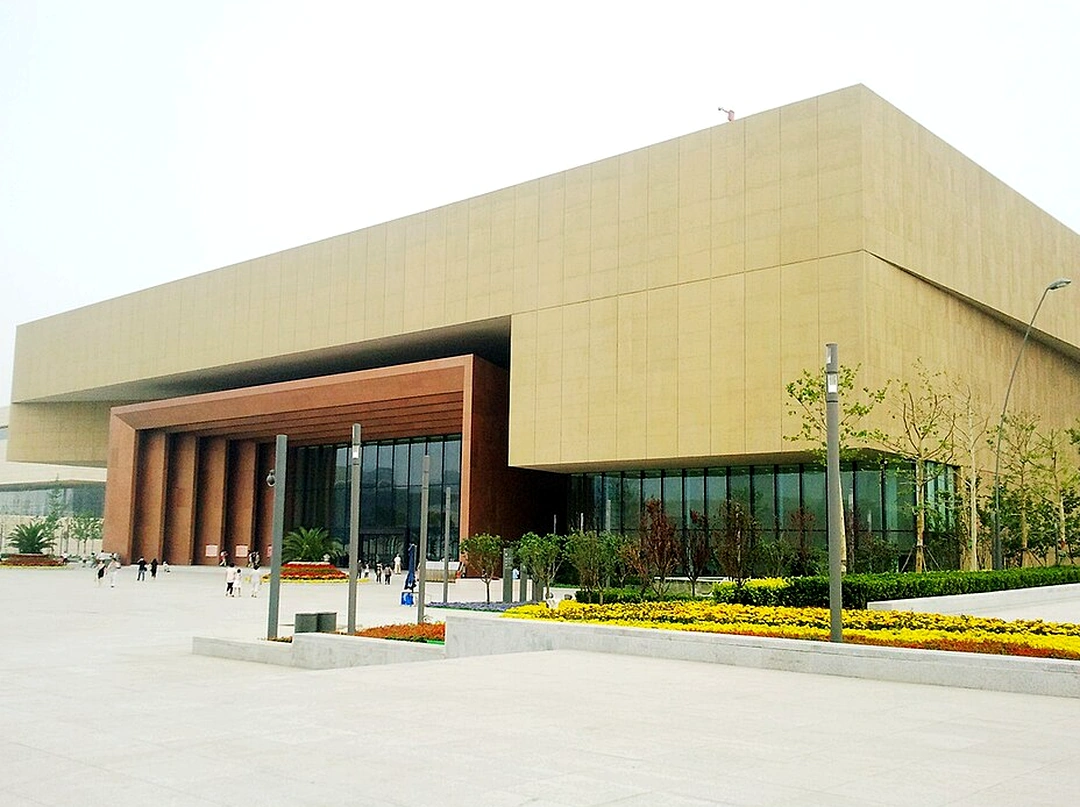
To bring a journey through Wudadao’s aristocratic architecture and storied history to a seamless close, equipping yourself with practical, well-informed travel guidance is key to making the most of your visit. Across the years, Wudadao’s entire outdoor architectural heritage zone has remained open free of charge 24 hours a day—including its tree-shaded avenues, royal-era thoroughfares, and the expansive public spaces of Minyuan Square. However, to step inside landmark historic residences steeped in power and artistry, such as Prince Qing’s Mansion or the Tianjin Folk Customs Museum, visitors must follow structured entry protocols. These indoor venues enforce a strict real-name ticketing and ID verification system, requiring travelers to book time slots in advance via official WeChat public accounts three to five days prior to arrival to secure preferred entry times.
Most exhibition halls, historic mansions, and specialty museums in the district welcome visitors daily from 9:00 AM to 5:00 PM, with last admission at 4:30 PM, and close every Monday for conservation and architectural maintenance. For getting from modern downtown Tianjin to this nostalgic enclave, the most convenient transit option recommended by travel experts is Tianjin Metro Line 1: alight at Xiaobailou Station or Yingkoudao Station, from which a leisurely 10- to 15-minute walk brings you straight into the core heritage zone. For travelers keen on an in-depth architectural and urban walk, a curated self-guided route begins at Xiaobailou Station, continues down tree-lined Machang Avenue, winds onto tranquil Munan Avenue, passes along historic Dali Avenue, cuts across Changde Avenue, and concludes at lively Minyuan Square. Spanning roughly 3.5 kilometers, this walking route takes two to three unhurried hours to fully appreciate intricate column carvings, Renaissance-style arched windows, and moss-patinated brick walls.
To ensure a smooth and safe exploration of this historic landmark, thoughtful choices in footwear and etiquette go a long way. Field experts strongly advise wearing supportive flat walking shoes or cushioned sneakers and avoiding high heels or hard-soled dress shoes, as many streets and courtyard pathways are paved with historic bricks, cobblestones, or coarse gravel that can cause fatigue or slipping. Furthermore, because residential neighborhoods and active municipal offices sit interspersed throughout the heritage district, visitors should uphold essential cultural etiquette: respect the privacy of private residences, preserve historic structures untouched, keep voices low, refrain from littering, and never climb garden walls or enter restricted areas. Observing these guidelines not only protects the dignity of the heritage site, but also fosters mutual respect with local residents. To turn this encyclopedic guide into an unforgettable real-life journey, explore detailed itineraries through our all-inclusive tour packages tailored for a seamless and enriching travel experience.