Stepping back in time to the early years of the Republic of China era, southern Yunnan Province witnessed a violent socio-political upheaval where the whistle of locomotives signified not only the echo of Western technological progress but also a wake-up call for national self-reliance. Amidst French colonial attempts to seize and monopolize regional transport infrastructure through the Yunnan–Vietnam Railway linking Kunming to Hekou, a historically significant movement erupted under the banner of “saving the country through railways” and “mercantile railway advocacy.” Pioneered by elite patriotic scholars such as Chen Heding and Qian Shucin, and driven by strategic vision and indomitable will, they mobilized to establish the Southern Yunnan Railway Joint-Stock Company in 1919 with the resolute determination to break foreign monopolies and reclaim indigenous economic and transport lifelines. Born from this self-reliant willpower, the Gubi-Shi railway line (Guzhu – Bisezhai – Shiping) gradually took shape, laying the foundation for one of the most monumental transport engineering marvels in the South China highlands.
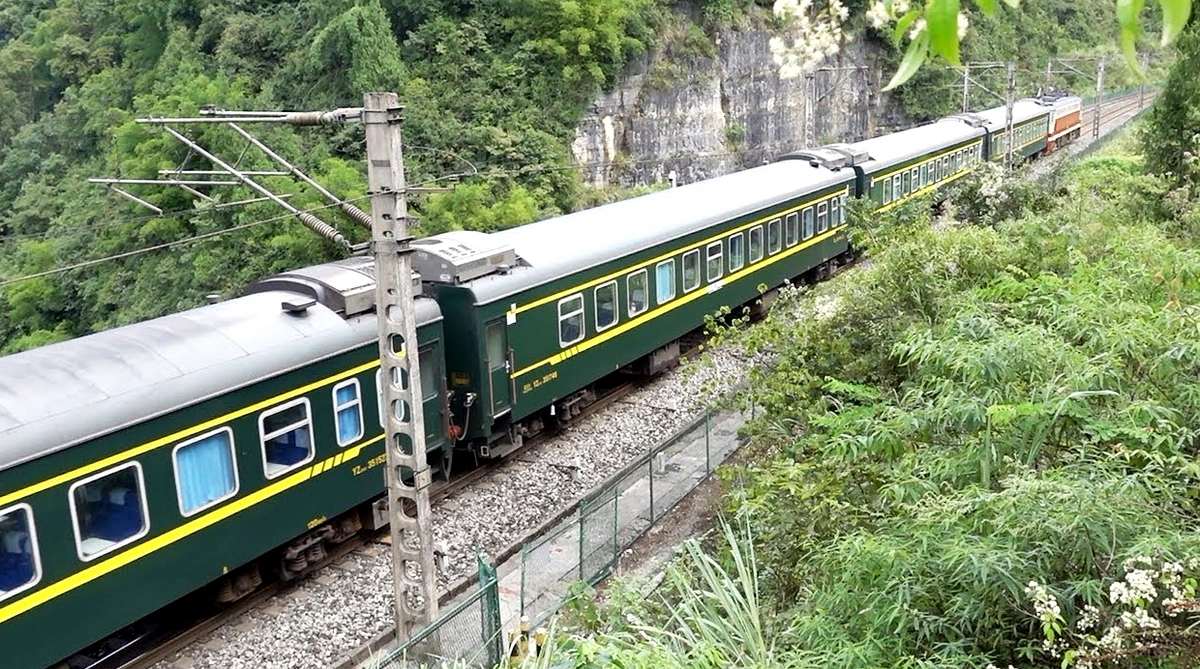
To conquer perilous mountain passes, deep abysses, and the complex geological structures of southern Yunnan, French geological and railway engineers participating in the project in 1921 reached a landmark technical decision: adopting the meter-gauge standard, specifically maintaining a 1,000mm distance between the two rails. This technical specification not only optimized curve-negotiating and hill-climbing capabilities but also minimized earthwork volumes on fragile ground geology, creating a unique railway system perfectly adapted to harsh natural conditions. Following a decade of arduous construction consuming the sweat and blood of laborers and local miners, the centerpiece of the line—Jianshui Station—was officially commenced and inaugurated around 1936, corresponding to the 25th year of the Republic. The station’s emergence instantly transformed the location into a vital cargo and passenger transit hub, connecting regional cultures and powerfully spurring commercial prosperity throughout the entire Luxi River basin.
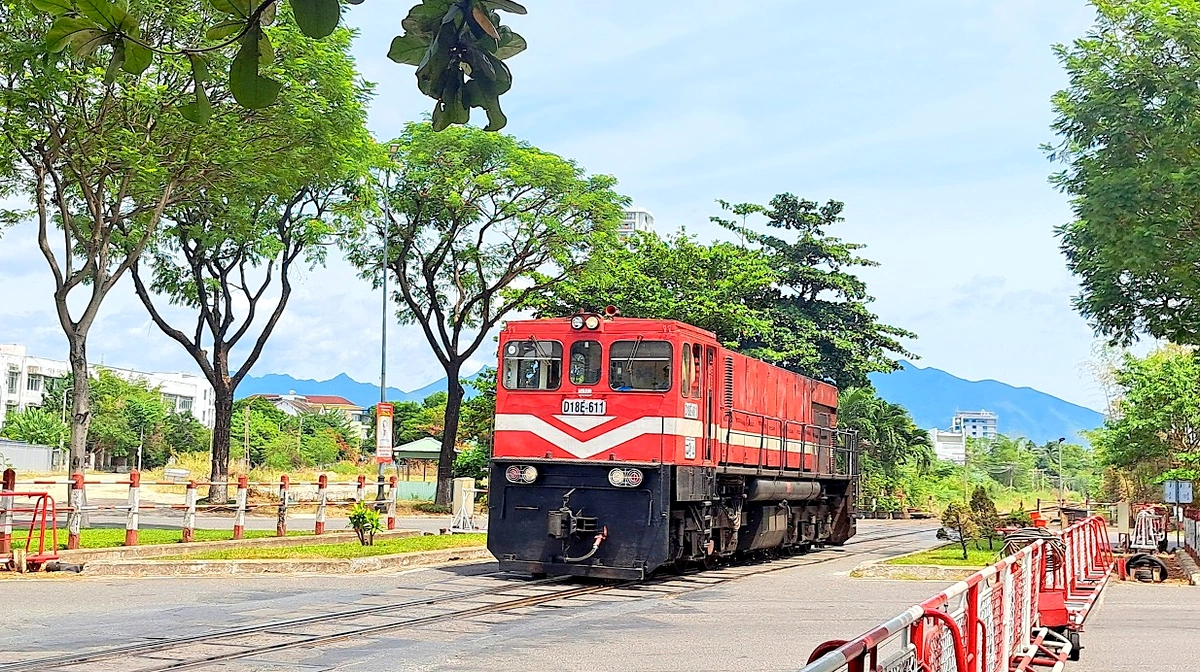
Yet the history of Jianshui Station was forged not only through engineering blueprints or bustling commercial rhythms, but also tempered in the crucible of fierce warfare. Entering the Second Sino-Japanese War, as hostilities engulfed China, this strategic railway alongside Jianshui Station became primary targets of devastating enemy aerial bombardment. Despite bomb craters tearing up the terrain, the station structure and narrow-gauge rail system stood steadfastly thanks to the courage of railway workers who held their ground day and night to maintain the rear-area transport lifeline. Historical tides shifted once more in 1949—a milestone marking the birth of the People’s Republic of China—when the station and its entire system were renamed the Gubai Railway Line, continuing their mission of serving the people and national reconstruction across subsequent decades.
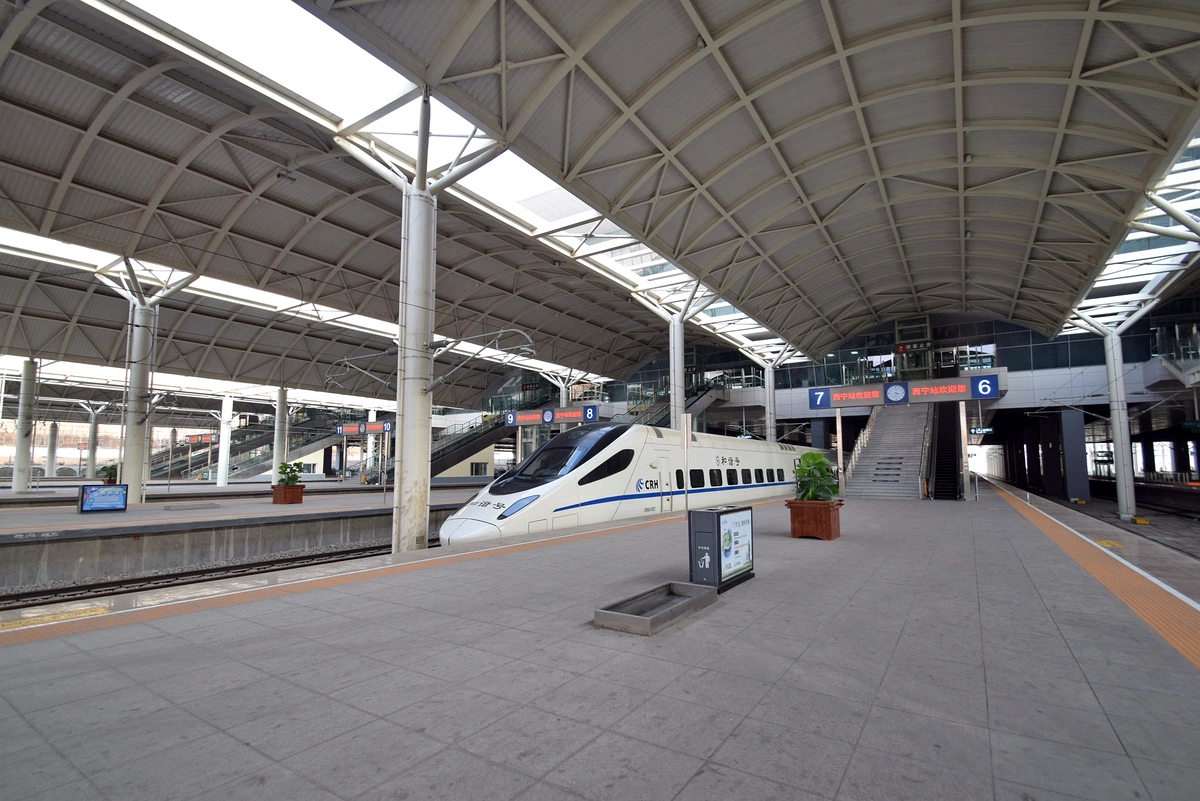
Through the vicissitudes of modern history into the early 21st century, as highway and high-speed rail infrastructures experienced explosive growth, this historic narrow-gauge railway officially ceased traditional commercial freight operations because it could no longer meet the speed demands of the new era. Just as steam locomotives and rusted rails seemed destined to fade into oblivion beneath the dust of time, by the late 2010s, a cultural heritage preservation vision transformed the site into an impressive Railway Heritage Tourism model. Today, Jianshui Station is not merely a nostalgic stop featuring a unique architectural blend of French colonial style and traditional Chinese identity, but a living museum preserving the heroic memory of the “railway national salvation” era, where past and present converge through every rolling wheel revolution upon the legendary meter-gauge tracks.
Exploring the historic narrow-gauge railway system in southern Yunnan Province cannot be considered complete without delving into the geographical, feng shui, and spatial planning dimensions of Lin’an Station, the beating heart of the Yunnan–Vietnam Railway section traversing the Jianshui basin. Through the lens of Eastern cultural researchers combined with modern urban planning thought, Lin’an Station emerges as a marvelous intersection between early-20th-century industrial architecture and traditional Chinese aesthetic philosophy. Situated on the eastern periphery of the ancient city of Jianshui, roughly one kilometer from the ancient city wall network constructed during the Ming and Qing Dynasties, the station was laid out with an exceptionally refined geographical setback. This positioning is sufficient to preserve the tranquil, archaic serenity of a millennia-old historical space, while perfectly accommodating a spacious, airy flat terrain—infrastructure vital for operating steam locomotives and narrow-gauge rolling stock.
Topographically, the Jianshui basin (locally termed *bazi*) is a characteristic tectonic fault valley surrounded by rolling mountain ranges, forming an isolated microclimatic and landscape sub-region. Cradling this valley is the Lujiang River, an important tributary of the Red River basin, depositing silt and imbuing vitality throughout Southern Yunnan. Within this spatial structure, Lin’an Station was positioned to follow the natural contour lines of the valley topography. Rather than executing radical leveling or imposing rigid Western straight lines onto the terrain, engineers of the era skillfully harmonized technology with nature, allowing railway tracks to wind softly like silk ribbons draped across the basin, minimizing technical gradients while preserving the original landscape’s contours.
From the perspective of traditional feng shui, the appearance of the narrow-gauge railway and Lin’an Station in this region carries profoundly symbolic layers. According to the five elements of generation and restriction, the railway system with its endless steel tracks symbolizes Metal, while the operational force of steam engines, roaring whistles, and fiery coal embodies Fire. When Fire smelts Metal, energies of movement, liberation, and connection are powerfully activated. The master layout of Lin’an Station strictly complies with the Jianshui basin’s principle of “mountains embracing and waters cradling” (*huanhuan shui bao*). The station’s primary architectural axis trends along an East-West orientation, slightly skewed southward to embrace the warm vital energy converging from the Lujiang River, while aligning harmoniously with the valley’s prevailing winds and natural water flows.
This precise arrangement turned railway tracks cutting across the Jianshui basin into metaphors of iron dragons soaring between earth and sky, attracting and converging the vital breath of the fertile Southern Yunnan region. Merging modern industrial civilization with traditional settlement thinking generated no conflict; instead, it fused into a unique landscape architectural entity. The eclectic station buildings, the interweaving of traditional yinyang tiled roofs with Western steel truss structures, rest beneath ancient tree canopies and boundless paddy fields. All compose a nostalgic tableau where past and present, Western mechanical engineering and Eastern feng shui philosophy run parallel, recounting the enduring tale of bustling border trade.
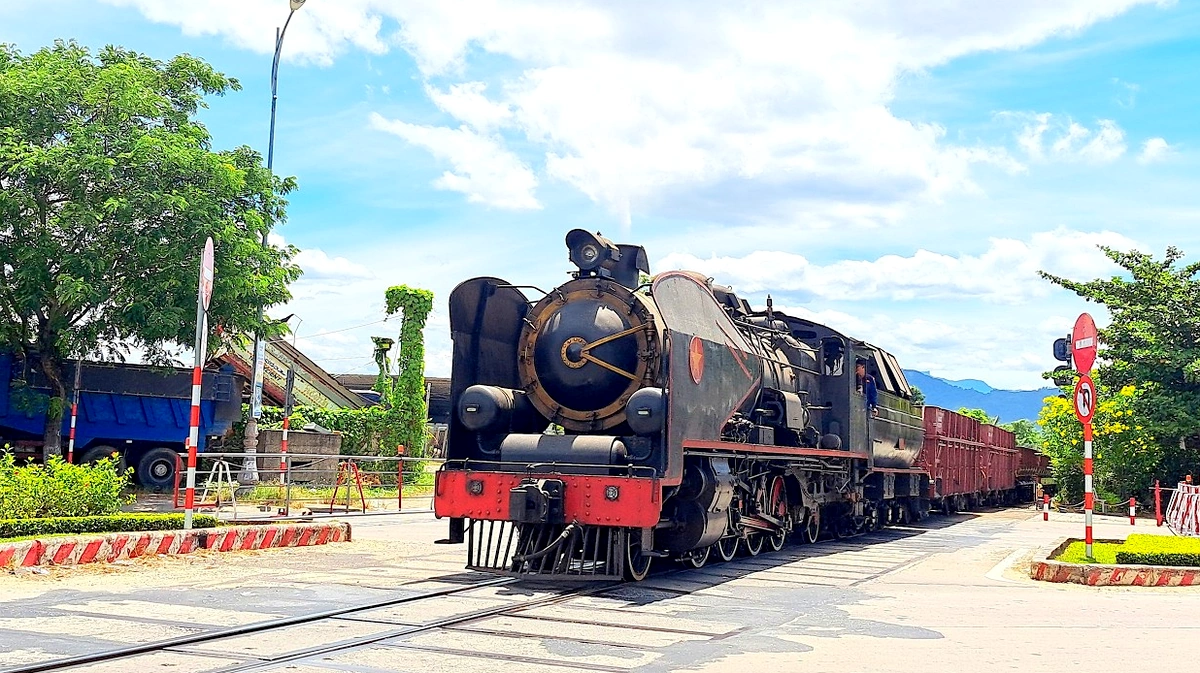
Stepping into the grounds of Lin’an Station—the heart of Jianshui’s narrow-gauge railway—any nostalgic soul must pause before an architectural wonder shaped by the unique cultural fusion characteristic of Southwest China’s borderlands. The architectural essence here transcends casual blending, representing a consummate Sino-Western, French-Yunnan fusion where traditional Eastern construction philosophy merges deeply with early-20th-century Western colonial engineering arts. Surveying the overall spatial structure, the station complex exudes majestic dignity alongside poetic charm, recalling a golden era when steam power and train whistles awakened a tranquil plateau.
Delving into structural load-bearing systems, the work exemplifies standards in indigenous construction techniques paired with advanced contemporary European technology. The station’s exterior walls and frameworks were built using dense locally fired green bricks, forging weather-defying durability, combined seamlessly with robust stone foundations ensuring stability against highland geological shifts. Roof supports bypass modern concrete in favor of superior timber trusses, utilizing durable Southern Yunnan ironwood or rare timber species rigorously selected from central Yunnan, renowned for termite resistance and exceptional load-bearing capacities, keeping structural skeletons enduring across years.
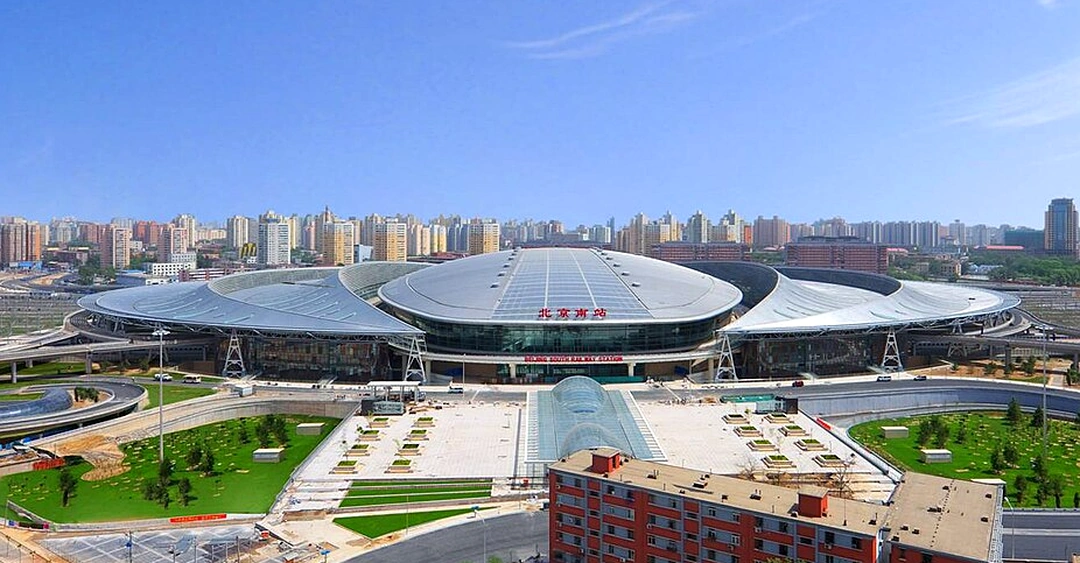
Gazing upward, the roof of Lin’an Station bears heavy French architectural imprints featuring characteristic steep Mansard roofing, which not only optimizes interior usable space but imparts an elegant, nostalgic visage. Piercing these sloping roofs, artfully positioned dormer windows (known as *lucarnes*) serve as delicate “breathing holes” regulating indoor air, admitting natural light, and ensuring effective ventilation throughout interior spaces, powerfully evoking peaceful countryside scenes across distant Provence or temperate French colonial settlements. This meticulous attention to minute details displays the timeless vision of chief engineers localizing European architecture to adapt to Jianshui basin’s distinct climatic conditions.
The station’s facade is a spatial installation artwork featuring arcade corridors running along the building’s length, simultaneously generating fluid architectural rhythms while serving as optimal protective shields against harsh summer sunshine and torrential monsoonal tropical rains. Puncturing weathered green brick walls are sophisticated louvered wooden window frames permitting filtered sunlight to enter through narrow gaps, casting artistic light beams. Crucially, the highlight capturing art scholars’ hearts is the cast-iron balustrade system featuring softly curved Art Nouveau floral patterns—a peak European aesthetic movement of the era transported here and harmonized fully into Eastern spaces.
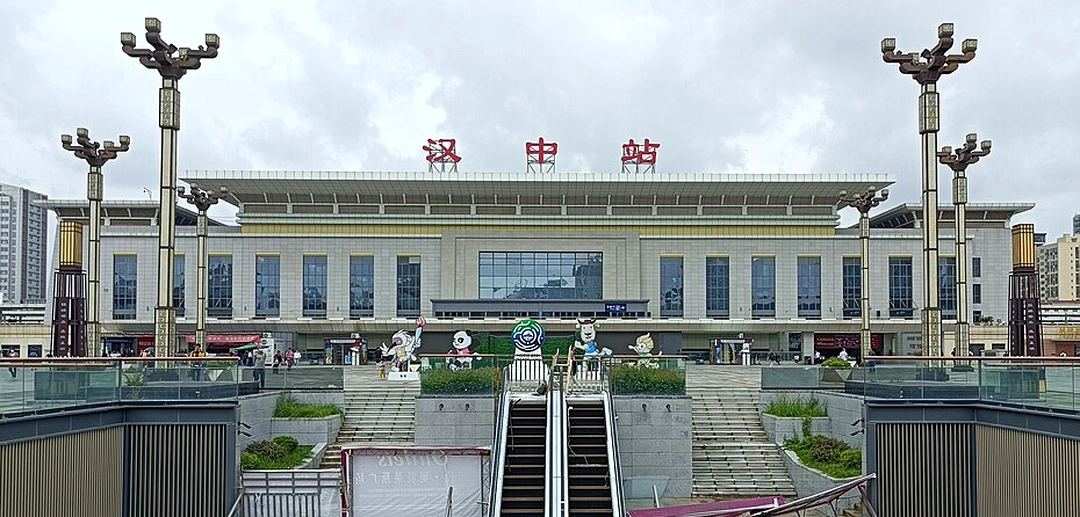
Beyond surface ground-level architectural values, Lin’an Station’s domain functions as a living industrial archaeology open-air museum, preserving precious operational equipment from French and Belgian colonial golden eras. Strolling along railway tracks, historians and rail enthusiasts marvel at archaic manual switch stands, cast-iron steam locomotive water columns, and notably a multi-ton manual turntable retaining complete mechanical operational capacities. Integrating all mechanical fragments with French-roofed green brick architecture transforms Lin’an Station into a comprehensive heritage space where history resides not within dry books, but lives vibrantly across timber grains, masonry blocks, and past beats.
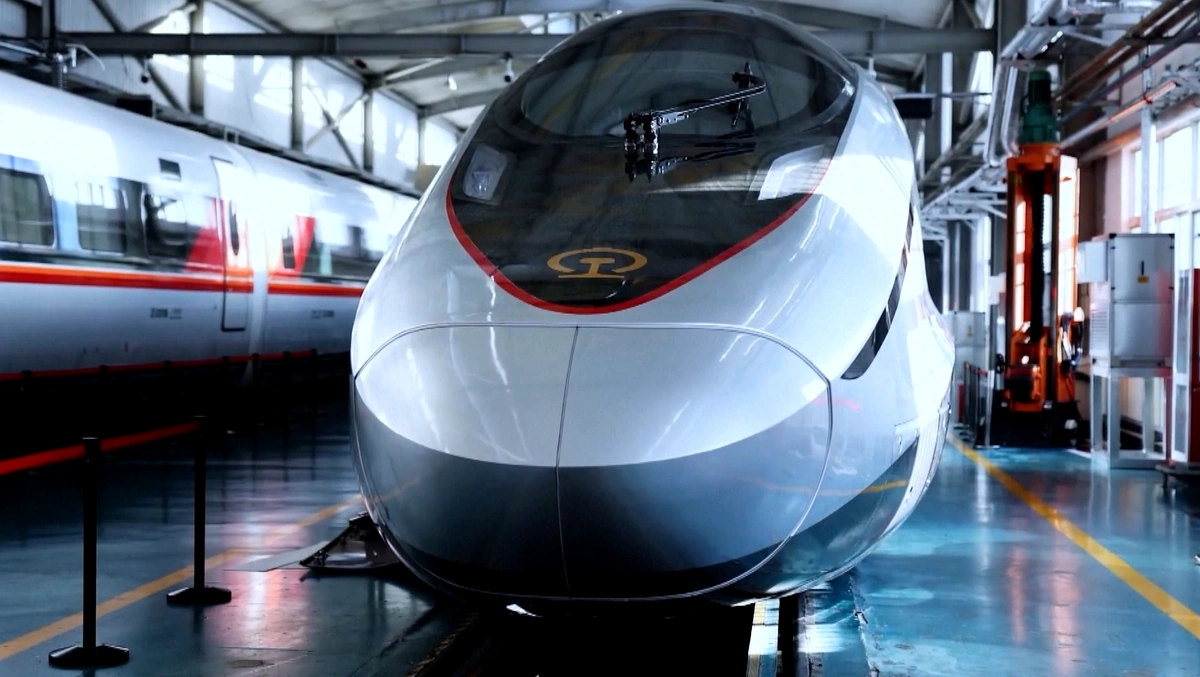
As night falls across the Southern Yunnan valley, shedding dusty cloaks of daytime transport arteries, Jianshui narrow-gauge railway’s Lin’an Station metamorphoses into a captivating live-action art space. Nighttime illumination here avoids arbitrary lighting, executing strict principles of “blurred rendering, honoring outlines” to turn timber frames and weathered bricks into memory fragments. Warm yellow lighting setups featuring 3000K wavelengths meticulously highlight intersections between romantic French domed roofs and traditional Eastern yinyang tile systems. Beneath nostalgic golden illumination, vaulted corridors and weathered station nameboards shine luminescently, recalling turbulent century-old cultural exchange eras.
Stepping onto railway tracts, visitors enter cinematic time-travel dimensions via hidden recessed floor lighting designed with calculated angles. Narrow-gauge tracks stretching into horizons are outlined by golden light bands illuminating aged wooden ties soaked in winds and dews. This lively environment thrives via live performance arts seamlessly integrated throughout. The situational theatrical piece titled “Lin’an Bygone Days” (*Lin’an Wangshi*) performs intermittently within waiting halls and station platforms, vividly recreating miniature societal snapshots of bygone eras. It features bustling native produce vendors, patriotic student resilience during wartime exile, alongside stern postures of modern French engineers pioneering the region.
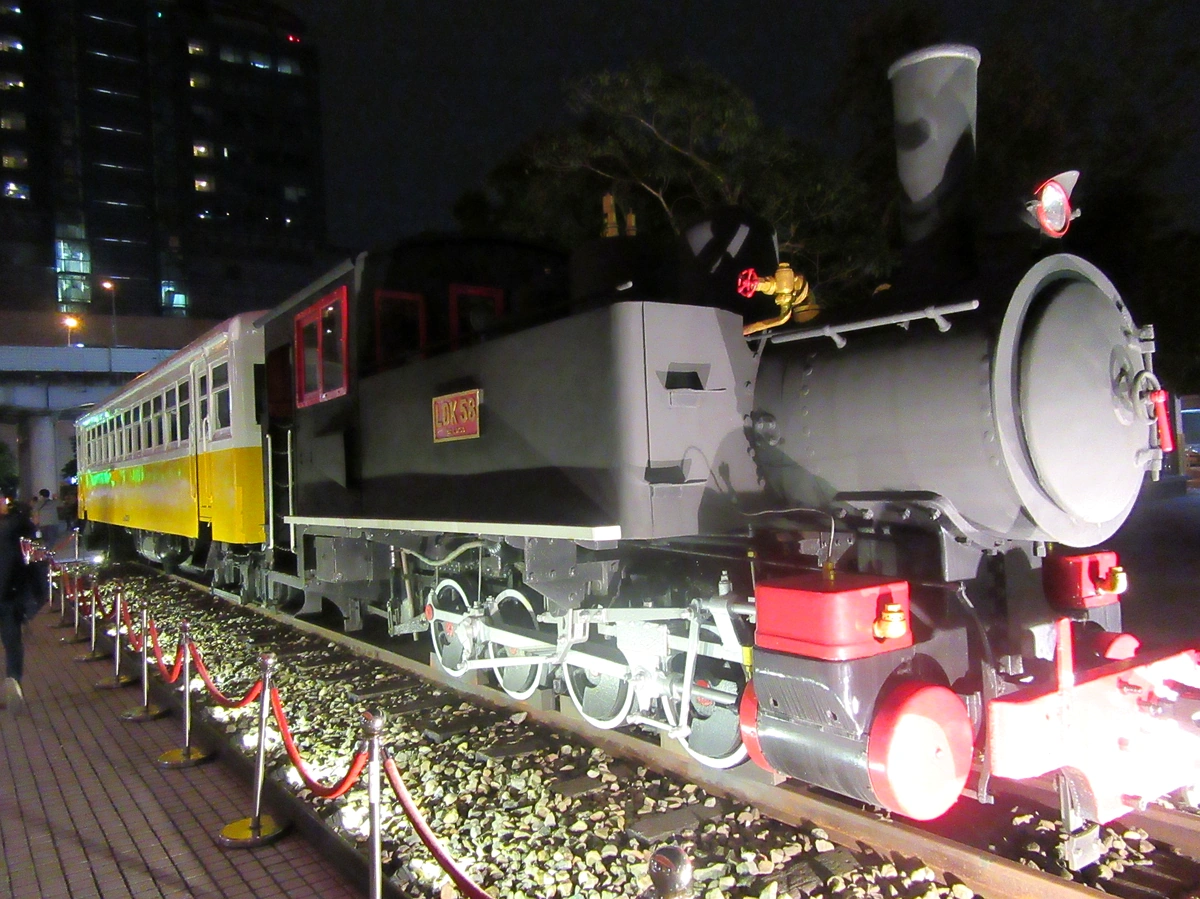
The allure of nighttime artistic spaces at Lin’an Station intensifies via intersections between modern projection technology and indigenous intangible heritage. Cutting-edge 3D mapping light shows project directly onto vintage carriage bodies and rustic brick walls, generating robust visual dialogues between past and present. Upon this virtual canvas, Jianshui’s cultural essence distills and sublimates: Jianshui purple pottery renowned for sober terracotta hues, unpretentious polyphonic folk melodies of the Hani ethnic group, and deep, resonant “Haitai Kang” chants of the Yi people. All merge to compose sensory symphonies of light, sound, and nostalgia, leaving all arriving visitors feeling as though they touch lingering souls of bygone eras breathing vibrantly inside heritage grounds.
Exploring Southern Yunnan heritage across Jianshui narrow-gauge railway culminates within indigenous culinary spaces preserving generational experiential cultures. Adjoining Lin’an Station grounds, kitchen smoke from veteran eateries blending with earthy rustic ingredient aromas paints encyclopedic portraits of Yunnan gastronomy. Culinary philosophy transcends flavor appreciation, embodying harmonious connections between humans and nature, rugged topographies, and recipes transmitted across generations.
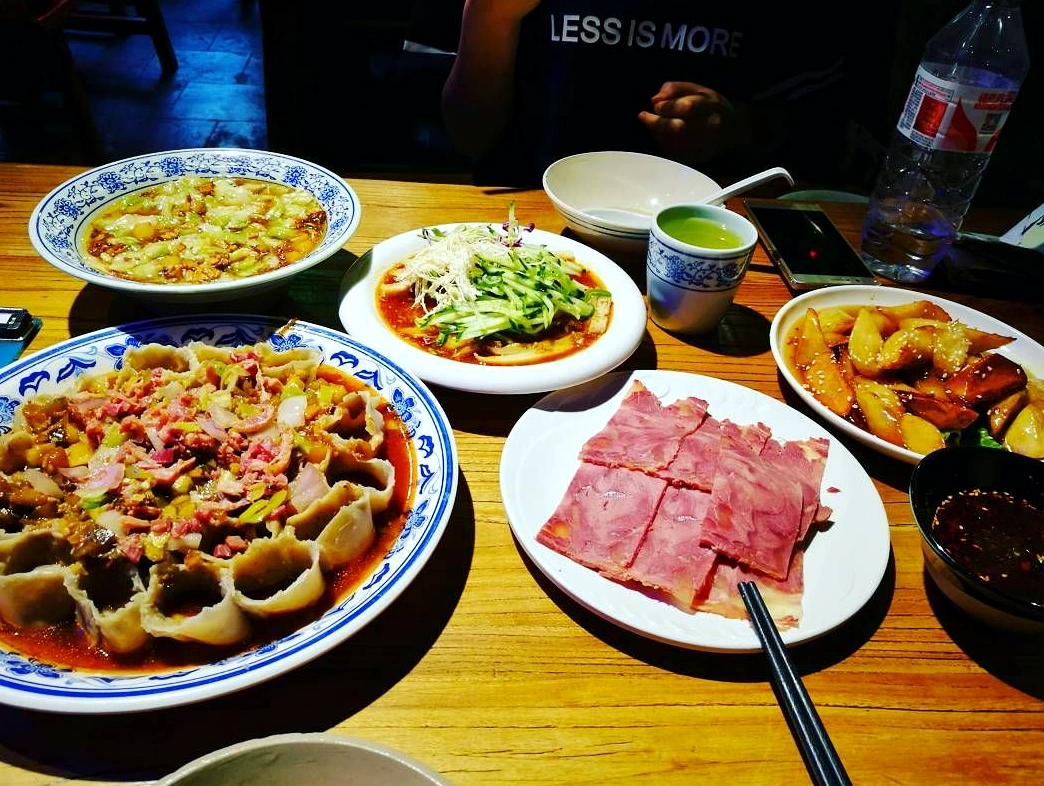
Foremost among intangible specialties stands Jianshui Grilled Tofu, a culinary masterpiece shaped by meticulous preparation stages. The cornerstone of its renown stems from pure spring water sources at Dajing Village renowned for natural mineral contents, paired with soybeans rigorously selected via traditional stone mills. Following natural fermentation processes, delicate tofu cubes roasted over glowing charcoal swell gradually, donning crispy golden outer crusts while interiors retain silky-smooth textures akin to silken tofu. Palates elevate when diners dip hot tofu into bowls of hand-ground dry chili powder, signature roasted bean sauces, garlic, and fresh cilantro, yielding fiery, fragrant, rich flavor fusions.
Alongside roasted tofu, the Jianshui basin gifts humanity Jianshui Reed Shoots—water pineapples or wild reeds sprouting naturally across low marshlands. Adhering strictly to seasonal dietary philosophies, reed shoots boast refreshing crispness completely free of fibers, serving as core ingredients for stir-fries or purifying clear soups to cool bodies. Their presence in family recipes demonstrates Jianshui inhabitants’ profound comprehension of localized wetland ecosystems.
The final masterpiece completing Lin’an Station’s culinary tapestry is Purple Pottery Steam Pot Chicken, symbolizing Jianshui’s ceramic craftsmanship and peak gastronomy. This dish utilizes specialty purple pottery pots crafted from local clays featuring central steam conduits routing steam upward to condense directly into chicken meat. Powered by this unique cooking method, chicken cooks purely via steam without liquid water additions, locking in pristine sweet flavors alongside nourishing medicinal herbs. Savoring hot purple pottery steam pots amid chilly Jianshui narrow-gauge station weather delivers inner warmth alongside historical culinary depths.
Concluding journeys into nostalgic memories along the Yunnan-Haiphong narrow-gauge railway requires methodical field preparation to fully grasp Jianshui narrow-gauge railway’s soul. Smooth operations rely upon timing itineraries and transport choices. Vintage tourist trains operate once or twice daily based on seasonal demands, typically departing around 9:00 AM and 2:00 PM. Strict heritage preservation rules limiting wooden carriage passenger capacities to prevent structural overloads mean last-minute ticket purchases at counters face limitations. Pre-booking tickets 3 to 7 days in advance via the official “建水小火車” mini-program or service platforms is necessary.
The heritage train journey unveils vibrant historical vistas, whisking passengers across cinematic landscapes. Starting at historic Lin’an Station, travelers admire unique Sino-French architecture and museum exhibits preserving documentary films of Southern China’s transformation. Departing Lin’an, resounding whistles propel wheels past peaceful rural fields toward Double Dragon Bridge Station, ideal for capturing sunsets over the 17-arch bridge mirrored upon calm waters. Next lies Xianghuifou Station, a century-old station featuring mixed Sino-Western courtyard styles, before terminating at Tuanshan Village Station. Here, visitors alight to explore the national-level Tuanshan ancient village and behold the magnificent Zhang family estate.
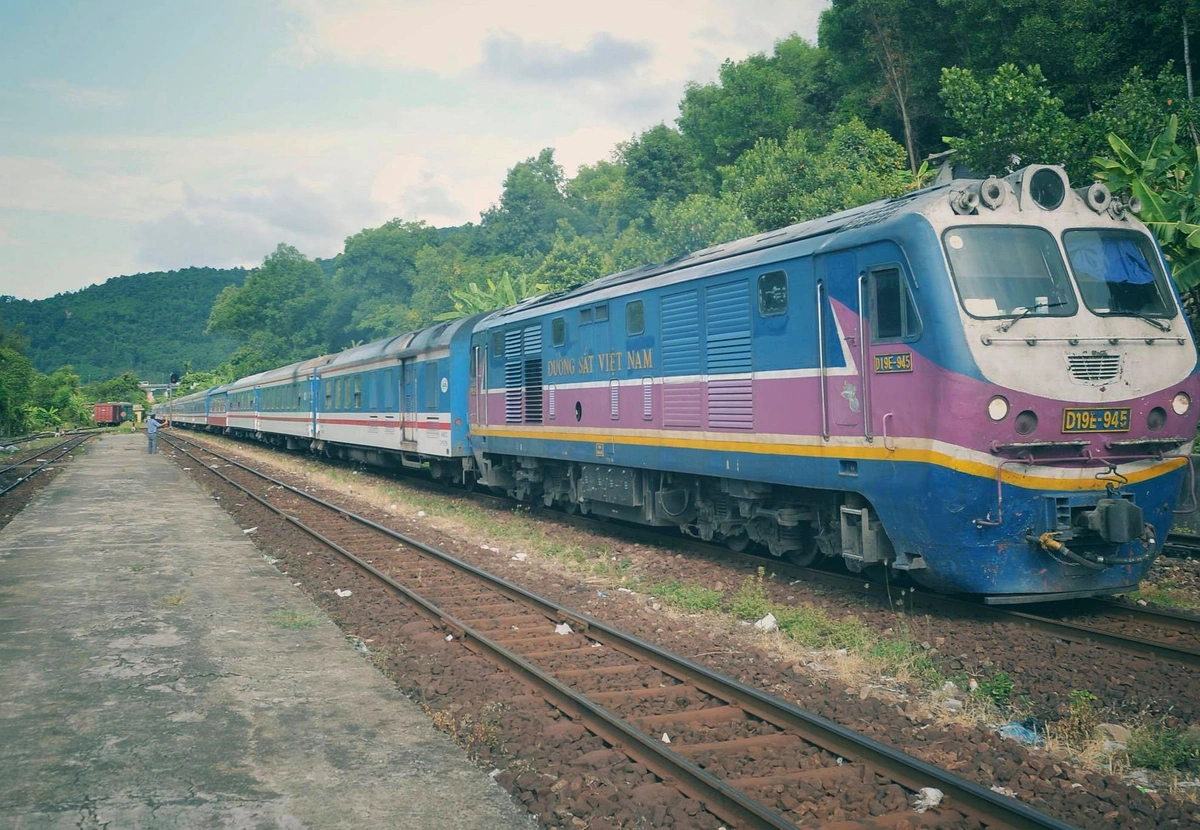
Beyond travel schedules, apparel preparations and heritage etiquette guidelines constitute practical tips for all visitors. Elevated across Yunnan highlands, Jianshui features subtropical monsoon plateau climates boasting intense daytime sunlight and wide diurnal temperature swings. Visitors should pack high-SPF sunscreen, wide-brimmed hats, and light jackets for chilly dusks. Exploration terrain encompasses vintage railway tracks, stone-paved platforms, and uneven ancient village alleys; supportive, high-traction walking shoes are mandatory. Respecting indigenous cultures and strictly obeying safety rules—avoiding restricted rail boundaries—guarantees personal safety while safeguarding heritage landscapes. To actualize retro exploration dreams seamlessly and professionally, refer to all-inclusive tour packages featuring carefully curated cultural touches and dedicated field guidance.