Tracing the river of time back to the early 1930s, when the clouds of political upheaval began to shroud the land of the ancient capital of Nanjing, the idea of a towering bridge spanning the churning waters of the Yangtze River was initially conceived in the vision of the Nationalist Government. Back then, preliminary sketches were laid upon worktables under the sponsorship and coordination of German technical experts, nurturing hopes of connecting the severed transport arteries of the North and South. However, harsh historical realities featuring the outbreak of the Second Sino-Japanses War stifled all grand technical projects still resting on paper, forcing blueprints to be rolled away amidst the ashes of bombs and historical uncertainty. It was not until the People’s Republic of China was officially founded that the aspiration to conquer this ferocious waterway was truly reignited with a new stature and a new willpower, aiming to resolve the strategic transport bottleneck along the nation’s vital Jing-Hu railway line once and for all.
Under the close guidance and strategic vision of Premier Zhou Enlai, alongside the tireless intellectual contributions of leading engineers such as Mai Yang and Hu Zitai, a century-defining project was officially shaped. On January 18, 1960, the sound of construction hammers resounded along the banks of the Yangtze in a high spirit of “self-reliance,” defying skepticism and the complete withdrawal of Soviet experts just as Beijing-Moscow relations plunged into a deep freeze. Amidst this fierce geopolitical adversity, the bridge bore a mission transcending ordinary technical parameters; it was hailed by the entire Chinese populace at the time with the proud moniker “Bridge of National Pride” – a testament to national self-esteem, independent will, and the capacity to rise forcefully against pressure from foreign powers.
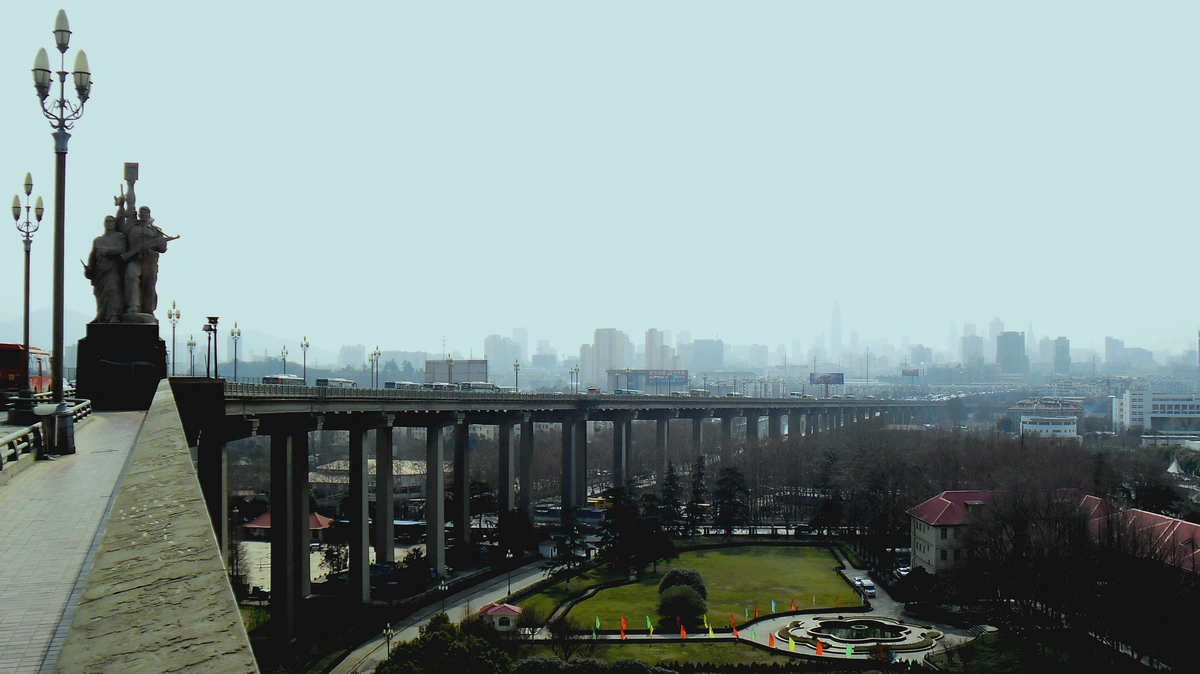
Enduring the sweat, tears, and even blood of tens of thousands of laborers over nearly a decade, the project’s heartbeat pulsed for the first time when the main railway section officially opened for technical traffic on September 30, 1968, before concluding a lightning-fast construction cycle with the full highway opening event on December 29, 1968. Viewed from a cultural-historical perspective, the Nanjing Yangtze River Bridge is not merely a miracle of mid-20th-century global bridge engineering, but also an open-air sculpture museum completely preserving the ideological imprints of 1960s socialism. Here, visitors and historical researchers can still touch epic reliefs depicting valiant workers, peasants, and soldiers, under the soft illumination of classic magnolia lamps, looking up to see bright red flags fluttering proudly in the breezy upper atmosphere.
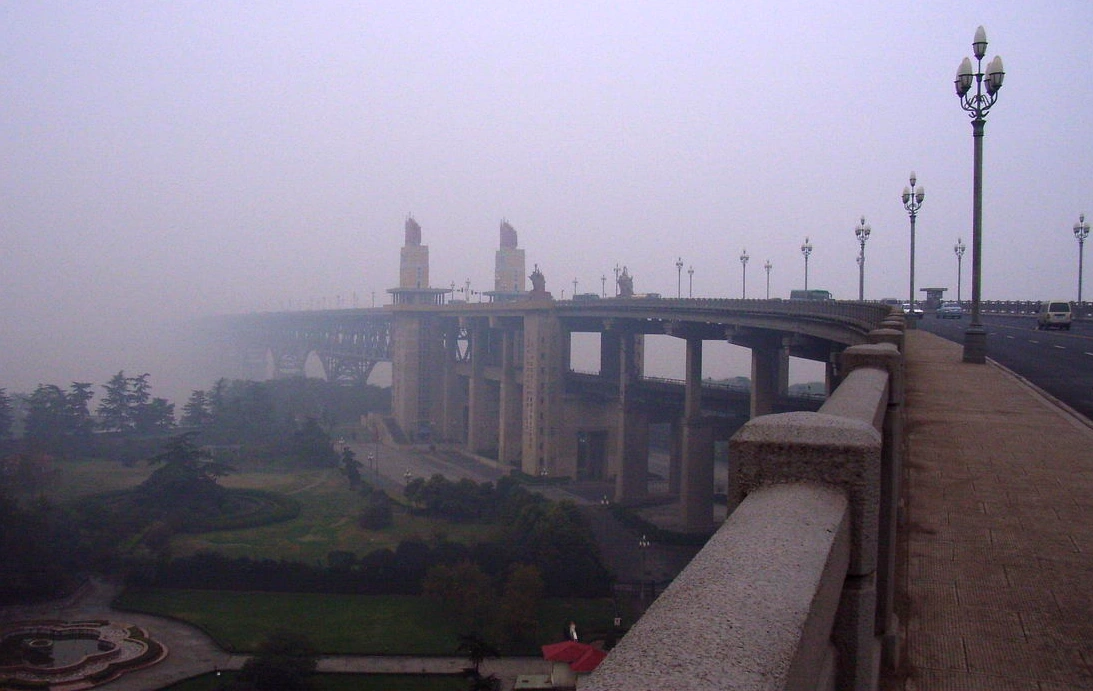
Through various historical phases of worldly changes, witnessing the dizzying transformations of the country over half a century, that colossal reinforced concrete and steel-girder structure inevitably sagged somewhat under the weight of time and increasingly overburdened vehicle volumes. To preserve an invaluable architectural-historical heritage, from 2016 to 2018, the Nanjing Yangtze River Bridge underwent an unprecedented comprehensive overhaul. Strictly adhering to the classical restoration principle of “preserving antiquity as antiquity” (maintaining the original condition just like in the early days), modern engineers and artisans meticulously restored every original architectural detail—from weathered reliefs to stone railing systems—ensuring the soul of the 1960s is passed down intact into the 21st century, standing proud and majestic amidst the eternal flow of Chinese history.
Tracing geographical history and Eastern consciousness, the terrain of Nanjing has since ancient times been evaluated by master feng shui practitioners as a “tiger crouching and dragon coiled” land—where dragons coil and tigers sit, converging the vital breath of a magnificent landscape. When placing urban planning visions on the section of the Yangtze River flowing through this ancient capital, engineers and architects skillfully selected a natural choke point of immense strategic advantage between Gulou District in the south and Pukou District in the north. Here, the roaring river does not flow unrestrained but is tightly pinched between two majestic peaks: Mufu Mountain to the east and Shizi (Lion) Mountain to the west. The embrace of this mountainous terrain created a narrowed river bend with a width ranging merely from 1.5 to 2 km, resembling a natural golden lock fastening the current, perfectly aligning with the classic military-strategic and feng shui axiom “controlling the northern and southern gateways, locking the currents to greet the tides”—commanding the northern and southern bottlenecks, locking the water tight to welcome historical floods.
Regarding engineering geology, the decision to position the grand bridge at this location was not based purely on feng shui intuition, but represented an exceptionally precise scientific calculation of modern foundations. The area sandwiched between Shizi and Mufu mountains possesses a bedrock foundation buried at suitable depths, generating an extremely solid stratum to bear the thousand-ton weight of the first cross-river mega-project independently designed and constructed by China. Thanks to this specialized geological structure, engineers of the era successfully applied unprecedented large-scale sinking caisson construction methods, pushing through quicksand and deep riverbed torrents to drive sturdy reinforced concrete piles deep into bedrock hearts. The grand bridge’s overall blueprint comprises nine sturdy main bridge piers combined with dozens of majestic approach piers, establishing an enduring architectural rhythm spanning across the vast waters of the mother Yangtze River.
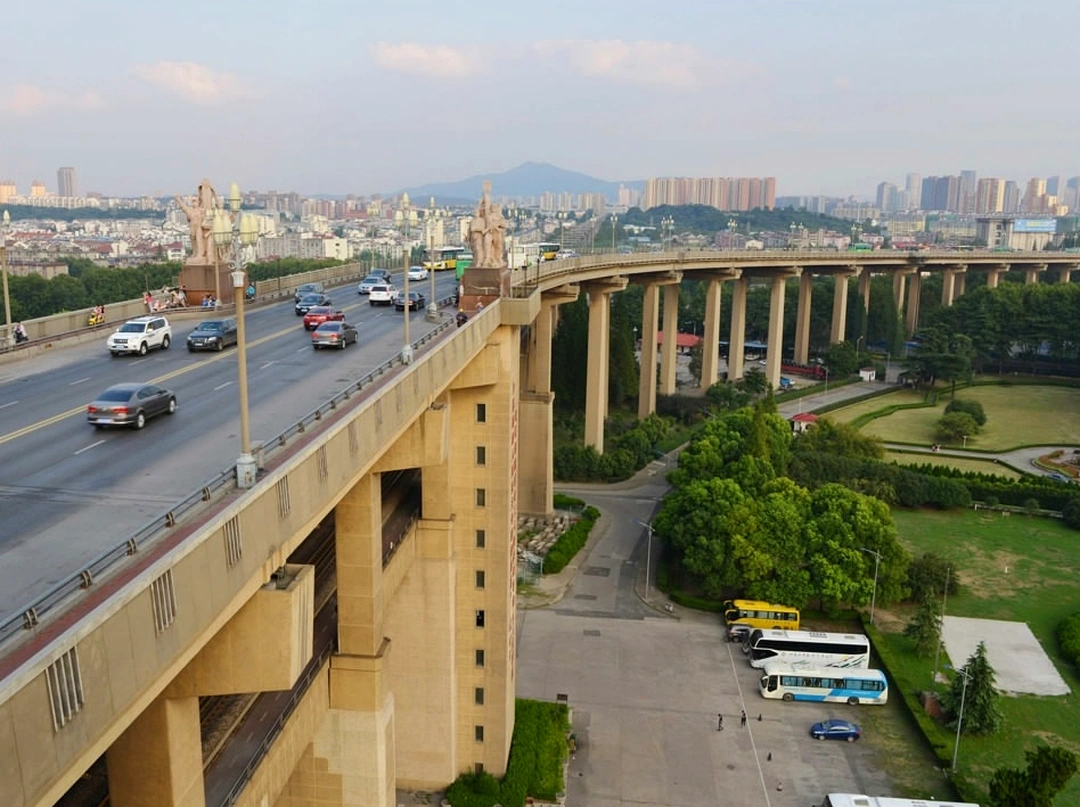
Each technical parameter of the bridge represents a subtle solution to the fiercely harsh hydrological problems of Asia’s largest river. During rainy flood seasons, water volumes pouring into the Yangtze surge with destructive force, and torrential currents can snap any ordinary structure. To tackle this challenge, engineers deeply researched multi-year hydrological regimes, designing optimal span distances and clearance heights that not only facilitate smooth boat navigation but minimize water pressure slamming against pier shafts. Notably, the planning and construction of the grand bridge also laid foundations for protecting riverside wetland ecosystems and natural migratory corridors for rare fish species on the Yangtze River, demonstrating a cross-generational ecological vision despite occurring amidst significant technical limitations.
Surpassing the significance of a vital transport artery connecting northern and southern banks, the presence of the Nanjing Yangtze River Bridge at the river bend pinched between Mufu and Shizi mountains served as a powerful catalyst driving cross-river urbanization across a key economic zone. Its characteristic landscape space thus embodies a wonderful harmonious beauty between natural majesty and human willpower in transforming nature. Viewed from above, the bridge resembles a proud steel ribbon spanning silver waters, where visitors can cast their gazes across enchanting scenery, listening to waves lapping against the base of Shizi Mountain and fully sensing the historical heartbeat of a sacred land converging feng shui, geological, and human architectural essences.
Stepping past the heroic historical pages of self-reliance, when standing atop the breezy expanse of the churning Yangtze River to admire the Nanjing Bridge, distant travelers are inevitably overwhelmed by a massive architectural masterpiece imbued with self-reliance and engineering excellence from a populous nation. Planned and actualized as a symbol of indomitable will, this structure is not merely a vital transport solution but an epic poem in steel and concrete, where peak mechanical crafting arts blend with spatial thinking of colossal proportions. The bridge’s entire structure serves as a living testament to large-scale industrial architecture, where all technical parameters achieve absolute precision, defying the harshest geological and hydrological conditions of Asia’s longest river.
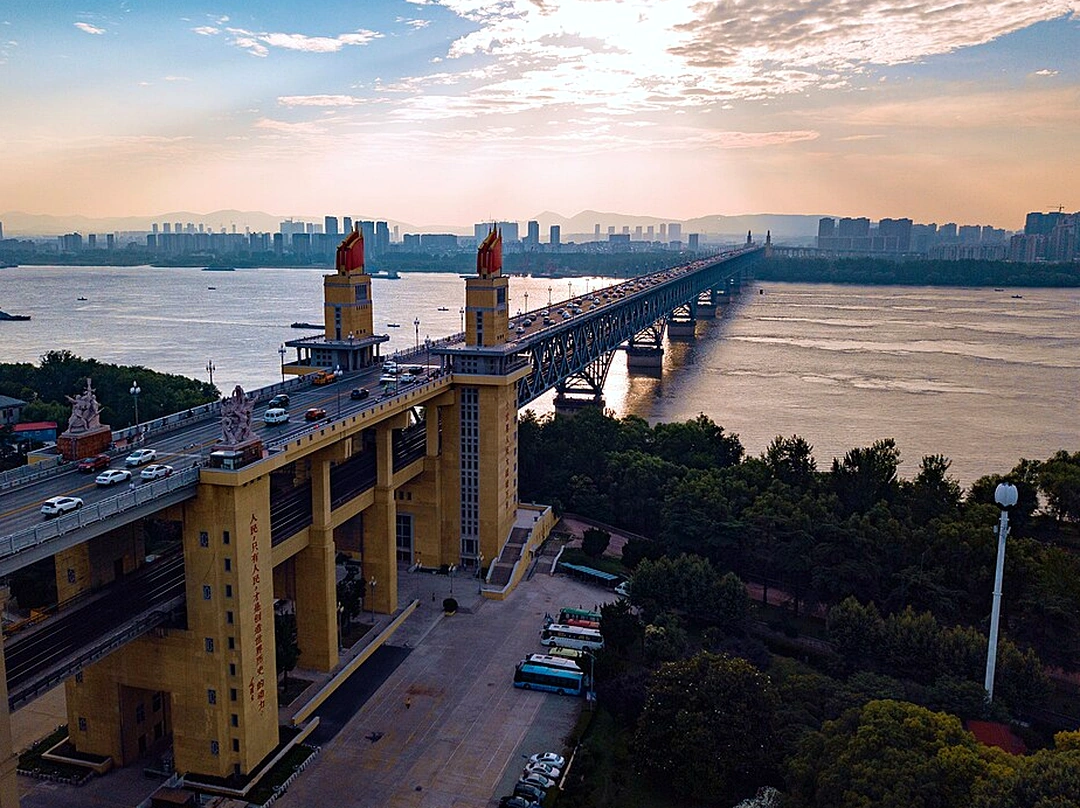
Regarding spatial scale and operational structures, the Nanjing Bridge is designed on a unique double-deck steel truss model, perfectly integrating railway and highway systems into a single immensely sturdy entity. Actual data records a colossal scale: the railway bridge section spans a total length of 6,772 meters, with the main bridge section alone measuring 1,577 meters; meanwhile, the highway bridge system reaches a total length of 4,588 meters with main and approach spans totaling 4,589 meters. Interior spaces are clearly demarcated yet tightly linked across two isolated transport decks. The upper deck is a sweeping automobile roadway reaching up to 15 meters in width, leaving an 11-meter flat asphalted roadway capable of accommodating 4 heavy truck lanes flowing simultaneously, flanked by spacious 2-meter sidewalks on each side for pedestrians to leisurely admire river scenery. Directly beneath on the lower deck is a dual-track railway system dedicated to the Beijing-Shanghai (Ning-Hu) north-south trunk railway, witnessing daily dozens of rumbling trains cutting waves across silver waters, linking the economic heartbeat of a vast southern territory.
To support colossal loads and terrifying pressures from the Yangtze’s churning currents, material technology and foundation engineering for this bridge constituted a scientific-technical revolution at the time. The historical material milestone marking self-reliance was Chinese engineers successfully researching and manufacturing specialized bridge-building steel grade 16Mng (commonly called 16Mnq), completely replacing expensive imported carbon steel from abroad. Beyond that, grueling bridge foundation challenges under deep water conditions, thick riverbed silt, and torrential currents were resolved via tubular-column drilling methods combined with floating reinforced concrete caissons for sinking. This technique demanded millimeter-precise calculations of tidal currents and riverbed load capacities, forging bridge piers anchored deep into solid earth like a rock bed, proudly resisting all fierce floods across generations.
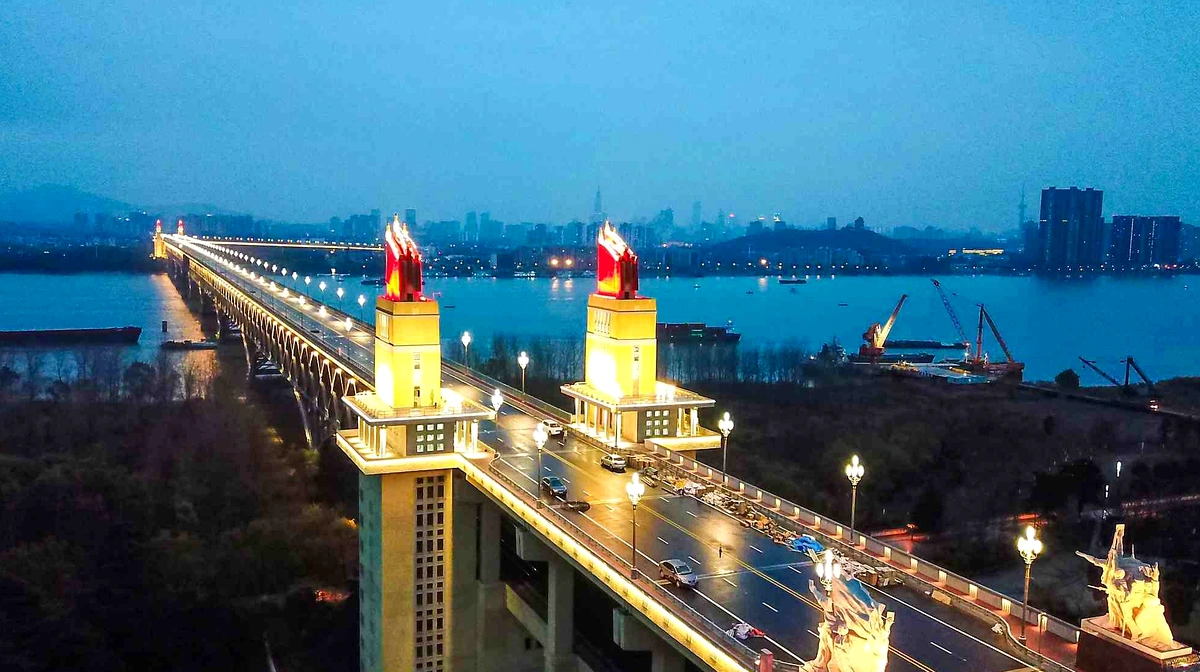
Surpassing purely transport functions, the Nanjing Bridge also operates as an outdoor art museum imbued with East Asian aesthetic vibes and zeitgeist spirits. Flanking both bridgeheads are majestic, towering fortresses adorned with classic sculptural statues honoring three core forces: workers, peasants, and soldiers, symbolizing national solidarity. Looking down along the bridge’s railing system, observers marvel at tens of thousands of exquisite cast-aluminum panels featuring soft stylized chrysanthemum and sunflower motifs, generating graceful accents amidst cold steel frameworks. Most distinctively, spanning the bridge’s length are 299 lamp posts shaped like classic “Magnolia Blossoms,” bearing profound ancient Chinese imperial aesthetics. When night falls, hundreds of those luminous magnolias light up simultaneously, casting reflections onto the Yangtze River to create a grand canvas where modern engineering and traditional art achieve flawless, seamless perfection.
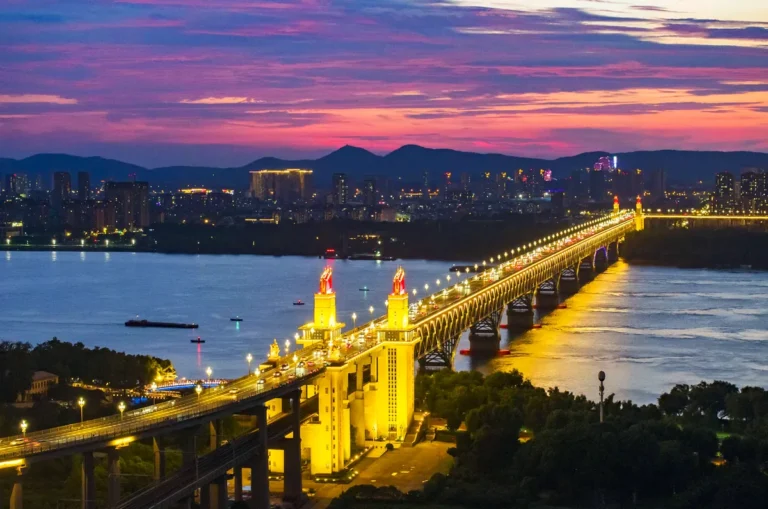
When night falls, draping a magical velvet veil over the churning Yangtze waters, the Nanjing Yangtze River Bridge sheds the solemn, somber visage of an oversized industrial machine from bygone eras to don a brilliant luminous cloak, transforming into a peak visual lighting art symbol in East China. Artistic appreciation spaces at the grand bridge unveil an enchanting synthesis between 1960s industrial heritage and modern urban culture. Under advanced lighting technology, floodlights and specialized LED systems meticulously arranged along dozens of kilometers outline complex structural steel frames resembling a colossal steel dragon undulating majestically across the historical river. The dominant color palette is intentionally defined with three iconic hues—bridge red, river blue, and blazing brilliance—generating a color harmony that is simultaneously powerful, heroic, poetic, and mystical. Illumination performs beyond simple functional lighting, being subtly sculpted to honor individual architectural contours, sharply highlighting intricate relief carvings atop northern and southern defense fortresses witnessing historical vicissitudes. Notably, spanning bridge spans, 299 classic Magnolia flower lamps simultaneously emit warm, nostalgic golden light, blending wonderfully with blinking lights from hundreds of vessels navigating river currents, producing strong visual effects that clearly delineate the seamless continuity between a proud past and a dynamic, sleepless Nanjing by night.
Venturing deeper into heritage hearts, artistic appreciation and historical nostalgia spaces inside fortresses offer visitors profound cultural resonance transcending ordinary viewpoints. Inside the southern fortress, the Great Bridge Memory Exhibition Hall emerges as a living memory museum, fully preserving the indomitable spirit of tens of thousands of engineers and workers toiling day and night on the century’s construction site. It displays original handwritten design blueprints with millimeter-precise technical lines, hundreds of precious black-and-white documentary photographs capturing moments of installing initial steel spans, alongside invaluable historical artifacts tied to the self-reliance era of the Chinese people. That space transports travelers backward in time, touching heroic yet simple pages of history, before stepping out onto fortress balconies to gaze across illuminated cityscapes across the river, prompting profound respectful emotions. Nightlife surrounding bridge base areas thus acquires distinct traits—unhurried and bustling, yet settling and contemplative amidst roaring river winds and distant train whistles.
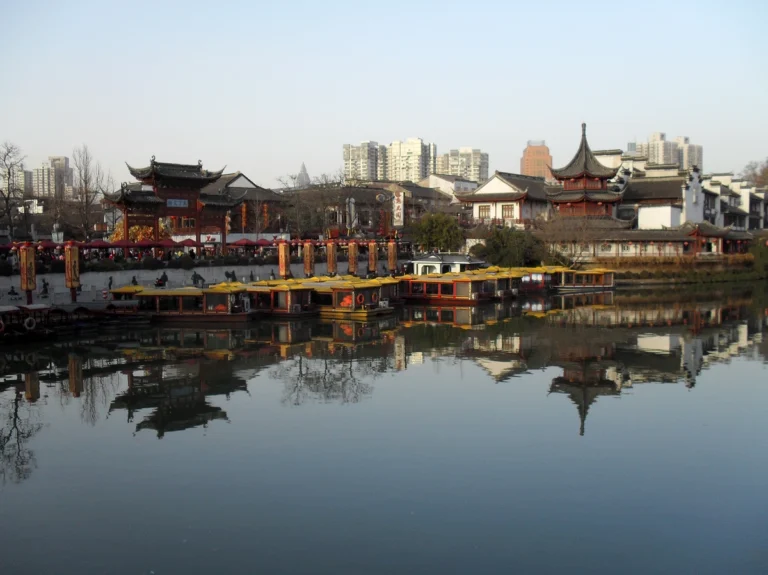
That cultural lifeline continues and sublimates when connected with nearby ecological and cultural tourism spaces, creating a seamless experience chain from dusk until late night. The Qinhuai-Confucius Temple scenic area, with its solemn ancient red-lantern pavilions, extends its prosperous breath right into the Yangtze River via distinctive night river cruise routes. Prominent among them is the voyage named Yangtze River Night Cruise – Grand Bridge Romance, a cultural tourism product perfectly combining modern performance technology with traditional nostalgic textures. Aboard gently gliding vessels on dark waters, visitors not only savor unique bottom-up viewpoints beneath the grand bridge but immerse in vivid water-screen artistic performances where historical tales and bridge-building legends are recreated via magical 3D laser lighting. Warm narration echoes across vast waters, recounting friendships, indomitable wills, and romance tied to predecessor generations’ youth, touching countless travelers’ souls. Here, boundaries between reality and memory dissolve, leaving audiences with unforgettable aftertastes of a Nanjing that is simultaneously ancient, solemn, modern, and dazzling beside the oceanic Yangtze River.
Tracing history back to Xiaguan and Pukou banks, where modern life harmonizes with century-bridge sediments, travelers encounter not only engineering feats but enter an exceptionally sophisticated encyclopedic culinary map. Gastronomy around the Nanjing Yangtze River Bridge base represents a flawless cross-section reflecting deep syntheses between elegant Jiangnan flavors and hearty Jianghuai plain breaths. Here, every dish surpasses mere combinations of local ingredients, embodying health-preserving philosophies and heirloom processing techniques passed down generations, transforming meals beside the great river into enchanting cultural journeys.
The pinnacle of riverside culinary art historically tied to the legend of the “Yangtze River Three Fresh Banquet,” comprising silver carp, hilsa herring, and pufferfish—nature’s finest bounties gifted to the Jinling river stretch. Although conservation and fisheries protection mandates have tightened natural fishing bans today, that heirloom culinary spirit remains undimmed. Master local chefs preserve and pass down intangible processing techniques. Typified by “Steamed Silver Carp in Clear Broth,” talented chefs retain fish scales to lock in natural fats, emitting pure sweet aromas upon steaming without muddy odors. More intricate and challenging is “Braised Pufferfish in Soy Sauce,” an expertise demanding absolute mastery over toxicity and seasoning timings, yielding thick savory sauces steeped in traditional fermented bean paste, blending with snow-white fish meat melting on the palate.
Leaving waterfronts for plane-tree-shaded ancient alleys, diners are instantly conquered by heirloom culinary symbols glorifying Jinling: Nanjing Salted Duck. Distinctly different from glossy, fatty Peking duck, Nanjing salted duck—or Jinling duck—presents ethereal elegance with milky white skin, juicy succulent meat, moderate savory seasoning, rich yet non-greasy. To achieve such fame, veteran artisans strictly observe four manual crafting stages demanding minute-level precision: stir-frying salt with herbs for deep fiber penetration, secondary marinating for binding spices, air-drying under natural lower Yangtze valley sun-wind, and simmering in low-heat broths with tightly controlled temperatures to preserve duck meat’s perfect moisture.
Beyond imperial dishes or elaborate specialties, local culinary canvases shine with street foods like “Duck Blood Vermicelli Soup,” a rustic countryside treat elevated into an unmissable cultural symbol for Nanjing locals. Broths simmered for hours from duck bones and secret spices radiate fragrant aromas, blending seamlessly with silk-soft duck blood blocks, crunchy giblets, and chewy transparent vermicelli noodles. Every spoonful explodes with flavors, embracing diners during chilly evenings watching sunsets descend upon the long bridge.
Indigenous flavors conclude via classical Qinhuai Eight Delicacies point-salamanders, where mother river culinary essences condense into golden pan-fried meat-filled pan-fried buns with crispy bases, or sweet red bean rice ball soups fragrant with osmanthus flowers. All those flavors—from folk imperial dishes to street snacks—weave profound heirloom experiential culture, turning the lands around the Nanjing Yangtze River Bridge into immortal culinary coordinates in visitors’ minds.
Field exploration and veneration journeys at the Nanjing Yangtze River Bridge achieve absolute completeness when cultural-historical researchers and distant travelers grasp practical guides spanning operating hours, transit methods, and professional recording tips. Regarding schedules and sightseeing regulations, the century-old bridge features two unique parallel operational spaces. Pedestrian walkways and wide sidewalks remain completely free 24/7, allowing anyone to leisurely walk over churning waters for panoramic Yangtze views at any hour. Meanwhile, the Great Bridge Memory Exhibition Hall inside the southern fortress operates under fixed administrative hours from 09:00 AM to 17:00 PM daily, closing Mondays for artifact maintenance. Entering this nostalgic exhibition space requires visitors and researchers to make free real-name reservations via official digital mini-programs, requiring advance preparation to avoid confusion at checkpoints.
Regarding transport connections, accessing Nanjing bridgeheads is exceptionally convenient via modern urban public transit. Opting for Metro Line 3, visitors disembark at “Daqiao Nanlu” station to start journeys from the southern fortress, housing iconic architecture and memory exhibition halls, or disembark at “Dingshan” station starting from the northern fortress to study approach span structures and northern Yangtze bank landscapes. Drivers utilizing personal cars or rentals must mind heavy truck bans and peak-hour urban traffic restrictions. Field experts recommend parking in large underground lots near southern fortresses before walking onto the bridge deck to survey architecture, take photos, and absorb historical breaths radiating from concrete blocks once national pride.
To optimize experiences within limited timeframes, cultural tourism experts designed a standardized half-day itinerary tailored for this destination. Crisp mornings are ideal for visiting southern fortresses and memory exhibition halls housing precious documentary photos of thousands toiling during hard years. At midday, journeys pivot toward nearby old quarters for heirloom Nanjing salted duck, an ethereal culinary masterpiece. Afternoons culminate when returning to bridge decks to walk the entire architectural length, examining complex steel truss mechanics resembling mechanical poetry and watching classic Magnolia lamps ignite at dusk.
Nonetheless, harsh natural conditions across major river basins demand practical tips ensuring safe, successful surveys. Due to open river geomorphology, winds sweeping mountain gaps and river surfaces run strong—especially fierce across spring, autumn, winter, and ahead of summer storms. Visitors must wear thick windproof jackets and high-traction walking shoes to tread confidently. Landscape and architectural photographers must prepare sturdy tripods for flawless night exposures of the illuminated bridge amidst churning waters. To gain profound perspectives and professional support for cultural exploration plans, explore detailed all-inclusive tour packages designed meticulously alongside cultural research experts.