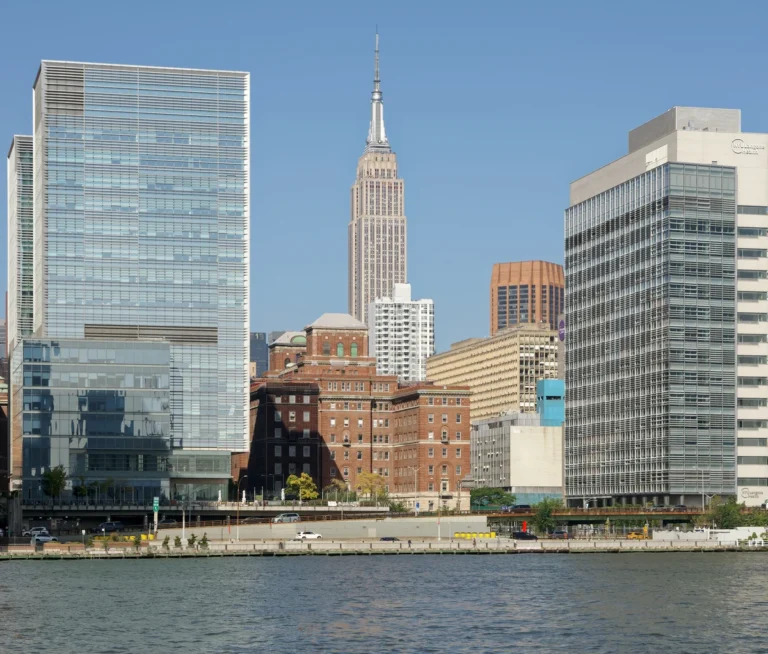
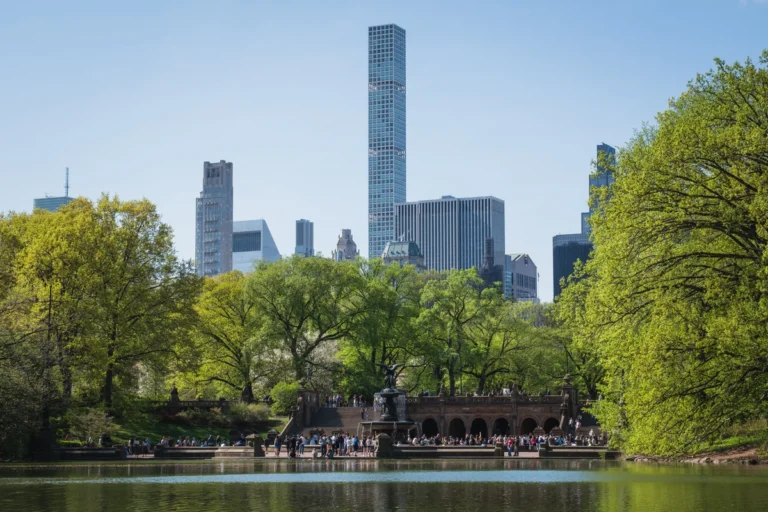
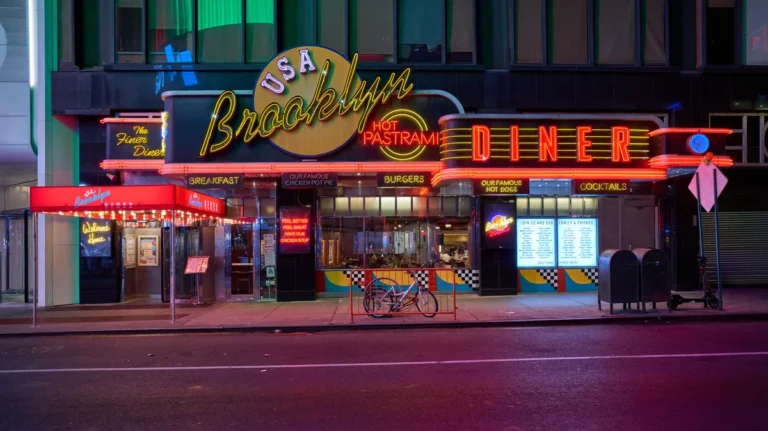
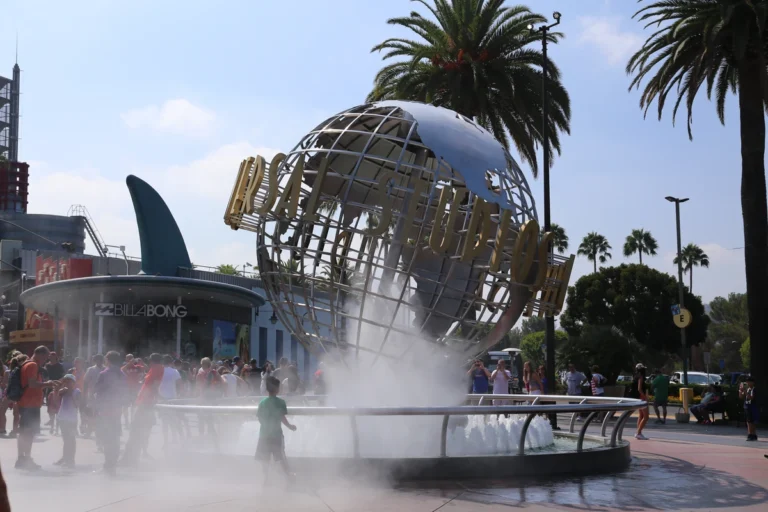
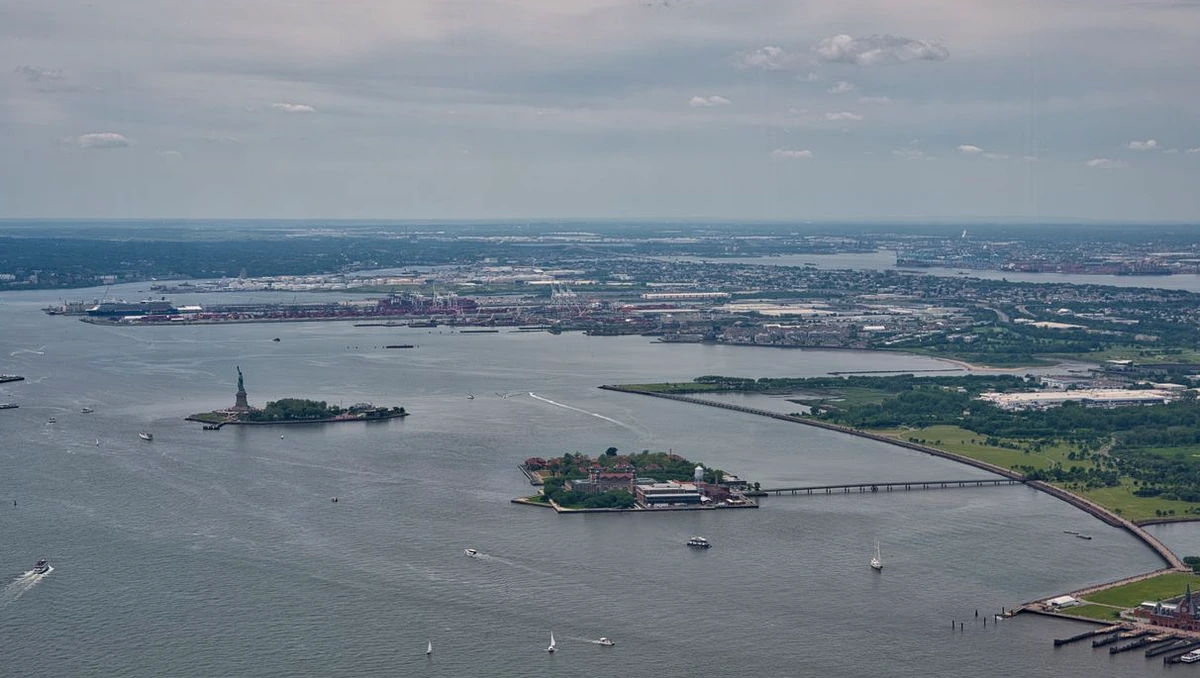
Tracing the United States from the East Coast to the West Coast unfolds a sweeping historical chronicle shaped by shifting eras, major migrations, and landmark urban plans. Early East Coast roots tie closely to New York Harbor, where the Dutch West India Company established the trading settlement of New Amsterdam in 1624. After four decades of maritime and fur-trade growth, control passed to English forces in 1664 and the settlement was renamed New York in honor of the Duke of York. In 1811, the Commissioners’ Plan set Manhattan’s lasting street grid of twelve numbered avenues running north–south and numbered streets crossing east–west, laying ground for a global commercial and financial hub at the island’s southern tip.
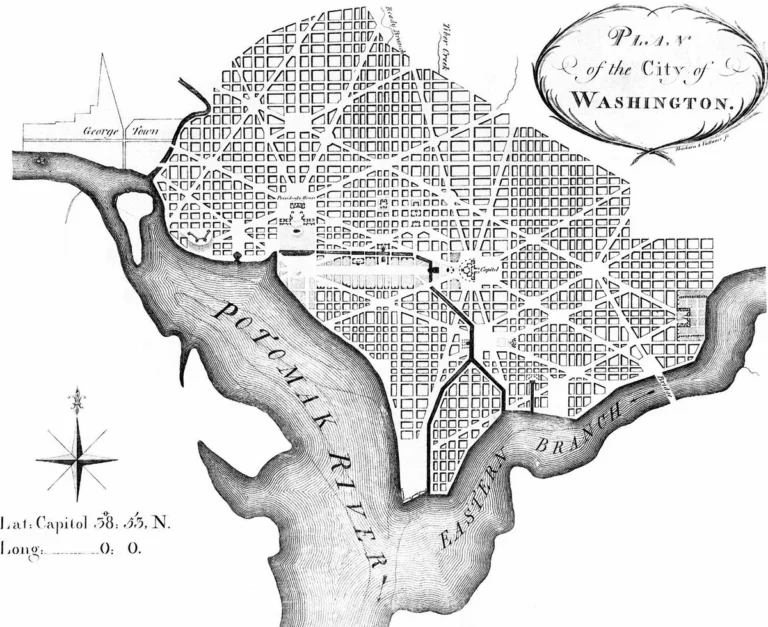
Heading south along the Atlantic corridor, Washington, D.C. grew out of the Residence Act passed by Congress in 1790. Selected with President George Washington’s backing as a permanent federal capital along the Potomac River, the site was laid out by French-born planner Pierre Charles L’Enfant, who drew inspiration from grand European avenues and radial squares to connect the U.S. Capitol and the White House along clear ceremonial lines.
Crossing past the Rocky Mountains to the Pacific coast, California holds clear marks of earlier Spanish rule before joining the United States. San Francisco began in 1776 when Spanish expeditions founded the Presidio military outpost and Mission San Francisco de Asís. A major turning point arrived with the 1849 California Gold Rush, drawing seekers from around the world, spurring port and financial growth, and shaping San Francisco’s lively bayside character.
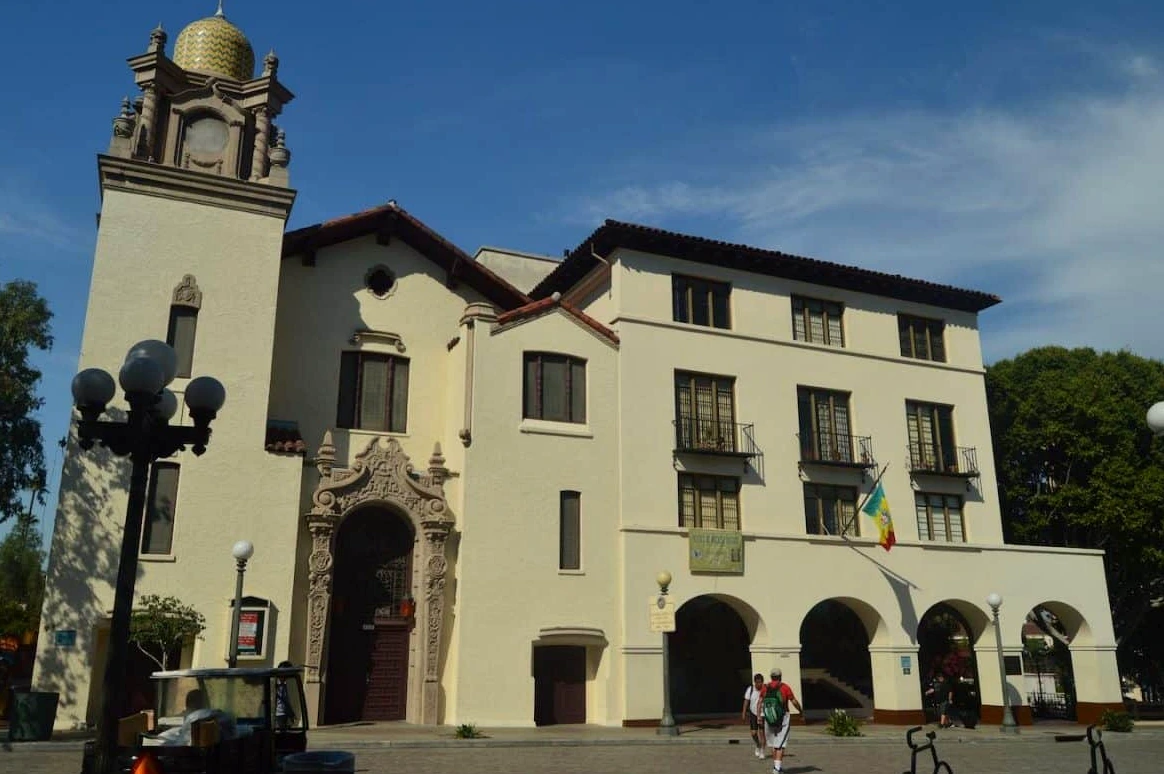
Farther south, Los Angeles traces its founding to 1781 as El Pueblo de Nuestra Señora la Reina de los Ángeles under Governor Felipe de Neve with a group of settlers. Growing from a modest agricultural settlement in Spanish and Mexican eras to a major twentieth-century hub fueled by oil discoveries, transcontinental rail links, and the rise of the motion-picture industry, Los Angeles evolved into a sprawling, multicultural metropolis along southern California’s coast.
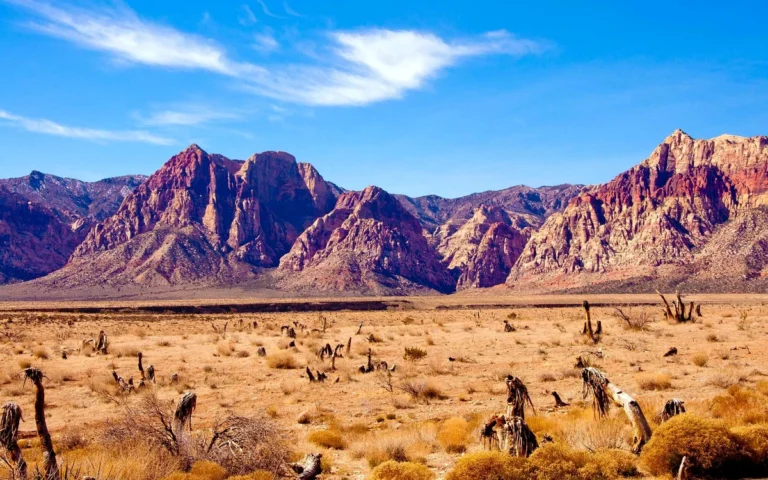
Rounding out a cross-country look is Las Vegas in the Mojave Desert. Starting as a railroad watering stop along the San Pedro, Los Angeles and Salt Lake / Union Pacific line around 1905, the desert town saw rapid growth in the 1930s alongside legalized gaming and nearby Hoover Dam construction—eventually becoming a well-known resort and entertainment destination in southern Nevada.
A coast-to-coast journey across North America brings sharp contrasts in geography and city planning. On the East Coast, the Atlantic coastal plain meets older crystalline rock of the Piedmont. Manhattan sits largely on sturdy Manhattan Schist bedrock, which helps support tall skyscrapers near the Hudson River estuary. Farther south along the Potomac River, Washington, D.C. follows L’Enfant’s formal radial layout linking the Capitol, National Mall, and memorials in a broad, balanced setting.
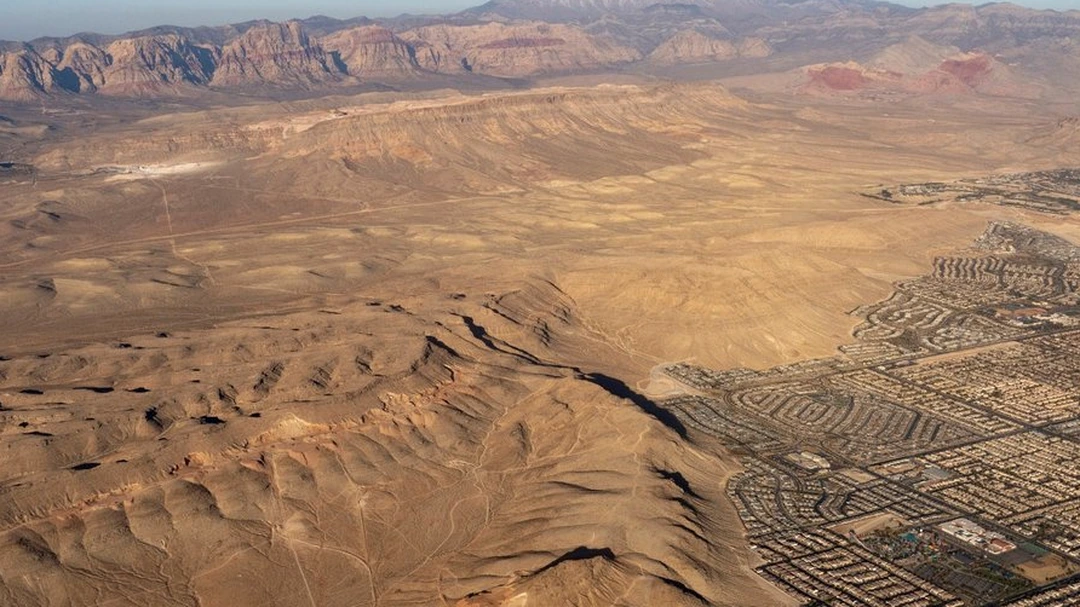
Across the Appalachians and interior plains into the Southwest, arid Mojave Basin scenery frames Nevada. Thriving in a hot desert climate relies heavily on water and power engineering along the Colorado River, where Hoover Dam impounds Lake Mead to supply regional water and hydroelectric power that sustain desert growth.
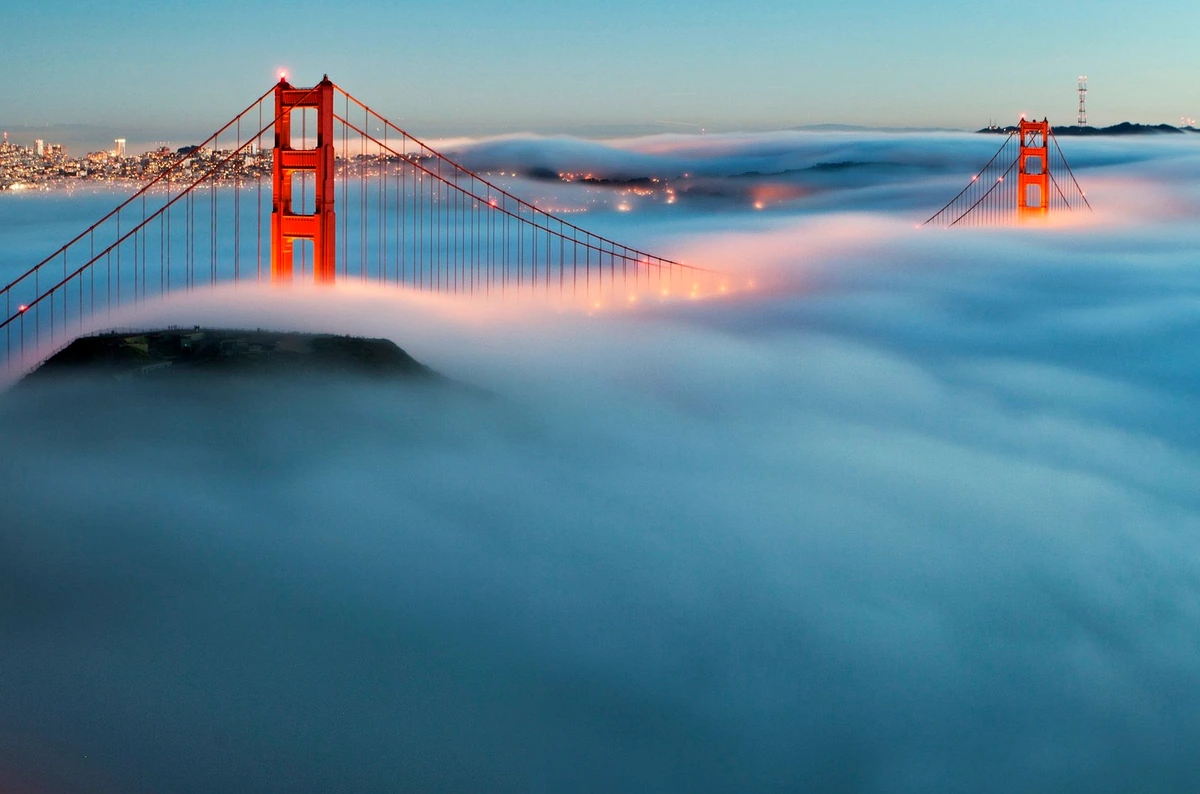
Near the Pacific edge, hilly terrain and seismic geology shape San Francisco on a narrow peninsula beside the Golden Gate. Near the San Andreas fault system, buildings use modern seismic engineering, while cool Pacific water meeting warmer inland air often sends coastal fog rolling past the Golden Gate Bridge and steep Victorian streets.
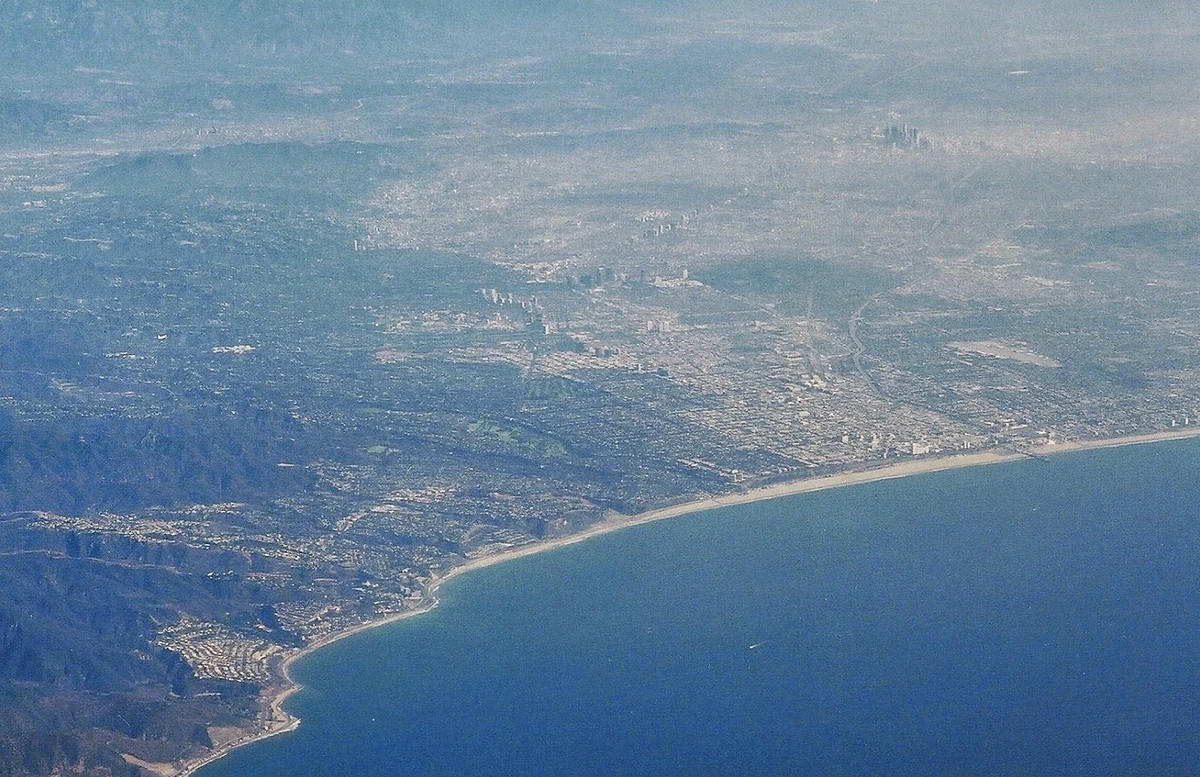
Farther south along the Pacific coast, the Los Angeles Basin spreads wide across valleys and foothills framed by the Santa Monica Mountains, San Gabriel Mountains, and ocean shoreline. Unlike vertical density in parts of the East Coast, Los Angeles spreads horizontally across a broad network of freeways linking beaches, neighborhoods, and nearby mountain ranges.
American architecture reflects both bold vertical engineering and classical civic restraint. In New York, steel-frame construction enabled tall towers such as the Empire State Building—an Art Deco landmark rising 381 meters to the roof (443.2 meters including its spire/antenna) with stepped setbacks shaped by early twentieth-century zoning rules that helped bring daylight and air down to street level.
By contrast, Washington, D.C. maintains a low-slung civic skyline under federal building-height rules so landmarks such as the U.S. Capitol remain prominent. Classical and Beaux-Arts influences—carried forward from L’Enfant and the McMillan Plan—appear across marble and granite monuments, museums, and civic buildings along the National Mall, giving the capital a dignified, orderly presence.
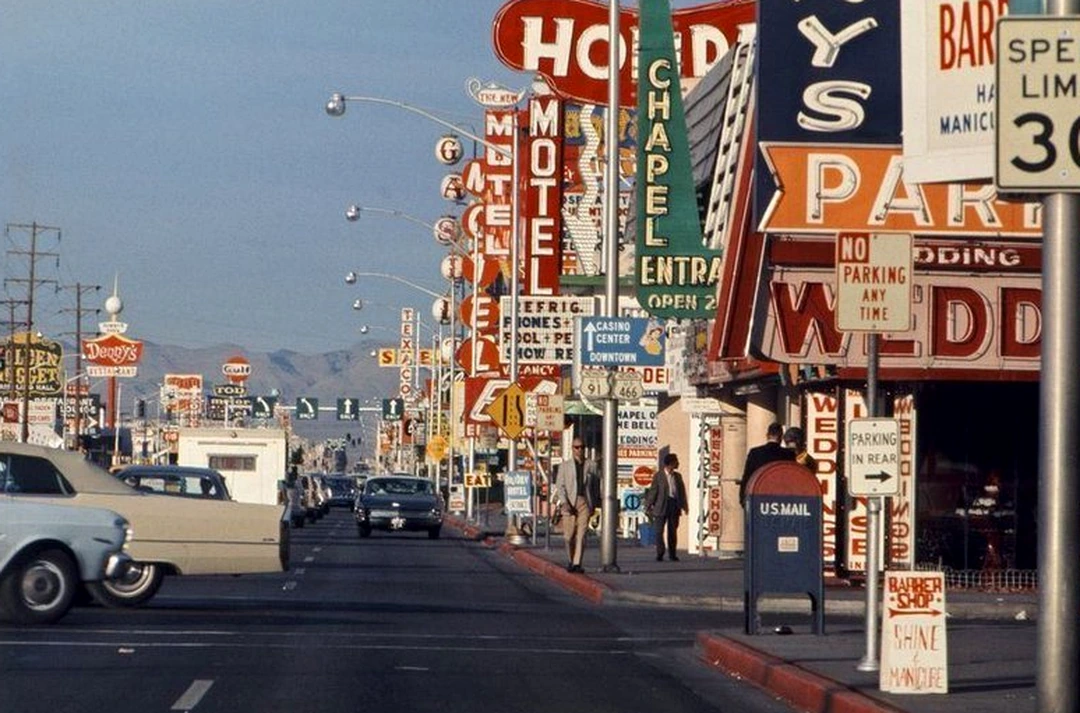
Leaving the East Coast for the Mojave Desert in the West, Las Vegas redefines urban spatial theory through an unconventional architectural order explored by architectural theorists Robert Venturi, Denise Scott Brown, and Steven Izenour in their study of “decorated sheds.” Rather than relying solely on sculptural building massing, Las Vegas celebrates eye-catching exterior signage—oversized neon displays, bright spotlights, and digital screens turning The Strip into a dramatic visual stage. Casino and resort interiors are laid out with theatrical, labyrinthine flow, softening awareness of time through painted sky ceilings, programmable lighting, and large-scale architectural themes that turn commercial entertainment into a hallmark of postmodern visual culture.
Continuing that open, expressive spirit, Los Angeles became fertile ground where car culture shaped sleek Mid-century modern lines and distinctive Googie architecture. Emerging amid postwar optimism and the space age, Googie style showcased upswept roofs, boomerang motifs, bold cantilevers, and expansive glass along roadside diners, service stations, and car washes. At the same time, residential designs tied to the Case Study Houses program across the Hollywood hills set a lasting standard for indoor–outdoor living, pairing prefabricated elements, steel beams, and low flat roofs with Southern California views.
Rounding out the route is hilly San Francisco, where steep streets meet intricate Victorian woodwork. Among its best-known sights are the “Painted Ladies” on Steiner Street overlooking Alamo Square, showcasing late-nineteenth-century Queen Anne details—carved spindlework, gables, bay windows, and layered color schemes on resilient redwood structures. Meanwhile, spanning the bay entrance is the Golden Gate Bridge, engineered by Joseph Strauss and Charles Ellis with architectural design by Irving Morrow. Its 227-meter (746-foot) Art Deco-styled towers support main cables of tens of thousands of steel wires in International Orange, linking city engineering with wide coastal scenery.
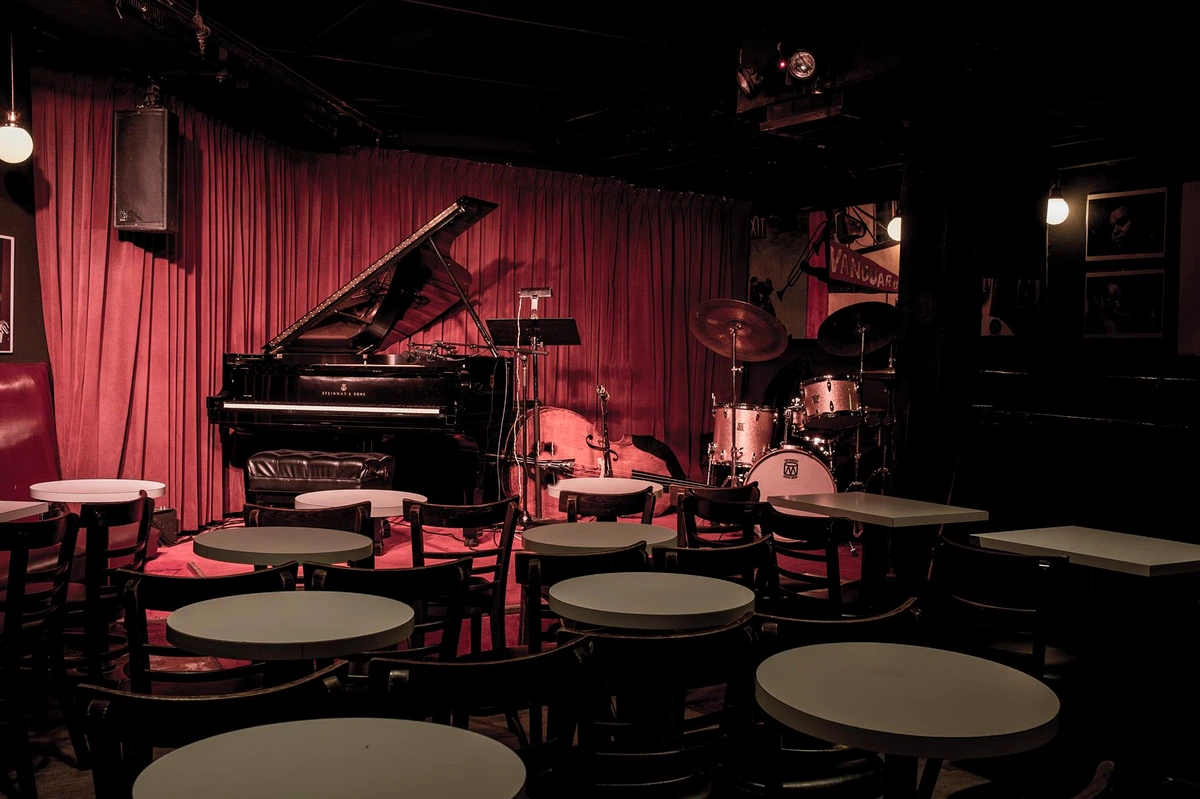
As dusk settles across North America, night brings a lively shift in light, sound, and city rhythm. On the East Coast, New York keeps its reputation as a city that stays active late—from theater marquees to intimate basement rooms. Down in Greenwich Village, the renowned jazz club Village Vanguard—founded by Max Gordon in the mid-1930s in a distinctive wedge/triangular space—continues to host live jazz in an intimate brick-walled room that has long echoed with performances by greats such as John Coltrane and Bill Evans.
Farther uptown sits the theater district of Broadway and Times Square, where glowing billboards and screens brighten the night. Behind the curtains of historic Neo-Renaissance and Beaux-Arts theaters, stagecraft combines live vocals and acting with precise rigging, lighting cues, and scenic transitions that bring long-running productions like *The Lion King* and *The Phantom of the Opera* to life.
Across the plains in the Mojave Desert of the West, Las Vegas uses light on a dramatic scale. At the pyramid-shaped Luxor, the Luxor Sky Beam combines high-intensity xenon lamps into a powerful vertical beam visible from afar in desert skies. Nearby downtown, Fremont Street features the Viva Vision canopy—suspended roughly 27 meters (90 feet) above the pedestrian mall and stretching some 450 meters (1,500 feet) with millions of LEDs—casting overhead visuals above crowds below.
In contrast to Las Vegas’s high-energy strip, evenings in San Francisco often feel cooler, quieter, and atmospheric as coastal fog rolls in from the Pacific. Around the Golden Gate Bridge and North Beach—historically tied to Beat Generation writers—warm light from neighborhood cafés glows in cool bay air, while along the Embarcadero, lights on the Bay Bridge shimmer across dark water for an unhurried coastal evening.
American food culture goes far beyond fast-food stereotypes, shaped by waves of immigration and regional ingredients across the country. On the East Coast, New York offers classic thin-crust slices foldable on the go as well as boiled-and-baked bagels with a crisp crust and chewy interior. Jewish deli heritage shines at Katz’s Delicatessen on Houston Street in Lower Manhattan, operating since 1888 and famed for seasoned, smoked pastrami sliced thick and served on rye with mustard.
Farther south in Washington, D.C., dining spans international embassy fare alongside a distinctive local street staple: mumbo sauce. Emerging in mid-twentieth-century neighborhood carryouts, tangy-sweet-and-spiced red mumbo sauce is often spooned over crispy fried chicken wings, fries, or fried rice as a familiar local favorite.

Out West, Las Vegas brings high-end dining to the Nevada desert, where Strip resorts host acclaimed chefs and tasting menus featuring prime cuts, seafood, and global flavors in polished dining rooms.
In Los Angeles, street food reflects vibrant immigrant communities—from taco trucks serving grilled *carne asada* or marinated *al pastor* with pineapple on warm corn tortillas to lively Koreatown barbecue spots grilling *galbi* short ribs alongside varied *banchan* side dishes.
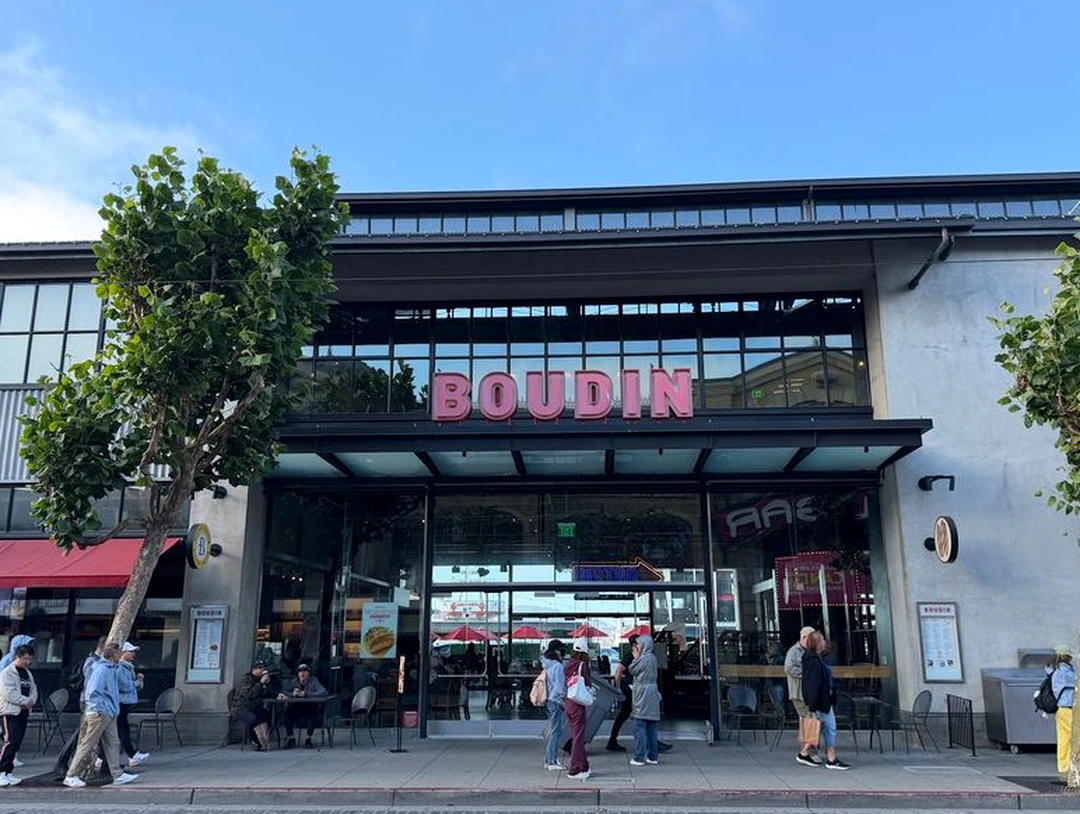
Rounding out the East–West food journey is San Francisco, a longtime hub for farm-to-table California cooking and Pacific seafood. Sourdough bread from historic Boudin Bakery—founded in 1849 during the Gold Rush—is famous for its tangy crumb and crisp crust, often served hollowed out and filled with warm clam chowder near Fisherman’s Wharf for a classic coastal finish.
Traveling to the United States generally begins with visa screening at a consular interview. For B1/B2 visitor visas, Section 214(b) of the U.S. Immigration and Nationality Act places the burden on applicants to demonstrate nonimmigrant intent and ties outside the United States—such as employment or business, property or financial stability, and family responsibilities. Clear, consistent answers that align with your DS-160 application and a calm, straightforward manner help consular officers evaluate the temporary purpose of your trip.
Urban layout and transit habits differ noticeably between the East and West coasts. Along the East Coast, the New York City Subway run by the Metropolitan Transportation Authority (MTA) operates around the clock alongside Washington, D.C.’s WMATA rail network, making rail and walking practical for getting around dense historic districts. On the West Coast, sprawling Los Angeles relies heavily on multi-level freeways and driving or rideshares to connect neighborhoods from Beverly Hills and the San Fernando Valley to Pacific beaches, while San Francisco pairs its historic Cable Cars on steep hills with regional BART rail service across the Bay Area.
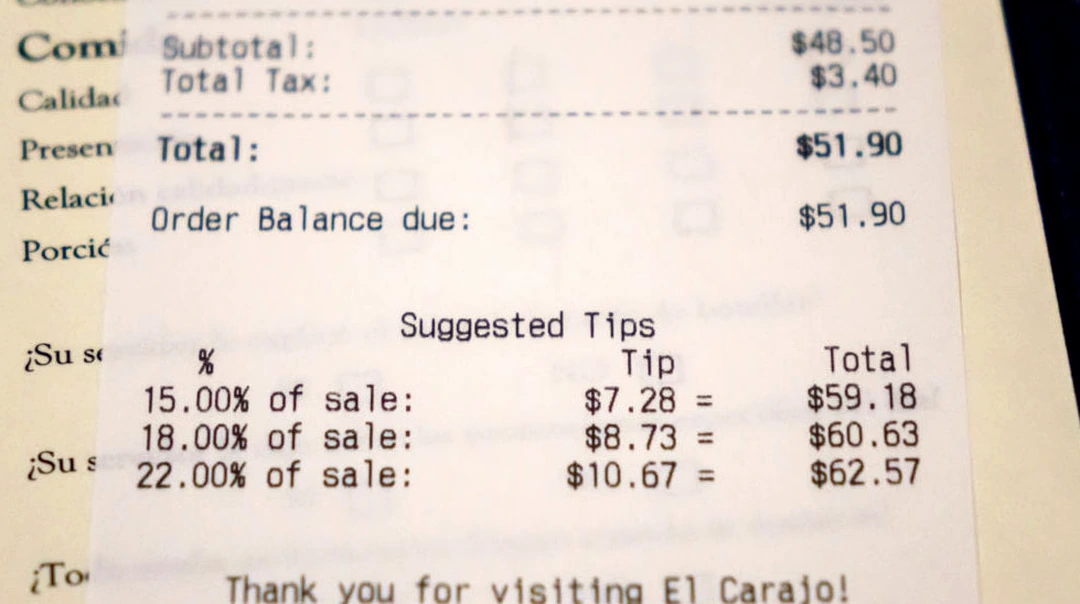
Tipping is a standard part of service culture in the United States. At sit-down restaurants, cafes, and bars, leaving roughly 18% to 22% before tax is customary for table service, while attraction passes such as CityPASS can reduce combined admission costs across major museums, viewpoints, and landmarks in participating cities.
Packing for microclimates and timing your dates around peak demand also make a noticeable difference. San Francisco’s coastal fog and cool bay breezes can drop temperatures quickly even on sunny days—so bring layers—while Las Vegas hotel rates often run lower on weekdays (Sunday through Thursday) than on busy weekends. If you prefer having flights, routes, and sightseeing planned ahead of time, you can also explore a complete U.S. East–West tour itinerary organized with experienced travel planners.