Beneath the golden sunshine of Southern California—where the global film industry shaped the artistic language of the 20th and 21st centuries—Universal Studios Hollywood stands tall as a living cultural monument and a visual chronicle of humanity’s journey to conquer the imagination. Located in Universal City, California, USA, right beside the legendary Hollywood district of Los Angeles, this landmark rises above the concept of a conventional amusement complex to become an icon of contemporary cinema history, where the line between reality and illusion blurs through the lens of the seventh art.
Owned by the multinational media conglomerate NBCUniversal and operated directly under the Universal Destinations & Experiences brand, it proudly holds the title of one of the oldest and most famous Hollywood film studios still operating continuously today. Its official marketing tagline, “The Entertainment Capital of LA,” fully captures the unique standing of this complex in the minds of millions of film enthusiasts worldwide who seek the origins of creativity and cinematic magic.
Originating from a bold idea in the early decades of the 20th century to offer the public real-life tours inside working studio sets, the site gradually evolved into the birthplace of an entire global system of large-scale Universal Studios theme resorts. The formation and growth of Universal Studios Hollywood are closely tied to the highs and lows, technological shifts, and fierce ambition of American cinema, reflecting a relentless effort to pull back the curtain on movie magic and bring audiences straight from theater seats into the captivating worlds of blockbuster films.
In terms of geography and spatial scale, Universal City occupies a strategic position in the San Fernando Valley within Los Angeles County, California, forming a self-contained entertainment and media ecosystem tightly linked to the major transit arteries of the broader metropolitan region. The complex’s footprint is not confined to the gates of the theme park for visitors; alongside it stretches a comprehensive media industry hub housing leading print, radio, and television institutions on the U.S. West Coast.
Outside the main park area, modern infrastructure adjacent to the Universal Studios Lot was built and developed to consolidate NBCUniversal’s West Coast operations into a single centralized zone, optimizing the conglomerate’s operational capacity. As a result of this strategic planning, the site became the contemporary home of prominent broadcasters such as KNBC and KVEA, along with newsrooms for NBC News and Noticias Telemundo Los Angeles Bureaus, situated on studio grounds once owned and operated by Technicolor, a legendary name in the history of color cinematography.
Universal City’s ecosystem therefore extends beyond a simple tourist destination into a miniature city serving the creative industries, where currents of modern knowledge and performing arts converge. Right next to the complex is an international-standard lodging network featuring renowned hotels such as the Universal Hilton & Towers and the Sheraton Universal Hotel, meeting the needs of millions of professionals, filmmakers, and international visitors who arrive each year.
Complementing this miniature urban layout is Universal CityWalk Hollywood, a bustling open-air retail and entertainment complex adjacent to Universal Studios Hollywood, designed by renowned architect Jon Jerde and officially opened to visitors in May 1993. Owned and managed directly by Universal Destinations & Experiences, CityWalk is a vibrant postmodern architectural space bringing together a wide array of shopping brands, diverse restaurants, the state-of-the-art 18-screen Universal Cinema, and a grand seven-story IMAX theater.
The powerful appeal of the entire complex is demonstrated by attendance figures across eras—most notably in 2024, when Universal Studios Hollywood welcomed a record 8.7 million visitors, firmly cementing its status as the 16th most-visited theme park worldwide that year. Behind these remarkable achievements lies a long, inspiring history of strategic vision by pioneers who dared to transform undeveloped farmland into a capital where dreams come to life.
In 1915, visionary entrepreneur Carl Laemmle—founder of Universal Pictures—acquired a poultry farm spanning more than two hundred acres in the San Fernando Valley to establish “Universal City,” a miniature city dedicated to filmmaking. On March 15, 1915, Universal City officially opened in a grand event witnessed by thousands of spectators and local dignitaries, marking the first time in global film industry history that a studio opened its doors to welcome the public to watch artistic production firsthand.
In the early years, visitors arrived at Universal City by horse-drawn carriage or trolley to buy admission tickets for twenty-five cents, which included a lunch box, and enjoyed the lively scene as film crews shot classic silent movies under California’s natural sunlight. However, the rise of sound film technology in the late 1920s forced management to suspend public tours in 1930 because noise from live recording equipment disrupted filming inside enclosed soundstages.
After more than three decades of suspension for public tours—while studio lots buzzed with the golden age of monster horror films and classic cinema—the idea of bringing visitors back to the studio was revived with force in the summer of 1964. Under the leadership of Lew Wasserman, head of the Music Corporation of America (MCA), which then held control of Universal, the iconic Studio Tour officially launched, establishing the hybrid model combining an active working studio with a theme park.
The signature red tram car took curious guests winding through outdoor filming sets (the backlot), witnessing practical special effects such as simulated floods, artificial earthquakes, and attacks by mechanical sea creatures, laying a solid foundation for Universal Studios Hollywood’s rapid expansion in the second half of the 20th century. From a purely educational sightseeing stop, the venue continually broadened its experience by integrating high-tech thrill rides based on billion-dollar film franchises produced by the studio.
This transformation not only reshaped Universal City but also redefined global theme park standards, turning audiences from passive onlookers into protagonists inside epic cinematic adventures. Across more than a century of development, Universal Studios Hollywood has maintained its dual mission as both a contemporary film and television production hub and a creator of pop-culture memories for generations of audiences worldwide.
Every step a visitor takes onto these grounds is a touchpoint with the history of cinematic art, from early silent cameras to digital computer-programmed systems and cutting-edge 21st-century virtual simulation technology. Situated in one of the planet’s most dynamic cultural centers, Universal Studios Hollywood continues its mission to preserve cinematic heritage, celebrate limitless human imagination, and hold its distinctive place in the flow of global entertainment history.
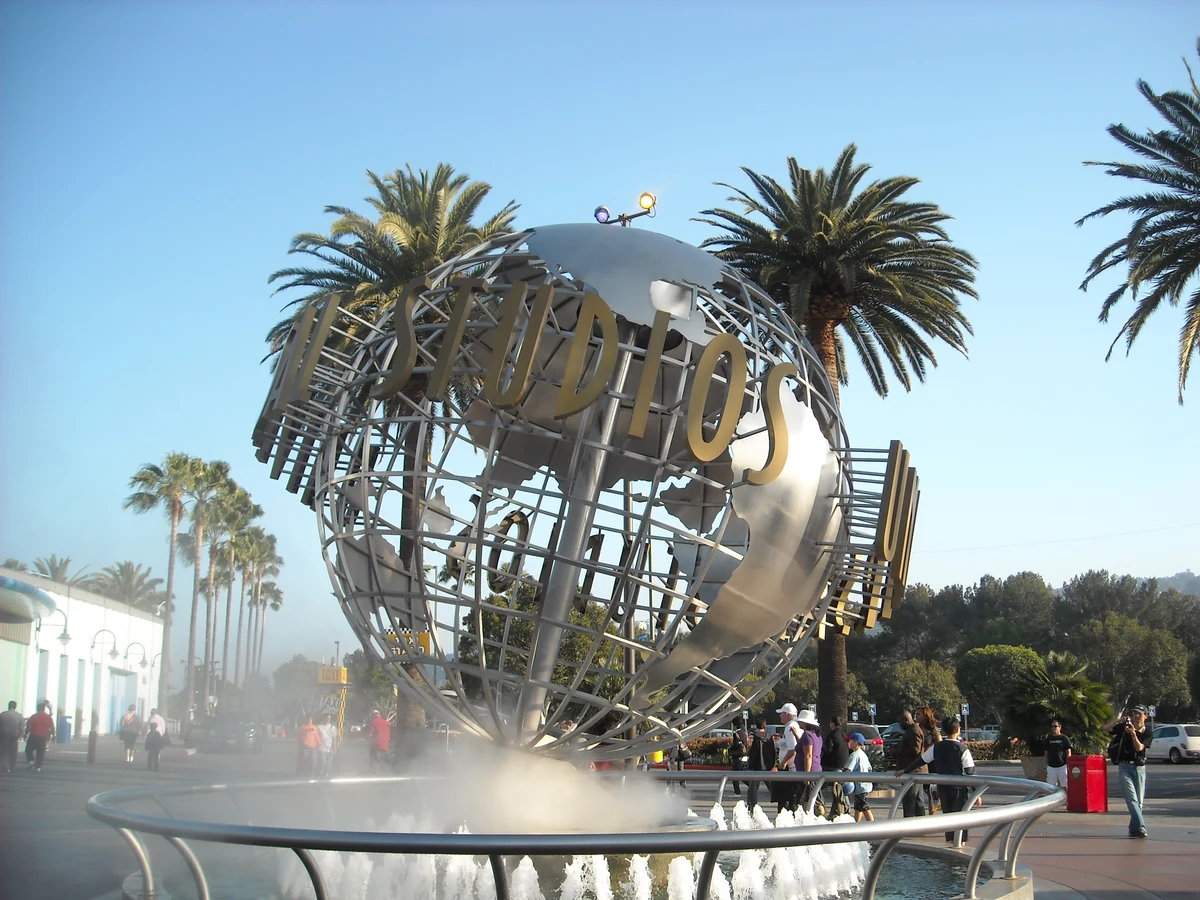
Real-world architectural and scenic view at Universal Studios Hollywood (Illustration 6)
Set in the San Fernando Valley and along the Cahuenga hillside in Universal City, California, Universal Studios Hollywood not only holds the unique distinction of being one of the oldest operating Hollywood studios, but also stands as a marvel of integrated entertainment urban planning. Unlike typical theme parks built on pure greenfield sites, the spatial evolution of Universal Studios Hollywood is a testament to strategic vision in turning a functional studio lot into a comprehensive media, commercial, and tourism ecosystem. Its spatial history began in the early 20th century, when founder Carl Laemmle purchased the 230-acre Taylor chicken farm in 1915 to establish “Universal City”—the world’s first self-contained movie city. Over more than a century of operation and growth, the complex’s layout has undergone countless terrain modifications, leveling of natural hill draws, and restructuring of underground utility infrastructure to adapt to the leap from silent film and talkies to today’s digital and hyper-realistic virtual eras.
From an engineering and site-planning standpoint, the greatest challenge facing urban engineers was the complex hilly terrain of the Santa Monica Mountains. Dividing the site into two primary elevation tiers—the Upper Lot perched above and the Lower Lot nestled deep in the studio valley—required bespoke foundation and transit engineering. To connect these two levels separated by tens of meters in elevation, the world’s longest outdoor escalator system, commonly known as the “Starway,” was designed and built as a signature vertical transit link. More than just a way to get between levels, the Starway gives guests a dramatic visual experience suspended in mid-air as sweeping views open across the San Fernando Valley, legendary soundstages, and the rolling Hollywood hills beyond. Infrastructure construction here has always demanded pinpoint precision, as any geological intervention must account for the safety of neighboring sets and the massive underground pipe networks supporting the studio’s signature special effects.
Entering the modern era, NBCUniversal’s planning vision expanded further by consolidating West Coast media, radio, and television operations into a unified footprint right beside the Universal Studios Lot. This large-scale urban redevelopment project transformed land once owned by the famed Technicolor company into a cutting-edge media command center. Here, a modern glass-and-steel complex rose as the new headquarters for major North American news and broadcast outlets including KNBC, KVEA, NBC News, and the strategic operational offices of Noticias Telemundo Los Angeles Bureaus. Having these smart buildings within the studio precinct not only streamlines news and content production pipelines, but also creates a rare symbiotic link between current-affairs journalism, cinema, and mass entertainment—redefining the concept of a self-contained media city.
The appeal and scale of the Universal City entertainment metropolis are further reinforced by international-grade hospitality and commercial infrastructure serving millions of global visitors each year. Right next to the studio entrance stand luxury hospitality icons such as the Universal Hilton & Towers and the Sheraton Universal Hotel, which have hosted countless heads of state, A-list stars, and some of the world’s most influential filmmakers. These hotels stand out not only for their imposing high-rise architecture and large conference spaces, but also for their open-space integration with direct connections to major arteries linking Los Angeles and surrounding communities. Staying here offers a sense of privilege, allowing guests to wake up in a cinematic environment overlooking historic studio lots where countless silver-screen classics were born, before stepping into the lively energy of the entertainment complex below.
The final piece completing Universal City’s contemporary urban identity is Universal CityWalk, an open-air planning masterpiece created by legendary designer Jon Jerde and officially opened in May 1993. Conceived as a lively outdoor retail, dining, and entertainment promenade, Universal CityWalk blends Southern California’s energetic street culture with colorful, imaginative architecture. Along wide tiled walkways stretch storefronts crafted in whimsical styles, where oversized sculptures, bright neon signs, and kinetic structures in constant motion create an arresting visual atmosphere. In terms of sound and lighting, CityWalk is carefully choreographed to produce a vibrant urban harmony: upbeat music from surround speakers tucked beneath tropical foliage mingles with the lively chatter of visitors and inviting aromas from international restaurants.
At the heart of Universal CityWalk is a premier cinema entertainment hub featuring the 14-screen digital Universal Cinema and an unmistakable architectural centerpiece: a grand seven-story IMAX theater equipped with a massive curved screen and multidimensional surround sound. It hosts global blockbuster premieres, drawing Hollywood elites down the red carpet beneath the glare of spotlights. In tangible terms, Universal Studios Hollywood’s vitality and global pull are underscored by impressive attendance figures—notably welcoming 8.7 million visitors in 2024, solidifying its place among the world’s highest-attended theme parks. The seamless fusion of distinctive hillside engineering, forward-looking urban planning, and high-caliber entertainment design has enabled Universal Studios Hollywood to endure over time, remaining “The Entertainment Capital of LA” in the minds of millions of movie fans around the world.
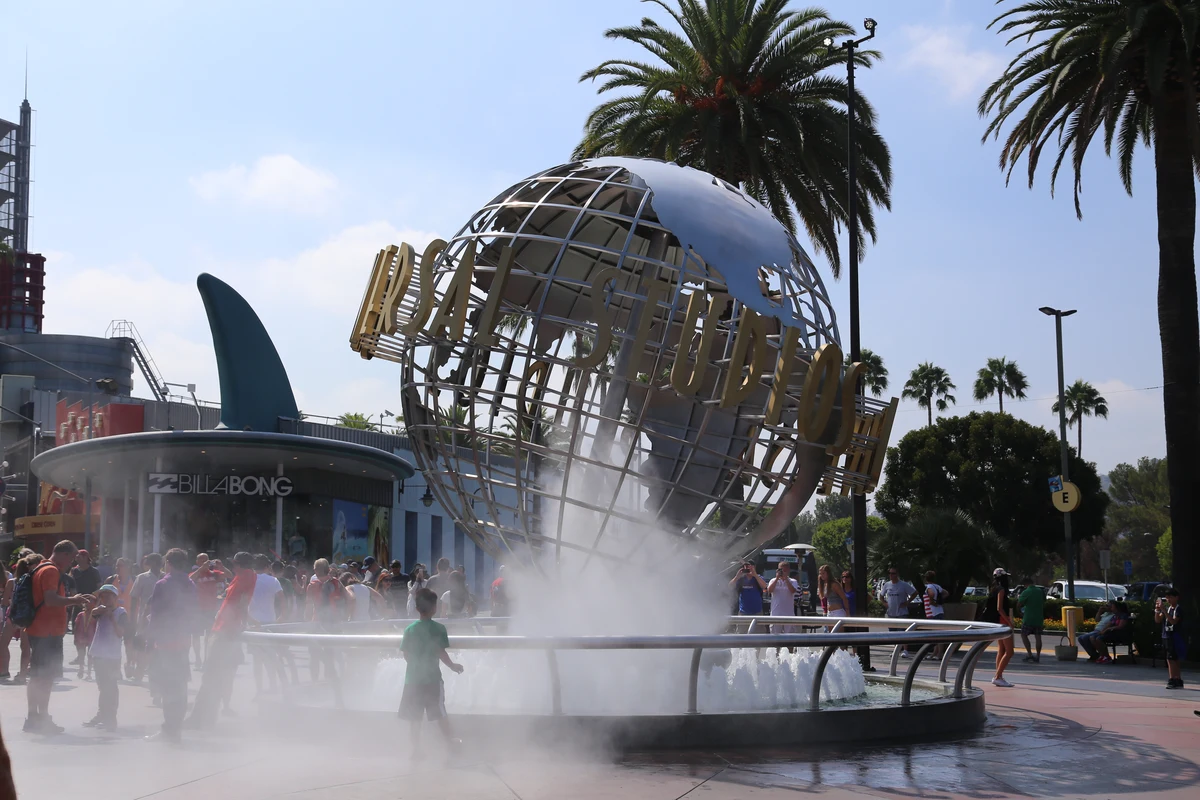
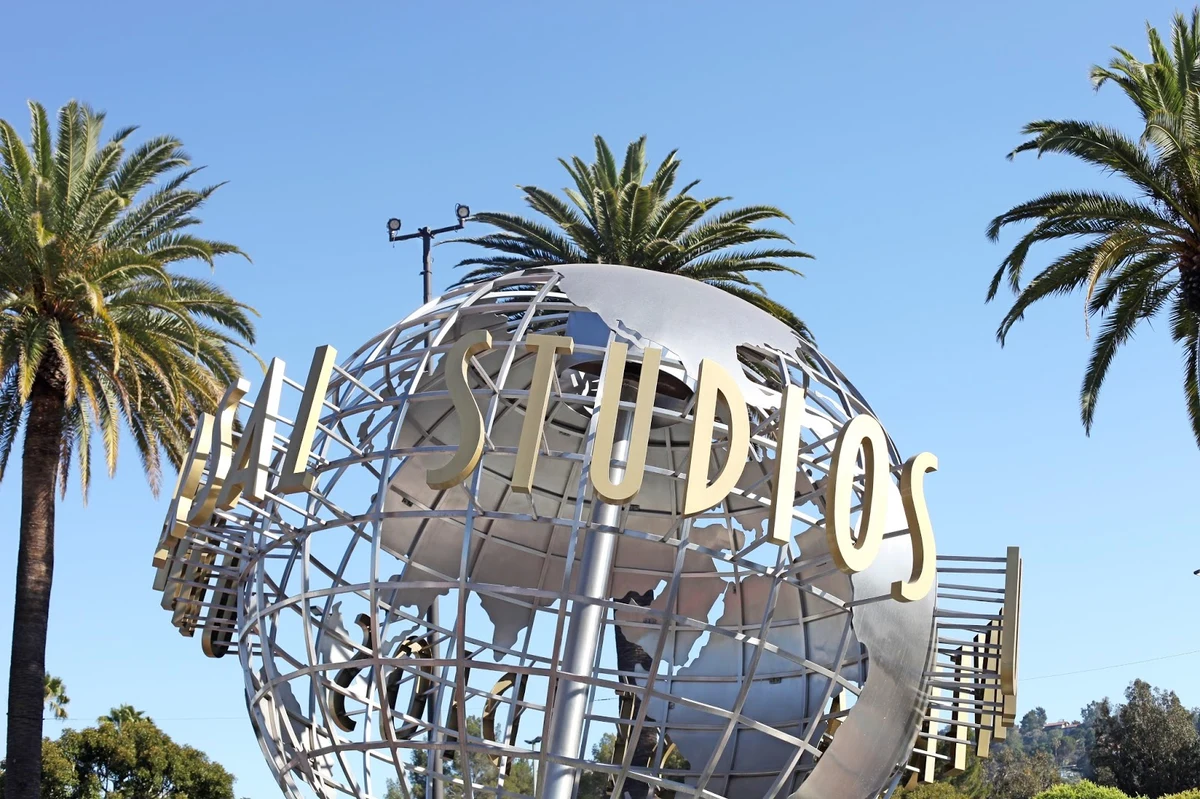
The iconic rotating entrance globe welcoming millions of visitors to Universal Studios Hollywood
The artistic landscape of Universal Studios Hollywood has long been viewed by cultural and film scholars around the world as a living entity where visual-industry history meets popular architecture. Across more than a century of shaping and growing in Universal City, California, right next to central Los Angeles, the destination is more than an entertainment complex known as “The Entertainment Capital of LA” under NBCUniversal—it is an open-air encyclopedic museum. Every plot of land, backlot street corner, reinforced concrete structure, and simulated set holds stories of dedicated craftsmanship by generations of top artists, engineers, and production designers. Stepping into this space, visitors do not merely enter a colorful fictional world; they also touch living artifacts of global cinema heritage, where the boundary between historical reality and artistic illusion dissolves in subtle, breathtaking ways.
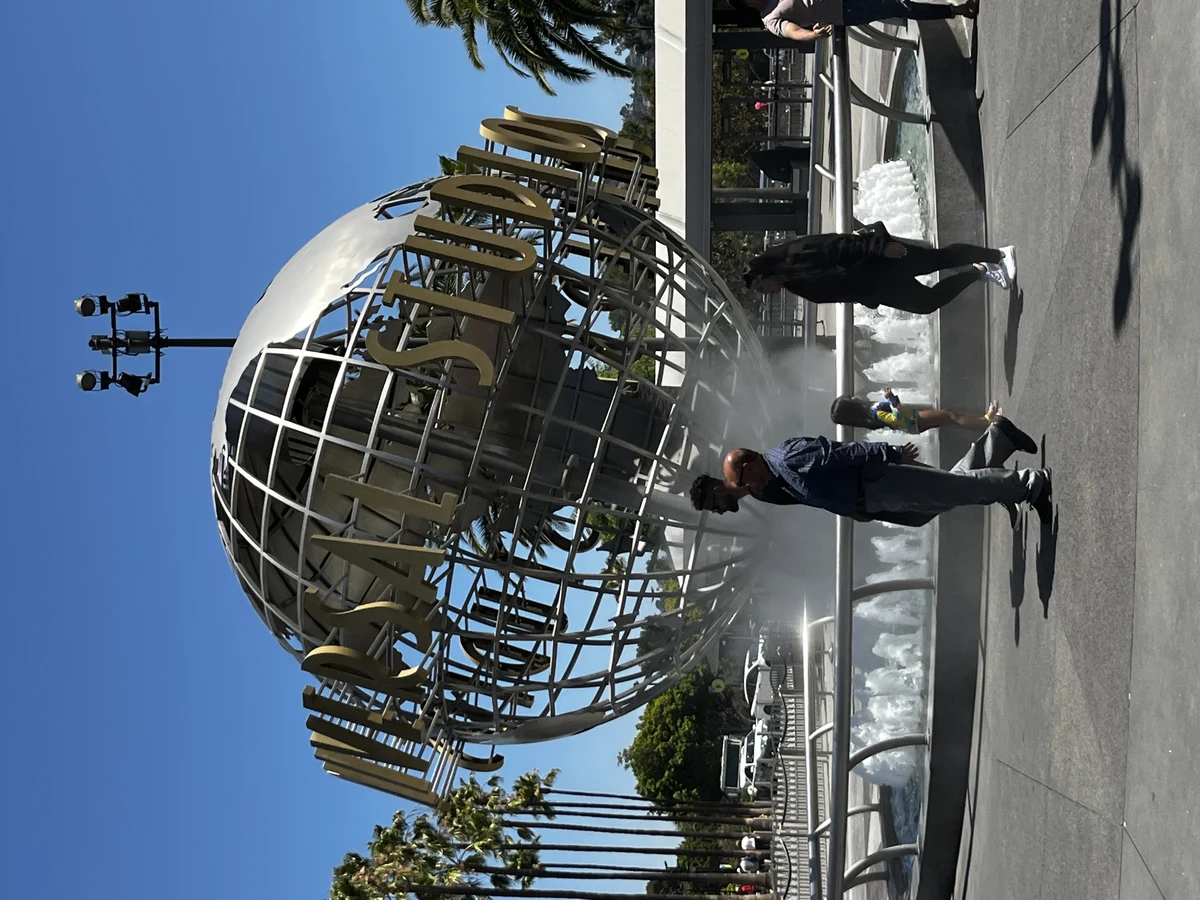
Exploring the spatial depth of the studio begins with historical milestones tied to the dawn of the American motion picture industry. Starting as a sprawling chicken farm purchased by Carl Laemmle and turned into a film studio in 1915, Universal Studios was born with a mission to bring the public behind the curtain of classic silent films. Through shifting eras—from the golden age of Universal Classic Monsters to today’s digital effects—the grounds have witnessed the evolution of human filmmaking technology. Architectural structures here are not built to ordinary municipal standards, but shaped through a cinematic imagination where scenic sculptors use “trompe-l’œil” (visual illusion) techniques to turn plywood, plaster, and foam into grand castles, Victorian London alleyways, or dusty Wild West towns.
Delving into standout architectural marvels and artistic set pieces, visitors are struck by the painstaking detail of the Backlot—famed as a sanctuary of blockbuster filmmaking. Under the skilled hands of master production designers, each street carries its own spirit and cultural story. For instance, the simulated crash site featuring a real disassembled Boeing 747 arranged in an aviation disaster scene is a powerful testament to large-scale realistic sculpture. Engineers did more than recreate the airframe—they sculpted scorch marks and twisted metal fragments warped by intense heat, pairing them with smoke, fire, and multidimensional surround sound to engage every sense. This level of care goes beyond an ordinary prop, becoming a highly interactive piece of contemporary sculptural art that reflects how modern society confronts global tragedies through the lens of cinema.
Alongside its epic behind-the-scenes sets, the cultural, spiritual, and architectural depth of the complex extends into the neighboring commercial and entertainment district, most notably Universal CityWalk Hollywood. Designed by renowned architect Jon Jerde and officially opened in May 1993, Universal CityWalk is a landmark of open-air urban architecture (an open-air shopping mall and entertainment complex). Jerde applied his philosophy of “experiential architecture,” transforming an everyday commercial space into a grand stage where people take center stage. Along the artfully paved walkways runs a bold blend of nostalgic Art Deco architecture from Hollywood’s golden age and contemporary style glowing with neon lights. Oversized mechanically animated signs, intricately hand-crafted storefronts, and public sculptures reflecting American pop culture create a distinctive visual harmony. This space serves not only upscale shopping and multicultural dining, but also preserves the urban pulse of contemporary Los Angeles, connecting seamlessly with acclaimed hotels such as the Universal Hilton & Towers and Sheraton Universal Hotel, as well as a modern cinema complex featuring a seven-story IMAX screen.
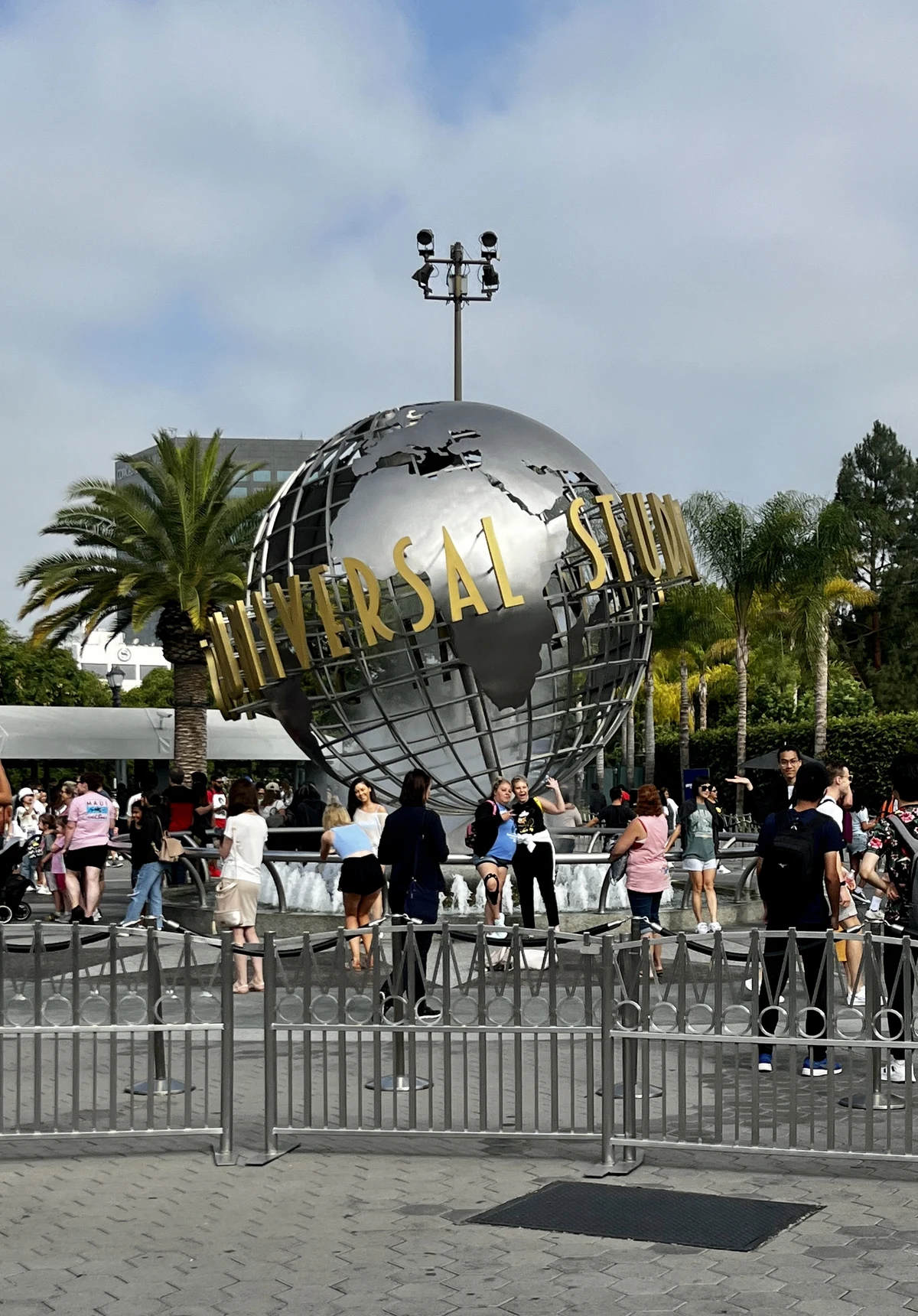
The sensory experience at Universal Studios Hollywood is a seamless fusion of visual, acoustic, and tactile elements calibrated by rigorous technical engineering. As visitors step past the entrance arch with its iconic giant globe rotating majestically beneath the golden Southern California sun, sweeping orchestral score music from concealed speakers sparks an emotional thrill and sense of wonder. Bright natural light reminiscent of a miniature Mediterranean is artfully shaped by vaulted structures and arcades along simulated city streets, casting dramatic interplay of light and shadow as if every angle were a frame captured on camera. The subtle aroma of buttered caramel corn from traditional snack carts blends with the faint scent of fresh paint on prop models, creating a signature Hollywood memory.
Viewed through the lens of a cultural historian, the enduring vitality of Universal Studios Hollywood lies not merely in reinforced concrete or cutting-edge simulation machines, but in its ability to preserve and reawaken humanity’s collective memory. It successfully safeguards the authentic craft of golden-era filmmaking while continually embracing 21st-century digital technology through modern operations—including areas outside the theme park gates housing key NBCUniversal media facilities, such as KNBC, KVEA, and NBC News alongside Telemundo newsrooms once situated on land formerly home to the famed Technicolor color-film company. This blend of tradition and innovation turns Universal Studios Hollywood into a timeless destination where visitors—reaching a milestone of 8.7 million guests in 2024, ranking 16th among the world’s most-attended theme parks—can discover deep resonance across architectural art, cinema heritage, and global pop culture.
Real-world architectural and scenic perspective at Universal Studios Hollywood (Illustration 7)
The rhythm of travel at Universal Studios Hollywood is more than crowds moving through themed gates—it is a grand symphony of light, sound, cinematic technology, and unprecedented sensory experiences in modern entertainment history. Perched on the hills of the San Fernando Valley right beside the film capital of Los Angeles, the destination carries a distinct pulse: brisk, vibrant, ever-changing, and steeped in legend. At the heart of this entire ecosystem is the iconic Studio Tour, a signature experience launched in the mid-1960s that marked a turning point from a closed-off working studio into a global pop-culture landmark where the public can step across the boundary of fantasy to touch the reality of the seventh art.
Lasting roughly 45 to 60 minutes, the Studio Tour serves as an essential rite of passage for any traveler setting foot here. Guests board multi-car trams built with flexible articulated joints and roll directly into the active grounds of the Universal Studios Lot. Guided live by witty, knowledgeable tour guides and paired with high-tech video monitors featuring charming appearances by comedian Jimmy Fallon, layers of film history unfold before your eyes. The tram leads travelers past the Front Lot with its classic Spanish-style administrative buildings—witness to countless silver-screen classics—before plunging into the magical realm of the Backlot, where the line between real life and cinema dissolves thanks to master set builders.
Daily life on the Universal Studios Lot moves at an intense pace, mirroring the bustling machinery of the Hollywood entertainment industry where thousands of technicians, actors, directors, and post-production specialists work day and night. As the tram glides slowly past outdoor sets, guests do more than view static scenery—they witness the living momentum of films in the making. It might be a classic New York street corner with weathered red brick walls, a Wild West town with wind whistling past timber porches, or a tropical jungle where prehistoric creatures once roared. Smooth coordination of the tram route ensures that tens of thousands of visitors each day can move alongside the studio’s brisk rhythm without disrupting active film crews on location.
The sensory thrills at Universal Studios Hollywood peak as the tram enters special-effects zones and simulated natural disaster sets. The atmosphere suddenly erupts with the deafening roar of a simulated high-magnitude earthquake inside an underground tunnel, where the ground shakes violently beneath your feet, water gushes from ruptured pipes, and massive concrete slabs seem ready to collapse. Moments later, the stillness of a lakeside setting shatters with the terrifying lunge of a giant mechanical shark from the classic Jaws world, or the heart-stopping sight of a real Boeing airliner torn apart in a large-scale crash set built from authentic fuselage sections salvaged from commercial aviation bone-yards. Heat radiating from simulated oil-and-gas explosions, the distinct tang of theatrical smoke, a chilly mist brushing your face, and gasps and cheers from the crowd create an electric rush that excites every nerve.
As dusk settles over the California hills, the travel tempo does not wind down—it shifts into a new, shimmering, more enchanting register. Artistic lighting illuminates wizarding castles, fantasy alleys, and themed lands, transforming the entire park into a kaleidoscope of color. Bright neon lights from Universal CityWalk reflect off artificial waters, blending with the lively buzz from the 18-screen Universal Cinema complex and the towering seven-story IMAX theater. Here, the everyday rhythm of Los Angeles locals and international visitors mingles across upscale restaurants, outdoor cafes, and nightlife spots designed by celebrated architect Jon Jerde in the early 1990s.
This interplay between the professional workspace of an active movie studio and an upscale leisure and entertainment district creates a singular travel rhythm hard to find anywhere else on Earth. Millions of visitors each year move continuously between upper and lower levels via the giant open-air escalators known as the Starway. Every step immerses guests in carefully arranged thematic music echoing from street corners, guiding emotions from nostalgia for the golden age of silent film and film noir to awe at the futuristic simulations of digital cinema.
It is this harmonious blend of heritage from one of Hollywood’s oldest continuously operating studios and modern experiential design that shapes a vibrant microcosm of urban culture. Moving with the flow of passersby, every visitor becomes part of a giant motion picture unfolding in real time. From children’s bright laughter around playful animated characters to older guests marveling at state-of-the-art special effects, these moments sustain a lasting heartbeat for Universal Studios Hollywood—where cinema is not merely viewed from afar, but lived as a second reality filled with light, sound, and heightened emotion.
Exploring Universal Studios Hollywood would feel incomplete without experiencing the distinct culinary culture of the surrounding area and the Universal CityWalk complex, an urban destination designed by architect Jon Jerde and officially opened in May 1993. The food scene here reflects the multiculturalism of Southern California, a fertile region at the gateway to Los Angeles where American traditions and refined global cuisines come together in a rich symphony of flavors. Just outside the park gates, CityWalk opens onto a vibrant dining avenue lined with well-known eateries—ranging from classic American street-style bites to upscale evening dining with international menus—tied to the history of Universal City, once home to Technicolor before being master-planned to consolidate NBCUniversal’s West Coast operations.
Dining customs here align with the dynamic lifestyle of artists, Hollywood filmmakers, and millions of visitors—8.7 million in 2024—who make it one of the liveliest destinations in the world. The experience pairs signature dishes with the open-air energy of an outdoor shopping and entertainment center, where guests can chat over lively meals while watching crowds stroll beneath neon lights reflecting off nearby high-rises like the Universal Hilton & Towers and Sheraton Universal Hotel. Signature creations by talented chefs at surrounding restaurants do more than satisfy appetites—they tell a vivid story of Southern California’s cultural fusion, where culinary traditions from Asia, Europe, and the Americas are celebrated and adapted to modern life.
The culinary identity of Universal City and CityWalk carries the spirit of the famed “California Cuisine” movement, a school of cooking that prizes fresh, seasonal ingredients sourced from farms across California’s Central Valley and Pacific coast. By night, the complex glows with elaborate architectural lighting crafted by Jon Jerde, evoking a nostalgic yet futuristic mood reminiscent of classic films shot on nearby soundstages. Stepping into these dining spaces is more than grabbing a meal—it is taking part in an urban ritual where architectural design, lively audio from the 18-screen Universal Cinema and seven-story IMAX theater, and aromas of rustic grilled dishes, Mediterranean spices, and freshly ground artisan coffee come together.
Local flavor variety is also evident in how regional chefs weave Mexican and Spanish culinary heritage into their dishes, reflecting California’s deep cultural history. Slow-braised beef tacos seasoned with signature spices and topped with fresh tomato and jalapeño salsa deliver a bold, vibrant taste rooted in regional heritage. Meanwhile, classic European-style restaurants tucked beside bustling retail areas offer a quieter pause, where guests can enjoy renowned white wines from Napa Valley, savor handcrafted cheeses, and unwind in an artistic setting marked by the spirit of the world’s film capital.
Dining at Universal CityWalk is also known for its strong sense of community, where talented street musicians play smooth jazz or mellow acoustic melodies that form a fitting soundtrack to every meal. Los Angeles locals and international travelers often gather in spacious open-air courtyards with long tables arranged beneath Southern California’s signature palm trees. Cultural boundaries seem to fade there, giving way to shared stories over generous plates—from charcoal-grilled American burgers with melted cheese to savory Asian stir-fried noodles rich with soy and sesame oil.
This crossroads turns the area around Universal Studios Hollywood into a compact culinary laboratory where global food trends are tested and shaped. Passionate young chefs continually reimagine family recipes, blending modern techniques with the honest, rustic character of pure organic ingredients. Every plate arriving at the table is not only visually composed in color and balance, but also carries a story of migration, cultural layering, and an appreciation for slowing down amid one of the world’s busiest, most dynamic cities.
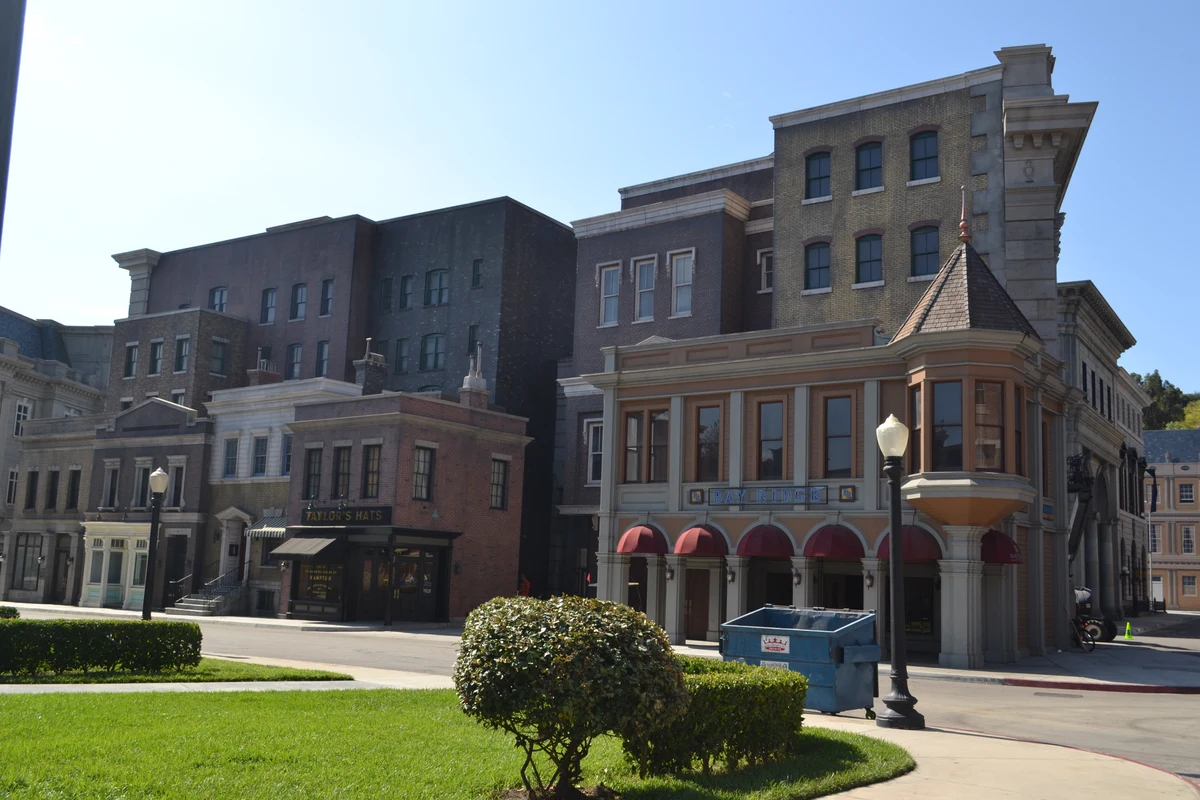
Real-world architectural and scenic perspective at Universal Studios Hollywood (Illustration 8)
The dining experience here is likewise woven into collective memories of the American film industry, where in earlier decades crews gathered at roadside diners to talk over scripts and share creative visions over strong coffee and traditional American breakfasts. Although the district has undergone multiple major upgrades and redevelopments, that generous, open, and inventive spirit lives on through each generation of chefs and restaurateurs—keepers of tradition and makers of new flavors alike, turning every meal at CityWalk into an essential chapter in Los Angeles’s travel and cultural encyclopedia.
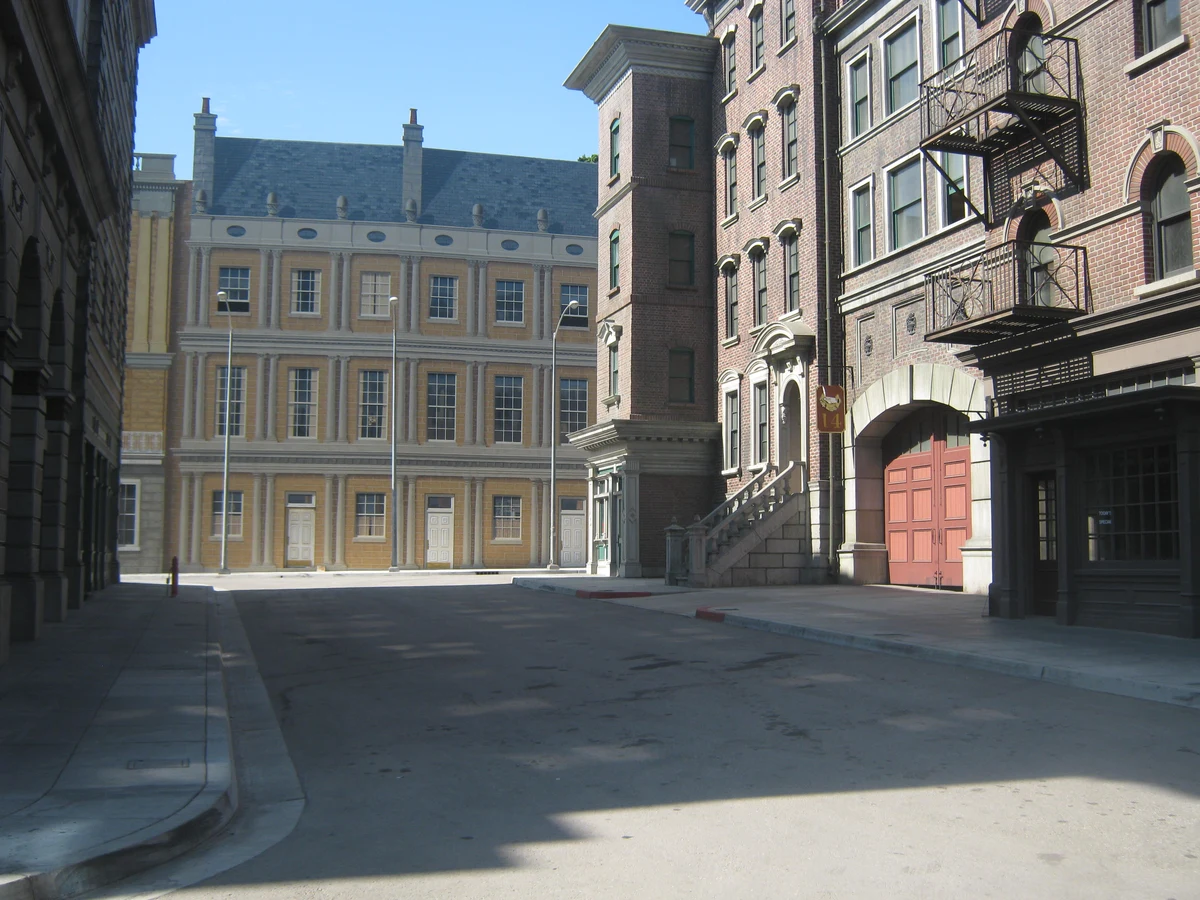
As neon lights along CityWalk shine brightly and reflect across post-modern cast-granite paving, the mood shifts into a romantic, nostalgic key. Couples, multi-generational families, and groups of friends stroll past facades blending mid-century charm with futuristic flair, stopping at dessert spots for handcrafted gelato or warm cinnamon-dusted churros. Together, Jon Jerde’s thoughtful public-space planning and the dedication of local chefs in every recipe create a distinctive culinary landscape where screen entertainment and everyday dining converge, leaving a lasting impression on everyone who visits.
The Studio Tour takes visitors through real-world film sets of classic cinema
Visiting the cinematic landmark of Universal Studios Hollywood calls for thorough preparation in historical context, timing strategy, and cultural etiquette to fully appreciate the “Entertainment Capital of Los Angeles.” Beginning as a sprawling farm acquired by Carl Laemmle in 1915 to become Universal City, the site has evolved over more than a century from a modest studio lot into one of the world’s premier theme park complexes, welcoming tens of millions of guests each year. Understanding ideal visiting windows, transit connections, cost-smart ticketing options, and standard visitor etiquette is the key to stepping into the magic of cinema, where reality and movie illusion blur beneath the bright Southern California sun.
When choosing the ideal time to visit, travelers should weigh the Mediterranean-like climate of the Hollywood hills against global travel peaks. Spring (March to May) and autumn (September to November) are widely regarded as the prime seasons of the year. During these months, daytime temperatures typically stay mild around 20°C to 25°C, offering comfortable weather for walking across the park’s terraced hills without the harsh summer heat or occasional winter rain. Moreover, traveling during these shoulder months helps visitors avoid the heaviest crowds of summer vacation and the holiday season, shortening wait times at headline attractions and allowing a more unhurried, immersive appreciation of the studio’s classic architecture.
The transit network serving Universal Studios Hollywood showcases the advanced urban planning of Los Angeles, seamlessly linking downtown districts with the surrounding Universal City area. For travelers who prefer eco-friendly public transportation, the Metro Red Line (B Line) subway is the premier artery, dropping passengers directly at Universal City/Studio City Station. From the station, a dedicated complimentary shuttle system (Universal City Shuttle) runs continuously to carry visitors up the short hill straight to the theme park’s main entrance. If you are driving a private vehicle or rental car from Downtown LA or the beaches of Santa Monica, the Hollywood Freeway (US-101) offers direct exits straight into the Universal City complex. Massive multi-level parking structures equipped with smart bay-guidance technology ensure your vehicle remains safely parked throughout your full day of exploration.
Thoughtful budgeting and selecting the right admission tier play a decisive role in the quality of your overall visit. The park’s ticketing options span a wide range of packages tailored to diverse visitor needs—from standard one-day general admission granting access to all major themed lands and multi-day passes for those wishing to study every architectural detail in depth, to premium tiers like the Universal Express Pass and the VIP Experience. The Express Pass is a worthwhile strategic investment for travelers on a tight schedule, allowing you to skip the regular lines once at each ride and major attraction, saving precious hours to enjoy even more top-tier experiences. For true film aficionados eager to peek behind the curtain, the VIP Experience unlocks exclusive privileges to step inside historic costume archives, observe working prop workshops up close, and enjoy a private gourmet lunch in an exclusive lounge led by knowledgeable, expert guides.
Alongside logistics and planning, observing cultural etiquette and local norms is essential when stepping into this globally iconic landmark. Universal Studios Hollywood is not merely an amusement park; it also operates as a working film studio where active Hollywood productions may be filming on the Backlot at any given moment. Respecting restricted-area signage, maintaining order, and never trespassing onto closed filming sets are hallmarks of courteous travel and respect for cinematic heritage. Furthermore, strictly following safety instructions on high-tech thrill rides—such as fastening restraints properly and storing loose personal items in designated lockers—alongside polite, considerate behavior toward park staff and millions of international guests from around the world helps foster a welcoming, memorable multicultural atmosphere.
Practical, field-tested tips distilled by seasoned travel experts serve as an invaluable survival guide for making the most of every moment here. Your very first step upon arriving at the park gates should be downloading the official Universal Studios Hollywood mobile app to monitor real-time ride wait times, allowing you to flexibly plan your route between the Upper Lot and Lower Lot via the famous multi-level Starway escalators. When it comes to attire, because the park spans steep hillside terrain with notable elevation changes and requires extensive walking across a vast footprint, supportive athletic shoes with good traction are a must, paired with layered clothing to easily adapt to temperature shifts between bright daytime sun and cool hillside breezes after sunset. Finally, bring an open mind, boundless imagination, and thorough preparation so you are ready to immerse yourself in one of the world’s grandest hubs of cinematic artistry, where every movie dream from the script can come vividly to life right before your eyes.
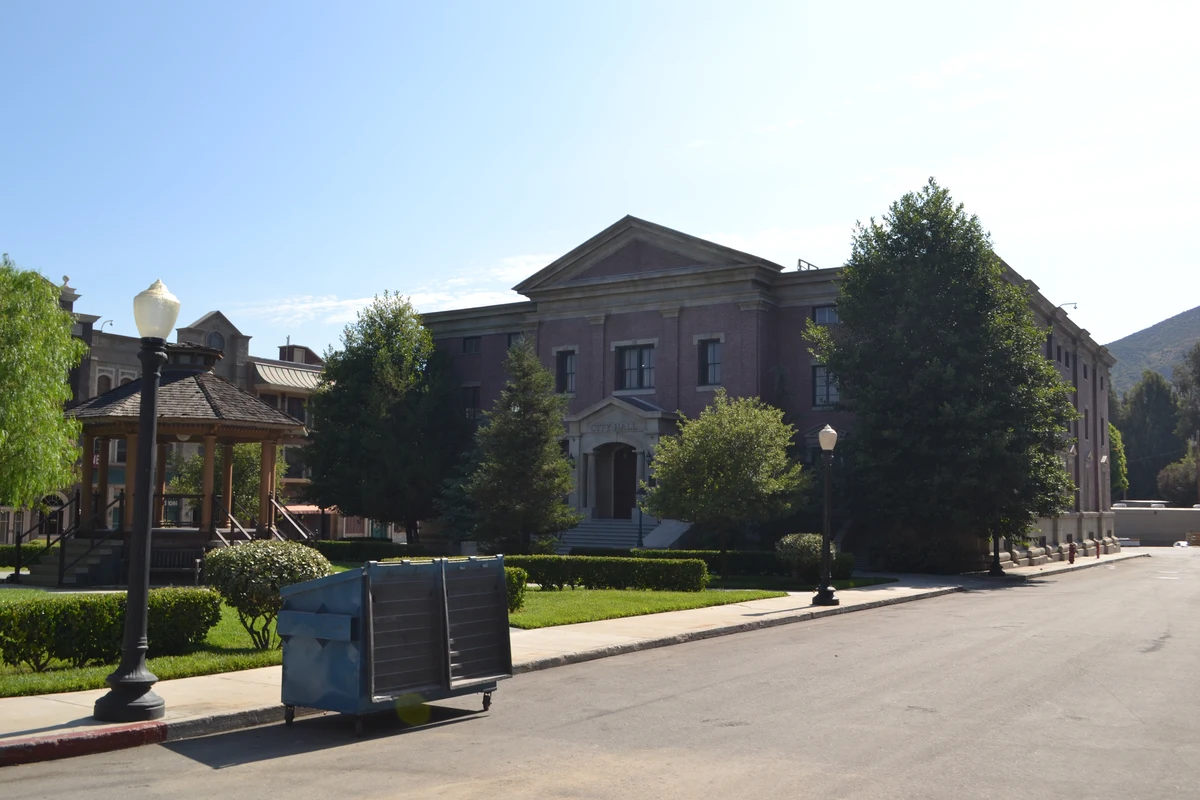
The Wizarding World of Harry Potter faithfully recreates the magnificent Hogwarts Castle.
A modern theme park complex featuring world-class 3D motion-simulation rides and special-effects attractions.
A panoramic view of the glamorous cinematic entertainment complex perched in the Hollywood Hills of Los Angeles.
To experience this journey to the fullest alongside a knowledgeable local guide, you can explore our 11-Day, 10-Night US East–West Coast Tour featuring a thoughtfully curated itinerary.