Resting quietly yet majestically at the eastern tip of the Shandong Peninsula, bordered on three sides by the deep blue expanse of the open sea, Weihai has throughout history held the paramount strategic position of guarding the maritime throat of the Bohai Sea and serving as a vital gateway protecting the imperial capital region of Zhili. In ancient times, this land was known as Weihaiwei, likened to an impregnable steel shield for successive imperial courts. Weihai’s cultural and historical roots trace back to the Pre-Qin through the Qin and Han periods, when the region belonged to the prosperous eastern frontier of the State of Qi. Historical chronicles preserve legendary accounts of Qin Shi Huang, the First Emperor, who made three grand eastern inspection tours through this area—visiting Mount Chengshan and proceeding to Zhifu in search of immortals and elixirs of longevity, issuing stone-carved edicts commemorating his achievements, and establishing Chengshan County and Buye County within what is now Rongcheng City. The poetic name Buye (“Sleepless Night”) originated from an extraordinary natural phenomenon: standing at Chengshantou Promontory to watch the sunrise, the brilliant radiance appears to linger endlessly day and night, creating an ethereal fairyland upon Earth.
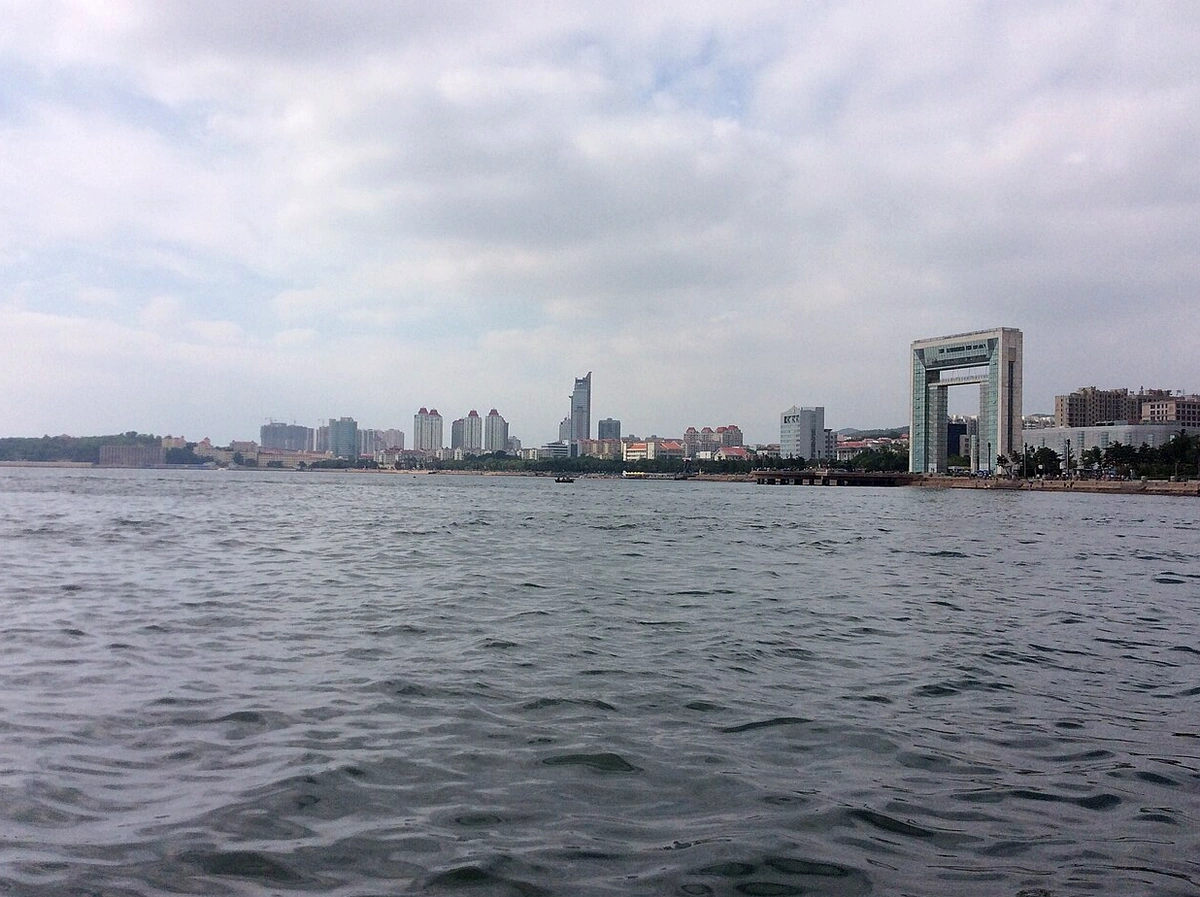
Through the rise and fall of China’s feudal dynasties, the pivotal turning point that shaped the modern name of this land occurred in the spring of the 31st year of the Hongwu reign (1398). At that time, Emperor Taizu of Ming, Zhu Yuanzhang, dispatched Tang He, Duke of Xin, to inspect and fortify the eastern coastline, ordering the establishment of “Weihaiwei” (Weihai Garrison) right along Weihai Bay. Infused with martial spirit, the name carried the profound meaning of “commanding prestige over the maritime frontier,” guarding coastal borders against pirates and foreign incursions while inaugurating the storied legacy of the name Weihai that endures to this day. During the Ming Dynasty, this coast witnessed the feats of renowned generals—most notably Qi Jiguang, celebrated for his brilliant victories against Wokou pirates to safeguard the peace of local fishing communities.
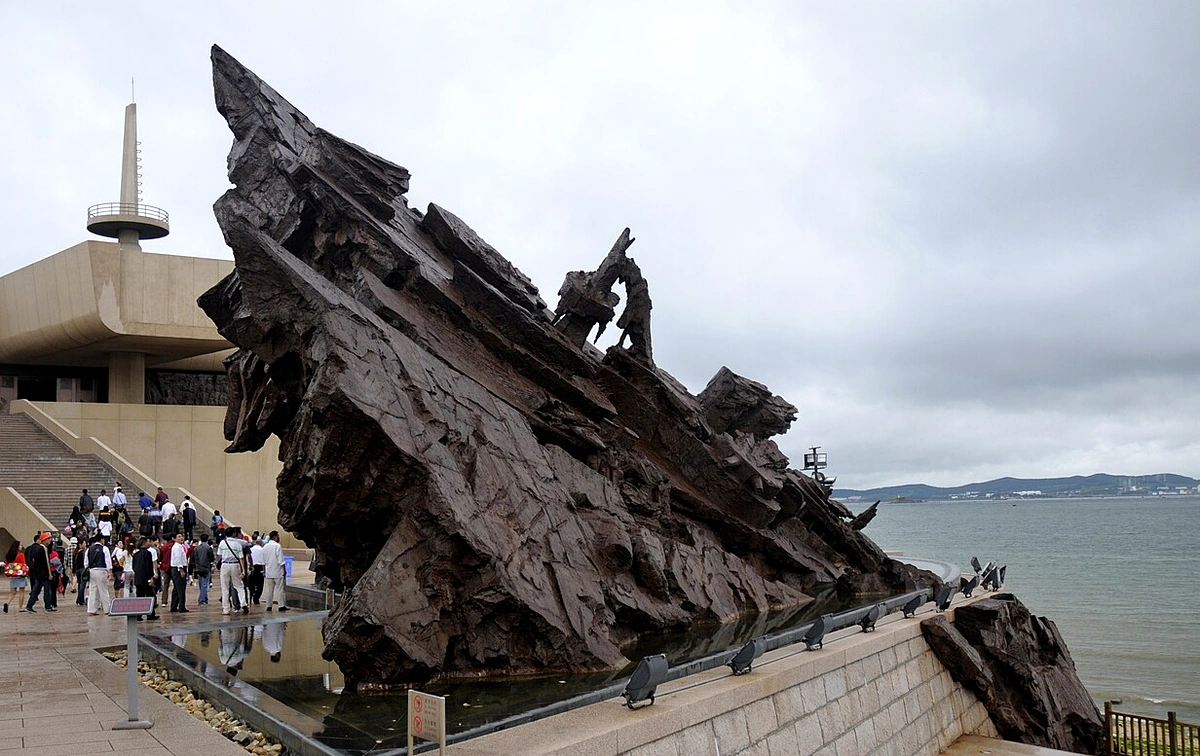
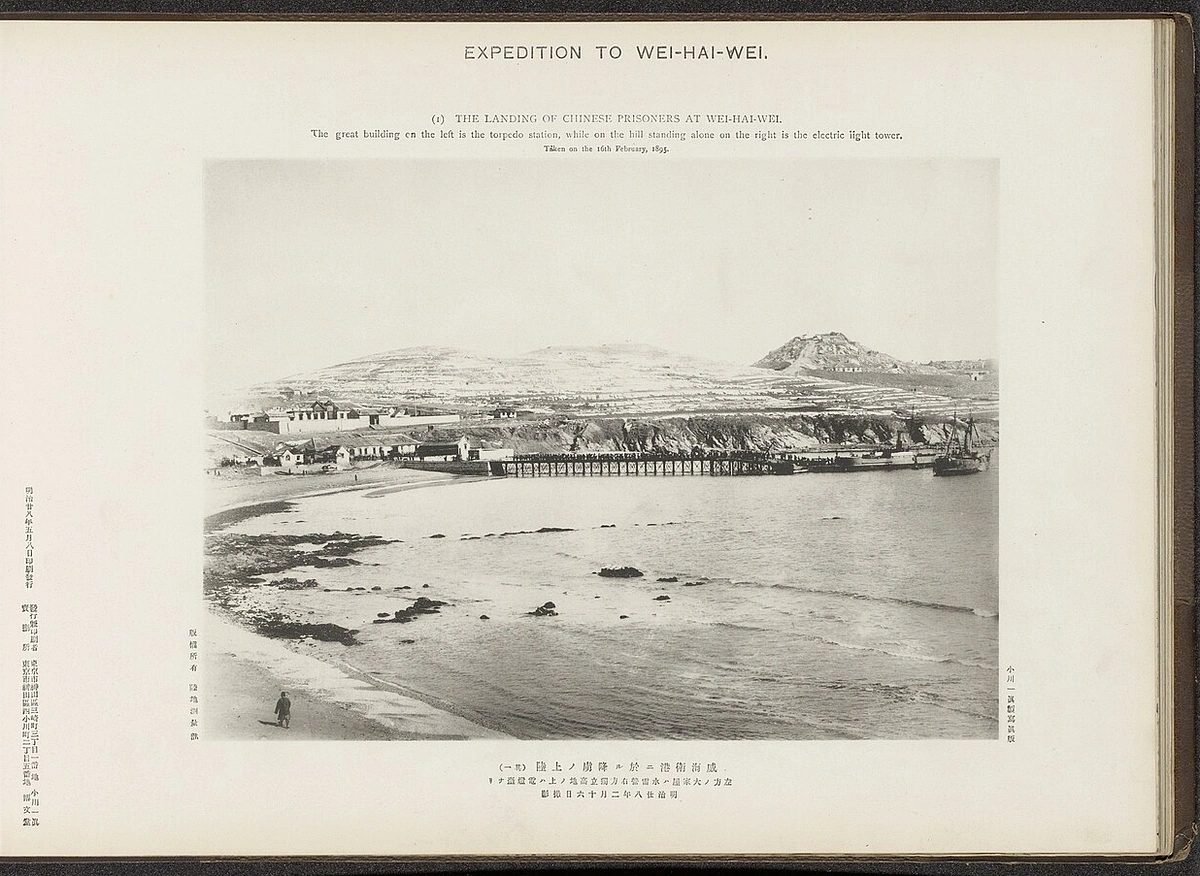
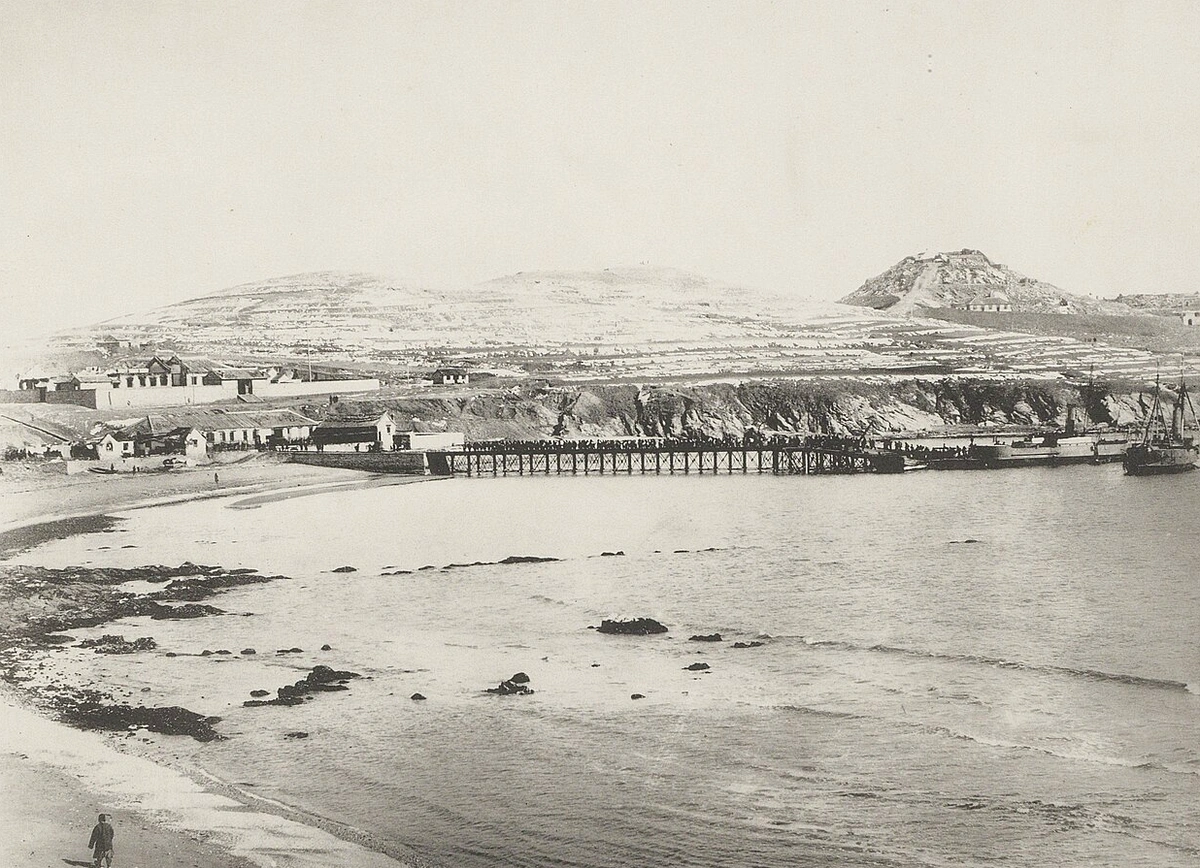
Yet the destiny of this vital coastal stronghold endured painful and turbulent twists as China entered its tumultuous modern era. In the 24th year of the Guangxu reign (1898), the British Empire used military and political pressure to compel the Qing court to sign the humiliating Convention for the Lease of Weihaiwei. Under its terms, the entire Weihaiwei territory together with strategic Liugong Island was leased for 25 years, transforming the harbor into a key Far East naval base for the British Royal Navy. This foreign occupation left Weihai with distinct colonial-style architecture interwoven with late-19th-century coastal fortifications. These waters also formed the fierce battleground that witnessed the heroic sacrifice of Beiyang Fleet Admiral Ding Ruchang during the First Sino-Japanese War—a tragic, stirring chapter in modern Chinese naval history.
After decades under foreign administration, resolute local struggle led to China formally reclaiming Weihai in 1930, before welcoming full peace upon liberation in 1945. Through subsequent eras of reform and development, Weihai was upgraded to a prefecture-level city in 1987, rising dynamically into a modern coastal metropolis while preserving its deep traditional heritage. Strolling through the seaside city today, visitors can still touch the patina of history through priceless stone inscriptions such as the Qin-era “Sun Lord Temple” (Rizhu Ci) ruins standing proudly at Chengshantou, the moss-covered steles of the Beiyang Naval Headquarters on Liugong Island, and weathered British concession boundary markers resting quietly within the urban fabric—each recounting a journey from storm-swept maritime frontier to a tranquil, culturally rich haven.
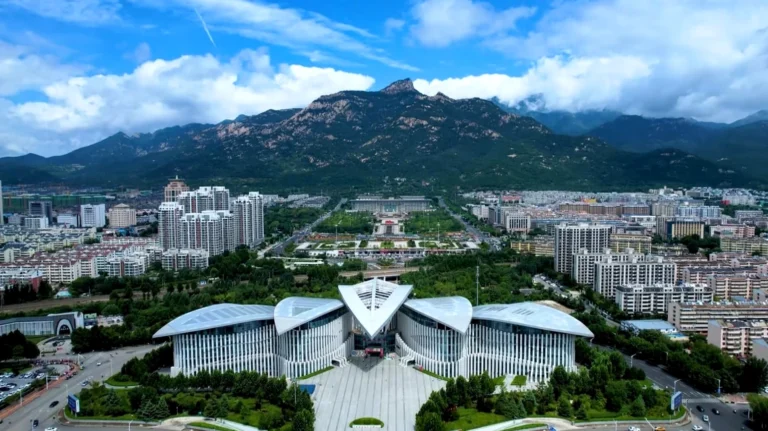
Stepping beyond heroic pages echoing with the spirit of an island fortress, Weihai reveals itself through a topography and spatial layout sculpted by nature’s grand hand. Viewed through the combined perspective of a cultural researcher and classical feng shui philosophy, Weihai is far more than a coastal stretch of the Jiaodong Peninsula; it is a masterwork of ecological and military geography where mountains and sea harmonize to create a landscape rarely matched along northern China’s coastline.
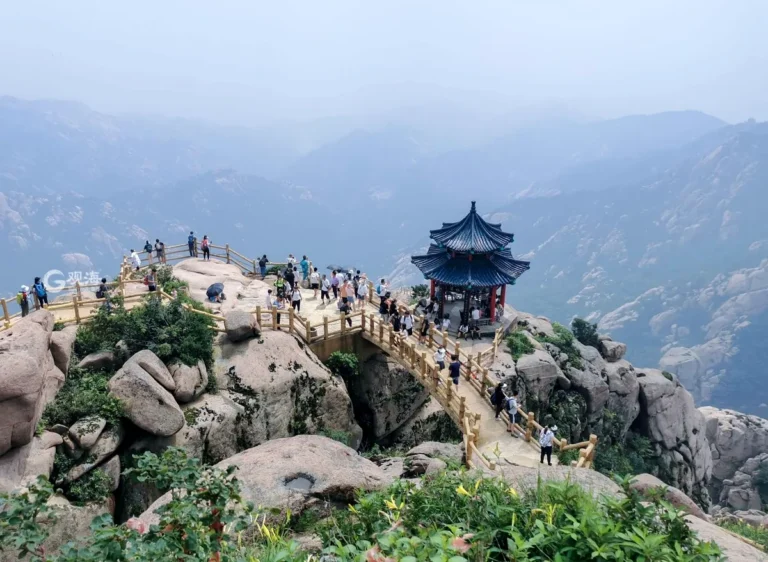
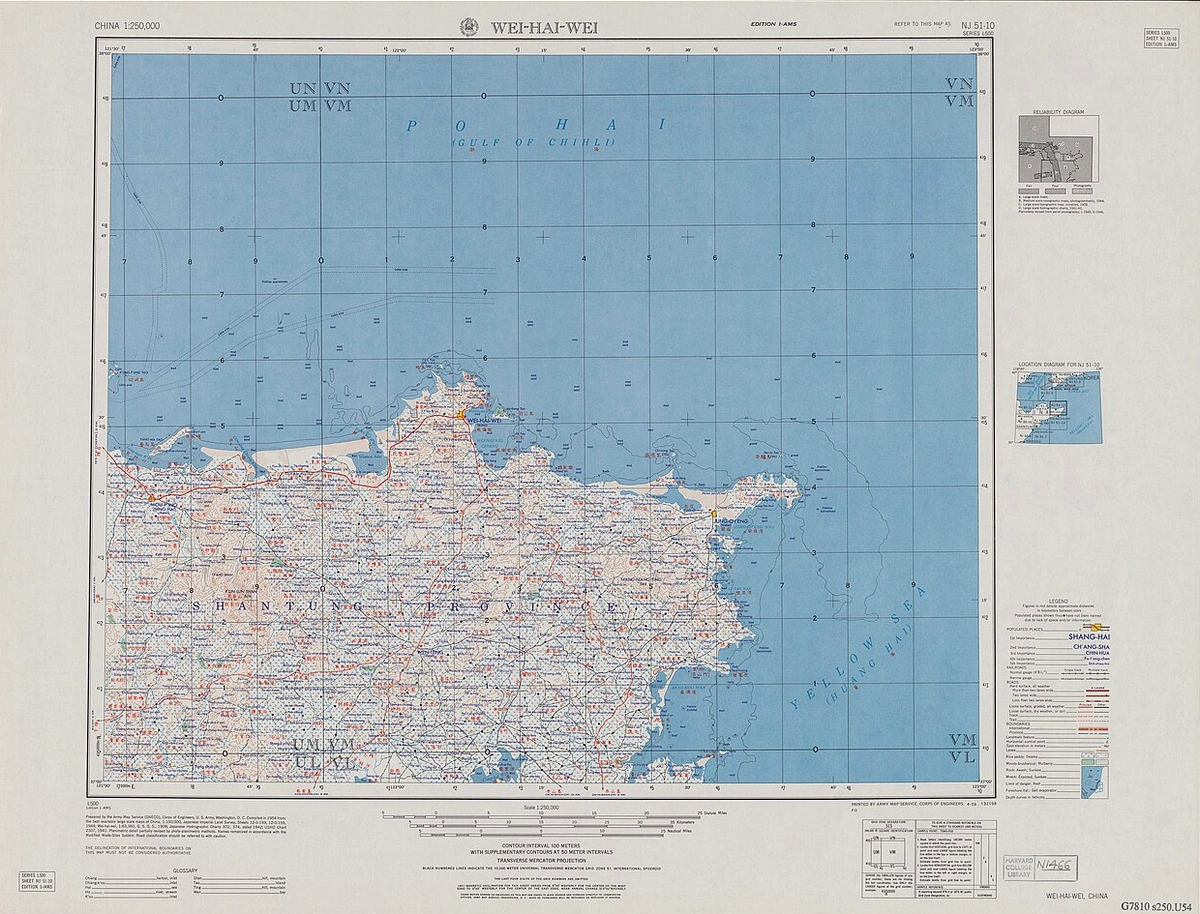
In overall geomorphology, Weihai is shaped primarily by the low rolling hills of the Jiaodong Peninsula and a deeply indented, sinuous coastline forming a captivating chain of bays and coves. Running from west to east, the majestic Kunyu Mountain range rises like the ecological backbone of the entire region. Its main summit, Taiboding, towers 923 meters high and was revered in classical texts as the “Ancestor of Maritime Immortal Mountains.” The Kunyu range not only moderates local climate, but also nourishes a rich hydrological network. From its rugged slopes, clear waterways such as the Huangshui and Niuxin rivers flow independently toward the open sea, enriching fertile coastal plains and infusing the land with abundant vitality.
Yet the crowning jewel of Weihai’s geography lies in Weihai Bay itself—a natural deep-water harbor endowed with premier strategic advantages. Standing guard across the mouth of the bay is imposing Liugong Island, acting as a steadfast protective screen against the fury of open-ocean gales and swells. This seamless pairing forms an iconic geographical configuration: mountains and sea leaning upon one another, island and bay embracing each other. Through the lens of traditional feng shui philosophy, the natural alignment of Weihaiwei and Liugong Island creates an exceptionally secure lock-and-key formation. Here, Liugong Island serves as a supreme front screen (“anshan” and “chaoshan”), keeping waters inside the bay mirror-calm while currents circulate gently. This layout aligns completely with classical principles for siting naval fortresses, achieving the highest ideal of sheltering wind, gathering vital energy, and commanding auspicious waters.
Thanks to this singular geomantic setting, Weihai has possessed ideal conditions since antiquity for both military defense and peaceful settlement. Across dynastic shifts, it steadfastly maintained its stature as an impregnable outpost. Moreover, strong oceanic moderation within the temperate monsoon zone gifts Weihai with an enviable climate: winters never suffer the biting extremes of the inland interior, while summers remain refreshingly cool, free from the stifling humidity of southern regions. Enriched by lush forest cover from the Kunyu Mountains and vast expanses of open sea, negative-ion levels in Weihai’s air remain remarkably high, earning it renown as a land of longevity ideally suited for living, wellness retreats, and enduring settlement across generations.
Clothed in urban planning steeped in dynastic heritage, Weihai’s spatial structure and architectural essence represent a profound dialogue among traditional geomancy, Ming military doctrine, and modern Western-influenced engineering. Turning to architectural chronicles recorded in the Collected Statutes of the Ming Dynasty, the original walled city of Weihaiwei was laid out according to rigorous imperial standards. Its overall plan formed a crisp square rectangle symbolizing the central court’s resolute defense of coastal borders. The city walls showcased remarkable engineering, pairing massive monolithic stone foundations with an outer casing of blue-gray brick to withstand both relentless sea spray and naval bombardment. Four main gates opened toward the cardinal directions—east, west, south, and north—reinforced outside by sturdy watchtowers and encircled by a deep defensive moat forming an impenetrable perimeter.
Examining ancient craftsmanship and building materials in depth, Weihai’s master builders reached the pinnacle of imperial-standard timber and stone construction. Aged red pine timbers paired with locally quarried granite prized for exceptional resistance to salt and alkali were chosen as core materials for major structures. Most astonishing was the joinery technique: intricate mortise-and-tenon interlocking joints crafted without a single iron nail still achieved absolute structural rigidity, enabling buildings to endure fierce coastal gales and seismic tremors. This synthesis of traditional woodcarving artistry and architectural physics allowed local landmarks to weather centuries of harsh maritime conditions.
Entering another chapter of architectural history—when Weihai’s urban and military spaces witnessed intense East-West cultural convergence—the Beiyang Naval Headquarters complex on Liugong Island stands as the most eloquent testament. Here, traditional Chinese government-office (“yamen”) layouts blend seamlessly with late-19th-century Western military architecture. Thick fortification walls and tall European-style arched windows stand beside classic Eastern blue-brick walls and gray-tiled roofs, alongside pioneering use of then-modern imported steel and cement. This fusion not only created a distinctive, dignified architectural silhouette, but also faithfully reflects the dramatic historical era of the once-famed Beiyang Fleet.
Venturing beyond the urban core into the coastal fishing villages of Rongcheng, travelers encounter a priceless vernacular architectural wonder celebrated as a unique living fossil of northern Chinese coastal ecology: seaweed houses, known locally as Haicaofang. These dwellings impress immediately with walls built from rough-hewn local granite blocks—unpolished yet steadfast against ocean gales. Their most distinctive and intricate feature lies overhead: roofs thatched dozens of centimeters thick with wild marine eelgrass gathered from nearby shores and woven at a steep, characteristic V-shaped pitch. This roofing craft demands the mastery of veteran local fishermen, yielding a remarkably durable shell resistant to pests and offering superior natural insulation that keeps interiors warm in winter and cool in summer. Across centuries of change, Weihai’s seaweed houses stand resilient—crystallizing ancestral survival wisdom into an enduring emblem of architecture in harmony with nature.
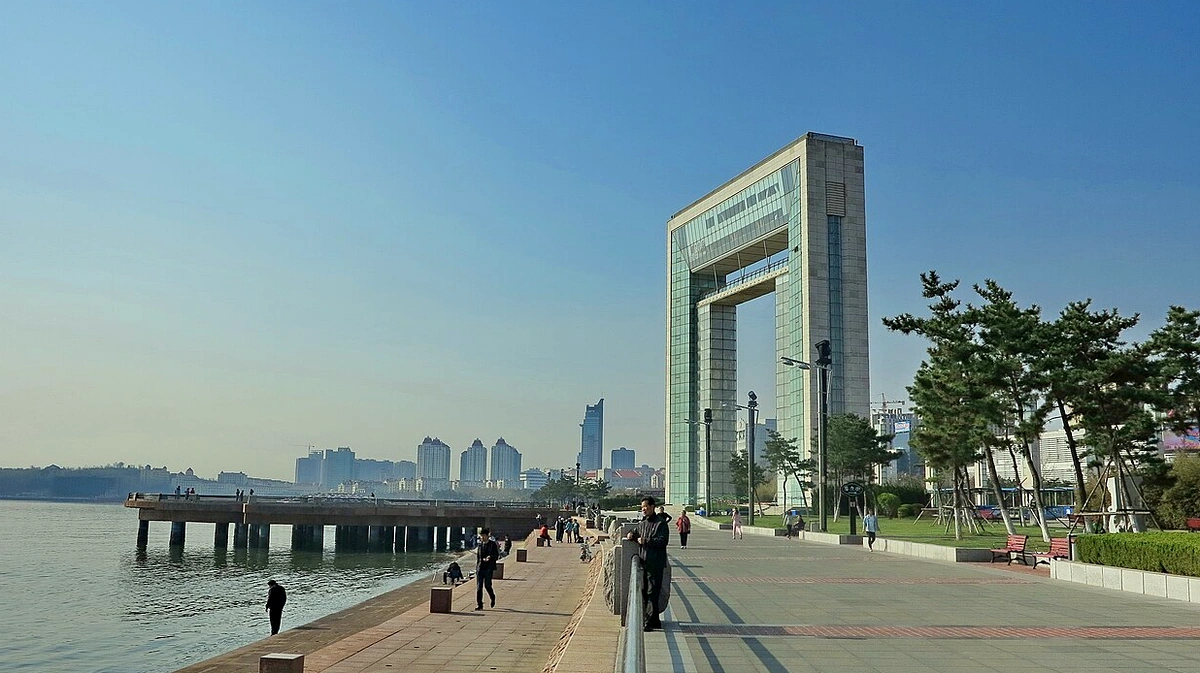
When night descends and gossamer mists drift in from the vast Yellow Sea, Weihai never slips into the quiet slumber of an ordinary resort town; instead, it undergoes a dazzling transformation into a realm of visual artistry and cultural immersion. Modern tourism planning here is guided by the philosophy of “unity of scenery and city, permeation of light and shadow,” dissolving boundaries between open sea, urban architecture, and artistic illumination. The city’s core lighting corridor is thoughtfully choreographed, stretching from Happiness Gate Square through the lush greenery of Weihai Park all the way to historic Liugong Island. Rather than relying on harsh floodlights, designers integrated concealed LED strips and low-level architectural uplights to accentuate the geometric tension of the iconic Happiness Gate while highlighting the sleek steel aesthetics of waterfront landmarks—turning the shoreline into a flowing ribbon of light embracing the bay.
Nightlife in Weihai leaves an especially profound impression on Liugong Island, where layered memories of history linger. As darkness settles over late-19th-century monuments that witnessed pivotal turning points in Chinese maritime history, the island resounds with the stirring live-action spectacle Iron-Blooded Liugong. This monumental production harnesses cutting-edge 3D holographic projection, multi-dimensional lasers, and powerful surround-sound systems mapped directly onto original historic structures. Through this immersive artistry, history springs vividly back to life, transporting audiences across time into the heroic yet tragic years of the Beiyang Fleet—letting visitors feel the pulse of history against weathered stone walls and ancient ramparts amid the roar of ocean waves.
Stepping away from the reflective nostalgia of Liugong Island into vibrant contemporary energy, the Hanlefang Night Market opens a captivating world of cross-cultural exchange. Planned with distinctive architectural flair, this lively complex weaves together graceful traditional Korean tiled roofs and modern commercial promenades to create a streetscape both familiar and fresh. It serves as a bustling culinary crossroads where visitors can savor rich, authentic Korean street classics alongside signature Jiaodong barbecue starring seafood freshly hauled from the Yellow Sea. Beyond fragrant curls of grill smoke, the market buzzes with creative cultural bazaars showcasing cherished intangible heritage—from thunderous, rhythmic Jiaodong war drums to heartfelt, earthy fishing shanties passed down through generations of Weihai seafarers.
Resting along the breezy shores of the Yellow Sea, Weihai has served not only as a strategic fortress across centuries, but also as a radiant culinary cradle where coastal traditions meet the time-honored wellness philosophy of ancient Qi-Lu culture. Weihai cuisine proudly belongs to the Jiaodong school—a celebrated regional branch of prestigious Shandong cuisine—renowned for upholding a golden four-character standard: “fresh, crisp, tender, and light.” The entire local flavor map moves in rhythm with seasonal ocean tides, turning each catch from offshore waters into culinary artistry where the chef acts as an artisan honoring nature’s purest flavors.
When speaking of supreme delicacy in preserving natural sweetness, steamed Jiaji fish (red sea bream) stands unmatched. Under the skilled hands of local culinary masters, freshly landed sea bream is prepared using the purest steaming technique. Free from heavy spices that might mask its character, the dish embodies the traditional culinary ethos of letting the fish’s own natural sweetness speak—delivering a refined, lingering taste as pure as an ocean breeze. Complementing it is braised sea cucumber with scallions, a prized symbol of prestige and nourishment in local gastronomy. Plump, springy sea cucumber absorbs the rich aroma of golden-fried scallions and a glossy, savory glaze, composing a harmonious duet between deep-sea treasure and rustic aromatics.
Yet if one seeks the flavor that carries the deepest folk soul of Weihai’s coastal people, the answer is undoubtedly Spanish mackerel dumplings—a regional pride inscribed as intangible cultural heritage. Distinct from ordinary dumplings found inland, Weihai mackerel dumplings demand exacting handcrafting skill. Dough wrappers are rolled as thin as silk paper yet remain pleasantly chewy, enclosing a velvety filling of freshly whipped Spanish mackerel balanced with precise proportions of pork fat and fragrant chives. Biting into a piping-hot dumpling releases a burst of sweet, savory fish broth blended with the gentle herbal aroma of chives—an unforgettable taste that awakens every sense.
Culinary exploration in this easternmost city of Shandong Province continues to delight diners with time-honored heirloom specialties. Foremost among them is Rongcheng braised sea bream, a dish showcasing the ingenuity of Rongcheng fishermen adapting to limited supplies during long voyages at sea. Whole sea bream are slow-simmered in a traditional earthenware pot without adding a single drop of water; instead, the fish cooks gently over low heat for hours solely in aromatic steam rising from a bed of scallions and garlic lining the pot. Moisture and natural essences mingle and condense into a rich, fragrant reduction that infuses every tender flake of melt-in-the-mouth fish.
Completing this symphony of flavors is a steaming bowl of famous Weihai clear-broth noodles—a beloved breakfast staple that has warmed generations of locals. Simmered patiently from freshly harvested clams and shellfish caught in nearby waters, the broth takes on a natural milky-white hue and deeply comforting sweetness. Springy noodles bathed in delicate coastal seafood essence provide a heartwarming finale, leaving travelers with lasting memories of Weihai’s oceanic flavors—where every dish tells a family story cherished through time.
Exploring the coastal city of Weihai becomes all the more seamless and rewarding when travelers equip themselves with a practical, field-tested guide distilled from cultural researchers and seasoned travel specialists. To ensure you never miss a dramatic natural spectacle or historic treasure, checking exact operating hours for key landmarks is essential. Liugong Island, living witness to the historic Beiyang Fleet, welcomes visitors from 07:30 to 17:00 during the peak season from April through October. Travelers should note that real-name advance reservations for both admission and ferry tickets via official online platforms are mandatory to avoid congestion at the pier. Meanwhile, the Chengshantou Scenic Area—where the easternmost tip of the Shandong Peninsula greets China’s very first rays of morning sunlight—opens from 07:30 to 18:00, meaning romantics hoping to catch sunrise in full glory should arrive well before dawn breaks over the vast horizon.
In terms of connectivity, Weihai’s modern transport infrastructure welcomes travelers from across the country via Weihai Dashuibo Airport as well as Weihai and Weihai North high-speed railway stations, providing swift links to major hubs such as Beijing, Jinan, and Qingdao. To make the most of your stay, a curated three-day, three-night itinerary balances historical depth with coastal relaxation. Dedicate Day 1 to naval heritage and modern history by exploring the Weihaiwei ruins, crossing over to Liugong Island, and strolling beneath leafy trees in Weihai Park. On Day 2, delve into local geography and folk culture by visiting Rongcheng’s unique seaweed-house villages, marveling at Chengshantou Promontory, and unwinding along the scenic shores of Naxianghai. Spend Day 3 immersed in mountain landscapes and refined gastronomy—starting at Kunyu Mountain National Forest Park and sacred Wuran Temple before concluding with a vibrant evening at Hanlefang Night Market to feast on famed mackerel dumplings and freshly caught ocean delicacies.
Because Weihai enjoys a distinct maritime climate marked by brisk sea breezes and strong UV radiation, packing attire suited to each season is advisable. A reliable windbreaker is indispensable during spring and autumn excursions, high-protection sunscreen is essential under bright summer skies, and heavy insulated coats are a must when snowy winter winds arrive. While local seafood is wonderfully abundant, locals traditionally recommend pairing freshly caught raw or lightly cooked shellfish dishes with garlic vinegar as a natural digestive aid. In addition, when shopping for dried marine delicacies to bring home as gifts, visiting established, reputable specialty shops in the city center ensures top-grade quality imbued with authentic northern coastal character. For travelers eager to experience these captivating sights firsthand with attentive, seamless service, explore our Qingdao – Yantai – Weihai 5D4N tour featuring a thoughtfully crafted, premier itinerary.