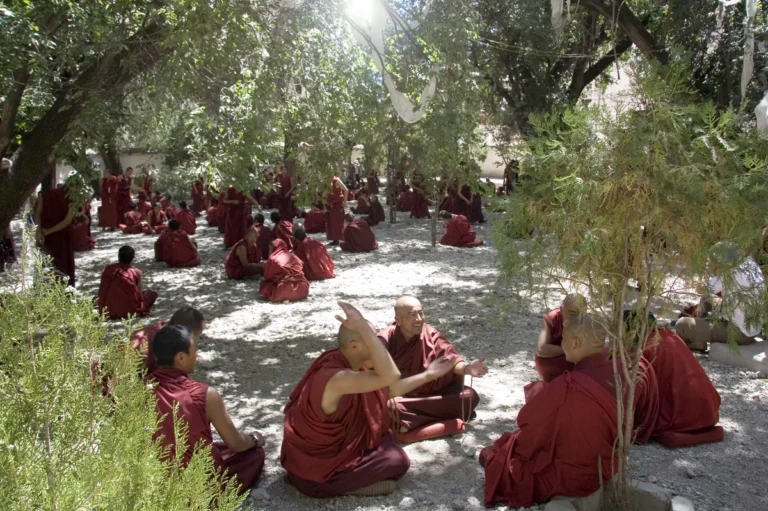
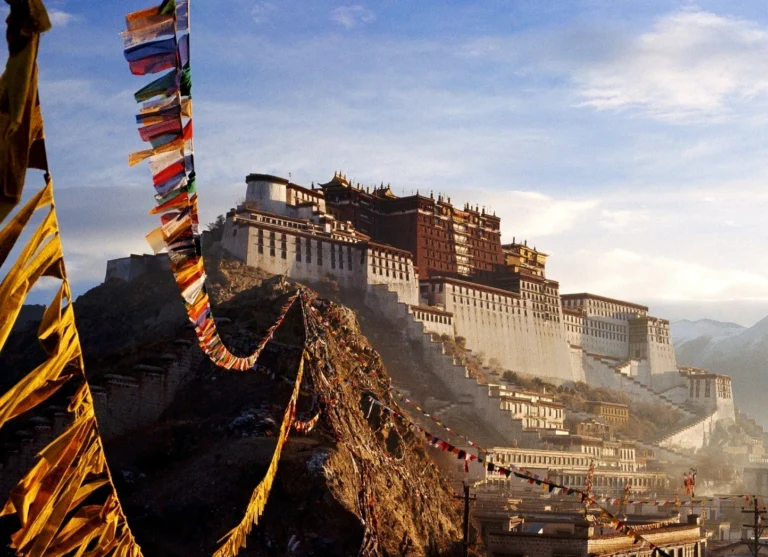
Lake Namtso sits on the Tibetan Plateau at an elevation of 4,718 meters above sea level, stretching across Damxung County and Baingoin County in the Tibet Autonomous Region of the People’s Republic of China. Geologically, the lake’s formation resulted from tectonic movements triggered when the Indian plate collided with the Eurasian plate beginning in the Cenozoic era, giving rise to the towering Himalayas and the vast Tibetan Plateau. The Namtso basin lies within a closed tectonic depression bounded by the Nyainqêntanglha mountain range to the south and frozen steppes to the north. Climate shifts over millions of years—from the Quaternary glacial epochs to the present Holocene—have governed the lake’s water levels, salinity, and hydrological ecosystem. Glacial meltwater flowing from the peaks of Nyainqêntanglha supplies Namtso’s primary freshwater inflow, while high evaporation rates across the plateau have transformed it into an endorheic saltwater lake spanning over 1,900 square kilometers, serving as a vital indicator of global climate change and hydrological cycles on the Roof of the World.
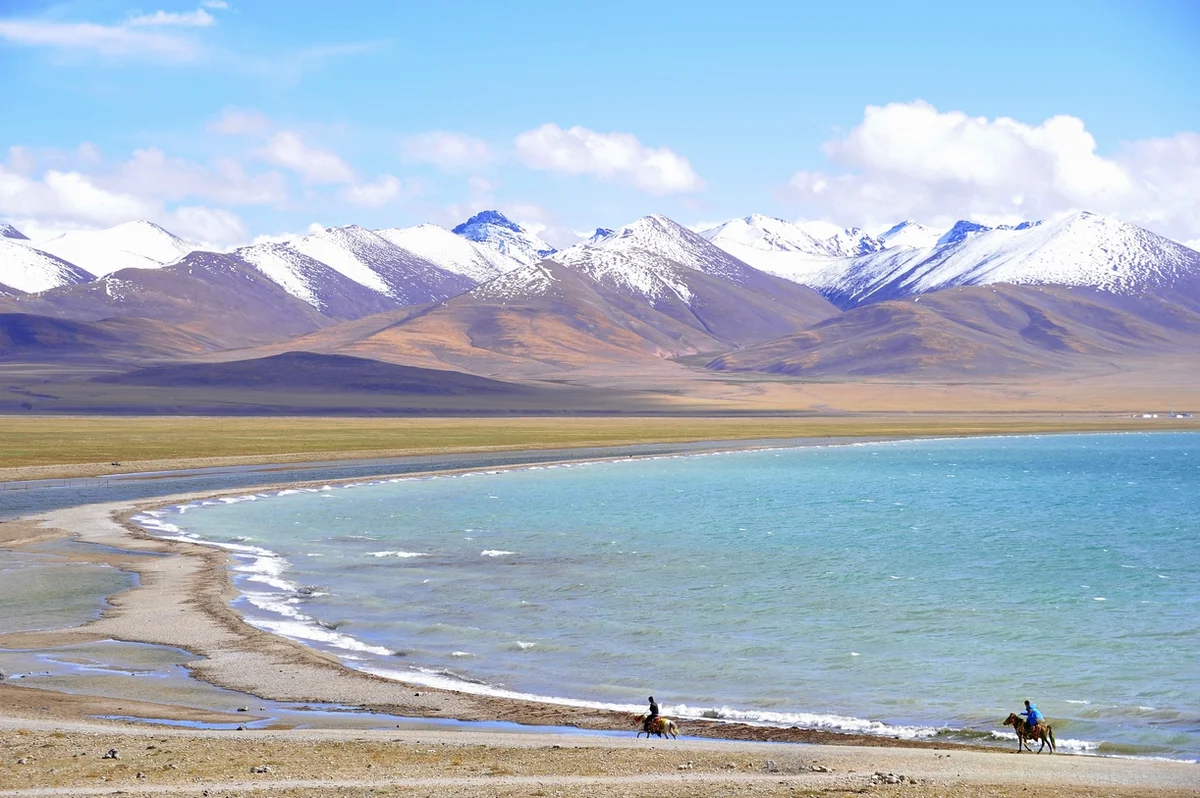
In historical chronicles and Tibetan culture, Namtso exists not merely as a geographical landmark, but as a focal point of sacred mythology intertwined with the spread of Tibetan Buddhism since the era of the ancient Tibetan Empire. Ancient texts and oral traditions revere this lake as one of the supreme sacred deities of the plateau, bound by mythical kinship and marriage to regional mountain gods—most notably Nyainqêntanglha himself. According to Buddhist lore, Namtso is the abode of protective goddesses, supernatural beings wielding power over weather, harvests, and the fortunes of nomadic herders. The synthesis of the indigenous Bon religion and Vajrayana Buddhism established Namtso as a major pilgrimage destination from the seventh century onward. Great masters, scripture translators, and successive Dalai Lamas have journeyed here across generations to meditate, pay homage, and commune spiritually with the cosmic energies believed to converge upon its waters.
The network of monasteries and sacred monuments ringing Lake Namtso reflects the historical depth of Tibetan spiritual life across centuries of political and social change. Tashi Dor Monastery, perched on a limestone peninsula jutting into the lake, stands as one of the foremost centers of practice associated with the Nyingma and Kagyu lineages. It preserves traces of accomplished masters who once retreated into natural caves along the lakeside cliffs. The architectural structures here adhere strictly to Buddhist cosmological models, featuring dry-stone walls, fluttering prayer flags printed with sacred mantras, and Mani stones delicately inscribed in Sanskrit by generations of pilgrims. Circumambulating Lake Namtso—a sacred pilgrimage known as the Kora—requires devotees to trek over 100 kilometers along rugged trails under harsh climatic conditions marked by thin air and abrupt temperature swings. This arduous journey is regarded as a means of karmic purification, affirming steadfast faith and harmony between humanity and untamed nature.
Namtso’s iconic stature in contemporary Tibetan cultural life continues to be reinforced through the sustainable socioeconomic practices of local pastoralist communities. Tibetan nomads inhabiting the lake basin maintain traditional livestock herding—raising yaks and mountain sheep finely adapted to the alpine meadow ecosystem. The relationship between the local people and the lake is rooted in reciprocity and profound reverence; large-scale fishing is avoided due to religious taboos, and the water is cherished as the lifeblood sustaining the entire region. In the modern era, Namtso has also attracted international scientific attention, serving as a vast natural laboratory for studying geomorphology, paleoclimatology, and high-altitude ecology. Core samples extracted from lakebed sediments yield invaluable data on Asian temperature and precipitation fluctuations over tens of thousands of years, helping scholars better understand both the fragility and resilience of plateau ecosystems under global environmental pressures.
Viewed through the lenses of cultural anthropology and intellectual history, Namtso serves as a repository of Tibetan collective memory regarding the bond between the earthly realm and the sacred sphere. The lake’s mirror-like surface reflects the crystal-clear plateau sky, dissolving the visual boundary between earth and heaven in the indigenous imagination. The sanctity of this natural wonder transcends local religious boundaries to stand as a cultural symbol of universal human significance, drawing explorers, scholars, and travelers from across the globe to contemplate nature’s permanence. The historical, geological, and spiritual values converging at Namtso continue to shape the identity of the Tibetan Plateau, sustaining a living cultural landscape where ancient traditions engage directly with the challenges of the modern world.
Situated at 4,718 meters above sea level in the Tibet Autonomous Region, Lake Namtso constitutes a singular geographical entity born of complex tectonic upheavals across the Qinghai–Tibet Plateau. Its basin was carved by crustal folding and faulting during the Quaternary period, forming an enclosed endorheic depression straddling Damxung County of Lhasa and Baingoin County of Nagqu Prefecture. The surrounding topography is dominated by the Nyainqêntanglha range stretching southwest to northeast, whose highest peak rises above 7,100 meters—acting as a natural barrier against frigid northern winds while feeding the basin with year-round glacial meltwater. Spanning more than 1,900 square kilometers, Namtso is Tibet’s second-largest saltwater lake and the highest saltwater lake of comparable volume anywhere on Earth. The geomorphology of the Namtso basin reflects the dramatic interplay of ancient glaciation and severe continental weathering, creating an emblematic geological landscape shaped by the collision of the Indian plate with the Eurasian continent.
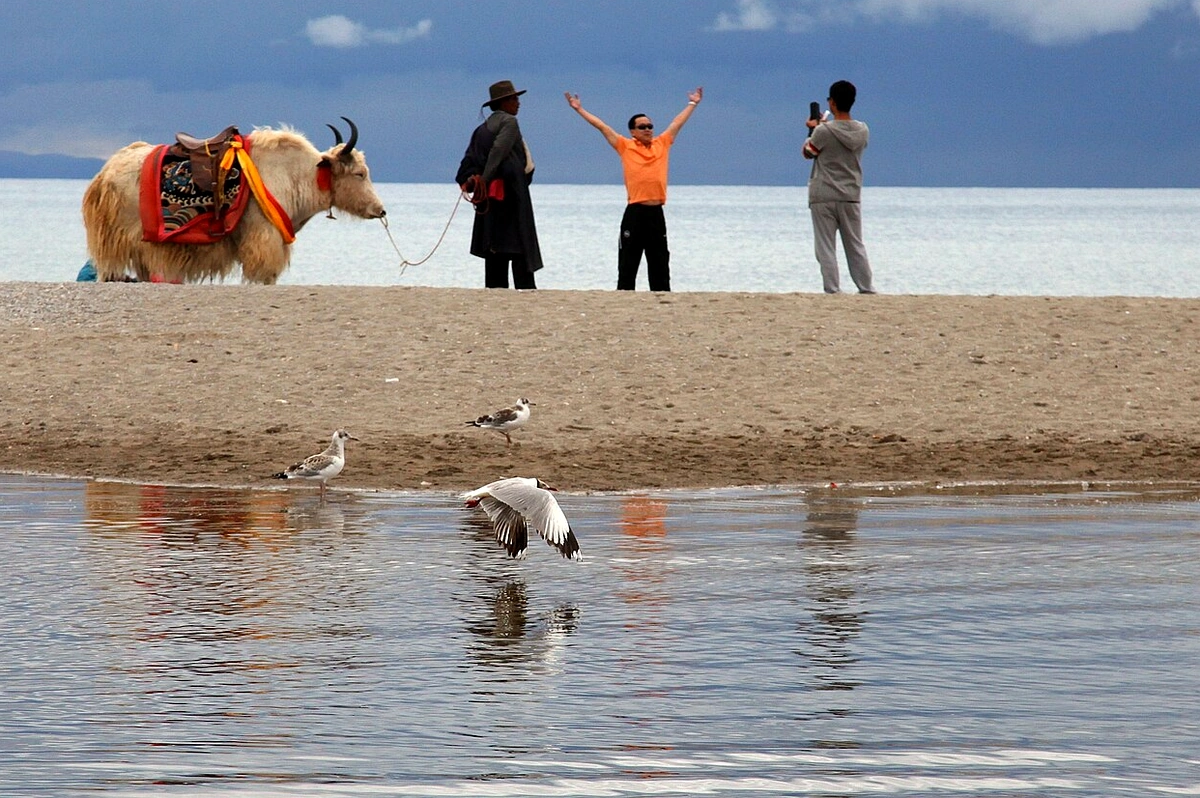
The spatial organization of the landscape surrounding Lake Namtso follows neither conventional urban planning nor artificial architectural grids, instead taking shape entirely from the cosmological principles of Tibetan Buddhism and primordial Bon philosophy. The entire setting is ordered as a natural mandala: the central lake symbolizes the primordial ocean, while the towering Nyainqêntanglha range to the south represents the supreme guardian deity of the region accompanied by his consorts and attendant generals. This spatial arrangement establishes a sacred vertical axis linking the depths of the earth, the sky-reflecting waters, and snow-crowned peaks piercing the thin upper atmosphere. Monasteries, small shrines, mantra-carved Mani stone piles, and pilgrim rest stops are never placed arbitrarily; rather, they follow the natural contours of the shoreline in strict respect for the terrain’s original topography. Spatial planning here eliminates intrusive modern construction, achieving seamless harmony between spiritual focal points and natural landmarks such as the Tashi Dor Peninsula and limestone islets rising from the water.
Spatial zoning at Namtso is rooted in a profound hierarchy of spiritual perception and ritual progression, organizing the landscape into concentric rings moving from the periphery toward the sacred core. The outermost ring comprises expansive alpine grasslands where nomadic herders pitch seasonal tents, creating a soft ecological and cultural buffer before one enters the austere inner sanctum of the holy lake. The next zone is the shoreline belt, where meadows give way to gravel beaches and sheer cliffs sculpted by wave action over tens of millennia. Here, pilgrimage footpaths (Kora) have been worn organically over centuries by the footsteps of devotees, forming sacred arteries winding along the water’s edge. The innermost core consists of the lake waters themselves and rocky peninsulas jutting outward like stone fingers, housing meditation caves, cliffside Buddha carvings, and stone cairns crowned with Lungta prayer flags snapping in the high-altitude wind. This spatial layering compels travelers to undergo gradual physical acclimatization and inner purification—feeling shifts in air pressure, temperature, and humidity before touching the icy, purifying waters.
The landscape encircling Namtso is governed entirely by alpine meadow and cold-desert ecosystems, where low-lying vegetation—hardy grasses, mosses, and lichens—competes for fleeting moisture during the brief summer months. Shoreline topography shifts dynamically from broad sandy stretches along the northern coast to sheer sedimentary cliffs on the Tashi Dor Peninsula, where wave-carved caves dating from ancient glacial lake levels offered ideal sanctuaries for ascetic practitioners. Traditional architectural interventions here are markedly minimalist, relying on local dry-stacked stone without mortar, timber hauled from lower southern valleys, and rammed earth engineered to withstand fierce gales and extreme diurnal temperature swings. Stone walls of small monasteries and hermitages clinging to mountain slopes are oriented carefully against prevailing winds to reduce thermal stress while maximizing passive solar gain during freezing winters. Rather than dominating the scenery, these structures merge into the ash-gray tones of mountain rock and the deep turquoise of the water, embodying the indigenous Tibetan ideal of complete harmony between humanity and nature.
Light and meteorology act as intangible building materials that define the entire visual experience of Lake Namtso. Because the atmosphere is thin and nearly dust-free above 4,700 meters, sunlight reflecting off the water generates an intense optical spectrum, continuously shifting the lake’s hue from deep sapphire to brilliant turquoise and burnished silver depending on solar angle and cloud cover. Ancient spiritual planners artfully harnessed this interplay of light to site vantage points where pilgrims could witness sunrise and sunset illuminating the snow-clad peaks of Nyainqêntanglha, creating moments of profound visual revelation. Landscape organization at Namtso thus transcends physical arrangement, ascending to an art of shaping inner awareness—uniting humanity with the boundless cosmos through the serene majesty of one of Earth’s grandest geological wonders.
Perched over 4,700 meters above sea level on the Tibetan Plateau, Lake Namtso is not only a geological marvel forged by crustal tectonics, but also a center of sacred art and architecture of rare historical depth. From the standpoint of cultural morphology, the space surrounding this holy lake represents a sublime dialogue between human craftsmanship and the austere majesty of the high plateau. Religious structures—such as small shrines and cliffside hermitages hugging the shoreline and Tashi Dor Peninsula—eschew standard urban architectural conventions, adapting entirely to extreme weather, low atmospheric pressure, and scarce building resources in this frigid terrain. Ancient Tibetan artisans erecting stupas and prayer halls here solved formidable structural challenges under relentless seasonal winds and periglacial conditions.
Primary building materials were quarried directly from the surrounding landscape, including weathered sedimentary stone, local granite, and limestone slabs bearing fossilized imprints from geological eras when this region lay beneath an ancient sea. Transporting materials across steep, high-altitude terrain led monastic builders and local craftsmen to adopt dry-stone masonry—stacking stones without mortar, or binding them with local clay mixed with dried yak dung and sheep wool for added flexibility against minor seismic tremors. Stones were carefully selected for surface friction and resistance to freeze-thaw cycles. Roughly dressed with hand-forged iron tools, the blocks interlock securely through gravity and precise center-of-gravity alignment, enabling Namtso’s structures to endure centuries of snowstorms and gale-force winds.
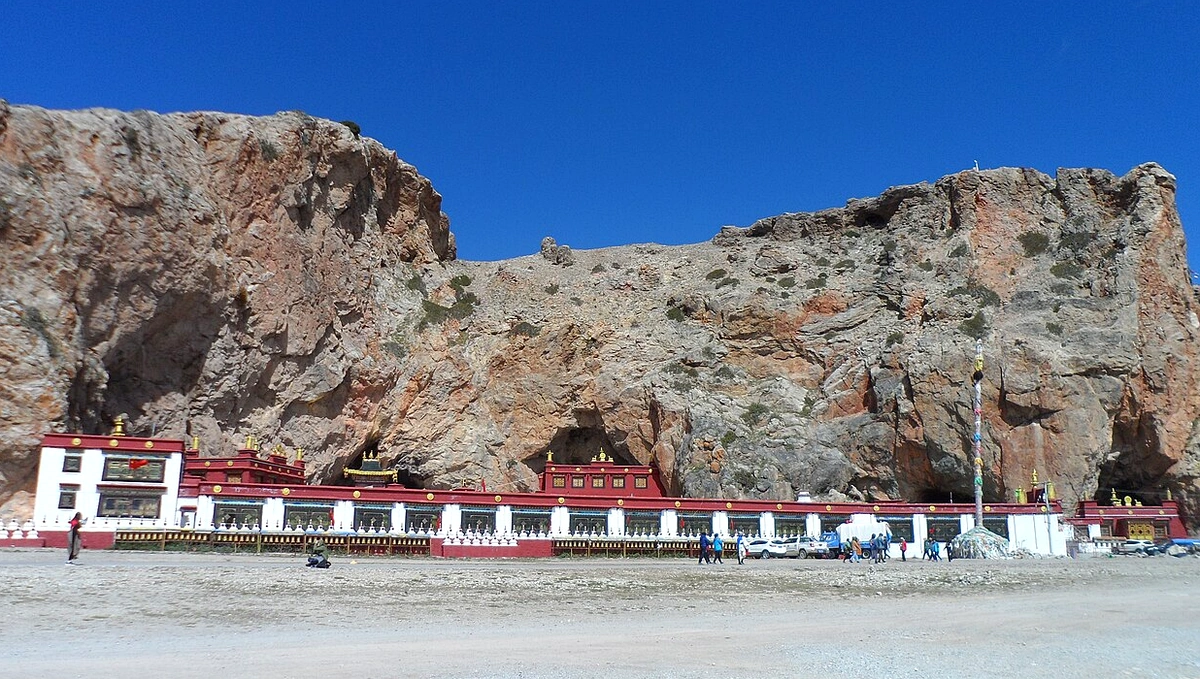
Alongside natural stone, timber ranks as an exceptionally precious material around Lake Namtso due to the complete absence of forests across the high plateau grasslands. Pine and cypress beams had to be hauled hundreds of kilometers over treacherous mountain passes from southern Tibetan valleys. Consequently, rafters, purlins, and pillars inside prayer halls were engineered in minimalist modular frameworks offering maximum load-bearing efficiency. Tibetan carpenters employed traditional mortise-and-tenon joinery without iron nails, allowing structures controlled mechanical flexibility during abrupt day-to-night temperature shifts. Wooden surfaces were typically treated with natural plant oils and tree resins to prevent cracking in the thin, arid plateau air.
Carving and surface ornamentation across religious structures around Lake Namtso express a worldview deeply steeped in Vajrayana Buddhism, rich in symbolism and inward contemplation. Unlike the ornate decorative motifs found in lowland regions, stonework here exhibits disciplined restraint, focusing on essential themes such as the Dharma Wheel, sacred seed syllables, and protective deities. Large boulders lining pilgrimage paths around the lake are carved in relief with the six-syllable mantra OM MANI PADME HUM in classical Uchen script. Artisans chiseled directly into hard granite using hammers and fine steel points, then highlighted the inscriptions with natural mineral pigments such as cinnabar, yellow ochre, and powdered malachite—an endeavor requiring extraordinary endurance in sub-zero cold and intense stratospheric ultraviolet light.
The aesthetic philosophy governing Namtso’s architecture centers on seamless harmony between human creations and the vast wilderness surrounding them. Rather than dominating or standing apart from the terrain, architectural structures act as visual anchors marking human spiritual presence amidst the boundless expanse of deep blue water and the snow-draped Nyainqêntanglha range. The proportions of stupas and shrines follow sacred Tibetan Buddhist geometry: a square base symbolizing the earth element, a hemispherical dome representing water, a tapered spire signifying fire and wind, and a crowning finial ascending into open space. This cosmic design transforms every shrine into a microcosm of the universe, around which pilgrims perform clockwise circumambulations to attune their own rhythms to those of heaven and earth.
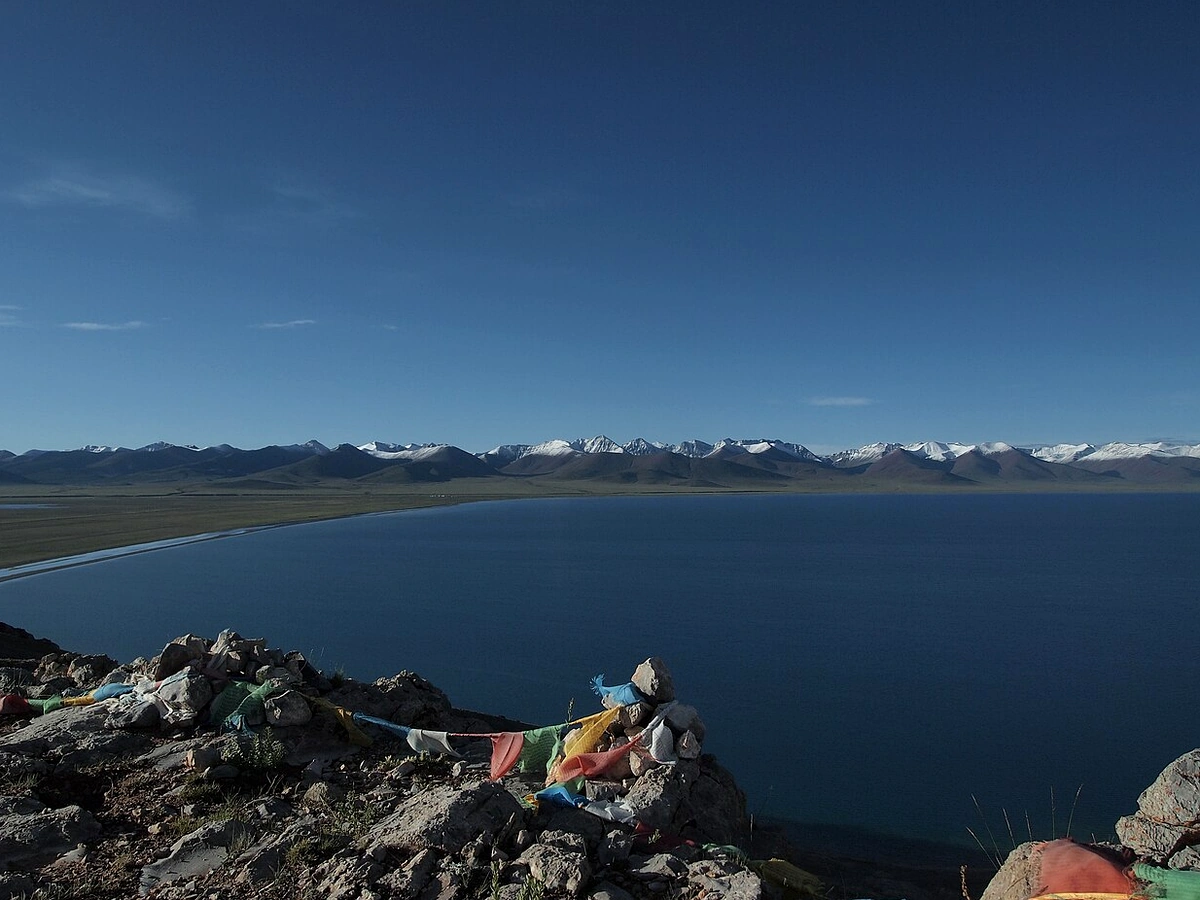
Layers of artistic symbolism at Lake Namtso are further expressed through arrays of wind-horse prayer flags (lungta) and colorful khata scarves strung across architectural high points. Far more than mere decoration, these textiles act as spiritual conduits carrying printed prayers on the plateau breeze to radiate compassion and wisdom across space. Flag colors strictly follow the five cosmic elements in Tibetan Buddhist philosophy: blue for space, white for air and clouds, red for fire, green for water, and yellow for earth. As sun and wind gradually fade and fray the fabric, the flags visually embody the Buddhist teaching of impermanence—a core truth etched into the awareness of every nomad and pilgrim visiting this sacred shore.
Ultimately, the architectural artistry and cultural landscape of Lake Namtso stand as an eloquent testament to human adaptability and ingenuity in some of the harshest living conditions on Earth. Every stacked stone, cliffside inscription, and weathered timber beam encapsulates centuries of distilled indigenous knowledge. Free of ostentation or superfluous ornament, this minimalist, honest architectural language blends effortlessly into the untamed spirit of the Tibetan Plateau—continuing across generations to bridge physical reality and timeless transcendence for travelers and pilgrims drawn to the sacred lake.
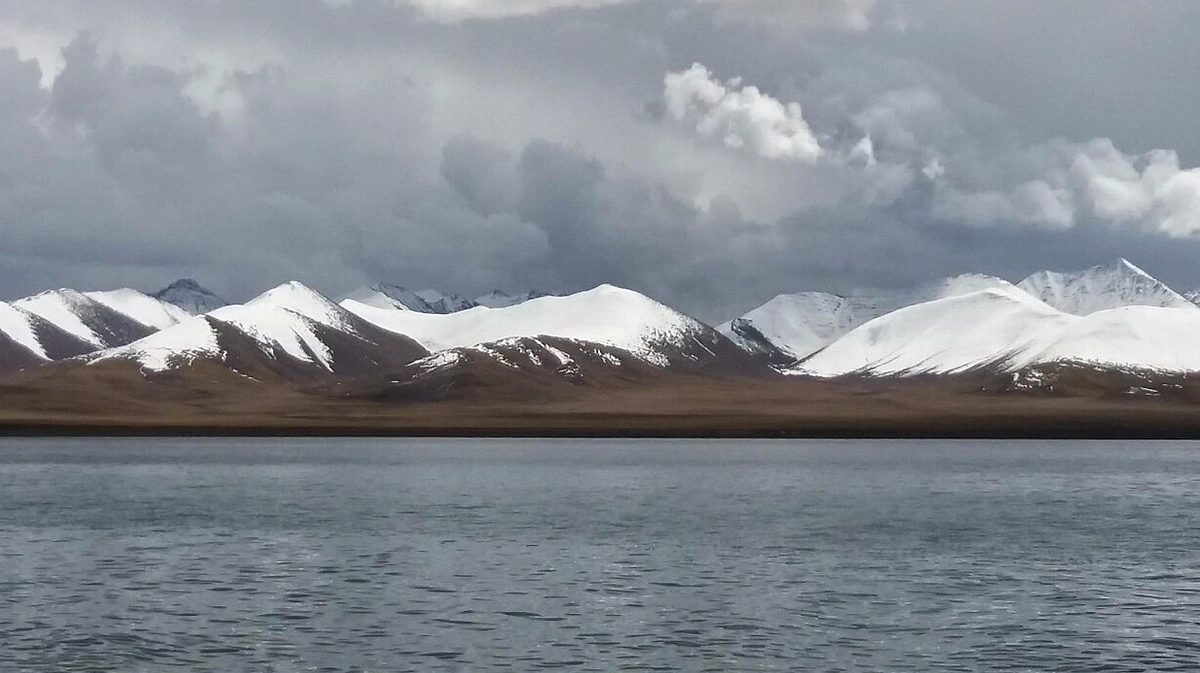
Sacred Lake Namtso sits at an average altitude of 4,718 meters above sea level, spanning Damxung County in Lhasa and Baingoin County in Nagqu Prefecture within China’s Tibet Autonomous Region. Formed by powerful Quaternary tectonic movements tied to the uplift of the Tibetan Plateau, the lake covers more than 1,900 square kilometers, ranking as the region’s second-largest saltwater lake and the highest saltwater lake in the world by elevation. Namtso’s geography is heavily shaped by the Nyainqêntanglha massif running along its southern flank, forming a natural divide between the lake basin and the Yarlung Tsangpo valley. Exploring its distinct zones and scenic routes requires solid physical preparation as well as an appreciation of extreme temperature swings, thin air, and the deeply sacred traditions of local Tibetan communities.
The standard overland route to Namtso begins in Lhasa, heading northwest along National Highway G109 through the Yangbajain Valley, famous for its geothermal power stations and snow-dusted peaks. From the main highway, the route turns onto Provincial Road S204 to ascend Lachen La Pass, a high-altitude threshold reaching 5,190 meters above sea level. Crossing this pass exposes travelers to markedly thin air before the road descends gradually into the Namtso basin. Spanning roughly 250 kilometers, the drive takes four to five hours in a high-clearance vehicle across vast grasslands where Tibetan nomads graze herds of native yaks and Himalayan sheep. Watching the scenery transition from arid granite gorges into a sweeping basin filled with brilliant turquoise water mirroring the plateau sky creates an unforgettable visual impact.
The primary focal zone—and the main draw for both pilgrims and travelers—is the Tashi Peninsula, a striking geological headland jutting into the southeastern shore of the lake. Composed of massive limestone formations sculpted by millions of years of erosion, the peninsula features natural caves, sheer cliffs, and winding rocky passages. Upon arriving at Tashi Peninsula, exploration shifts entirely from vehicle to foot along rugged earthen and stone footpaths. The main walking circuit follows a clockwise direction in strict accordance with Tibetan Buddhist Kora tradition. Along the path, towering Mani cairns stacked from tens of thousands of mantra-carved stones stand beside vibrant five-colored Lungta prayer flags fluttering briskly in the plateau wind, creating an atmosphere charged with spiritual devotion.
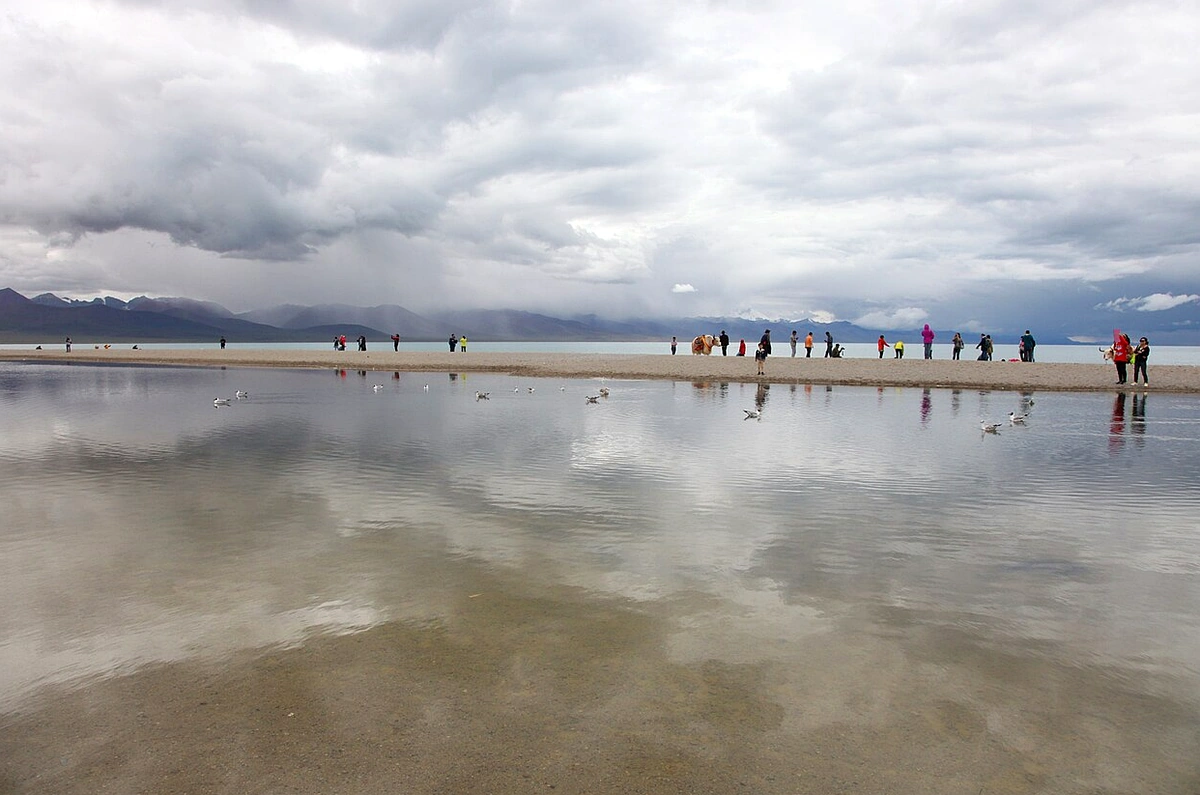
Caves tucked within the limestone cliffs of Tashi Peninsula served for centuries as solitary meditation retreats for masters of the Nyingma and Kagyu lineages. Exploring these caverns offers more than a glimpse of natural rock formations; it provides direct contact with ancient contemplative sanctuaries preserving traces of revered practitioners. Just below the peninsula, sandy and pebble-strewn beaches invite quiet reflection beside Namtso’s remarkably clear waters. The lake shifts color continuously with the sun’s arc—from deep cobalt blue in early morning to luminous turquoise at midday, deepening into rich emerald green as dusk settles over the peaks of Nyainqêntanglha.
Beyond Tashi Peninsula, extended routes lead toward the northern and northeastern shores of the lake, where far fewer visitors venture. Passing through lakeside wetlands, this northeastern circuit traverses vital habitats for migratory waterfowl such as black-necked cranes, bar-headed geese, and other plateau bird species. Here, the experience centers on ecological observation and unspoiled wilderness, revealing the delicate interplay between cold high-altitude steppe and fleeting emerald meadows nourished each summer by glacial runoff from surrounding peaks.
The Nyainqêntanglha massif—revered in Tibetan folklore as the supreme mountain deity and spiritual consort of Lake Namtso—rises like a monumental rampart along the southern horizon. Viewing its glaciated peaks from the lakeshore on clear days reveals a textbook panorama of alpine glacial geomorphology. Glaciers crowning Nyainqêntanglha feed meltwater streams down into the valleys below, providing the primary freshwater inflow sustaining Namtso’s closed-basin ecosystem. Photographers and geologists frequently climb the hills on the southern side of Tashi Peninsula at dawn to capture first light striking the snow-covered summits—a celebrated optical spectacle across the Tibetan Plateau.
Experiencing Namtso firsthand requires strict respect for local cultural etiquette and the region’s fragile high-altitude environment. Because atmospheric pressure is low and nighttime temperatures can drop below freezing even in midsummer, itinerary pacing must be planned carefully to prevent acute mountain sickness. Most travelers opt for a full-day excursion from Lhasa or stay overnight in modest local guesthouses or nomadic camps near Tashi Peninsula to witness the unpolluted plateau night sky, where the Milky Way arches overhead in breathtaking clarity.
Together, Namtso’s singular geology, high mountain passes, sacred Tibetan Buddhist hermitages, and sky-high saltwater ecosystem create an exploration experience of extraordinary depth. Every stage of the journey reflects the timeless dialogue between human endurance and dramatic nature on the Roof of the World—rewarding patience, humility, and attentive observation from all who visit.
Standing more than 4,718 meters above sea level on the Tibetan Plateau, Lake Namtso is not only a geological masterpiece born of crustal tectonics, but also the heart of a living cultural and hospitality ecosystem rooted in ancient nomadic traditions. The lands encircling the lake—spanning Damxung County in Lhasa and Baingoin County in Nagqu—have sustained a pastoral way of life attuned to seasonal rhythms for centuries. Local livelihoods revolve around herding Tibetan yaks and mountain sheep, forming the economic and cultural bedrock supporting pilgrim hospitality and international eco-tourism alike.
Lodging and visitor facilities around Lake Namtso have evolved thoughtfully in recent decades to welcome growing numbers of travelers while complying with strict environmental protection rules enforced by the Tibet Autonomous Region. Traditional accommodations center on nomadic tents woven from heavy canvas or felted yak hair—known locally as gha—operated directly by herding families. Staying inside these tents offers an authentic window into pastoral life, complete with stoves fueled by dried yak dung, steaming pots of butter tea, and handwoven wool carpets bearing Tantric Buddhist motifs. Nearby settlements such as Tashi Dor also offer modest guesthouses equipped with passive solar heating and insulated bedding designed to minimize ecological impact on the plateau’s fragile permafrost.
Regional cuisine around Lake Namtso reflects remarkable human adaptation to hypoxic conditions and year-round chill. Staples served at local eateries include air-dried yak jerky, tender boiled mutton seasoned simply with local rock salt and pepper, and tsampa—roasted barley flour kneaded by hand with rich yak butter tea. Butter tea serves not only as a high-calorie beverage that warms the body and counters altitude dryness, but also as the quintessential symbol of Tibetan hospitality. Along pilgrimage paths around Tashi Dor Peninsula, family-run kitchens serve traditional Tibetan noodle soup (thukpa) and pan-fried meat pies stuffed with minced yak, offering hearty, authentic nourishment sourced straight from the local pastoral economy.
Community gathering spaces around Lake Namtso are shaped by religious observances and seasonal pilgrimages unfolding throughout the year. Local residents and travelers gather regularly around sacred rock formations and lakeside shrines to perform the clockwise kora circumambulation to accumulate spiritual merit. Activity peaks during major religious festivals, when monks and herders join in solemn offering rituals and string fresh multicolored lungta prayer flags along lakeside poles to send blessings aloft on the plateau wind. These occasions provide rare cultural glimpses of traditional dances and ceremonial instruments such as long dungchen horns and damaru hand drums.
Cultural immersion experiences at Namtso also invite visitors to observe or participate in traditional pastoral tasks guided by local herding families. Travelers can learn how yaks are milked, how dairy staples such as hard dried cheese (churpi) are crafted, and how local artisans weave woolen blankets and garments on traditional looms. Beyond offering memorable encounters, these community-led experiences provide vital supplemental income, enabling local families to preserve their ancestral pastoral heritage rather than migrating to distant cities.
Transportation and logistical support around Lake Namtso require careful planning due to high-altitude terrain and the risk of altitude sickness. Licensed tour vehicles stocked with supplemental oxygen cylinders, alongside basic government-run first-aid stations, provide essential safety support along the route. Experienced local Tibetan guides—fluent in native dialects and deeply versed in the lake’s mythology, geology, and ecology—play an indispensable role in conveying Namtso’s spiritual significance while helping visitors observe local etiquette respectfully.
Preserving the cultural and natural integrity of Lake Namtso today involves balancing tourism growth with plateau environmental stewardship. Destination managers and local communities actively enforce guidelines curbing plastic waste, protecting fragile water quality, and safeguarding sacred lakeside precincts from disruption. Through responsible, community-centered tourism, visitor services around Namtso are steadily advancing toward long-term sustainability—harmonizing local economic livelihoods with the conservation of Tibet’s natural and spiritual heritage for generations to come.
Located at roughly 4,718 meters above sea level across Damxung County in Lhasa and Baingoin County in Nagqu Prefecture, Sacred Lake Namtso demands thorough, science-informed preparation before departure. Unlike lowland destinations, Namtso presents genuine physiological challenges due to low barometric pressure—where oxygen levels drop to roughly half those at sea level—paired with dramatic day-to-night temperature swings. A well-structured field guide is therefore essential not merely for convenience, but for ensuring personal safety and a rewarding journey.
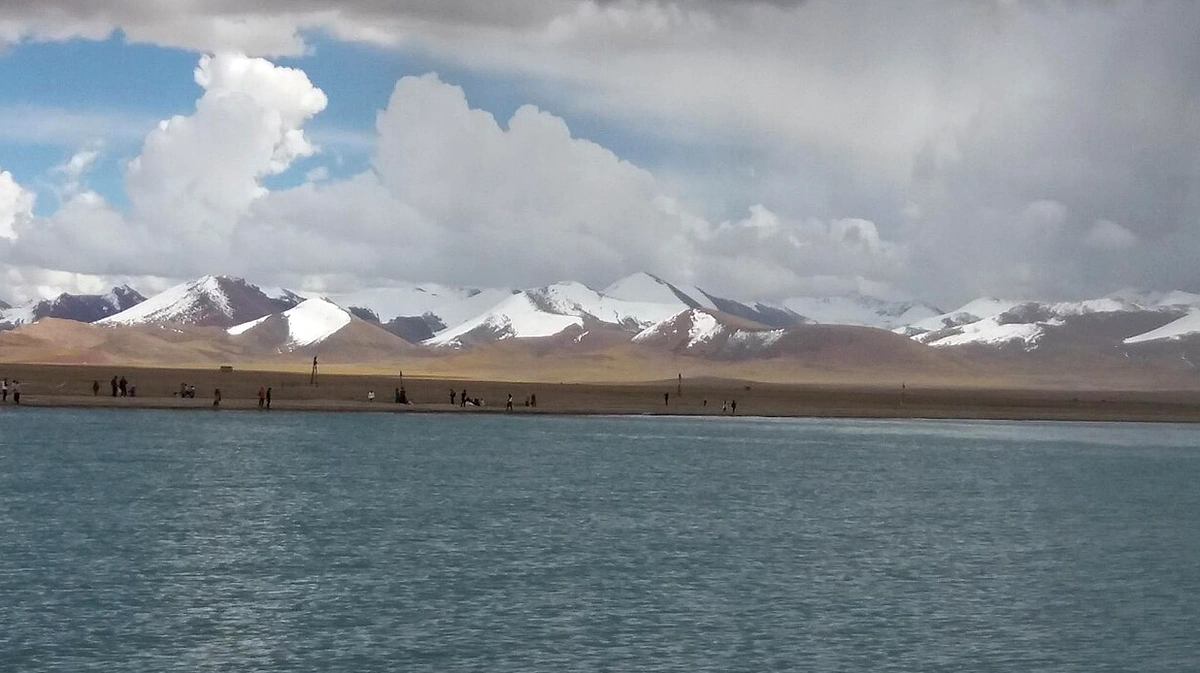
The optimal seasonal window for visiting Namtso runs from June through September, when weather conditions are significantly milder than during the rest of the year. During these months, snow and ice along the high mountain pass (rising above 5,150 meters) have typically melted, minimizing road hazards and weather closures. Daytime summer temperatures generally range between 10°C and 15°C (50°F to 59°F), feeling pleasantly crisp under direct mountain sunshine. Conversely, from November through April, the basin plunges into severe winter cold with overnight temperatures dropping to -20°C (-4°F) or lower. Although the frozen winter lake forms dramatic ice sculptures, sudden blizzards can sever the sole access road from Lhasa, complicating travel and emergency response.
Within a single day, the best window for sightseeing and photography runs from 9:00 AM to 11:00 AM, when low-angle morning sunlight creates crisp optical contrast across the turquoise water and illuminates the snow-clad Nyainqêntanglha peaks to the south. After 3:00 PM, brisk winds frequently sweep off the lake across surrounding slopes, bringing a sharp chill that can intensify altitude fatigue for unacclimatized visitors. It is therefore wise to schedule lakeside exploration early enough to depart before dusk unless properly equipped for cold-weather overnight conditions.
Overland access to Namtso relies on National Highway G109 linking Lhasa and Golmud before turning onto the provincial mountain road ascending toward the lake basin. Under Tibet’s travel regulations, independent self-driving is not permitted for international visitors; travelers must arrange licensed tourist vehicles driven by experienced local drivers familiar with high-altitude mountain passes. High-clearance four-wheel-drive vehicles are best suited to handle gravel stretches, frost heaves, and seasonal roadwork. The one-way drive from Lhasa covers roughly 200 to 250 kilometers and takes four to five hours at controlled speeds to minimize motion fatigue at high elevation.
Dressing for Namtso requires a disciplined layering system adaptable to sudden weather shifts. Start with a moisture-wicking merino wool or synthetic base layer—avoiding cotton, which traps perspiration and accelerates heat loss. Add an insulating fleece or lightweight down mid-layer, topped with a windproof, waterproof outer shell capable of blocking fierce gusts at 5,000 meters. Sturdy, non-slip ankle-high hiking boots, thick wool socks, a warm ear-covering beanie, windproof gloves, and polarized UV400 sunglasses are indispensable for protecting skin and eyes against intense high-altitude solar radiation.
Physiological acclimatization and medical readiness are decisive factors for a safe visit to Namtso. Travelers should spend at least three to four days acclimatizing in Lhasa (3,650 meters) so the body can adjust to lower oxygen levels before ascending above 4,700 meters. Carrying portable oxygen canisters, physician-prescribed acetazolamide for altitude prophylaxis, and high-energy snacks is strongly recommended. Staying consistently hydrated and eating carbohydrate-rich meals further supports efficient oxygen metabolism in thin mountain air.
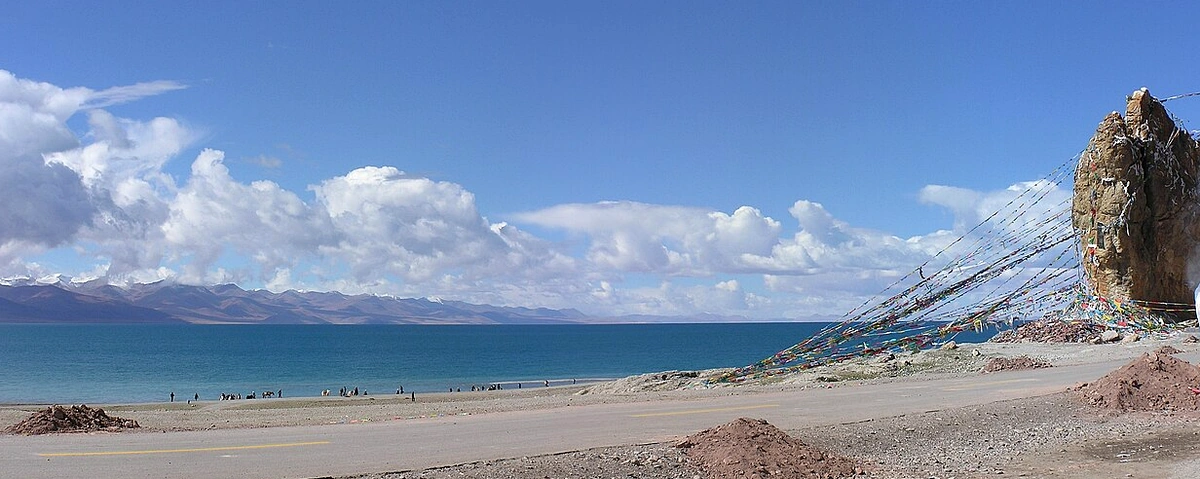
Environmental regulations and religious customs around the sacred lake call for scrupulous respect from every visitor. Littering, disturbing stacked Mani stone piles, or polluting lake waters with soaps or chemicals is strictly prohibited under environmental protection regulations of the Tibet Autonomous Region. Because Tibetan Buddhism reveres Namtso as a living sacred deity, climbing onto ritual structures, taking intrusive photographs, or creating loud disturbances across the tranquil shoreline is strongly discouraged. Observing these protocols ensures both personal safety and genuine cultural respect when visiting one of the most sacred natural sanctuaries on Earth.
To experience this journey seamlessly with an experienced local guide, explore our 6D5N Tibet Lhasa – Shigatse Tour featuring a thoughtfully arranged itinerary.