Located in the fertile alluvial plains of the Yangtze River Delta, the Humble Administrator’s Garden (Zhuozheng Yuan) occupies a strategic geographical position in the northeastern sector of Suzhou’s historic inner city within Jiangsu Province, China. Spatially, this heritage site spans a complex hydrological network of interwoven canals that has served as the economic and commercial lifeline of the Nanjing-Suzhou region for millennia. The terrain here naturally characterizes the low-lying, wetland environment of the Taihu Lake basin, where shallow groundwater tables and densely intertwined natural rivers create a distinct wetland ecological landscape. The average elevation of this area ranges merely between three and four meters above sea level, providing an exceptionally favorable geological foundation for excavating lakes, building artificial islands, and creating large-scale water-scaped artistry without requiring extreme land-filling techniques. This very geographical placement shaped the garden’s spatial structure, where water surfaces occupy over three-fifths of the total area, transforming it into a miniature ecosystem that fully reflects the Han civilization’s philosophy of harmony between humanity and nature.
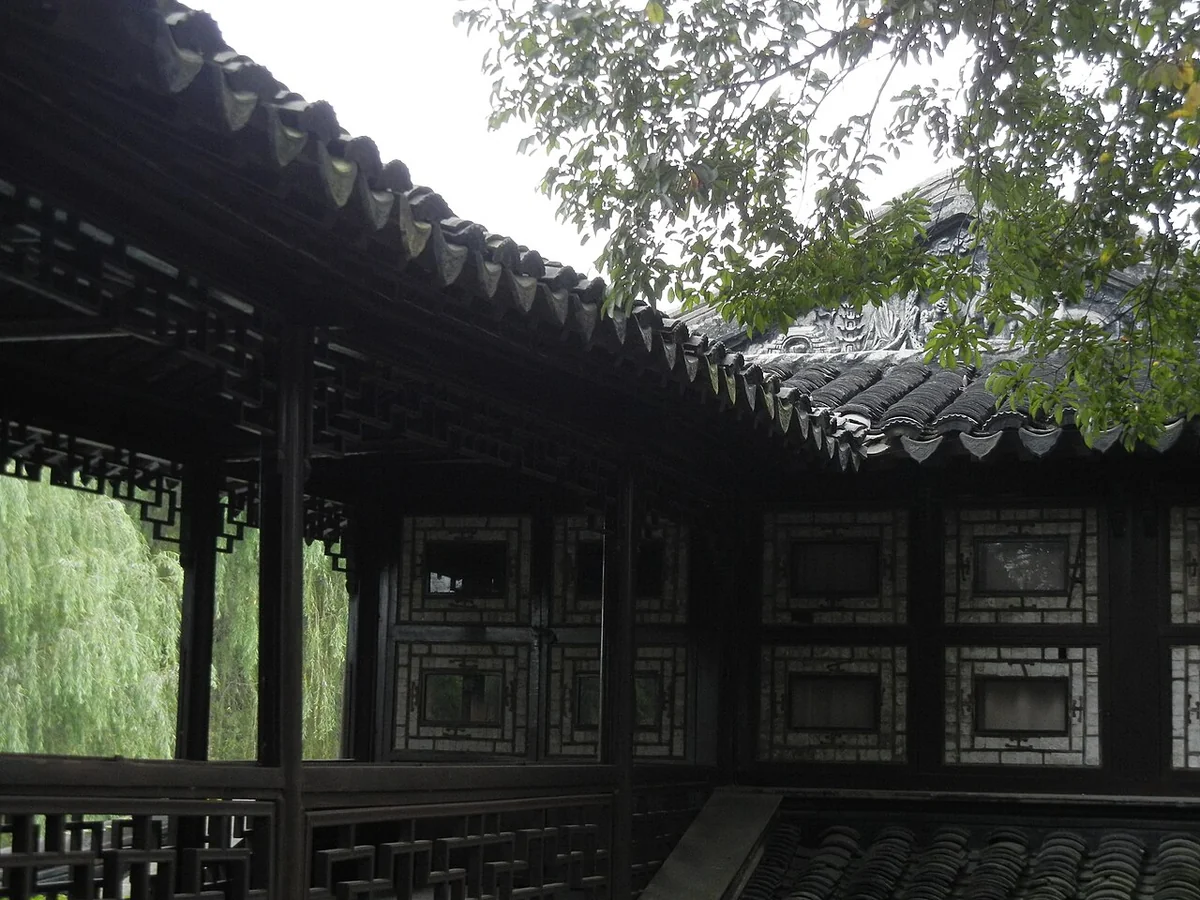
The historical trajectory of the Humble Administrator’s Garden originated during the Yuan Dynasty, when the site served as the residence and meditation hall of Daohong Temple, a major Buddhist monastery deeply influencing the spiritual life of local residents. However, the milestone officially birthing the garden’s name and structure occurred in the fourth year of the Zhengde era during the Ming Dynasty, corresponding to the year 1509 AD. Wang Xianchen, a court official who was dismissed from office and returned to his hometown in Suzhou, decided to purchase this ruined plot to construct a pastoral residence for seclusion. The name “Zhuozheng Yuan” was coined by Wang Xianchen himself based on an allusion in the essay “Idle Living” by Western Jin Dynasty scholar Pan Yue, modestly implying the garden of a foolish person engaging in politics—signifying weariness of power struggles in the feudal court and a yearning for an untainted pastoral life. Under the design guidance of the talented literati painter Wen Zhengming, a close friend of the Wang family, the garden was planned as a spatial art masterpiece harmoniously blending traditional residential architecture with simulated natural scenery.
Throughout the Ming and Qing Dynasties, the Humble Administrator’s Garden witnessed countless vicissitudes of Chinese feudal history, changing ownership across generations and continually undergoing partitions, amalgamations, and restorations of varying scales. In the early Qing Dynasty, the garden was confiscated and nationalized, changing hands multiple times among high-ranking officials such as Wu Sangui and Xu Ji. The complexity of ownership led to the garden being partitioned into several independent sections by the mid-Qing Dynasty, creating three distinct landscape zones featuring different architectural styles: the East Garden, the Central Garden, and the West Garden. It was not until the mid-19th century, during the Xianfeng and Tongzhi reigns, that these areas underwent large-scale renovations sponsored by wealthy merchants and the newly emerged literati class in Suzhou. Socio-political upheavals in the modern era, particularly the Second Sino-Japanese War and the Chinese Civil War, inflicted severe damage on the garden’s architectural structures and landscape systems, leaving many wooden buildings rotting and its ponds partially silted.
The restoration and preservation of the Humble Administrator’s Garden truly entered a new chapter following the founding of the People’s Republic of China, when central and local authorities recognized the immense historical and cultural value of this heritage. A series of architectural archaeology projects, hydraulic dredging operations, and traditional wood-material restorations were carried out throughout the second half of the 20th century in strict accordance with rigorous monument conservation principles. International recognition peaked in 1997 when the Humble Administrator’s Garden was officially inscribed on the UNESCO World Heritage list as one of the most vital components of the Classical Gardens of Suzhou architectural ensemble. This event not only affirmed the site’s outstanding universal value but also laid a solid foundation for the long-term preservation of one of the highest exemplars of Eastern landscape architectural art against the pressures of modern urbanization.
Regarding its status as a national symbol, architectural history scholars rank the Humble Administrator’s Garden among China’s four great classical gardens, alongside the Summer Palace in Beijing, the Chengde Mountain Resort, and the Lingering Garden. Unlike imperial gardens characterized by authority, symbolizing the absolute centralized power of the Son of Heaven through monumental scale and lavish building materials, the Humble Administrator’s Garden represents the pinnacle of private classical gardening created by intellectuals, feudal officials, and scholarly literati. This garden embodies the profound aesthetic philosophy of Confucianism, Taoism, and Zen Buddhism, where every corner, rockery, clump of bamboo, or window frame is meticulously calculated to create dynamic picture frames that shift with the seasons and the viewer’s perspective. The symbolism of the heritage lies in its realization of the concept of harmony between humanity and nature, where artificial spaces blend completely into indigenous nature through exceptionally sophisticated techniques of scenery borrowing and compartmentalization.
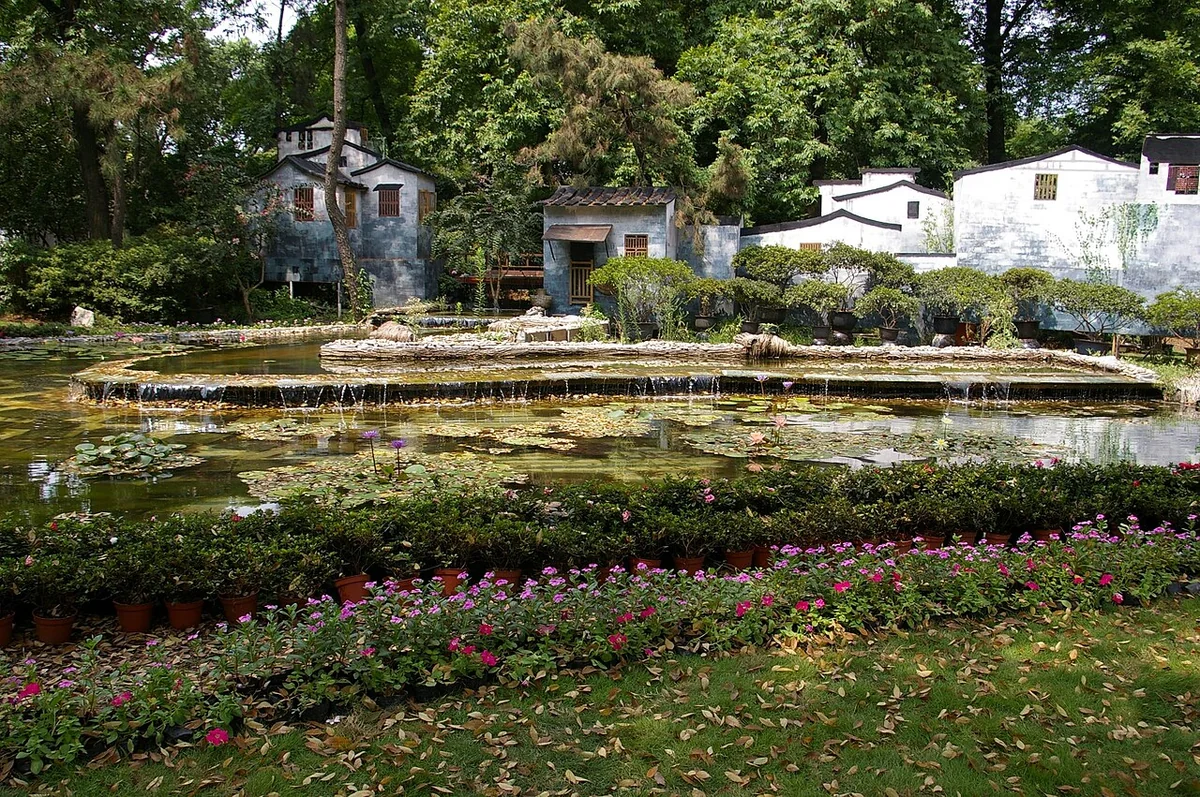
The cultural influence of the Humble Administrator’s Garden extends far beyond China’s national borders, emerging as a classic archetype for Asian landscape design and strongly inspiring numerous Western architectural movements from the 20th century to the present. The garden’s spatial layout principles—such as the contrast between static and dynamic spaces, the art of concealing and revealing scenery, and the treatment of light and shadow through winding corridor systems—have become fundamental study materials in global urban planning and landscape architecture curricula. Many countries worldwide building Chinese-style gardens in international public parks or museums model their water features and pavilions on the Humble Administrator’s Garden. Consequently, this heritage site does not merely stand as a historical witness to a bygone feudal era but continues to serve as a living entity preserving enduring philosophical, aesthetic, and traditional construction engineering values.
The Humble Administrator’s Garden, located in the northeastern section of Suzhou’s historic inner city in Jiangsu Province, China, represents the summit of private classical garden architecture and urban planning during the feudal era, particularly under the Ming and Qing Dynasties. This heritage site was initiated around the fourth year of the Zhengde reign of the Ming Dynasty, namely 1509 in the Gregorian calendar, under the design and leadership of Wang Xianchen, a court censor who retired and returned to his hometown. The geological foundation of this area belongs to the Yangtze River Delta alluvial plain, renowned for its intricate hydrological network, abundant groundwater, and soft alluvial sediment layers, which facilitate lake excavation, island creation, and the shaping of artificial ink-wash landscape systems deeply imbued with a natural spirit. With an initial overall area expanding across decades of change, the garden currently spans over five hectares, with the majority dedicated to water systems, constituting a self-contained ecological space in the heart of the ancient city.
The spatial planning philosophy of the Humble Administrator’s Garden strictly adheres to traditional Feng Shui principles, blending flexibly with Taoist and Confucian doctrines regarding human harmony with the universe. The zoning layout of the garden is clearly divided into three main sections comprising the East Garden, the Central Garden, and the West Garden, alongside the traditional residential zone situated in the south. The Central Garden is regarded as the heart and the portion preserving the most original ancient architectural styles, distinguished by a layout centered around a lake enveloped by stone terraces, winding corridors, pavilions, and magnificent rockery arrangements. The East Garden features a more liberated style with expansive lawns, dense bamboo groves, and low artificial hills, whereas the West Garden bears the distinct mark of exquisite Qing Dynasty architecture featuring sophisticated wood carvings, reflecting the cultural and aesthetic synthesis of successive owners over centuries.
Construction techniques and architectural artistry at the Humble Administrator’s Garden are manifested through the thorough application of classical landscaping techniques of traditional Chinese gardening, exemplified by “borrowed scenery” and “spatial compartmentalization.” Architectural structures such as reception halls, storied pavilions, viewing towers, and corridors are kept modest in height, typically ranging from one to two stories, featuring gray glazed tiles or traditional yin-yang tiles to ensure structural proportions remain harmonious without overwhelming the surrounding natural landscape. The extensive corridor system with intricately carved granite windows functions as dynamic picture frames; as visitors move step by step, the external natural scenery shifts perspective, creating multidimensional visual effects that render a finite space infinite and deeply philosophical.
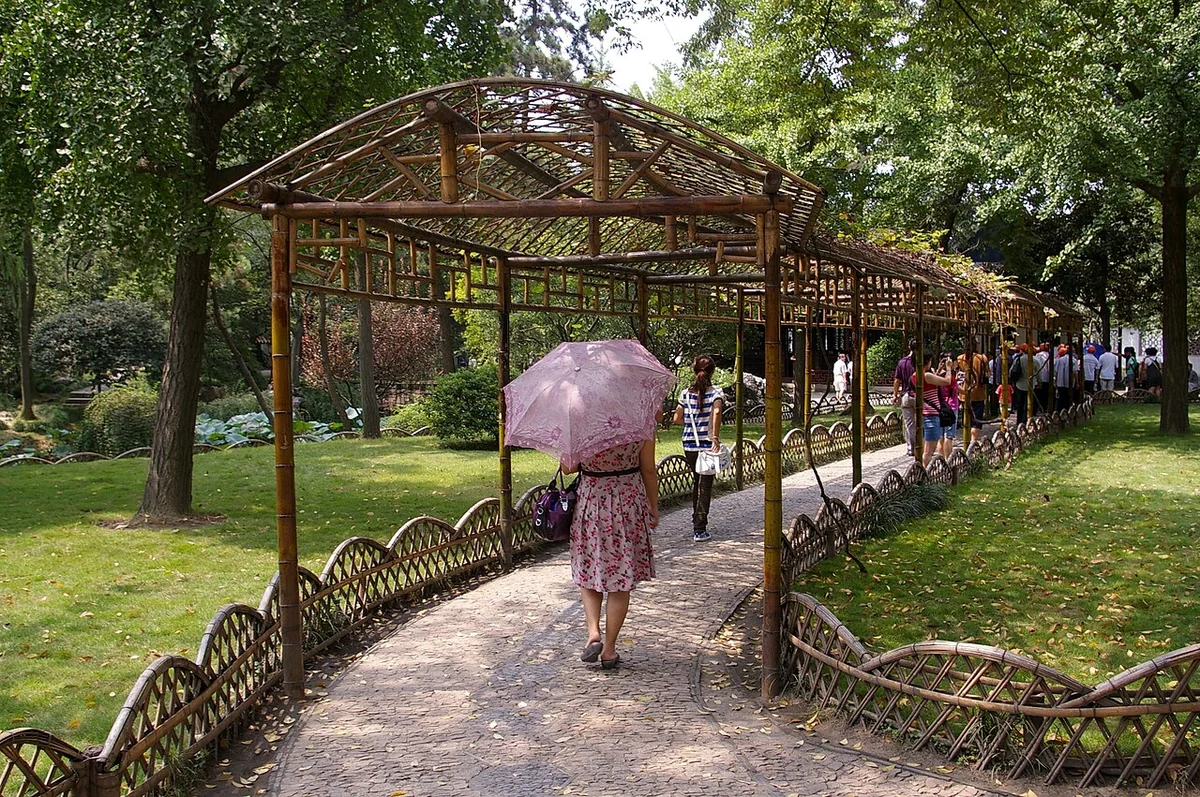
Building materials were meticulously selected, reflecting the elaborate craftsmanship and aristocratic status of successive owners, ranging from solid Phoebe zhennan and redwood columns to Taihu rocks renowned for bizarre water-eroded shapes transported from nearby lakes for arrangement. Taihu rocks serve not merely decorative purposes but function as pivotal Feng Shui elements, creating forms characterized by “leanness, transparency, perforation, and elegance” in accordance with classical aesthetic standards. Floor tiles, handcrafted from Suzhou river clay, underwent polishing and smoothing processes, combined with mortise-and-tenon wooden joinery without iron nails following traditional carpentry techniques, endowing structures with natural elasticity, high humidity resistance suited for the Jiangnan region, and sustainable endurance across centuries of historical turbulence.
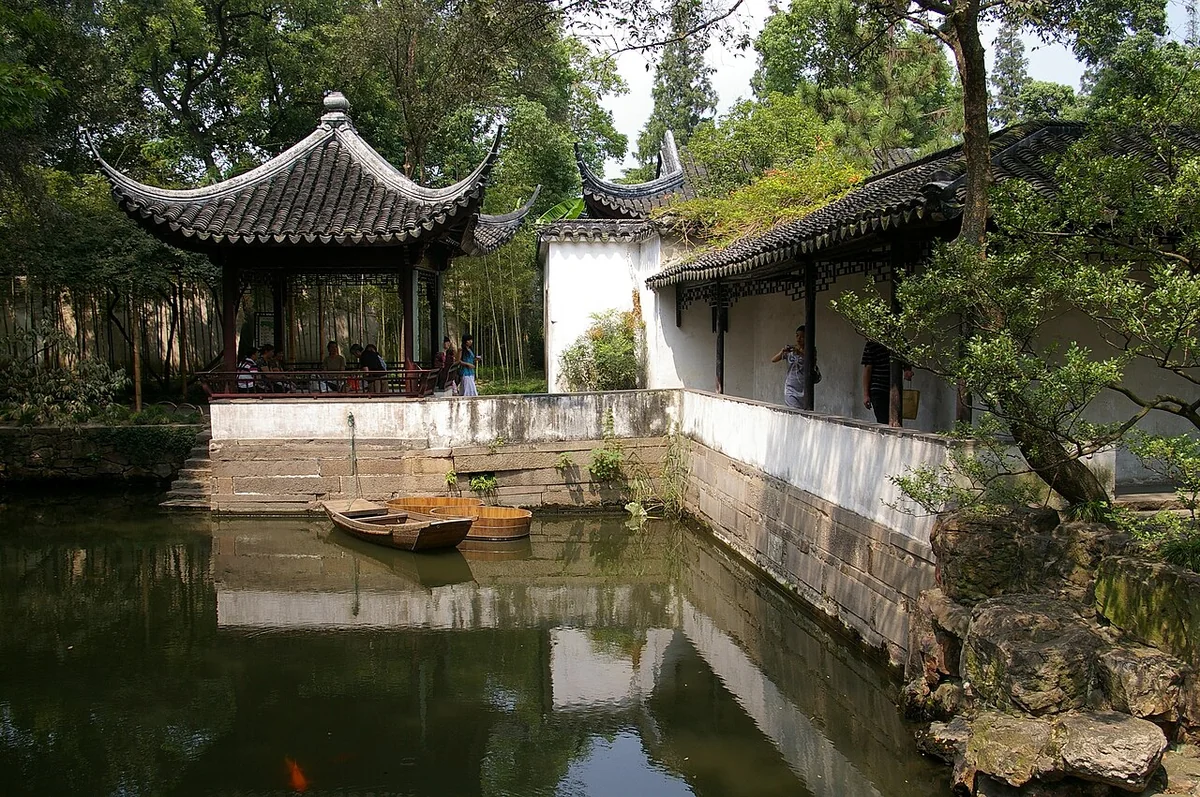
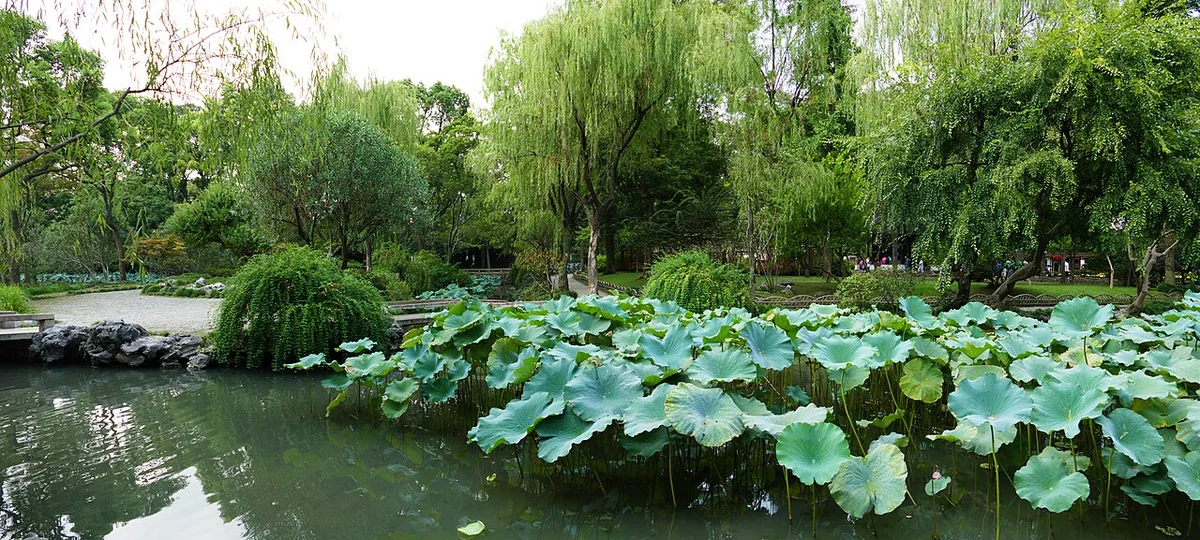
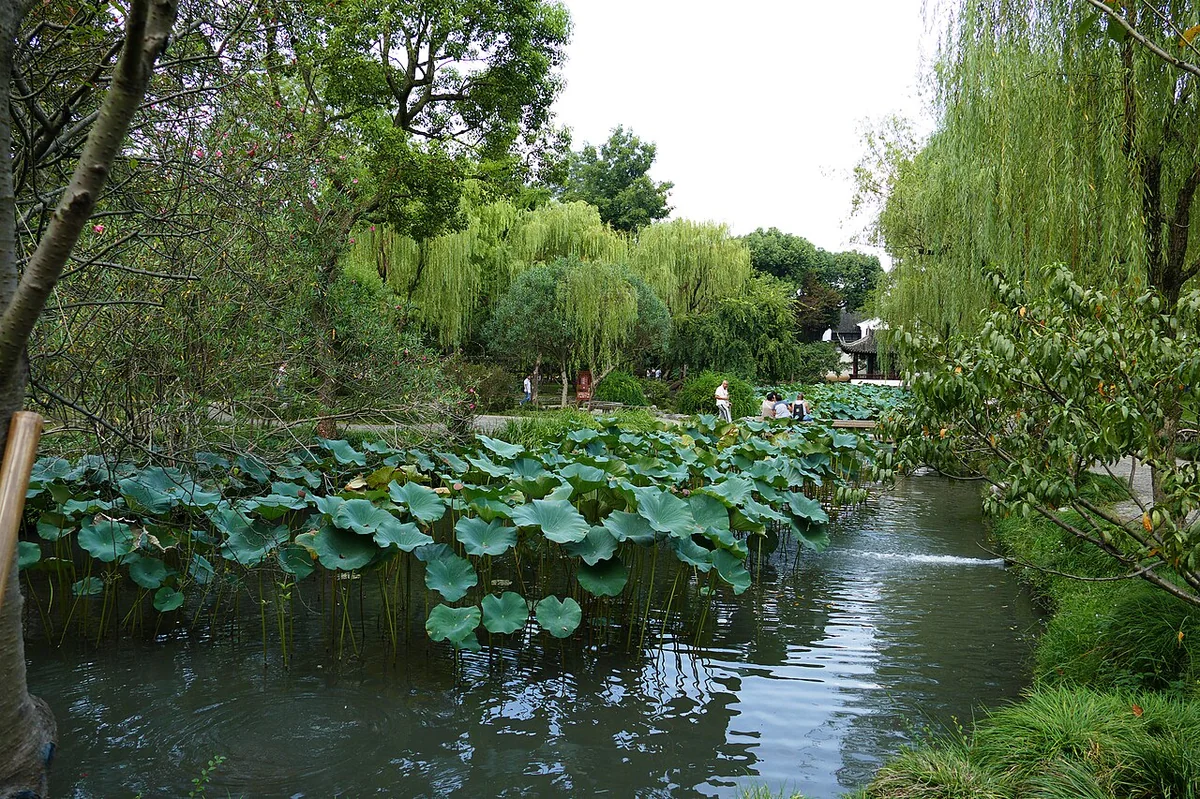
The hydrological system within the Humble Administrator’s Garden was calculated and constructed with high precision based on ancient hydraulic engineering techniques, drawing water sources from external city canals via skillfully designed underground conduits. Lake water continually maintains a slow, crystal-clear flowing current, enabling lotus and water lilies to thrive while reflecting architectural structures on the water surface, generating unique visual illusions during early mornings or sunsets. Major architectural structures such as the Yuanxiang Hall, the Distant Fragrance Hall, or the Jianshan Tower are positioned directly at the water’s edge or extend into the lake space via bluestone supporting beams, granting visitors the sensation of floating on a boat amidst fixed architecture.
Visitor capacity and spatial preservation at the Humble Administrator’s Garden in modern times necessitate rigorous technical and management solutions to balance heritage value with mass tourism pressure. Accommodating millions of visitors annually, the site management enforces strict limits on concurrent visitor numbers inside the garden to protect the foundations of ancient wooden structures and fragile vegetation. Cobblestone pathways and solid bluestone slabs are periodically reinforced to withstand heavy loads while preserving the nostalgic, moss-grown aesthetic of a UNESCO-recognized world cultural heritage.
Viewed from the perspective of global architectural history, the Humble Administrator’s Garden is not purely a retirement residence for Chinese feudal nobility but a master synthesis of spatial philosophy, construction engineering, and master crafted landscape artistry. The seamless integration of cosmic-scale master planning, sustainable material handling techniques, and fluid spatial arrangement transforms this venue into a living museum embodying the intellectual essence of Eastern feudal dynasties while bequeathing invaluable assets to contemporary human landscape architecture research.
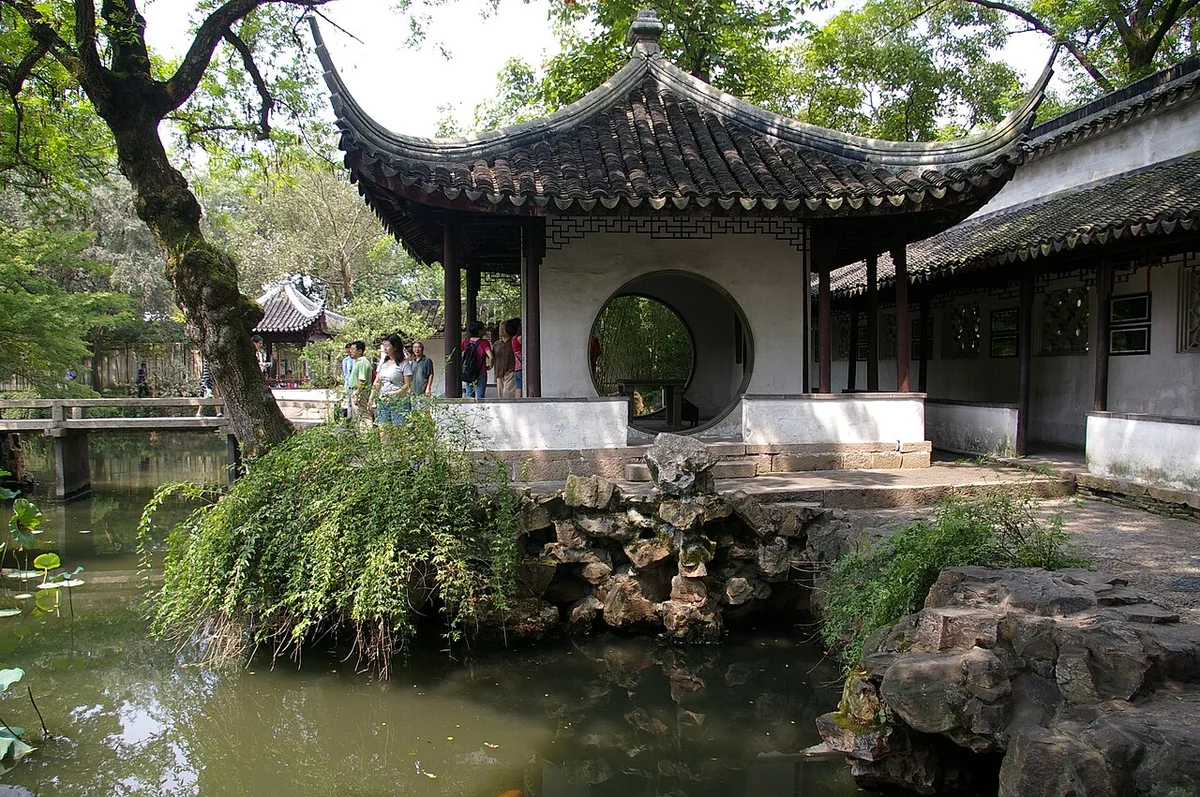
The Humble Administrator’s Garden, the premier masterpiece among classical gardens in Suzhou, Jiangsu Province, China, was initiated in 1509 during the Ming Dynasty by Wang Xianchen, a contemporary official who retired to seclusion following political ups and downs and disillusionment at court. The garden’s name stems from an allusion in the essay “Idle Living” by Western Jin Dynasty scholar Pan Yue, expressing a humble living philosophy that regards growing vegetables, watering plants, and manual labor as the tasks of the foolish and untalented yet serving as a method to preserve personal integrity in turbulent times. Surveying the overall structure of this work reveals a clear division into three main zones comprising the East Garden, the Central Garden, and the West Garden, alongside the family residential quarters in the south, constituting a sprawling architectural and landscape complex exceeding five hectares where spatial creation achieves the utmost sophistication of Feng Shui philosophy and Eastern fine arts.
The Central Garden is considered the heart and the section preserving the original architectural style of the entire garden most intact, where water surfaces occupy over sixty percent of the total spatial layout. The center of the Central Garden features an expansive lake simulating the broad scenery of legendary Taihu Lake, with winding tributaries embracing artificial rockeries and wooden architectural structures artfully arranged along the shores. The key artistic highlight here is the Distant Fragrance Hall (Yuanxiang Hall), an open-style main hall with four sides facing nature, where feudal intellectuals once gathered to enjoy the fragrance of lotus flowers emanating from the lake in summer. Architecture utilization in the Distant Fragrance Hall strictly follows the principle of borrowed scenery, enabling occupants inside to take in panoramic seasonal landscape transformations of artificial islands, green bamboo groves, and arched bridges spanning the water currents.
Venturing deeper into the Central Garden, the Little Flying Rainbow structure, designed in the shape of an ancient merchant boat, rests quietly at the water’s edge, reflecting the philosophy of drifting freedom, broad-mindedness, and the carefree spirit of wandering travelers. The architecture of this stone-and-wood boat demonstrates the proficiency of Jiangnan carpenters in combining the rigid qualities of building materials with the softness of water ripples. Surrounding this area is a network of poetic pavilions named Jianshan Pavilion and Frosty Moon Tower, where every viewing angle is meticulously calculated to generate a living ink-wash painting that shifts continuously with each step of the beholder. The landscaping technique of “floating in mist and smoke” was thoroughly applied by ancient artisans through arranging plant species with drooping foliage reaching the water surface, combined with undulating topography of gray quartz rock masses laboriously transported from nearby regions.
Shifting focus to the East Garden, the space opens up with a more expansive atmosphere, bearing strong impressions of rustic yet elegant pastoral scenery. The East Garden formerly encompassed small agricultural estates historically before being restored into part of the unified garden; hence, structures here are sparser, yielding space to lush green lawns, dense groves of ancient trees, and smaller natural-style ponds. Exemplifying this zone are the Tianquan Hall and the Hibiscus Pavilion, where carved details on beams and wooden pillars reflect motifs of spring flora and Confucian canons. Decorative art in the East Garden emphasizes simplicity, utilizing graceful lines of the Suzhou Ming-Qing architectural school to establish a perfect buffer space before encountering the breathtaking scale of central zones.
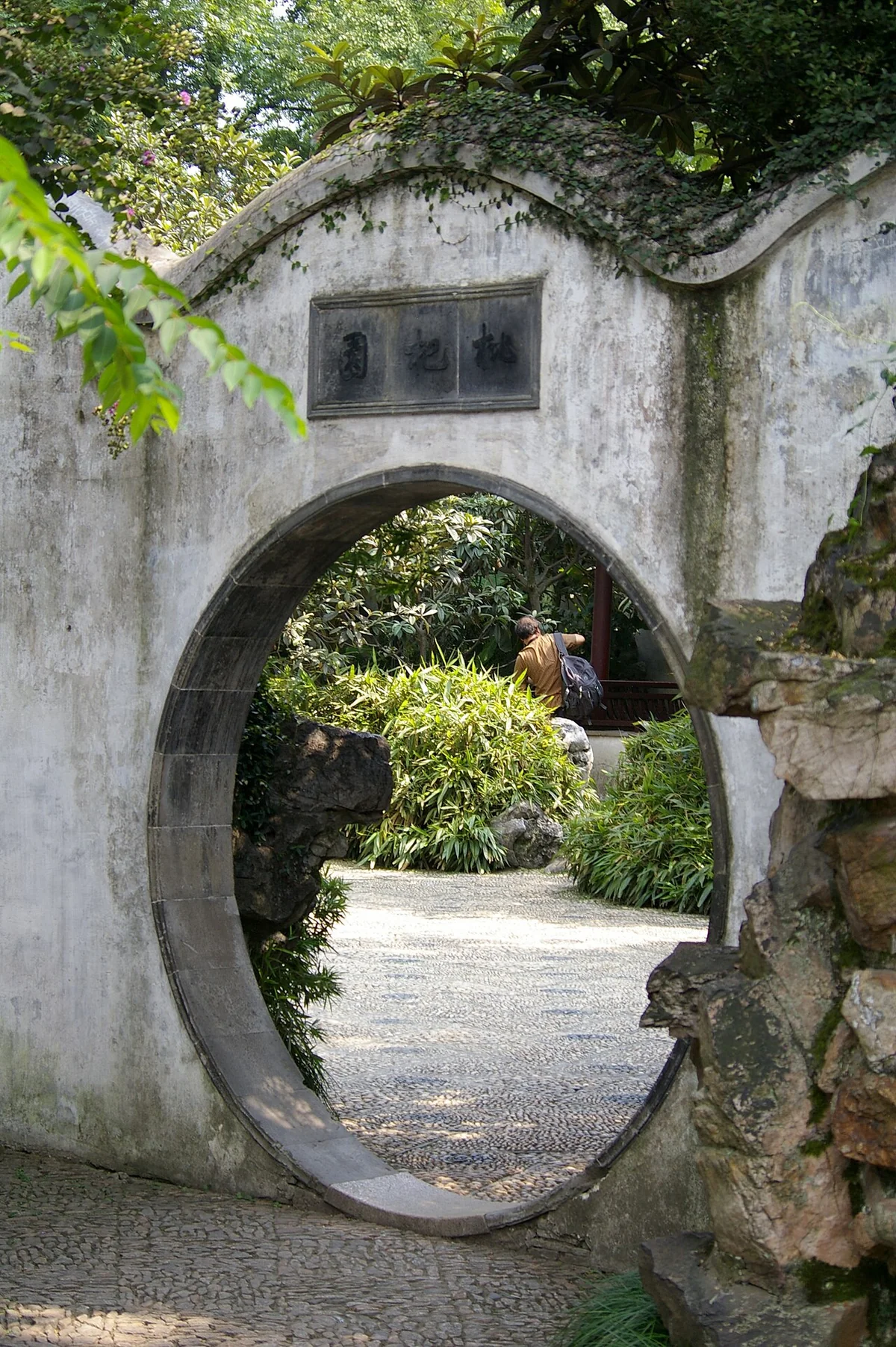
Conversely, contrasting sharply with the openness of the East Garden, the West Garden impresses strongly with dense architectural density, exquisite craftsmanship, and intricate interior decoration details, reflecting a period of prosperity under the ownership of wealthy merchants in the late Qing Dynasty. The central structure of the West Garden is the Withering Fragrance Hall (Yushuiting), notable for its moon-gate window systems and wall sections carved with bat and carp patterns symbolizing auspiciousness, wealth, and longevity. The crowning artistic feature in the West Garden is the Sanyuan Hall, preserving precious redwood and rosewood carvings showcasing the supreme craftsmanship of Jiangnan woodworkers through themes such as the Eight Immortals Crossing the Sea and Pine, Chrysanthemum, Bamboo, and Plum Blossom.
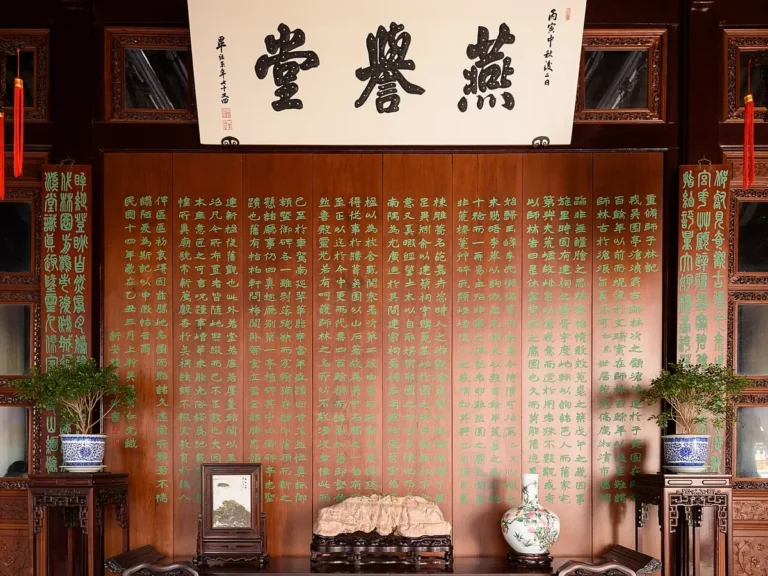
The decorative pattern systems and art objects here constitute an invaluable archaeological treasury, testifying to the pinnacle aesthetic standards of Chinese feudal literati and artisans. Natural marble screens positioned in grand halls without artificial carving perfectly replicate majestic natural landscape paintings featuring clouds swirling around stone peaks, regarded by ancients as the harmony between creation and human intent. Molded wall cornices, floor tile patterns shaped like ancient coins or lotus flowers carry profound symbolic layers regarding Feng Shui, praying for peace, prosperity, and lineage longevity. Notably, horizontal inscribed boards and antithetical couplets hung across rooms throughout the Humble Administrator’s Garden bear the calligraphy of renowned masters across dynasties, transforming this venue into a miniature art museum of Chinese characters amidst natural surroundings.
Delving deeper into philosophical and spiritual dimensions, the Humble Administrator’s Garden serves as a vivid manifestation of Taoist thought regarding non-action and absolute harmony between humanity and nature, while containing profound Zen Buddhist contemplations on emptiness and the impermanent flux of all things. Garden spaces are designed following the principle of “every step opens a new scene,” meaning each stride reveals an unveiling vista, with enclosed and open spaces alternating continuously through perforated terracotta window walls featuring hundreds of distinct geometric patterns. A person standing in a corridor can look through a window to spot a blossoming plum branch against gray stone or observe their reflection rippling in the tranquil water below, thereby evoking the shedding of stray thoughts and the recovery of inner purity in accordance with ancient sages’ ethos.
Surviving centuries of historical shifts, through numerous restorations and ownership changes ranging from noble clans to imperial scholars, the Humble Administrator’s Garden retains the core value of traditional Chinese classical garden architecture. This work has been recognized by UNESCO as a World Cultural Heritage site as indisputable proof of boundless human creative talent in modifying living environments into artworks of profound cultural depth and sublime humanistic philosophy. Diligent study of each sub-division, shrine, artifact, and decorative motif here not only illuminates Ming-Qing construction techniques but opens profound perspectives regarding the worldview and outlook on life of Chinese feudal intellectuals seeking inner freedom amidst turbulent urban settings.
The Humble Administrator’s Garden in Suzhou, Jiangsu, China, initiated during the sixteenth-century Ming Dynasty by court official Wang Xianchen, is not merely a sculpture of static space but a fluid biological entity moving with the rhythms of heaven and earth. Through centuries of historical flux, this garden maintains an intensive indigenous daily rhythm where daily lives of plants, water, light, and humans meld into a sophisticated cultural ecosystem. To fully comprehend the essence of this landscape architectural masterpiece, observing temporal transitions through daily moments unlocks the depth of traditional Eastern history and aesthetics. The garden’s dawn begins as morning mist lingers over the waters of the large eastern lake, where moisture condenses into dewdrops resting on giant lotus leaves. As the first sun rays pierce bamboo leaf canopies, illuminating flower walls and grazing delicate carvings on circular windows, the space awakens to migratory birds returning to nest within the diverse plant ecosystem. Garden supervisors and landscape caretakers appear early, pruning branches and dredging small streams channeling water from the main lake into artificial rills following old Qing Dynasty blueprints. The sound of rippling water coupled with gentle bamboo broom sweeps on cobblestone paths creates a meditative morning acoustic unique to dawn, awakening the expansive spatial structure designed upon Daoist philosophy regarding Yin-Yang equilibrium.
As noon approaches, activity rhythms at the Humble Administrator’s Garden shift into a somber yet vibrant state driven by cultural researchers, scholars, and visitors worldwide. Midday sunlight beats down perpendicularly on water surfaces, turning ponds into giant mirrors reflecting deep azure skies and zig-zagging corridor structures, establishing complex layered visual effects that classical garden designers termed scenery within scenery. Beneath the shade of ancient pine trees and double-eaved pavilions with upward-curving tiled roofs, traditional performance arts are discreetly staged to recreate the spiritual life of ancient Jiangnan aristocracy. Pipa and Guqin melodies resonate from the Hibiscus Studio, blending with wind whispers through willow branches skirting the lake, generating pristine auditory experiences recalling the golden age of Ming poetry. Local tea masters execute Longjing or Biluochun tea brewing rituals inside open rooms facing the lake, where travelers slowly savor pure leaf flavors cultivated on hills near Suzhou. Interaction between modern humanity and ancient space unfolds naturally without coercion, as footsteps traversing winding corridors adhere to unhurried tempos so as not to disrupt centuries-old tranquility.
Falling afternoons bring vibrant twilight hues, the moment when the Humble Administrator’s Garden fully reveals the command of perspective and natural sunlight management. Late golden-orange sunlight stretches across moss-covered gray walls, accentuating intricate wooden carvings on beams and window frames. Lake waters turn deeper shades, reflecting pink cloud patches across western skies, erasing boundaries between reality and illusions crafted by designers. This serves as the ideal hour to stand at Jianshan Tower, a premier viewing spot across the garden, where vistas expand over the central zone featuring rockeries simulating famous mountain peaks. From this elevated post, observers behold ingenious arrangements of grand and petty architectural clusters, from winding stone bridge arches to floating pavilions, all governed by traditional Chinese gardening aesthetics of “finite yet boundless.” As darkness swallows shaded corners, artistic lighting turns on subtly, h
Suzhou has long established its status as one of Jiangnan’s most exquisite culinary cradles, where dietary philosophy thoroughly merges with ecological landscape appreciation. Surrounding the Humble Administrator’s Garden, gastronomy is not merely local produce accumulation but the outcome of culinary knowledge accumulated across Chinese dynasties. When intellectuals and retired officials retired to these prestigious gardens, they brought stringent aesthetic standards to dining tables, transforming eating into a cultural ritual symbolizing harmony between humanity and nature. Suzhou’s terrain, with dense canal networks, abundant freshwater from Taihu Lake, and tributary rivers, provides rich aquatic resources, anchoring Huaiyang and Suzhou culinary traditions.
Cooking techniques in traditional gastronomy near the Humble Administrator’s Garden prioritize nature-following principles, honoring raw ingredient flavors across seasonal shifts. Suzhou chefs excel in meticulous ingredient selection, from tender water chestnuts and crisp lotus shoots to bream and crucian carp caught directly from freshwater wetlands. Cooking techniques demand maximum patience, employing braising, simmering, or steaming methods to preserve nutrients and tenderness. Unlike Sichuan spiciness or northern saltiness, Suzhou cuisine favors subtle, naturally sweet flavors from bone broths or fresh shrimp and fish. Balance among color, aroma, and taste is calculated directly, reflecting universal harmony concepts of ancient scholars where dishes represent micro-universes.
Each passing season is marked by distinctive culinary symbols tied to natural crop cycles. Spring brings dishes crafted from bamboo shoots combined with braised pork belly in Suzhou style. Summer offers refreshing flavors from fresh lotus seeds and stuffed sticky-rice lotus roots steamed with rock sugar, offering relief amid sultry summer afternoons. Autumn introduces Taihu Lake hairy crabs boasting rich roe and firm flesh, paired with aged ginger vinegar. Winter features crucian carp hotpots simmered with soft tofu and napa cabbage, providing warmth amid quiet cold days.
Along the axes of the Humble Administrator’s Garden, historic streets like Pingjiang Road and Shiquan Street preserve traditional eateries dating back centuries. Walking down granite stone alleys reveals pastry shops selling pork-fat pastries, street stalls frying stinky tofu, or bowls of noodles served with sweet river shrimp broth. Suzhou noodles represent culinary precision; handmade noodles use premium flour, cooked to chewy perfection, paired with
To fully penetrate the spatial structure of the Humble Administrator’s Garden, a masterpiece of Ming-era landscape art in Suzhou, comprehending temporal dimensions, transportation infrastructure, and practical guidelines is a prerequisite for scholars and travelers. This architectural ensemble sits at No. 178 Dongyuan Street, Gusu District, Suzhou City, Jiangsu Province, China. This historic central location places the heritage within a developed urban transit network, rendering access highly convenient through modern public transport options. Suzhou Metro systems serve as the backbone for passenger transport from central stations to the site surroundings. Metro Line 4 serves as the main artery, bringing visitors to Beitasita Station, from which a stroll through ancient streets bearing Jiangnan architectural traits leads directly to the garden gates. Additionally, public bus networks featuring routes 178, 202, 502, alongside tourist shuttle route 5, provide stops directly adjacent to the main gates, connecting directly to Suzhou Railway Station and other key urban points. For travelers prioritizing scheduling flexibility, traditional taxis or ride-hailing apps are readily available, though heavy traffic congestion during peak hours or major festivals around the old town should be anticipated.
Choosing departure seasons profoundly impacts visual experience quality and spatial perception within the Humble Administrator’s Garden. Suzhou features a subtropical monsoon climate, experiencing four distinct seasons with unique ecological characteristics affecting garden vegetation. Spring (March to May) witnesses nature’s awakening with azaleas, camellias, and ancient peonies blooming along winding corridors and calm lakes. This represents the ideal window for studying landscape composition when weather is mild and soft daylight creates photographic vistas through floral window frames. Summer (June to August) brings sultry weather typical of the lower Yangtze basin, yet peaks as lotus season. Thousands of pink and white lotus flowers cover central and western waters, mirroring ink-wash paintings, though high visitor volumes and temperatures prevail. Autumn (September to November) brings dramatic foliage shifts as maples, parasols, and sweet gum trees turn golden and red, accompanied by fragrant osmanthus blossoms filling the gardens on crisp afternoons. Winter (December to February) brings absolute tranquility; rare snowfalls whitening yin-yang tiled roofs and rockeries evoke monochrome ink-wash paintings suited for contemplating Daoist and Buddhist philosophies embedded in architecture.
Regarding daily timeframes, managing visit pacing requires careful calculation to avoid congestion peaks. Gates open at 7:30 AM and close at 5:00 PM daily, with peak crowds congregating between 9:00 AM and 2:00 PM. The 7:30 AM to 9:00 AM window represents the golden hour to experience original tranquility, when morning mist lingers over waters and bird songs echo through bamboo groves. Early morning sunlight slanting through floral walls and wooden verandas creates deep contrasts, aiding spatial appreciation without noise distractions. Late afternoons past 4:00 PM witness receding crowds, plunging spaces into twilight with slanting sunset rays casting over historic structures, evoking profound nostalgia regarding historical vicissitudes.
Clothing and personal gear selection relies on the complex terrain of the Humble Administrator’s Garden, combining uneven stone steps, flat wooden verandas, arched stone bridges, and gravel paths. Flat shoes or supportive walking sneakers are recommended for safety on wet surfaces near water or steep tower climbs. Attire should be polite, modest, and season-appropriate with warm coats in winter and wide-brimmed hats, umbrellas, and sun protection in summer. Personal drinking water is permitted, while strict littering prohibitions and bans on food inside ancient exhibition rooms protect heritage integrity. Maintaining decorum and avoiding crowding in narrow corridors ensures respect for a UNESCO World Heritage site.
Ticketing management at the Humble Administrator’s Garden implements strict digitization to control visitor inflows exceeding ecological capacities. Visitors must book tickets in advance via official online platforms using international passports, avoiding on-site counter purchases during peak days due to severe ticket caps. Exact visiting slots must be respected; tardiness invalidates entry without refunds. Passports matching digital reservations must be presented at security checkpoints. Heritage protection regulations strictly prohibit touching ancient wood structures, artifacts, wall carving, littering, flower picking, or flash photography inside dark rooms. Smoking is banned inside garden grounds and restricted to designated zones outside gates. These standards maintain security and convey respect for a world-class cultural landscape.
To fully experience this journey alongside a local guide, you may reference the Beijing – Suzhou – Hangzhou – Wuzhen – Shanghai Tour featuring a pre-arranged itinerary.