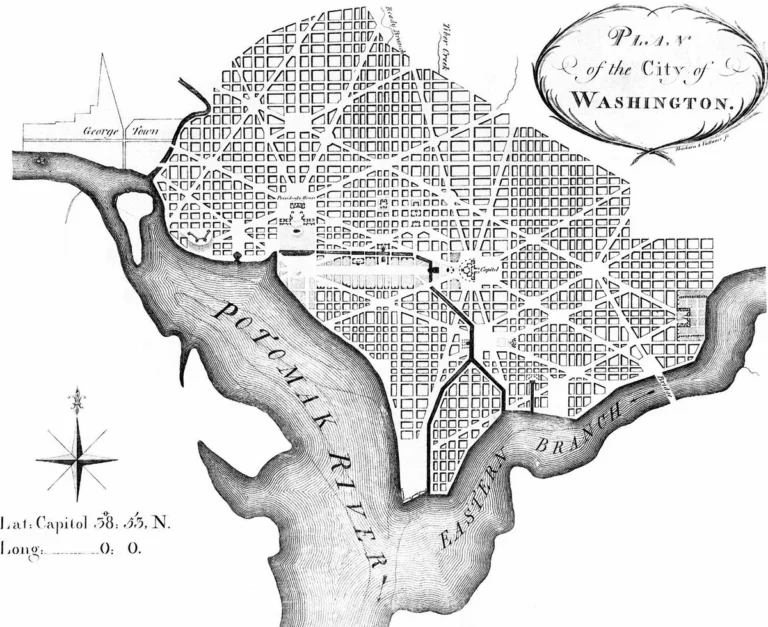
The idea of creating a grand, tranquil, and large-scale natural space right in the heart of bustling Manhattan first germinated in the early 1840s, amidst a backdrop where New York City’s breakneck urbanization threatened to choke off all breathing room for the community. Before this vast expanse of land was officially approved in 1853 with an initial area of approximately 778 acres (equivalent to 315 hectares), intellectuals, poets, newspaper editors, and visionary planners repeatedly urged the city government to forge a green wonder akin to London’s Hyde Park or Paris’s Bois de Boulogne. The historical turning point shaping the face of modern Manhattan occurred in 1858, when the talented landscape architect duo Frederick Law Olmsted and Calvert Vaux successfully outperformed numerous formidable competitors to win the park design competition with a revolutionary blueprint entitled the Greensward Plan. This design was not merely an arrangement of greenery, but a romantic landscape art masterpiece that perfectly combined natural terrain with sophisticated geometric planning, establishing a simulated wild nature ecosystem strictly controlled by cutting-edge construction engineering of the era.
Construction commenced in 1857, demanding immense, costly, and exceedingly complex earthmoving and terrain reclamation efforts unprecedented in nineteenth-century infrastructure engineering history. The original topography of this area consisted of swampy wetlands, rugged exposed granite outcrops, barren mounds, and dilapidated settlements. To transform this locale into a landscape wonder, millions of cubic yards of earth and stone had to be excavated, relocated, and hundreds of thousands of trees and shrubs spanning hundreds of plant species were transported and newly planted. Land clearance also entailed profound social upheavals, including the clearing of existing structures and settlements through the state’s eminent domain power, the most prominent and controversial of which was the erasure of the free Black settlement known as Seneca Village, which had once been a prosperous community boasting its own homes, churches, and school. The first sections of the park officially opened to the public in late 1858, offering New Yorkers a completely novel visual and tactile experience amidst an industrial metropolis undergoing rapid transformation.
Immediately following these initial pioneering steps, the project continued to expand its scale by acquiring additional land funds at the northern extremity in 1859, extending the park boundaries all the way to the north, and the entire mega-project was officially completed in 1876 after nearly two decades of continuous construction. In terms of practical scale parameters, Central Park spans a colossal area of up to 843 acres, equivalent to approximately 341 hectares, holding the rank of the sixth-largest urban park within New York City’s entire green space system, while remaining the most heavily visited park in the United States with an estimated 42 million annual visitors as of statistical records in 2016. Regarding operational and managerial methodologies, the park is under the absolute ownership of the New York City Department of Parks and Recreation, but from 1998 to the present day, operations, maintenance, and developmental strategies have been entrusted to the Central Park Conservancy through a globally exemplary public-private partnership agreement. This non-profit organization plays the role of establishing annual operational budgets, mobilizing socialized funding, and bearing comprehensive responsibility for tending every lawn, preserving the ecosystem, and restoring historical architectural structures.
Through the vicissitudes of urban history, Central Park has witnessed numerous profound chapters of upheaval, ranging from a period of decline and neglect in the early twentieth century due to shifts in community management philosophy, down to a vigorous overhaul and cleansing campaign under the iron hand of parks commissioner Robert Moses in the 1930s, who injected fresh vitality by adding numerous sports fields, pathways, and modern recreational facilities. However, the park once again plunged into an era of severe recession and serious degradation in the late twentieth century, when crime, pollution, and landscape damage threatened the survival of the heritage. A redemptive turning point emerged in 1980 with the establishment of the Central Park Conservancy, initiating a comprehensive restoration of every corner of the park, rehabilitating plant communities, embellishing the lake system, walkways, and architecture, returning this wonder to its inherent golden-age splendor. Thanks to these priceless historical, architectural, and cultural values, Central Park was honored by the United States government as a National Historic Landmark in 1963 and was further designated as a city-level scenic landmark in 1974.
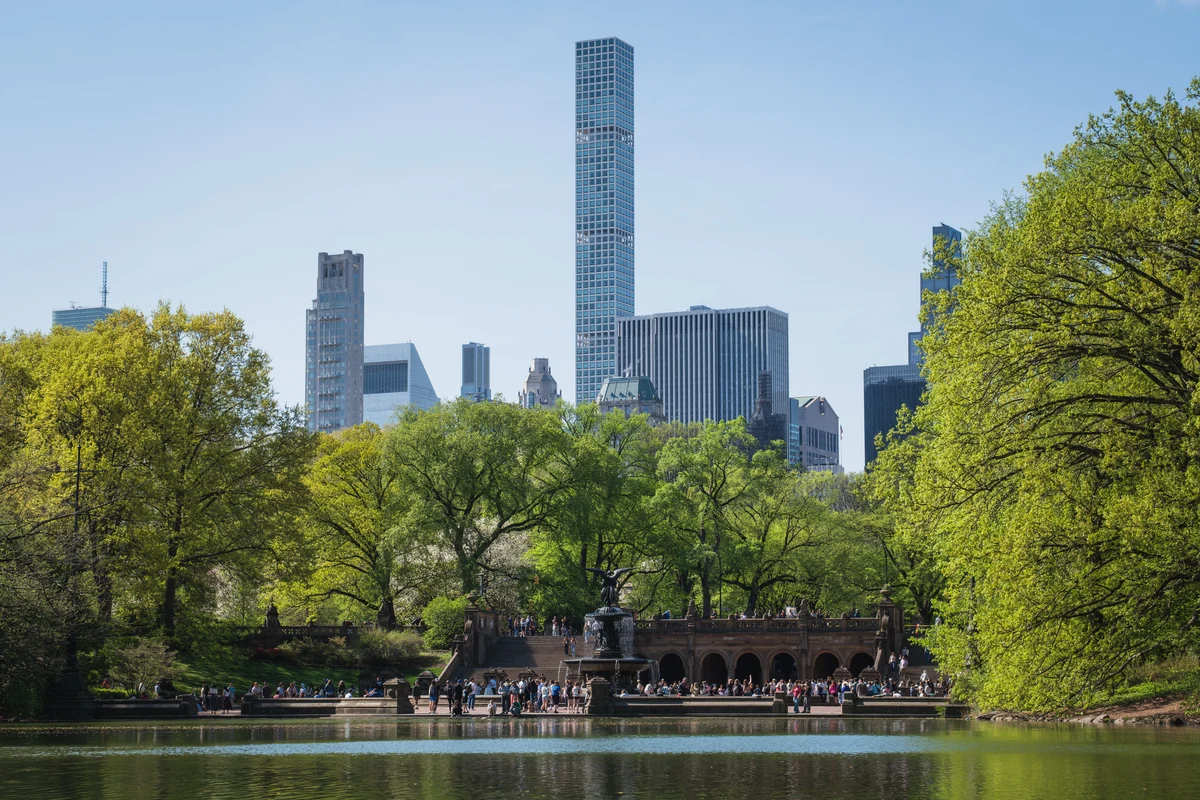
The singularity in construction engineering and architectural planning of Central Park is further manifested through its subterranean transportation system and focal works imbued with Renaissance and Gothic artistic imprints, most prominently the Bethesda Terrace area and the Bethesda Fountain overlooking the southern shore of The Lake. The fountain with its legendary statue “Angel of the Waters” sits at the center of the plaza, serving as a symbol of purification and peace. The architecture of Bethesda Terrace is linked by two spatial tiers unified through grand granite staircases and intricate arched passageways running beneath Terrace Drive, establishing a flawless multi-tier traffic flow that completely separates leisurely pedestrians enjoying the scenery from motorized vehicular traffic cutting across the park on the upper tier. Construction materials employed here also comprised rare natural stones of the period, including New Brunswick sandstone featuring a distinctive olive-yellow hue for the carved walls, harder stone layers at the capitals, and Roman brick laid in a herringbone pattern exceptionally durable across the years.
The journey of exploring Central Park through its scale parameters and architectural structures not only yields historical research value but also awakens all senses of the traveler upon setting foot there. The cacophony of roaring vehicular traffic on the outer edges of Manhattan suddenly recedes, yielding to the melodic birdsong from artificial forests such as The Ramble or Hallett Nature Sanctuary, the rustling wind through ancient elm rows along Central Park Mall, and the gurgling stream sounds from meticulously crafted artificial waterfalls. Morning sunlight streams through dense foliage, casting shimmering light streaks across the waters of the Jacqueline Kennedy Onassis Reservoir, where thousands of runners daily enjoy the pristine atmosphere. From lush green lawns like Sheep Meadow to the bustling Wollman Rink ice skating rink, from the archaic Central Park Carousel to the Delacorte Theater outdoor stage, all combine into a consummate synthesis of nature and architecture, testifying to the timeless vision of nineteenth-century planners and the relentless preservation dedication of generations of New Yorkers.
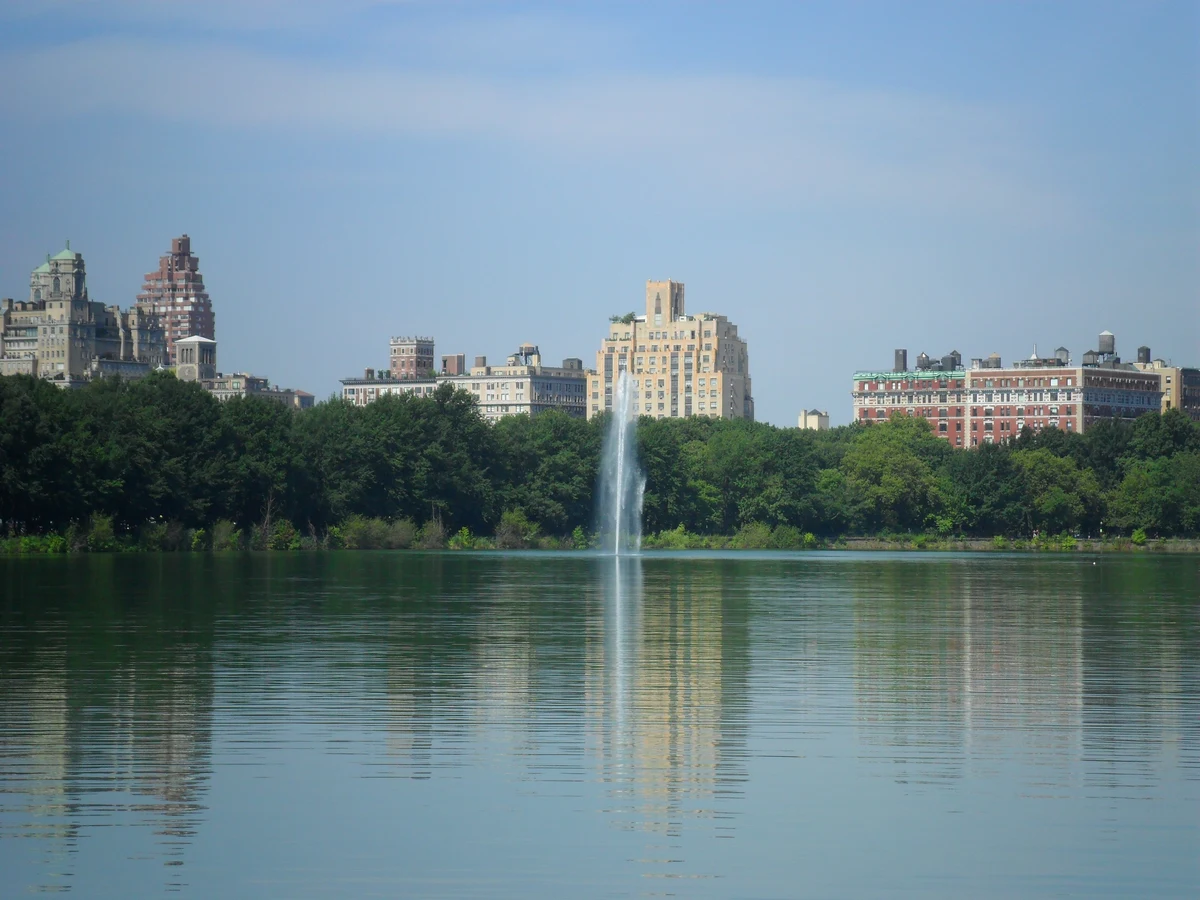
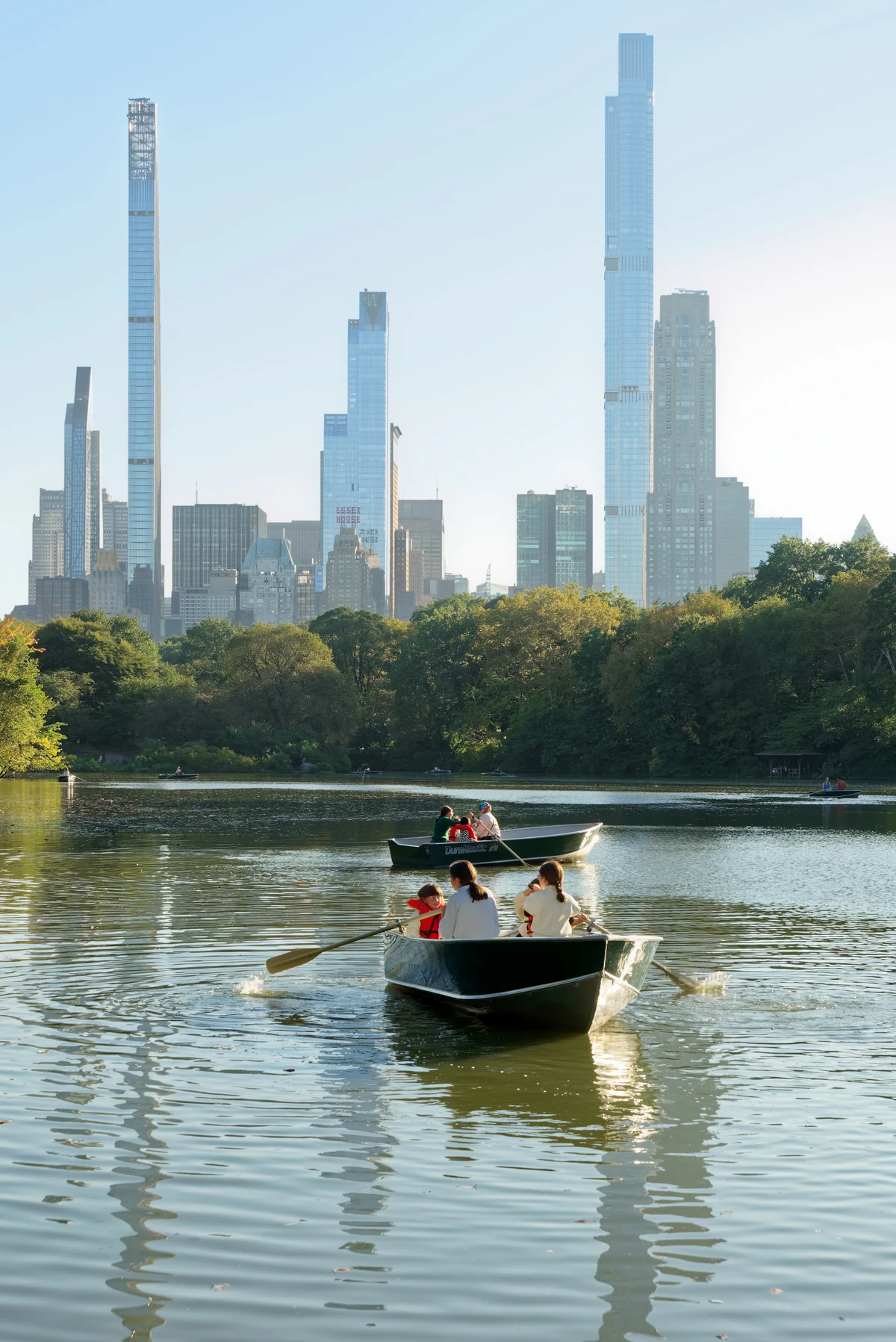
The vast green oasis of Central Park stretches between the magnificent skyscrapers of Manhattan
Amidst bustling and continuously moving Manhattan, where modern life pressures sometimes generate suffocating stress, Central Park emerges as a serene oasis, an urban landscape masterpiece forged from the timeless vision of two talented architects, Frederick Law Olmsted and Calvert Vaux. Spanning over a century and a half of formation and development since their “Greensward Plan” triumphed over multiple rivals to win in 1858, this park is not purely a massive artificial green patch spanning 843 acres (341 hectares) nestled between the Upper West Side and Upper East Side, but equally a vibrant cultural space where nature’s heartbeat blends harmoniously with the dynamic pulse of millions of New York residents and global visitors. Walking across the winding trails of the park, one feels lost in another spatial dimension where time seems to slow down, making way for the purest and most profound sensory experiences.
Sensory experiences at Central Park originate from rustic yet poetic elements, awakening every emotional cell of far-flung travelers and locals bonded for life to the city. From the very first footsteps touching the tree-lined paths, visitors clearly perceive the magical transformation of the four seasons through the fragrance of flora and moist earth. In spring, the sweet scent of blooming cherry blossoms and crabapples weaves through the chilly breeze; summer carries the fragrant aroma of protecting oak and ancient elm canopies shielding the ground beneath; autumn dyes the entire space in brilliant hues of fallen maple leaves carpeting the trails, blending with the nostalgic scent of seasonal transition; and when winter arrives, biting coldness hints at the taste of ice and snow on the lake surface, transforming this location into a breathtakingly tranquil and solemn natural scene. Accompanying the return of fragrances is a multicolored sonic symphony: cheerful ringing bells from horse-drawn carriages moving rhythmically on asphalt roads, gurgling water streams from archaic fountains, melodic birdsong from an exceptionally rich biological ecosystem boasting hundreds of flora and fauna species, and notably soulful violin notes or rustic guitar melodies emitted by talented street artists hiding beneath classic architectural arches.
The architectural space at Central Park functions as a connective adhesive linking humanity to the city’s historical and artistic depth, among which Bethesda Terrace and Fountain stand as the most eloquent and majestic testimony. Looking down toward the southern shore of The Lake, the two architectural tiers of Bethesda Terrace are linked by grandiose stone staircases, guiding crowds through a secondary pathway running beneath Terrace Drive heading southward toward Central Park Mall and the Naumburg Bandshell at the park’s center. The upper tier embraces 72nd Street Cross Drive, while the lower tier opens an airy expanse serving as an observatory par excellence to admire the tranquil lake surface. What creates the singular aesthetic value of this structure is the specific mustard-yellow New Brunswick sandstone meticulously carved, combined with sturdy granite steps and Roman bricks laid in extremely intricate herringbone patterns. Standing at the center of that terrace, the statue “Angel of the Waters” proudly reigns atop the fountain, not purely signifying the celebration of the city’s first clean water system brought via Croton in 1842, but equally representing purification, peace, and compassion in the heart of a flourishing metropolis.
Practical perspective of distinctive architecture and landscapes at Central Park, New York (Illustration 6)
Besides tranquil architectural and landscape values, life at Central Park glitters through countless recreational and communal activities, vividly reflecting the free and liberal lifestyle of New Yorkers. Visitors coming here can choose to explore the park via various archaic and modern methods, from leisurely sitting in traditional horse-drawn carriages evoking the 19th century, renting tandem bicycles cruising winding routes beneath tree shade, to strolling along Central Park Mall—the largest and sole remaining American elm-lined avenue in the park. On pleasant afternoons, expansive lawns like Sheep Meadow become ideal rendezvous points for thousands of citizens gathering to sunbathe, read books, play guitars, or enjoy gentle picnics. Meanwhile, fitness enthusiasts can fully leverage the running track system around the Jacqueline Kennedy Onassis Reservoir or participate in outdoor sports activities within methodically zoned areas, establishing a dynamic, healthy, and vibrant atmosphere.
When night falls or during special seasonal transitions, Central Park transforms into a world-class outdoor performing arts stage where popular culture and classical art strongly intersect. Most prominent within this cultural-artistic event series is the Shakespeare in the Park dramatic program taking place at the Delacorte Theater, an irreplaceable summer cultural rendezvous for New Yorkers. Annually, tens of thousands line up from early morning hoping to secure free tickets to enjoy classic plays by master playwright Shakespeare beneath a star-filled night sky, with the backdrop of the archaic, brilliantly illuminated Belvedere Castle. This experience is not simply watching a play, but immersing in a longstanding communal cultural ritual where all divides of wealth, class, or ethnicity are erased by a shared love for art. Furthermore, outdoor summer concerts, classical music performances from renowned artists at the Naumburg Bandshell, or cheerful laughter echoing around the historic 1871 Central Park Carousel with its intricate hand-carved wooden merry-go-round circles further complete and color this picturesque daily life.
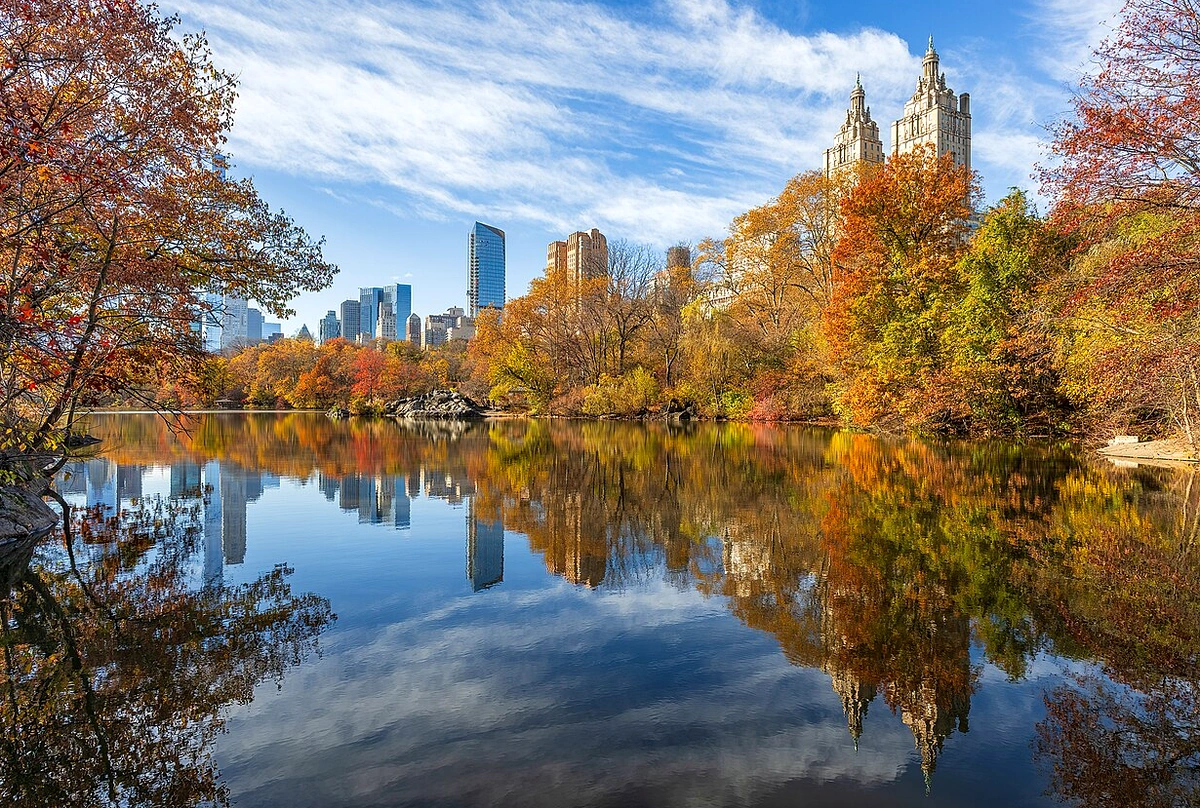
Viewed from urban research and international tourism perspectives, Central Park’s allure does not purely reside in its 843-acre scale or prime Manhattan location, but equally in how this space reconciles pristine nature with subtle human interventions. Road and pedestrian pathway networks scientifically divided into dedicated lanes for walkers, cyclists, and carriages ensure absolute safety while maintaining order for tens of millions of visiting tourists annually. The historical management transition from municipal government to the non-profit Central Park Conservancy in 1998 established a model public-private partnership, securing stable operating budgets to embellish, preserve, and tend every tree, blade of grass, and architectural stone block. Consequently, every nook and cranny of the park retains its pristine beauty that once enchanted Hollywood filmmakers, turning this location into one of the most filmed places worldwide, preserving humanity’s classic cinematic frames across generations.
Practical perspective of distinctive architecture and landscapes at Central Park, New York (Illustration 7)
Through various historical epochs, from initial land disputes during the 19th-century clearance of the African American settlement Seneca Village, through early 20th-century decline to the robust revival under Robert Moses and later the Central Park Conservancy, the park has valiantly stood firm as an immortal symbol of New York City. For international travelers, stepping foot in Central Park is not only visiting a National Historic Landmark recognized since 1963, but directly experiencing New York’s true heartbeat—a perfect blend of elite financial metropolis hustle and human spiritual tranquility upon returning to nature. Here, every step is a story, every view is an artwork, and every passing moment leaves travelers with lingering poignant echoes of a vibrant, heroic, and deeply humane living space.
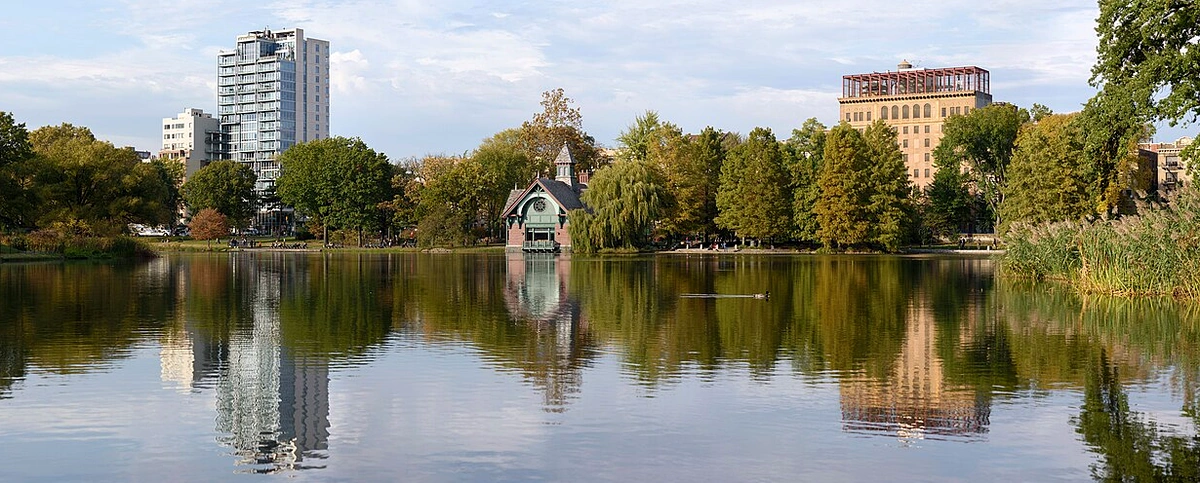
The Bethesda Fountain structure and neoclassical double archway
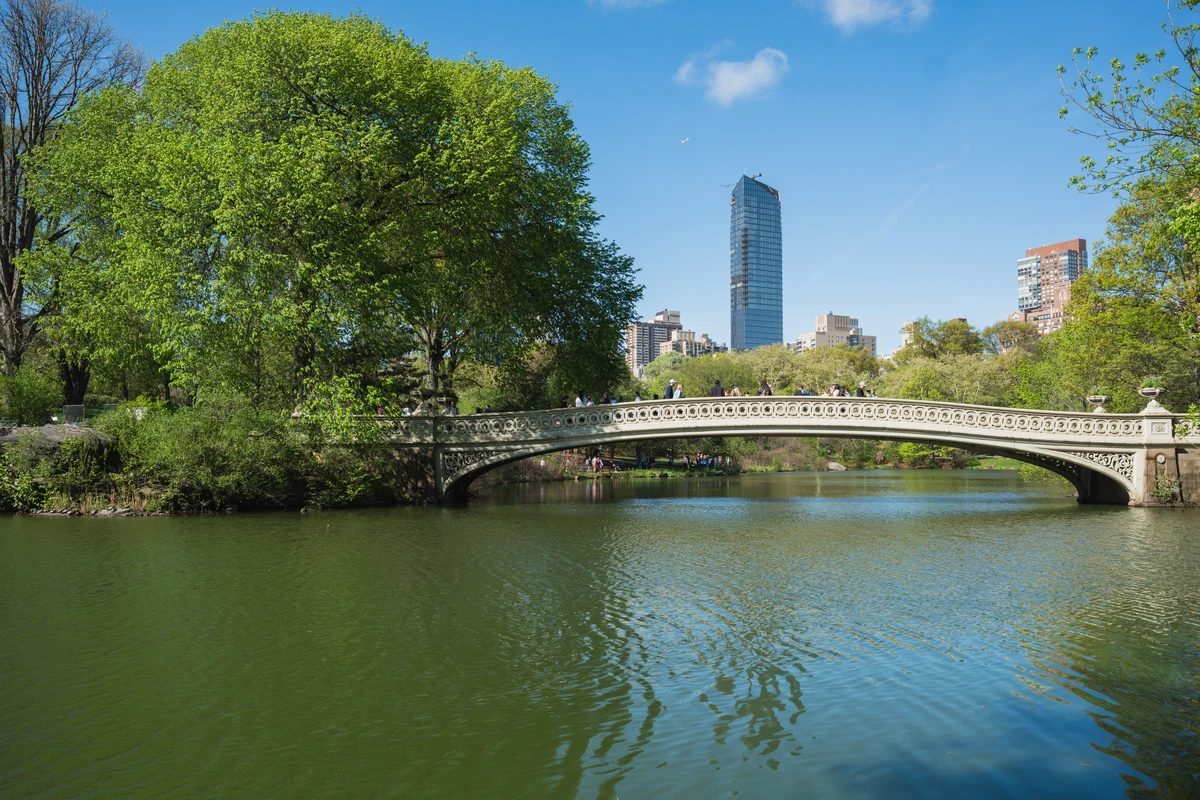
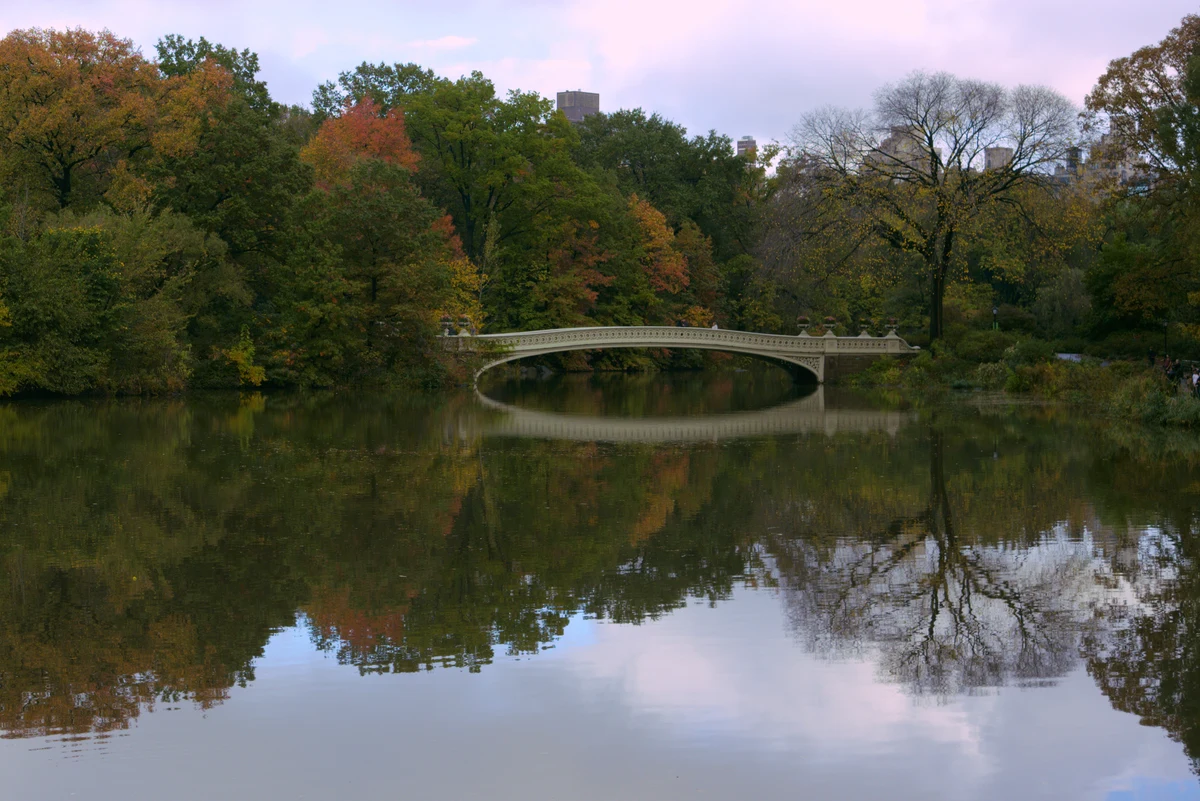
The winding Bow Bridge stone bridge casting serene reflections on the blue lake surface amid the park
Practical perspective of distinctive architecture and landscapes at Central Park, New York (Illustration 8)
The shady pathway The Mall where visitors leisurely stroll beneath elm tree arches dappled with sunlight
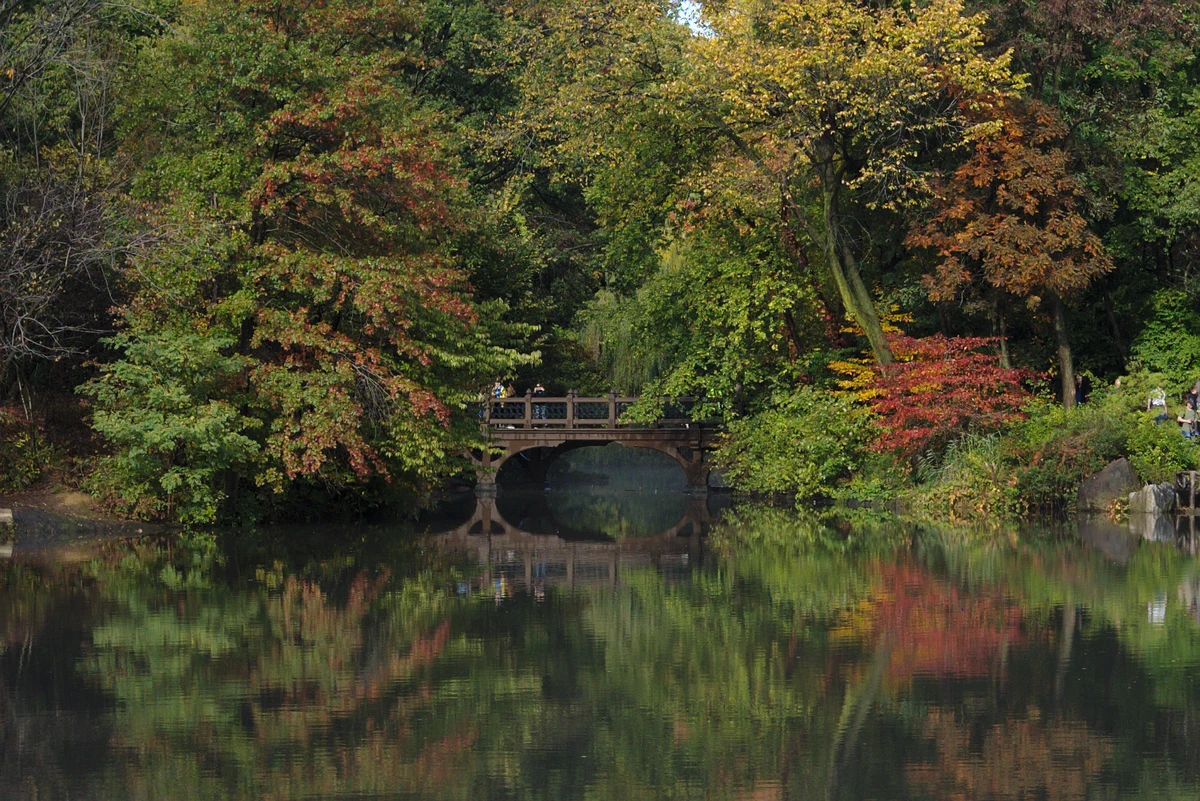
The wonderful harmonious natural tableau between flora colors and New York City’s modern skyline
To experience this journey seamlessly with a local guide, you can refer to the East-West US Interconnected Tour 11D10N with its pre-arranged itinerary.