Tracing back to the late 1980s, as waves of cultural innovation and China’s television industry entered a period of vigorous transformation, a decision of national strategic weight was approved by China Central Television (CCTV), giving rise to a century-defining cinematic architectural landmark. Situated along the scenic left bank of Taihu Lake at the foot of Junzhang Mountain in Binhu District, Wuxi, Jiangsu Province, the Romance of the Three Kingdoms Film Studio in Wuxi came into being not merely to film a television series, but also as a grand meeting point between three millennia of dynastic history and modern set-building craft. Across changing eras—from laying the first foundation stones in 1987 to officially opening to visitors in 1994—the site has moved through three distinct, proud stages, evolving from a dedicated closed film set into an expansive Three Kingdoms cultural theme park, and culminating in 2008 as a prestigious national 5A-rated cultural and ecological tourist complex.
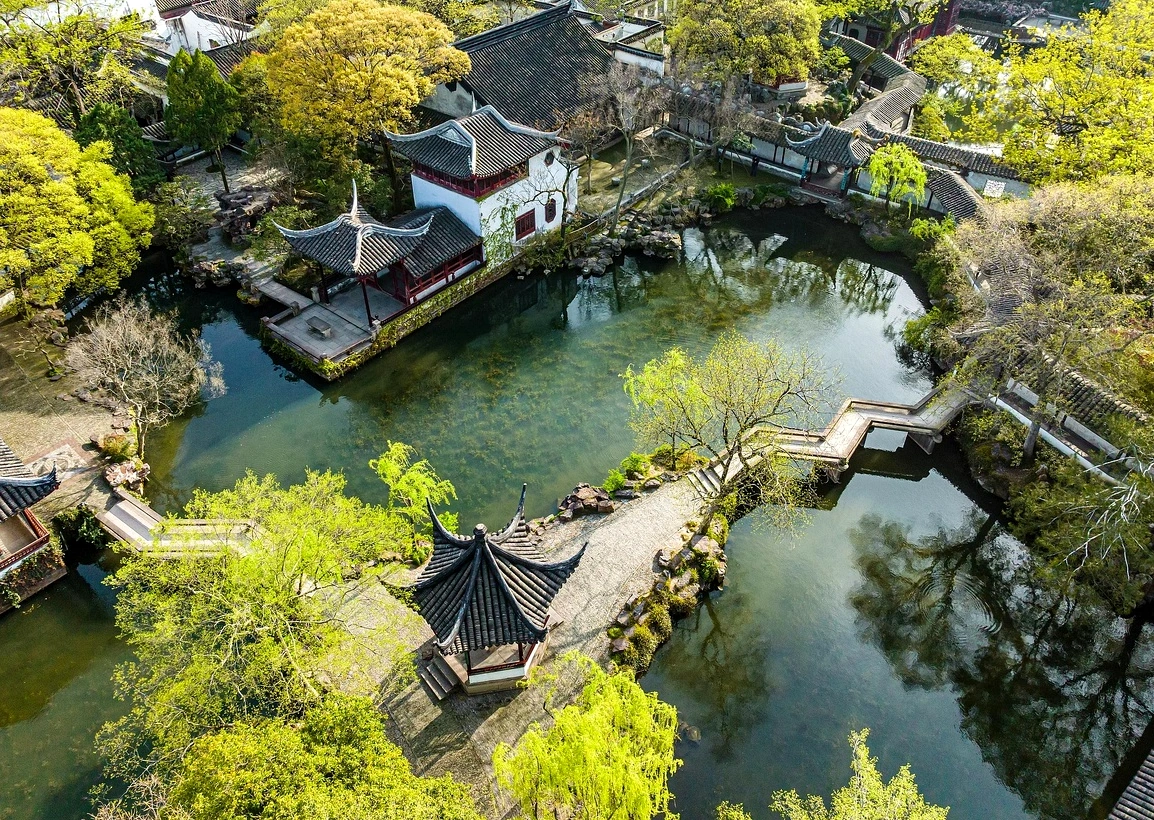
Looking back to the deeper roots of Wuxi, the studio’s presence is not a mere quirk of geography, but feels like a twist of historical destiny placed on land that once witnessed naval campaigns of the Spring and Autumn and Warring States periods. According to ancient chronicles and local lore passed down across generations, the foot of Junzhang Mountain right beside the main scenic area once served as a naval training base for the State of Wu under King Helü. Echoes of ancient warfare and war drums across Taihu Lake seem to linger in the soil and trees, creating a potent historical atmosphere—the ideal natural backdrop to re-create the turbulent Three Kingdoms era and its sweeping battles.
Turning classic episodic chapters by master novelist Luo Guanzhong into vivid reality on screen behind the acclaimed 84-episode television series *Romance of the Three Kingdoms* took the deep dedication of a legendary creative team led by chief director Wang Fulin. With sharp artistic vision and strong responsibility toward cultural heritage, he established a clear aesthetic principle early on: the entire reconstruction had to stay faithful to the literary source while blending historical grandeur with authentic, lifelike detail. Working alongside chief director Wang Fulin was chief production designer Cao Mei, a specialist in architectural archaeology and ancient visual arts. By thoroughly studying historical records such as Chen Shou’s *Records of the Three Kingdoms* and Fan Ye’s *Book of the Later Han*, Cao Mei directly oversaw the design and layout of key structures inside the studio, ensuring every eave, pillar, and wall carried the spirit and visual character of the Han dynasty.
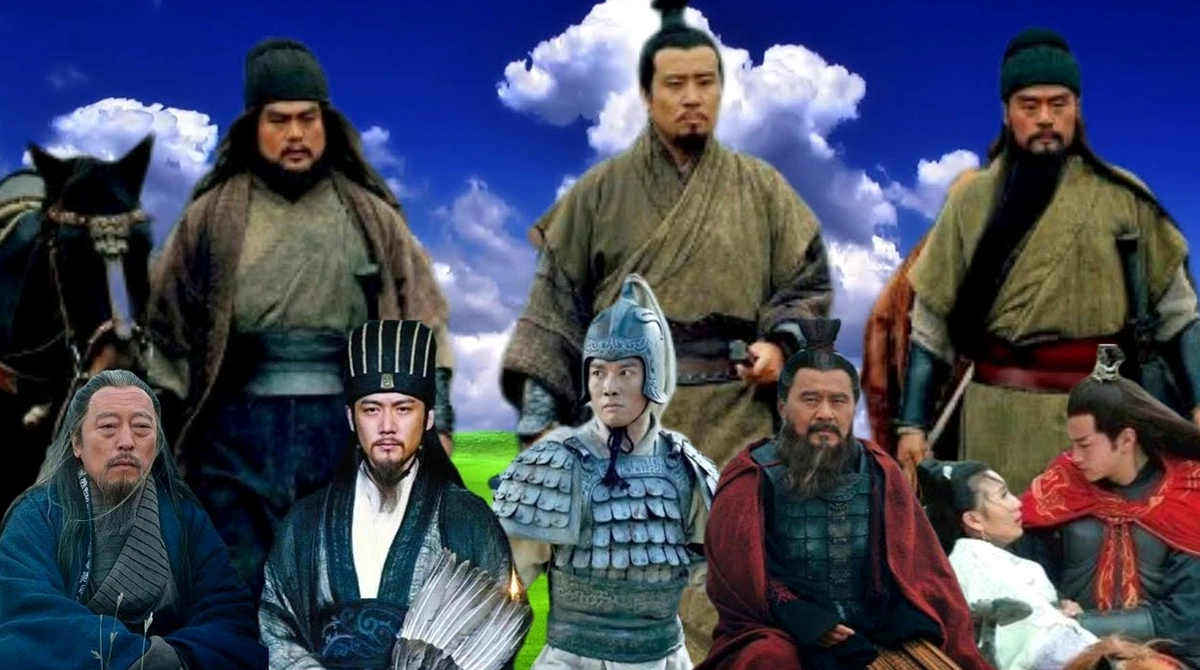
The formation and growth of the Three Kingdoms base in Wuxi are tied to three inseparable milestones in China’s cultural and media industry. The first stage, from 1987 to 1994, served as its formative period and core mission as a specialized film studio, where tens of thousands of tons of building materials were brought in to erect grand sets such as the King of Wu’s Palace, Red Cliffs fortifications, and ancient warships. Entering the second stage from 1994 to 2008, as production cameras wound down, the site took on a new identity by opening to the public as a Three Kingdoms theme park—turning screen imagery into an on-site experience for millions of history fans. From 2008 to the present, through comprehensive upgrades in service infrastructure and heritage care, it has grown into a leading cultural resort destination where the history of Wei, Wu, and Shu is preserved not only through static displays, but also brought to life through large-scale live performances.
From the moment you set foot in Wuxi, standing in a spot that classical geomancers praised for its setting, it becomes clear why CCTV’s production team and art advisors chose this site as a home for a television landmark. The Wuxi Three Kingdoms Film Studio sits in a striking setting, facing roughly south-southeast with its back against the lower spurs of Junzhang Mountain and its front opening onto the wide, misty waters of Taihu Lake—specifically along the graceful curve of Wuli Lake. Viewed through traditional Chinese feng shui principles, this arrangement reflects a balanced pairing of sheltered backing and open water—a favored setting for gathering vitality. Junzhang Mountain acts as a natural backdrop buffering northerly winds, while the broad waters of Taihu Lake out front open up the view and bring an expansive sense of space to the entire complex.
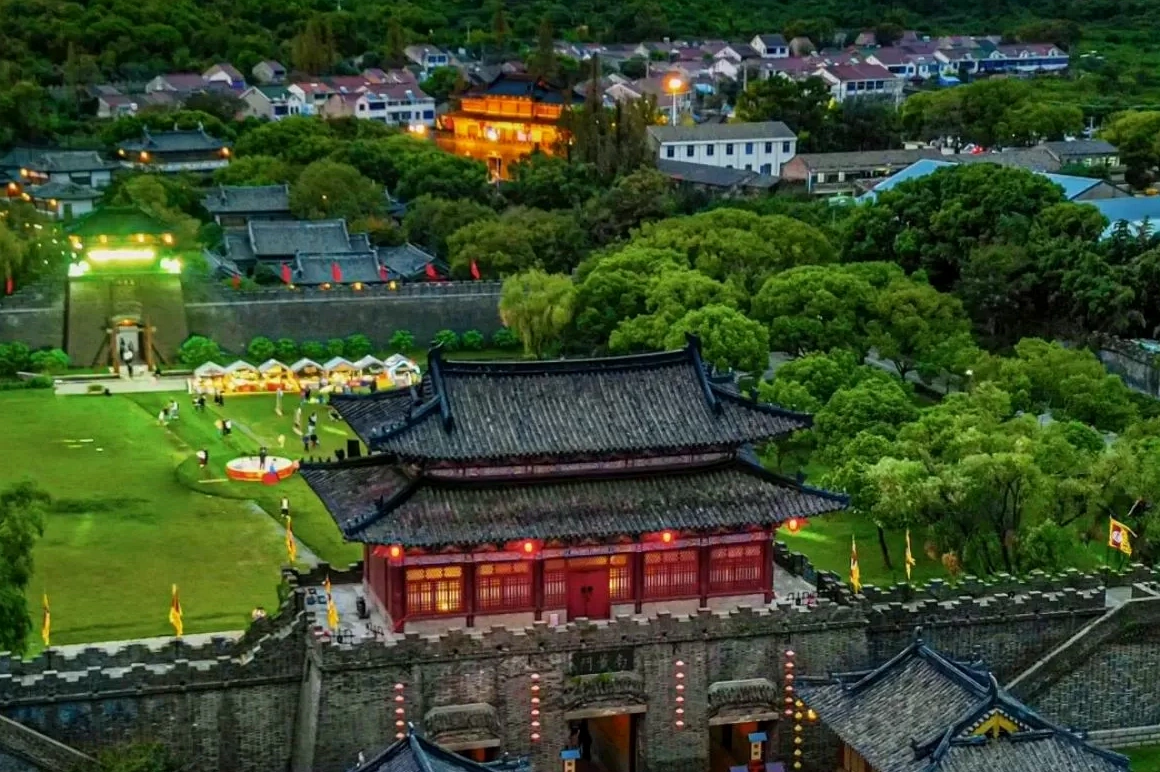
The site’s spatial planning goes beyond feng shui principles to reflect political geography on a scaled, theatrical canvas, turning strategic scenes from Luo Guanzhong’s novel into a vivid physical layout. The expansive grounds are arranged to echo the three-way rivalry of the Three Kingdoms. In the southeast stands the imposing Palace of the King of Wu right beside Taihu Lake, complete with carefully dug waterways and docks. This layout creates a scenic lakeside view while symbolizing Eastern Wu’s waterborne strength—relying on rivers, lakes, and fleets for defense, trade, and battle. By contrast, the northwest takes on a broader, flatter character with the Han City and Cao Cao’s Camp areas, evoking Cao Wei’s expansive ambition and structured command. Anchoring the grand layout is the Red Cliffs ancient battlefield zone, where planners used Taihu Lake’s open waters and natural promontories to stage scenes inspired by the famed Yangtze campaign. Looking out across the water from here, visitors can easily picture the clash of arms, war cries, and flames of old, turning history into a vivid, nostalgic visit.
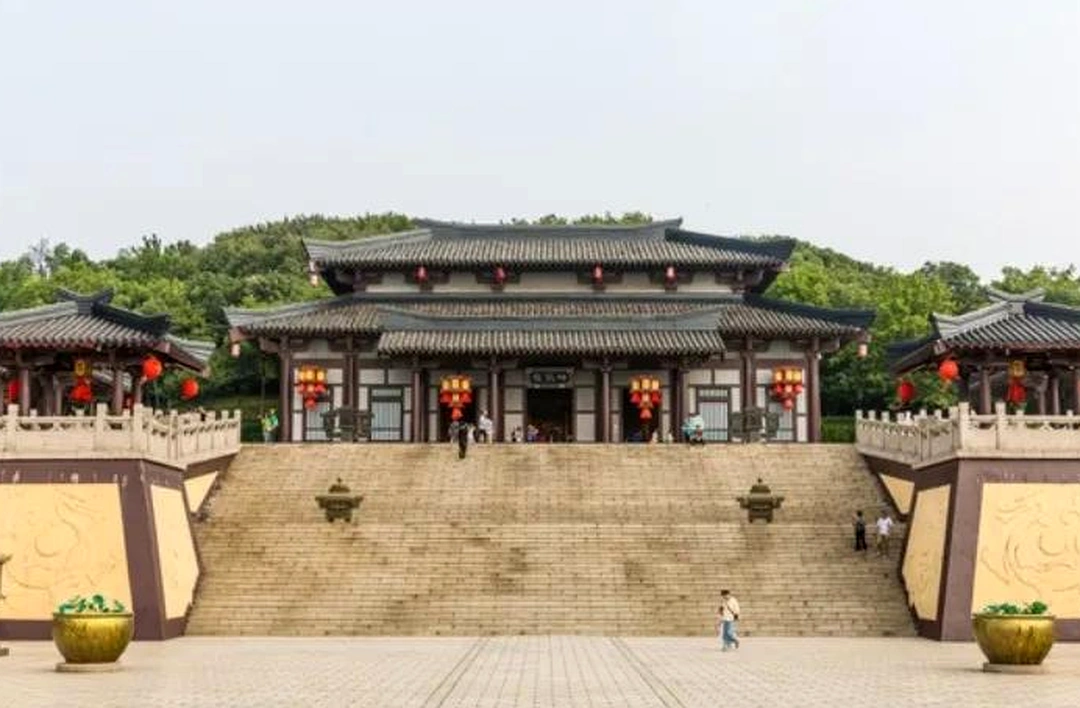
Stepping into the Romance of the Three Kingdoms Film Studio in Wuxi, visitors are immediately struck by an epic-scale cinematic architectural complex where set design showcases the craft of Chinese historical period production. To capture the spirit of the Three Kingdoms without the artificiality of digital backdrops, architects and art designers followed a practical philosophy of “classical in spirit, sturdy in structure” through a hybrid building method: using reinforced concrete frames for load-bearing strength, wrapping them in detailed faux-wood finishes, and incorporating traditional joinery-style details. This approach lets buildings retain the warm, dignified look of natural timber while holding up well against Jiangnan’s humid, rainy climate.
A Han-dynasty aesthetic runs across the complex, seen in gentle roof slopes, subtly upturned corner eaves, and deep overhangs suited to rain and wind south of the Yangtze. Load-bearing bracket details follow classical conventions—such as four-tier and five-tier *dougong* brackets carved with care without overusing loud colors. Instead, the Han aesthetic favors natural wood tones alongside dignified hues of black, white, and vermilion, creating a solemn, period atmosphere rich in historical and dynastic character.
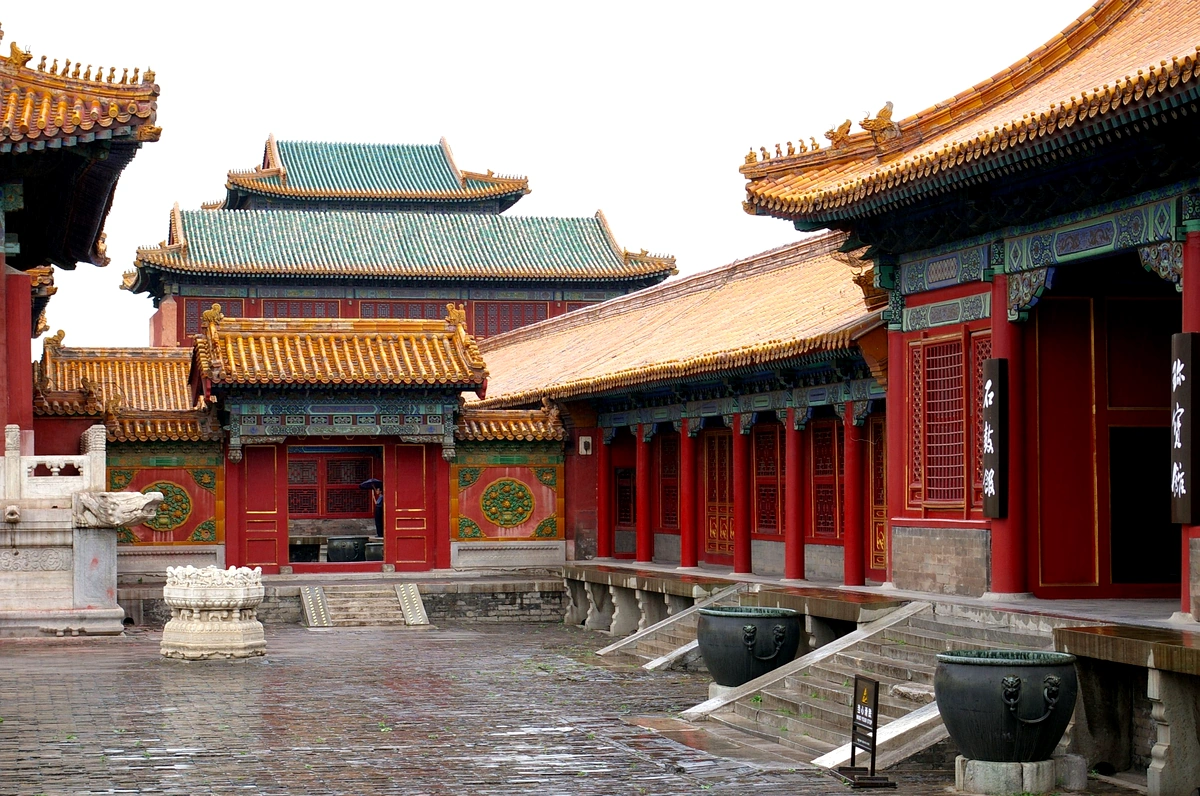
Spread across a large footprint, the buildings are organized into distinct functional zones linked by land and water routes reminiscent of ancient military settings. Standing out at the heart of the complex is the Palace of the King of Wu (Wu Wang Gong), a grand architectural centerpiece covering nearly 50,000 square meters in total with 12,000 square meters of built floor area. Arranged with formal court spaces in front and royal living quarters behind, the palace projects majesty through the raised terrace of the Taiji Hall, set several meters above ground level. Around the terrace run carved balustrades and stone pillars styled after white Han jade—a setting tied to dramatic political scenes involving Sun Quan, Zhou Yu, and Eastern Wu’s officials and generals.
Leaving the grand palace grounds behind, visitors move into the more rugged, military atmosphere of Cao Cao’s Water and Land Camp (Cao Ying Shui Han Jun Zhai)—the strategic base along the open shore of Taihu Lake. Drawing on the natural shoreline of one of China’s largest freshwater lakes, designers built a naval defense layout featuring winding piers, water gates, warship berths, and tall watchtowers rising above lake and sky. Looking out from a watchtower across the broad water, visitors can sense the drama of the Red Cliffs era and the intensity of ancient campaigns.
Tucked between the regal and military structures is the quieter setting of Ganlu Temple (Ganlu Si), built to reflect early Buddhist architecture from the late Han era when Buddhism first entered China. With vermilion walls set against dark gray-blue tiles, the temple sits within peaceful, tree-shaded courtyards that echo scenes of Liu Bei visiting Eastern Wu and marrying Lady Sun. Every eave, corridor, and mossy stone is crafted both for wide-angle camera shots and for an immersive on-site visit that bridges screen storytelling and real-world surroundings.
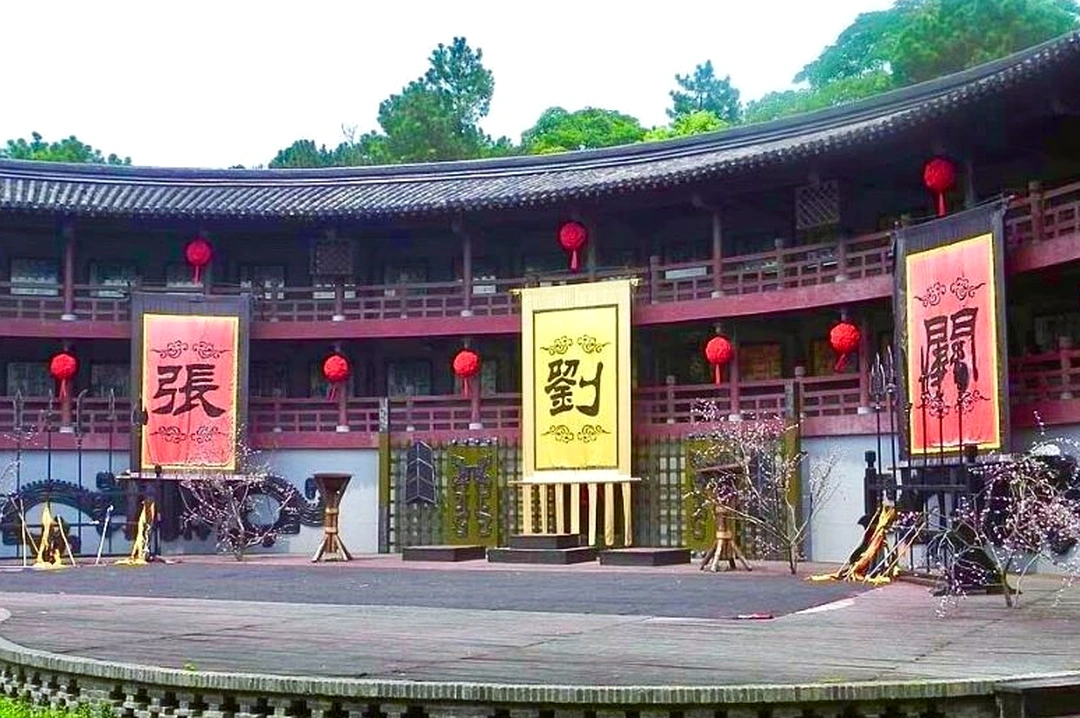
As sunset settles over Taihu Lake, cooling the air after a day among the period buildings, the Romance of the Three Kingdoms Film Studio in Wuxi takes on a different energy—shifting from a quiet historical showcase into one of China’s grandest live-action performance venues. Centered in the main arena, the flagship live stunt show “Three Heroes Battle Lu Bu” is a signature highlight combining ancient martial spectacle with modern stagecraft. Choreographed by martial arts specialists, equestrians, and sound-and-lighting technicians, the show brings the energy of ancient warfare to life. As war drums pound, dozens of warhorses charge across the flag-lined arena alongside armored stunt performers. Ancient formations, weapon choreography, skilled horsemanship, and controlled pyrotechnics and special effects create a thrilling sight and sound experience. From the stands, spectators feel drawn back in time as Liu Bei, Guan Yu, and Zhang Fei face off against Lu Bu in a dramatic recreation of Three Kingdoms lore.
Once night falls, the studio’s grounds take on a fresh visual mood through layered lighting that contrasts warm and cool tones and highlights architectural lines. Around the Palace of the King of Wu, warm uplights along dark timber columns bring out stately facades and curved rooflines against the quiet night. Down by the Taihu Lake water camp and Cao Cao’s encampments, lighting shifts to a subtler tone with flickering torches and paper lanterns reflecting across gentle ripples, evoking a mood reminiscent of preparations before Red Cliffs.
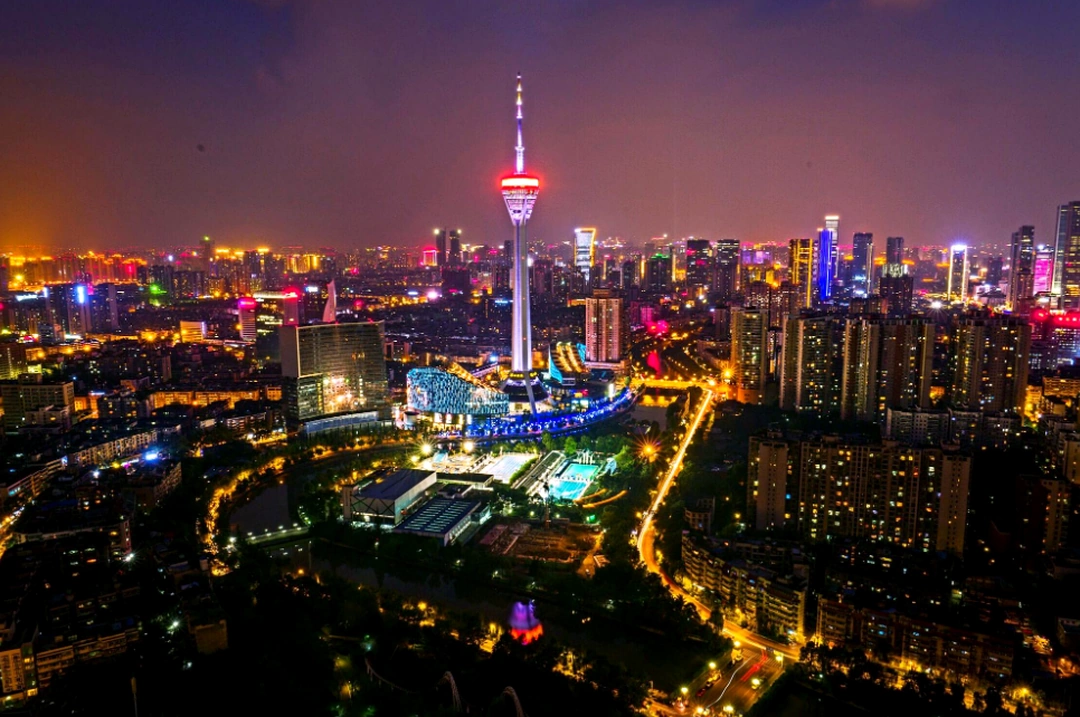
Evening entertainment here is further elevated by the recurring “Three Kingdoms Never-Sleeping City” program, which invites visitors to move from simply sightseeing to joining the scene. Beneath glowing lanterns, a period street zone turns into a lively Three Kingdoms night market where past and present feel closely intertwined. Many visitors wear flowing *hanfu* (traditional Chinese attire) to blend into the bustling crowd and become part of the evening atmosphere. A standout sight is the giant carp lantern dance weaving through the lanes, recalling traditional lantern festivals of centuries past. The night’s excitement peaks with “Da Tie Hua” (iron-flower striking), a traditional folk craft in which skilled artisans fling molten iron heated past a thousand degrees Celsius into the air, sending bright sparks cascading across Wuxi’s night sky to the amazement of onlookers.
Alongside these live performances are dining and cultural spaces that reflect local flavors and the camaraderie of the Three Kingdoms era. Period-style taverns along the studio’s themed streets serve menus inspired by historical stories—from robust grain spirits recalling sworn brotherhood to Han-style banquet dishes prepared with traditional care. Interacting with performers in character as generals, advisors, or tavern hosts adds lighthearted humor and role-play charm. Here, visitors are more than onlookers; they can step into the story, share in the lively mood, and enjoy an evening in Wuxi where history feels vivid right around them.
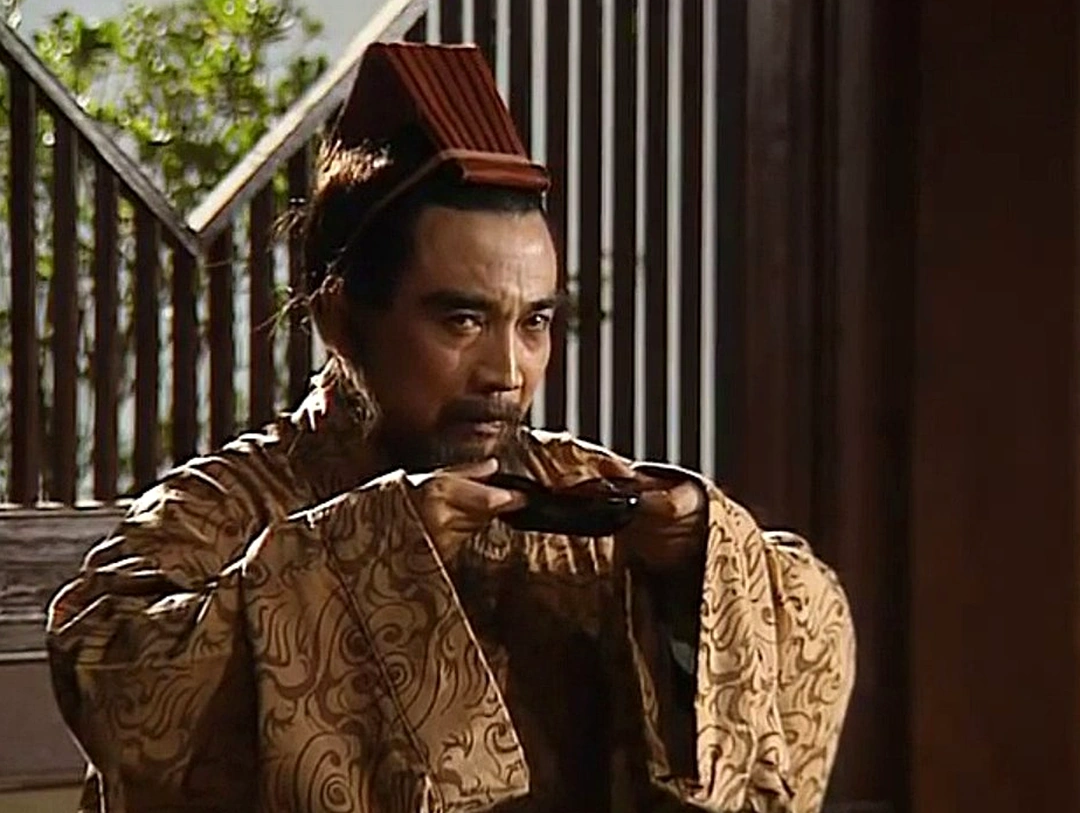
Moving away from flag-lined arenas, Cao Wei’s lakeside camp, and grand halls, a visit to the Romance of the Three Kingdoms Film Studio in Wuxi naturally opens into a rich culinary chapter where local Wuxi food traditions meet historical inspiration from the Han era. In Wuxi beside Taihu Lake, visitors can take in both grand period scenery and Wuxi cuisine—a refined branch of Huaiyang cooking—paired with dining motifs drawn from Han-era archaeology, creating a distinct tasting experience rooted in the lower Yangtze region.
At the heart of local lakefront dining is the famed trio known as the “Three Whites of Taihu Lake” (*Taihu Sanbai*). In a traditional dining room, guests can try steamed whitefish (*baiyu*), a dish that highlights fresh ingredients through gentle preparation that keeps the flesh delicate and sweet without a muddy freshwater taste. Alongside it is stir-fried white shrimp (*baixia*), where small, translucent shrimp are quickly tossed over high heat with light scallion and ginger to preserve their natural sweetness. This seasonal restraint reflects Jiangnan’s long-standing respect for fresh ingredients and simple flavors.
Alongside the delicate “Three Whites” is a celebrated local classic recognized as intangible cultural heritage across the Taihu basin: Wuxi braised spare ribs in sweet-savory sauce. Made through multi-step preparation—searing, simmering, and braising in seasoned soy sauce—each piece carries a signature flavor closely tied to Wuxi. Cooks aim for a rich balance of savory and sweet, tender meat that holds its shape rather than falling apart, a glossy reddish-brown glaze, and an inviting aroma. Biting into a rib reveals tender meat slipping easily from the bone, rich fat mingling with rock-sugar sweetness and aromatic seasonings for a lasting finish.
Another beloved everyday specialty here is Wuxi fried gluten puffs (*you mianjin*), often braised with sliced shiitake mushrooms and minced pork to make meat-stuffed gluten puffs. Golden puffs fried in oil and simmered in savory broth soak up rich juices from mushrooms and pork, creating a bouncy yet tender bite. In keeping with the studio’s Han and Three Kingdoms theme, dining spaces also draw inspiration from Han-era archaeological findings such as the Mawangdui tombs—highlighted by charcoal-skewered meats seasoned with pepper and cumin that evoke hearty feasts of ancient commanders.
Rounding out the culinary side of a visit to the Romance of the Three Kingdoms Film Studio in Wuxi are Taihu boat cakes (*chuan dian*), shaped delicately like blooming lotuses or auspicious peaches symbolizing longevity. Crafted from selected glutinous rice flour and sweet bean fillings, these soft pastries offer gentle natural colors and showcase the care of Jiangnan pastry makers. Enjoying a sweet cake with a cup of fragrant Taihu green tea amid Han-style architecture makes it easy to linger and soak in the local culture.
To wrap up your planning for a trip back to the Three Kingdoms era, practical details can make your visit to the Romance of the Three Kingdoms Film Studio in Wuxi (无锡三国影视城) smooth and well-paced. Knowing opening hours, transit options, a sensible walking route, and on-the-ground tips helps you get the most out of your time by Taihu Lake. The studio generally opens from 07:30 AM to 05:00 PM daily, though during peak summer evenings when night performances run, hours are often extended until around 09:00 PM so visitors can enjoy the illuminated grounds. Booking tickets in advance via official mini-programs or online channels is helpful for saving time at the entrance and ensuring smooth real-name ticket verification.
Reaching the studio from central Wuxi is straightforward with public transit and road connections. Arriving at Wuxi Railway Station (无锡站), travelers can take Bus Route 1 straight to the Three Kingdoms City entrance in under fifty minutes, or use Metro Line 1 with a convenient transfer. Those driving themselves can set the studio’s large parking lot as their destination for a flexible schedule. Once through the main gate near Han Que Square, a practical loop starts with the Han-style street zone, continues to Cao Cao’s water and land camp and the Red Cliffs area, stops at the arena for the *Three Heroes Battle Lu Bu* show, visits peaceful Ganlu Temple, and finishes at the Palace of the King of Wu—where late afternoon light gives the architecture a warm glow for photos.
Because the Taihu Lake basin tends to be humid and rainy—and can feel quite chilly in autumn and winter—wearing comfortable, supportive walking shoes with good grip is essential over weathered stone steps and earthen paths. For photography, packing both a wide-angle lens (such as 16-35mm) for sweeping halls and a telephoto lens (such as 70-200mm) for stage action and distant details works well. Inside Ganlu Temple, keeping a quiet, respectful demeanor is basic etiquette, while wearing *hanfu* during themed activities is a fun way to join the atmosphere. If you prefer having transport, tickets, and itinerary logistics arranged ahead of time, you can explore a complete tour package with guides familiar with Chinese history and culture.