Stepping back into the profound historical depths of Chinese civilization, when the Eastern Jin Dynasty entered its formative years of political and cultural institutions in the south, a monumental milestone was planted along the banks of the Qinhuai River, officially inaugurating a brilliant academic flow of Confucianism spanning centuries across the Jiangnan region. According to historical records, in the third year of Xiankang, corresponding to 337 AD, following the strategic proposal of the grand chancellor Wang Dao—an exceptional figure wielding widespread influence over the imperial court at the time—the Eastern Jin court initiated the construction of a large-scale educational cultural complex on the southern banks of the Qinhuai River, encompassing both the Imperial Academy and the Confucius Temple. This event was not merely the creation of a spiritual space to venerate Confucius, but also laid the pioneering foundation for disseminating Confucian teachings, classical knowledge, and Central Plains civilization into a southern territory on the rise, thereby cementing the first brick for the endless scholarly heritage of the fertile Jiangnan region.
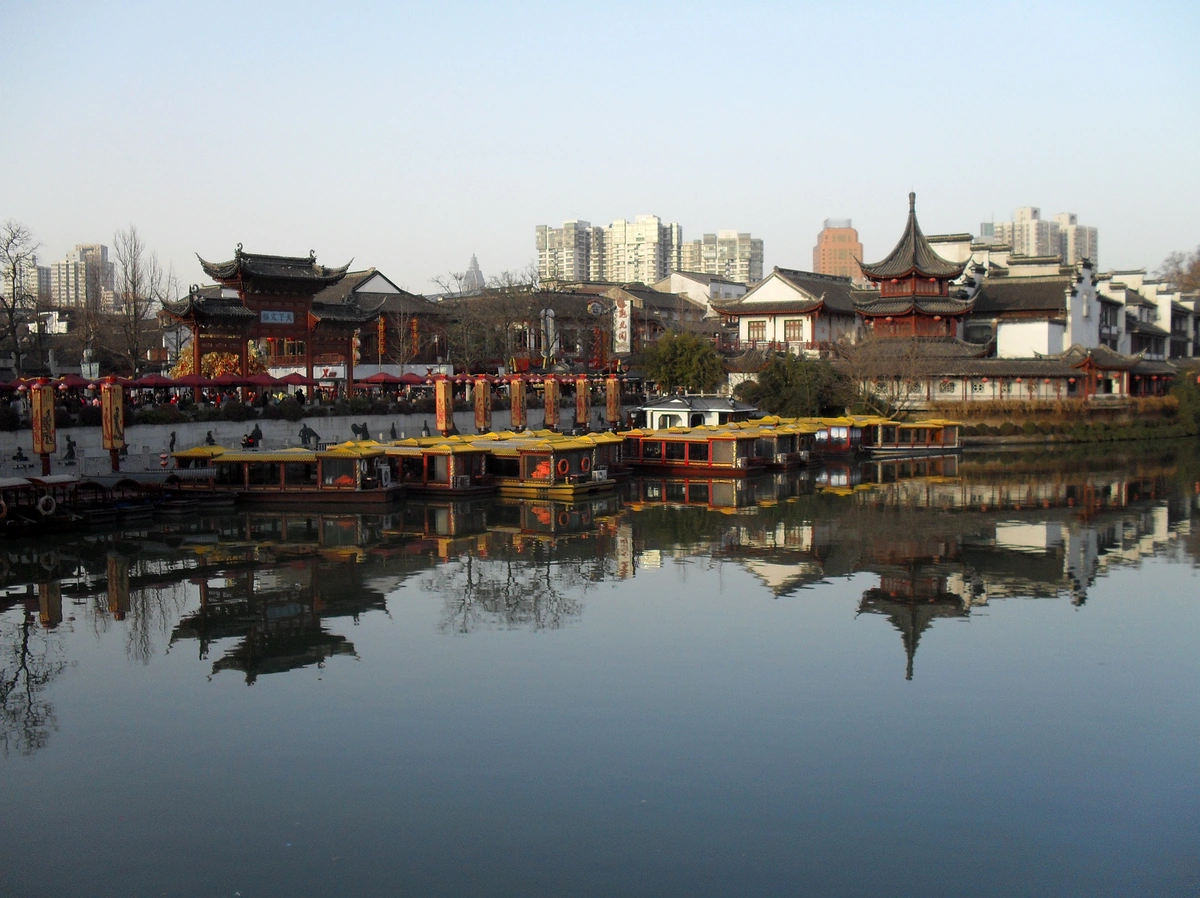
Traversing a long history filled with vicissitudes, the Confucius Temple Old Street in Nanjing has witnessed the complete rise and fall of China’s feudal dynasties, from the prosperous Six Dynasties era adorned with crimson pavilions and ornate towers, through elegant literati gatherings for poetry and sightseeing during the Tang and Song Dynasties, down to milestone transformations during the Ming Dynasty. Under the Ming Dynasty, particularly during the Hongwu era under Emperor Zhu Yuanzhang, this architectural complex underwent an unprecedented scale of expansion in history. The founding emperor ordered the replanning of this entire district, tightly linking the prefectural academy with the Jiangnan Examination Hall—the nation’s largest imperial provincial examination hall at the time—forming a continuous axis of education, examinations, and solemnity, symbolizing the peak of central authority and the feudal civil service examination system.
Yet, the flow of history has never been a smooth road. Entering the Qing Dynasty, especially during the fierce conflicts of the Xianfeng and Tongzhi eras, the entire majestic architectural complex of the Confucius Temple faced catastrophic destruction from the bloody warfare of the Taiping Heavenly Kingdom movement, reducing once-majestic shrines and multi-tiered pavilions to ash and rubble. It was not until the late phase of this dynasty, thanks to the initiative and direct restoration guidance of two prominent modern statesmen, Zeng Guofan and Li Hongzhang, that the heritage complex was reconstructed, rising from the ashes of war to reclaim a portion of its former dignified appearance.
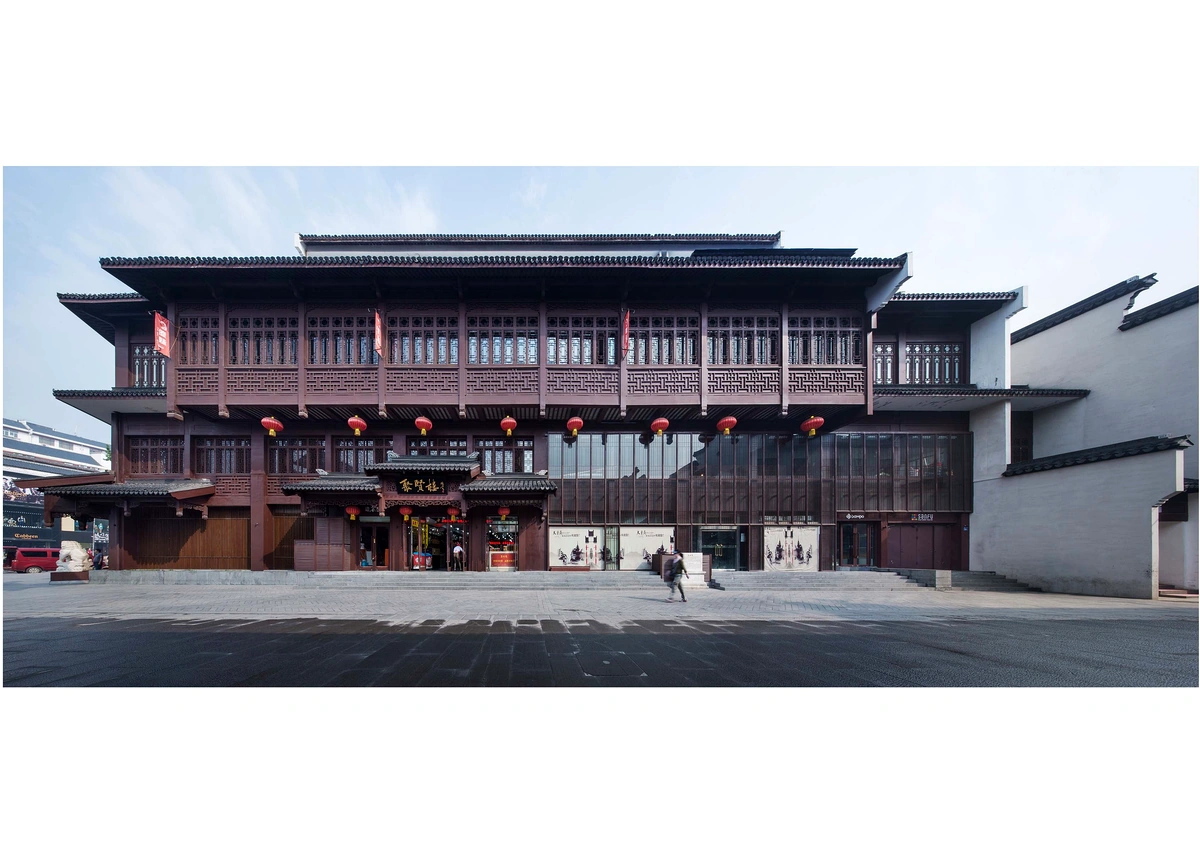
During the Republic of China era, this space witnessed yet another epochal transformation as traditional educational functions gradually faded into the past, yielding to the establishment of a bustling folk market where urban culture, traditional gastronomy, and distinctive handicrafts of the old imperial capital intertwined. Continuing this pulse, beginning in the 1980s, local authorities and citizens carried out a major comprehensive restoration and planning campaign, breathing new life into this ancient space, thereby successfully recreating and honoring today’s renowned Ten-Mile Qinhuai scenic area. From the pioneering footsteps of Wang Dao in the Eastern Jin, through the vision of the Ming founder, down to the restorations by Qing statesmen and awakening in the modern era, the Nanjing Confucius Temple stands forever as a living museum, perfectly preserving the spiritual soul and traditional cultural roots of the Chinese nation.
Tracing history back to the sacred land along the banks of Nanjing, the Confucius Temple Old Street—also known as the Qinhuai Confucius Temple—emerges not only as a grand historical monument but also as a supreme masterpiece of spatial planning artistry and traditional Eastern feng shui philosophy. From the perspective of ancient topography, this entire architectural complex occupies a premier prime location where the essence of Nanjing’s heaven and earth converges and crystallizes along the winding Qinhuai River. From a terrain research standpoint, the overall planning of the Confucius Temple strictly adheres to the classical principle known as “leaning against mountains and embracing rivers,” an urban planning and spiritual architecture doctrine demanding absolute harmony between rugged mountains and gentle waters. The northern sector of the historic site features the terrain of “resting against Zhongshan to the north”—leaning upon the majestic dragon vein of the Purple Mountain (Zhongshan), which accumulates millennia of imperial spiritual energy so that cosmic breaths cascade downward to form a focal node right here. Meanwhile, to the south, the complex is embraced by “surrounding the Qinhuai River to the south,” cradling the meandering jade waters to form a soft curve right before the temple gates, perfectly fulfilling the profound feng shui philosophy of “water gathering at heaven’s center” and “thriving wealth and progeny,” bestowing prosperity, longevity, and profound wisdom upon posterity.
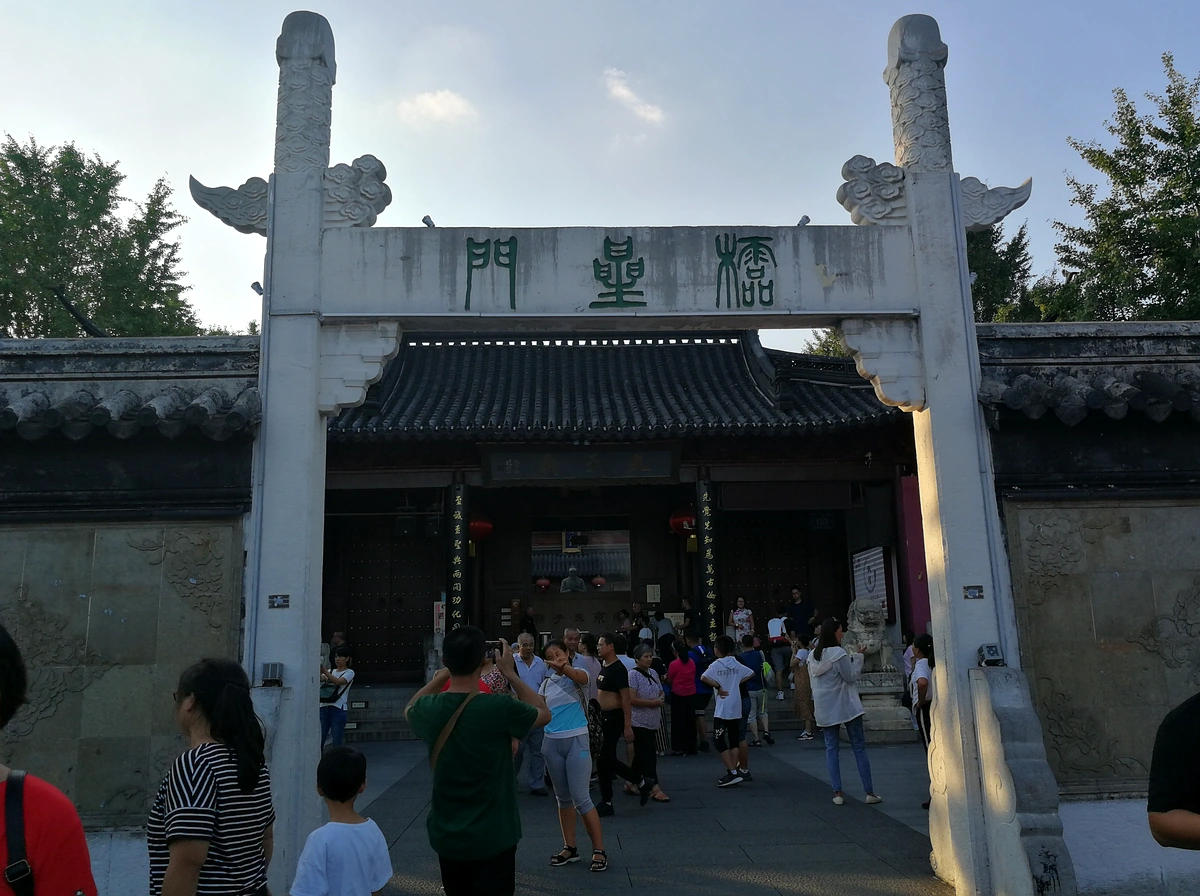
The subtlety in terrain planning by ancient feng shui masters did not stop at borrowing mountains and gathering waters, but was clearly expressed through the philosophy of “unity of heaven and humanity” combined with highly scientific disaster prevention thinking. Confronted with the natural might of the Qinhuai River, ancient architects skillfully followed the river’s natural bends to arrange architectural structures fluidly, ensuring flood drainage and water mitigation during storm seasons while maximizing natural lighting with a southward orientation welcoming auspicious winds. The technical construction and spatial arrangement processes here serve as living proof of the flawless synthesis between indigenous architectural engineering and urban landscape composition artistry. The highlight establishing this area’s monumental historical and cultural stature is that the Confucius Temple stands symmetrically and harmoniously with a monument of national standing across the crystal-clear Qinhuai waters: the Jiangnan Examination Hall, the largest imperial examination compound in feudal China. This close juxtaposition was no mere coincidence, but a deeply profound urban planning intent of feudal dynasties to forge an invaluable urban educational-scholarly axis, where the “sacred aura of the Confucius Temple,” representing the essence of Confucian scholarship, harmonized and resonated powerfully with the “scholarly aura of the Examination Hall,” representing civil service exams and classical texts, generating a brilliant cultural energy field radiating across centuries of feudal history.
Thanks to this peerless terrain and strategic contextual architecture planning, the space surrounding the Confucius Temple Old Street has consistently maintained a stable energetic field—simultaneously possessing the solemn tranquility of a revered Confucian shrine and the bustling vibrancy of a premier commercial hub along the Qinhuai. Through all temporal vicissitudes and feudal history shifts, every inch of land, every bridge span, and every river bend here preserves the pristine soul of traditional Confucian cultural spaces, where natural and artificial landscapes merge into one, establishing a breathtaking living tableau leaving every visitor astounded before the peak urban planning vision of the ancients.
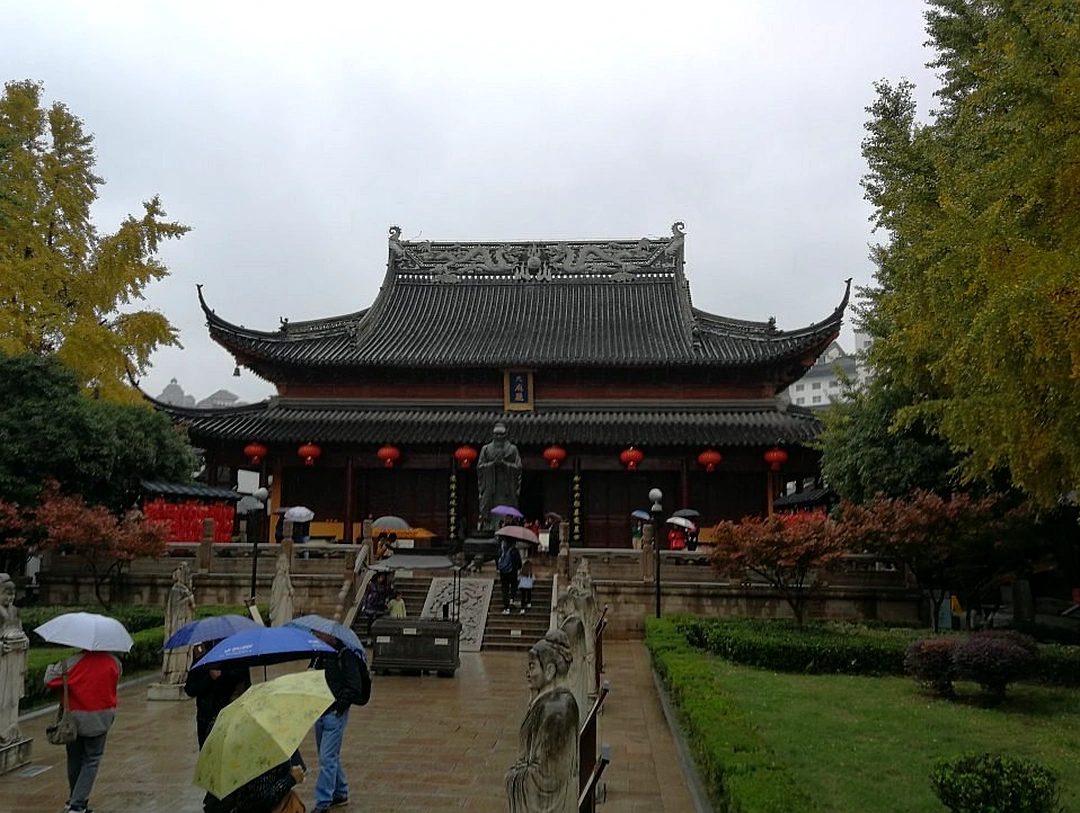
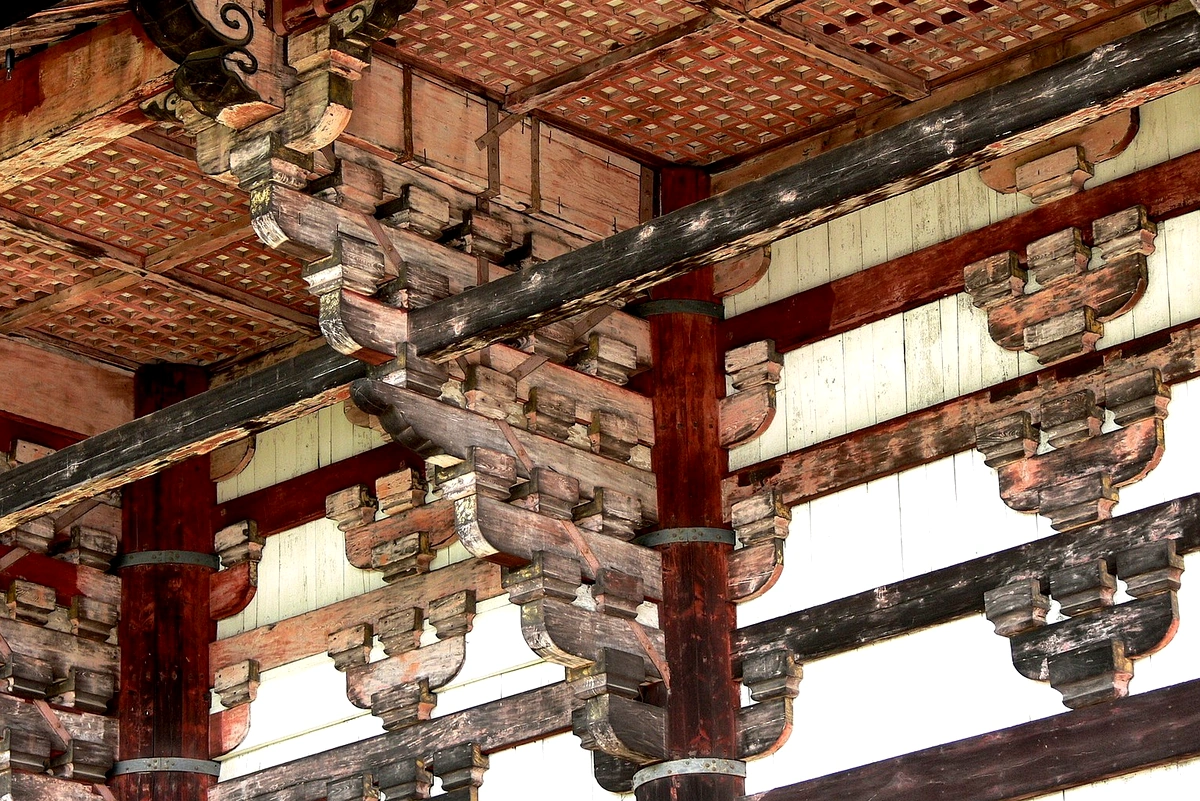
Stepping into the architectural complex of the Nanjing Confucius Temple Old Street, the far-flung traveler is instantly immersed in a spatial dimension dense with historical breath, where Ming and Qing Dynasty Jiangnan architectural arts are preserved comprehensively and sagaciously. The entire historic site is not merely a sacred shrine but a living museum of traditional carpentry crafts, where the talented hands of ancient artisans crystallized into a priceless physical heritage. Viewed through the lens of architectural archaeology, the complex skillfully employs wooden framing systems combining two ancient structural styles: *tailiang* (post-and-beam with stacked purlins) and *chuandou* (colonnaded timber frames), creating a remarkably sturdy yet flexible and gentle framework characteristic of the south.
What makes the wonder of carpentry arts at the Confucius Temple remarkable is the construction philosophy completely eschewing iron nails. The entire weight of thousands of tons across grand halls and ornate pavilions is supported and transmitted via interlocking wooden mortise-and-tenon joints crafted with millimeter-level precision. This astonishing snugness not only helps structures endure centuries of storms, earthquakes, and temporal shifts, but also demonstrates the pinnacle of traditional Chinese mechanical thinking, wherein wood is treated as a living organism possessing harmonious seasonal elasticity. Looking upward toward the roof, core structures like Dacheng Hall proudly wear double-eaved *xieshan* roofs (gable-and-hip double roofs), tiled with tens of thousands of translucent grayish-blue *yinyang* tiles or classical glazed tiles, featuring ridge decorations exquisitely carved with majestic, vibrant twin dragons playing with a pearl.
Venturing deep into the interior of Dacheng Hall—the beating heart of the entire temple complex—the actual scale is breathtaking, spanning seven bays wide and five bays deep, soaring up to sixteen meters high. This majestic space provides a stunning backdrop honoring the nation’s largest bronze statue of Confucius, standing an impressive 4.18 meters tall, majestically recreating the image of the greatest teacher of antiquity with wise eyes gazing toward eternity. Surrounding him is a contemplative atmosphere shaped by carved dragon-phoenix motifs and cloud patterns across crossbeams and main columns, all lacquered in crimson and gold leaf following imperial court standards, exuding solemnity alongside the refined, graceful aesthetic of Jiangnan arts.
Enclosing the grand halls is an overall spatial planning layout following traditional divine axes, strictly adhering to principles of symmetry and spiritual progression from south to north. Along this longitudinal axis, space unfolds like a magnificent ink-wash scroll: originating from a massive screen wall bearing the supreme inscription “Tianxia Wenshu” (The Pinnacle of Literary Heritage under Heaven), passing through the meandering, serene crescent-shaped Banchi Lake, and sequentially crossing Lingxing Gate, Dacheng Gate, Dacheng Hall, advancing further to Minglun Hall, and concluding at the majestic Zunjing Pavilion at the northernmost rear. This orderly arrangement not only establishes profound visual depth but symbolizes the path of cultivating knowledge from exterior to interior, from shallow to deep, undertaken by ancient scholars before entering provincial and metropolitan imperial exams.
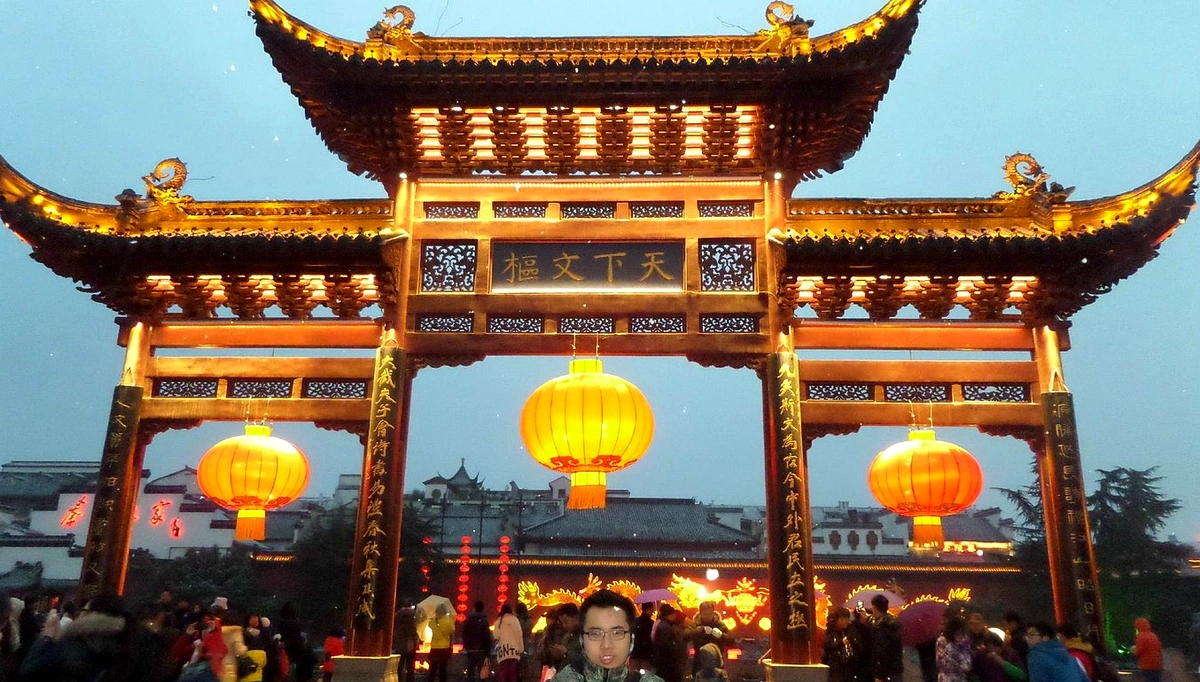
When night falls, shedding the rigorous and tranquil academic mantle of daytime, the Confucius Temple Old Street and the Qinhuai River scenic strip don a magical silk robe, rising to become the pinnacle symbol of the nighttime economy and landscape lighting art on the Chinese mainland. Far beyond standard street lighting, the lighting system here is an elaborate masterwork, meticulously calculated to achieve a perfect balance between original historical appearances and contemporary aesthetics. By utilizing warm color palettes like butter-yellow and gentle amber to subtly recreate the illumination of ancient lanterns blending with clear moonlight, lighting designers skillfully integrated floodlighting, focused spotlighting, and magical water reflections. Under this wizardry of light, the Qinhuai River transforms into a winding Milky Way amid the ancient capital of Jinling, where every gray brick wall, curved stone bridge, and yinyang tile whispers tales of millennial poetic romance.
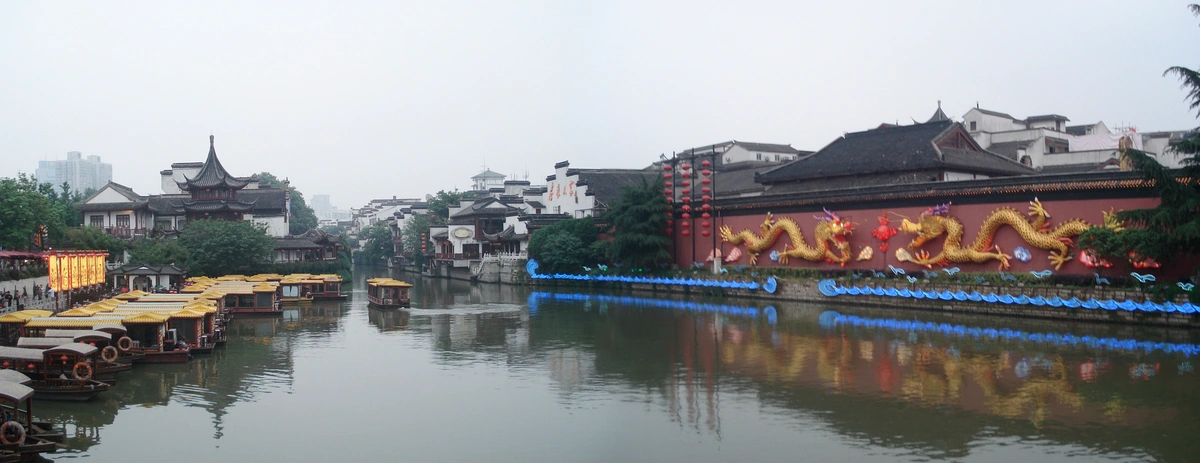
Along both riverbanks, the nocturnal life of the old street surges with intense yet elegant vitality, peaking in the live-action performance series titled “Night Qinhuai.” Here, modern technology and millennial traditions intersect breathtakingly via sophisticated combinations of 3D holographic projection mapping, advanced water-screen projection films, and live artistic performances featuring actors in traditional Hanfu attire. Standing beside the historic ferry pier, travelers are drawn into a time-transcending dimension where literati, scholars, and courtesans from the Song and Ming Dynasties appear to step right out of ancient texts, leisurely strolling beneath willow branches drooping over rippling silver waves. Illumination emanating from bustling dragon boats traversing the waterway evokes a golden age where traditional musical arts, crisp pipa notes, and poetry recitations echoing from riverside taverns forge a mesmerizing acoustic and visual symphony.
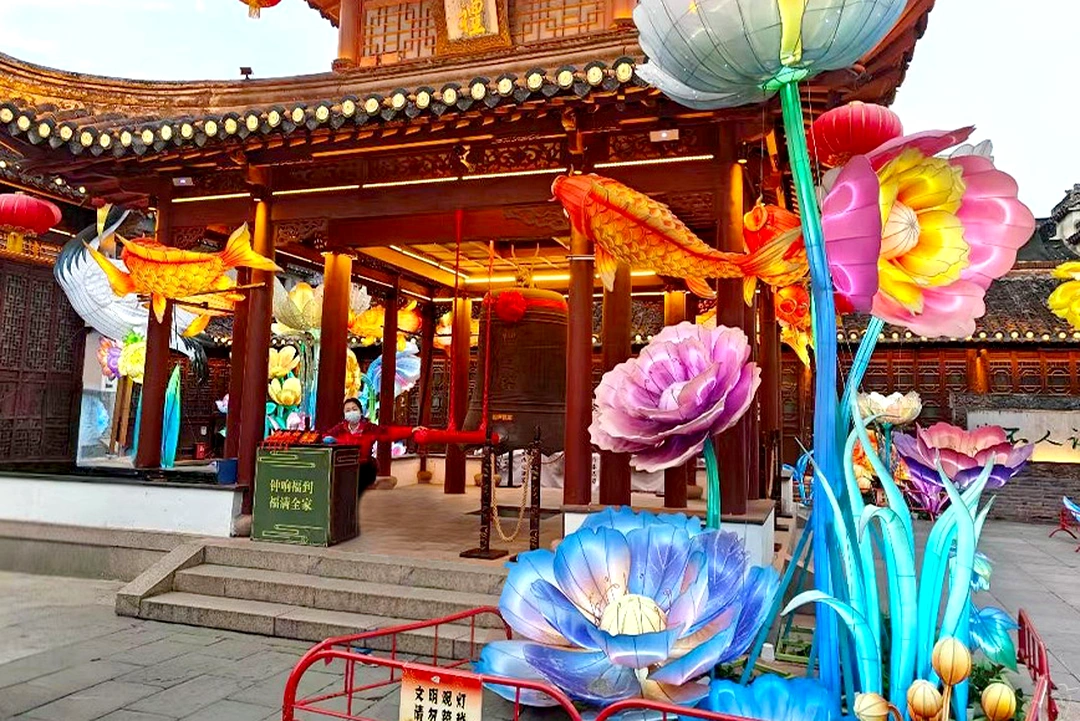
Stopping short of mere dazzling visual displays, the cultural artistic experience at the Confucius Temple achieves ultimate sublimation via the Qinhuai Lantern Festival—a national-level intangible cultural heritage grandly celebrated every early spring. This event faithfully recreates the magnificent scene historically praised in chronicles as “the prosperity of boat lanterns, peerless across the realm.” Thousands of exquisitely crafted handmade lanterns in varied forms—from elegant lotus lanterns and mischievous jade rabbit lanterns to continuously rotating spinning horse lanterns—are brilliantly displayed, transforming the entire old street into the most vibrant outdoor folk lighting museum. Immersing oneself in this immersive folk space offers not only chances to witness the pinnacle of traditional Chinese handicraft arts, but journeys touching the deepest soul of a scholarly land where past and present merge beneath the shimmering golden dust of Qinhuai night lamps.
Entering the colorful space of the Nanjing Confucius Temple Old Street (Fuzimiao) under falling night skies, travelers touch not only golden historical chapters of feudal civil service education, but step into a profound culinary paradise where the essence of Jinling cuisine (also known as the Jing-Su school) is perfectly preserved across centuries. Unlike the fiery pungency of Sichuan food or the rich, heavy richness of Zhejiang styles, local Qinhuai gastronomy carries a distinct elegance, refinement, and meticulousness characteristic of a land once serving as the capital for six dynasties. This entire foundation is robustly structured upon generational flavor systems, where every dish constitutes a historical narrative and cultural memory transmitted across eras by the skillful hands of old capital culinary artisans.
Mentioning the pinnacle of popular and aristocratic culinary culture here naturally invokes the legendary “Qinhuai Eight Delicacies” alongside sixteen classic dim sum creations that have captivated literati from the Ming and Qing Dynasties down to the present day. Along ancient bluestone alleyways shaded by red lanterns, diners easily encounter time-honored family brands, each holding exclusive, unblendable preparation secrets. At the Yongheyuan restaurant, the enticing aroma of flaky, multi-layered Huangqiu baked pastries mingles with bowls of rich, glossy scallion oil tossed noodles, instantly awakening every sensory receptor of passersby. Not far away stands the famous Xiangyouji shop renowned for its beef potstickers (pan-fried stuffed dumplings) featuring crispy golden crusts enclosing richly seasoned minced beef whose natural juicy sweetness remains intact, ensuring lifelong memorable impressions for anyone tasting them.
This old street also preserves traditional culinary landmarks such as Liu Feng Ju with its delicate young tofu cooked in refined broths, or fragrant scallion pancakes redolent of lard and fresh green onions. Meanwhile, Qifangge is famous for its signature duck-fat baked pastries alongside assorted vegetarian stuffed buns meticulously packed with dozens of exquisite Jiangnan ingredients. Right near the Confucius Temple area sits the Lianhu pastry shop, where sweet, smooth red bean paste sweet soup blended with pristine white Ruyi pastries symbolizing auspiciousness serves as familiar street snacks after strolling hours. From the bold flavors of xiao long bao and soup dumplings at the Jianweiyuan noodle shop to five-spice tea eggs redolent of star anise and cinnamon paired with renowned mainland noodle bowls at Kuiguangge, all weave a rich, vibrant, and energetic culinary tapestry representing generations of Jinling urbanites.
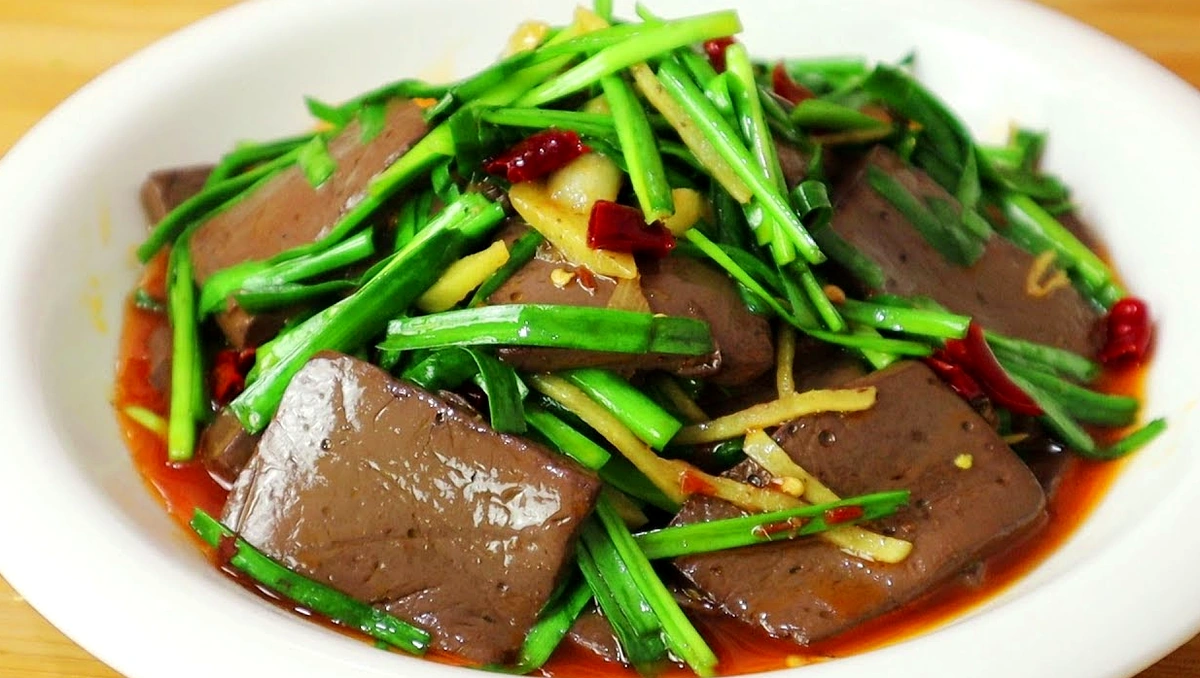
Beyond the famed dim sum and snacks, the soul of Qinhuai gastronomy lies within two rustic yet technically demanding masterpieces: Nanjing salted duck (affectionately termed osmanthus duck by locals) and duck blood vermicelli soup. Authentic Nanjing salted duck requires free-range ducks raised along surrounding rivers, featuring pristine white taut skin and tender, naturally sweet meat completely devoid of greasiness, subtly fragrant with sweet osmanthus and ancestral herbal medicines. Steaming hot bowls of duck blood vermicelli soup paired with sliced duck livers, gizzards, crispy fried tofu, cilantro, and scallions floating over rich duck bone broth form a flawless auditory and gustatory symphony. Amidst the contemplative ambiance of moss-covered Qinhuai waters, slowly savoring these traditional flavors transcends physical hunger fulfillment to become a profound spiritual journey wherein travelers truly merge with the millennial pulse of ancient capital culture.
Concluding the millennial cultural space at the Nanjing Confucius Temple Old Street, mastering practical information will empower visitors to savor every moment in this prosperous Jinling haven. To prepare for a seamless and insightful trip, priority must be given to operating hours across the district and core heritage sites. The entire architectural space and pedestrian street of the old street remain openly accessible day and night, allowing free strolls anytime to experience urban rhythms blending classical and modern traits. However, for core historical and research attractions such as Dacheng Hall, the Jiangnan Examination Hall, or the China Imperial Examination Museum, standard opening hours run daily from 8:30 AM to 9:30 PM, with operations frequently extended until 10:00 PM during evening hours to accommodate lantern-lit sightseeing. Due to year-round crowds, advance bookings 1 to 3 days prior via official public platforms of the historic site represent essential preparations, saving waiting times and optimizing personal schedules.
Regarding transit and urban infrastructure connectivity, reaching the Nanjing Confucius Temple Old Street is remarkably convenient thanks to the city’s modern, advanced subway system. Local expert recommendations prioritize urban metro systems via two optimal options: take Metro Line 1 and alight at Sanshanjie Station, or choose Metro Line 3 to arrive directly at Fuzimiao Station. From these stations, a short, leisurely stroll through tree-lined avenues reveals the contemplative Confucian temple and poetic Qinhuai River in their entirety. To optimize visual and emotional experiences across a full discovery day, travelers can design itineraries following the district’s circadian rhythms: dedicate mornings to educational and historical axes featuring national monuments like Dacheng Hall and the Jiangnan Examination Hall; during midday sun, pause at roadside eateries to savor signature Jinling snacks; and finally, as night falls, watch the Nanjing Confucius Temple Old Street metamorphose majestically, inviting visitors to stroll through ancient gardens like Zhan Garden, board Qinhuai painted dragon boats to cruise the legendary river, and immerse in colorful traditional lantern markets.
Beyond cultural and culinary highlights, practical tips will help bypass common tourist traps across this bustling Chinese destination. Along central pedestrian streets, dining and restaurant prices exceed general averages; consequently, seeking authentic traditional flavors at affordable prices warrants venturing into winding side alleys behind the main streets housing generational family eateries. Furthermore, visiting antique shops, calligraphy stores, or souvenir stalls carrying antiquarian labels calls for clear-headed alertness, avoiding reckless spending on unverified items. Especially during major national holidays when tourist influxes surge, management routinely enforces crowd control measures to guarantee absolute safety, making off-peak planning wise for tranquil sightseeing. For seamless getaways arranged thoughtfully from transport and tickets to expert local guides, refer to all-inclusive tour packages to enjoy the millennial beauty of this ancient capital without organizational stress.