Welcome, dear travelers, to this in-depth international travel encyclopedia monograph compiled by VDS Travel. Just as London proudly boasts the London Eye and Singapore features the Singapore Flyer, China’s port city of Tianjin asserts its breathtaking stature with an architectural masterpiece unprecedented in the history of bridge engineering and global Ferris wheels: the Tianjin Eye. Standing majestically right atop the deck of the Yongle Bridge spanning the historic Haihe River, this structure is not merely a sightseeing stop, but a flawless fusion of modern mechanical engineering, urban architectural art, and the spiritual soul of one of northern China’s most bustling commercial hubs.
Geographically, the Tianjin Eye is located at the strategic intersection of Hongqiao District and Hebei District, right upon the main span of the Yongle Bridge. This location holds profound historical significance, as the Haihe River is the lifeblood that birthed Tianjin’s prosperity since the Ming and Qing Dynasties, while serving as a living witness to the era when the city was partitioned into international concessions in the 19th and early 20th centuries. Positioning a colossal wheel directly atop an arterial traffic bridge not only solves smart urban planning challenges but creates a multi-dimensional public space where industrial history, modernization, and spiritual realms blend as one.
The unique symbolic significance of the Tianjin Eye lies in the fact that it is the only observation wheel in the world built directly onto a bridge. In Eastern feng shui and modern urban philosophy, a bridge symbolizes connection, transition, and ceaseless trade, while a wheel represents cosmic rotation, eternity, and the sublimation of human consciousness. When visitors step into a cabin of the Tianjin Eye and slowly ascend into the sky, they are not merely experiencing high-end entertainment, but embarking on a timeless journey, observing the panoramic, powerful transformation of a metropolis striving to become the economic and cultural super-center of the Bohai Economic Rim.
The historical genesis of the project dates back to the early 21st century, when Tianjin embarked on a large-scale urban renewal campaign to revitalize both banks of the Haihe River. The Yongle Bridge combined with the observation wheel commenced construction in 2007 and officially opened to operations on April 7, 2008. From its very inception, the Tianjin Eye immediately garnered global acclaim for its daring concept and the complex load-bearing capabilities of a steel structure combining a roadway bridge and a giant wheel. Spanning over a decade of development, it has evolved into the soul of Tianjin tourism, welcoming millions of international visitors annually and helping reshape China’s cultural tourism map on the international stage.
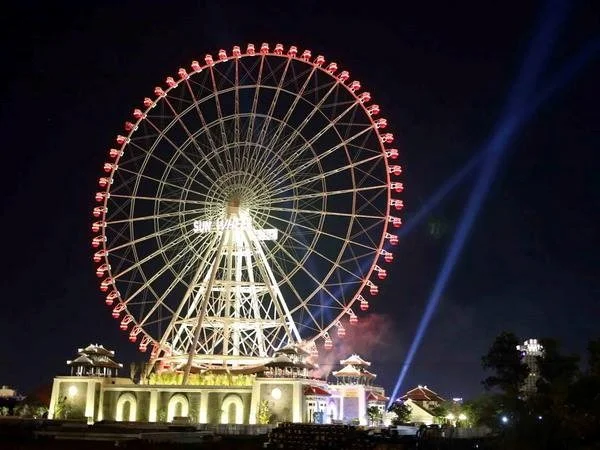
The Ferris wheel shimmering with brilliant lights at night within the tourist area.
To construct a wonder that stands resilient against all tests of time and the harsh weather conditions of northern China, world-leading engineers and architects applied the most advanced technological solutions. The Tianjin Eye reaches a total height from the water surface of the Haihe River to its apex of approximately 120 meters, equivalent to a 35-story skyscraper. The wheel’s diameter itself spans 110 meters, forming a giant window opening onto the expansive skies of the port city.
The unique and most formidable architectural challenge of the Tianjin Eye was structural integration. The wheel is anchored directly into the body and piers of the Yongle Bridge—a bustling roadway traffic bridge operating underneath. This required experts to meticulously calculate every metric concerning static loads, dynamic loads from passing vehicles, high wind resistance blowing from the Bohai Bay, and seasonal thermal expansion. The primary load-bearing steel frame is manufactured from special steel alloys boasting high corrosion resistance and exceptional elasticity, ensuring absolute safety for every passenger.
The gondola cabin system of the Tianjin Eye is also an engineering design marvel. The wheel features a total of 48 enclosed passenger cabins crafted from high-grade insulated, soundproof, and UV-resistant tempered glass. Each cabin accommodates up to 8 passengers, equipped with two-way air conditioning (warm in freezing winters and cool in scorching summers), comfortable seating, and smart ventilation systems. Thanks to its fully transparent design, passengers seated inside enjoy 360-degree panoramic views unobstructed by any structural bars.
The visual beauty of the Tianjin Eye reaches its pinnacle after nightfall. An artistic lighting system utilizing modern multi-color LED technology is arranged along the spokes and rim of the wheel. When activated, the Tianjin Eye transforms into a colossal, brilliant multi-colored jade, continuously shifting glowing light patterns that reflect magically upon the rippling waters of the Haihe River. The synthesis of light, steel architecture, and flowing water generates a breathtaking visual harmony, leaving anyone admiring it from afar deeply awed by boundless human creativity.
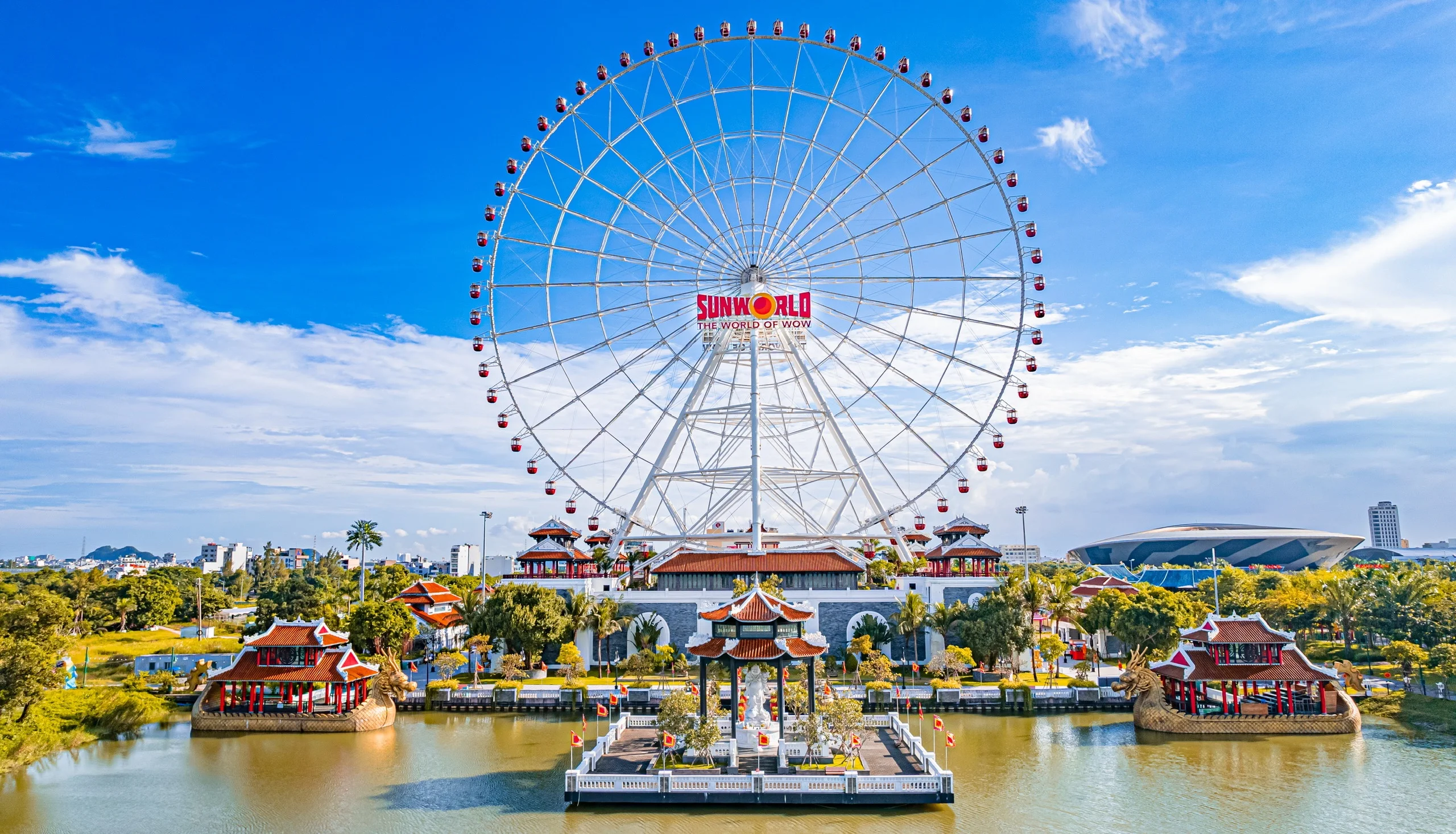
The massive Tianjin Eye standing out prominently behind traditional temple architecture and the lake surface.
The core and most sacred experience upon visiting this destination is stepping into one of 48 cabins and embarking on a 30-minute rotation journey. This duration is perfectly calculated for the wheel to move extremely smoothly and leisurely, sufficient for visitors to avoid dizziness and instead feel a floating sensation as if soaring through the clouds. As the cabin slowly ascends, Tianjin’s city panorama unfolds beneath your feet magically.
At the 120-meter peak height, the world seems condensed into your field of view. Below you, the Haihe River winds softly like a silver ribbon, embracing ancient streets bearing European colonial architecture interwoven with ultra-modern 21st-century skyscrapers. You easily recognize the city’s other renowned historical landmarks, such as Ancient Culture Street, the drum tower, or century-old bridges featuring Gothic, Roman, and Baroque styles lining the riverbanks. On clear days, visibility stretches for tens of kilometers, enabling you to fully contemplate the unique, peerless East-West cultural convergence in China.
To capture once-in-a-lifetime check-in photos, travel enthusiasts and professional photographers frequently share these classic shooting angles:
Angle from both banks of the Haihe River (Section near Yongle Bridge): Standing from the riverside pedestrian walkway, utilizing wide-angle lenses or portrait modes to capture the entire Yongle Bridge and the towering Tianjin Eye above. The finest time is at sunset (the golden hour) when late daylight casts amber hues over the steel structure. Angle from Haihe River cruise boats: Experience riding a boat gliding lightly over nighttime waters, gazing up at the brightly glowing Tianjin Eye creating magical reflected effects underwater. Angle from inside the cabin: Leveraging natural daytime light for portraits with the urban backdrop behind, or capturing silhouettes at sunset to impart exceptional artistic depth.
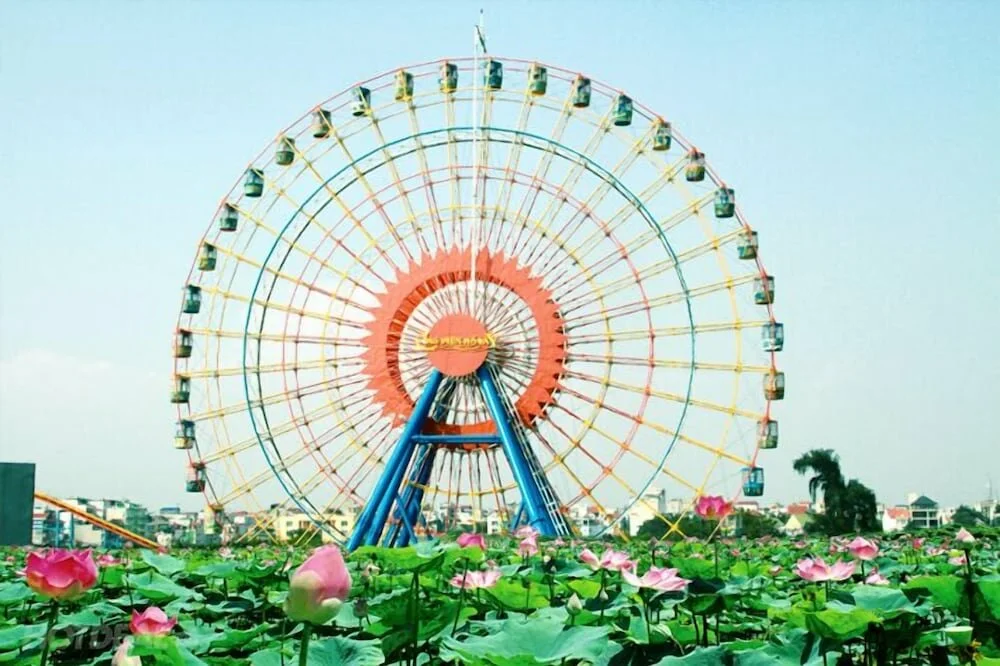
The gigantic Tianjin Eye behind a pink lotus pond
An exploratory trip to the Tianjin Eye cannot be deemed complete if visitors skip the rich culinary paradise located right around this area. Hongqiao District and adjacent ancient quarters serve as cradles for numerous renowned traditional dishes bearing characteristic flavors of northern China’s coastal regions, blending imperial cuisine and rustic street food.
Heading the list of must-try dishes when visiting the Tianjin Eye area is Goubuli Baozi (Barking Dog Steamed Buns)—a traditional steamed bun brand with over 150 years of history featuring soft, spongy dough skins and rich, juicy meat fillings pleated meticulously like blooming chrysanthemums. Following this is Tianjin Tanghulu (Candied Hawthorn Skewers)—the sweet symbol of northern childhood, crafted from fresh, delicious hawthorn berries dipped in melted cane sugar to form a transparent, crispy shell. Additionally, visitors cannot miss Jianbing Guoji (Savory Crepes)—Tianjin’s national breakfast favorite featuring thin egg-coated crispy batter sheets smeared with sweet bean paste and stuffed with fried dough sticks inside, delivering unforgettable rich flavors.
Alongside gastronomy, souvenir shopping culture around the Tianjin Eye and Tianjin Ancient Culture Street remains immensely vibrant and rich in traditional cultural identity:
Niren Zhang Clay Figurines (Clay Figure Zhang): A national-level intangible cultural heritage of China. These tiny clay statues are sculpted exquisitely down to every detail by artisans, vividly portraying historical, mythological, or folk characters with hyper-realistic expressions and brilliant colors. Yangliuqing New Year Pictures: Famous traditional folk woodblock print series noted for bright colors and themes wishing luck and prosperity, ideal for auspicious feng shui gifts. Northern floral and green teas: Tianjin boasts a refined tea-appreciation culture. Visitors can purchase premium teas packaged in luxurious gift boxes at century-old shops along the pedestrian street near the Haihe River.
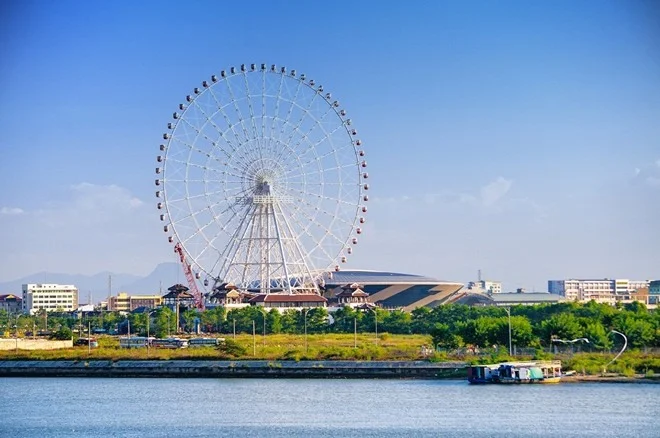
The gigantic Tianjin Eye by the riverbank in China
To help dear travelers take complete charge of their exploration trip to the Tianjin Eye, VDS Travel’s team of experts has compiled and structured the detailed practical guide below:
1. Golden Timing for Visits:
Tianjin experiences a temperate continental monsoon climate featuring four distinct seasons. Spring (from April to June) and autumn (from September to November) are deemed the ideal periods for travel. Weather during these times is exceptionally pleasant and dry, while clear blue skies ensure visibility from the wheel’s apex reaches absolute perfection. If you wish to admire brilliant city light spectacles, plan visits between 6:00 PM and 8:00 PM. However, note to avoid major Chinese holidays like National Day Golden Week (Oct 1 – Oct 7) or Lunar New Year if you wish to bypass crowds and long queues.
2. Optimal Transport Methods:
* From Beijing to Tianjin: International travelers typically land in Beijing, then catch high-speed trains (高铁) from Beijing South Railway Station to Tianjin Railway Station. Travel time spans merely 30 to 45 minutes, extremely rapid and convenient.
* Intramural Travel to Tianjin Eye: From Tianjin Station, you can easily hail taxis, utilize ride-hailing apps (such as Didi), or take Metro Line 1 or Line 4 to stations closest to Yongle Bridge, followed by a leisurely stroll enjoying scenery along both banks of the Haihe River.
3. Reference Costs:
* Ticket prices for the Tianjin Eye experience range between 100 and 120 Chinese Yuan (RMB) per adult ticket. Children and seniors typically enjoy preferential discount policies. (Note: Ticket prices may adjust during peak seasons or for bundled services such as private VIP cabin rentals).
* Casual dining costs fluctuate from 30 – 80 RMB/meal, while high-end riverside restaurants feature flexible pricing based on demands.
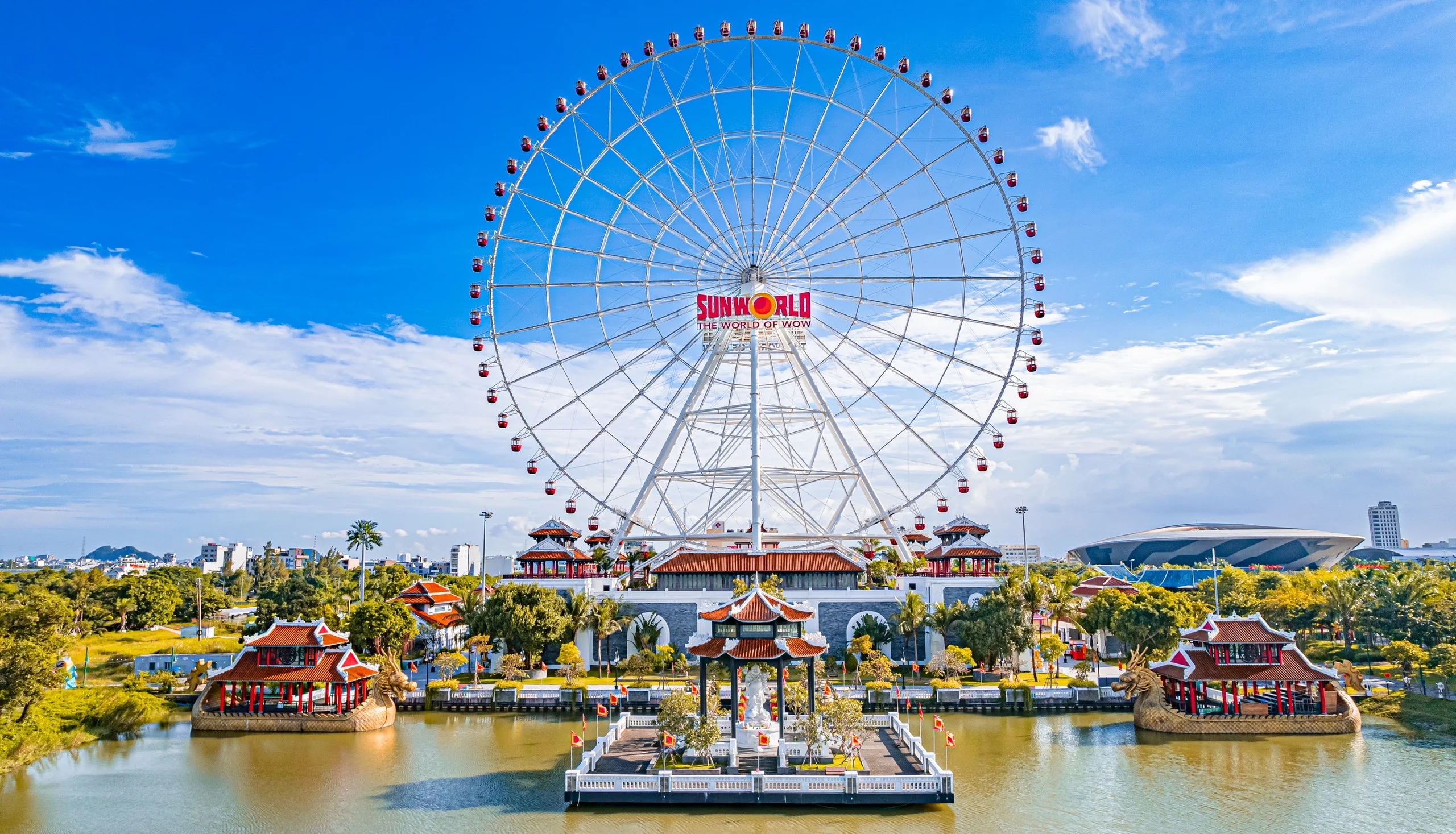
The gigantic Tianjin Eye standing out prominently in the outdoor amusement park area.
4. Cultural Etiquette and Crucial Taboos:
* Upon entering the cabin, strictly adhere to regulations prohibiting smoking, carrying pungent food and beverages, or flammable/explosive materials.
* In communication customs with native Tianjin locals, openness and humor are highly valued. Nevertheless, when shopping in traditional markets, bargaining is a familiar cultural practice yet should be conducted with polite, gentle attitudes.
* Always carry identification documents (Original Passports) on your person as Chinese tourism police conduct stringent checks across major public areas.
1. How long does the Tianjin Eye take to complete a full rotation?
The time required for the wheel to complete a closed rotation is approximately 30 minutes. This duration is optimally designed to grant passengers sufficient relaxation, photography, and panoramic city appreciation time without any rushed or fatigued sensations.
2. Does the Tianjin Eye operate during freezing winters or rainy, windy weather?
The wheel is engineered to extraordinarily strict technical standards, capable of withstanding heavy winds and freezing northern Chinese winter weather. Cabin interiors feature warm air-conditioning systems. Nonetheless, under extreme weather conditions such as major typhoons, severe lightning storms, or dense fog severely impairing visibility and safety, management pauses operations to ensure absolute visitor safety.
3. Do I need to book tickets in advance before arriving at the Tianjin Eye?
Booking tickets beforehand (especially via online booking platforms or VDS Travel guides) is essential, particularly on weekends, holidays, or peak tourist seasons. This saves hours of waiting in ticket lines and secures preferred sunset or night-illumination experience slots.
4. What activities exist around the Tianjin Eye besides the Ferris wheel?
Plentiful! Right beneath Yongle Bridge and along Haihe River banks lie bustling pedestrian zones, verdant riverside parks, historic concession-era buildings, alongside countless artistic cafes and traditional eateries. You can easily spend an entire day exploring a combination of the Tianjin Eye, Tianjin Ancient Culture Street, and Haihe River cruises.
We hope this comprehensive encyclopedia handbook from VDS Travel has equipped you with thorough knowledge, inspiration, and practical field gear to successfully conquer the Tianjin Eye—the most unique wonder along the historic Haihe River. Wishing you a complete, brilliant, and memory-filled journey!