Welcome ladies and gentlemen to the comprehensive encyclopedic guide on the Tianjin Ancient Culture Street, internationally known by travelers under its original Chinese name Guwenhua Jie (天津古文化街). As an international travel expert and cultural encyclopedist of VDS Travel, I will accompany you on a journey dissecting every layer of historical, architectural, and cultural sediment of one of the most sacred symbols of the Middle Kingdom.
Situated in the central district of Nankai, right on the western bank of the picturesque Haihe River, the Tianjin Ancient Culture Street occupies a prime geographical position within the urban development structure of the port city of Tianjin. This place is not merely a tourist destination but the cradle producing core traditional cultural values of the entire North China region. This waterside location was no coincidence in traditional Feng Shui, but was meticulously chosen since the 15th century to lay the foundation for port prosperity.
Looking back at the historical currents, this area began to form and develop strongly from the Ming Dynasty, specifically in the second year of Yongle (1404). At that time, Tianjin was chosen by the feudal court as a key point to establish military checkpoints and food granaries, called “Tianjin Wei”. The birth of the Tianhou Palace ferry terminal on the banks of the Haihe River served as the “epicenter” attracting fishermen, merchants, and artisans from all directions to gather here. They came to pray for safety during sea voyages across the ocean, and from there, a bustling economic and religious center sprang up like mushrooms after rain.
Through centuries of ups and downs in modern and contemporary Chinese history, the Tianjin Ancient Culture Street has stood resiliently, fully preserving the soul of a bustling feudal port in the heart of a modern mega-city. The exclusive symbolic significance of Guwenhua Jie lies in its role as a living witness to the “Tianjinization” of folk culture. It not only represents Ming and Qing dynasty traditional architectural art but is also a living treasury of national intangible cultural heritage types such as Yangliuqing woodblock prints, Niren Zhang clay figurines, and traditional paper-cutting art.
Today, arriving at the Tianjin Ancient Culture Street from VDS Travel’s perspective, you will realize that this street serves as the perfect bridge between a golden past and a dynamic present. The Chinese government and the Tianjin municipal government have invested on a large scale to preserve and restore this area to its original state since the 1980s, turning it into the city’s first AAAAA-level national cultural tourism street. Every inch of land, every yin-yang tiled roof here whispers stories about the bustling trade of hundreds of years ago, when sailing boats sailing up and down the Haihe River carried products from everywhere to converge here.
Stepping into the Tianjin Ancient Culture Street, you are immediately overwhelmed by a unique architectural space, completely separated from the modern glass and steel skyscrapers outside. The total length of this pedestrian street is nearly 700 meters, designed precisely following the traditional urban planning model of Northern China, heavily bearing the architectural style imprints of the Ming and Qing dynasties.
The housing system here strictly adheres to the principles of symmetry and East Asian Feng Shui. Buildings are predominantly two-story houses with load-bearing timber frame structures, rustic gray brick walls combined with yin-yang tiled roofs curving upward at the corners. The strongest visual highlight is the system of store signboard made of precious timber, intricately hand-carved and shimmering with gold leaf following classical calligraphy styles. Red couplets hanging on both sides of doors and bright red lanterns blanketing small alleys create a remarkably lively and prestigious nostalgic picture.
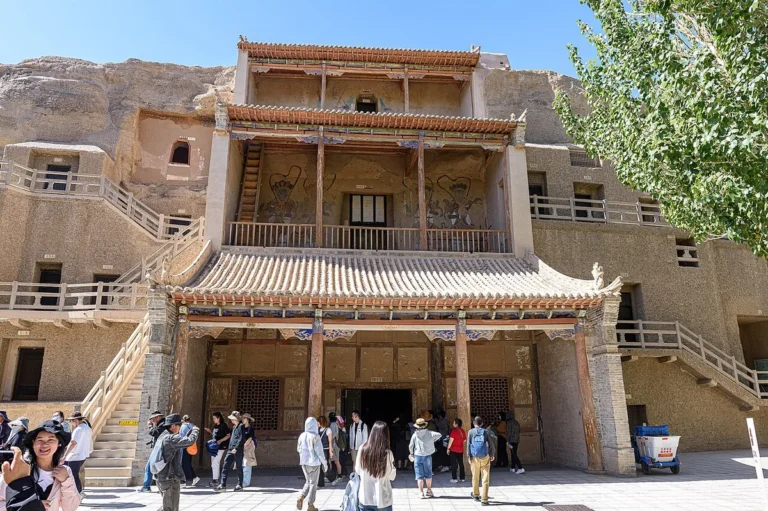
The architectural focal point of the entire street is the Tianhou Palace temple (also called Empress Palace or Niangniang Temple), first built in 1326 during the Yuan Dynasty and significantly expanded during the Ming Dynasty. The Tianhou Palace is not only a temple honoring Tianhou Shengmu (Mazu – the patron goddess of fishermen and merchants in coastal regions) but also an immensely valuable ancient wooden architecture museum. This temple complex includes the triple gate, bell tower, drum tower, main hall, and rear hall, all exquisitely and sharply carved with motifs of dragons, phoenixes, floating clouds, and water waves.
Not stopping at public buildings, every residential house and business store in Guwenhua Jie is also a miniature architectural art piece. Ancient artisans skillfully combined brick carving (Brick Carving), wood carving (Wood Carving), and stone carving (Stone Carving)—dubbed the “Three Supremes” in traditional Chinese architecture. As dusk falls, lantern light shines upon gray brick walls and red-lacquered gold-inscribed wooden panels, creating a breathtaking visual effect, transporting visitors backward in time to a glorious feudal era.

Impressive and magnificent scenery at Tianjin Ancient Culture Street
A complete exploration journey of the Tianjin Ancient Culture Street requires you to spend at least half a day leisurely walking on smooth bluestone slabs, inhaling faint incense fragrance and enjoying the bustling atmosphere of passing crowds. Below is the itinerary experiencing the essence and “million-like” check-in corners meticulously compiled by VDS Travel experts:
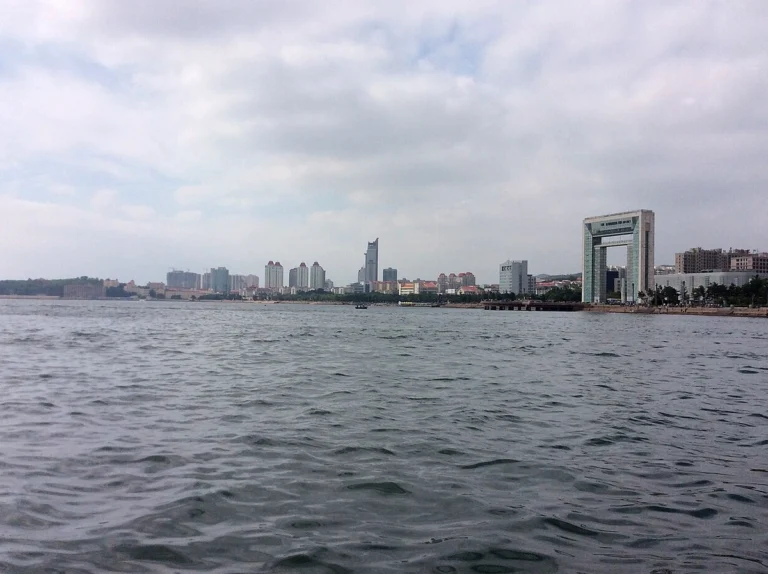
Tianhou Palace Courtyard and Ancient Stage: This is the most sacred and nostalgic check-in corner. Capturing moments standing in front of the mossy triple gate, or close-up shots of upturned curved tile roof details will bring you cinematic frames resembling historical period dramas. The ancient stage located inside the temple courtyard is also where traditional folk art performances regularly take place. Main Archway of the Ancient Culture Street (Guwenhua Jie Paifang): The grand wooden archway structure with four brilliant golden characters is a “must-have” check-in spot upon setting foot here. Shooting upward from below to capture the entire dome structure and ancient Chinese characters will affirm “I have been to Tianjin.” Traditional Handicraft Shops along Both Sides of the Street: Visit Yangliuqing woodblock print shops to observe artisans working and take photos alongside colorful folk paintings. Or visit ceramic and purple clay teapot shops to preserve frames rich in East Asian tea ceremony culture. Haihe River Scenic Bridge: Just a few steps from the end of the street, you reach the banks of the Haihe River. The angle facing toward the river featuring a backdrop blending the ancient architecture of the old street with modern towers on the opposite bank will create a timelessly iconic photo.
The best thing about strolling around Guwenhua Jie is not just sightseeing but interaction. You can personally try out several steps in the handicraft manufacturing process under the dedicated guidance of elderly artisans. These vivid experiences will further enrich each traveler’s international travel memory collection.
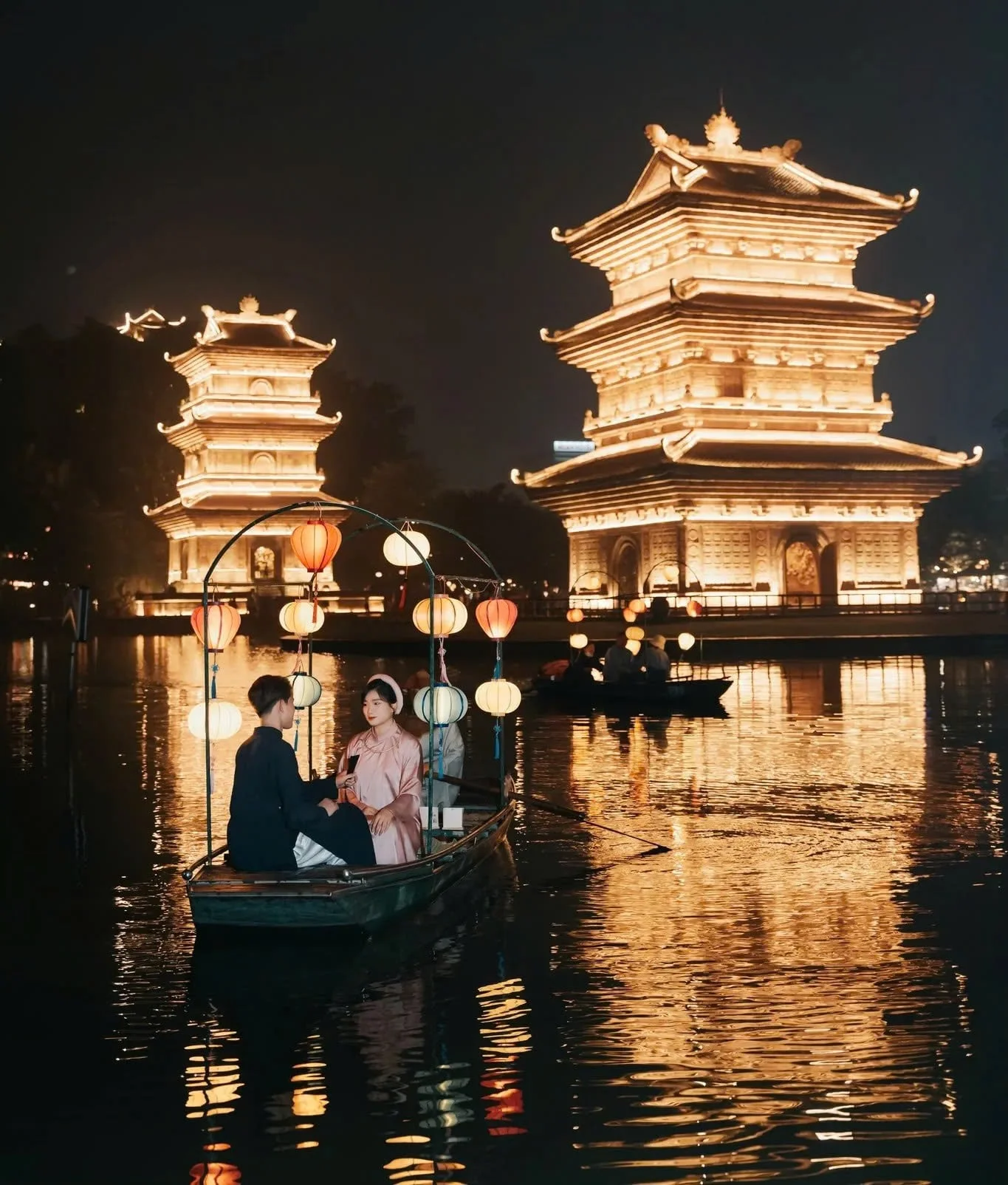
A couple sitting on a boat on the river admiring ancient towers glowing brilliantly with lights at night.
A trip to Tianjin cannot be called complete if you miss the journey of “conquering” the street food paradise and souvenir shopping art at the Ancient Culture Street. This place congregates dozens of centuries-old culinary brands, carrying the full characteristic flavors of garrison cuisine.
First to mention is Goubuli Baozi – the globally famous dish that has become Tianjin’s brand. Steamed buns with thin, delicately pleated dough skins, rich broth-infused minced pork fillings, where one bite floods the mouth with savory juices. Next is Eryandui Fried Cake, a traditional fried pastry featuring crispy golden outer crusts and sweet red bean fillings inside, delivering irresistible delicious flavors.
Cannot fail to mention Tianjin Candied Hawthorn (Tanghulu). Unlike other regions, candied fruit here features diverse ingredients: besides traditional hawthorn, there are strawberries, kiwi, and grapes coated in a crispy, shimmering sugar crust under sunlight. Additionally, traditional pastries like chestnut-filled flaky pastries and traditional peanut candies will captivate any sweet tooth.
Regarding souvenirs, the Tianjin Ancient Culture Street is the “collectible paradise” of China’s pinnacle handicraft art works:
Niren Zhang Clay Figurines (Niren Zhang): Small meticulously hand-molded clay statues truly depicting historical figures, novel characters, or folk life with vivid expressions and color durability across time. Yangliuqing Woodblock Prints (Yangliuqing Woodblock Prints): Famous folk paintings combining woodblock carving and watercolor hand-painting, carrying meanings of wishing for luck, fortune, and peace for homeowners during New Year occasions. Jade Handicrafts, Glazed Porcelain, and Feng Shui Bronze Ware: Shops along the street display countless sophisticated carved works, serving as extremely luxurious and classy gifts for partners and relatives.

Impressive and magnificent scenery at Tianjin Ancient Culture Street
To ensure your exploration journey of the Tianjin Ancient Culture Street achieves absolute perfection, VDS Travel’s field experts share a detailed A-to-Z handbook:
Golden Tourism Timing: Spring (April to June) and Autumn (September to November) are considered the two most ideal timeframes. At this time, Tianjin’s weather is extremely cool, dry, and skies are clear, highly favorable for outdoor walking exploration and photography. Winter here is quite cold and snowy; however, if you love festive atmospheres brimming with red lanterns welcoming Lunar New Year, the lunar January period also offers a unique, one-of-a-kind experience.
Optimal Transportation: Tianjin is located just about 30 minutes away from the capital Beijing by high-speed train. Once present in central Tianjin, extremely developed public transit systems help you easily access Guwenhua Jie:
Metro: Use Line 2 or Line 4, alight at Dongnanjiao Station or Jianguodao Station, then walk about 5-10 minutes to reach the street gates. Bus: Numerous urban bus routes pass through Nankai district and stop near Tianhou Palace. Taxi or Ride-hailing (Didi): Quick, convenient transport options if you travel in large groups or carry heavy luggage.
Estimated Budget: The Tianjin Ancient Culture Street is an open pedestrian street with completely free admission. You only incur expenses when visiting certain ticketed temple areas (such as Tianhou Palace, usually under 30 RMB), purchasing souvenirs, and enjoying street food. A budget of 150 to 300 RMB (approx. 500,000 – 1,000,000 VND) is more than enough for you to eat to your heart’s content and acquire meaningful souvenirs.
When entering sacred religious spaces like Tianhou Palace, you need to strictly adhere to cultural behavioral rules:
Dress politely and modestly, avoiding excessively short or offensive outfits when entering temples. Absolutely do not touch divine statues or ancient artifacts bearing prohibition signs. Ask permission before photographing artisans working directly inside shops to show respect for copyright and personal privacy. When shopping for expensive handicrafts like jade or antique porcelain, carefully inspect origins and brands, while politely bargaining at small retail shops (though avoiding excessively low price squeezing).
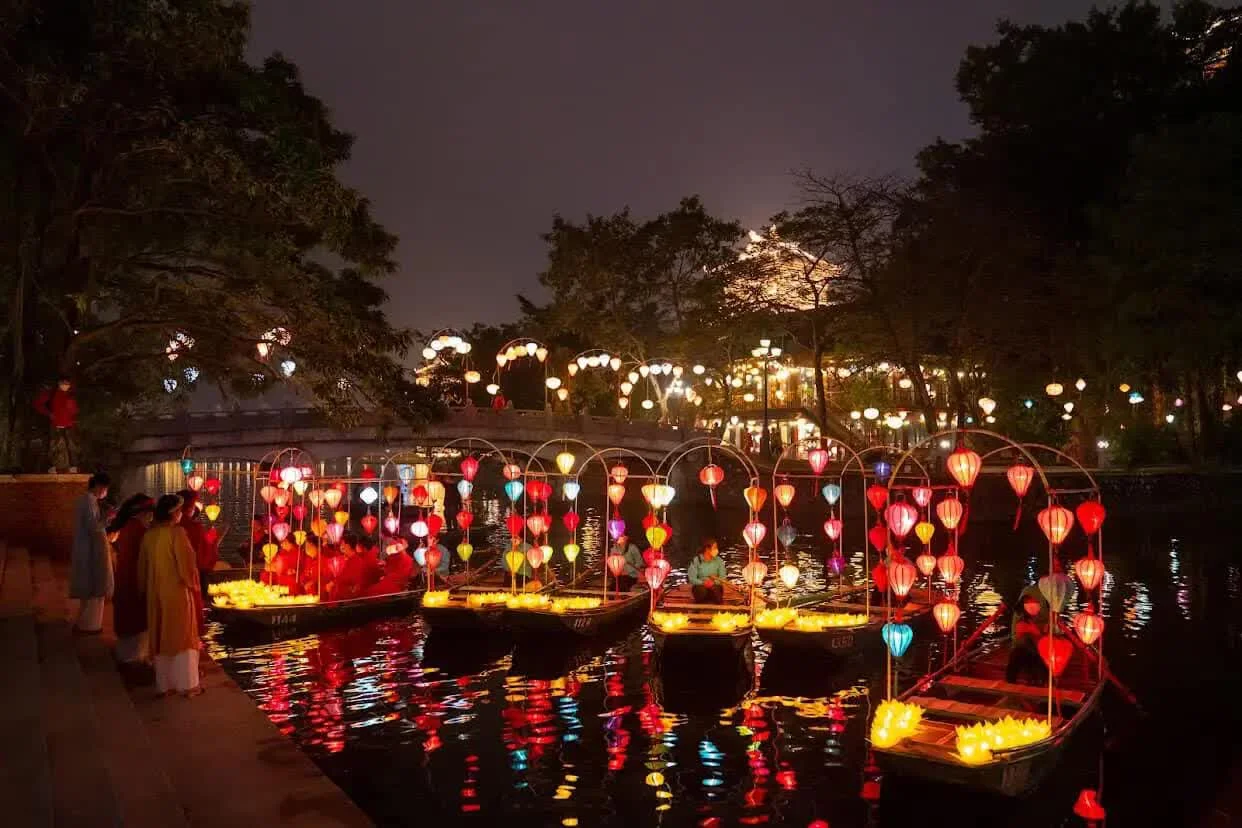
Brilliant night scenery with boats carrying shimmering lanterns on the river.
To thoroughly resolve lingering questions of travelers before each trip, VDS Travel’s expert team has compiled and drafted a list of frequently asked questions about the Tianjin Ancient Culture Street:

Impressive and magnificent scenery at Tianjin Ancient Culture Street
1. What time of day does the Tianjin Ancient Culture Street open?
The pedestrian street is open freely 24/7 throughout the week, allowing visitors to stroll anytime. However, business stores, handicraft shops, and the Tianhou Palace area typically open to welcome guests from around 9:00 AM to 6:00 PM daily. To enjoy quiet spaces for sightseeing and photography without crowds, early morning (8:00 AM – 9:30 AM) is the optimal choice.
2. Is an admission ticket required to visit the Tianjin Ancient Culture Street?
Absolutely not. Guwenhua Jie is an open public historical cultural space; you are completely free to walk, visit, and sightsee along the streets without paying any entrance fees. Fees only incur when purchasing tickets to visit inside the Tianhou Palace museum or purchasing culinary products and souvenirs.
3. What is the ideal time to spend fully exploring the ancient street?
The optimal time for a deep visit, including strolling to admire architecture, entering Tianhou Palace, watching artisan performances, tasting street food, and shopping for souvenirs is 3 to 4 hours. If combined with walking along the Haihe River banks and watching the sunset, you should arrange a complete afternoon here.
4. What payment methods can international travelers use when shopping here?
Most major stores and small vendors at Guwenhua Jie currently prioritize smart electronic payment methods via popular mobile apps in China such as WeChat Pay and Alipay. However, preparing small-denomination Chinese Yuan (RMB) cash is extremely necessary for quick payments for street snacks or small-scale traditional craft shops.
5. Is the Tianjin Ancient Culture Street suitable for elderly people and children?
Very suitable. The entire street is planned completely as a pedestrian zone with no hazardous vehicular traffic, and road surfaces are paved with flat stone convenient for strollers or light walking. The space is filled with traditional colors, and folk play toys will certainly delight young children.
Hoping that with this comprehensive and specialized encyclopedic handbook from VDS Travel, you are ready with your gear to step into a magical, emotion-filled, and culturally rich exploration journey of the Tianjin Ancient Culture Street. Wishing you a safe and sound journey filled with unforgettable experiences!