Unlike the opulent imperial delicacies born inside the magnificent northern palaces, Liuzhou river snail rice noodles (柳州螺蛳粉 – Liuzhou Luosifen) are a culinary epic sprouted from the heart of a gritty working-class city, where the winding Liu River embraces the famed heavy-industry hub of the Guangxi Zhuang Autonomous Region. The dish’s history traces back not to millennia-old scrolls or royal decrees, but to the turbulent transition between the late 1970s and early 1980s. As China’s Reform and Opening-up dawned, Liuzhou rose as a stronghold of metallurgy, heavy machinery, and mining, drawing tens of thousands of miners, machinists, and migrants from across the country in search of a livelihood. Late at night, after grueling shifts spent beneath factory smoke and dust, exhausted workers sought out makeshift street stalls along Nanqiao Road (南桥路) and the Jiefangcun Night Market (解放村), inadvertently sparking a remarkable culinary encounter between Han Chinese and indigenous Zhuang food cultures.
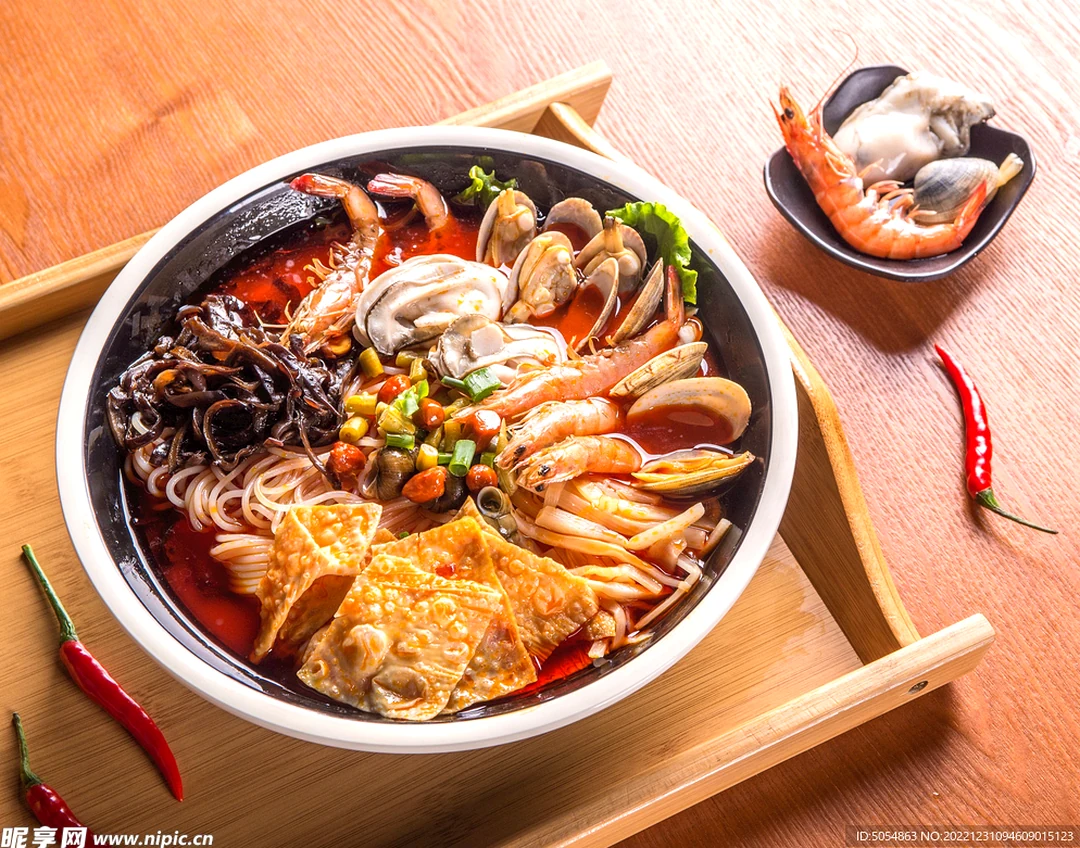
In the dimly lit corners of oil-lamp night markets of that era, street vendors ingeniously paired blanched fresh rice noodles with the fiery, aromatic broth of boiled river snails—a concoction previously served only as a drinking snack alongside local rice liquor. Fresh river and apple snails gathered from the fast-flowing bed of the Liu River were purged of mud, stir-fried until fragrant with sun-dried facing-heaven chilies, star anise, cassia bark, and black cardamom, and simmered overnight. The pungent, spicy steam shot straight to the senses, while the searing heat and warming properties of the broth immediately dispelled the damp chill of the southern night and the bone-deep fatigue lingering in the machinists’ bodies. Gradually, through the industrious hands of humble townsfolk, this street food absorbed and refined local seasonings until the 1990s, when its definitive standard was established: the broth had to be slow-simmered from pork marrow bones enriched with crushed river snails, infused with secret medicinal herbs, and crowned by the irreplaceable presence of pickled bamboo shoots (酸笋 – suansun) fermented using traditional Zhuang craftsmanship, creating an unmistakable tangy, fiery, and deeply savory profile.
Entering the new century, Liuzhou river snail rice noodles transcended their boundaries as a humble Guangxi breakfast or late-night snack to undergo a dramatic transformation alongside the rise of the digital economy. The year 2014 marked a historic turning point with the debut of the first packaged instant luosifen, engineered through modern food processing to solve the challenge of preserving rice noodle texture while locking in the bold aroma of fresh snail broth and fermented bamboo shoots. Recognizing the immense potential of this folk delicacy, the municipal government launched a large-scale strategic initiative in 2018 aimed at industrialization, standardization, and international brand building. The brightest milestone in its cultural journey arrived in 2021, when the craftsmanship of making Liuzhou river snail rice noodles was officially inscribed by China’s State Council onto the National List of Intangible Cultural Heritage, affirming its status as a profound cultural icon deeply rooted in the spiritual life of the people.
From a modest street snack feeding hungry miners along the old banks of Nanqiao, the dish has engineered an unprecedented economic miracle, with the total output value of its entire industrial chain surpassing 60 billion yuan (over 8.5 billion USD) and creating sustainable livelihoods for more than 300,000 local workers. This sprawling network stretches from vast highland bamboo plantations, ecological freshwater snail farms, and specialized pickled cowpea cultivation zones to high-tech, closed-loop processing complexes. Today, Liuzhou river snail rice noodles stand both as a living chronicle of the socioeconomic evolution of a Chinese heavy-industrial city and as a testament to the resilient vitality of grassroots cuisine—stepping onto the global stage while remaining fiercely faithful to its rustic origins.
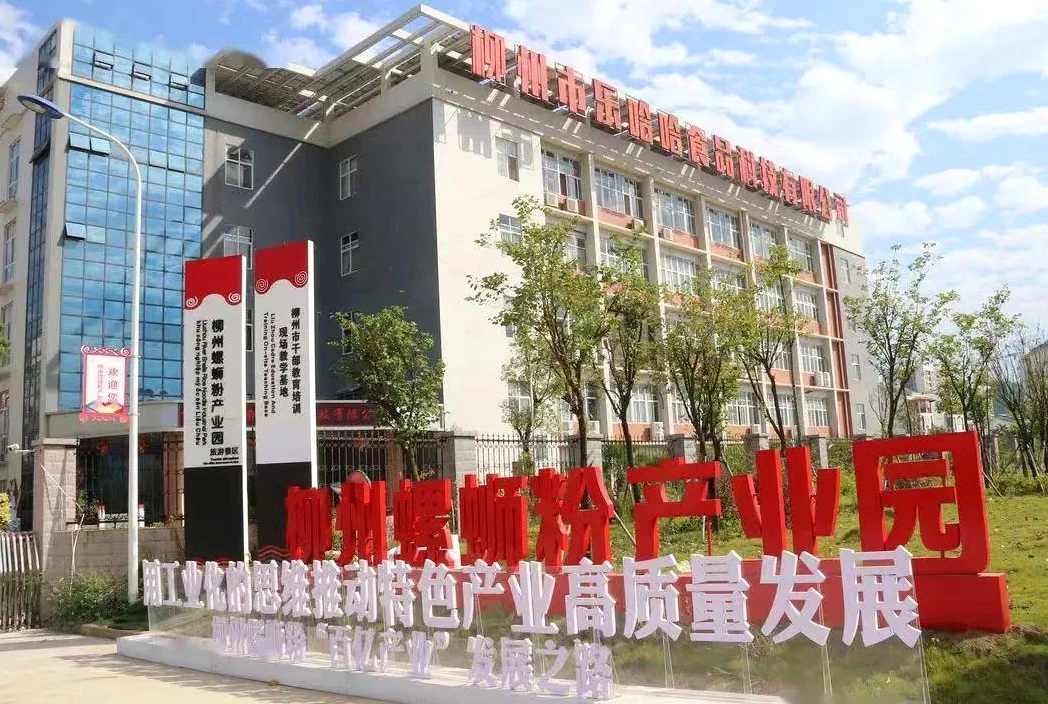
Liuzhou sits in the heart of the Guangxi Zhuang Autonomous Region, where generous nature has sculpted a majestic limestone karst landscape steeped in poetic mountain-and-water charm. According to classical feng shui geomancy, the city is encircled by the Liu River winding gracefully like a jade ribbon, forming an auspicious “jade belt embracing the waist” configuration around a fertile plain. This unique topography resembles a colossal jade kettle gathering vital energy, where brooding karst peaks cast their reflections upon crystal-clear emerald waters year-round. Millions of years of geological sedimentation not only forged the dramatic scenery immortalized in the poetry of Tang Dynasty literatus Liu Zongyuan, but also supplied mineral-rich groundwater from deep limestone aquifers—nurturing a thriving aquatic ecosystem and laying the essential foundation for renowned culinary traditions.
The terrain and humid subtropical microclimate of the Liu River valley serve as the ideal cradle for distilling one-of-a-kind local ingredients. Hidden beneath fast-flowing limestone reefs are stone snails (shiluo)—freshwater stream snails with firm, naturally sweet meat completely free of any muddy aftertaste. Alongside these aquatic treasures sprawl vast bamboo forests across red-earth hillsides, yielding plump, tender shoots for traditional suansun curing. Fermentation is carried out entirely by hand in time-honored earthenware jars using pure limestone well water and coarse sea salt, with zero chemical additives. Months of anaerobic biological transformation inside the valley’s stable temperatures concentrate a pungent, crisp tang and unmistakable crunch, establishing the inimitable signature flavor of local cuisine.
The culinary artistry here is equally bound to rigorous preparation methods governed by the indigenous philosophy of balancing yin and yang—cooling and warming energies. Crafting authentic Liuzhou river snail broth demands continuous simmering over many hours, uniting marrow-rich pork bones and richly stir-fried stream snails with dozens of Chinese medicinal herbs and spices, including star anise, cassia bark, black cardamom, amomum fruit, cloves, and sun-dried facing-heaven chilies. Meanwhile, proper rice noodles must be milled from late-harvest indica rice, soaked, ground into paste, and extruded using heirloom techniques to achieve an extraordinary chewy resilience that never turns mushy even when steeped in piping-hot, fiery soup. The interplay of tongue-numbing spice, bright acidity, the rich crunch of puffed fried bean curd skin, and the vivid crimson sheen of chili oil composes a multi-layered gastronomic landscape—mirroring the fiery pulse and indomitable spirit of these mountain-valley people.
To reach the birthplace of this celebrated dish, international travelers today benefit from seamless modern transport infrastructure linking cross-border economic corridors. From Vietnam, the most convenient overland route begins at the Huu Nghi International Border Gate in Lang Son, crossing into the border town of Pingxiang in Guangxi. From there, the broad Nanning–Liuzhou Expressway offers a smooth 2.5- to 3-hour drive. For those who favor speed and comfort, China’s state-of-the-art high-speed rail network is the ultimate choice: bullet trains departing Nanning East Station streak across the landscape at 250 to 300 km/h, delivering travelers into central Liuzhou in just 1 hour and 15 minutes to 1 hour and 30 minutes. Simultaneously, Nanning Wuxu International Airport welcomes regular direct flights from Hanoi and Ho Chi Minh City, forming a golden link for the classic 4-Day, 3-Night itinerary connecting Hanoi – Lang Son – Nanning – Liuzhou – Guilin—offering an all-encompassing journey from breathtaking natural wonders to pinnacle culinary heritage.
Liuzhou’s architectural landscape opens up a fascinating dialogue between its feudal past, Lingnan ethnic identity, and the industrial footprint of a storied heavy-machinery powerhouse. The jade-green Liu River curves around the city like a silk sash, creating a scenic backdrop where luosifen food culture is anchored by iconic landmarks. Standing out along the river’s eastern bank is Qincha Ancient Street—better known as Yaobu Ancient Town—a grand architectural complex faithfully recreating the bustle of a centuries-old river port once crowded with merchant vessels. Here, the distinctive craftsmanship of indigenous ethnic minorities shines, harmoniously blending the airy wooden stilt houses (diaojiaolou) of the Zhuang and Miao peoples with towering horse-head fire walls and dark gray yin-yang tiled roofs characteristic of Ming and Qing Dynasty merchant guilds.

The spatial layout of Yaobu Ancient Town is meticulously tiered along a gentle slope descending toward the waterfront. Narrow alleys paved with polished bluestone wind past intricately carved pavilions, arched stone bridges, and upturned eaves soaring proudly against the sky. Beneath eaves draped with crimson lanterns, open-air verandas catching cool river breezes serve as ideal gathering spots for traditional luosifen eateries. The pungent, earthy aroma of fermented bamboo shoots, the sharp kick of fried chili oil, and billowing steam rising from cauldrons of river-snail broth simmering all night mingle with the moss-aged shadows of ironwood pillars—creating a captivating visual and olfactory tableau that transports diners back to the era when tea and salt merchants docked along these shores.
Providing a striking yet harmonious counterpoint to the serene antiquity of Yaobu Ancient Town is the Liuzhou Industrial Museum, a monumental cultural institution standing impressively upon the tens of thousands of square meters of a former metallurgical and machinery plant. The museum preserves soaring steel-truss vaults, time-weathered red brick structures, and the very lathes, smelting furnaces, and steam locomotives that once ran at full capacity. This raw, angular industrial space holds the key to decoding the meteoric rise of river snail rice noodles. During the mid-20th century, as Liuzhou emerged as Southwest China’s heavy-industry headquarters, the urgent tempo and grueling physical labor of tens of thousands of night-shift workers directly shaped the craft of street-side luosifen: fast, energy-dense, and fiercely spicy to drive away the night chill and exhaustion after hours beside blazing steel furnaces.
It is precisely this intersection between mechanical engineering precision and folk culinary artistry that forged the extraordinary scale of Liuzhou river snail rice noodles today. From centuries-old stone-paved lanes to ultra-modern manufacturing plants, crafting an authentic bowl requires exacting proportions of dozens of highland botanicals—such as star anise, amomum fruit, and cinnamon bark—paired with freshly purged river snails. Every bundle of sun-dried rice noodles calibrated for optimal chewiness, every golden sheet of puffed fried bean curd skin, and every batch of naturally fermented bamboo shoots adheres to strict artisanal standards. Today, Liuzhou’s culinary footprint extends far beyond rustic wooden tables beside an ancient river town, evolving into a sophisticated food industry powered by precision automation that carries the humble street flavors of the Liu River to every corner of the globe.

As twilight recedes behind jagged karst peaks, Liuzhou’s urban pulse shifts into its most dazzling and vibrant chapter of the day. The tranquil Liu River, winding like an emerald ribbon through the city’s heart, suddenly transforms into a colossal mirror reflecting thousands of hues from contemporary light-art installations. Along both riverbanks, the dramatic cliffs of Panlong Mountain and one of the region’s largest man-made waterfalls glow brilliantly, choreographed alongside a mesmerizing musical fountain erupting from mid-river to create an awe-inspiring visual spectacle. Night cruise boats glide smoothly across the water beneath soaring illuminated bridges, allowing passengers at the rail to take in a panoramic tapestry weaving untamed natural beauty together with cutting-edge architectural engineering.
Docking at Fengqing Pier, the nocturnal urban energy softens into a harmonious blend of indigenous heritage. Cool river breezes drift across the waterfront alongside the lilting strains of the tianqin lute, bamboo mouth organs, and melodic mountain folk songs tied to the legend of Singing Fairy Liu Sanjie of the Zhuang, Dong, and Miao peoples. Rather than being confined to distant stages, these live cultural performances flow naturally through the heart of the city, where locals and travelers alike lean against granite balustrades, listening to ancestral melodies and soaking in the warm vitality of a thriving southern community.
Just across the water-reflected bridge lies Yaobu Ancient Town, a stately reconstruction evoking a Ming–Qing Dynasty river port on the eastern bank of the Liu River. Narrow bluestone lanes, mossy swallowtail-curved tile roofs, and vermilion timber pavilions are bathed in the warm glow of red lanterns. Beneath ornate gazebos, visitors dressed in graceful traditional attire stroll through wisps of evening mist before stopping at roadside stalls for a piping-hot bowl of heirloom luosifen. The pungent scent of jar-cured sour bamboo shoots, the fiery kick of fragrant chili oil, and billowing herbal steam of cassia and star anise create a poetic contrast between the quiet dignity of classical architecture and the earthy exuberance of grassroots street food.

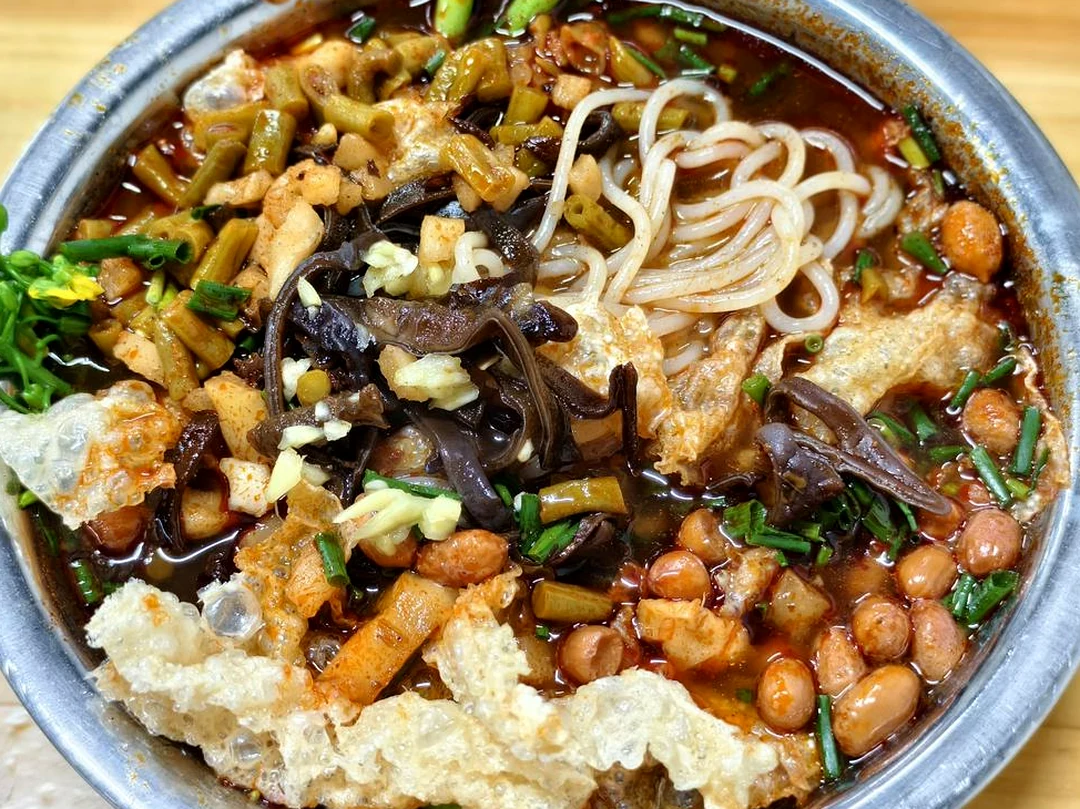
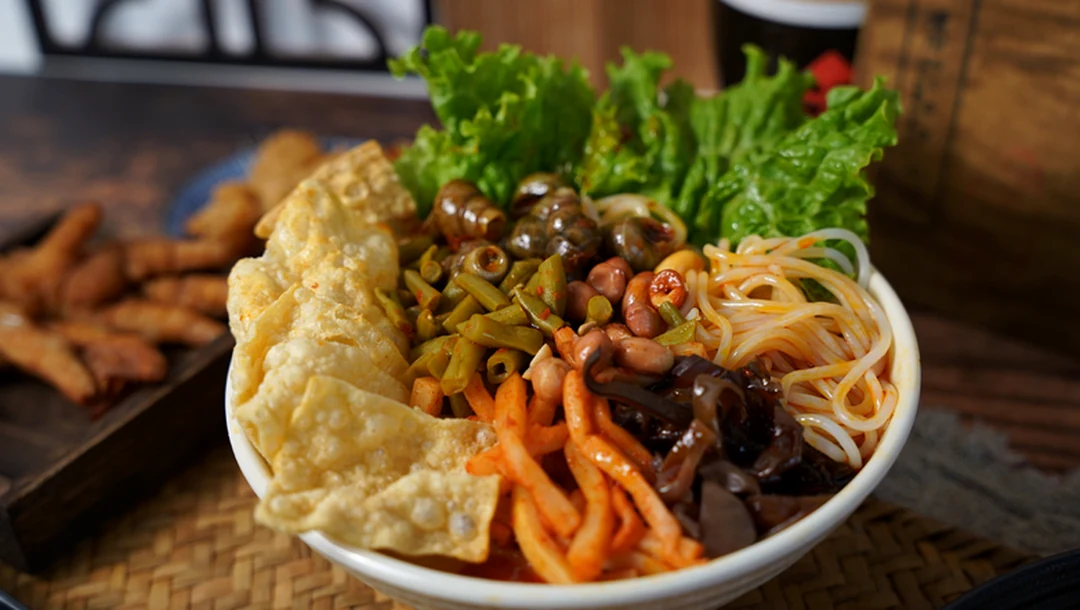
While Yaobu Ancient Town exudes refined nostalgia, the Shengli Night Market is the explosive epicenter of authentic everyday street life. Originating decades ago as rows of eateries feeding overtime workers from nearby machinery and steel plants, Shengli Food Street now blazes all night beneath a sea of multicolored neon signs and alluring charcoal smoke. Amid the lively clatter of chopsticks and spoons, rhythmic cleavers, and animated chatter, a bowl of Liuzhou river snail rice noodles emerges as a humble masterpiece of Guangxi gastronomy. Slow-simmered for hours from fresh pork marrow bones and mounds of plump river snails, the broth distills the clean sweetness of freshwater streams layered with star anise, cloves, and black cardamom. Silky-white, springy rice noodles made from top-grade indica rice peek out beneath a crimson sheen of fiery chili oil, crowned generously with broth-soaked “tiger-skin” fried duck feet, crispy golden bean curd skin, julienned traditional pickled bamboo shoots, crunchy wood ear mushrooms, and a handful of fragrant roasted peanuts.
Savoring a tongue-tingling bowl of luosifen in the cool Liuzhou night air—sipping spoonfuls of fiery broth until beads of sweat form on your brow—is the surest way to grasp the unpretentious yet profound philosophy of life cherished by locals. Liuzhou after dark is more than a symphony of modern light technology or nostalgic cultural shows; it is a visceral bond between people and terroir, where the fires beneath snail-broth cauldrons burn brightly through the night to warm the spirits of travelers from near and far.
Stepping into the shadowy alleyways lining both banks of the Liu River as evening mist settles in, a traveler’s senses are immediately captivated by an aroma at once pungent, earthy, and irresistibly intoxicating. This is the hour when the famed culinary map of Liuzhou river snail rice noodles (柳州螺蛳粉) strikes up its purest symphony—where every bowl is far more than street food, representing a canonical distillation of ancient Lingnan yin-yang balance. An authentic heirloom bowl in Guangxi must unite seven essential components layered in harmony to deliver a complete sensory profile: searing heat, crisp acidity, herbal freshness, satisfying crunch, and the deep umami of river waters.
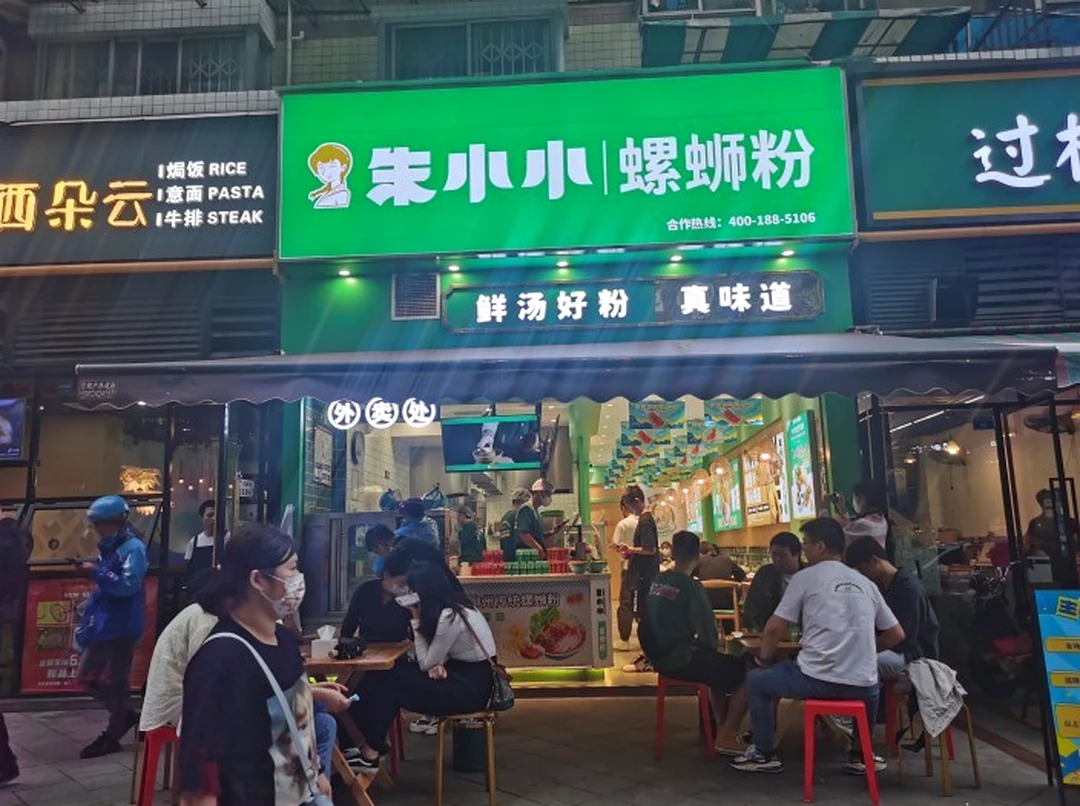
At the heart of this intricate culinary architecture lie the signature chewy rice noodles (米粉), crafted exclusively from aged rice harvested in previous seasons. Over months of resting, the grain’s natural sugars mellow, so when soaked, milled, and extruded, it yields ivory-white strands capable of withstanding a rolling boil without turning mushy—retaining instead their celebrated bouncy, al dente snap. Submerged beneath the noodles is the broth (汤底), rightly hailed as the soul of the masterpiece. Kept at a gentle bubble day and night, the stock marries marrow-rich pork bones with dozens of kilograms of plump river snails lightly stir-fried with aged tangerine peel (chenpi), black cardamom, star anise, cassia, and fiery dried chilies. You will never see snail meat floating in the finished soup; every ounce of sweet freshwater essence, cooling aquatic balance, and medicinal herbal fragrance has melted entirely into a broth that is simultaneously crystal-clear and intensely concentrated.
Yet the defining element that draws the fine line between sheer obsession and initial hesitation among first-time visitors is pickled bamboo shoots (酸笋) – a culinary treasure naturally fermented inside antique ceramic vats. Fresh bamboo shoots are cut into chunks and submerged solely in untreated well water without added salt, relying on indigenous microflora for anaerobic fermentation that produces a potent, unmistakable bouquet and a sharp, refreshing tang that awakens every palate receptor. Adorning the surface are golden sheets of puffed fried bean curd skin (腐竹) eager to soak up the broth, crunchy dry-roasted peanuts (花生), diced pickled radish (酸萝卜) that stimulates the appetite, and tender green water spinach or lettuce leaves. Everything is sealed beneath a glistening layer of crimson chili oil (红油), infused by pouring boiling rapeseed oil over sun-dried facing-heaven chilies—creating the ultimate thermal blanket locking in the bold warmth of ancient Lingnan.
Beyond the classic soup version, Liuzhou connoisseurs take immense pride in ingenious variations that preserve every ounce of traditional soul. Chief among them is dry-tossed river snail rice noodles (干捞螺蛳粉) – a warm-weather favorite in which freshly blanched noodles are coated in a thick, concentrated reduction of snail essence and pickled bamboo chili paste, tossed with crispy bean curd skin and tangy pickled scallions. Meanwhile, stir-fried river snail rice noodles (炒螺蛳粉) showcase high-heat cast-iron wok mastery, as chefs toss the strands over roaring flames until lightly blistered and infused with smoky wok hei (锅气), locking fiery seasonings into every firm, savory bite.
No culinary pilgrimage to Liuzhou is complete without sampling the braised delicacies simmering right inside the bubbling cauldrons of snail stock. The iconic Liuzhou river snail duck feet (螺蛳鸭脚) are deep-fried until the skin blisters into a puffy “tiger-skin” texture before being stewed for hours in herbal snail broth; at the touch of your lips, the silky skin melts effortlessly, revealing tender meat infused with spicy umami right down to the bone. Paired with scored quail eggs steeped to a rich mahogany hue, this noodle culture does far more than satisfy the hunger of riverside workers—it stands as a living intangible cultural heritage carrying the generous, resilient, and passionate spirit of Guangxi’s mountain communities.
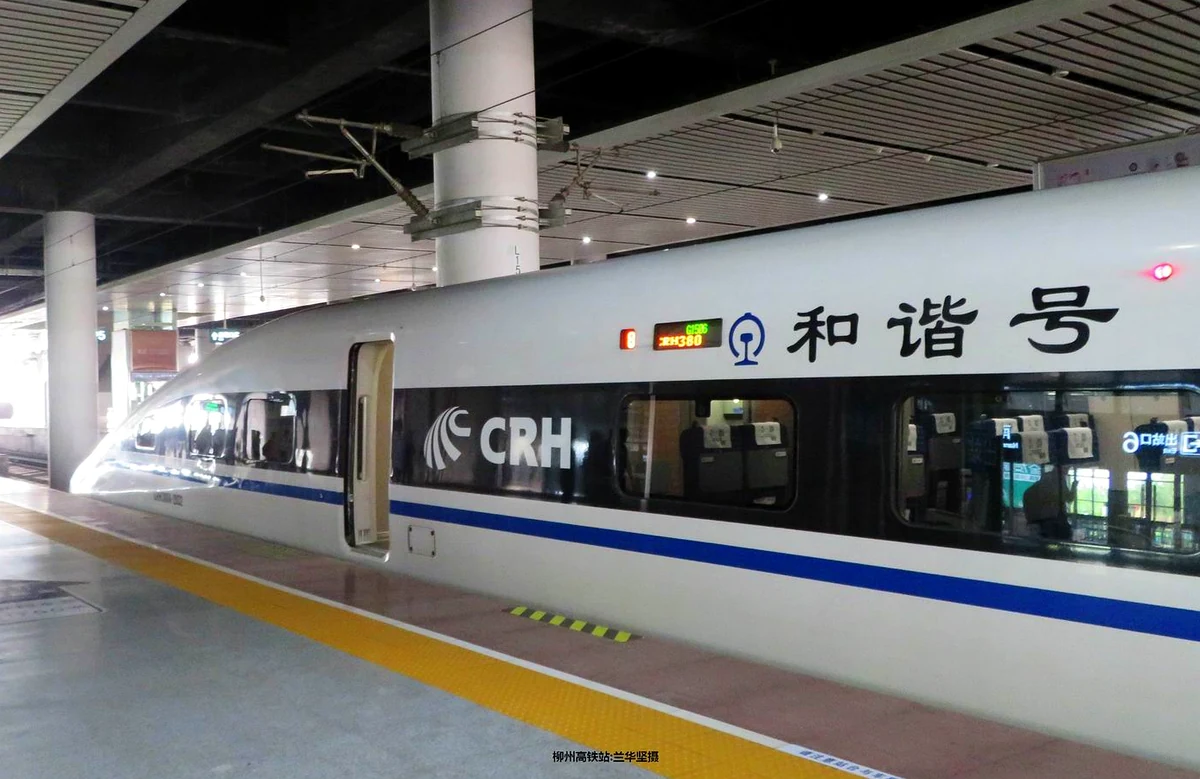
Tracing river snail rice noodles back to their birthplace in historic Lingnan is far more than a culinary tasting tour; it is an immersion into the distinctive customs and urban rhythms along the Liu River. From the regional capital of Nanning, travelers can easily reach Liuzhou City via modern high-speed trains in just over an hour across nearly 200 kilometers. The moment you step out of Liuzhou Railway Station, the signature savory aroma of simmered snail broth and cured bamboo shoots drifts through the air. Most celebrated traditional noodle shops scattered along historic thoroughfares like Qingyun Street, Wuxing Street, and bustling riverside night markets open from around 6:00 AM until 2:00 or 3:00 AM the next morning—with many beloved family-run spots keeping their stoves blazing 24 hours a day to satisfy late-night devotees.
Dining like a local here is remarkably affordable, typically costing between 10 and 20 yuan for a generous standard bowl complete with classic toppings such as crispy fried bean curd skin, wood ear mushrooms, salted roasted peanuts, and spicy pickled bamboo shoots. To elevate the experience into a full street-food feast, add braised tiger-skin duck feet, deeply flavored soy-braised duck eggs, or grilled sausages for just 3 to 5 yuan apiece. However, the biggest hurdle for uninitiated visitors is the intense heat and numbing tingle of vinegar-pickled chilies combined with Sichuan peppercorns and local black cardamom. For milder palates, the indispensable Mandarin phrases to remember at the counter are “Weila” (微辣 – mildly spicy) or “Bula” (不辣 – non-spicy), as even Lingnan’s “mild” spice level is potent enough to bring a glistening sweat to the brow of newcomers.
One subtle culinary tip passed down by Liuzhou elders involves the art of enjoying traditionally fermented bamboo shoots. When your piping-hot bowl first arrives, the rising steam often carries the assertive, funky punch of anaerobic fermentation. Rather than sipping the broth immediately, use your chopsticks to gently press the pickled bamboo shoots beneath the noodles and toss everything together for 30 to 60 seconds. The intense heat of the pork-and-snail stock alongside the glossy red chili oil tames the sharper volatile aromas, unlocking a mellow, bright acidity and awakening layers of deep herbal complexity. To cool your palate afterward, pairing the meal with a chilled bowl of sweet mung bean soup or a cup of fresh Guangxi water-buffalo milk tea creates the ultimate gastronomic harmony.
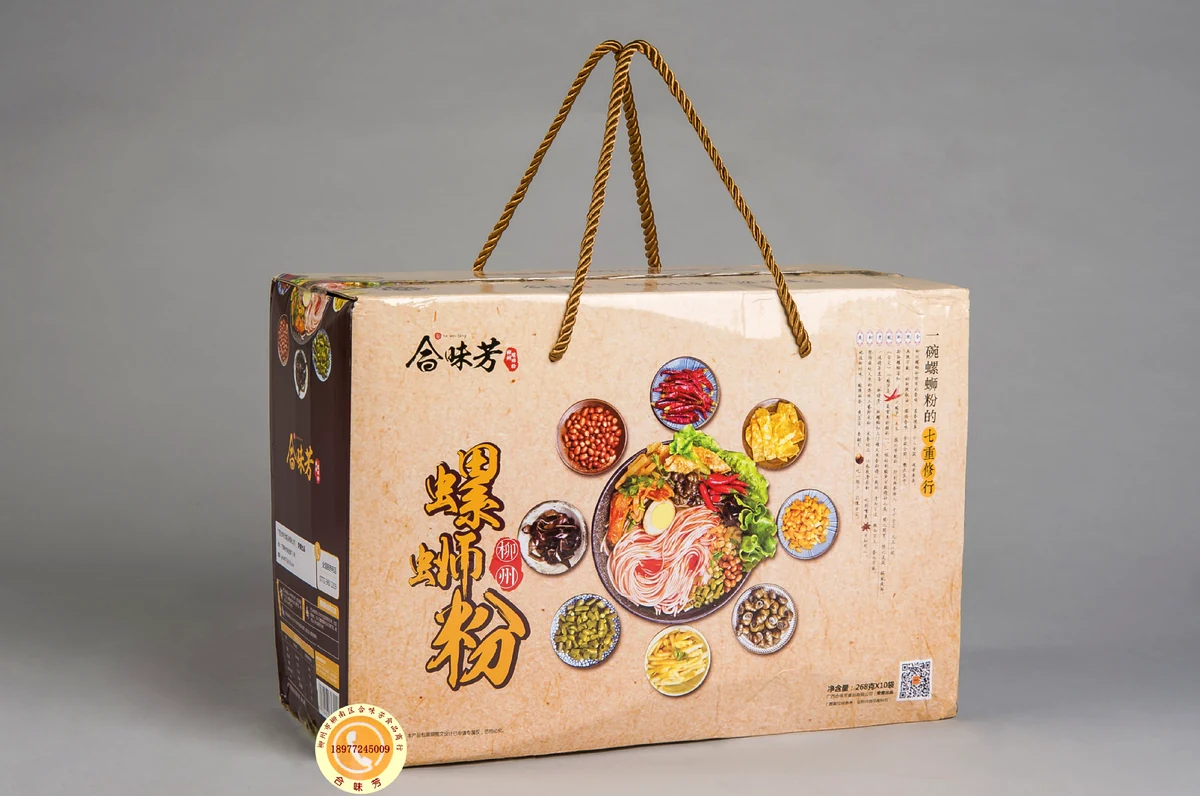
Before departing Liuzhou, picking up packaged luosifen as souvenirs tops nearly every traveler’s checklist. To avoid substandard knockoffs, shop at reputable supermarkets or authorized flagship stores for heritage-certified brands adhering to strict food safety standards—such as Haohuanluo (好欢螺), celebrated for its rich, authentic depth; Lujiangchun (螺江春), famed for its clean, sweet snail broth; or Xuanyu (吮芋) for its bold regional character. Regarding cross-border entry procedures through land ports such as Huu Nghi Guan or Mong Cai, Vietnamese citizens can conveniently opt for a Border Tourism Exit-Entry Permit or a group tourist visa valid for stays of up to 14 days within the Guangxi Zhuang Autonomous Region.
To ensure a seamless borderland culinary journey free from the pitfalls of cut-rate tours that detour into forced-shopping traps, planning a well-structured itinerary and choosing a reputable operator is essential. Travelers drawn to the scenery and flavors of this vibrant region can explore a professionally curated all-inclusive tour package to savor every moment of cultural exchange and world-class cuisine across southern China with complete peace of mind.