Across more than five thousand years of turbulent history, the Korean Peninsula has preserved a resilient and deeply rooted cultural heritage in the heart of Northeast Asia. The origins of this national story trace back to the founding legend of Gojoseon (Ancient Joseon), traditionally established by Dangun Wanggeom in 2333 BCE. From the very dawn of Korean history, the founding philosophy of Hongik Ingan—”broadly benefiting humanity”—became an enduring spiritual compass, woven deeply into the consciousness and identity of generations of Koreans through centuries of transformation.
Following these primordial beginnings came the illustrious era of rivalry known as the Three Kingdoms period, spanning from 57 BCE to 668 CE. Three remarkable polities—mighty Goguryeo stretching across the northern plains, refined and artistic Baekje nestled along the Han River basin, and strategic, contemplative Silla in the southeast—forged a dynamic triad of cultural and military brilliance. After decades of warfare and shrewd diplomacy, Silla allied with the Tang dynasty to unify the peninsula, ushering in the Unified Silla period alongside the northern kingdom of Balhae, creating a golden age of Buddhist art and temple architecture.
Entering the tenth century, King Taejo Wang Geon laid the foundations of the Goryeo dynasty (918–1392), a court that not only inherited the cultural achievements of its predecessors but also bestowed its name upon the modern international designation “Korea.” Under Goryeo rule, peninsular civilization soared to extraordinary heights, producing jade-green celadon ceramics of unmatched refinement alongside the monumental printing achievement Baegun Hwasang Chorok Buljo Jikji Simche Yojeol (abbreviated as Jikji), the world’s oldest extant book printed with movable metal type, predating European printing technology.
In the late fourteenth century, General Yi Seong-gye (King Taejo) established the Joseon dynasty (1392–1910), selecting Hanyang—modern-day Seoul—as its permanent capital and constructing the stately complex of the Five Grand Palaces. The Joseon era witnessed a flourishing of Neo-Confucian scholarship, culminating in the reign of King Sejong the Great. Through extraordinary intellect and profound compassion for his people, King Sejong promulgated the Hunminjeongeum in 1443, introducing the scientific and uniquely Korean Hangeul alphabet, breaking down barriers of illiteracy among commoners and securing linguistic independence for the nation.
Modern history brought some of the peninsula’s most harrowing trials, including colonial rule from 1910 to 1945 and the painful division following the devastating Korean War (1950–1953). Yet from the ashes of conflict, South Korea engineered an astonishing resurgence celebrated worldwide as the “Miracle on the Han River.” Driven by unwavering resolve and rapid industrialization, the nation swiftly emerged as one of the world’s leading advanced economies while becoming the epicenter of the global Hallyu (Korean Wave), blending millennia-old traditions with contemporary creativity across the globe.
Jutting out into the seas of Northeast Asia, the Korean Peninsula exhibits a dramatic and varied geomorphology in which mountains and hills cover more than seventy percent of the natural terrain. Bordered by three major bodies of water—the Yellow Sea to the west, the Korea Strait to the south, and the East Sea to the east—the landmass slopes gently from northeast to southwest in a classic “high east, low west” profile. Forming the backbone of the peninsula, the rugged Taebaek Mountain Range runs along the eastern coastline like a granite rampart shielding the interior from cold winds while shaping fertile river basins that nourish the western coastal plains. For thousands of years, this topography served not only as a natural military defense line but also embodied Pungsu-jiri—traditional Korean geomancy harmonizing indigenous reverence for nature with East Asian cosmology—profoundly guiding the siting of capitals, royal tombs, and temples across dynasties.
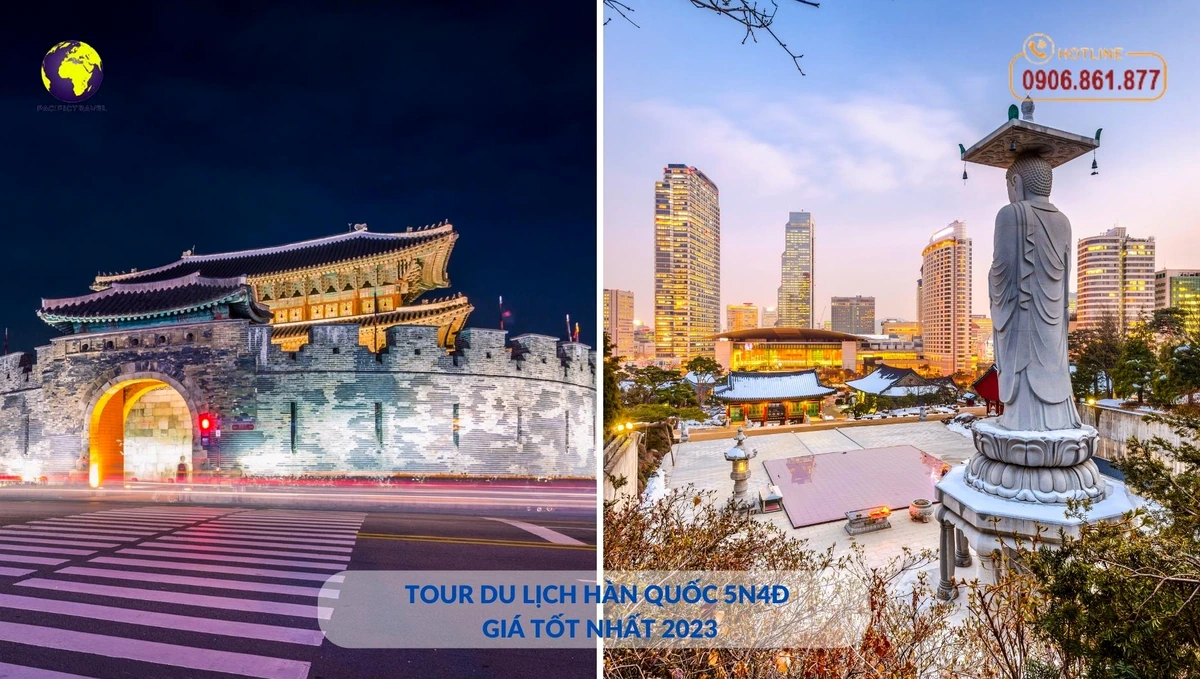
The supreme manifestation of this harmony between natural landforms and human urban planning stands in Seoul, originally founded as the royal capital Hanyang by Joseon’s King Taejo Yi Seong-gye in the late fourteenth century. Under the scholarly guidance of founding statesman Jeong Do-jeon, Hanyang was chosen for its rare, auspicious geomantic configuration that “shelters wind and gathers vital energy.” The seat of royal power at Gyeongbokgung Palace rests firmly with its back against towering Mount Baegaksan, flanked by Mount Naksan to the east and white-granite Mount Inwangsan to the west, facing gentle Mount Namsan in the foreground, while the Han River winds like a silk ribbon embracing the city’s vitality. The straight royal axis extending from Gyeongbokgung and Changdeokgung through Gwanghwamun Square down to the banks of the Han River still preserves its solemn spatial order today, reflecting the ancients’ deep reverence for the natural world.
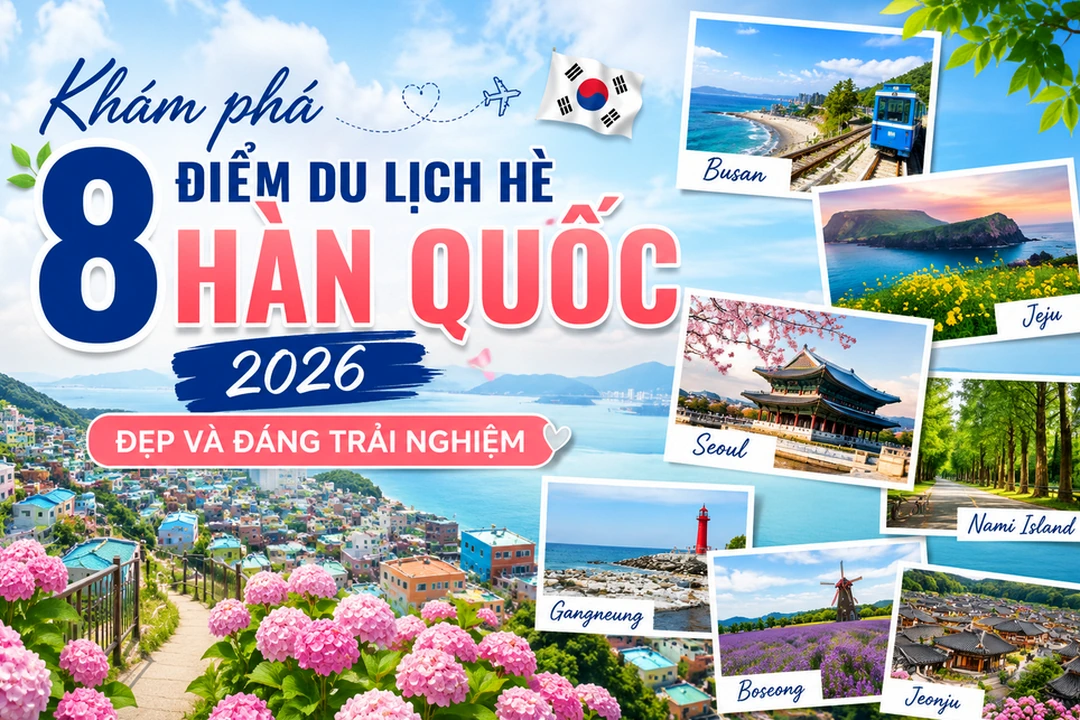
Following the geographic corridor toward the southeastern coast, the scenery shifts dramatically from layered mountain ranges to expansive deep bays and sedimentary coastal terraces. Here, the port city of Busan showcases sweeping Haeundae Beach, curving gracefully between rocky headlands jutting into the sea like dragon fins meeting the waves. Less than an hour’s drive from this bustling harbor lies Gyeongju, the ancient capital of the Silla Kingdom, celebrated as a vast “museum without walls.” Tucked into the eastern slopes of sacred Mount Tohamsan, the eighth-century temple complex of Bulguksa and the stone grotto of Seokguram rest upon sturdy sandstone and granite terraces. Engineered with mathematical precision to match the mountain’s incline, these sacred structures create a pure land in stone seamlessly integrated into ancient pine forests, positioned so the earliest rays of sunrise over the sea shine directly onto the face of the seated Shakyamuni Buddha inside the grotto.
Heading north into the mountainous province of Gangwon, the landscape reveals a striking contrast defined by bracing subalpine conditions. Straddling the windswept passes of the Taebaek Range, the plateaus of Pyeongchang and Daegwallyeong—averaging over seven hundred meters above sea level—accumulate the deepest, finest snowfall in the country. Naturally sweeping slopes blanketed in pristine white snow throughout winter make Yongpyong Resort the birthplace of world-class winter sports in Korea. Lush temperate woodlands and stands of straight white birch trees rooted in weathered volcanic soil compose an invigorating natural canvas far removed from urban industrial bustle.
Korea’s majestic geographical tapestry concludes with an isolated ecological jewel off the southern coast: Jeju Island. Unlike the ancient granite bedrock of the mainland, Jeju was forged by intense volcanic eruptions dating back to the Eocene epoch. At the island’s heart rises shield-shaped Hallasan, climbing gently from all sides to 1,950 meters as South Korea’s highest peak, crowned by the mist-shrouded crater lake Baengnokdam. Dotted across the island are more than three hundred secondary volcanic cinder cones, most notably Seongsan Ilchulbong (Sunrise Peak), rising from the sea like a colossal fortress of welded tuff. Beneath the surface stretches the pristine Manjanggul Lava Tube, running for kilometers with monumental lava columns. Jeju’s vertically zoned ecosystems—spanning humid subtropical coastal flora, alpine grasslands, and subarctic conifers near the summit—have earned it global recognition as a UNESCO Biosphere Reserve and World Natural Heritage site.
The architectural heritage of the Korean Peninsula represents a remarkable synthesis of feudal philosophy rooted in harmony with nature and futuristic spatial engineering. On the traditional spectrum, the classic Hanok house embodies Joseon-era Confucian and Daoist ideals, sited according to the strict geomantic principle of Baesanimsu—”mountain at the back, water in front”—to welcome auspicious energy. Capping mortise-and-tenon timber frames assembled without a single metal nail are gracefully curved tiled roofs (Cheoma), angled with exact geometry to admit warm low winter sunlight while shading interiors from harsh summer rays. At the operational heart of every Hanok lies the thermal marvel of Ondol—an ingenious underfloor stone heating system channeling warm smoke from the kitchen hearth (Agungi) through subterranean stone flues, paired with breezy wooden-floored halls (Daecheong-maru) to regulate indoor microclimates through harsh winters.
This authentic vernacular legacy thrives vividly in Bukchon Hanok Village, a historic residential enclave nestled directly between Seoul’s two grand royal palaces, Gyeongbokgung and Changdeokgung. Once the prestigious neighborhood of Joseon’s Yangban aristocracy and royal relatives, Bukchon features winding sloped lanes bordered by weathered brick walls, preserving hundreds of traditional courtyard homes. Further south, Jeonju Hanok Village unfolds on an even grander scale with over seven hundred densely clustered gray-tiled houses. Beyond safeguarding traditional family spatial layouts, Jeonju is the celebrated cradle of royal court gastronomy and namesake of iconic Jeonju bibimbap, transforming historic architecture from a static museum piece into a vibrant living community.
Standing in bold counterpoint to the quiet modesty of historic timber architecture is an explosion of deconstructivist design and parametric engineering in world-renowned contemporary landmarks. Seoul’s most audacious emblem of transformation is the Dongdaemun Design Plaza (DDP), a futuristic masterpiece envisioned by legendary architect Zaha Hadid. Resembling a colossal silver spacecraft landed amid a historic district, the building boasts seamless three-dimensional curved surfaces clad in 45,133 aluminum panels, each uniquely perforated and contoured. DDP stands as a testament to monumental civic investment in reimagining heritage spaces, integrating thousand-year-old remnants of the Dongdaemun Fortress Wall directly alongside cutting-edge digital art exhibition halls.
Piercing the Seoul skyline, the 555-meter, 123-story Lotte World Tower rises proudly as the fifth-tallest building in the world. Engineered at a cost of billions of dollars, its slender, tapering silhouette draws inspiration from the graceful curves of traditional Joseon white porcelain (Baekja) blended with the fluid strokes of East Asian calligraphy. Beneath its reflective glass curtain wall lies a high-strength reinforced concrete core and mega-bracing steel frame engineered to withstand earthquakes up to magnitude 9.0 and wind gusts exceeding 80 meters per second. This dialogue between centuries-old Ondol thermal craftsmanship in tranquil Hanok lanes and megatall structural engineering defines a South Korea that reveres its ancestral roots while fearlessly building the future.
As twilight descends across the Han River valley, South Korea sheds its daytime corporate formality to reveal a dazzling, energetic night economy. Along both banks of the Han River, urban vitality erupts through monumental illuminated landmarks. Taking center stage is Banpo Bridge with its Moonlight Rainbow Fountain—certified by Guinness World Records as the world’s longest bridge fountain at 1,140 meters—featuring nearly ten thousand nozzles and hundreds of multi-colored LED lights choreographed to classical and contemporary music. Rising above the 243-meter peak of Mount Namsan, N Seoul Tower climbs an additional 236 meters into the night sky like an optical beacon watching over the capital. Far more than a visual landmark, the tower’s shifting illumination—from red and yellow to deep blue—serves as a real-time ecological indicator reflecting Seoul’s fine dust and air quality levels across the sprawling metropolis.
Moving east across Seoul, Zaha Hadid’s Dongdaemun Design Plaza glows like a surreal silver vessel anchored in the heart of history. Its skin of over forty-five thousand individually curved aluminum panels doubles as a giant projection canvas during the Seoul Light media art festival, where generative algorithms and multimedia mapping set the metallic facade in fluid motion. Steps away lies the sprawling Dongdaemun fashion district—a commercial powerhouse rooted in the post-Korean War Pyounghwa Market. The neighborhood truly awakens after the rest of the city goes to sleep, drawing bustling crowds of buyers and night owls from midnight until dawn. Under glowing neon signs, orange-tented pojangmacha street stalls send up fragrant clouds of steam from spicy tteokbokki rice cakes, savory sundae blood sausage, and skewered fish cakes in rich broth, paired with bowls of milky makgeolli rice wine for an intimate, unmistakable taste of local street life.
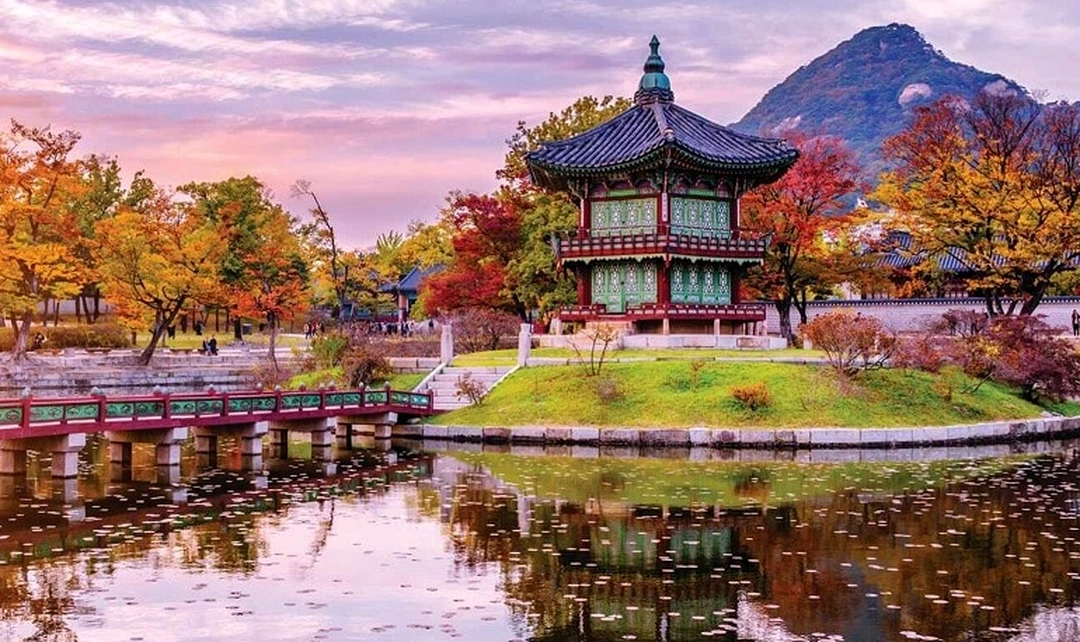
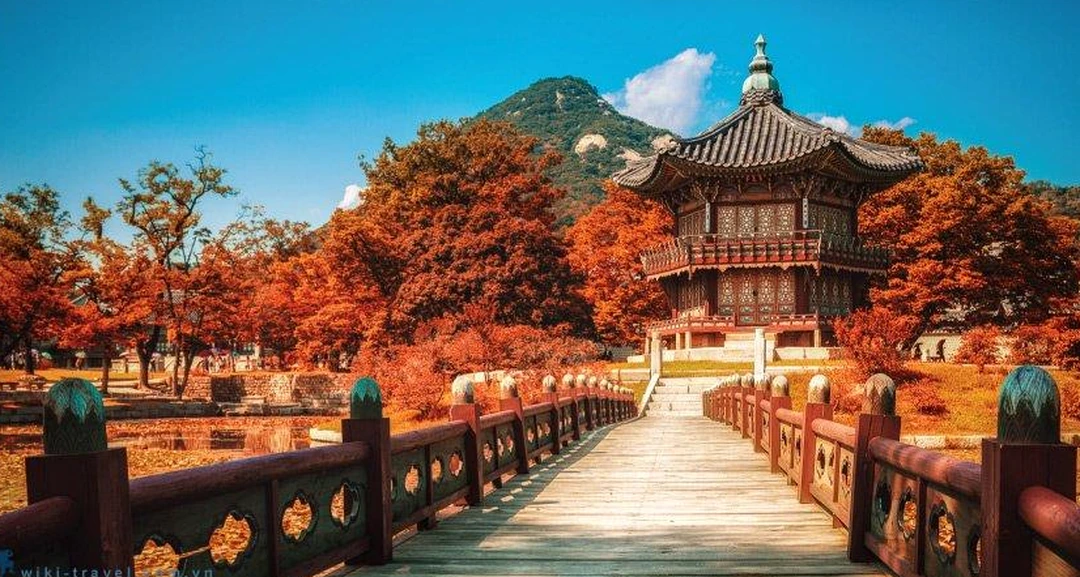
The most refined expression of Korea’s nocturnal culture lies in its seamless fusion of modern stagecraft with millennial heritage. Evening palace tours at Gyeongbokgung invite visitors into a dreamlike vision of the Joseon royal court. Under the gentle glow of traditional red-and-blue silk cheongsachorong lanterns, the sweeping tiled eaves of Geunjeongjeon Hall and Gyeonghoeru Pavilion shimmer across mirror-still lotus ponds against a backdrop of distant modern skyscrapers. Accompanying architectural lighting that accentuates intricate timber joinery are live traditional performances, where the resonant plucks of the twelve-stringed gayageum, the haunting notes of the bamboo daegeum flute, and graceful Taepyeongmu royal court dances conjure memories of regal splendor in the quiet night air.
Further south, the coastal metropolis of Busan offers an expansive visual spectacle where technological brilliance meets ocean breezes. Spanning over 7,400 meters across the water, the Gwangan Bridge (Gwangandaegyo) illuminates the vast bay with smart LED arrays that shift color palettes with the seasons and festivals. Along Gwangalli Beach, the regular Marvelous Drone Show paints the night sky with luminous cultural and mythological motifs reflected across breaking waves. Nearby, Haeundae Beach and the Marine City complex showcase soaring glass skyscrapers rising like a crystal wall right at the water’s edge. Travelers can stroll along the soft sand or duck into lively seaside eateries to savor freshly sliced hoe raw fish with chilled bottles of soju, soaking in the vibrant, breezy nightlife of one of Asia’s premier maritime cultural capitals.
Korean cuisine is deeply anchored in the philosophy of Yakshikdongwon—”food and medicine share the same root”—wherein everyday dishes serve not merely as sustenance but as restorative nourishment harmonizing vital energy with the rhythms of Yin, Yang, and the Five Elements. Shaped by secluded mountain valleys, fertile alluvial plains, and a winding coastline, Korea’s culinary landscape branches into distinct regional traditions steeped in history. In the former Joseon royal seat and modern capital of Seoul, centuries of culinary refinement shine in a steaming earthen pot of ginseng chicken soup (Samgyetang) at heritage establishments like Tosokchon beside Gyeongbokgung Palace. Whole young spring chickens are stuffed with fragrant glutinous rice, four-year-old Geumsan ginseng, astragalus root, jujubes, and chestnuts, then simmered for hours to extract their restorative essence into a golden, aromatic broth prized both for warding off winter chills and replenishing stamina during the hottest days of summer. Alongside comforting bowls of Samgyetang and chewy hand-cut Kalguksu noodles in sweet radish-and-beef broth, Seoul reigns as the capital of charcoal barbecue, where exquisitely marbled native Hanwoo beef and famed black pork from volcanic Jeju Island sizzle over glowing embers, wrapped in crisp perilla leaves with roasted garlic and savory ssamjang paste.
Traveling south to the fertile heartland of Jeollabuk-do, the historic city of Jeonju stands as a UNESCO Creative City of Gastronomy celebrated for preserving noble family culinary traditions. Famed nationwide and beyond is traditional Jeonju Bibimbap, a visual and culinary masterpiece composed according to the Eastern Five-Color cosmology (Obangsek). Over a bed of fluffy rice cooked in rich beef bone broth with nutty bean sprouts, Jeonju chefs arrange more than thirty local ingredients—including golden mung bean sprouts, tender sautéed gosari bracken fern, shiitake mushrooms, julienned zucchini, seasoned dried radish, ruby-red yukhoe beef tartare dressed in cold-pressed sesame oil, and a glistening raw egg yolk crowned at the center. Stirred together with artisanal gochujang chili paste aged in earthenware onggi jars through sun and rain, each bite delivers a vibrant symphony of gentle heat, nutty richness, and clean freshness reflecting generations of meticulous domestic artistry.
At the southern tip of the peninsula, the port city of Busan champions a hearty, unpretentious culinary heritage shaped by the sea and indelible modern history. Embodying the resilience of coastal residents is Dwaeji Gukbap (pork and rice soup), born during the Korean War refugee crisis when displaced families simmered pork bones, cuts of meat, and offal into a deeply nourishing milky broth that sustained generations. Served piping hot alongside crisp green chilies, spicy seasoned chives, fermented salted shrimp (saeujeot), and steamed white rice, it offers a soulful, deeply savory flavor born of solidarity in hardship. Just steps away, the pulse of the ocean surges through Jagalchi Market—South Korea’s largest and oldest seafood market—where indefatigable Jagalchi Ajumma vendors preside over sprawling tanks brimming with live marine catch. From wriggling sannakji live octopus and paper-thin slices of fresh flounder hoe dipped in tangy chogochujang vinegar-chili sauce to bright red steamed snow crabs brimming with the pure salinity of Pacific currents, Busan’s coastal table completes an unforgettable national culinary repertoire.
Exploring the Korean Peninsula rewards thoughtful preparation regarding entry procedures and navigating modern urban life. For immigration formalities, international travelers typically enter South Korea via a C-3 short-term visa or the Korea Electronic Travel Authorization (K-ETA) for eligible visa-waiver nationalities, alongside special visa-free transit and direct arrival policies for Jeju Island. Korean immigration and customs quarantine authorities enforce strict regulations prohibiting fresh fruits, agricultural products, and meat or poultry items to safeguard domestic ecosystems. Completing the Q-Code health and quarantine declaration or standard arrival forms accurately prior to landing ensures smooth customs clearance and prevents costly fines at the border.
The primary international gateway is Incheon International Airport, an architectural marvel built on reclaimed land off Incheon, complemented by Gimpo International Airport closer to downtown Seoul for domestic routes and short-haul East Asian shuttles. South Korea’s ground transportation network ranks among the world’s finest, spearheaded by the KTX high-speed rail system reaching speeds of up to 300 kilometers per hour, shrinking the journey between Seoul and Busan to under two and a half hours. For seamless urban travel, picking up a rechargeable smart transit card such as T-money or Cashbee unlocks effortless transfers across Seoul’s extensive subway lines and color-coded city buses. An unspoken yet essential rule of local etiquette on public transit is maintaining quiet conversation and never occupying priority seats reserved for the elderly, pregnant women, and passengers with disabilities—even when the carriage appears empty.
Opening hours and weekly schedules for historical sites follow specific rhythms worth factoring into your itinerary. Seoul’s Five Grand Palaces of the Joseon dynasty—including Gyeongbokgung and Changdeokgung—along with national museums observe staggered weekly closures, typically on Mondays or Tuesdays, with last admission ending roughly one hour before sunset during winter months. Conversely, traditional commercial hubs such as Gwangjang Market, Namdaemun Market, and Dongdaemun’s all-night shopping complexes stay brightly lit well into the early morning hours, offering a captivating window into a nation that cherishes ancient heritage while pulsing with contemporary energy. To navigate side streets effortlessly, downloading local navigation apps optimized for South Korea such as Naver Map or KakaoMap is essential, as global mapping platforms face restricted turn-by-turn data due to national security regulations.
One crucial tip when planning your trip is selecting reputable travel operators to maximize genuine sightseeing time. Many cut-rate bargain packages pack itineraries with mandatory commercial shopping stops at ginseng centers, red pine oil outlets, or duty-free cosmetics showrooms, cutting deeply into time meant for cultural landmarks and scenic exploration. Discerning travelers increasingly favor transparent, no-forced-shopping itineraries that allow unhurried immersion into Korea’s rich cultural layers. To enjoy a completely seamless journey—from visa processing and curated accommodations to authentic regional dining—joining a thoughtfully designed all-inclusive South Korea tour package is the ideal way to turn every step across this land of millennial heritage into an unforgettable memory.