Victoria Harbour, the natural waterway nestled between the Kowloon Peninsula and Hong Kong Island, has long been portrayed as one of the most breathtaking urban landscape wonders on the planet. It not only serves as the maritime lifeline defining the special administrative region’s strategic position, but also acts as a colossal stage where colonial history, East Asian capital flows, and Cantonese cultural identity blend together vividly. Running along the northern shore of the Kowloon Peninsula and embracing the deep blue waters of the harbor, the Avenue of Stars emerges as an icon honoring the grand contributions of Hong Kong’s film industry, once hailed as the Hollywood of the East.
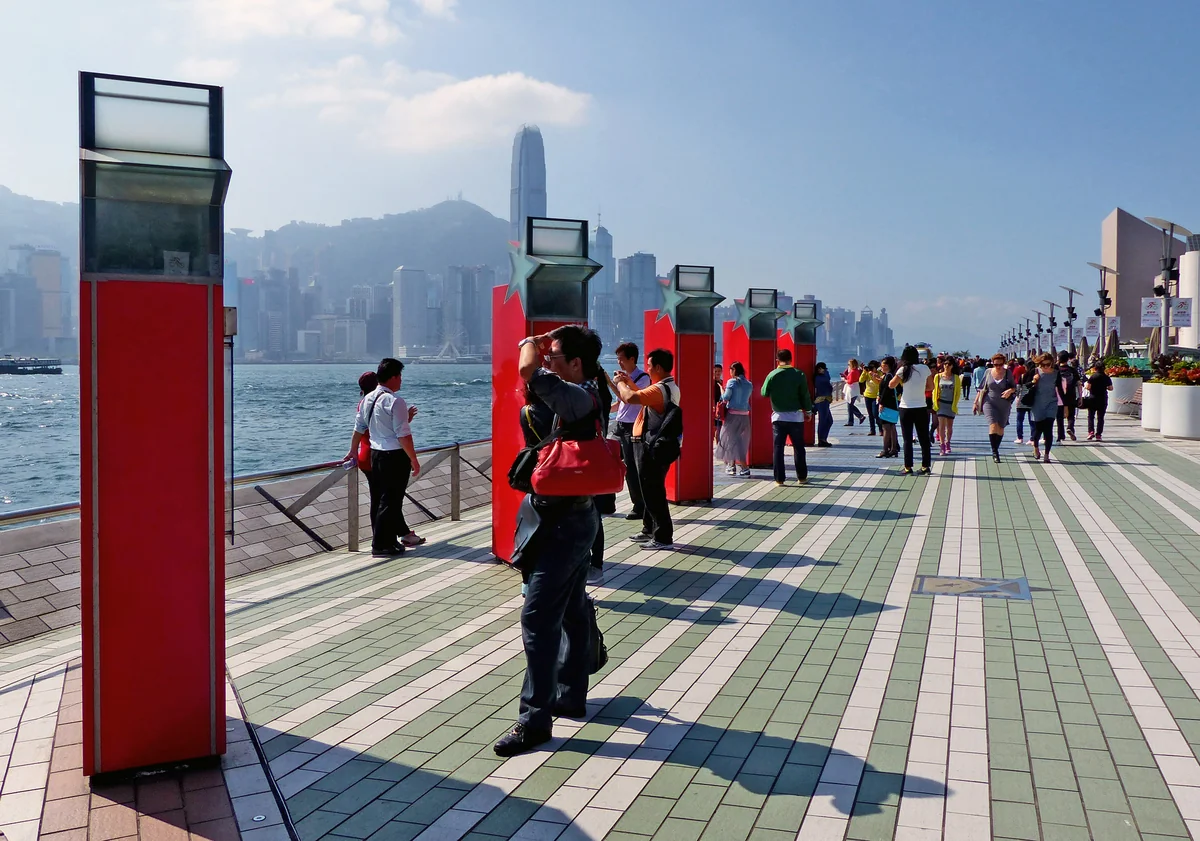
From a human geography perspective, this space is the perfect intersection between nature and human ingenuity. The coordinates of the Avenue of Stars stretch from the Hong Kong Museum of Art in Tsim Sha Tsui to the Garden of Stars near the international passenger cruise terminal, creating a seaside pedestrian promenade nearly half a kilometer long pointing directly toward the skyscraper forest of Hong Kong Island. Standing here, visitors can take in a sweeping panorama of the iconic skyline featuring futuristic skyscrapers, where neon lights and modern lighting technology transform the surface of Victoria Harbour into a giant mirror reflecting ultimate prosperity.
The formation history of the Avenue of Stars is closely tied to the urbanization strategy aimed at elevating the cultural tourism value of Hong Kong in the early 21st century. Inspired by the Hollywood Walk of Fame in Los Angeles, the SAR government and major real estate conglomerates joined hands to transform the Tsim Sha Tsui waterfront strip into a public space deeply imbued with cinematic arts. Through comprehensive upgrade projects involving world-leading architects, the landscape here was completely transformed, evolving from an ordinary seaside promenade into an outdoor museum full of philosophy and aesthetics.
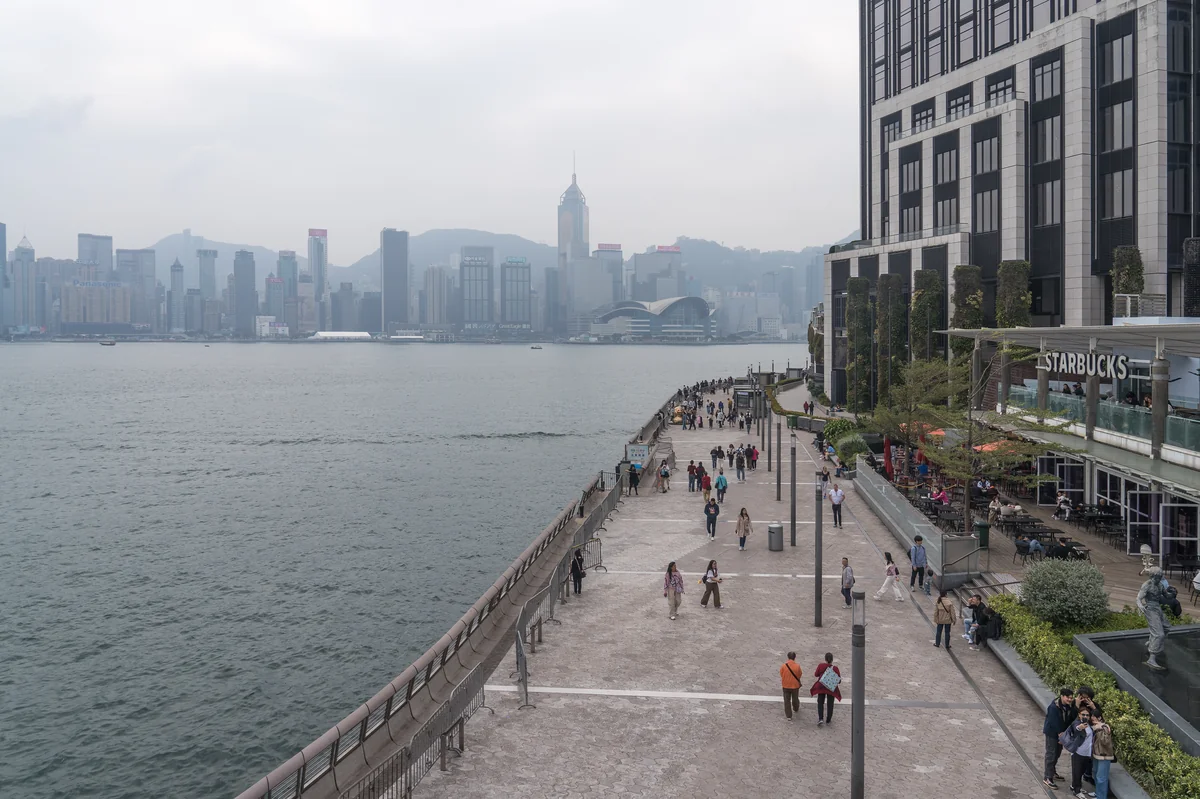
The legendary bronze statue of martial arts master Bruce Lee standing proudly along the shore of the Avenue of Stars
In terms of unique architecture, the Avenue of Stars avoids crude concrete paving and instead focuses on harmony with the ocean’s flow. The pedestrian surface is paved with premium granite stones, skillfully embedded with hundreds of handprints belonging to veteran artists, directors, and film producers who brought glory to Hong Kong cinema on the global map. The paramount architectural highlight here is the over-two-meter-tall bronze statue of martial arts legend Bruce Lee in his classic combat-ready stance, alongside the statue of the late diva Anita Mui—widely known as the “Daughter of Hong Kong.” These sculptures are not merely lifeless metal blocks but have become iconic souls, drawing streams of pilgrims from all over the world to commemorate and honor timeless artistic values.
The cultural significance of the Avenue of Stars and Victoria Harbour extends far beyond the framework of an ordinary sightseeing spot; it represents the collective memory of millions of Hong Kong citizens and the global Chinese cinema-loving community. The golden age of Hong Kong cinema in the closing decades of the last century produced action masterpieces, gangster films, and comedies imbued with Eastern philosophical imprints combined with modern Western filmmaking techniques. The names carved in stone along this avenue represent an era when Hong Kong pop culture dominated a vast region across Asia, shaping the lifestyle, fashion, and aesthetic mindset of an entire generation.
Alongside its cinematic value, the avenue’s location right at the water’s edge of Victoria Harbour turns it into a premier commercial and entertainment focal point of the city. Victoria Harbour has long been one of the busiest maritime ports in the world, witnessing Hong Kong’s transformation from a modest fishing village into a global financial center. The combination of financial energy from multinational corporations standing tall on the opposite shore and the nostalgic arts and culture space on the Kowloon side creates a poetic counterpoint. This place also serves as the main stage for international-scale events, from dazzling New Year’s Eve fireworks to large-scale artistic light festivals that captivate visitors from near and far.
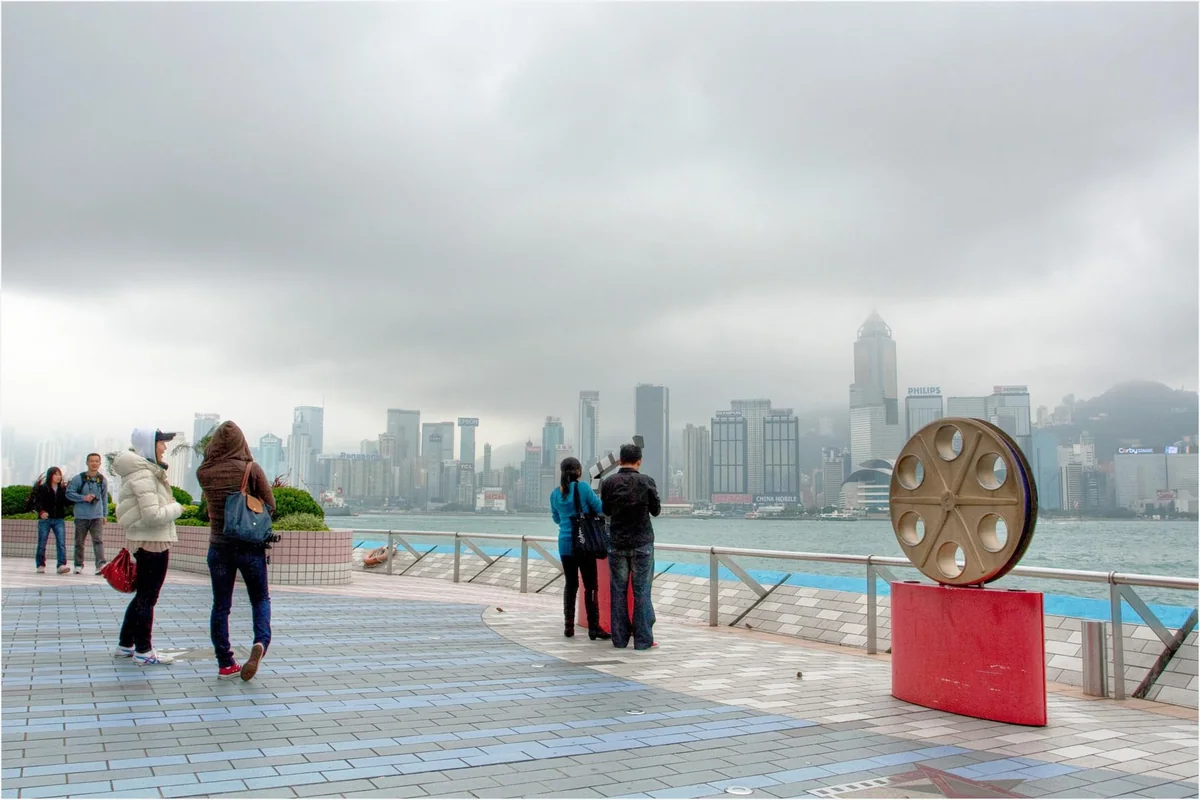
Panoramic view of the vibrant modern skyline of Hong Kong Island seen from Victoria Harbour
To fully appreciate the noble beauty and cultural depth of the Avenue of Stars and Victoria Harbour, visitors need a thoughtful preparation of time and experiential pacing. The most ideal time of year to visit the special administrative region is from November to February, when weather transitions to autumn-winter with a pleasant crisp chill, clear skies, and lowest humidity levels, creating perfect conditions for outdoor walking activities.
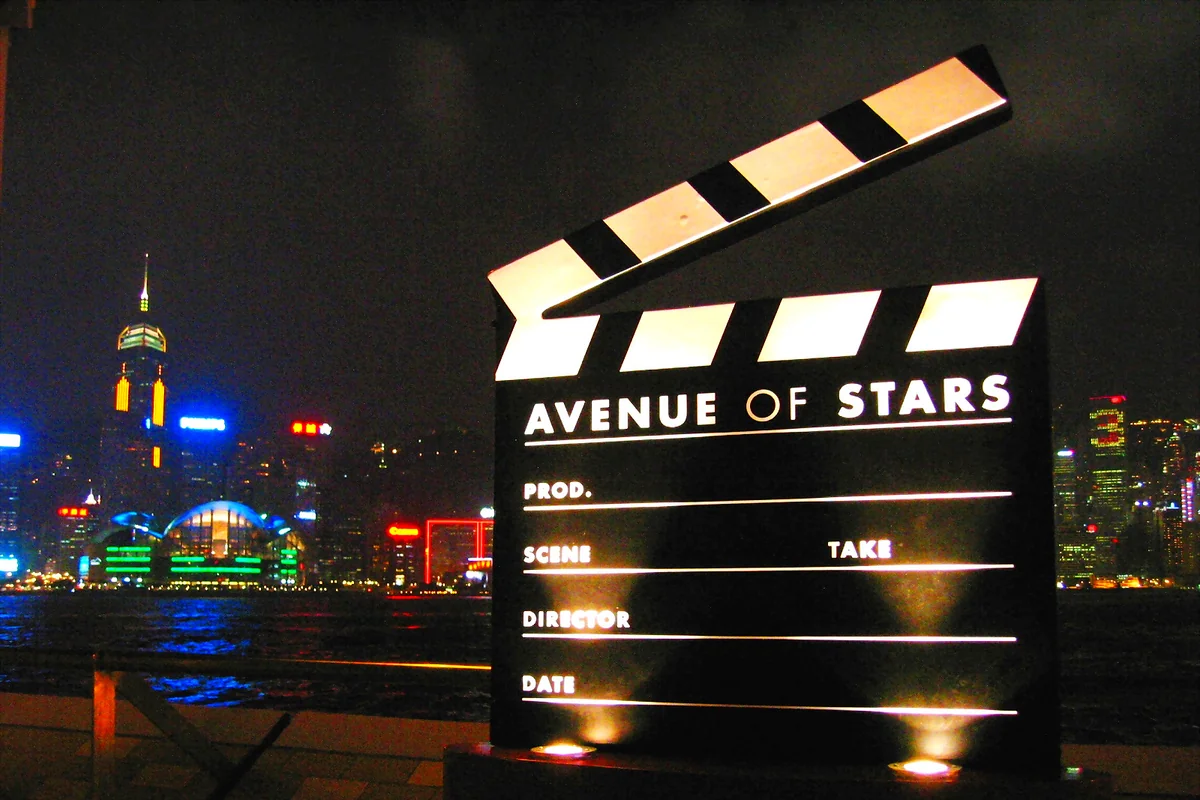
The time of day that delivers the most intense emotional impact is dusk transitioning into night, when evening twilight gilds the skyscrapers and gives way to millions of sparkling lights turning on. Visitors should arrive at the avenue before the start of A Symphony of Lights, the grand sound and light show recorded in the Guinness World Records that takes place regularly every night over the waters of Victoria Harbour. As laser beams shooting from the tops of high-rise buildings dance to grand symphonic melodies, standing amidst the billowing sea breeze on the Avenue of Stars provides an overwhelmingly stunning visual and auditory experience, touching the deep emotions of anyone who loves beauty.
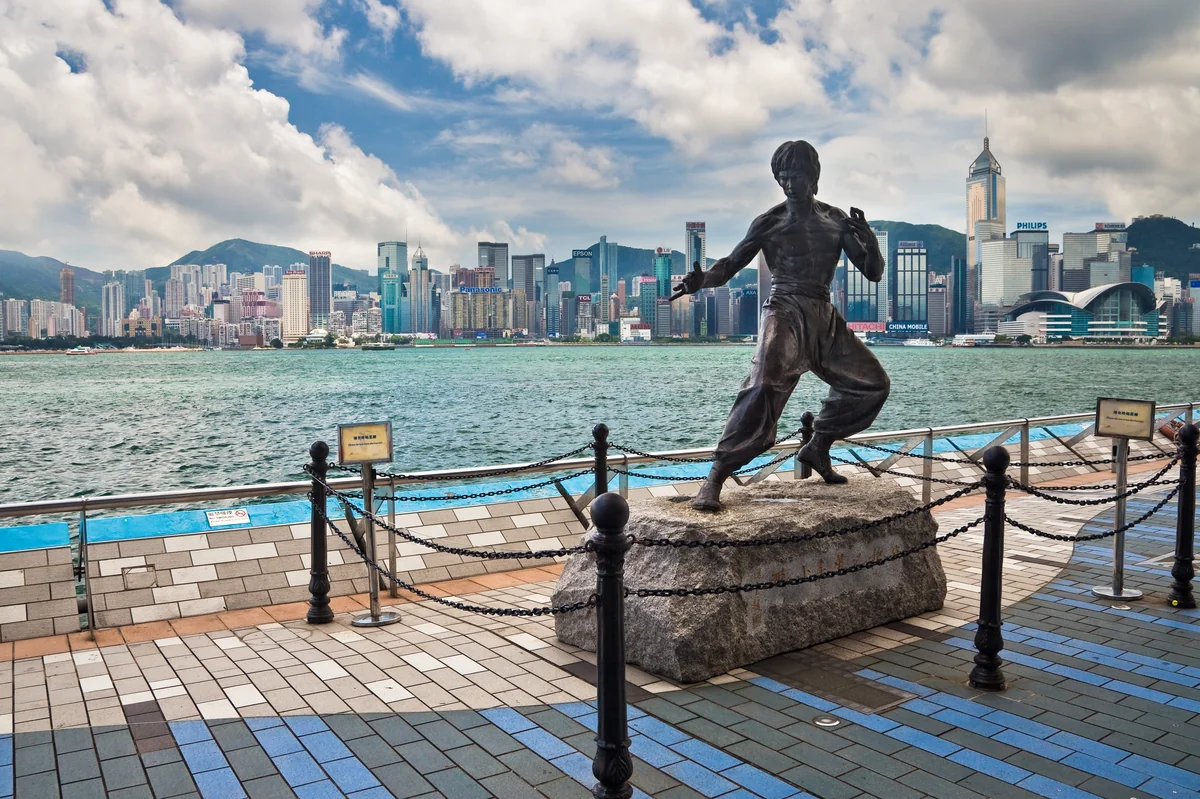
Visitors strolling and enjoying views along the Victoria Harbour waterfront on the Tsim Sha Tsui seaside promenade
For photography enthusiasts and visual arts aficionados, the Avenue of Stars opens up countless cinematic, unique camera angles. The most classic shooting angle is pointing the lens toward Hong Kong Island through the coastal tempered glass balustrades, capturing iconic architectural structures such as the International Finance Centre (IFC) or the Bank of China Tower designed by architect I.M. Pei. Composing the frame with artistic bronze statues in the foreground and the modern urban skyline in the background creates photographs interwoven with historical depth and contemporary breath.
Furthermore, the sightseeing experience becomes even more complete when combining a walking tour of the avenue with a ride on traditional Star Ferries with a history spanning over a century. Crossing the waters of Victoria Harbour from Kowloon to Hong Kong Island via this transport mode is not merely a practical transit method but a journey across time, allowing visitors to admire panoramic views of the Avenue of Stars from a different perspective—a view from the middle of the vast ocean, where colonial past and technological future meet with every rhythmic wave.
The cultural exploration journey in this land cannot be considered complete without the presence of renowned Cantonese culinary arts and afternoon tea flavors blending East and West. The area surrounding the Tsim Sha Tsui promenade and the Kowloon Peninsula is home to countless Michelin-starred restaurants, long-standing traditional teahouses, and refined pastry shops. Visitors can savor juicy fresh shrimp dumplings (har gow), fragrant flaky egg tarts smelling of butter and milk, or sip a rich cup of Hong Kong-style milk tea amidst the nostalgic atmosphere of traditional cha chaan teng eateries.
Sunset descending over Victoria Harbour reflecting light onto Hong Kong skyscrapers
For those seeking upscale dining experiences, luxury restaurants located along the harbor shoreline or on the high floors of historic hotels such as The Peninsula will be the perfect choice. While savoring refined dishes featuring modern Cantonese culinary styles and admiring panoramic views of Victoria Harbour through floor-to-ceiling glass windows, visitors will fully experience the luxury, sophistication, and upscale lifestyle of this city that never sleeps. The combination of taste, aroma, and visual arts here creates a multi-sensory symphony lingering forever in the minds of refined travelers.
Understanding and respecting local cultural norms will elevate a visitor’s experience to a new level when setting foot on the Avenue of Stars and the Victoria Harbour area. Hong Kong is a special administrative region featuring a subtle fusion of traditional Eastern culture and modern Western industrial etiquette; therefore, politeness, awareness of maintaining general cleanliness, and respect for public spaces are always prioritized.
Splendid night scenery of Victoria Harbour with brilliant light performances across the water surface
When strolling along the avenue, visitors should note compliance with order regulations, avoid littering indiscriminately, and protect public art installations, especially bronze statues and artists’ handprints. Because this is one of attractions drawing large crowds of international tourists and locals daily, maintaining politeness and avoiding loud noises that disturb public space is a mark of a civilized traveler. When taking souvenir photos with iconic statues, queuing orderly and showing respect toward late cinematic legends is also part of elegant social conduct. Finally, preparing polite, comfortable yet tasteful attire will help visitors confidently blend into the luxurious and dynamic picture of one of the world’s greatest metropolises.
Standing beside the legendary bronze statue of Bruce Lee as night falls and watching the shimmering light performance reflected on the surface of Victoria Harbour, visitors truly feel the soul of the Fragrant Harbor. The Avenue of Stars is the perfect link between a glorious cinematic heritage and the modern prosperity of a world-class metropolis.
Experiencing the sunset over the sea harbor and exploring the pulse of Hong Kong life is an unmissable journey within International Tour Packages to Discover Hong Kong combined with premier shopping and entertainment.