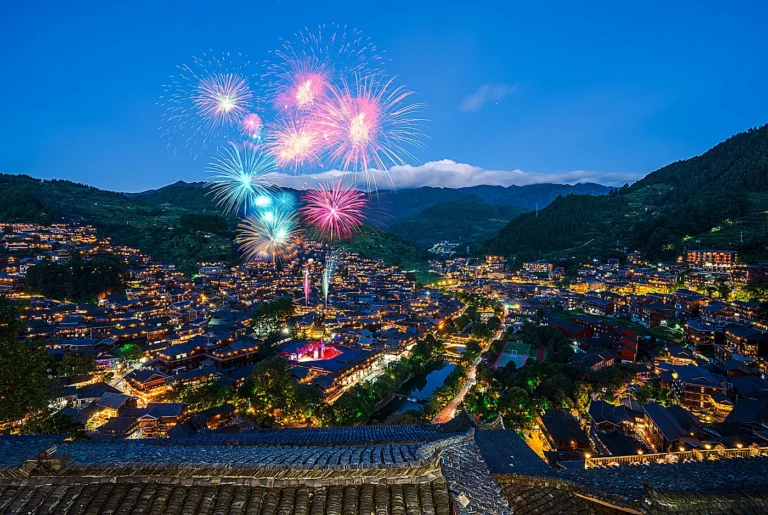
The cultural heritage of Yongzhou Ancient City stretches back over a millennium, when the silt-laden Yong River first witnessed pivotal frontier milestones in the south. Tracing back to 318 AD—the first year of the Tai’an/Daxing era during the Eastern Jin Dynasty—Emperor Yuan of Jin issued a decree establishing Jinxing Commandery with its administrative seat right on this plain, marking the earliest beginnings of a historic urban center. Across periods of division, the geopolitical importance of this riverside land grew steadily clearer. In 631 AD—the fifth year of the Zhenguan reign under Emperor Taizong of Tang—the court renamed the region Yongzhou after the gentle Yong River, turning it into a vital military and administrative capital guarding southwestern Lingnan. Entering the Northern Song Dynasty in 971 AD (fourth year of Kaibao), Yongzhou was organized as the Yongzhou Jiangning Military Commission, serving as an iron shield along the southern borderlands. Finally, in 1314 AD (first year of Yanyou under the Yuan Dynasty), Yongzhou Circuit was formally named Nanning Circuit, embodying a profound aspiration for “peace and security in the southern frontier” and opening a new chapter linked directly to the modern city’s name today.
Alongside imperial reign milestones, the rise and trials of Yongzhou Ancient City are closely bound to remarkable figures and poignant events that shook the frontier. In 1053 AD, renowned Northern Song general Di Qing established his headquarters inside the ancient city during campaigns pacifying Nong Zhigao’s large-scale uprising, leaving deep military imprints upon its defensive layout. Most memorably, Yongzhou’s history is inseparable from 1075 AD (eighth year of Xining), when Prefect Su Jian confronted a valiant siege lasting over forty days by Dai Viet forces led by Grand Marshal Ly Thuong Kiet. Facing overwhelming assault as the walls fell, Su Jian and thirty-six family members refused to surrender and chose a heroic sacrifice. Revering his loyalty, the Song court posthumously honored him as the City God of the region; to this day, his tablet receives reverent incense offerings at Yongzhou City God Temple nestled peacefully among historic lanes. Entering the twentieth century, this millennium-old cultural seat also became the birthplace of distinguished statesman Deng Yingchao, wife of Premier Zhou Enlai, whose legacy and life are preserved at the Deng Yingchao Memorial Hall in Jinshi Lane.
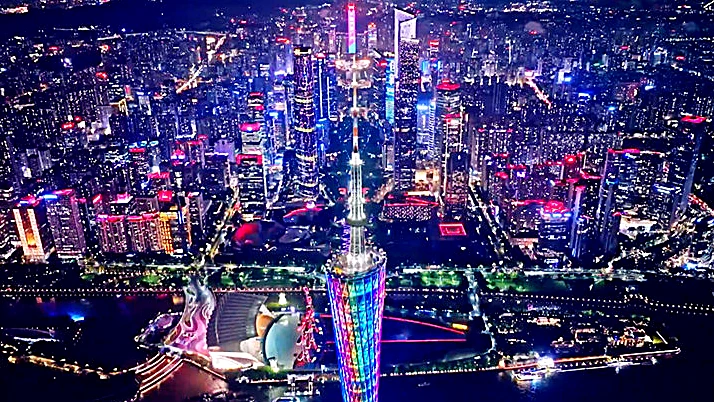
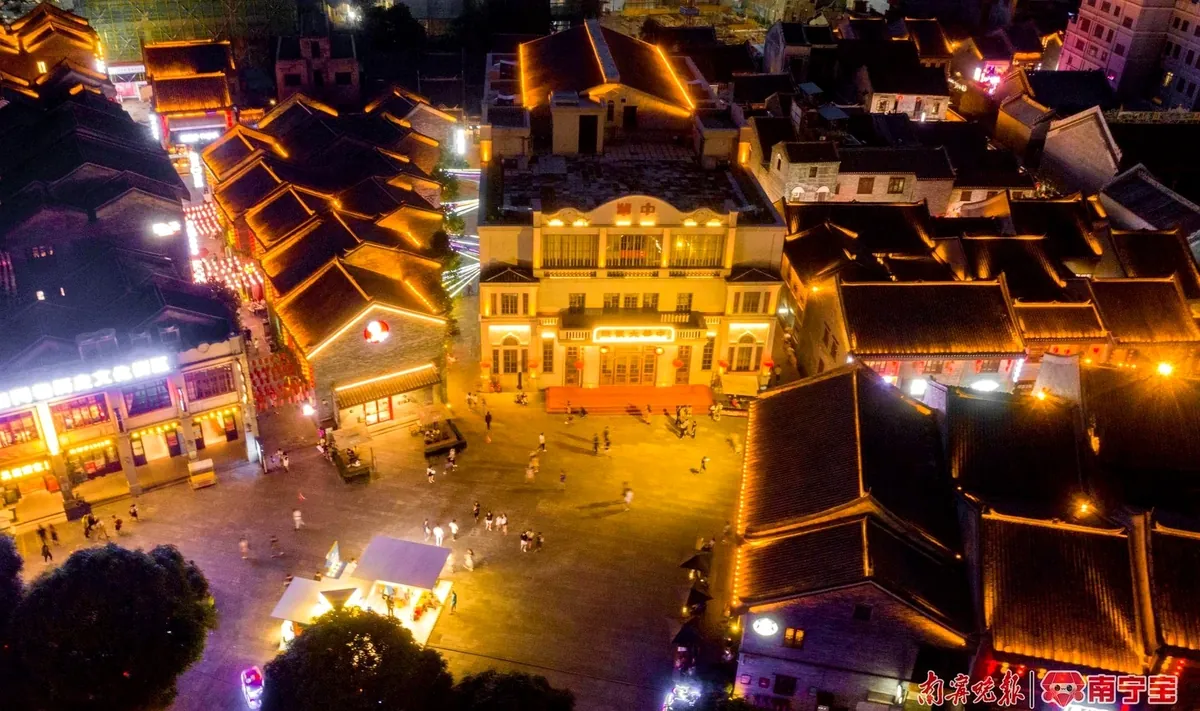
As night falls, Yongzhou Ancient City appears from above as an enchanting tapestry of light, showcasing a grand dialogue between a thousand-year past and vibrant modern life. The entire historic quarter glows with gently curved traditional tiled roofs and covered arcades bathed in warm amber light embracing bustling street life below. In the distance, the Yong River reflects shimmering lights arching across a modern bridge like a luminous silk ribbon spanning the night sky. Standing out amidst this magical scene is a soaring multi-story ancient pagoda shining brightly in proud counterpoint to modern skyscrapers along the horizon—composing a captivating architectural harmony between moss-tinted nostalgia and dynamic contemporary energy.
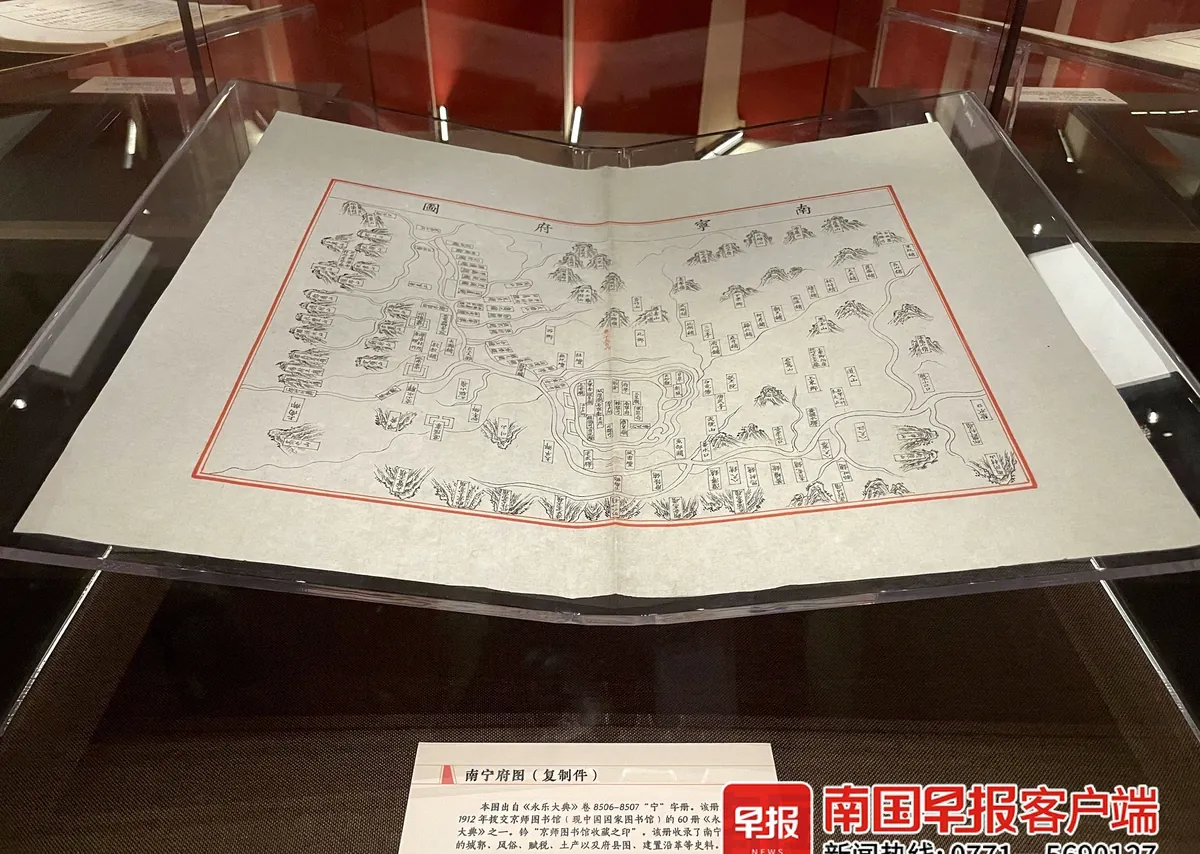
Viewed across the sweep of time, Yongzhou Ancient City is far more than a map coordinate; it is a living open-air museum where every bluestone paving slab and moss-tinted roof tile in historic alleys carries echoes of antiquity. Shifting eras transformed it from a stern southwestern military garrison into a welcoming cultural sanctuary crystallizing the soul of a historic city. Unbroken continuity from the Jin, Tang, Song, and Yuan eras down to today nurtures the ancient city’s spirit, inviting travelers to contemplate both heroic and poignant chapters etched into its soil.
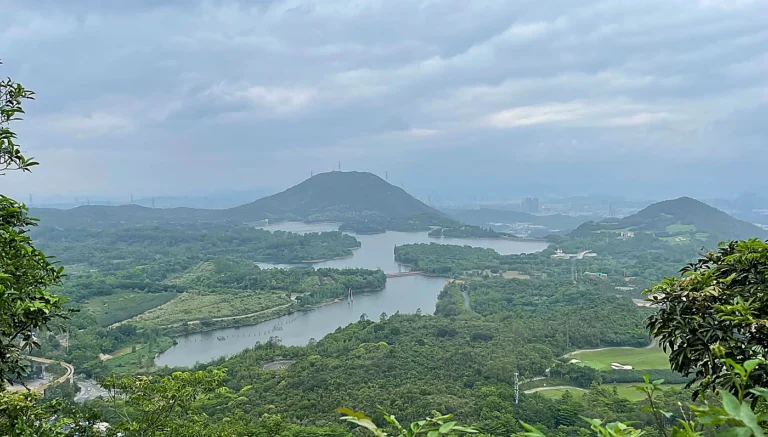
Through the lens of classical geomancy, Yongzhou Ancient City was built upon a rare, auspicious Lingnan landscape combining every element needed for lasting prosperity. The walled settlement follows the classic “backed by mountains, girdled by waters” layout: to the north, it leans against gentle ridges extending from the rolling Shiwan Mountains, acting as a protective Black Tortoise screen blocking cold winds and anchoring the terrain; to the south, space opens toward the broad river to welcome warm currents, achieving a balanced Vermilion Bird river-facing stance between stillness and motion, mountain shelter and flowing water.
Notably, rather than rushing straight past, the Yong River curves gracefully into a wide U-bend embracing the fortifications—forming a celebrated geomantic gathering pattern likened to a “jade belt encircling a precious pearl.” Gentle river currents before the ancient gates shelter wind and gather auspicious energy, preventing the dissipation of wealth and vitality. This natural hydrology made Yongzhou a premier southern trading hub from early times, fulfilling the age-old adage: “Waterways reach Guangdong; overland roads reach Jiaozhi.” Vessels from coastal regions sailed up the Yong River to trade brocades, tea leaves, medicinal herbs, and mineral salt before branching out toward distant frontier towns.
Harmony between waters and human craft shines clearly in traditional East Asian pavilions reflected across calm lake waters. Multi-tiered curved eaves soar gracefully against soft white clouds, while arched stone bridges and covered corridors trace across mirror-like water linking serene pavilions to leafy shores. In the distance, green hills and quiet wooden skiffs moored along the bank capture the unhurried, poetic beauty of a historic citadel landscape.
The fortified landscape does not stand in isolation, but connects within a wider mountain-and-water network commanding sweeping regional views. From the ancient watchtower atop the ramparts, gazes stretch directly toward lush Qingxiu Mountain, spiritual symbol and protective mountain desk anchoring Yongzhou’s dragon vein. Right below the walls, the historic Shuimen (Water Gate) ferry landing once served as a vital naval gateway linking the main river with Nanning’s natural lakes such as Nanhu and Zhubai—a web of rivers and lakes that moderated floodwaters, formed a defensive moat, and cooled the local microclimate year-round.
Deep geomantic wisdom made Yongzhou Ancient City a classic model of traditional eco-urbanism. Rather than flattening natural contours, ancient planners followed the earth’s grain and river bends to orient streets, shrines, garrisons, and markets. Land sheltered the city and water nourished its people, giving this frontier stronghold enduring vitality across centuries of change.
Stepping inside Yongzhou Ancient City, scholars and discerning travelers immediately recognize a meticulous restoration master plan covering a core preservation area exceeding 150,000 square meters. The site unfolds as a living cultural matrix where the famed “Sanjie Liangxiang” (Three Streets and Two Lanes) heritage axis connects seamlessly with imposing Zhenhai Gate and the *Qilou* arcade boulevard along Zhongshan Road. Rather than merely recreating surface appearances, the project distills traditional Lingnan architectural principles alongside the worldview of southwestern ethnic groups—turning every square meter into an open-air museum of ancient and medieval spatial design.
Authentic Lingnan craftsmanship shines vividly through its signature “green brick and gray tile” (*qingzhuan huiwa*) masonry. Walls are laid with hand-fired flat gray-green bricks, pointed with dense lime mortar blended with crushed seashells, and topped with undulating gray-black concave-convex roof tiles—creating an insulating air pocket that vents heat naturally and resists South China’s humid, rainy subtropical climate. Along busy commercial lanes, classic *Qilou* arcade buildings project their second stories outward to shelter pedestrians along the sidewalks, while stepped *Matou* (“horse-head”) gable walls not only serve as firebreaks, but also frame vivid lime-relief (*huisapu*) sculptures depicting the Eight Immortals Crossing the Sea, birds and flowers, and auspicious *qilin* along the roof ridges.
Alongside Lingnan character, the intangible heritage of Zhuang, Dong, and Miao communities is woven into structural timberwork. Most remarkable is the Wind-and-Rain Bridge spanning calm water—built in the traditional Dong mortise-and-tenon manner without a single iron nail, supporting three to five graceful pavilion tiers against the sky. Nearby, a multi-eaved Drum Tower houses a giant buffalo-hide drum symbolizing village spiritual authority. Sloping down toward the Yong River, *Diaojiaolou* stilt houses with angled timber posts showcase graceful “beauty-leaning” (*meirenkao*) wooden railings, while carved wooden doors and screens display bronze-drum sun-and-bird motifs alongside Zhuang brocade wave patterns and the protective Miao butterfly motif (*Mei Bang Mei De*).
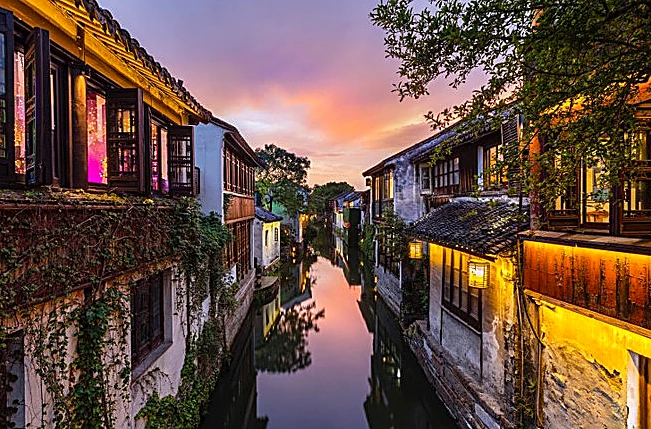
As sunset settles along the Yong River, the historic quarter and quiet temple reflect in shimmering water, awakening beneath thousands of warm amber lights tracing every curved eave. Beneath the arcades, bluestone lanes fill with evening strollers amidst lively trade, creating a luminous, enchanting scene. Looking out into the distance, a modern bridge spanning both banks shines like a proud ribbon of the new era—creating a striking dialogue between thousand-year heritage and vibrant modern city life.
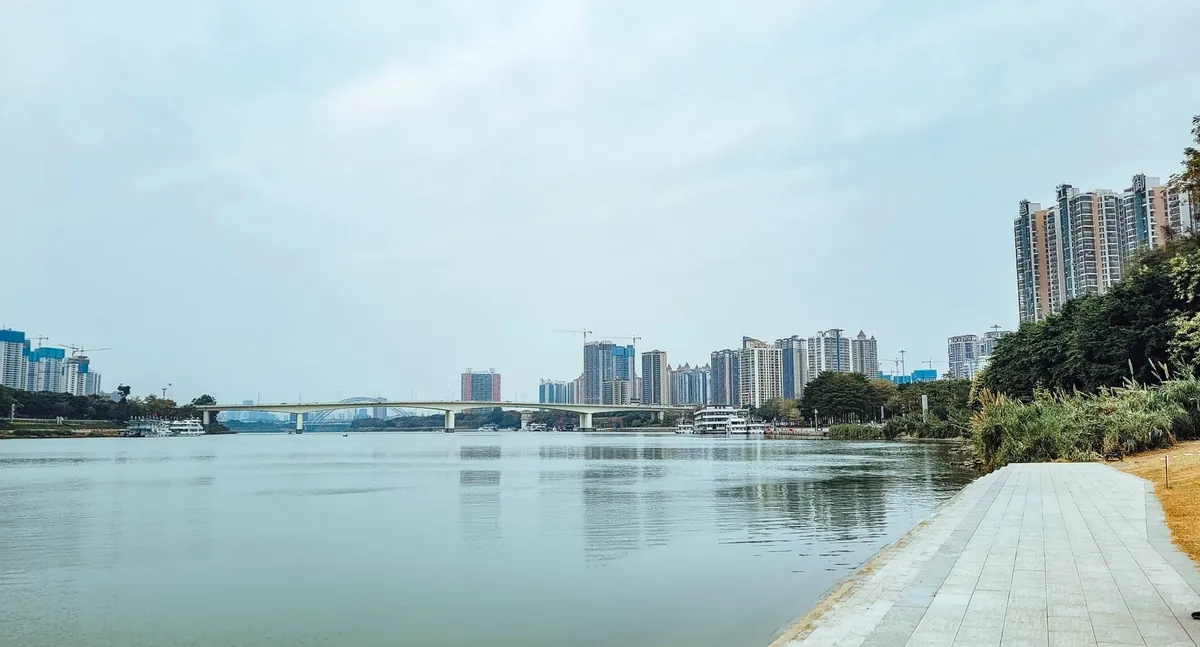
That deliberate contrast between modern horizon lights and subtle lanterns along *Qilou* eaves elevates Yongzhou Ancient City’s standing within Nanning. Open spatial transitions from narrow lanes into spacious courtyards embody “harmony between heaven and humanity,” linking ancient port memories with contemporary eco-tourism and inspiring admiration for Lingnan builders.
Once dusk falls along the Yong River, Yongzhou Ancient City sheds its quiet daytime demeanor to shine as “Sleepless Yongzhou.” First drawing visitors into the evening magic is a sea of red lanterns across historic Jinshi Lane and Yinshi Lane. Thousands of hand-painted oiled-paper lanterns and polygonal Lingnan palace lanterns glow in unison, casting warm amber and crimson light across gray-brick walls and centuries-old polished bluestone—transporting strollers back to bustling Song and Ming streets.
Right at imposing Zhenhai Gate, contemporary visual art soars through multi-dimensional 3D projection mapping and holographic displays across ancient stonework. Synchronized light and surround sound turn weathered masonry into a vast historical curtain, vividly reenacting heroic defense battles and rampart construction before transitioning smoothly into Yongzhou’s modern integration with thriving Nanning—every crevice and stone ledge uniting with laser light for an awe-inspiring effect.
Woven into the night’s pulse are folk performances across courtyards and lanes. Beneath a quiet drum tower, lyrical Zhuang antiphonal folk songs echo legends of Liu Sanjie with warm local charm. Nearby, the spirited sound of *lusheng* reed pipes blends with jingling silver jewelry as Miao dancers whirl in welcome dances, while at the City God Temple stage, veteran performers sing Lingnan opera and traditional Yue opera excerpts—reviving authentic local culture in captivating form.
From high above, night in Yongzhou reveals a magical blend of millennial heritage and modern life. A multi-tiered ancient pagoda beside the water glows golden and proud, reflecting across the river confluence, while historic gray-tiled lanes bustle below with red lanterns and modern digital screens, and a new arched bridge and high-rise skyline gleam softly in the distance.
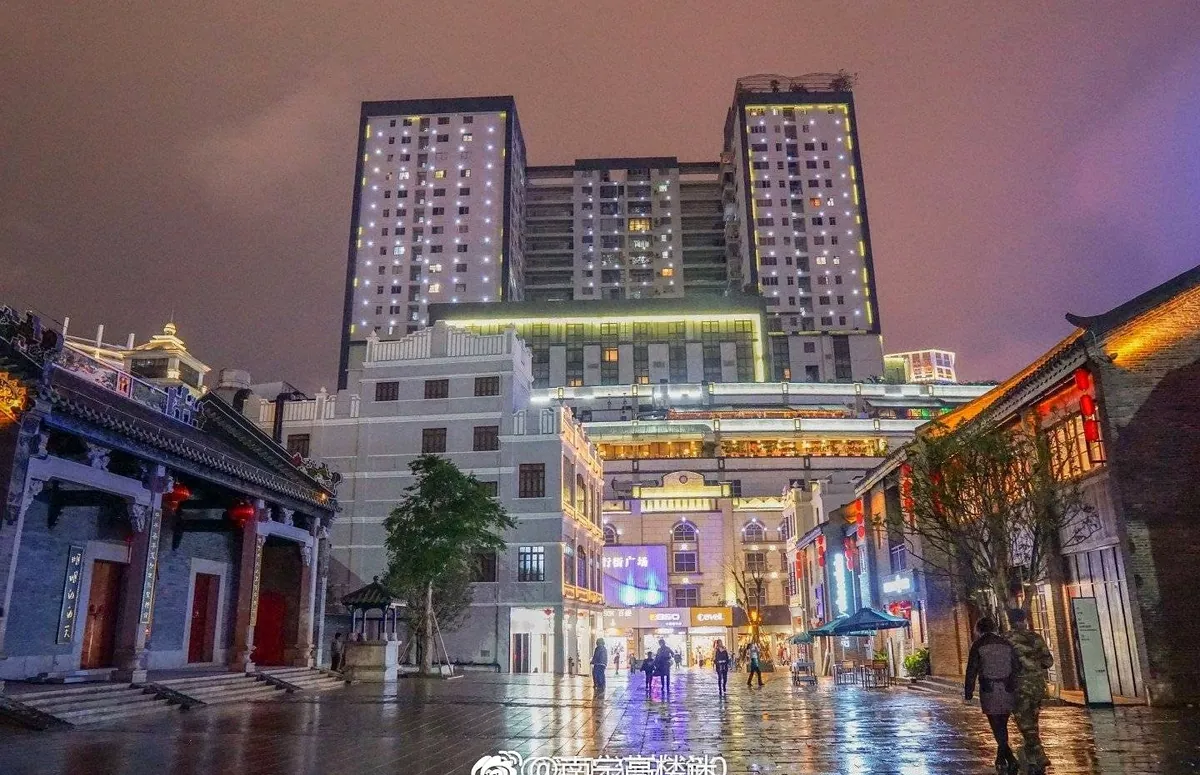
An evening boat cruise departing from the ancient city pier adds a poetic brushstroke to the nightscape. Drifting gently across rippling water contrasts carved timber pavilions and time-worn ramparts on one bank with modern riverside parks and LED-lit bay architecture on the other, while cool river breezes carry music from historic lanes into a deeply moving night experience.
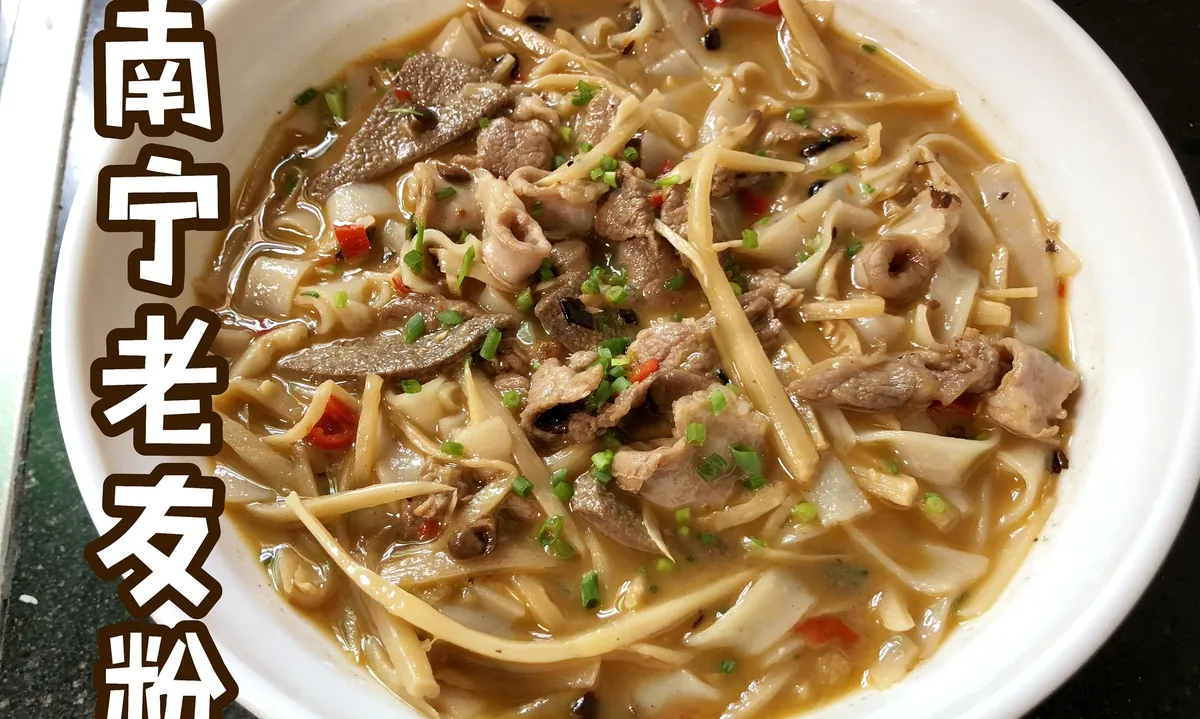
Exploring Yongzhou Ancient City without tasting its cuisine is like admiring an ink painting while overlooking its soul. Nanning’s food culture blends refined Lingnan technique with hearty southwestern flavors suited to dispelling dampness and winter chill. Its signature icon is Nanning “Old Friend” Noodles (*Laoyoufen* — 南宁老友粉), a century-old dish tied to warm camaraderie: silky rice noodles are flash-fried in a blazing cast-iron wok with crisp pickled bamboo shoots, fiery chilies, minced garlic, and fermented black beans before rich bone broth is ladled in—delivering a bold sour-spicy-savory punch that awakens every sense and chases away river-valley chill.
Alongside *Laoyoufen*, family banquets in Yongzhou shine with famous Nanning Lemon Duck (*Ningmeng Ya*). Tender duck is seared over high heat before slow-braising with years-aged salted lemons, pickled plums, julienned mountain ginger, and crisp salted chilies—yielding glossy, melt-in-your-mouth meat bursting with clean sourness and gentle heat. Along food lanes, visitors also fall for Nanning Steamed Rice Rolls (*Juantongfen*): gossamer rice sheets steamed over cloth and rolled around minced pork, wood-ear mushrooms, and diced green beans, dipped into golden *huangpi* (wampee) sauce offering a bright, mildly tart tropical finish.
The city’s culinary map is enriched further by millennia-old ethnic minority traditions. Zhuang Five-Colored Sticky Rice (*Wuse Nuomifan*) resembles a living brocade painting, with upland glutinous rice dyed naturally using wild forest botanicals—purple and red leaves, gardenia fruit, and maple ash—symbolizing auspicious five-element harmony. Meanwhile, Gongcheng Oil Tea (*Youcha*) serves as a cherished energizing brew for Yao and Dong communities: highland green tea leaves are toasted in an iron pot with aged ginger, garlic cloves, and lard, pounded on the spot, steeped in boiling water, and topped with crispy puffed rice, roasted peanuts, and chopped scallions—opening with brisk astringency before unfolding into deep, warming sweetness.
Wandering through lively traditional food markets, visitors also encounter colorful *suanye* (“sour wild”) stalls showcasing Lingnan’s beloved pickled fruit tradition. Large glass bowls brim with tart green mango, crisp plum, baby hog plum, papaya, and lotus root pickled to tangy-spicy perfection beneath warm lights, where lines of eager diners scoop fruit while vendors toss chili powder and coarse salt in a lively atmosphere.
Balancing tangy, spicy flavors, Yongzhou cuisine harmonizes yin and yang through cooling, restorative sweets. Golden *Huaihuafen* features silky pagoda-tree-blossom jelly strands swimming in sweet osmanthus rock-sugar syrup like a refreshing autumn breeze. Most prized is *Guilinggao* (Turtle Jelly), prepared from traditional Lingnan herbal recipes combining three-striped box-turtle shell extract with *smilax* root and highland herbs—yielding glossy dark squares with gentle bitterness and sweet honey notes that clear heat and reflect the unity of food and medicine.
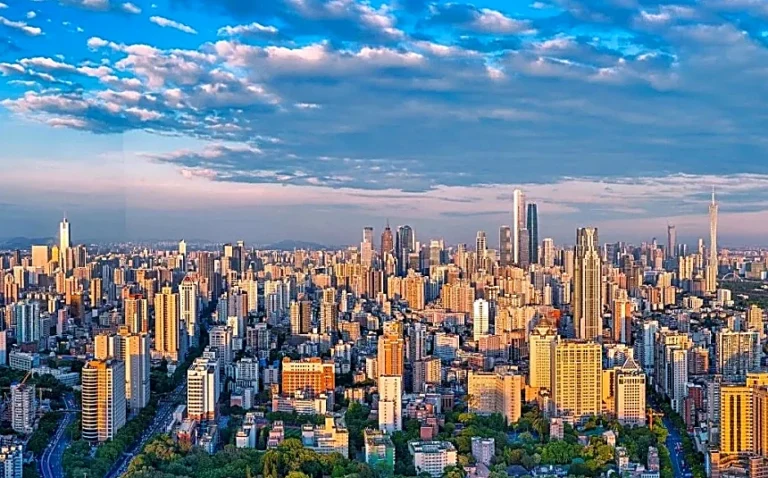
Situated right in the bustling Chaoyang commercial hub of Xingning District, Yongzhou Ancient City acts as both a living memory museum and a bridge between modern urban pace and millennial heritage. Its quiet grandeur and vibrant energy shine brightest from October through April, when mild, dry autumn-winter weather replaces southern summer heat. Scenery shifts vividly from around 3:30 PM as late afternoon sunlight slants across weathered gray-blue tiles, giving way to evening illumination and lively night-market dining lasting until 10:30 PM.
Reaching the ancient city is effortless via Nanning’s modern public transit network. Subway Lines 1 and 2 converge directly at Chaoyang Square Station, placing the heritage quarter just steps away: from Exit F or Exit D, a roughly two-hundred-meter walk leads straight to the historic archway entering Sanjie Liangxiang. Local bus routes 1, 6, 32, 34, and 205 also stop near Chaoyang Minsheng intersection, offering an easy, budget-friendly ride past everyday street life.
Regarding hours and admission, open streets and the Sanjie Liangxiang lanes remain accessible free of charge 24 hours a day, seven days a week. However, interior heritage sites—including Yongzhou City God Temple, the Deng Yingchao Memorial Hall, and the ceramic art museum—follow museum hours from 9:00 AM to 5:00 PM and close every Monday for collection care. In the evening, taking a Yong River sightseeing cruise—with tickets typically priced around 60 to 100 RMB per person—offers a serene way to glide across rippling waters and admire illuminated banks.
Exploring a historic site calls for respect and awareness of local conservation rules. In Yinshi Lane, traditional lime-relief (*huisapu*) carvings are carefully protected against wear; never touch, lean against, or press on decorative reliefs. Inside Yongzhou City God Temple, dress neatly and maintain quiet reverence in honor of loyal hero Su Jian’s sacrifice during the Xining era, limiting direct photography or filming toward sacred altars to preserve solemnity.
For a smooth visit, setting up mobile cashless payment apps and international roaming or travel data ahead of time makes paying for everything from river cruises to *Laoyoufen* noodles quick and convenient, while keeping passports and visas safely on hand during transit. Travelers looking to pair a lively border-town stop in Dongxing with a journey back into this historic southern capital can explore an all-inclusive Dongxing China tour package to connect frontier culture with the deep historical layers of Yongzhou Ancient City seamlessly.