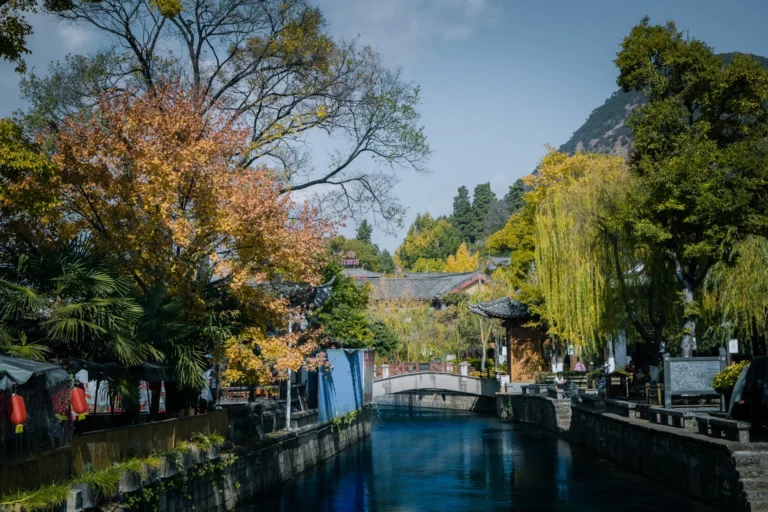
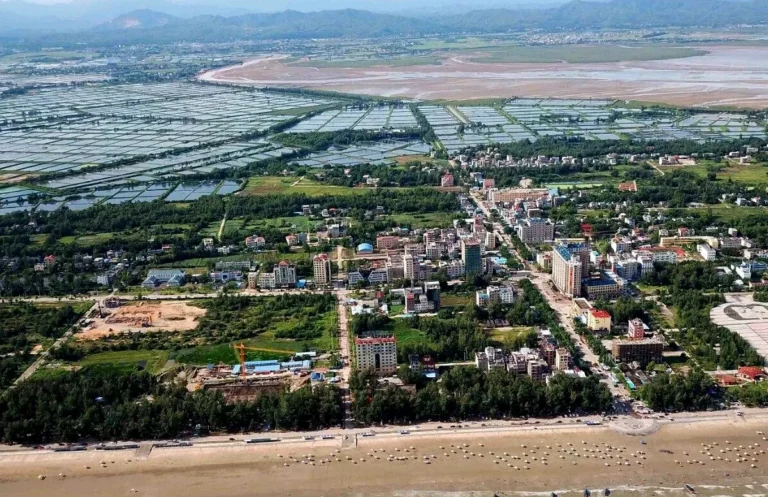
Nestled where dramatic geological folds meet in southern Yunnan, Mengzi Ancient City has served since antiquity as a vital cradle sustaining the enduring life of southern Yunnan (*Diannan*). Boasting over ten thousand years of prehistoric human traces and more than 2,100 years of county-level history since the Western Han Dynasty, this heartland of the Honghe Hani and Yi Autonomous Prefecture also safeguards a cherished agricultural treasure: the pomegranate. As recorded clearly in the *Mengzi County Gazetteer* and local stone steles, cultivated pomegranate shoots first took root here over 720 years ago. Through shifting eras from the rise of the Yuan Dynasty and the prosperity of the Ming and Qing dynasties, Mengzi’s pomegranates became far more than a refreshing orchard crop—weaving into local culture as an enduring emblem of abundance along the southern frontier.
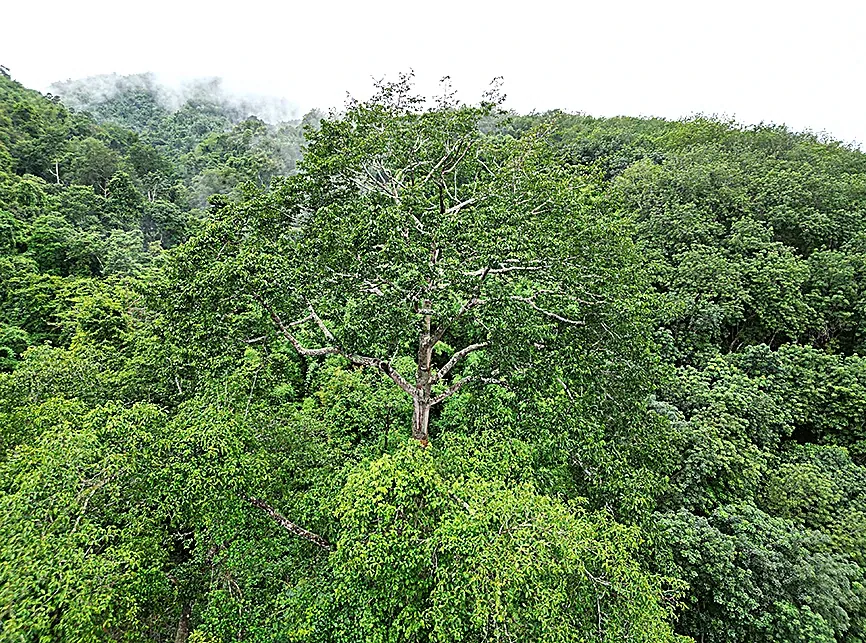
The resilient spirit of this ancient land is vividly echoed in historic tombs and special groves where time seems etched into weathered bark. Across the fertile plateau basin, Mengzi today still preserves an ancient pomegranate grove spanning more than 200 *mu* and gathering thousands of trees averaging over 130 years old. These venerable trees have witnessed centuries of history—from Mengzi opening as a modern treaty port and welcoming steam trains along the legendary Yunnan–Vietnam Railway to pivotal chapters of modern frontier history. Their gnarled, twisted trunks and deep roots anchored in mineral-rich red soil form an invisible bridge linking pioneering forebears with today’s peaceful rhythm.
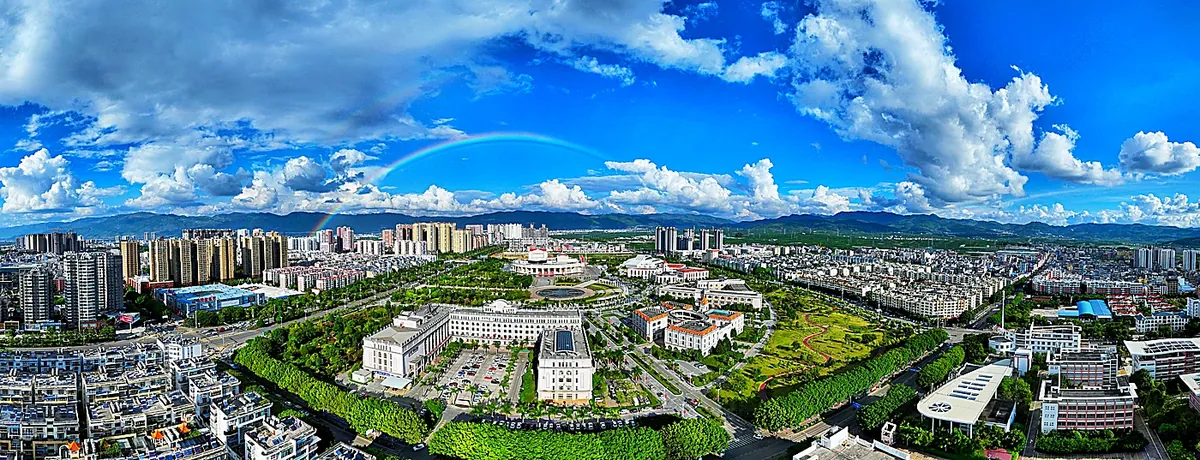
Entering the modern era, this traditional agricultural heritage has been revitalized through contemporary planning and scientific innovation. Central to this renewal is the “Science and Technology Courtyard” (*Keji Xiaoyuan*) model established directly in the fields by researchers, faculty, and students from China Agricultural University. Blending academic expertise with centuries of hands-on knowledge from local ethnic farmers, Mengzi Pomegranate Manor has emerged as one of China’s Ten Premier Agricultural Tourism Demonstration Sites. Tens of thousands of *mu* of pomegranate orchards now operate through a closed-loop value chain uniting cooperatives, core enterprises, experimental bases, and individual farming households—propelling the public brand value of Mengzi pomegranates past 3.7 billion RMB.
The harmony between ruby-red, juicy arils and southern Yunnan’s rich paddy-field and orchard heritage shapes the manor’s unmistakable character. Every patch of earth and green canopy carries part of old Mengzi’s soul—uniting unpretentious Yi and Hani traditions with the steadfast spirit of the southern borderlands. Visiting here means more than strolling a fruit farm; it means turning living pages of a seven-century story written in sweat, mountain mist, and devotion to the land.
Positioned along the dramatic transition between the rugged Qinghai–Tibet Plateau and tropical southern plains, Mengzi Pomegranate Manor occupies a rare location in the heart of the Honghe Hani and Yi Autonomous Prefecture in southeastern Yunnan Province. Its lasting prosperity rests on sitting squarely inside the Mengzi Basin (*Bazi*), one of southern Yunnan’s broadest and most fertile intermontane basins. In traditional East Asian geomancy, the site embodies “sheltering wind and gathering vital energy,” framed behind by towering ridges of the Honghe mountain system acting like a sturdy protective rampart.
Surrounding mountain ranges block chilly northern winter winds while opening toward the south to welcome warm currents. In front of the manor stretches a broad, level plain where waters gather toward South Lake (Nanhu), gleaming like a giant jade mirror reflecting highland skies. Waters from South Lake and limestone mountain springs wind gently through the basin, nourishing roots with clean moisture and fulfilling the classic geomantic ideal of waters in front and protective hills behind—symbolizing enduring vitality and abundant harvests across generations.
In terms of microclimate and soil, nature has endowed this basin with rare advantages. At an ideal average elevation above 1,300 meters above sea level, Mengzi enjoys abundant sunshine hours year-round without the oppressive heat of low-lying tropical plains. Pronounced day-night temperature swings stimulate sugar accumulation during warm sunny days while cooler nights lock in rich flavor and nutrients inside every fruit. Deep red weathered soils rich in iron, aluminum, and trace minerals—blended with porous alluvial deposits—create ideal root aeration for ancient pomegranate trees.
From a landscape planning perspective, the manor unfolds as a sweeping agricultural garden of “emerald highland waters and ten thousand *mu* of fragrant pomegranates.” Expansive groves follow gentle contour lines interwoven with natural irrigation channels and bluestone footpaths. Scenery transforms gracefully through all four seasons: tender emerald shoots in spring, blazing vermilion blossoms in early summer, heavy clusters of sun-ripened fruit in autumn, and quiet gnarled branches rising through morning mist in winter—creating a serene pastoral portrait of southern Yunnan.
Set amidst the fertile plain of southern Yunnan, Mengzi Pomegranate Manor presents a grand garden plan where high-altitude agriculture merges seamlessly with classical landscaping. Spanning roughly 321.65 *mu* with a total floor area of around 152,175 square meters—backed by over 98.05 million RMB in key phase construction investment—the complex brings together historical depth and contemporary visitor comfort in a premier pomegranate cultural destination.
Spatial design follows classical Eastern garden philosophy—”excavating ponds and guiding waters while adapting to natural contours.” Rather than forcing the terrain, designers followed gentle slopes to channel pure spring water into a central lake curving gracefully around knolls. Six classic architectural elements—pavilions, terraces, kiosks, towers, waterside halls, and covered corridors—interlock into an organic landscape where visitors wander through a living mountain-and-water painting.
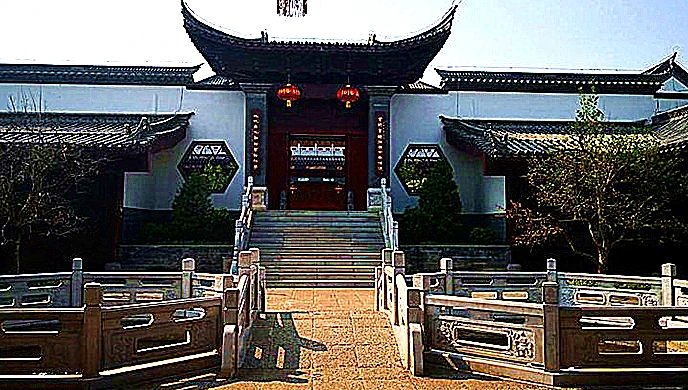
Up close, individual buildings honor traditional palace and garden craft with gray tiles and soaring upturned eaves (*qingwa feiyan*), layered painted *dougong* bracket sets finished in traditional southern Yunnan mineral pigments, and nail-free mortise-and-tenon timber joinery accented by carved pomegranate, auspicious beast, and pine-and-chrysanthemum motifs.
Woven among tiled roofs and stone paths are prized century-old ornamental pomegranate bonsai with gnarled roots supporting ripe fruit, alongside rare trees, camellias, and azaleas. At the heart of the site sits a dedicated 45.5-*mu* Pomegranate Culture Exhibition Zone functioning as a living museum that preserves indigenous cultivars and traces how pomegranates traveled along the Southern Silk Road to take root in Mengzi.
Rounding out the complex is a seamless link to Crossing-the-Bridge Rice Noodles Town built in authentic local folk style. Centered around iconic gastronomy, it recreates lively historic market streets with teahouses, taverns, and steaming kitchens beside stone bridges over clear canals—uniting refined garden scenery with vibrant culinary life.
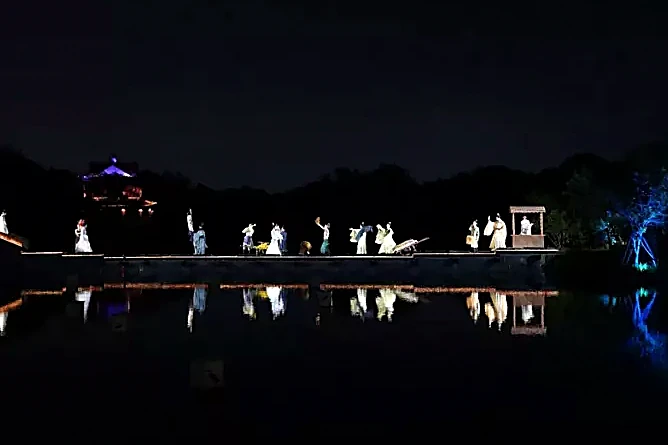
As sunset fades behind mountains ringing the Mengzi Basin, the manor shifts into an enchanting nocturnal setting. Concealed architectural lighting highlights traditional lines as warm rose-gold light washes over upturned painted eaves and waterside corridors, casting shimmering reflections of pavilions, kiosks, and pomegranate-carved stone bridges across lotus waters.
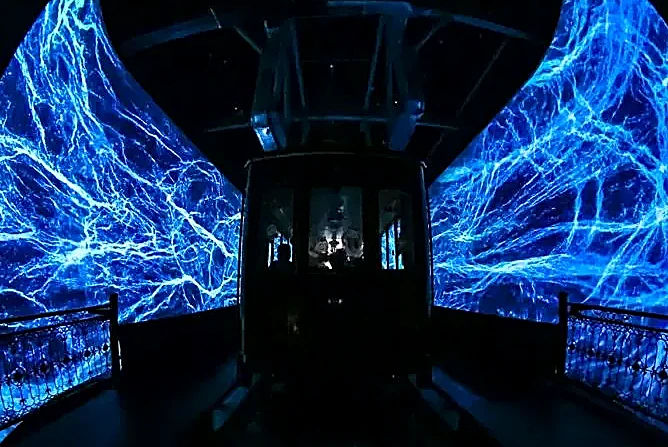
Rather than harsh modern glare, lighting draws on Eastern ink-wash subtlety and layered contrast. Century-old pomegranate trees are gently uplighted so gnarled branches heavy with ripe fruit glow like tiny lanterns against the night sky, while modest water-and-light shows over the pond evoke legends of pomegranates arriving from Central Asia along the Southern Silk Road to the strains of plucked *guqin* strings and trickling mountain water.
Beside the quiet beauty of the pomegranate manor, the adjacent Crossing-the-Bridge Rice Noodles quarter hums with lively evening warmth. Lantern-lit bluestone lanes and glowing taverns release rich aromas of bone broths simmered for hours beneath cool highland night breezes, where strollers listen to Yi folk songs and watch artisans carve Jianshui purple clay, stitch traditional pomegranate embroidery, or pull fresh rice noodles on site.
Enjoying a steaming bowl of Crossing-the-Bridge Rice Noodles on a breezy veranda while watching golden light shimmer across still water captures Mengzi after dark—blending late-blooming pomegranate fragrance, heat-sealing chicken fat, savory aromatics, and lively laughter into an unhurried evening scene.
Standing in the city famed as the “Hometown of Crossing-the-Bridge Rice Noodles” and “Land of Pomegranates,” Mengzi Pomegranate Manor celebrates traditional southern Yunnan gastronomy rooted in fertile red soil and local refinement. Leading the culinary map is authentic Mengzi Crossing-the-Bridge Rice Noodles: a rich broth simmered for hours from pork marrow bones, old hens, and free-range duck is sealed beneath a golden layer of chicken fat that keeps heat near boiling as diners add gossamer slices of pork loin, tender chicken breast, grass carp fillet, giblets, and quail eggs to cook instantaneously before adding silky rice noodles.
Alongside it shine sweet Mengzi pomegranates—prized for soft seeds, ruby or crystal-clear arils, and clean sweetness without harsh astringency—as well as classic local dishes like cooling *Liang Juanfen* rice rolls in tangy-spicy sauce, crisp-crusted grilled tofu stuffed with savory paste, and fragrant steamed pork rice infused with sweet cane and mountain herbs.
At dusk, local evening energy continues at nearby Dashuzhai Night Market, a down-to-earth neighborhood night market bustling with affordable street treats and sizzling charcoal grills—from Thai-style grilled pork skin seasoned with dried chilies, *ma’gao* spice, and coriander seeds to chilled rose-flavored papaya jelly with sesame seeds, hand-spread Vietnamese-style steamed rice rolls, spicy herb-pickled chicken feet, and popping charcoal-grilled tofu.
The golden season to experience Mengzi Pomegranate Manor at its peak is early autumn from August through late October, when highland sunlight ripens heavy pomegranates until skins split to reveal gleaming ruby seeds. While grounds remain open for daytime strolls year-round, autumn brings the full harvest spirit—making it ideal for unhurried walks along shaded paths, portraits in Hanfu, or outdoor agricultural study.
Reaching the manor from northern Vietnam is straightforward via the Lao Cai–Hekou international border crossing using a valid passport/visa or border pass, followed by modern high-speed trains running smoothly through limestone mountains to Mengzi Station or Honghe Station, and a short city bus or taxi ride—under thirty minutes—down tree-lined avenues to the manor gates.
At an elevation above 1,300 meters, Mengzi brings strong midday UV rays and crisp evening temperatures, with daily swings often exceeding 10°C—so pack a wide-brimmed hat, sunglasses, high-SPF sunscreen, and a light wind jacket for dusk. Keep mobile cross-border payment apps ready alongside a little small-denomination cash when buying freshly picked pomegranates from local growers.
A seasoned local tip is to skip commercialized souvenir stalls right by the entrance and head into everyday neighborhood spots like Dashuzhai Night Market—where roughly 35 RMB per person goes a long way on numbing-spicy grilled skewers, puffed Mengzi grilled tofu, and sweet fresh pomegranate juice. To enjoy Mengzi’s heritage at an unhurried pace without planning complex logistics, joining a curated Honghe Prefecture tour offers an effortless doorway into authentic local culture.