Spanning thousands of years of civilization, the culture of traditional Chinese attire and Hanfu is far more than layers of brocade and silk; it is an authentic reflection of human philosophy, court etiquette, and aesthetic ideals across every rise and fall of history. Stepping into the serene atmosphere of renowned ancient towns, draped in cross-collared jiaoling, wrap-around quju, or parallel-collared duijin robes that dissolve the boundaries of time, travelers feel as though a thousand-year memory has been awakened—crystallized within every flagstone, moss-covered yin-yang tiled roof, and wisp of mist hovering over the water. Experiencing historical dress here does not begin merely as a visual indulgence; rather, its roots run deep into the epic chapters of past dynasties, where every fold of silk carries the soul of a glorious era.
Tracing back to the ancient South, Suzhou and Xitang stand as cradles preserving the earliest imprints of ink-wash Jiangnan culture. Historical records note that in 514 BCE, during the Spring and Autumn period, King Helü of Wu ordered Grand Chancellor Wu Zixu to plan and construct the Great City of Helü—the resplendent predecessor of modern-day Suzhou. Through the Song and Yuan periods, and especially during the zenith of the Ming and Qing dynasties, Suzhou rose to become the capital of fine silk weaving, housing imperial workshops dedicated exclusively to the royal court and refined literati and beauties. Not far away, Xitang likewise began its destiny along the contested border between the states of Wu and Yue during the Spring and Autumn era, before flourishing into a bustling waterway trading port in the Ming and Qing dynasties. Here, kilometer-long covered corridors and centuries-old stone bridges form an ideal backdrop for graceful Song-dynasty Hanfu or regal Ming-dynasty ao nhat binh ceremonial robes, reviving the aristocratic poise of scholar-officials of yore.
Merging with this riverine cultural current, Wuzhen laid its first historical foundations during the Sui and Tang dynasties, when the opening of the Grand Canal transformed this low-lying wetland into a vital artery for silk and rice transit. Weathering centuries of change, Wuzhen reached a golden age of prosperity stretching from the Wanli reign of the Ming dynasty to the Qianlong Emperor of the Qing dynasty. This was an era when indigo dye houses, silk workshops, and teahouses lined both banks of Dongzha and Xizha. Steeped in Confucian sensibility, this setting was later immortalized by the celebrated writer Mao Dun, who deeply etched Wuzhen’s cultural spirit into modern literature. Beneath the shade of centuries-old stone arch bridges, gold-embroidered Ba Duan robes or pleated Ming-dynasty mamianqun horse-face skirts seem to carry forward the mercantile stories and poetic lives of prosperous townsfolk from centuries past.
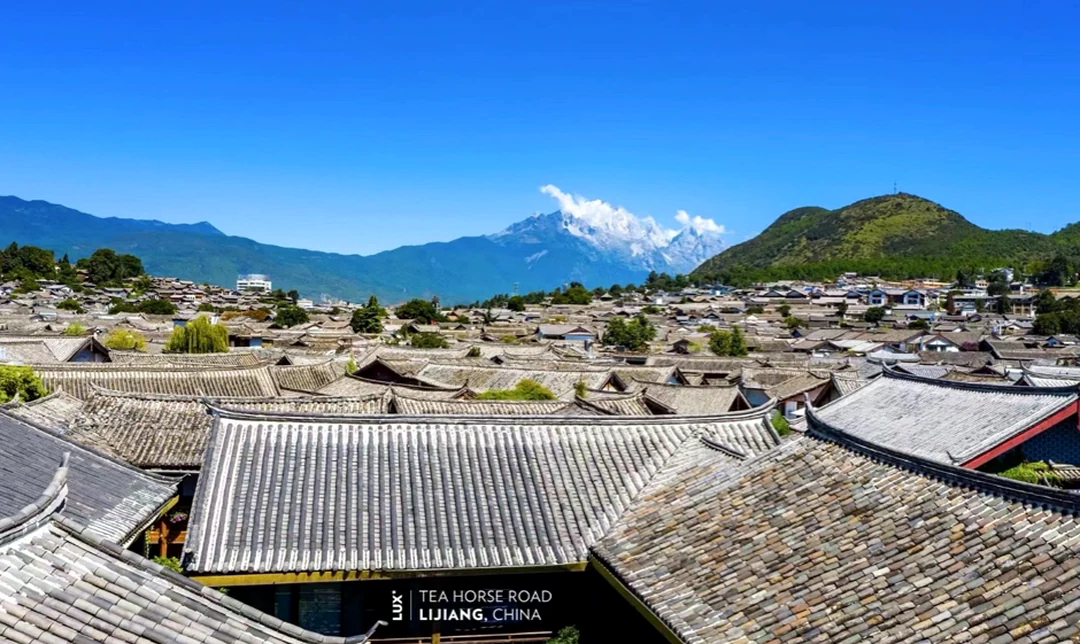
Set apart from the gentle softness of Jiangnan, Lijiang Old Town on the Yunnan Plateau embodies the bold, heroic spirit of a legendary trade route. Shaped in the 13th century during the Yuan dynasty, this land remained under the hereditary governance of the renowned Mu family of native chieftains (tusi) throughout the Ming and Qing dynasties. Serving as a strategic waypoint along the Ancient Tea Horse Road linking Southwest China with Tibet and South Asia, Lijiang became a confluence of indigenous Naxi culture, untamed Tibetan flair, and Han influences from the Central Plains. Strolling across Sifang Square—paved with five-colored stones polished smooth by the hooves of ancient pack-horse caravans—in Yuan–Ming parallel-collared robes with broad belts or martial-arts jianghu attire illuminates the poignant grandeur of a frontier era, turning a costume experience into a genuine journey back through history.
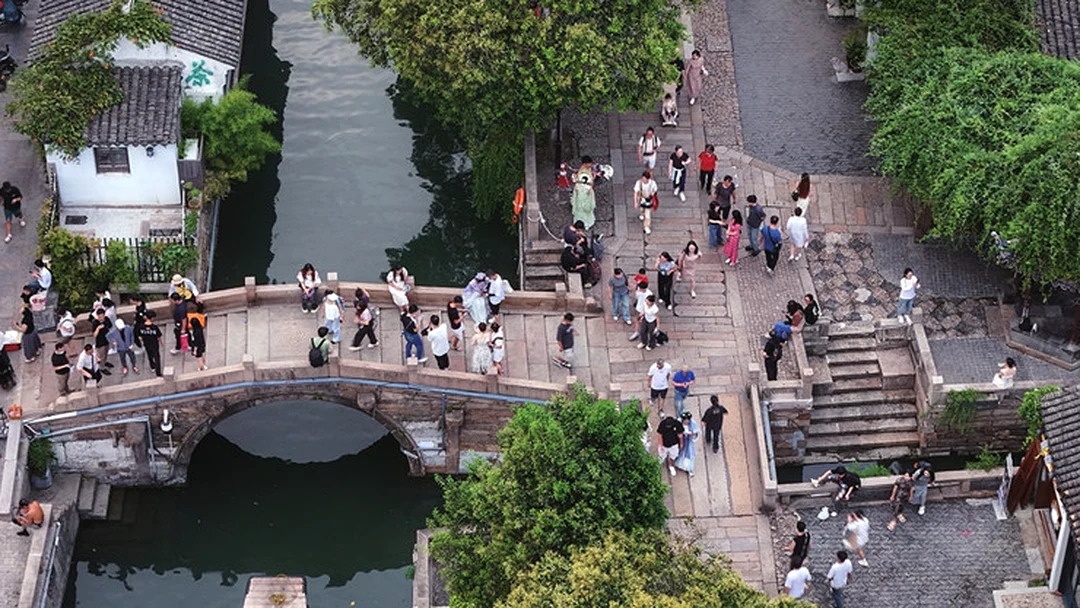
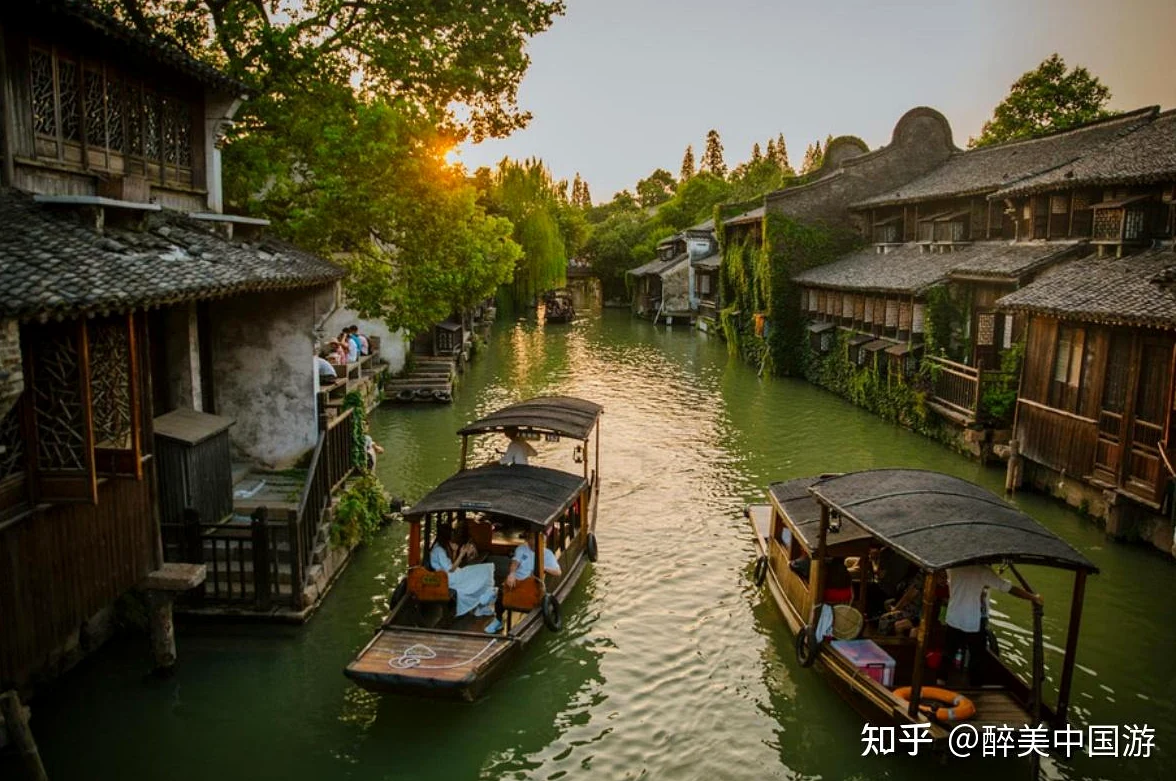
The quest for iconic classical photographs begins with the ingenious geographical planning of these famed ancient towns, where East Asian feng shui intersects seamlessly with millennia-old hydraulic engineering. The lower Yangtze River Delta gave rise to renowned water towns built upon the philosophy of “water as the soul,” treating meandering waterways as dragon veins sheltering human life. Exemplifying this layout is Wuzhen in Zhejiang Province, where interlocking waterways divide the town into the Dongzha and Xizha quarters like an ancient Go board. Foundations here utilize fir-wood pilings driven deep into the riverbed mud to support rows of “water pavilions” (shuige)—stilt dwellings extending out over the water to catch cool breezes while allowing silk merchant boats to moor directly alongside. Nearby, Xitang Ancient Town—perched at the crossroads of Jiangsu, Zhejiang, and Shanghai—amazes visitors with its layout of “nine rivers dividing the town into eight sections,” highlighted by the kilometer-long Misty Rain Corridor hugging the canal bank, sheltering passersby from drizzle and mist while creating breezy galleries that contrast with over a hundred narrow alleys like Shipi Lane, barely wide enough for one person to slip through.
Further north in Suzhou, Jiangsu Province, ancient urban planning reached a brilliant zenith with the “parallel water and land routes, double chessboard” structure laid down by architect Wu Zixu during the Spring and Autumn period. Double moats and canals running alongside flagstone streets formed an unmatched transport network: boats gliding beneath arched bridges while horse-drawn carriages clattered along the embankments above. Suzhou’s landscape is enriched by hundreds of refined private classical gardens, where principles of contrast, symbolism, and “borrowed scenery” (jiejing) are masterfully deployed through moss-mottled whitewashed walls, upturned ash-gray daiwa roof tiles, and fantastical rockeries sculpted from Taihu stone. The regal yet understated beauty of a city praised with the adage “Above there is heaven; below there are Suzhou and Hangzhou” provides an ideal canvas for Song- and Ming-dynasty Hanfu, which prize poise, symmetry, and purity.
Leaving the fertile plains for the Hengduan Mountains on the Yunnan Plateau, Lijiang’s Dayan Old Town unveils a wholly distinct feng shui landscape steeped in Dongba culture and Naxi heritage. At the foot of perpetually snow-crowned Jade Dragon Snow Mountain, pure glacial meltwater gathers at Black Dragon Pool before flowing into the old town, naturally splitting into three main streams—the Central, West, and East rivers—that branch into every lane and feed the famous Three-Eyed Wells. This city along the Ancient Tea Horse Road has no surrounding city walls; according to local geomancy, the hereditary Mu chieftains avoided building enclosing walls for fear that framing the character for “Mu” (木, wood) on all four sides would transform it into the character “Kun” (困, trapped), inviting stagnation and decline. Lijiang’s gently sloping terrain, paved entirely in time-polished five-colored stones, pairs with giant wooden waterwheels and hundreds of arched stone bridges carved with intricate motifs.
Every dwelling, bridge, and waterway in these ancient towns is in itself a masterclass in golden-ratio composition, color harmony, and layered light. When a wearer drapes on a gold-embroidered cloak, billowing celestial silk ribbons, or a pleated mamian skirt, the rhythmic sway of brocade seems to awaken the very soul of ancient architecture. The deep crimson of a floral jacket set against moss-dappled granite walls, or gossamer silk drifting through misty air beside Wuzhen’s wharves, creates multi-tiered visual depth—bringing the wearer into complete harmony with attire and enduring historical space.
The ultimate allure of classical travel portraits lies not merely in silk and brocade, but in the seamless synergy between traditional dress and heritage architecture. Every step taken in Hanfu across ancient flagstones becomes a silent dialogue with the spatial wisdom of forebears, where feng shui planning, traditional timber joinery, and symbolic landscaping matured over centuries of wind and frost.
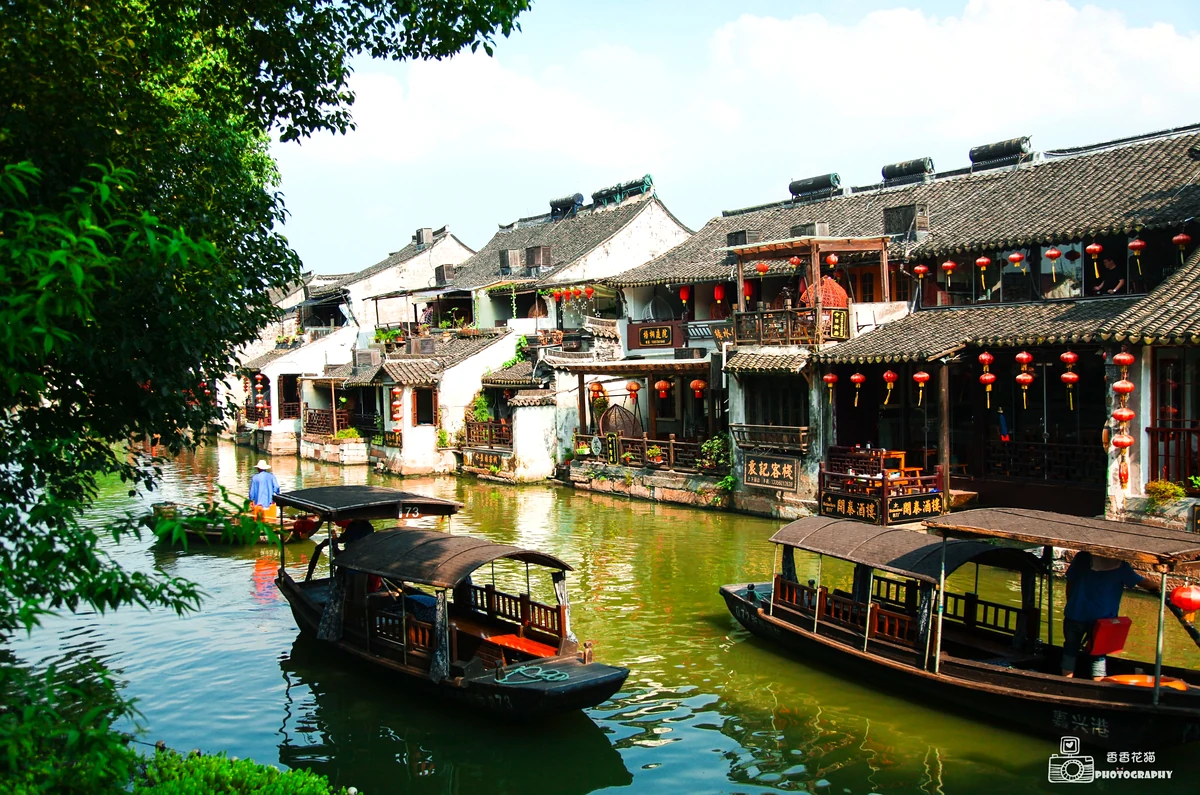
In Wuzhen, nestled within the fertile Yangtze River Delta, the architectural scenery resembles a serene ink painting dominated by ash-washed gray brick walls and moss-blanketed yin-yang roof tiles. The signature hallmark of this millennium-old town is its riverside housing system known as Shuige (Water Pavilions), where granite foundations and pillars plunge straight into the canal bed to support timber rooms extending over emerald waters. Woven into the dense network of canals are ancient single- and triple-arch stone bridges—most notably Tongji Bridge and Renji Bridge—creating deep, receding perspective lines ideal for poised, dignified portraits. Beneath overhanging eaves, the Hongyuan Thai Dye House opens onto an enchanting visual expanse of towering ten-meter bamboo drying racks, where lengths of cloth hand-dyed in natural herbal indigo billow in the brisk breeze, recalling a vibrant textile cottage industry dating back to the Song dynasty.
Following the waterways to Xitang in Jiashan County, spatial design showcases a singular civic marvel known as the Misty Rain Corridor. This gently sloping, tile-roofed gallery stretches for more than a kilometer along the riverbank, supported by pine columns and fitted with comfortable wooden benches, turning the entire canal front into a boundless open-air cultural salon. Xitang also preserves more than 104 ancient stone bridges linking its neighborhoods, alongside a labyrinth of deep lanes—none more mysterious than narrow Shipi Lane. Measuring nearly 31 meters long yet narrowing to a mere 80 centimeters at its tightest point, wedged between the soaring walls of the Ming–Qing Wang family compound, the alley creates a striking “sliver of sky” visual effect, casting a slender beam of natural light across flowing silk robes.
Stepping away from everyday waterside life into the refined aristocratic world of Suzhou, spatial artistry ascends to the pinnacle of scholar-official garden architecture. Masterpiece gardens such as the Humble Administrator’s Garden, founded in the Ming dynasty, and the Lingering Garden, perfected in the Qing era, represent an exacting synthesis of craggy Taihu rockeries, emerald lotus ponds, and zigzagging covered walkways. Punctuating the pavilions are circular moon gates and lattice windows with intricate geometric tracery, framing every vista like a living classical scroll. When a visitor in historical dress pauses beside a tea veranda or leans against a balustrade overlooking waterside pavilions, the golden proportion between artifice and nature immediately elevates the poised, otherworldly grace of scholars and noblewomen of antiquity.
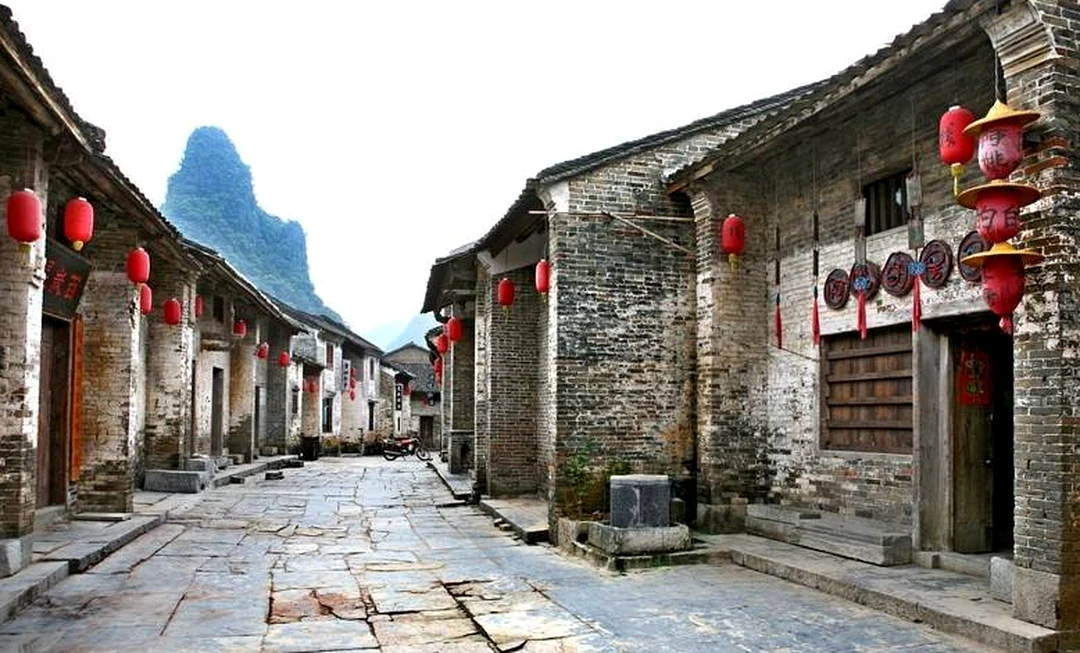
In stark contrast to Jiangnan’s delicate elegance, Lijiang Old Town at the foot of Jade Dragon Snow Mountain in Yunnan Province carries the heroic epic sweep of intersecting Dongba heritage. This ancient city stands as a vivid testament to architectural fusion among four ethnic groups: Naxi, Tibetan, Bai, and Han. Houses here strictly adhere to sturdy timber-frame mortise-and-tenon joinery, eschewing metal nails entirely to enhance structural flexibility against mountain seismic activity. Three-wing dwellings enclose a central skywell courtyard, with rammed-earth walls or weather-darkened cedar planking supporting tiered, upturned terracotta roofs resembling eagles spreading their wings amid mountain clouds. Gently terraced slopes and spring-fed streams circulating past five-colored stone doorsteps transform the former capital of the Mu chieftains into a majestic cultural sanctuary, where vibrant brocade ethnic dress and classical Hanfu shine side by side within a living heritage landscape.
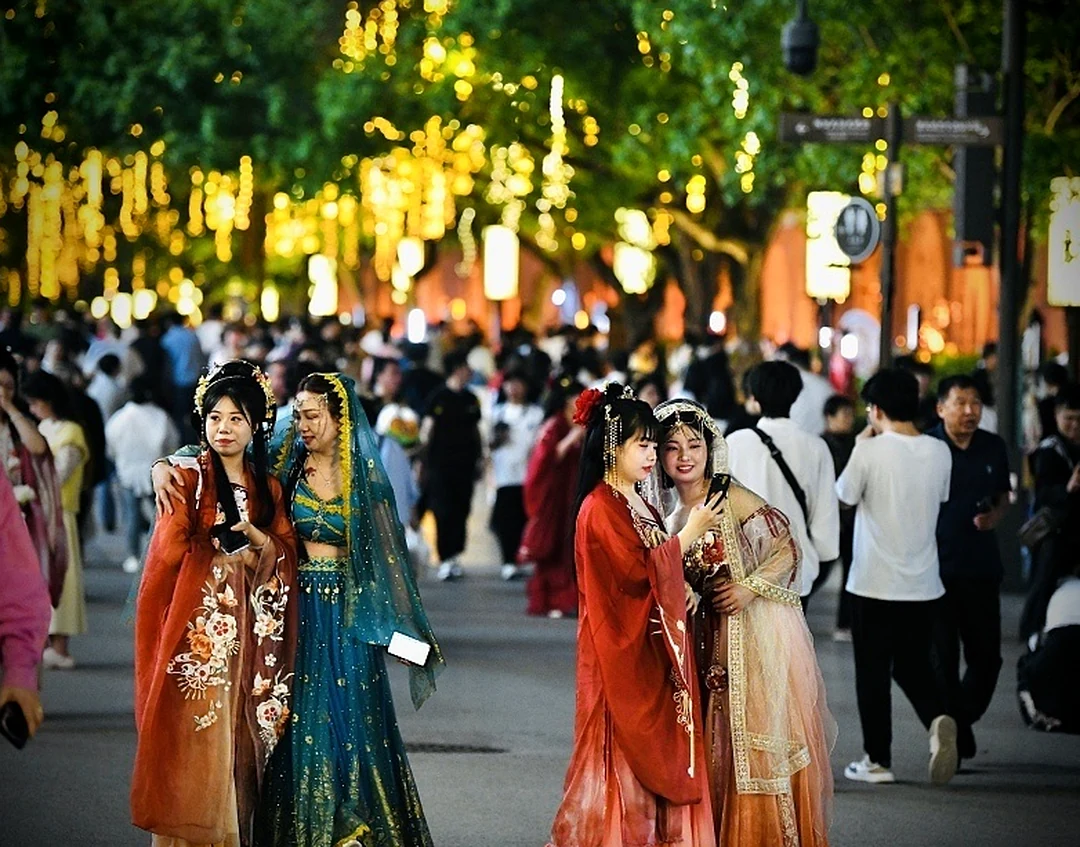
As deep violet dusk settles into ancient canals and twilight ushers in the transition from day to night, Jiangnan’s water towns awaken to their most bewitching beauty. Between 6:30 PM and 9:00 PM lies the golden evening window known in antiquity as huadeng chushang—”when festive lanterns first light up”—as tens of thousands of lanterns ignite simultaneously along moss-covered eaves and waterside galleries. Through subtle lighting design in Xitang or Wuzhen’s Xizha, thousands of vermilion lanterns cast their reflections onto languid waters, creating multi-layered ripples of color reminiscent of a grand handscroll from a golden age. Within this dreamlike setting, the boundary between present and past dissolves completely, turning every blue-flagstone alley into a living stage for figures stepped out of antiquity.
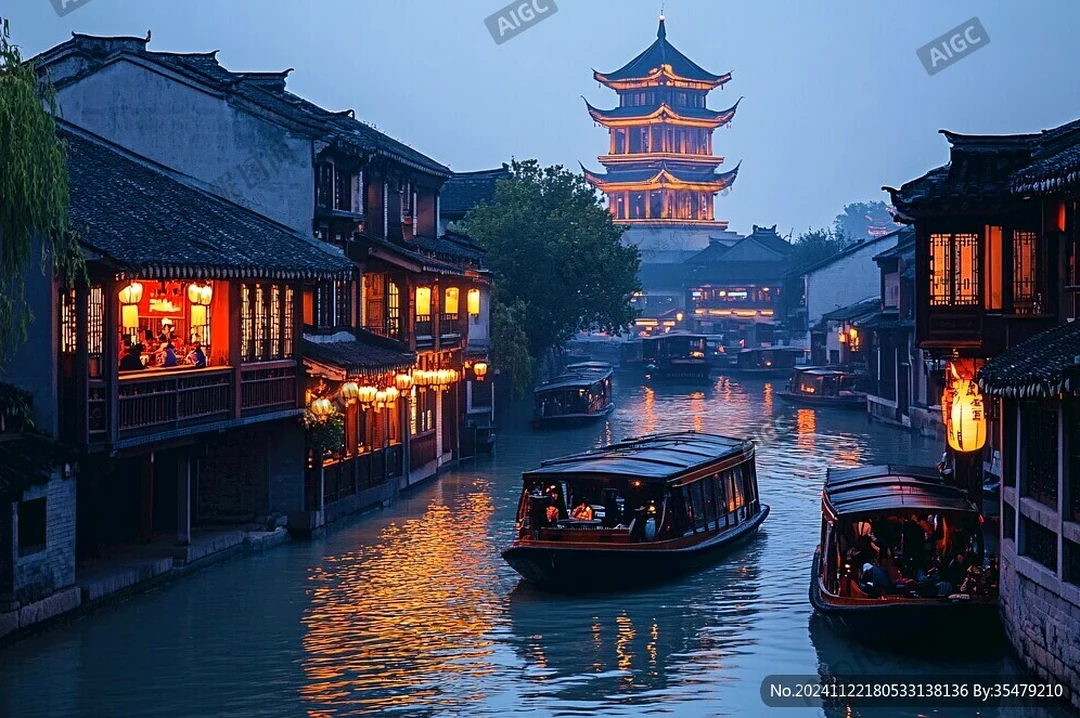
Donning resplendent Hanfu at this hour evokes an aesthetic resonance bordering on perfection. For those choosing Ming-dynasty court style, a formal shan robe woven with gold-thread dragon medallions, paired with a sharply pleated mamian skirt inlaid with silver floral motifs, exudes supreme regal dignity beneath glowing red lanterns at the crest of an arched stone bridge. Conversely, Song-dynasty attire featuring a refined beizi jacket—its sheer fabric draping as lightly as cicada wings—paired with modest Song-style trousers harmonizes effortlessly with peaceful townscapes. Every fluid sweep of silk brushing past lotus-shaped lanterns, mirrored in shimmering canal ripples, creates a cinematic depth that no artificial film set could ever replicate.
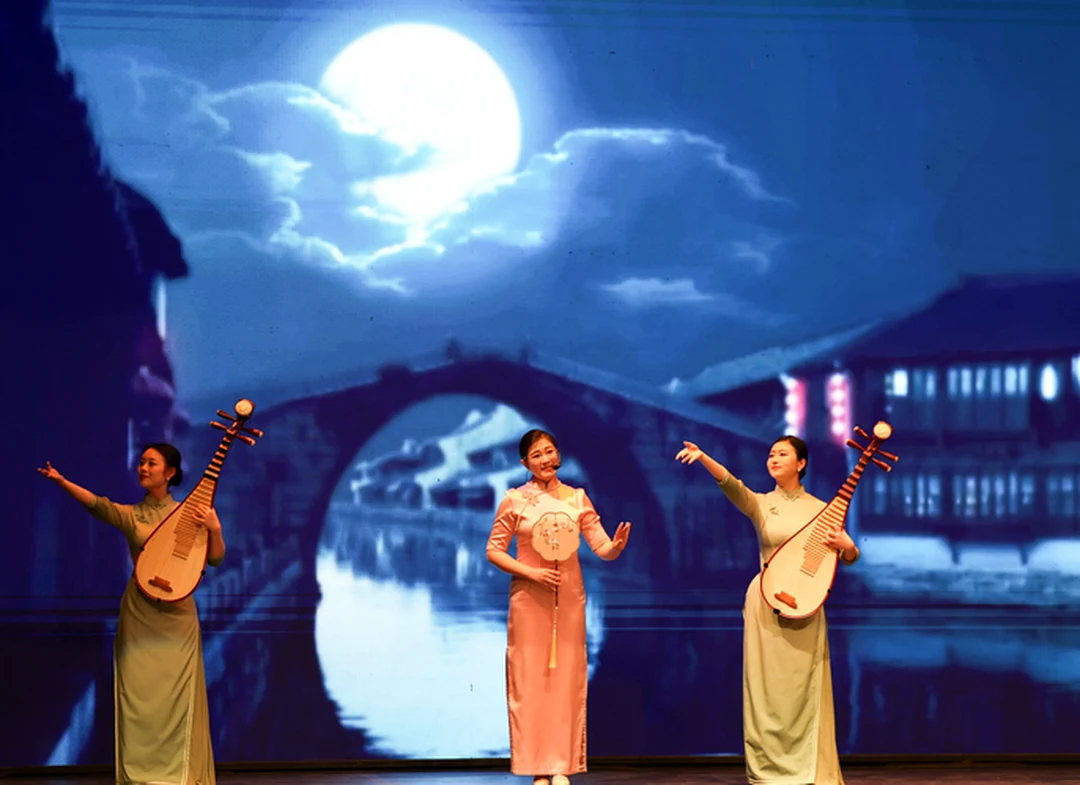
Nights in an ancient town offer more than visual splendor; they compose a rich symphony of live performances steeped in timeless charm. Gliding silently across the water are traditional canopy boats, where musicians pluck plaintive melodies on the pipa lute or sing sweet Suzhou pingtan ballads, their voices echoing beneath Xitang’s famed Shipi bridges. In historic theaters and floating lakeside stages, classic Kunqu opera excerpts such as Tang Xianzu’s Ming-dynasty masterpiece The Peony Pavilion come vividly to life. Warm golden spotlights illuminate the exquisite stage makeup of the performers while a crescent moon hangs over mist-veiled waters, crafting a multi-sensory spectacle that leaves travelers spellbound as if wandering into a thousand-year dream.
Evening life also spills warmly into rustic taverns and waterside teahouses perched right at the water’s edge. Dressed in full historical finery, travelers can pause inside a timber-framed pavilion to sip warmed Jiaxing yellow rice wine—fragrant with traditionally fermented glutinous rice—while nibbling on auspicious rose-tinted Dingsheng rice cakes. Leaning against wooden railings carved with plum blossoms, listening to the rhythmic splash of oars blending with the gentle murmur of strollers across the canal, the costume experience transcends mere souvenir photography and blossoms into genuine kinship with the cultured, leisurely lifestyle of southern literati of old.
A journey stepping into the shoes of refined poets and scholars strolling through picturesque landscapes would remain incomplete without weaving traditional culinary flavors into every breath of the trip. Amid Jiangnan’s mist-veiled waterways, as wide silk sleeves flutter gently in the morning breeze, diners clad in graceful Song-dynasty attire will find effortless harmony inside a century-old wooden eatery in Wuzhen. Here, tables are celebrated for glossy, dark-braised Wuzhen soy duck and iconic Dongpo pork—originating with the Northern Song poet Su Shi—slow-simmered over a gentle flame until rock-sugar glaze clings enticingly to alternating layers of tender lean meat and melting fat. Wandering down blue-flagstone alleys, the delicate aroma of diamond-shaped Dingsheng cakes rising from steaming cast-iron pots draws passersby to a halt. Legend tells that Suzhou elders once steamed these soft, airy cakes—crafted from glutinous rice flour mixed with turnip and sweetened red-bean paste—for Southern Song soldiers marching off to battle as a blessing for victory; today, they remain a comforting treat for anyone yearning for old-world charm.
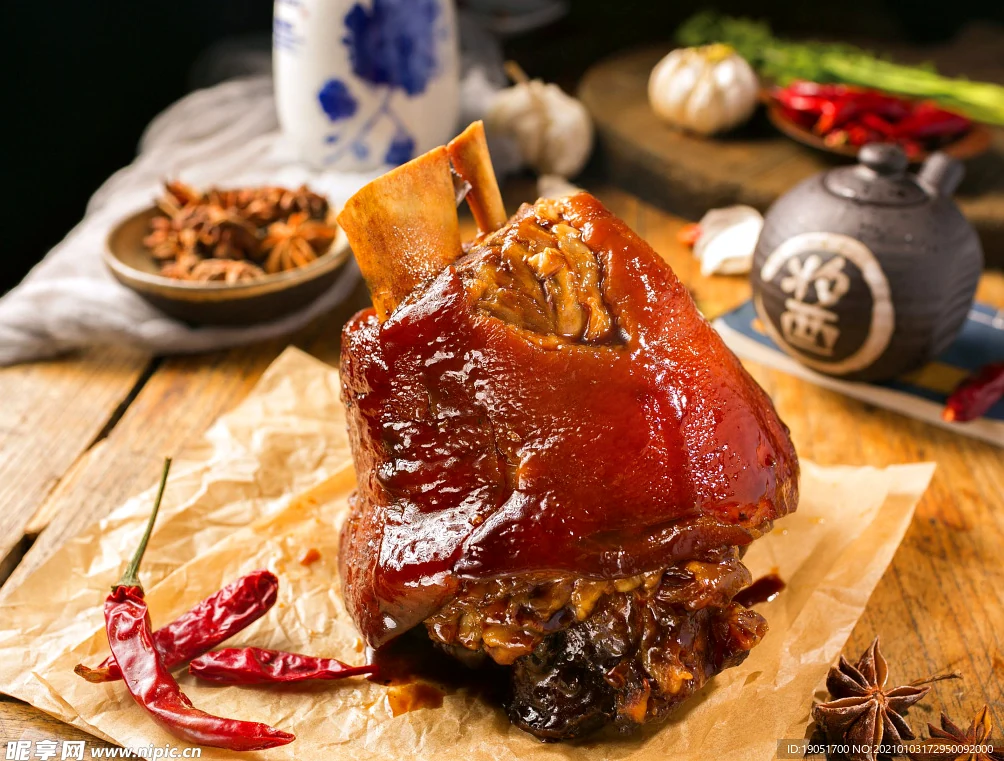
Heading upstream along Xitang’s moss-lined canals, heirloom culinary artistry shines through in Zhang Ji braised pork hock, famed since the Ming and Qing dynasties. Prime pork shanks are slow-braised for twelve double-hours in a secret herbal broth infused with more than twenty botanicals and chrysanthemum-distilled liquor, rendering the skin so tender it melts like snow at the touch of chopsticks without ever feeling greasy. Pausing beside a canal-side teahouse balustrade, raising a steaming cup of Biluochun green tea before savoring a bite of balanced savory-sweet braised hock, a traveler in period attire feels as though they have stepped straight out of a classical romance from the golden age of rice-farming civilization.
In ancient Suzhou, once the capital of refined literati culture and lustrous silks, savoring an early-morning bowl of Suzhou-style noodles has long been an unhurried ritual among connoisseurs. The crystal-clear broth—simmered from chicken bones, Taihu river shrimp, and carp heads to extract deep, clean umami—cradles noodles as fine as woven silk threads. Completing this aristocratic Wu culinary palette are translucent osmanthus cakes fragrant with autumn blossoms and hibiscus honey, alongside crisp, maltose-kissed peanut brittle crafted from family recipes, evoking moon-viewing banquets hosted by noble households centuries ago.
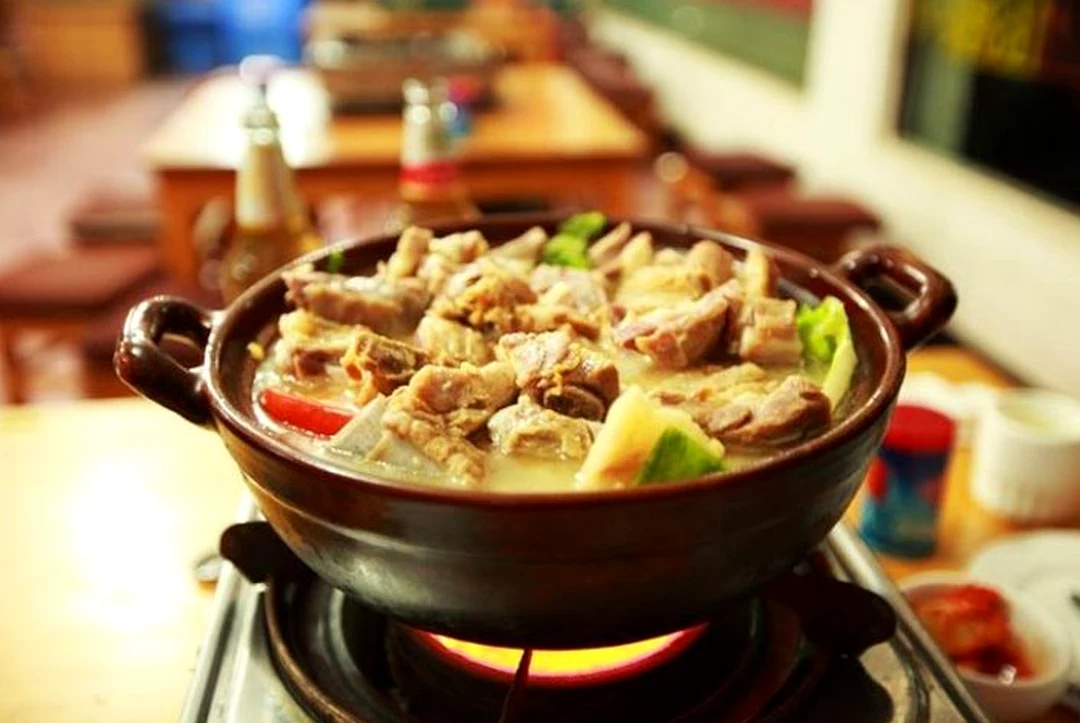
Leaving the fertile plains for the Southwest, where Lijiang Old Town stands proudly beneath perpetually cloud-veiled Jade Dragon Snow Mountain, Naxi cuisine welcomes sharp cross-collared robes with a bubbling hotpot of cured pork ribs over glowing charcoal. Pork ribs rubbed with snow salt and mountain herbs, air-cured in attic smokehouses through a bitter winter, are simmered with white radish and wild forest mushrooms to create a rich broth that banishes the highland chill. Especially prized is shuixing yanghua (“water-nature poplar flower”), an aquatic plant growing submerged beneath the mirror-still waters of Lugu Lake that opens white, yellow-centered blossoms above the surface only at dawn; flash-fried over high heat or crisply battered, it retains a juicy, refreshing crunch. Savoring the pure flavors of highland botanicals while clad in radiant gold-embroidered attire delivers a surreal sensory awakening, uniting history, color, and millennium-old flavors.
Stepping into the world of historical dress becomes truly rewarding when travelers attune themselves to the rhythms of time and space in each ancient town. The golden morning window for capturing the serene grace of Hanfu falls between 7:00 AM and 9:00 AM, when delicate ribbons of mist still drift across yin-yang roof tiles and ancient flagstones remain untouched by sightseeing crowds. As early sunlight filters through lattice windows carved with trumpet-creeper motifs, soft natural illumination brings out every gold-thread stitch and subtle hue of cross-collared robes. Conversely, for those wishing to embody a court beauty or scholar amid the dazzling splendor of a golden-age capital, the evening hours from 6:30 PM to 9:00 PM unveil a magical panorama as tens of thousands of red lanterns ignite along canals and curved pavilion eaves, casting shimmering reflections across still waters like a Tang-dynasty night banquet painting.
Classical poise in traditional attire stems not only from garments alone, but is deeply shaped by thoughtful accessories and props. A round silk fan (tuanshan), woven from Suzhou mulberry silk and embroidered with peonies or magpies, gives the hands a graceful focal point in every pose while evoking the demure elegance of Song-dynasty noblewomen. Alongside it, a traditional tung-oiled paper umbrella and scented silk sachets embroidered with auspicious ruyi patterns dangling from a waist sash serve as vivid visual accents while carrying the refined aura of ancient scholars. Cloud-embroidered cloth shoes should also be chosen carefully with soft soles or cushioned rubber insoles to ensure steady footing across uneven cobblestone paths and centuries-old mossy steps.
Each geographical destination brings distinct microclimates requiring adaptable wardrobe preparation. Across Jiangnan water towns such as Wuzhen, Zhouzhuang, or Tongli, sudden spring drizzles and high riverside humidity can loosen elaborate hairstyles and dampen trailing hems, making spare hairpins, strong styling spray, and ankle-length skirts essential. By contrast, highland old towns in the Southwest such as Lijiang or Dali experience dramatic temperature swings between day and night. Once dusk falls and crisp winds sweep down from the Snow Mountains, layering an ultra-thin thermal base beneath the inner zhongyi tunic—or draping on a thick, fur-trimmed fengling cloak—keeps the body warm while projecting aristocratic majesty through chilly frontier nights.
Pricing for a full transformation at historical styling studios (zhuangzaoguan) typically spans clearly defined tiers. Basic packages generally include standard garments and simple makeup, whereas premium tiers featuring museum-grade historical reconstructions—requiring intricate real-and-hairpiece updos, individual lash application, and meticulous jade hairpins—command significantly higher rates. To avoid hidden surcharges for separate props, ornate hair ornaments, or advanced photo retouching, travelers should confirm an itemized service list in writing before sitting at the vanity. An ideal way to save time, enjoy professional photography settings, and immerse yourself effortlessly in cultural beauty is to join an all-inclusive tour itinerary designed without forced shopping stops—opening a seamless gateway back in time to the authentic splendor of the East.