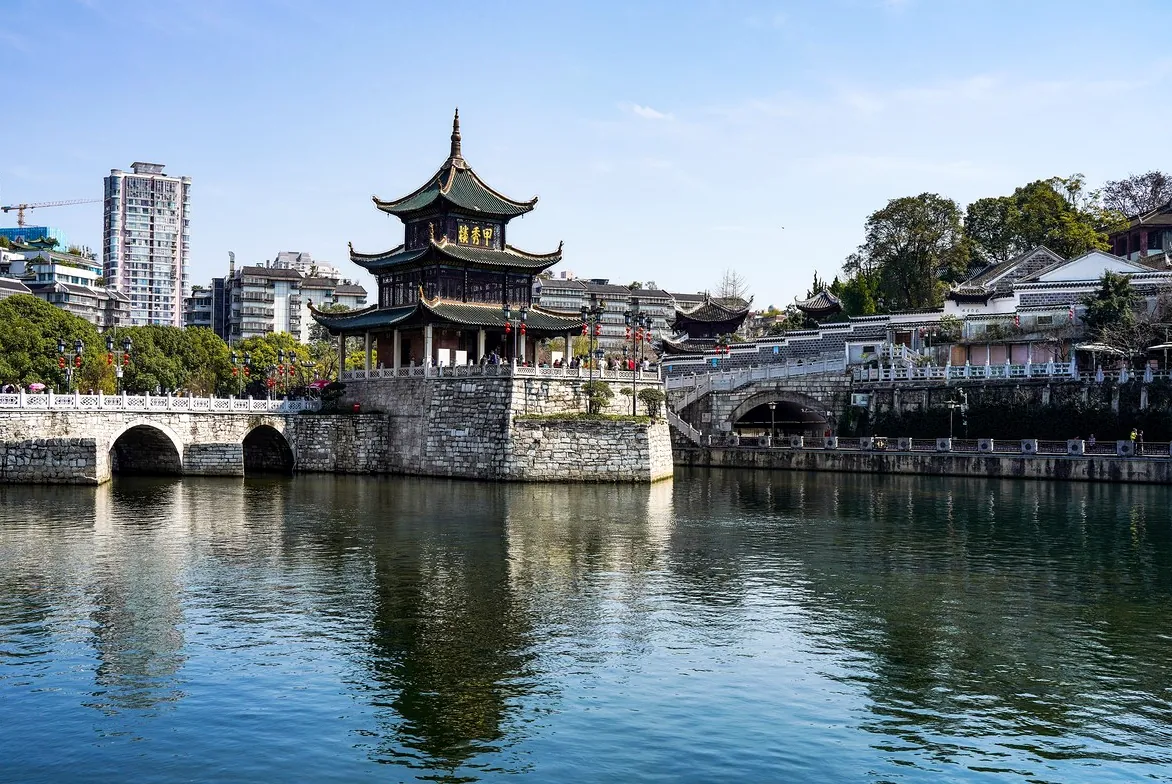
Along the storied currents of Chinese history, few cultural sanctuaries harmonize profound scholarly philosophy with the opulent prosperity of merchant guilds as seamlessly as the Pomegranate Garden and Zhuzi Pavilion complex (榴园与朱子楼). Far more than a private estate nestled amid refined scenery, this landmark stands as an enduring chronicle of dynastic highs and lows—where monumental Neo-Confucian thought walked hand in hand with the rise of a legendary southern commercial empire.
Tracing its origins back to the 16th century, during the Jiajing reign of the Ming Dynasty, the earliest foundations of the Pomegranate Garden were laid as a serene retreat inspired by the fruit-laden pomegranate tree—an enduring symbol of abundance, longevity, and a flourishing lineage. Across centuries of evolution, it was during the Qing Dynasty’s golden age, spanning the Qianlong through Jiaqing reigns, that the estate achieved its full architectural grandeur and reached the pinnacle of classical garden artistry.
The remarkable rise of the Pomegranate Garden was intimately bound to a distinctive economic force in imperial China: prominent salt merchant clans of the Huizhou guild (徽商). Guided by the ethos of “the Confucian scholar-merchant”—pursuing commerce while upholding classical erudition—wealthy salt magnates reinvested immense fortunes into cultural patronage and estate architecture. Sparing no expense, they summoned master stone carvers and timber artisans to transform every colonnade, horse-head gable wall, and inner courtyard into an emblem of stately dignity steeped in literati refinement.
While the Pomegranate Garden testifies to worldly prosperity and supreme landscape design, Zhuzi Pavilion rises as a spiritual beacon and an immutable intellectual compass. The pavilion was erected to honor and enshrine the towering legacy of Southern Song philosopher Zhu Xi (Zhuzi, 1130–1200)—the great Neo-Confucian master who synthesized Song-Ming Rationalism. Amid the moss-draped tranquility of the garden, Zhuzi Pavilion embodies the core tenet of “investigating things to extend knowledge” (格物致知), drawn from the *Great Learning* chapter of the *Book of Rites*. Every timber beam, balustrade, and quiet study chamber reminds posterity to fathom the true nature of all things in heaven and earth, cultivating wisdom and moral integrity before seeking worldly renown or public statecraft.
Yet the river of history rarely flows undisturbed. Entering the turbulent modern era, social upheaval, wartime devastation, and the decline of historic overland trade routes inflicted heavy damage upon the complex. For decades, aging halls fell into disrepair, intricate carvings weathered beneath wind and neglect, and Zhuzi Pavilion stood in solitary silence amid encroaching ruins—threatening a centuries-old treasure with permanent oblivion.
Recognizing the irreplaceable historical, architectural, and philosophical worth of the site, a comprehensive rescue and restoration campaign was launched with a total investment of 120 million RMB. Uniting leading heritage conservationists with folk artisans versed in classical building methods, the restoration meticulously peeled back layers of wear, rebuilt precious hardwood framing, realigned traditional yin-yang roof tiles, and revived the serene courtyards true to Qing-dynasty standards. This remarkable rebirth restored the dignified majesty of the Pomegranate Garden and Zhuzi Pavilion, forging an enduring bridge between thousand-year-old sages’ wisdom and the pulse of the modern world.
Situated at the northeastern gateway of Jiangxi Province, historic Shangrao was hailed by ancient geographers and geomancers as a strategic throat where vital energies converge from four neighboring provinces: Zhejiang, Fujian, Anhui, and Jiangxi. This millenary cultural heartland of old Xinzhou sits at the junction of major mountain dragon veins descending from Mount Huaiyu and the majestic Wuyi Mountains, embraced by the winding ribbon of the Xinjiang River depositing fertile silt and spiritual vitality across the ages. Within this auspicious setting, the Pomegranate Garden & Zhuzi Pavilion complex was conceived like a hidden jade jewel—blessed with a “wind-sheltering, energy-gathering” terrain uniting nature and Confucian architectural order in lasting harmony.
The layout of the Pomegranate Garden & Zhuzi Pavilion is orchestrated rigorously around axial symmetry fused with classical Jiangnan garden artistry. Backed by a gentle protective slope serving as the Black Tortoise guardian, the facade opens onto an expansive water-facing forecourt welcoming fresh valley breezes. Successive tiers of Zhuzi Pavilion ascend atop sturdy granite plinths—shielding timber structures from southern subtropical humidity while projecting dignified grace toward the morning sun. Flanking corridors, moss-velveted walls, and dramatic Taihu rockery compositions evoke the Azure Dragon on the left and White Tiger on the right, echoing the illustrious scholarly lineage of Zhu Xi’s Neo-Confucian school across Fujian and Jiangxi.
Enriching this geomantic ensemble is a thriving native botanical ecosystem centered on an ancient pomegranate orchard steeped in auspicious symbolism. Carefully selected from prized Jiangnan cultivars, gnarled trunks and lush interlacing branches burst into crimson blossoms like sunset clouds before yielding clusters of ruby fruit symbolizing fertility, abundant descendants, and generations of scholarly distinction. Beneath their shade, half-moon ponds, subterranean circulation channels, and tranquil old wells operate on the principle of “four waters returning to the hall,” storing auspicious vitality and moderating the microclimate to keep the grounds remarkably cool and refreshing even during sultry summer afternoons.
On a broader regional scale, this tranquil sanctuary occupies a prime position right at the heart of Jiangxi’s Golden Triangle heritage belt. From the estate, scenic routes connect effortlessly to the cloud-draped Taoist peaks of Mount Sanqingshan, the dramatic cliffside gorge of Wangxiangu Valley, the millennium-old porcelain capital of Jingdezhen, and the mist-veiled ancient villages of Wuyuan. Connectivity is further enhanced by Shangrao’s iconic cross-shaped high-speed rail hub intersecting the Hefei–Fuzhou and Shanghai–Kunming lines alongside the G60 and G3 national expressways—allowing the complex to preserve scholarly seclusion while remaining seamlessly linked to modern travel arteries.
Stepping through the grand entrance of the Pomegranate Garden, visitors are immediately captivated by pure Huizhou-style architecture, where crisp whitewashed walls contrast strikingly against deep charcoal yin-yang roof tiles. Defining the skyline are stepped rows of iconic horse-head gable walls (Matouqiang) rising in rhythmic tiers. Far more than an ingenious firebreak and wind-shield engineered by wealthy southern merchant clans, these soaring stepped gables embody auspicious aspiration—resembling spirited steeds galloping skyward. The balanced symmetry and cascading geometry of overlapping roofs evoke serene dignity, transforming the entire residence into a living three-dimensional ink-wash painting.
At the heart of the interior spatial composition lies the Skywell courtyard (Tianjing), an ingenious microclimatic and philosophical hallmark of traditional Eastern residential architecture. Open directly to drifting clouds overhead, the skywell channels cooling breezes, draws natural daylight deep indoors, and collects rainwater cascading off four inward-sloping eaves according to the principle of “four waters returning to the hall.” In traditional geomancy, water symbolizes wealth and abundance; gathering rainwater inside the courtyard rather than letting it run off represents the living embodiment of “gathering energy to generate prosperity.” Framing this central void are massive, fragrant southern nanmu timber columns joined entirely with precision mortise-and-tenon carpentry without a single iron nail—showcasing the exactitude of classical master builders.
The artistic soul of the estate shines brightest in its celebrated “Three Carvings”—brick carving, stone carving, and wood carving. Across lintels, ceremonial gatehouses, and eaves, fine gray-clay brick reliefs chiseled down to hair-thin precision depict classic tales of filial piety, the Eight Treasures, and fruit-laden pomegranate boughs symbolizing family blessing. Beneath colonnades, monolithic stone column bases feature fluid moldings and high-relief carvings of auspicious qilin, white cranes, and rolling cloud-waves. Inside, intricate multi-layered woodcarving adorns tie-beams, roof trusses, and lattice screen doors, turning raw timber into luminous tableaux of refined literati country life.
Commanding the central place of honor rises Zhuzi Pavilion, a stately three-story tower dedicated to celebrating philosopher Zhu Xi and the profound tradition of Neo-Confucianism. Encircled on all four sides by graceful wooden balustrades opening onto sweeping views of surrounding hills and lush gardens, the pavilion displays deeply engraved vertical couplets rendered in crisp regular-script calligraphy along its main pillars and doorframes. Drawn from classical Neo-Confucian texts on benevolence, self-cultivation, and moral rectitude, gleaming gold-leaf characters set against lustrous black lacquer establish an atmosphere of distinguished academic reverence.
The scale and craftsmanship of the Pomegranate Garden and Zhuzi Pavilion reflect a rigorous, holistic vision of heritage conservation. The large-scale restoration united seasoned artisans from traditional guild workshops, applying archival textual research to restore every tile, stone plinth, and timber beam to authentic proportions. Surrounding pomegranate orchards woven together with flagstone paths and shaded waterside pavilions complete an exemplary garden complex ensuring Huizhou architectural heritage endures across generations.
As sunset fades behind the upturned eaves of the Pomegranate Garden and Zhuzi Pavilion, the historic gardens undergo an enchanting transformation of light and mood. Far removed from the neon glare and amplified bustle of modern tourist hubs, nocturnal illumination here adheres strictly to classical Eastern aesthetics guided by the Confucian ideal of “harmony between Heaven and Humanity.” Warm golden uplights tucked discreetly beneath bluestone plinths softly graze moss-dappled garden walls and glow through silk lanterns suspended along winding corridors. Artificial lighting remains intentionally understated, yielding center stage to silvery moonlight filtering through ancient pomegranate canopies to sketch a living ink-wash landscape in quiet stillness.
Nightfall at Zhuzi Pavilion unfolds like a silent, poetic performance where architecture, nature, and human presence merge into living history. Beneath the gentle glow of the pavilion’s verandas—honoring Zhu Xi and Song-Ming Rationalism—visitors are invited to experience traditional brush calligraphy. In serene silence broken only by night breezes rustling leaves and the rhythmic grinding of inksticks on Duan inkstones, participants practice seal and regular script under the guidance of classical calligraphers, transcribing timeless maxims on “investigating things to extend knowledge” and “cultivating sincerity of thought.” Fragrant wisps of agarwood incense mingle with evening mist, calming the mind and letting modern travelers inhabit the unhurried poise of ancient scholars.
Crossing a small arched stone bridge into the main hall of the Pomegranate Garden, the evening deepens with a faithful recreation of Song-dynasty tea art. Here, tea masters perform classic “diancha” whisked-tea ceremony, whipping finely ground green tea powder with a bamboo whisk inside hare’s-fur and oil-spot Jian ware bowls until crowned with a snow-white froth known as “soup blossoms.” Pure herbal aroma drifts across historic verandas alongside the gentle murmur of water simmering in bronze kettles and distant notes of a guzheng zither—inviting guests to sip rich tea while admiring pomegranate boughs glowing softly in lantern light.
This gentle symphony of soft illumination, incense-scented calligraphy, and refined tea transforms evenings at the Pomegranate Garden and Zhuzi Pavilion into an unforgettable journey into the past—captivating travelers not merely with visual beauty, but by awakening a deep sense of inner calm rooted in centuries of art and scholarship.
Strolling through shaded colonnades and stepping into the daily world of an illustrious historic clan at the Pomegranate Garden would be incomplete without savoring authentic Gan cuisine preserved across generations. The culinary tradition of Shangrao—heart of ancient Xinzhou Prefecture—shuns flashy extravagance in favor of honest, ingredient-driven simplicity celebrating peak freshness harmonized with Jiangxi’s signature warm, lingering chili spice. Beneath crimson pomegranate blossoms and bluestone steps beside Zhuzi Pavilion, heirloom dining transcends everyday nourishment to become a warm bridge between Confucian family hospitality and regional mountain bounty.
Opening a traditional local feast is Shangrao Rice Cake (Shangrao Miguo), an iconic specialty born from the fertile alluvial plains of the Gan River basin. Plump, aromatic glutinous rice grains nurtured beneath sacred peaks are carefully selected and hand-pounded in stone mortars with heavy wooden mallets according to time-honored craft until achieving supple, jade-smooth elasticity that never sticks to the teeth. Prepared by estate chefs, slices may be wok-seared over high flame with crisp greens and young garlic shoots, or grilled over glowing embers until puffed and golden-crisp outside before being drizzled with rich cane syrup—evoking traditional blessings of steady advancement and enduring prosperity.
Most distinctive and deeply rooted in Jiangxi’s riverine character is stir-fried reed shoots (Ligao) with cured smoked bacon. Harvested wild along marshy riverbanks and valley streams while stalks are crisp, juicy, and fragrant with fresh meadow aroma, tender ligao shoots are wok-tossed with strips of pork belly cured for months over cypress-wood hearth smoke. Rendering translucent fat coats each snappy green stalk, uniting savory woodsmoke richness with the delicate herbal astringency and sweet finish of wild reed shoots in balanced culinary harmony.
The welcoming warmth of the estate kitchen also shines through steaming bamboo baskets of traditional Shangrao steamed buns. Unlike commercial yeast buns, wrappers here are crafted from naturally fermented overnight sourdough yielding satisfying chew and wholesome grain aroma. Inside smoked bamboo steamers, plump buns encase finely minced local pork marinated with red yeast rice, diced dried bamboo shoots, and mild scallions—releasing fragrant steam and savory juices at first bite.
Concluding an unhurried meal, travelers retreat to the quiet teahouse flanking the right wing of Zhuzi Pavilion to savor local green teas. Depending on the season, tea masters steep cloud-nurtured Mount Sanqingshan green tea with crisp, lingering depth, or celebrated Wuyuan green tea prized for tender emerald buds, clear golden liquor, and toasted chestnut aroma. Sipping warm tea beside lattice windows overlooking the garden while breezes rustle through bamboo groves washes away travel fatigue and connects contemporary visitors to the tranquil spirit of classical scholars.
The highland climate of Honghe Prefecture endows Mengzi with mild, pleasant weather year-round, though the finest window to admire the Pomegranate Garden and Zhuzi Pavilion in full splendor arrives in autumn from September through November. During harvest season, thousands of pomegranate trees hang heavy with ruby-red fruit glowing like lanterns against crisp blue skies, framed by golden foliage and crimson maple leaves mirrored in glassy garden ponds. Travelers who miss autumn can visit in spring from March to April, when fresh emerald shoots blanket the courtyards and early pomegranate blossoms spark like warm flames against lingering highland chill—creating a serene haven for cultural enthusiasts.
Reaching this historic sanctuary today is remarkably convenient thanks to modern transport links connecting border gateways and major cities. Departing from Lao Cai International Border Gate across to Hekou, travelers can board high-speed rail reaching Mengzi in just over an hour, or follow the scenic Kunming–Hekou Expressway winding through dramatic mountain valleys straight into central Mengzi City. From the train station or central terminal, comfortable shuttles and dedicated tourist buses cover the ten-kilometer stretch southeast directly to the estate’s imposing ceremonial gate.
The heritage grounds generally welcome visitors daily from 8:00 AM to 6:30 PM, offering ample time to wander every courtyard and pavilion unhurriedly. Because traditional architecture features hundreds of bluestone steps ascending from the front hall to the upper levels of Zhuzi Pavilion alongside winding pebble pathways weaving through rockery gardens, supportive soft-soled walking shoes are a top priority. Packing smart, comfortable attire in classic understated tones along with a light windbreaker suits the scholarly reverence of Zhuzi Pavilion while keeping you comfortable in brisk highland breezes atop upper viewing galleries.
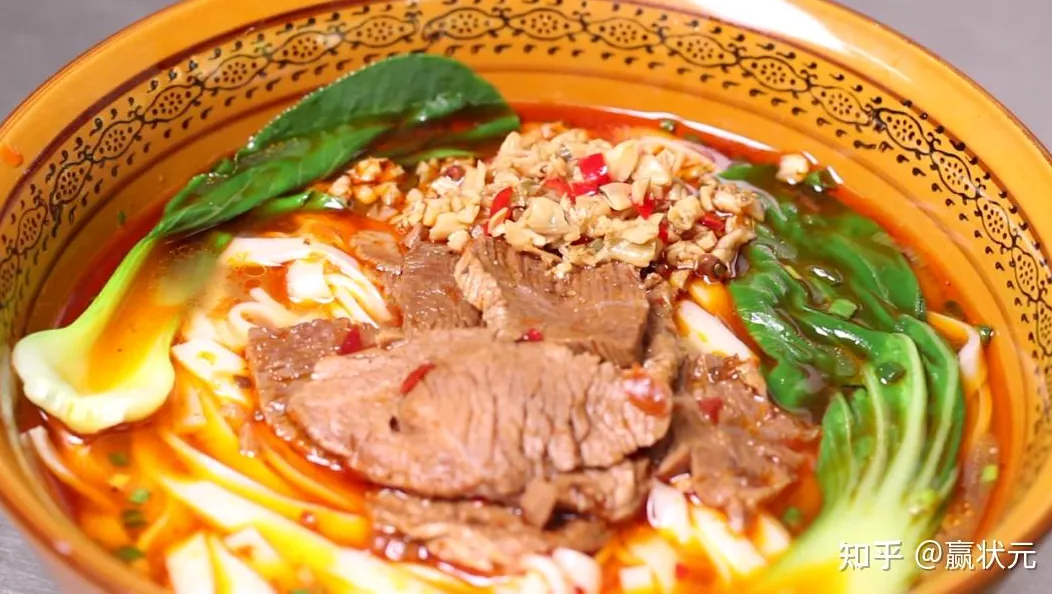
A culturally immersive visit here reaches its delicious peak when paired with authentic local gastronomy right in the birthplace of famed Mengzi Crossing-the-Bridge Rice Noodles. After hours admiring calligraphy and garden architecture, sitting beside the pavilion veranda to savor steaming golden chicken broth ladled over paper-thin meat slices and quail eggs awakens every sense—followed by tasting sweet, juicy soft-seeded Mengzi pomegranates once prized as imperial tribute by Qing emperors. Throughout your stroll, observe strict heritage preservation etiquette: never touch gilded wood reliefs, mark solid nanmu columns, or disturb the tranquil stillness of the gardens.
Border entry procedures using travel permits or group tour visas at the frontier are streamlined through fast electronic processing, requiring less than thirty minutes to cross the Red River into Yunnan. To enjoy a pure cultural journey free from forced shopping detours and backed by completely transparent costs, travelers can explore curated all-inclusive Mengzi tour packages for a seamless, deeply enriching heritage escape.