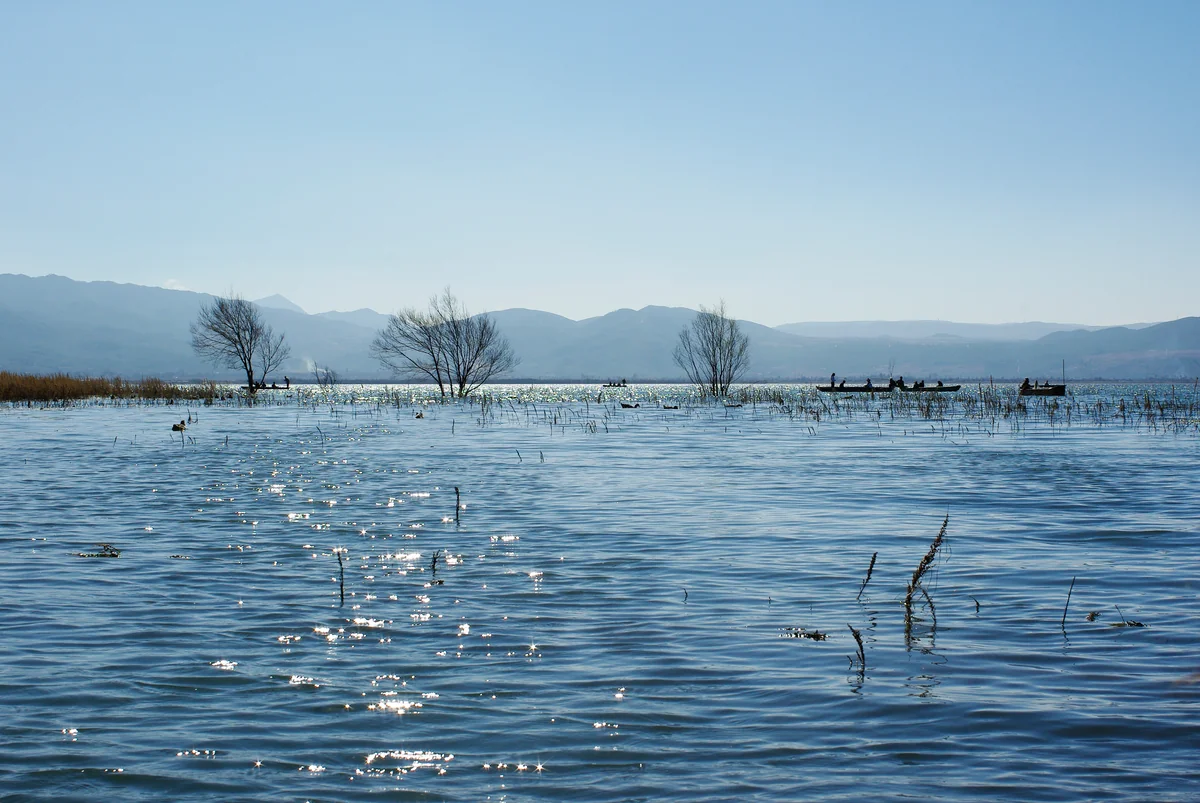
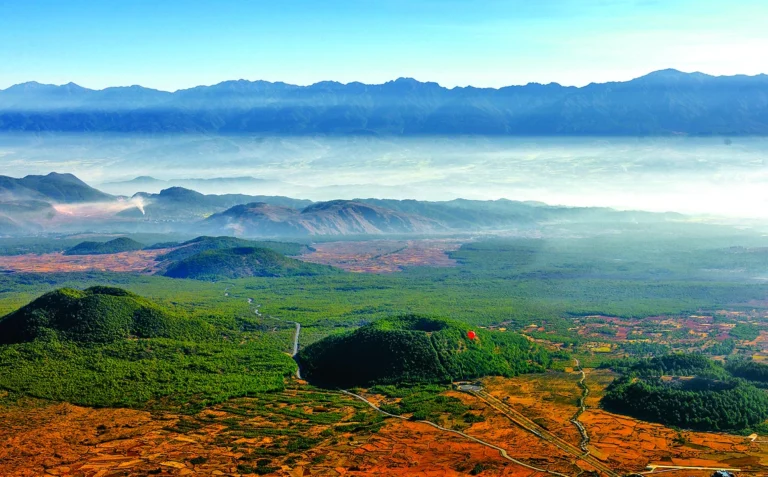
Tracing back through the shifting frontier history of southernmost Yunnan Province, Pingbian emerges as a distinct geographic and cultural crossroads where rugged highland ranges meet the warm breath of a tropical ecosystem. In historical chronicles and local gazetteers, the name “Pingbian” reflects Qing Dynasty frontier pacification and administrative integration—beginning with policies replacing hereditary local chieftains with imperial appointees to establish unified governance. Far earlier, this land formed a meeting ground among ancient southwestern groups such as Yelang and Dian–Yue, where long-settled ethnic communities—including Abo, Boren, and early Hmong (Miao) settlers—lived closely with the mountains and carved out distinct livelihoods across steep highland terrain.
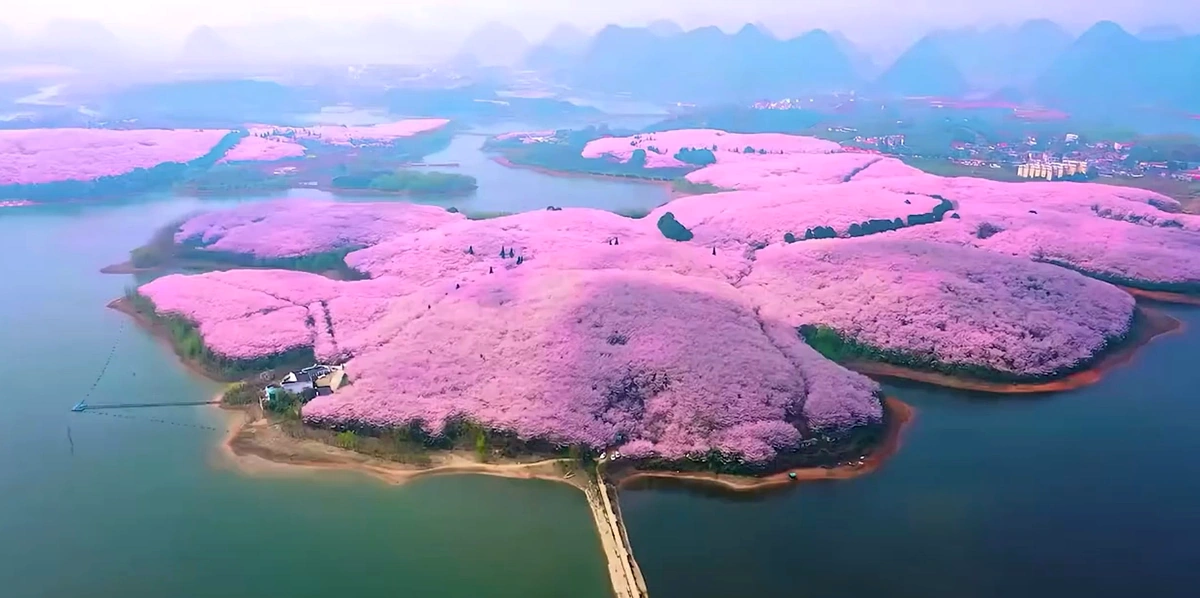
Framing this storied landscape is the winding Baihe River (“White River”), named for a geological trait in which water flowing over pale carbonate/limestone strata stays clear year-round as a tributary within the Nanpan–Red River drainage basin. In Qing Dynasty geographical accounts—especially during the Guangxu reign—the Baihe basin was viewed as a strategic military and trade passage guarding the western flank of historic routes linking Mengzi toward Lao Cai in Vietnam. To imperial administrators and long-distance traders alike, the valley was more than untouched terrain—it was a vital borderland link for trade and security.
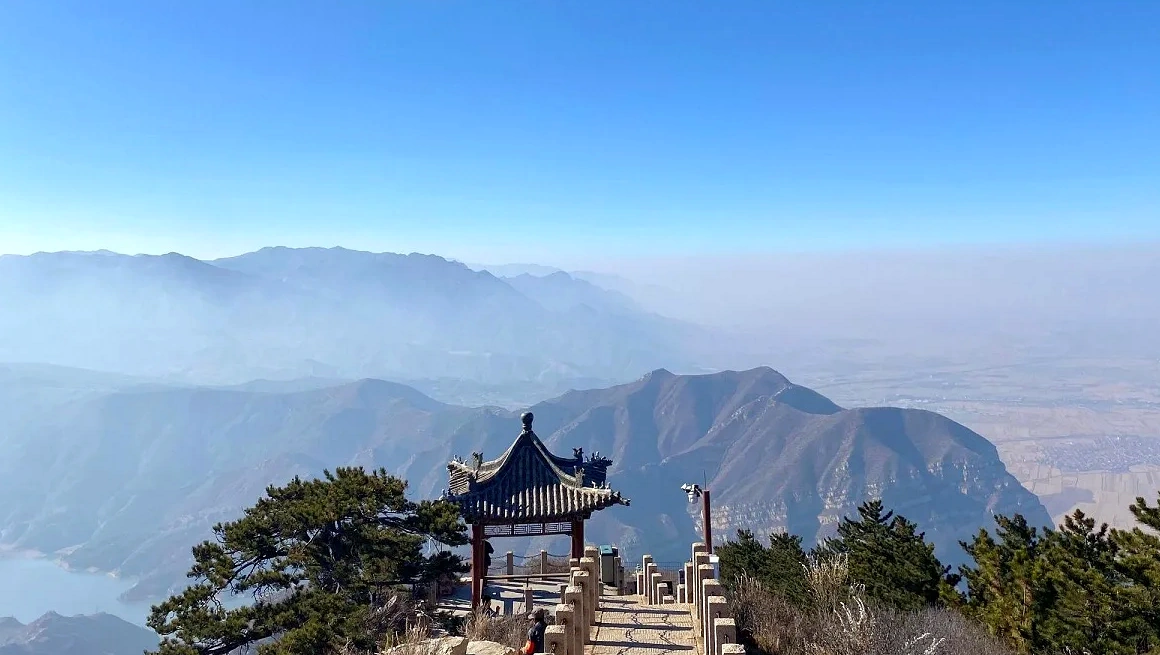
The region’s historical arc records clear administrative milestones from the Ming Dynasty, when guard posts and stations were established under Lin’an Prefecture. During the Yongzheng reign (1723–1735), central court efforts to integrate local chieftaincies into regular imperial administration accelerated, sending imperial magistrates to survey land, set up local security registers, and bring Qing law deeper into autonomous highland communities. That shift shaped a layered social fabric where Han institutions and Hmong–Yao traditions met, blending formal administration with rugged mountain autonomy.
From the late Qing through the Republican era, the Baihe valley felt major historical currents as French colonial builders constructed the Yunnan–Vietnam railway (Kunming–Haiphong Railway). That landmark project turned the Baihe valley into a key southern Yunnan outpost while witnessing local uprisings and conflicts recorded in Republican archives. Across modern history—from frontier campaigns to borderland development—Pingbian’s Baihe Flower Valley has preserved rich tangible and intangible cultural heritage.
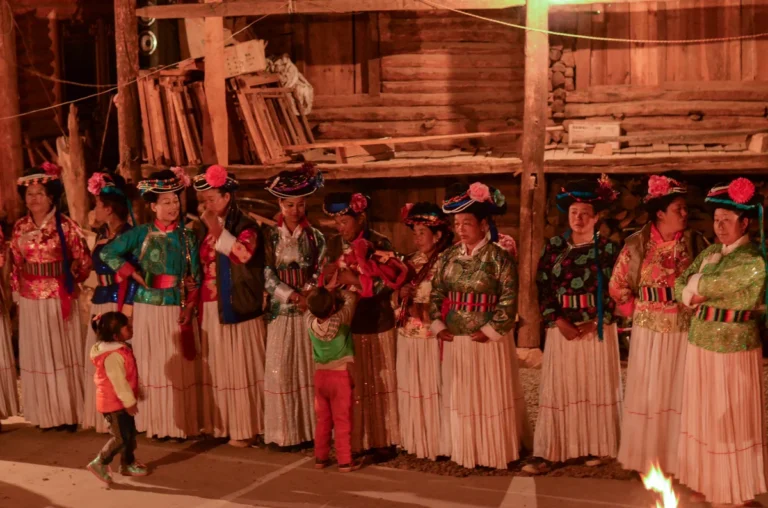
Central to that heritage is Huashan (“Flower Mountain”), a sacred gathering space for Hmong ceremonial life and social exchange celebrated each spring during the vibrant Stepping on the Flower Mountain (Tiaohuashan) festival. There, the resonant reed pipes (lusheng) echo across mountain ridges and pleated ethnic skirts sway in the breeze as hallmarks of the locale. In the early 21st century, aligned with western development initiatives and regional tourism planning, Pingbian Miao Autonomous County revitalized the Baihe valley—pairing its distinctive tropical-montane environment and Flower Hmong heritage into an eco-cultural destination where imperial history, railway heritage, and living traditions converge.
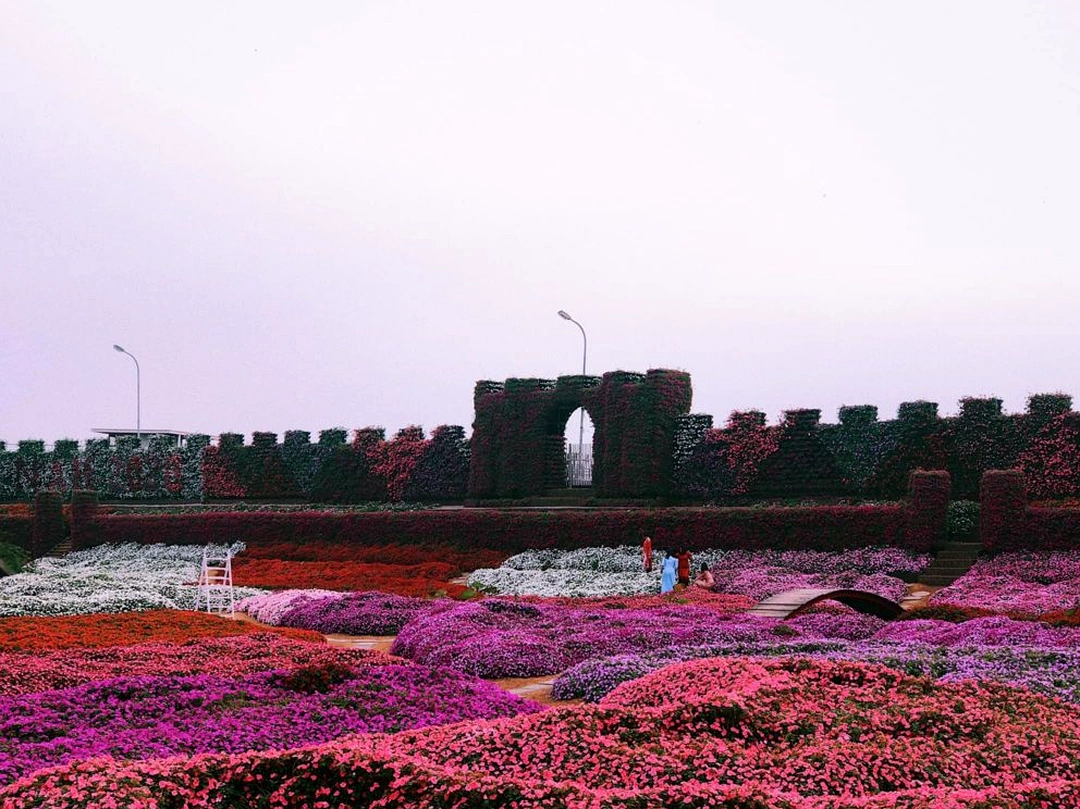
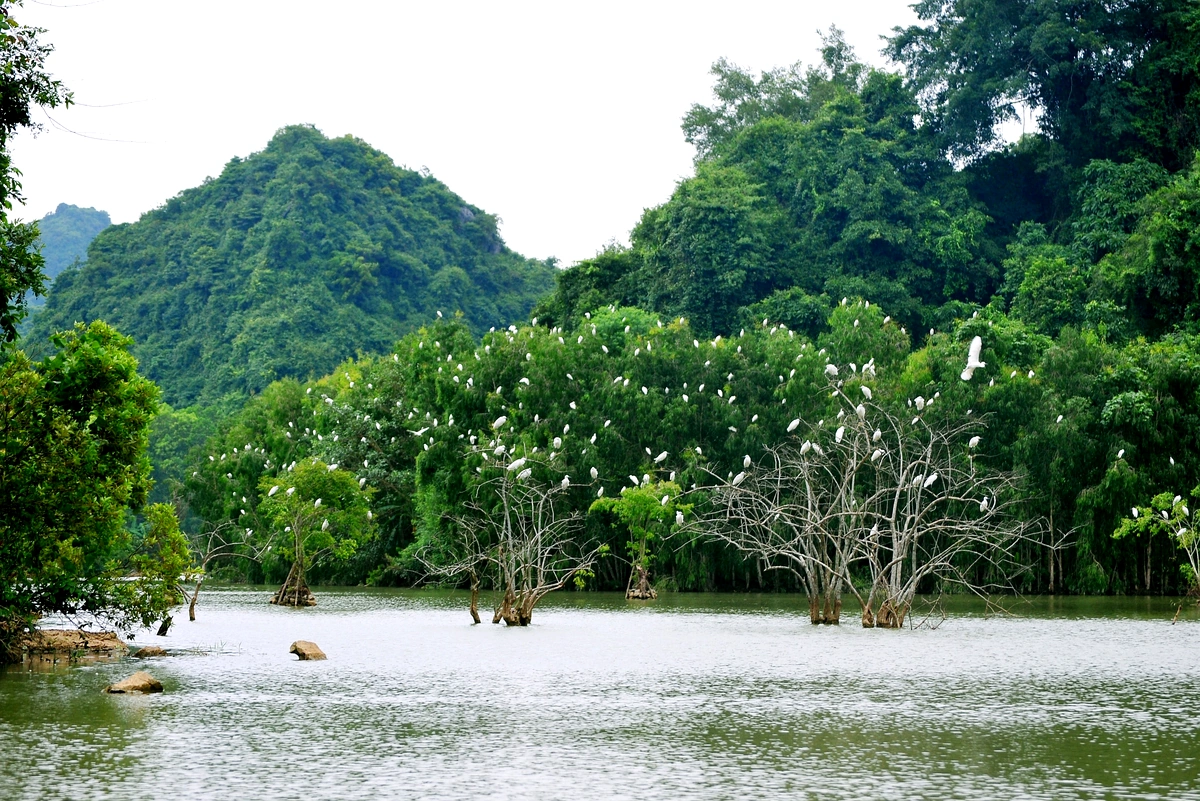
Stepping into Baihe Flower Valley in Pingbian—recorded in local traditions as Baihe Huashan—visitors encounter a varied geological setting where rugged terrain and lush greenery meet along the Baihe River basin. Positioned on the southeastern flank of the Ailao Mountain range where limestone karst and red Danxia sandstone formations intermingle, elevations sweep dramatically from around 300 meters up to 1,500 meters above sea level. This vertical range creates distinct microclimates within a short distance, shifting smoothly from warm valley pockets to cooler misty ridges. Shaped by a southern subtropical monsoon climate with mean annual temperatures roughly between 16°C and 20°C, generous rainfall, and high forest cover, the valley sustains fresh, humid air and supports diverse flora and seasonal flower displays across all four seasons.
What gives Baihe Flower Valley lasting depth goes beyond geology and scenery to traditional spatial concepts of mountain settlement. Seen through classic East Asian geomancy, Baihe Huashan illustrates a balanced three-sided setting of mountain backing, winding water, and open approach. Behind rises the Miao ridge range acting as a sheltering backdrop against cold northern winds; below winds the Baihe River like a ribbon around the valley floor, bringing moisture and vitality; and ahead opens a broader basin framed by distant ridges toward the south and southeast.
This landform arrangement also works as a natural microclimate regulator. Sheltered on the north while open toward warmer southern and southeastern breezes, the Baihe valley experiences relatively mild winters and cool summers compared with many surrounding areas. Interaction among river flow, forest evapotranspiration, and stepped karst and Danxia slopes sustains fertile soils that support native wildflowers, medicinal herbs, and highland crops. Slowing down along streams and terraced slopes lets visitors sense how local communities have long adapted to natural rhythms.
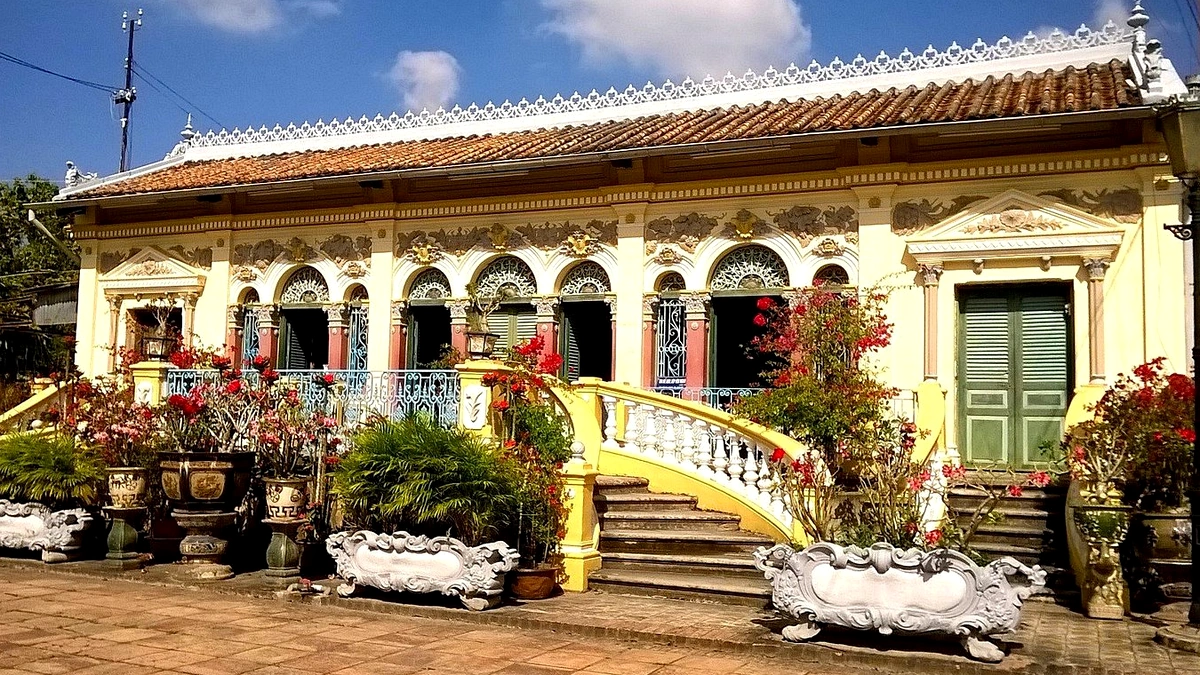
Within Baihe Flower Valley’s built environment, visitors see practical mountain carpentry shaped by Hmong and neighboring southwestern traditions. Structures include rammed-earth and timber dwellings, stilt houses (diaojiaolou), covered wind-and-rain bridges spanning streams, and drum towers planned around traditional highland building customs.
Structurally, these buildings draw on traditional post-and-lintel and column-and-tie timber framing passed down over generations. Builders selected durable regional timbers—such as fir, Chinese toon/mahogany-family hardwoods, and nanmu—and joined thousands of pieces using mortise-and-tenon joints and wooden pegs rather than iron nails. Left largely free of heavy chemical coatings, natural wood grain weathers gradually in the humid valley air, developing a rich patina over time.
Looking closer at layout, stilt houses in Baihe Pingbian make smart use of steep slopes. Builders often extend the front half of a house forward on timber posts anchored onto stone plinths while nesting the rear into the hillside—adapting to uneven ground while aiding seismic flexibility, airflow beneath the floor, and comfort across warm summers and chilly mountain winters.
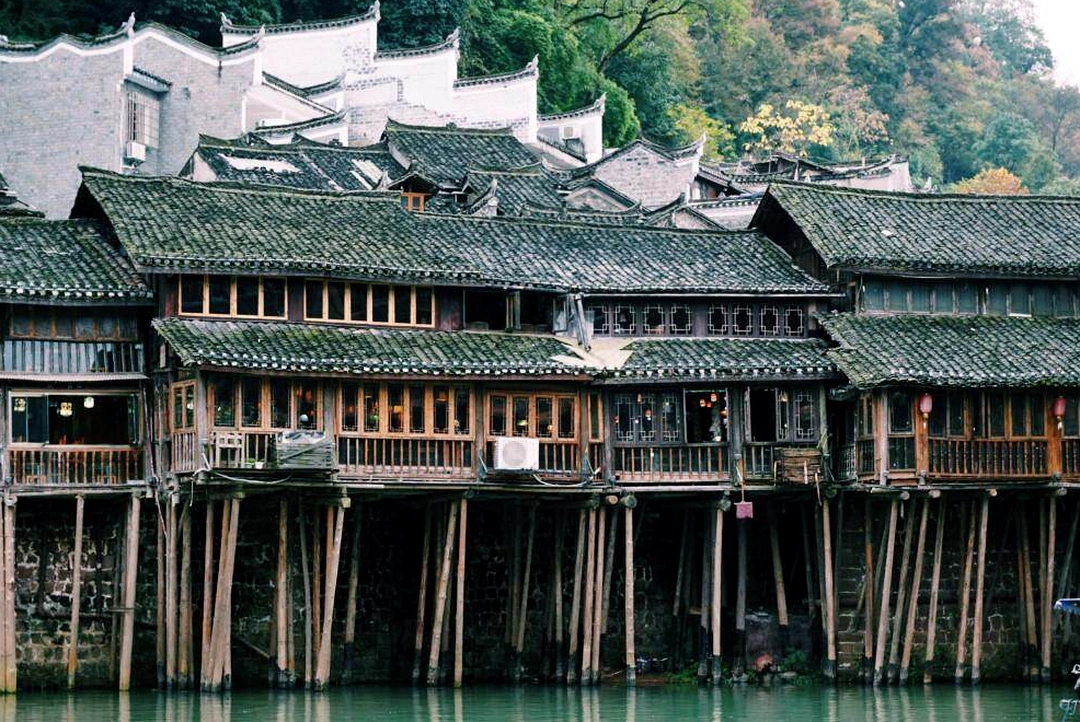
Traditional gray clay tiles or layered timber shingles curve along rooflines to echo surrounding ridges and flower fields. Carvings on beams, rafter ends, and window frames feature folk motifs—such as ox horns, swirling water patterns, and stylized sun emblems—that add decorative character while expressing traditional hopes for peace, favorable weather, and good harvests.
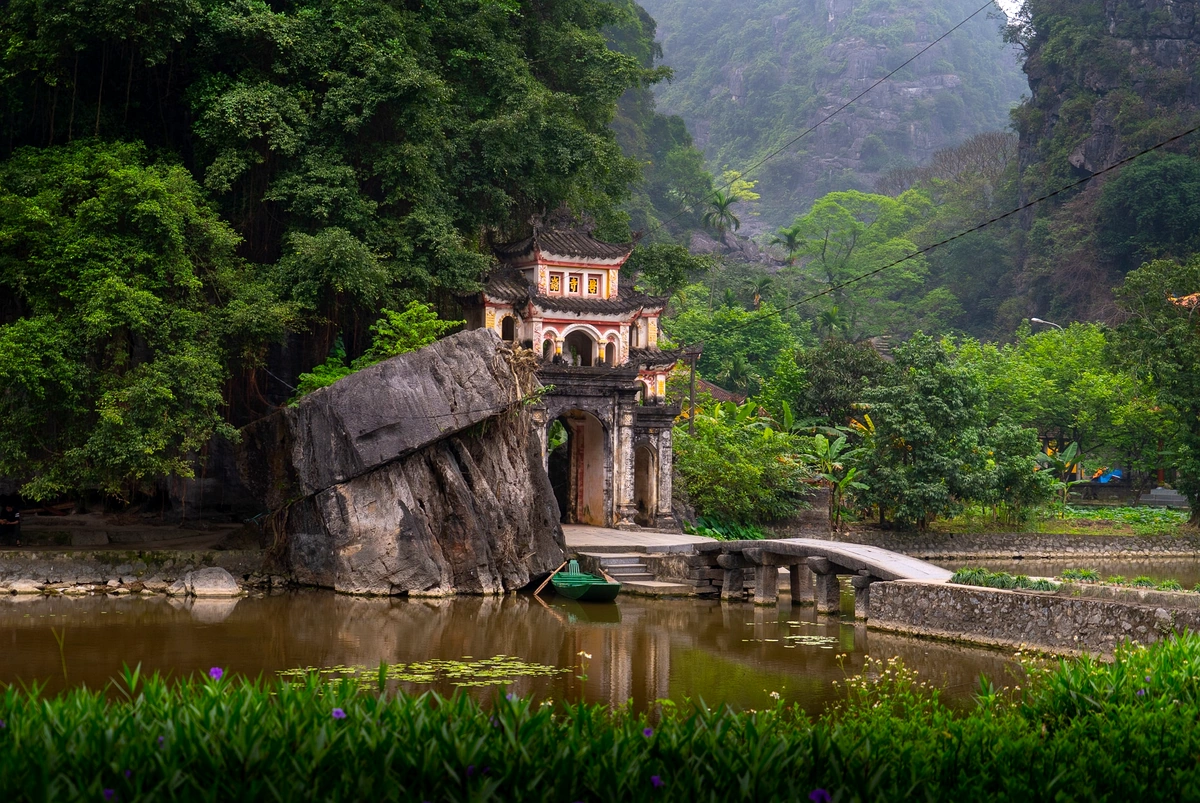
As night falls over Baihe Flower Valley, evening programming—such as the “Night of Huashan” lighting and performance experience—uses architectural illumination and stage effects to highlight karst ridges, ravines, and bridges. Concealed LEDs and wall grazers balance cool blues and moonlit whites along rock contours with warm amber and deep red accents inspired by Miao aesthetics across villages, stilt buildings, and covered bridges.
Water projection, light mapping, and aerial drone displays along the river and waterfalls further enliven evening shows, evoking themes of highland migration journeys and folk legends while connecting daytime scenery with nighttime cultural storytelling.
Interactive folk performances inspired by the Miao Tiaohuashan (“Stepping on the Flower Mountain”) tradition invite visitors to move and join in rather than only watch from afar. Alongside lusheng reed-pipe dances, wooden-bench dances, traditional costume displays, and welcoming toast customs, the format bridges performers and guests in a lively exchange rooted in local traditions.
Food culture in Baihe Flower Valley blends hearty highland dishes of the Hmong/Miao people with tangy, spicy southern Yunnan flavors. Rooted in mountain living and local ingredients, traditional dishes reflect generations of culinary craft and adaptation to the borderland environment.
A signature celebratory dish is five-color sticky rice (wuse nuomifan), prepared from highland glutinous rice dyed naturally using plant extracts and herbs—such as red from plant leaves, yellow from turmeric/blossoms, dark/indigo hues from wild leaves, and natural white—then steamed in a wooden steamer for festival tables and family hospitality.
Another staple is sour fish soup (often called Miao king fish hotpot), built on a tangy broth made with mountain tomatoes, chili peppers, and fermented rice water or sour liquor. Simmered with fresh river fish and aromatic highland spices such as litsea cubeba (mountain pepper), it offers a bright, warming sour-spicy flavor well suited to cool mountain evenings.
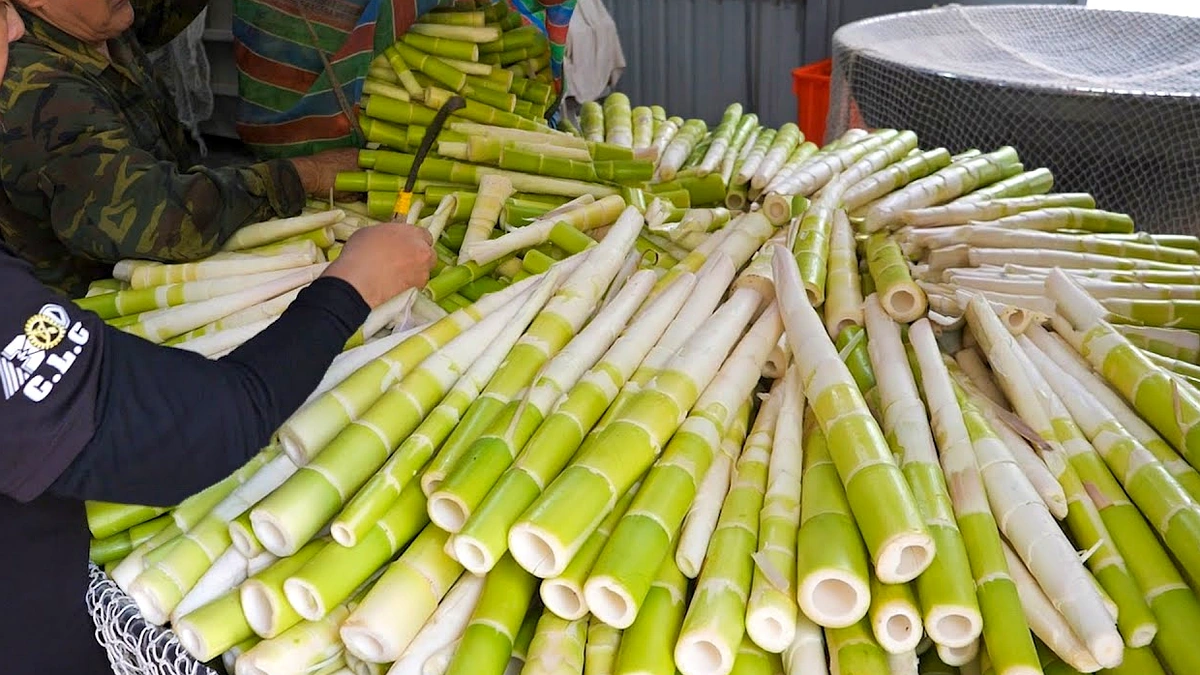
Visitors can also sample bamboo-tube sticky rice (zhutong fan)—glutinous rice and cured pork diced inside fresh green bamboo sections roasted over embers until fragrant—and chicken stewed with thorny-ash/eleutherococcus-style highland medicinal roots (ciwujia/local root), prized in local folk food traditions as a warming, restorative dish.
Planning a smooth visit to Baihe Flower Valley starts with checking schedules and travel logistics. The scenic area typically operates from 8:30 AM to 10:00 PM daily, with evening light-and-performance shows commonly starting around 7:30 PM. Booking tickets and evening seats online ahead of time is especially helpful during busy periods, such as early lunar new year festival days (around the 2nd to 5th of the first lunar month) when traditional Hmong celebrations draw larger crowds.
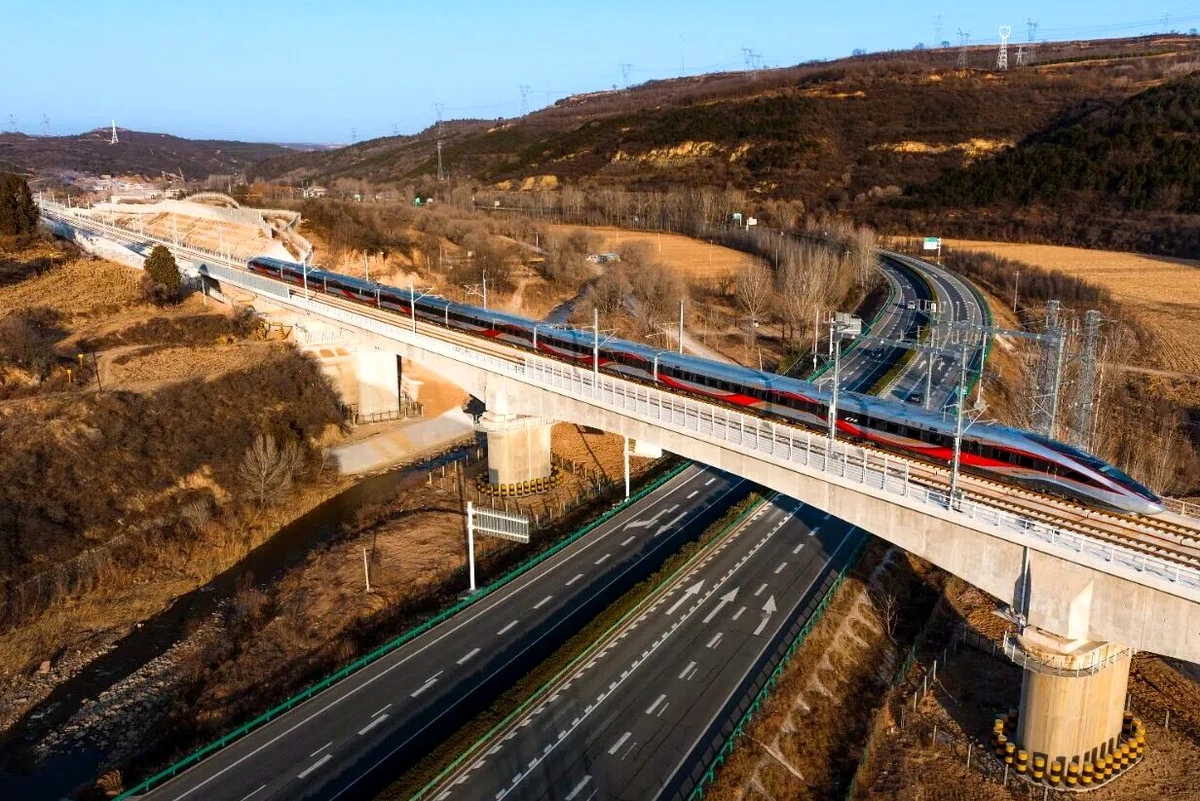
For regional transit, travelers can ride high-speed trains to Mengzi Station or Honghe Station, then continue by dedicated shuttle bus or private car to Pingbian County seat in roughly an hour. Drivers heading in via mountain expressways or winding highland roads should check brakes carefully and watch steep grades and sharp curves. Inside the park, a mix of walking paths and shuttle/sightseeing vehicles typically loops past cliffs, traditional villages, performance spaces, and a covered bridge over a stream.
Because mountain weather can shift quickly, pack a windproof, water-resistant outer layer, insect repellent, and sturdy walking or hiking shoes with good grip for stone steps. Respect local customs during welcoming toasts or village visits—avoid stepping over hearths or high thresholds, ask politely before photographing elders or ceremonies, and download offline maps ahead of time since cell signal can dip in deep valleys. For a well-planned trip with local guidance, explore our all-inclusive tour packages designed for a comfortable, memorable journey.