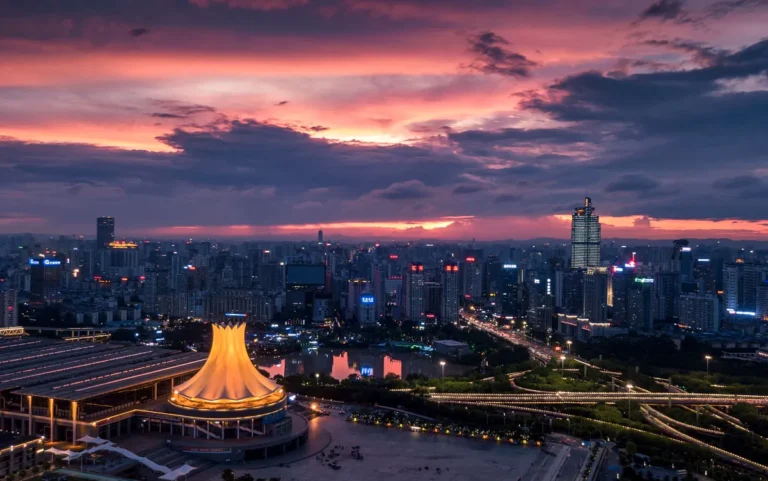
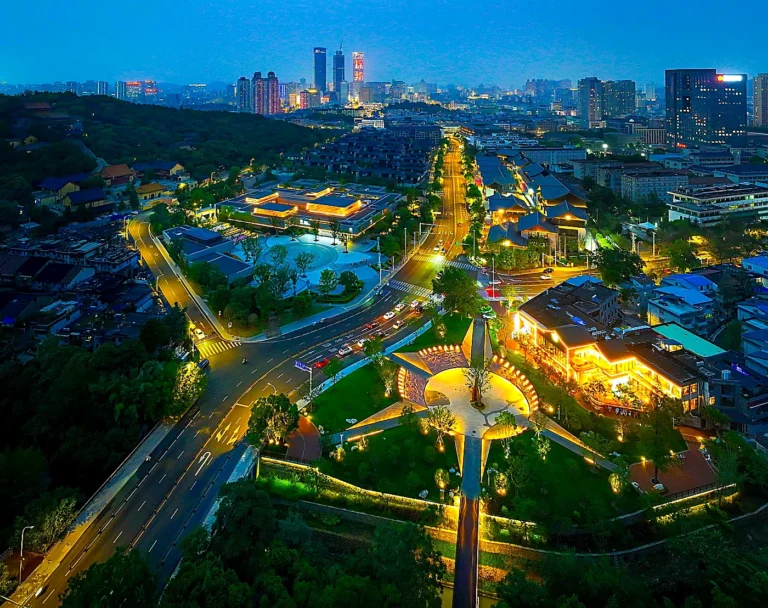
Welcome, VDS Travel readers and fellow seekers of hidden beauty across the East! Today, we journey to a lush scenic landmark set in the heart of Nanning, capital of Guangxi—Qingxiu Mountain Scenic Area (青秀山风景区). Far more than an ordinary attraction, it stands as a masterpiece of nature and history, celebrated as the “Majestic Green Lung” and “Premier Scenic Wonder” of historic Yongzhou.
Qingxiu Mountain (青秀山) rises gracefully beside the winding Yong River (邕江), encompassing eighteen hills and ridges—including Qingshan Ridge, Fenghuang Ridge, Fengyi Ridge, Zi Ridge, Fozi Ridge, and Leipi Ridge—across nearly 800 hectares. With a protected planning area of 13.54 square kilometers (including a 6.43-square-kilometer core zone), Qingxiu Mountain proudly holds AAAAA National Scenic Area status and ranks among Guangxi’s “Ten Most Scenic Spots” and Nanning’s “Top Ten Tourist Attractions”—serving as both an ecological anchor and a cultural beacon across centuries of Nanning’s growth.
1. A Thousand Years of History: From Taiping Ridge to Qingxiu Mountain
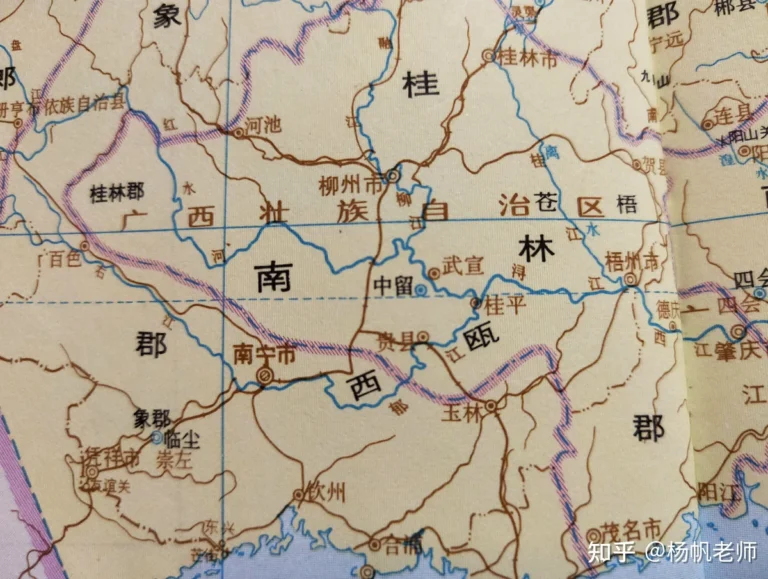
Qingxiu Mountain’s story lives not only in lush canopies, but also in every boulder and stream. According to the *Nanning Prefectural Gazetteer* (南宁府志), the earliest written records of Qingxiu Mountain date back to the Eastern Jin Dynasty (东晋), showing its early place in local memory. During the Sui and Tang dynasties (隋唐), the hill was known as Taiqing Ridge (泰青岭), renowned across Lingnan as a refreshing summer retreat drawing scholars and poets to admire views and compose verse.
Qingxiu Mountain reached a cultural peak during the Ming Dynasty (明朝) as halls and shrines were built and restored, turning it into a prominent cultural and spiritual center. By the late Qing and early Republican eras, it gradually fell into quiet neglect before strategic urban planning in Nanning restored and revitalized it into a flagship park preserving its historic and cultural heritage.
• Longxiang Pagoda (龙象塔) – An Enduring Emblem of Nanning
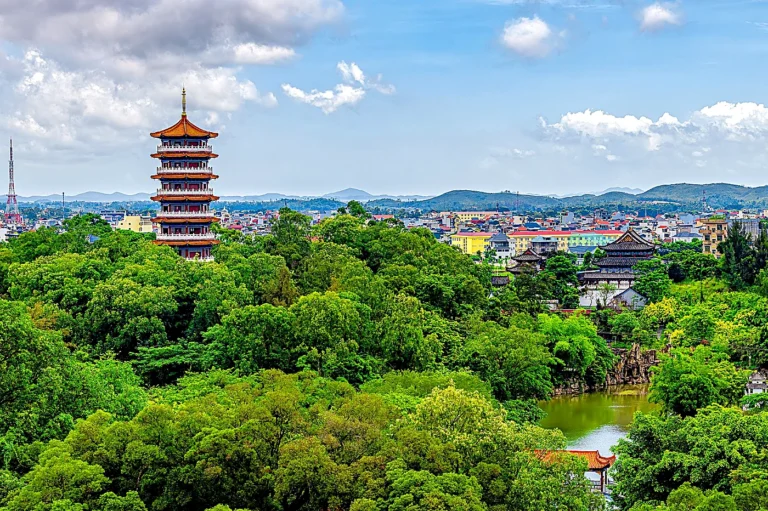
Rising amidst Qingxiu Mountain’s emerald expanses is Longxiang Pagoda (龙象塔)—also known as Qingshan Pagoda—atop Fengyi Ridge (凤翅岭). More than a landmark structure, it is the spiritual soul and signature icon of Nanning etched into generations of local memory.
Construction began during the Wanli era of the Ming Dynasty under Xiao Yunju, a Nanning-born *Jinshi* scholar serving at the time as Left Vice Minister of Personnel. The name “Longxiang” (“Dragon and Elephant”) draws from Buddhist scripture, evoking the strength of a dragon in water and an elephant on land as a symbol of power and dignity. Built in classic Ming style with curved eaves, intricate *dougong* brackets, and sturdy gable walls blending Buddhist and traditional Chinese aesthetics, climbing to its summit reveals sweeping views of Nanning, the winding Yong River, and surrounding hills where past and present meet.
Longxiang Pagoda is also linked with local folk legends of Qingshan Longxiang Pagoda reflecting regional surroundings, customs, and values—standing as an essential thread in Nanning’s living cultural lineage.
2. Scenic Wonderland: Where Nature and Art Converge
Qingxiu Mountain is planned around a “Four Zones, One Garden” layout featuring crystal lakes and lush botanical collections, each offering its own distinct charm:
• Tianchi Lake Reflecting the Pagoda (塔影天池) – A Living Scenic Picture
Set at the heart of the scenic area, Tianchi Lake (天池) anchors the famous vista “Pagoda Shadow in Tianchi Lake.” Its clear, jade-like waters mirror Longxiang Pagoda and drifting clouds like a calm glass—counted among Nanning’s “Ten Classic Views” and a signature highlight of the AAAAA park, where sitting beside the water with rustling leaves and pagoda reflections calms the mind.
• Diverse Botanical Gardens – A Living Museum of Nature
Qingxiu Mountain shelters a rich biological collection of more than 1,116 tropical and subtropical plant species across 162 families and 644 genera, including rare and threatened species across specialized themed gardens:
• Shade-Loving Plant Garden (荫生植物园) – Realm of Ancient Lineages
The Shade-Loving Plant Garden gathers over 390 species spanning bromeliads, arrowroots, aroids, begonias, gesneriads, bananas, and acanths—alongside nationally protected rarities such as spinning tree fern (*Cyathea spinulosa*), cycads, golden-hair tree fern (*Cibotium barometz*), and staghorn ferns (*Platycerium*), creating a cool miniature primeval forest.
• Leaf Garden (叶子花园) – Vibrant Bougainvillea Celebration
Leaf Garden is widely hailed as a prime spot to admire bougainvillea (三角梅) on Qingxiu Mountain. Cascades of pink, white, orange, and purple blossoms drape across blue-and-white Greek-inspired pavilions, arcades, and garden slopes—making it a romantic retreat and popular photo spot.
• Monet Garden (莫奈花园) – Where Art Meets Nature
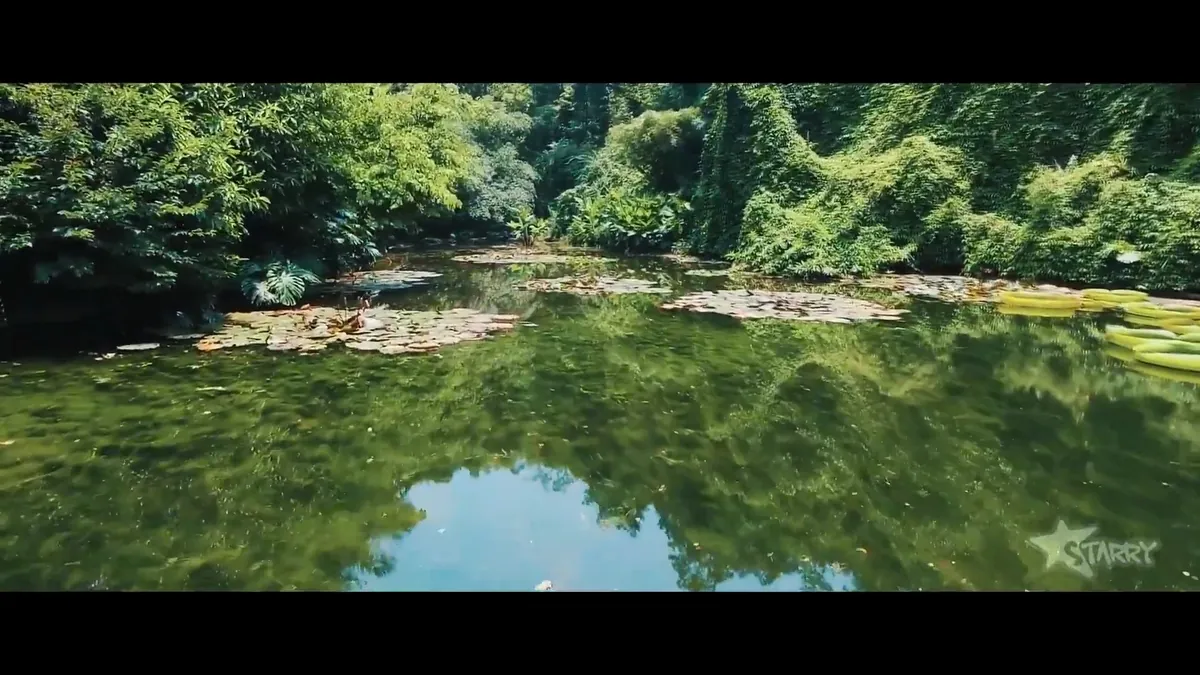
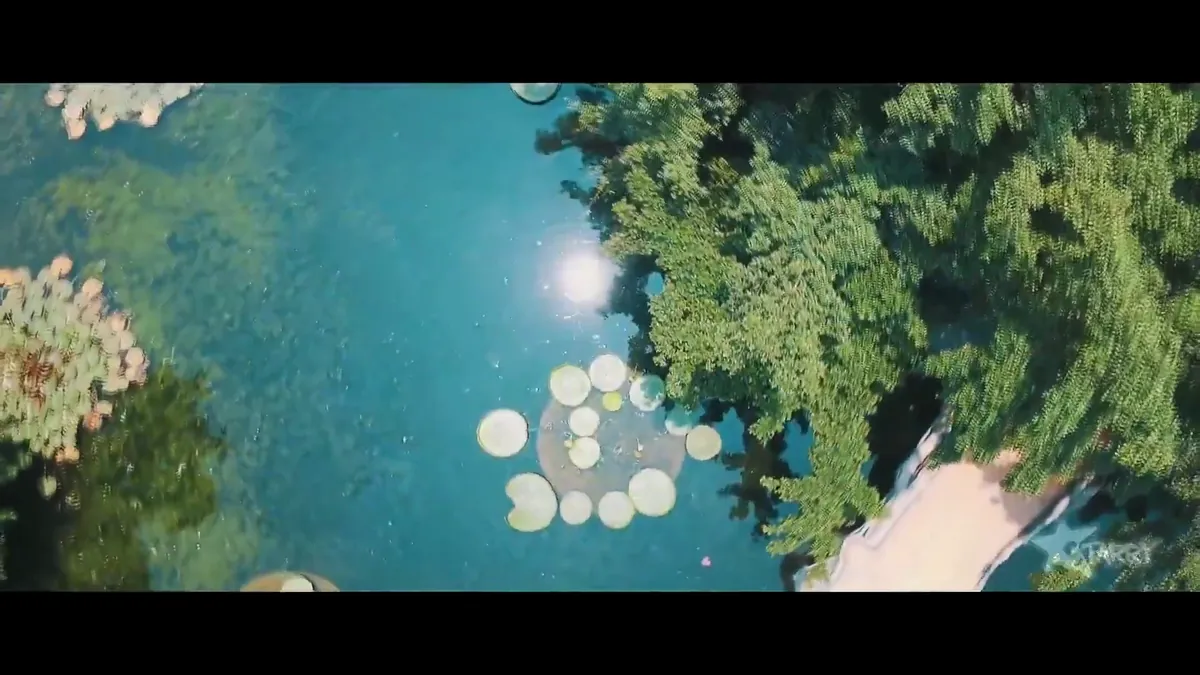
Located in the eastern section, Monet Garden draws inspiration from Claude Monet’s *Water Lilies* series. Using water lilies and aquatic plants to evoke Giverny over a century later, small bridges, clear ponds, and colorful plantings create a painterly sanctuary for quiet reflection.
• Other Gardens – Rich Variety Across the Park
Qingxiu Mountain also features an Orchid Garden (兰园) with hundreds of rare orchids, a Cherry Blossom Garden (樱花园) glowing pink in spring, a Millennium Cycad Garden (千年苏铁园) with ancient cycads, and a Tropical Rainforest Showcase (雨林大观)—each opening a distinct world of plant life.
3. Cultural and Spiritual Discovery
Beyond natural beauty, Qingxiu Mountain invites deeper exploration into the culture and spirituality of Yongzhou.
• Friendship Corridor (友谊长廊) and ASEAN Friendship Garden (东盟友谊园)
Friendship Corridor highlights ethnic character and cultural exchange, while ASEAN Friendship Garden celebrates regional ties by gathering national flowers and trees of ASEAN nations alongside sculptures representing Nanning’s sister cities—reflecting Nanning’s role in Southeast Asian cooperation.
• Historic Relics and Landmarks
Alongside Longxiang Pagoda, the park preserves and restores historic sites including Zhuangyuan (“Top Scholar”) Spring, Dong Spring, cliff inscriptions at Xieqingyan, and the Stone Incense Burner—offering glimpses into old Nanning as a Lingnan center of culture and learning.
• Guanyin Zen Temple (观音禅寺) – A Sanctuary of Peace
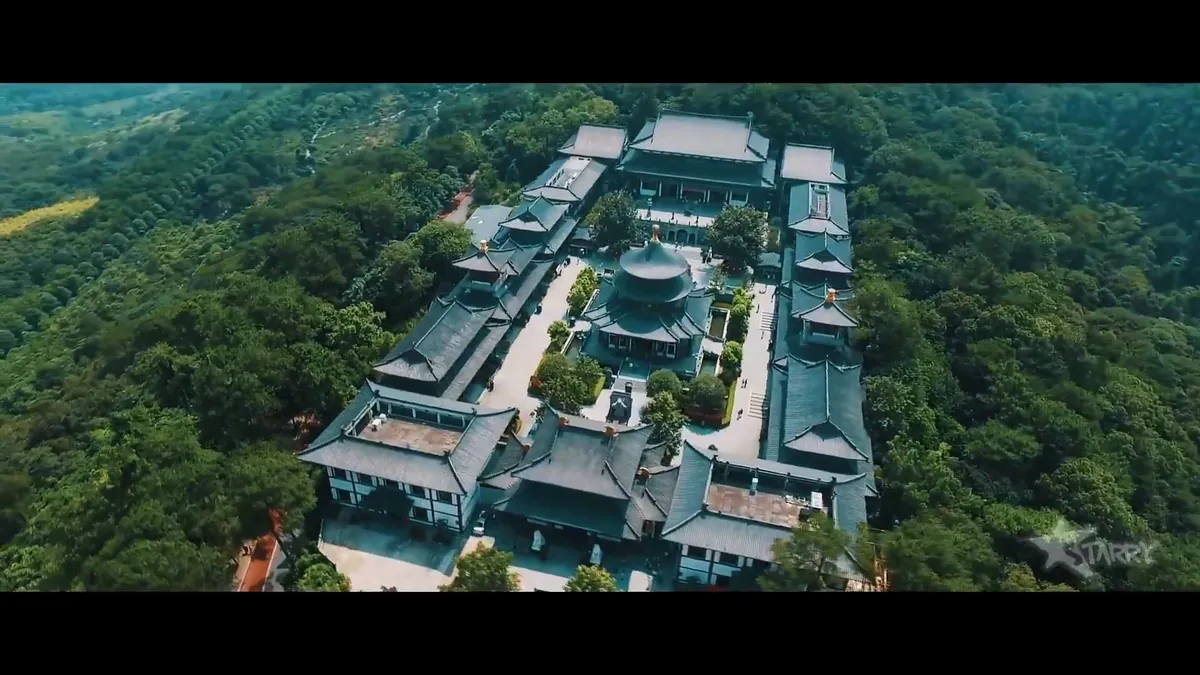
Nestled beneath green canopies, Guanyin Zen Temple provides a quiet spiritual retreat with traditional architecture, temple bells echoing amidst birdsong and floral scents, and a peaceful setting for contemplation.
4. Diverse Experiences at Qingxiu Mountain
With varied landscapes and heritage, Qingxiu Mountain offers something for every visitor:
• Strolling Through the City’s “Green Lung”
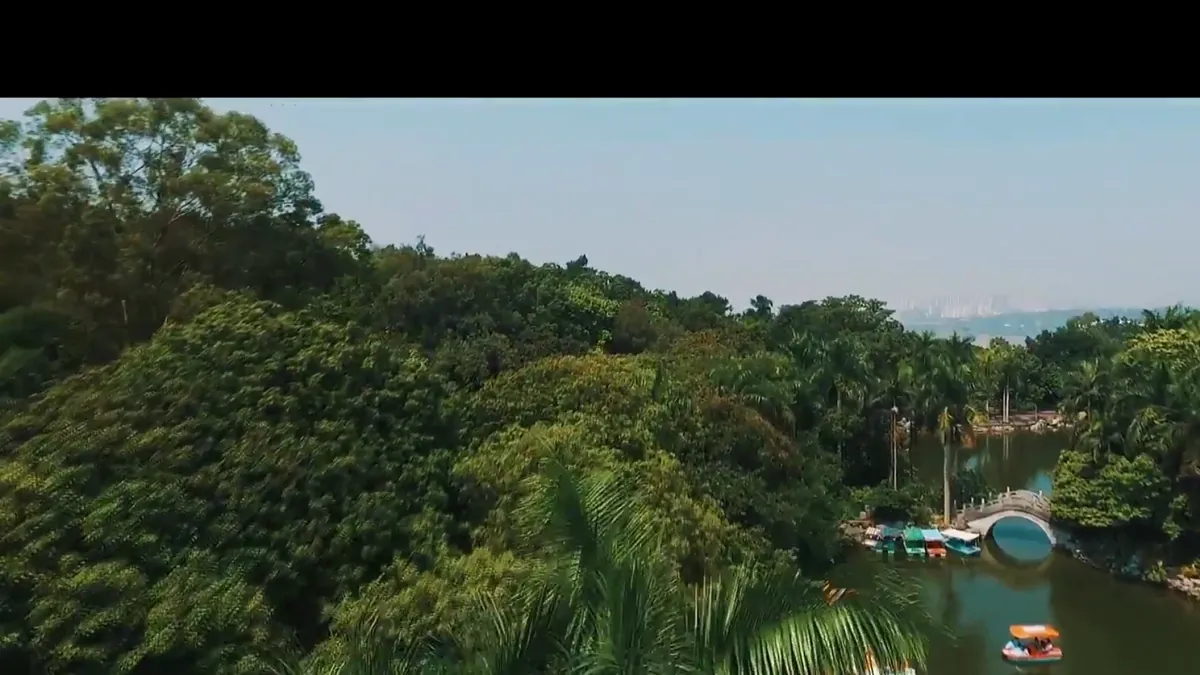
Known as Nanning’s giant “green lung,” winding woodland paths, fresh air, and lush greenery offer an energizing escape from urban noise into nature.
• Panoramic City Views from Longxiang Pagoda
Climb Longxiang Pagoda for elevated views over Nanning as the Yong River winds like a ribbon and high-rises blend with green hills—especially golden and dramatic at sunset.
• Rainforest Trails and Temple Grounds
Tropical rainforest trails invite nature walks, cycling, or park shuttle rides between highlights, while the temple grounds around Guanyin Zen Temple offer calm reflection.
• Tasting Yongzhou Culinary Flavors
After exploring, enjoy local dishes at park restaurants or traditional Nanning eateries—sampling Guangxi specialties such as Liuzhou river snail rice noodles (*Luosifen*), sweet glutinous rice balls (*Tangyuan*), and fresh seafood.
5. Practical Visitor Guide to Qingxiu Mountain
• Getting to Qingxiu Mountain
Located centrally in Nanning, the park is easily reached by Metro Line 3 to Qingxiushan West Gate Station (青秀山西门), followed by walking or park shuttle buses. Admission is around 20 RMB per person, with 50% discounts typically offered to eligible students, youth, and seniors.
• Suggested Itinerary
Allow about four to six hours to see key highlights—for example: West Gate → Shade-Loving Plant Garden → Longxiang Pagoda → Tianchi Lake → Guanyin Zen Temple → Leaf Garden → Monet Garden, using park shuttle buses to save time and energy.
• Best Time to Visit
Qingxiu Mountain is welcoming year-round, with Spring (March–May) for blossoms and Autumn (September–November) for mild, pleasant weather standing out as prime seasons—while avoiding peak summer heat and heavy storm days.
Qingxiu Mountain blends Eastern Jin roots, Ming heritage at Longxiang Pagoda, and artistic botanical gardens into a restorative green sanctuary in Guangxi.
Planning a trip to China? Join VDS Travel on a Dongxing all-inclusive tour package or 3D2N Dongxing – Nanning tour for a smooth, memorable journey in Nanning.