
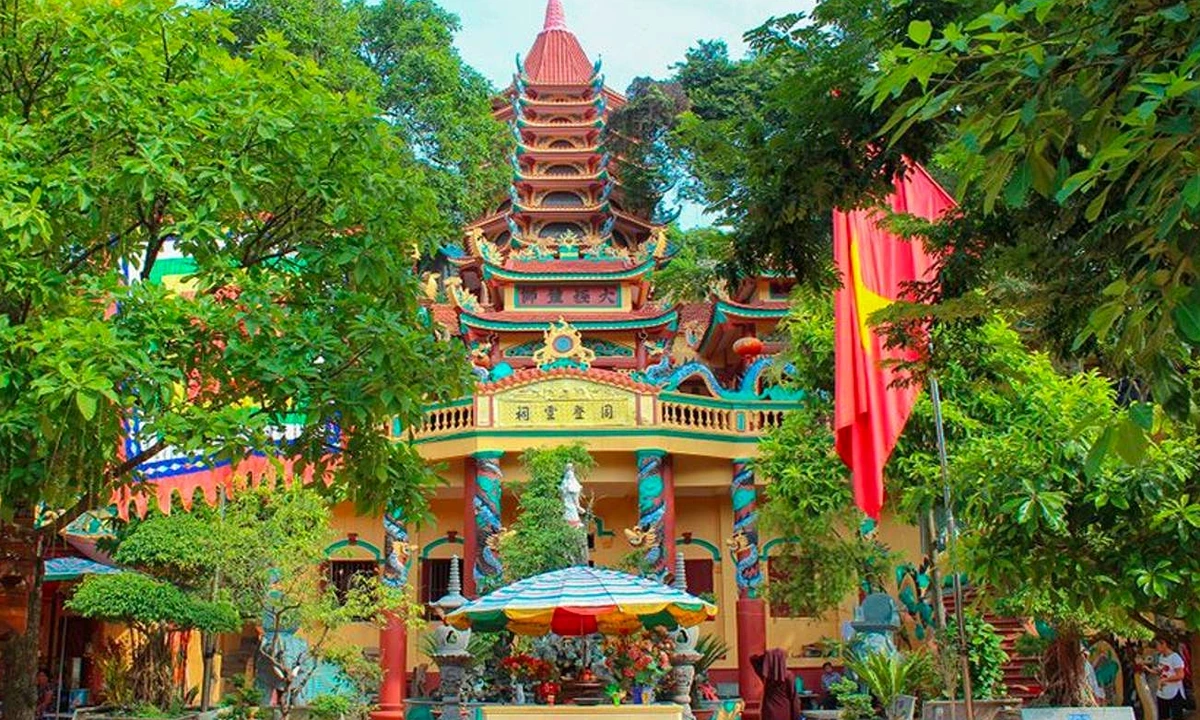
Through countless historical upheavals, especially the nation’s wars of national defense, the Dong Dang Mother Temple has stood firm as a sacred historical witness. Under the Nguyen dynasty, the spiritual and religious values here were recognized by the court through a system of royal decrees honoring the deities as “Superior Grade Gods.” The supreme deity worshipped at this sacred temple is none other than Mother Goddess Lieu Hanh—the principal deity of the Four Palaces Mother Goddess worship, symbolizing the aspiration for freedom, compassion, and the indomitable vitality of Vietnamese women.
Today, from the perspective of heritage researchers and cultural management agencies, the Dong Dang Mother Temple is not merely a famous spiritual scenic spot attracting tens of thousands of visitors from near and far each spring or during festive seasons, but also a living museum of traditional architectural art and indigenous religious culture. The wonderful blend of Lang Son’s majestic natural landscape with the sacred, tranquil atmosphere of the temple has created a unique travel heritage value, deeply imbued with national identity, leaving a profound mark in the hearts of every Vietnamese child turning toward their borderland roots.
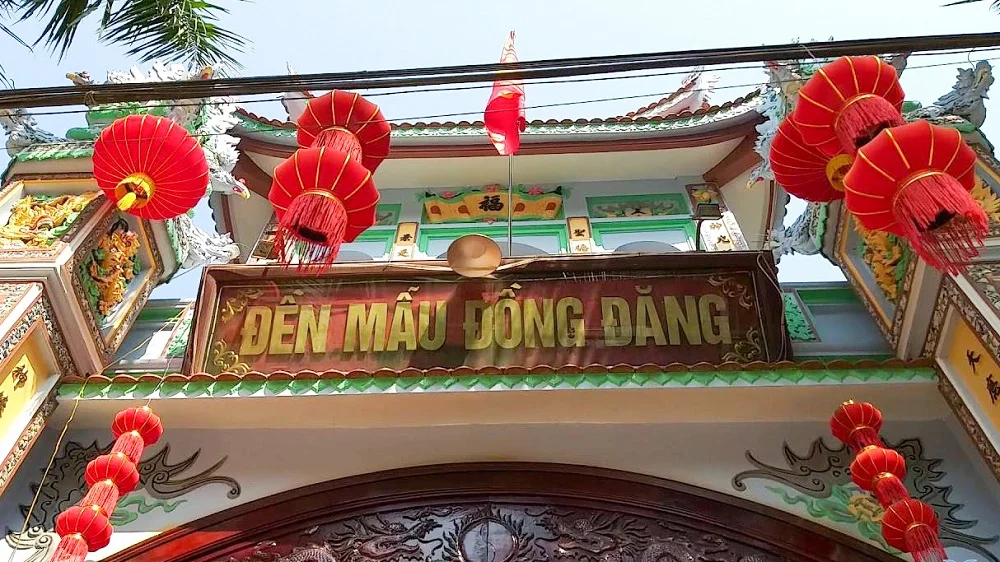
Nestled amidst the misty northeastern borderlands, the Dong Dang Mother Temple appears as a masterpiece of spiritual architecture harmoniously blending with the magnificent natural scenery of the Lang Son highlands. The temple boasts an exceptionally auspicious terrain, its back firmly leaning against overlapping limestone mountain ranges while its facade faces an expansive valley where earth, sky, and humanity converge. From the very first glance, visitors will be captivated by the solemn yet serene atmosphere, where evening temple bells mingling with mountain clouds create an awe-inspiring, tranquil, and sacred natural setting.
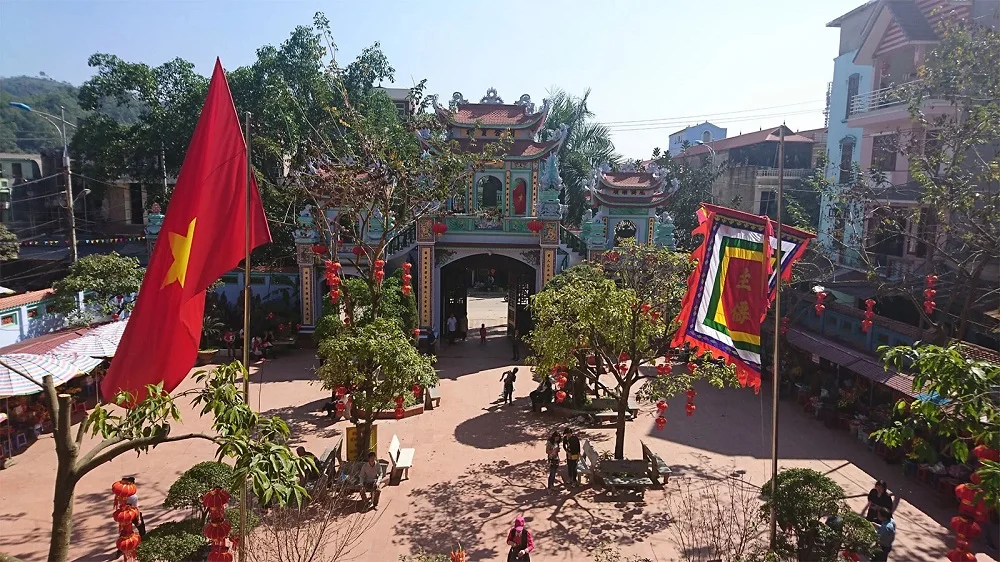
Stepping through the imposing Tam Quan gate, visitors enter a traditional architectural space steeped in Vietnamese cultural identity, honorably restored while preserving its ancient imprint over time. Architectural components ranging from the ceremonial gate and front ceremonial hall to the rear sanctuary are symmetrically and harmoniously arranged following the “nei gong wai guo” (inner domestic, outer foreign) layout. The most distinctive highlight lies in the exquisite wood and stone carving art found on every truss, couplet, and horizontal board. Ancient artisans breathed life into wood and stone through motifs of the four sacred animals, four noble plants, and stylized foliage with meticulous, sharp hollow-relief carvings, showcasing the pinnacle artistry of traditional fine arts.
Alongside its architectural value, the landscape system featuring evergreen ancient trees and the vibrant red hue of lanterns and moss-covered yin-yang tiled roofs further enhances the solemn and ancient beauty of the temple. To capture the most breathtaking moments in this sacred haven, photographers and travel enthusiasts must not miss two highly praised “million-view” framing angles.
First is the angle shot from the main courtyard facing upward toward the Tam Quan gate and front hall at dawn. At this moment, early morning sunlight pierces through the thin mist of the borderlands, casting warm golden rays onto mossy tiled roofs and mystical incense smoke, creating a scene that is both grandiose and serene, deeply cinematic. Second is the camera angle taken from the high steps of the rear sanctuary overlooking the entire front space, capturing the majestic beauty of the temple roof architecture blending seamlessly with the expansive sky and rugged mountains of the Dong Dang valley at sunset. The twilight hour when lanterns begin to illuminate is also when camera angles capture the sparkling, mystical, and sacred beauty of the centuries-old temple.
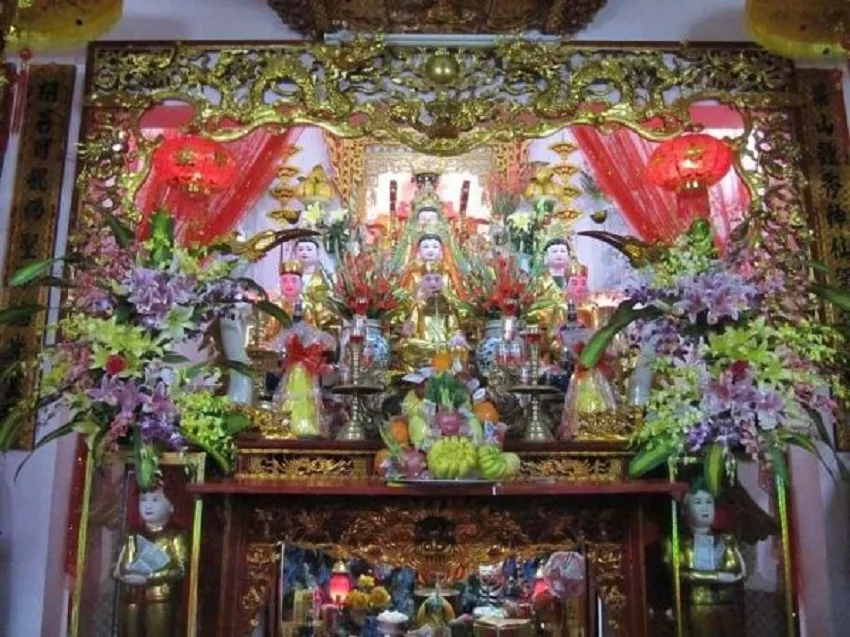
Stepping past the imposing ceremonial gate of the Dong Dang Mother Temple, visitors immediately sense a sacred, tranquil yet vibrant atmosphere of the border region. The primary practical experience touching all senses is the journey of walking up mossy stone steps, casting one’s gaze to embrace the entire Dong Dang valley from above. An overwhelming sensation washes over when standing before the expansive space, where Lang Son’s cloud-filled sky blends with echoing temple bells in the wind, bringing a wondrous serenity to the soul after the hustle and bustle of modern life.
Beyond spiritual worship, the journey to explore this sacred land also opens up delightful active experiences. Visitors can combine hiking up the limestone mountain ridges surrounding the temple to admire the overlapping northeastern frontier vistas, or head toward nearby clear-water lakes to enjoy the refreshing breeze and immerse themselves in pristine nature. Every step through each corner of the border town brings reflective emotions about a historical land where every inch of soil is imbued with the long-standing cultural exchange footprint among the Tay, Nung, Kinh, and Hoa ethnic groups.
Leaving the tranquil space of this sacred sanctuary, the journey experiencing the Dong Dang Mother Temple would be incomplete without savoring the renowned highland culinary landscape. Right beside the temple area and around the town, the intoxicating aroma of golden, crispy roast pork with Mac Mat leaves, the rich flavor of Khau Nhuc (steamed pork belly), or a warm bowl of sour pho infused with Mac Mat citrus will awaken every visitor’s palate. Savoring dishes deeply imbued with Lang Son’s essence while listening to locals share stories about border history grants visitors invaluable, unforgettable practical experiences in discovering Vietnam’s cultural heritage.
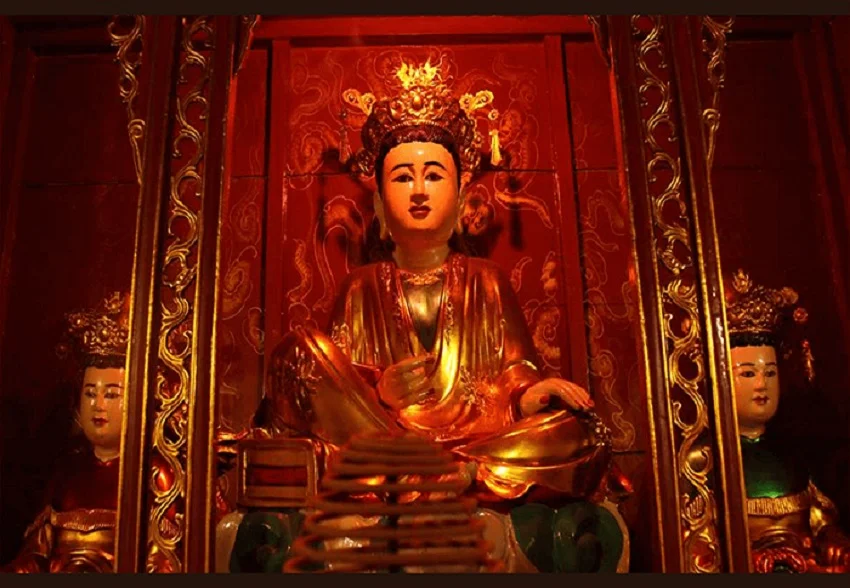
The Dong Dang Mother Temple opens its doors to welcome compatriots from all directions and distant travelers for sightseeing and worship from early dawn until dusk every day of the week, including holidays, Tet, and weekends. Regarding admission fees, this sacred historical relic site offers completely free entry for all visitors, creating the most favorable conditions for anyone to easily offer incense and turn toward the sacred roots of the borderland.
To travel to the temple from the center of Lang Son city, the optimal means of transport is by car or motorbike along National Highway 1A toward the Huu Nghi International Border Gate. The route spans approximately fifteen kilometers with excellent road quality, winding through the majestic mountain passes of Lang Son, offering an immensely exciting nature-exploration experience. Visitors can also choose provincial inter-city buses or taxis if traveling in large groups or with elderly family members.
Because the temple is situated on a hilly terrain and maintains a sacred atmosphere, visitors should note selecting neat, polite, and modest attire, prioritizing long-sleeved clothing and flat shoes convenient for climbing stairs and navigating temple grounds. Dressing respectfully not only demonstrates reverence for the Holy Mothers but also helps protect the body against highland weather that frequently changes unpredictably.
The ideal time of year to visit Dong Dang Mother Temple is in spring, particularly during the major festival held in the first lunar month annually. During this time, the temple space bursts with colorful flags, bustling with streams of pilgrims joining the festival, immersing themselves in the unique folk cultural activities of Lang Son’s ethnic groups. Additionally, the late autumn and early winter months are wonderful times to enjoy the crisp air and the serene, tranquil atmosphere of the nation’s frontier sanctuary.
To enjoy a complete vacation and fully admire the beauty of the Dong Dang Mother Temple without worrying about arranging transportation, booking tickets, or travel itineraries, visitors can choose the premium all-inclusive Dong Dang – Lang Son package tour by VDS Travel. Each tour is optimally designed for check-in timings when scenery is at its most vibrant, accompanied by a team of guides thoroughly knowledgeable in local culture and top-tier hospitality and culinary service standards.
