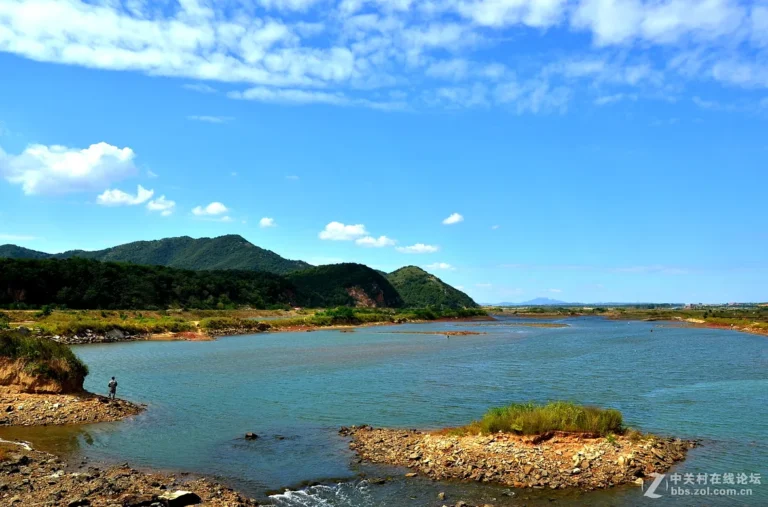
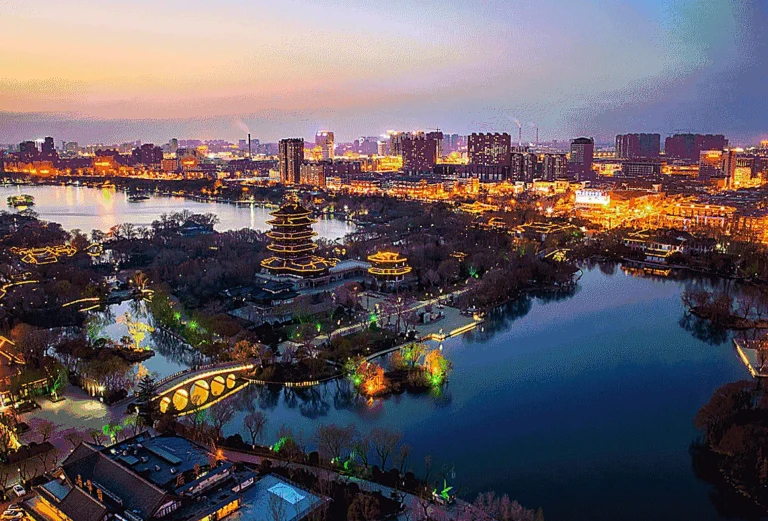
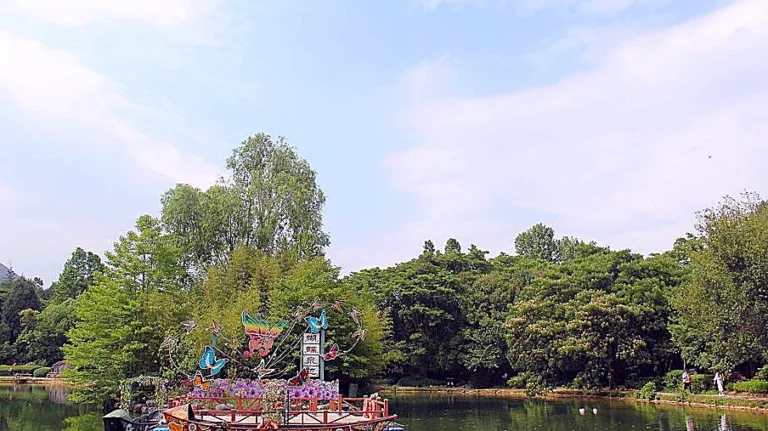
Nestled at the confluence where the silt-laden crimson waters of the Red River meet the clear emerald current of the Nam Thi River, Hekou Commercial Street has since antiquity held a strategic bottleneck along the ancient trade corridor linking the Yunnan Plateau with the coastal plains of northern Vietnam. This frontier settlement began modestly as a cluster of villages inhabited by ethnic minorities—including the Yi, Miao, and Zhuang—before intrepid merchants traced the steep river gorges to establish its first trading outposts. Shaped over centuries by waves of migration and the exchange of forest and mountain goods, Hekou gradually evolved into a thriving border trade hub, transforming an untamed river landing into a vital link along a trans-Asian economic corridor.
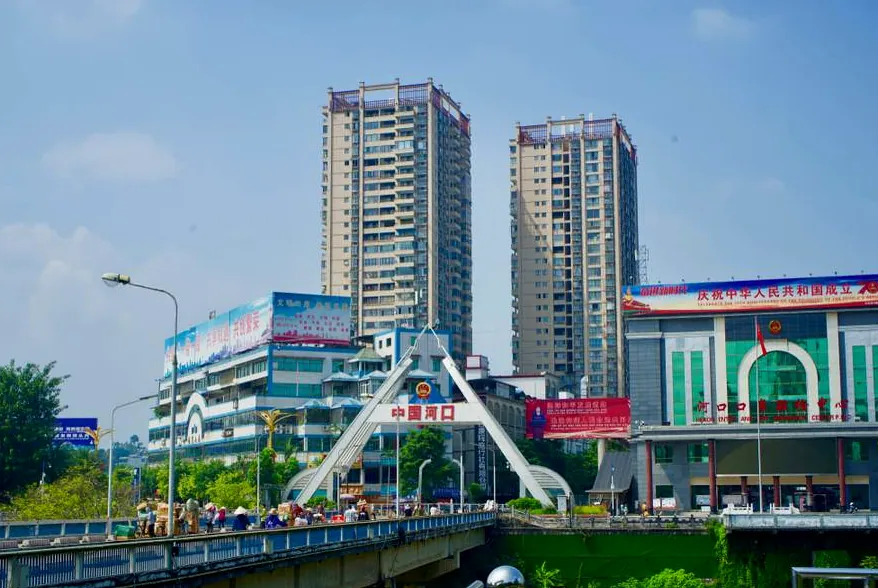
Seen through an authentic lens, Hekou Commercial Street immediately captivates visitors with its vibrant streetscape, where tightly packed multi-story shophouses blend contemporary southern Chinese architecture with nostalgic heritage charm. Bilingual signs shimmer beneath crimson neon lights, mirroring a bustling commercial pulse filled with stalls overflowing with regional specialties, handcrafted goods, and the irresistible aroma of street food. Broad stone-paved avenues invite pedestrians to wander through every lively corner, capturing the vivid energy of a prosperous border entrepôt.
The most dramatic historical turning point for this trading quarter arrived in the late Qing Dynasty, specifically during the Guangxu reign. In the 23rd year of Guangxu (1897), a commercial treaty signed between the Qing court and French colonial authorities officially designated Hekou an international overland treaty port. This opening brought the establishment of the Hekou Customs House under foreign supervision, driving tens of thousands of tons of cargo through the border annually. Shortly thereafter, the construction and opening of the 854-kilometer Yunnan–Vietnam Railway—an engineering feat piercing mountains and jungles from Haiphong through Lao Cai all the way to Kunming—turned Hekou’s merchant quarter into a premier transshipment hub for coal, mineral ores, fine silks, and world-renowned Pu-erh tea.
Historical upheaval left its mark not only on commerce, but also on modern revolutionary history. In 1908, the famed Hekou Uprising—led by Sun Yat-sen and key members of the Tongmenghui—erupted right along this frontier, turning streets, guard posts, and river wharves into barricades against imperial rule. Through decades of political turbulence, merchant guilds from Fujian and Guangdong alongside local small-business associations stood firm, rebuilding brick-and-tile shophouses and safeguarding centuries-old tea shops and traditional goldsmiths across generations.
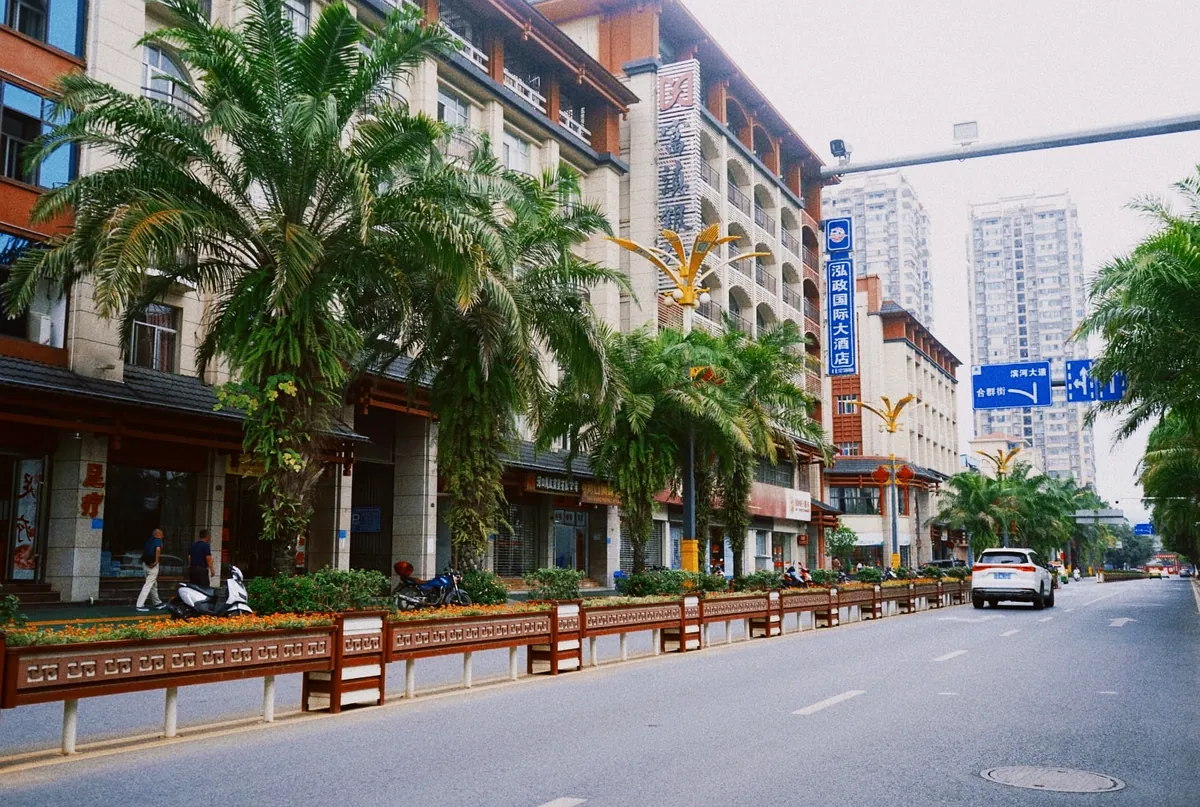
Echoes of that century-old past still linger quietly within the daily cultural fabric of Hekou Commercial Street today. Beneath the shade of ancient riverside trees, street carts selling Kaiyuan steamed buns, charcoal-grilled stinky tofu, and squid dusted with Yunnan chili powder preserve the same unpretentious flavors once enjoyed by river dockworkers resting between shifts. The dialogue between Yunnan–Vietnam Railway port memory and modern cross-border economic vitality has forged a singular cultural identity—where every paving stone whispers stories of migration and enduring neighborly exchange.
Anchored at the southernmost frontier gateway of Yunnan, Hekou Commercial Street sits on fertile alluvial land at the historic confluence of the clear Nam Thi River and the silt-rich Red River. Viewed through traditional East Asian geomancy (feng shui), this represents the prized configuration of “two waters uniting like dragons, gathering energy to generate wealth,” as twin river currents curve gracefully around a gentle plain before flowing southward. Behind the street, layered mountain ridges of the Yunnan Plateau rise like a protective Black Tortoise barrier shielding against cold northern winds, while an open “Bright Hall” (Ming Tang) looks straight across toward the opposite shore. This meeting of dramatic mountains and sweeping rivers nurtures a fresh subtropical microclimate—veiled in cool gorge mist at dawn, bathed in bright sunshine at midday, and refreshed by crisp frontier breezes at dusk.
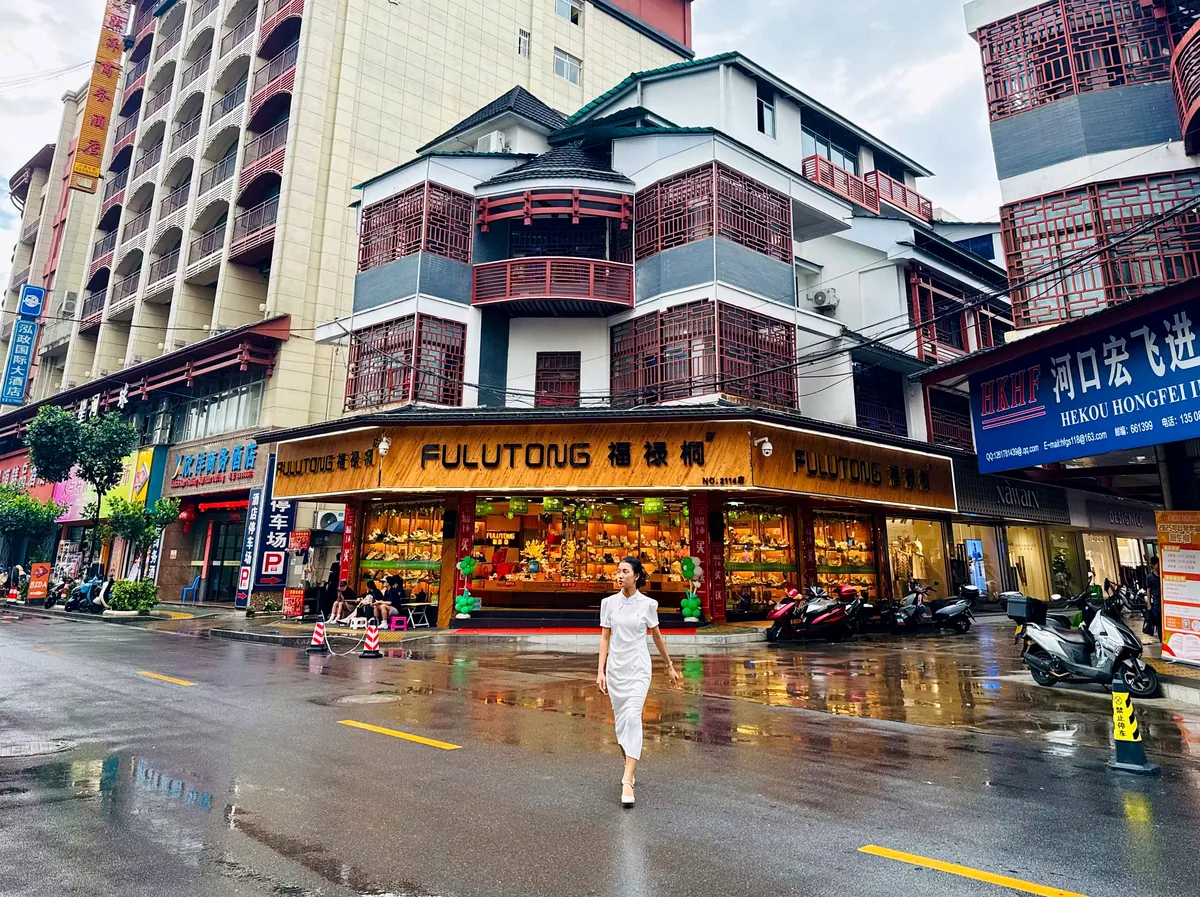
Viewed in panoramic perspective, the main axis of Hekou Commercial Street winds like an ornate silk ribbon between emerald mountain forests and frontier waters. Closely aligned commercial shophouses blend neoclassical touches with traditional southern arcade (qilou) lines, highlighted by ornate wrought-iron balconies, dark clay-tile roofs, and wide tree-lined stone sidewalks. Open storefronts welcome auspicious breezes and natural daylight as lively crowds stroll beneath colorful signage—painting a borderland urban tableau that is orderly, vibrant, and harmoniously wedded to its natural surroundings.
In urban geomorphology and spatial organization, the commercial street did not grow haphazardly; instead, it follows a disciplined terraced layout stepping down the natural slope. Urban planners ingeniously turned the rugged valley terrain into a distinctive scenic asset. Retail quarters, pedestrian promenades, and central plazas sit along gentle gradients descending toward sturdy riverside embankments. An open checkerboard street grid intersected by fishbone side lanes channels cool breezes from the Nam Thi River valley deep into every alley, keeping the air fresh and inviting for pedestrians.
The harmony between natural ecology and built form shines equally through the preservation of native greenery along commercial corridors. Amid bustling trade, mature camphor trees, northwestern bauhinia, and lush palm clusters cast cool shade across flagstone walkways, creating tranquil green pockets within the lively town. Standing in open plazas along the street, the eye is never boxed in by harsh concrete—gazing freely toward white clouds drifting across misty mountain peaks while river ripples mingle with wind chimes ringing softly beneath wooden eaves.
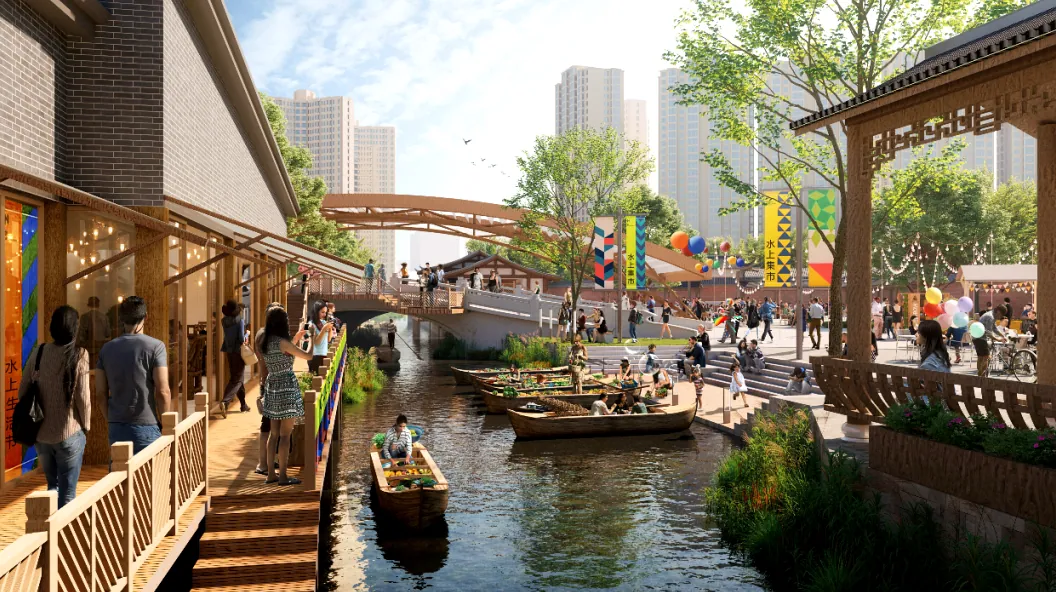
Running alongside the rushing Nam Thi River at China’s southwestern gateway, Hekou Commercial Street showcases an urban aesthetic steeped in Chinese tradition yet pulsing with the vitality of a modern border port. Laid out on a classic East Asian grid with clear longitudinal avenues and transverse side streets, its architecture draws from the Lingnan heritage—featuring pitched dark-glazed tile roofs, intricate carved fretwork, and colonnaded verandas ideally suited to the humid tropical monsoon climate of the Red River Valley.
Looking straight down the main thoroughfare, continuous rows of three- to five-story shophouses form an impressive visual corridor stretching into the distance. Facades finished in warm, understated tones contrast gracefully with curving wrought-iron railings and arched windows recalling early twentieth-century cross-cultural exchange. Beneath broad eaves, vibrant Chinese signage hangs alongside rows of crimson lanterns swaying in the frontier breeze, creating a bustling shopping district that retains classic poise.
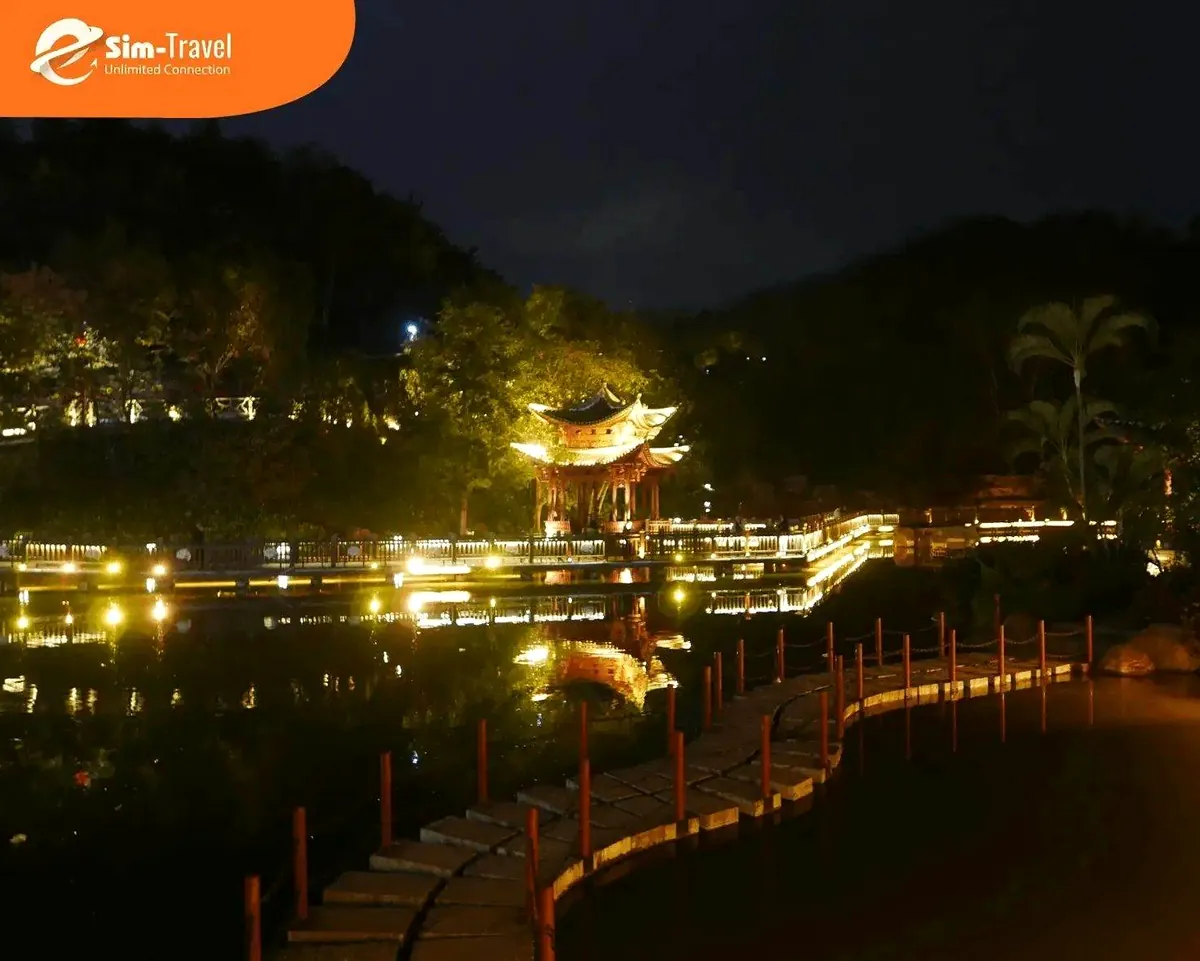
Examining its vertical layout, each shophouse exemplifies practical mixed-use commercial-residential design. Ground floors employ wide-span structural beams to eliminate interior pillars, maximizing retail display space and welcoming steady pedestrian traffic. Fronting slip-resistant flagstone sidewalks, shallow arcades accommodate street-food carts and interactive stalls without obstructing foot flow, while upper floors serve as storage rooms, logistics offices, or private living quarters—supporting bustling ground-level trade seamlessly.
Infrastructure investment across the district reflects the strategic vision of the Honghe Autonomous Prefecture to establish Hekou as a premier border economic magnet. Tens of millions of RMB were invested to bury telecommunications cables, power lines, and high-capacity storm drainage underground, eliminating seasonal flood risks. Most notably, architectural lighting installed along rooflines and cornices—powered by smart color-changing LEDs—transforms the entire avenue into a shimmering river of light at dusk, extending a vibrant nighttime economy.
Internal traffic flow is engineered with equal care: roadways accommodate compact delivery vehicles during early morning hours before converting into pedestrian-only promenades during peak times. Secondary emergency lanes, satellite transit parking hubs, and pocket plazas tucked between blocks serve as ecological breathing spaces that ease crowd density and noise. Together, reinforced concrete, durable exterior brick, and traditional timber accents ensure decades of resilience while defining a signature borderland commercial aesthetic.
As sunset dips behind the mountain ranges framing the Red River basin, Hekou Commercial Street undergoes a dramatic metamorphosis from bustling daytime market into a dazzling stage of light. After dark, long avenues glow with an artful interplay of regal amber gold and traditional crimson. Architectural contour lighting traces upturned Lingnan-style eaves and carved reliefs, while hundreds of red lanterns suspended from wooden balconies cast warm pools of light across granite pavers polished by evening strollers.
Lighting design here goes far beyond commercial illumination to become true environmental art. Yunnan urban planners combined targeted accent beams with soft ambient wash lighting to highlight neoclassical and border-trade architectural details. Uplights at the base of walls illuminate bas-reliefs commemorating the Ancient Tea Horse Road and the legendary Yunnan–Vietnam Railway, while warm light glowing through wooden lattice windows mingles with colorful bilingual Chinese–Vietnamese signs—blending modern metropolitan flair with the quiet allure of a historic frontier town.
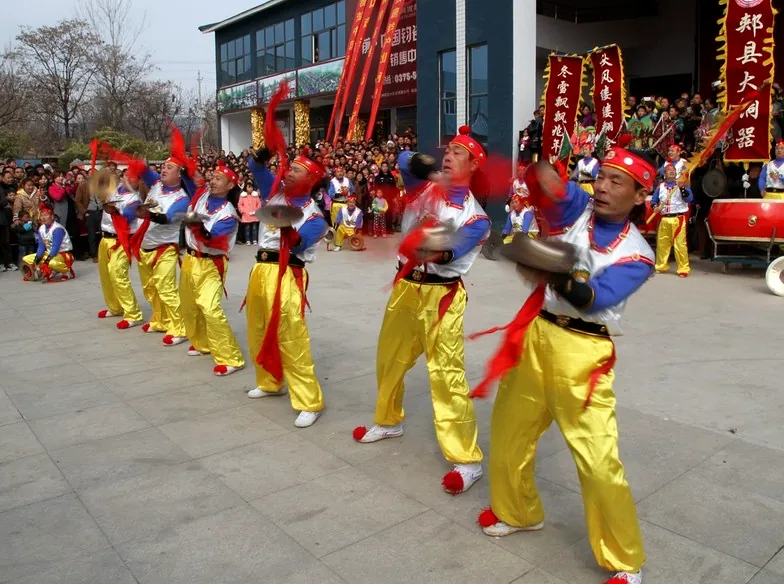
Accompanying this visual spectacle is lively nighttime entertainment featuring folk performances steeped in ethnic heritage. Across small plazas and central intersections, local performers dressed in traditional Red Yao, Zhuang, and Yi attire play resonant folk instruments—clear bowed erhu melodies and soaring bamboo flutes blending with spontaneous scarf and reed-pipe dances that captivate passersby. On festive evenings, compact open-air vignettes reenact historical tales of salt and tea caravans crossing mountain passes, using sound, stage mist, and light projection to resurrect the golden age of the border port.
Nightlife along the commercial street reaches its sensory crescendo when joined by the sizzle and intoxicating aroma rising from open-air food stalls. Beneath glowing clusters of overhead lanterns, sidewalk eateries become vibrant gathering spots for travelers from every direction. The fiery fragrance of Sichuan chili and star anise from hot-stone grilled squid skewers, the savory crunch of charcoal-grilled tofu dipped in Yunnan chili spice, and the delicate roasted aroma of clay-pot roasted milk tea compose an unforgettable culinary symphony. Strollers pull up stools at low tables along the curb, sipping sweet buckwheat liquor while watching illuminated crowds drift past in the warm frontier night.
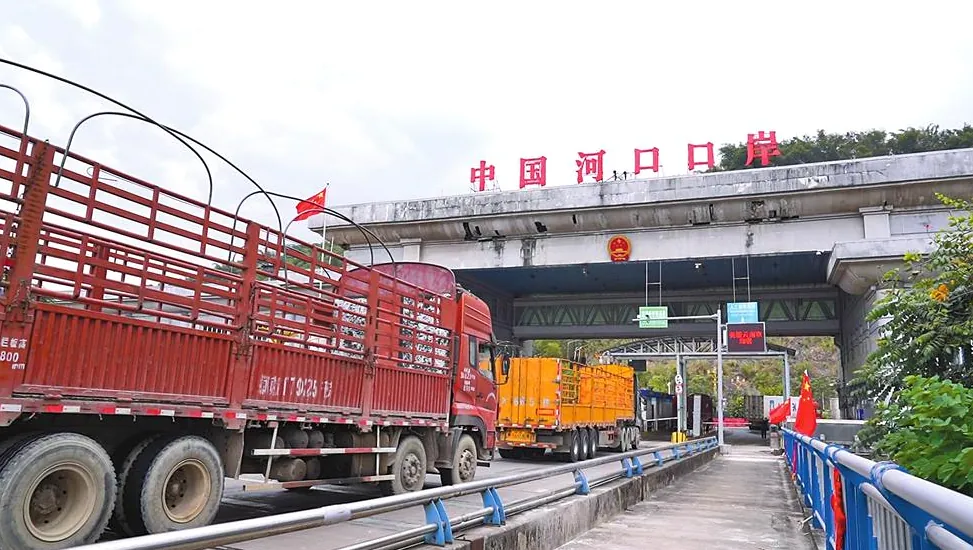
Stepping across the painted white border line dividing Hukou Bridge over the historic Nam Thi River into Hekou Commercial Street always brings a distinct thrill of cultural crossover. The moment you clear the border gate, Yunnan’s frontier town greets you with lively chatter, cardamom and roasted chili aromas, and crisp mountain breezes. To ensure your exploration of every historic and modern corner runs smoothly, knowing key border procedures and practical on-the-ground tips is essential.
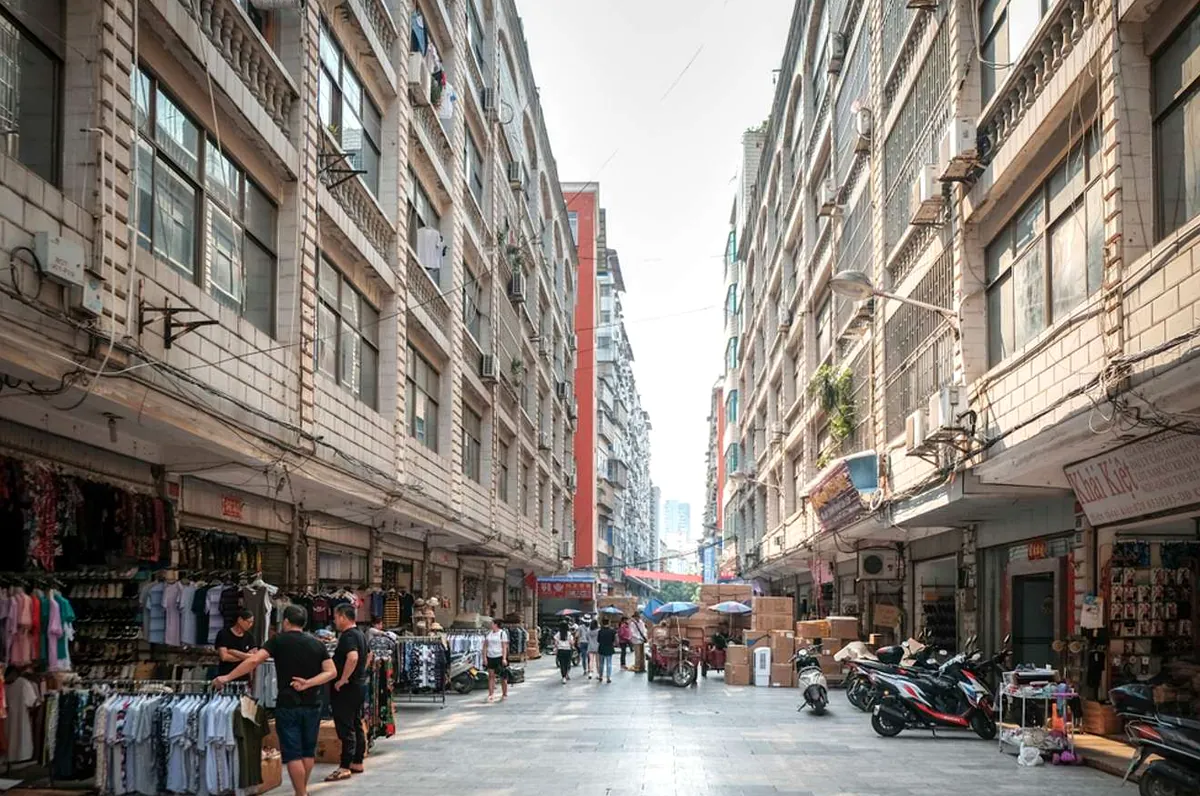
Right at the center of Hekou Commercial Street, bustling commerce unfolds vividly along multi-story shophouses blending contemporary southern Chinese style with classic charm. Vibrant red Chinese signboards line upper facades above lively pedestrian traffic browsing grilled flatbread bakeries, bubble tea counters, and steaming handicraft stalls—illuminated clearly by bright daylight reflecting the energy of the Nam Thi River’s busiest border market.
For border formalities, Vietnamese travelers only need a border travel permit (so thong hanh) rather than a full passport and visa, typically arranged a few days in advance through reputable travel agencies. The Lao Cai–Hekou International Border Gate operates daily from 7:00 AM to 10:00 PM Vietnam time. One crucial detail to remember is that China observes Beijing Time (GMT+8)—exactly one hour ahead of Vietnam. Be sure to set your watch forward immediately upon crossing so you manage your schedule accurately and avoid missing the evening border closing time for same-day returns.
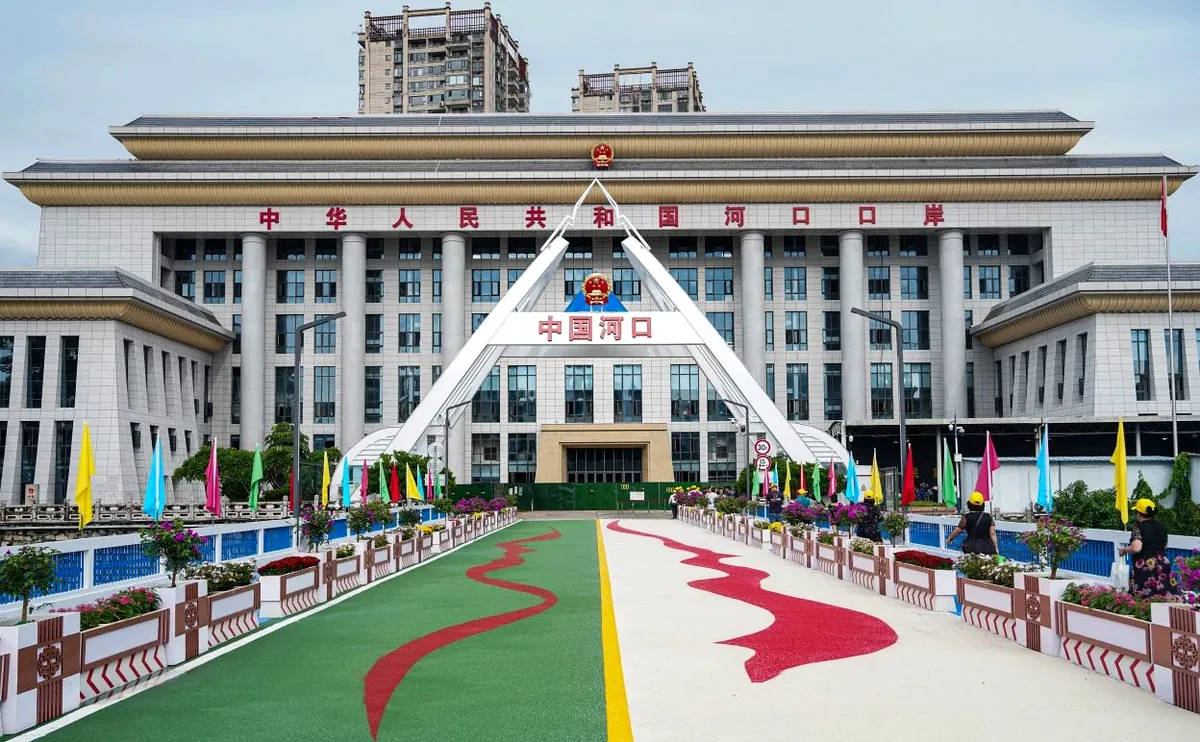
At the Chinese immigration hall, visitors complete automated biometric fingerprint scanning before proceeding to inspection booths. Once through customs, reaching Hekou Commercial Street couldn’t be easier—the shopping district begins just a few hundred meters away on foot. If you wish to venture farther out to Light Park or wholesale produce markets, ride-hailing taxis or distinctive four-wheeled electric carts offer affordable rides with clearly posted fares.
Payments and connectivity also benefit from advance preparation. Although some Vietnamese-speaking vendors accept Vietnamese dong or domestic bank transfers, carrying small-denomination Chinese yuan bills (10 to 50 RMB) is very handy for street snacks and souvenirs. Setting up international mobile payment apps linked to your credit card alongside a data roaming plan or pocket Wi-Fi keeps you connected for maps, translation tools, and cashless checkouts.
Strict adherence to security rules is mandatory throughout your visit—most importantly, photography and filming are strictly prohibited inside customs halls and near border guard posts. On your return trip, personal luggage must comply with strict border quarantine regulations prohibiting fresh fruits, unprocessed agricultural seeds, and raw meat products. For a completely relaxed, seamless trip without worrying about border permits or paperwork, consider joining a professionally organized all-inclusive Hekou tour package to enjoy this one-of-a-kind borderland culture to the fullest.