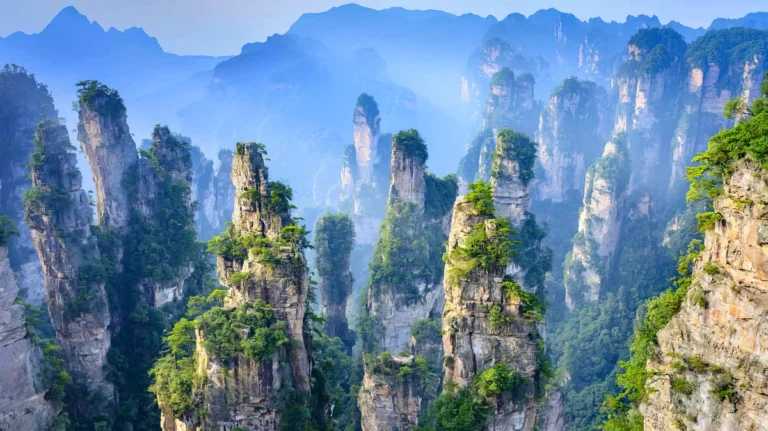
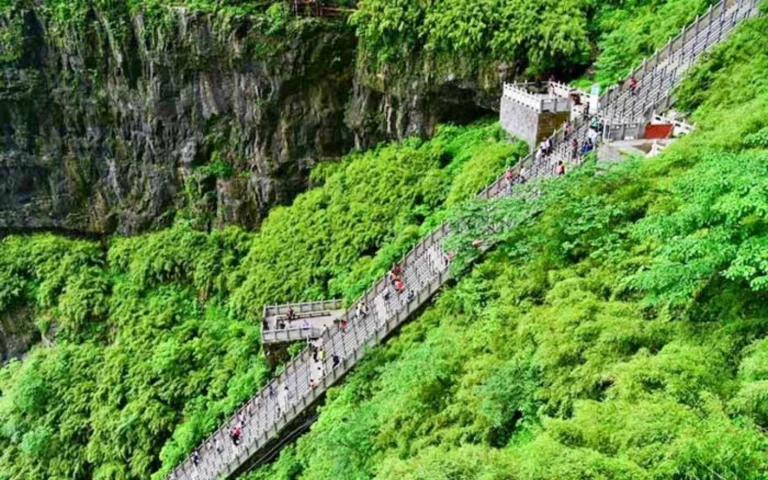
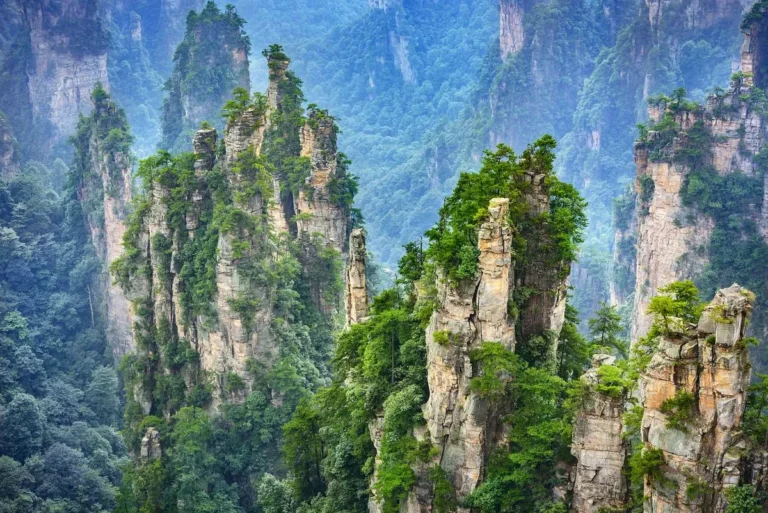
Stepping back into the turbulent feudal centuries of Hunan’s mountain borderlands, veiled behind the shifting mist of Wulingyuan, lies a geological wonder steeped in spiritual history and shifting fortunes—Huanglong Cave (Yellow Dragon Cave). Located east of Suoxiyu Town within the Wulingyuan Scenic Area of Zhangjiajie, this grand cavern has long been more than a marvel of natural formation; it is a repository of stories colored by legend and human drama. Setting foot here lets travelers touch not only millions-year-old limestone formations, but also the cultural depth of a frontier region once stirred by folk beliefs and peasant uprisings.
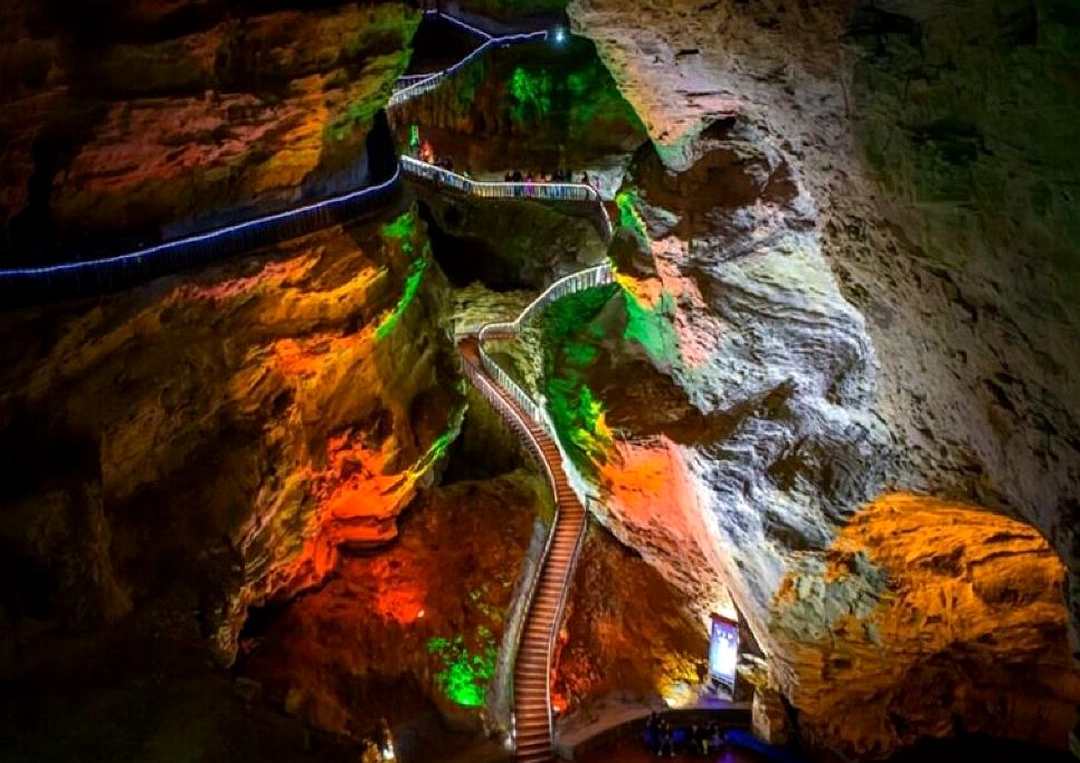
According to surviving historical records—notably the Cili County Gazetteer compiled during the Qing Dynasty alongside ancient stone inscriptions scattered around the area—the opening and exploration of Huanglong Cave are closely tied to the eventful Ming Dynasty. As early as the Hongzhi era (1488–1505), amid shifting court politics, early monks and Daoist practitioners ventured deep into these remote mountains in search of secluded practice grounds, carrying out initial surveys and early clearing. By the Ming Jiajing era (1522–1566), clearer traces of human handiwork began appearing inside the cavern, including hand-carved stone steps, solemn shrines, and relics tied to religious and folk rites.
The history of Huanglong Cave cannot be separated from local faith and the peasant rebellions of that era. In Tujia folklore, the site is linked to the commanding figure of Xiang Wang Tianzi (“Heavenly King Xiang”)—historical leader Xiang Dakun, who rallied ethnic communities in western Hunan against oppressive feudal rule in the mid-Ming period. Local lore recounts that this labyrinthine cavern system, with its intertwined water caves and dry passages, served as a secret retreat and troop stronghold for Xiang Wang Tianzi during years of steadfast resistance. Broad subterranean chambers carry not only the surreal beauty of dripstone formations, but also echoes of a turbulent age.
Alongside rebel leaders, Buddhist and Daoist history at Huanglong Cave bears the imprint of Zen Master Baiyun, who resided at an ancient temple right beside the cave mouth during the Ming Zhengde era. He thoroughly explored the complex network of water and dry caverns and built a simple thatched hut for meditation here, later honored by posterity as a pioneer who opened the scenic site. The name “Huanglong” (Yellow Dragon) stems from a warm local legend of early settlers: people believed that deep inside the cavern lived a Dragon King in the form of a golden dragon who brought timely rain and gentle winds to water surrounding terraced fields, blessing harvests and bringing peace and prosperity. From that oral tradition, the name Huanglong entered local history.
Huanglong Cave’s historical and cultural value is further underscored by priceless cliffside inscriptions preserved from the Ming and Qing dynasties. Among them, the stele recording the restoration of the Dragon King Shrine from the Ming Jiajing era is widely regarded by cultural scholars as a premier academic artifact, offering key insight into religious life, folk belief, and social organization along Hunan’s frontier across centuries. Over time, these moss-lined traces—together with legends of the golden dragon, Tujia insurgents, and ascetic masters—have given Huanglong Cave rare cultural depth, turning a natural limestone cave into a living record of human heritage.
Tucked along the southeastern edge of the Yunnan–Guizhou Plateau where the Wuling Mountain range stretches across western Hunan Province, Huanglong Cave stands as a monumental work of natural engineering shaped over hundreds of millions of years. Geologically, this vast limestone cavern exemplifies subtropical-to-tropical conical karst and stone-tower landforms, where tectonic uplift and chemical weathering carved one of Earth’s most complex underground cave systems. Its chambers developed within dolomitic limestone strata spanning from the Ediacaran to the Quaternary period. Through erosion and dissolution by water carrying dissolved carbon dioxide, nature sculpted an explored subterranean expanse exceeding 100,000 square meters with a vertical relief of up to 140 meters, creating a multi-level spatial scale rivaled by few man-made spaces.
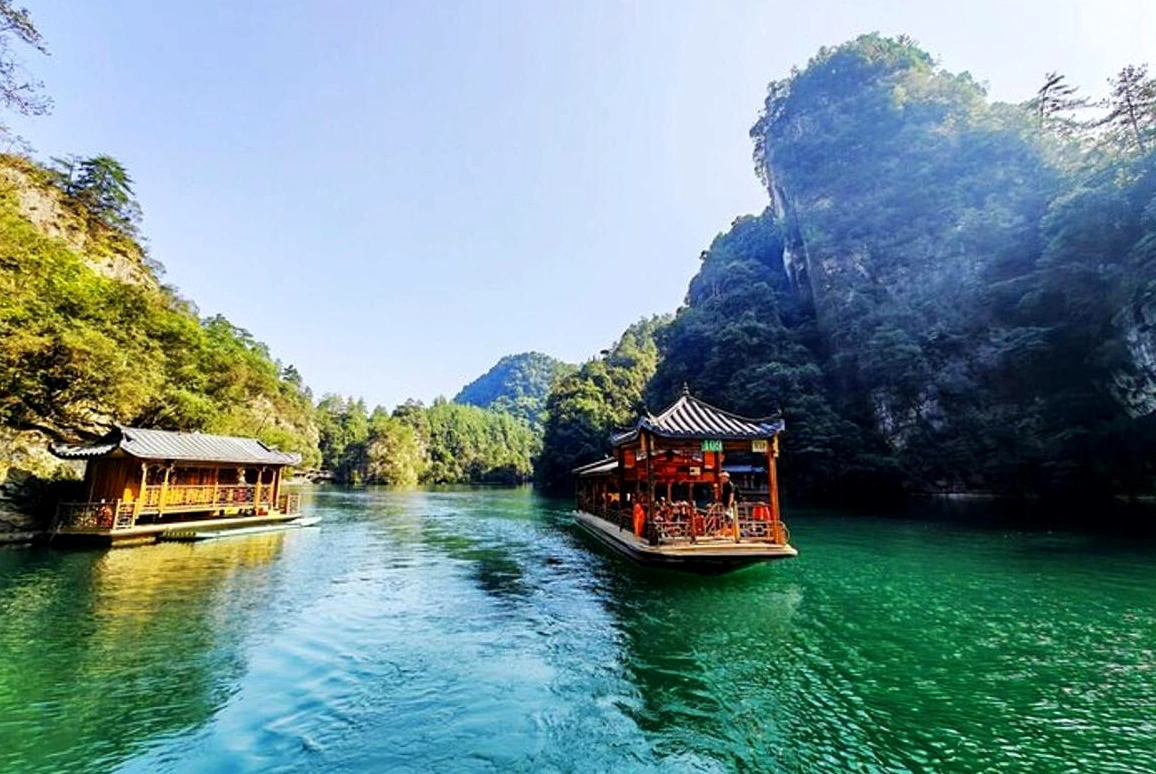
Stepping through the southeast-facing entrance that catches early morning rays, explorers and geologists encounter a layout often likened to a miniature underground city structured around “four tiers, two halls, three waterfalls, eleven streams, and ninety-three corridors.” Vertically, Huanglong Cave divides into four distinct geological levels: a lowest subterranean water tier, a mid-level dry cavern tier, an upper cave tier, and a top skylight tier. This vertical layering produces diverse speleothem forms and a sensitive, enclosed micro-ecosystem. Temperatures inside stay remarkably steady year-round around 16°C, paired with relative humidity above 95%. Over tens of thousands of years, this microclimate fostered specialized troglobitic species adapted to perpetual darkness—such as blind cave fish, cave amphipods, and eyeless white crabs—living along winding underground streams, most notably the “Xiangshui River” (Resounding Water River) murmuring through shadowy rock recesses.
Viewed through Eastern cultural perspectives and traditional architectural philosophy, Huanglong Cave’s setting and orientation also reflect time-honored principles of harmony between heaven and humanity and gathering vital energy. Nestled within the mountain roots of Wuling where highland veins converge, the cave draws raw earth energy, while its southeast-facing mouth welcomes morning light and yang warmth to balance the cool, shaded depths within. In addition, its network of underground waterways—especially the Xiangshui River winding past dripstone pillars—is read in traditional geomancy as an auspicious water-dragon formation symbolizing steady, gathering prosperity. Together, karst geology and traditional worldviews give Huanglong Cave a dual resonance where natural science and cultural imagination meet beneath the earth.
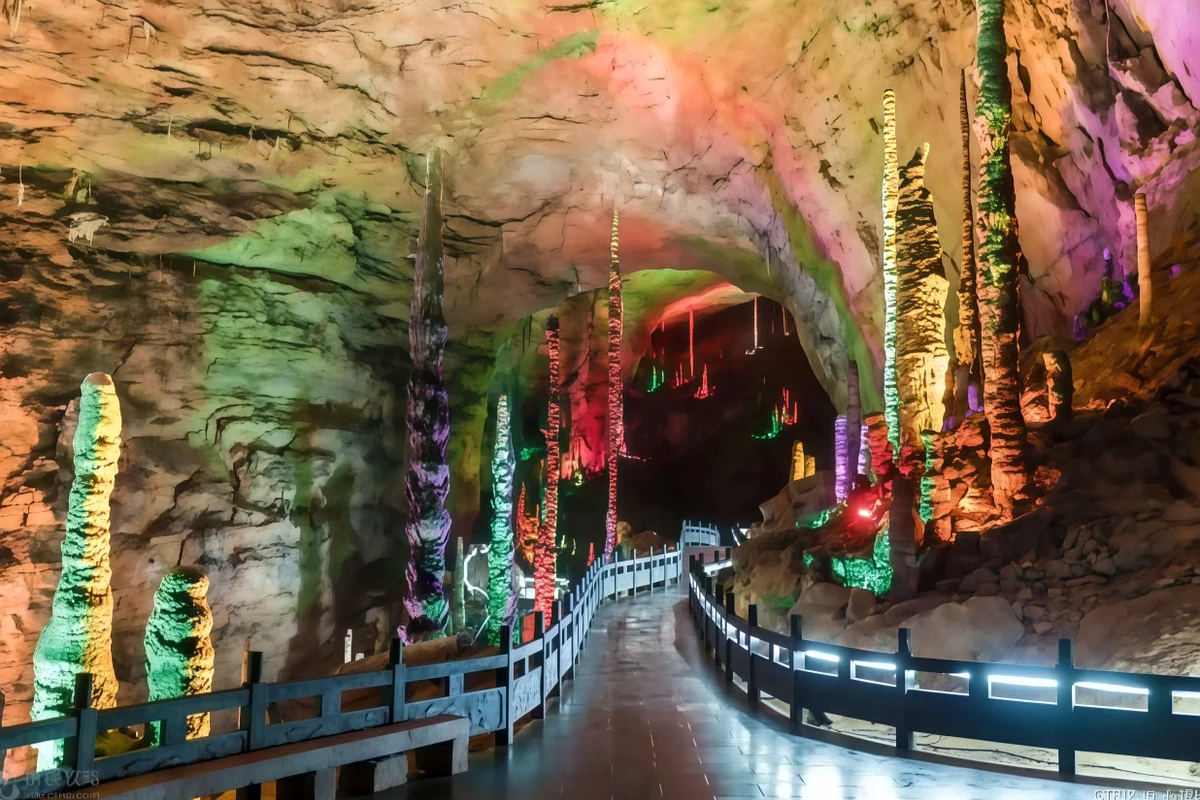
Entering Huanglong Cave in Zhangjiajie feels like stepping into a vast subterranean cathedral sculpted by millions of years of geological time. The awe comes not only from multi-tiered scale, but also from how carefully modern lighting and engineering pair with fragile karst scenery. From a conservation standpoint, opening and upgrading the cave offers a model balance between durable infrastructure and natural preservation. Walkways, stairs, and passages use corrosion-resistant reinforced concrete and wood-grain stone finishes that hold up in high humidity while blending naturally with surrounding rock. To protect delicate karst deposits from millions of footsteps over time, engineers kept walkway gradients under 15 degrees to minimize wear and preserve the cave’s original fabric.
Microclimate management inside such a deep, enclosed cavern is addressed with international-grade engineering. Subsurface drainage channels help prevent excess moisture condensation harmful to dripstone surfaces, while carbon dioxide levels are kept in check by combining natural airflow with controlled ventilation. These measures keep indoor air fresh and help prevent whitening or discoloration on millennia-old formations, preserving their natural luster and color.
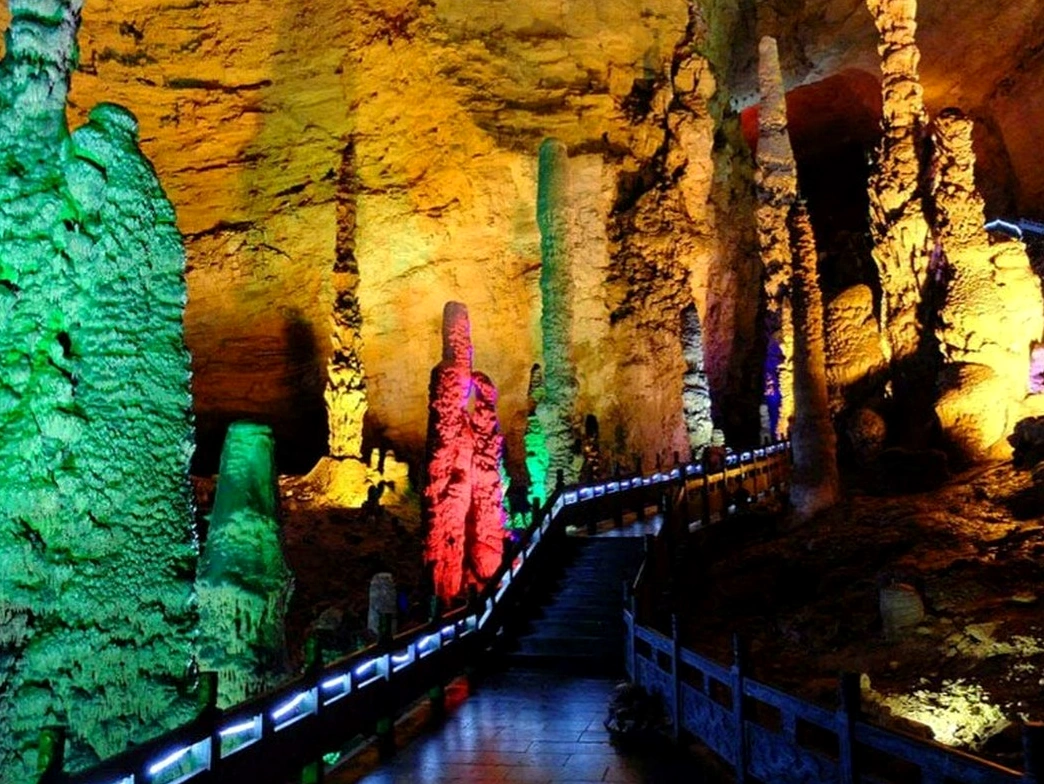
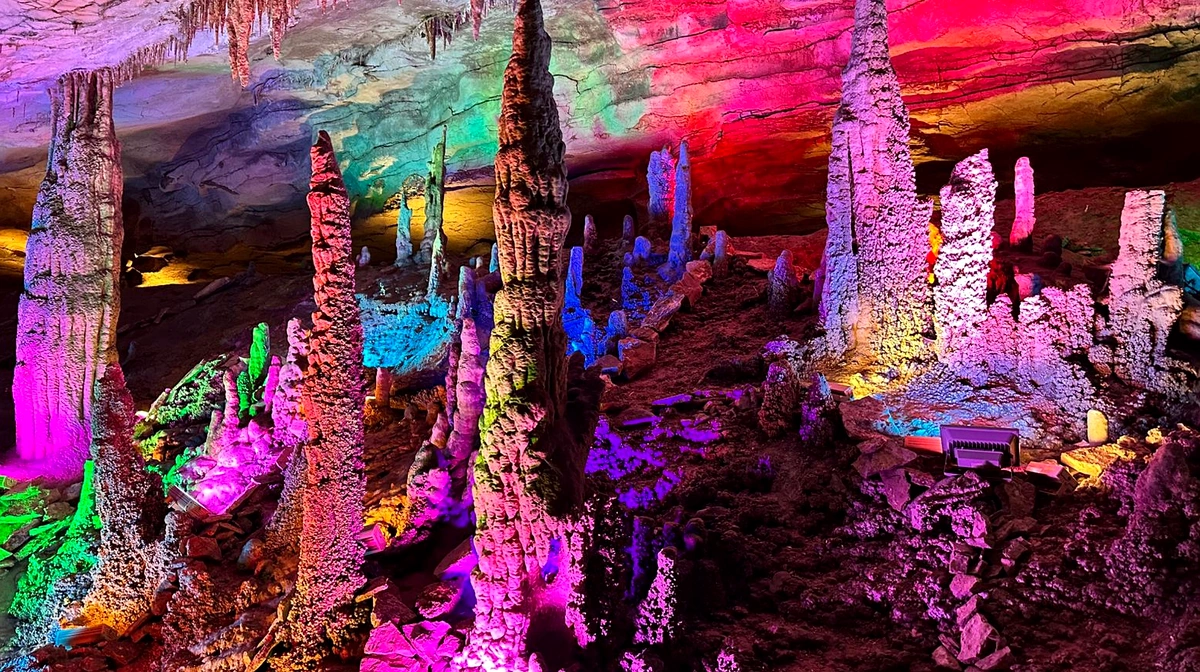
Beyond those passages, the cavern’s centerpiece formations showcase natural sculpture at its most striking. Foremost is the column named Dinghai Shenzhen (“Sea-Calming Divine Needle”), a singular formation rising 19.2 meters tall with a base circumference of 12.74 meters, built up slowly over more than 200,000 years. Remarkably slender and straight—narrower above and broader below—it seems to defy ordinary proportions and stands as a pride of the cave. Nearby, the Dragon King Hall (Longwang Ting) commands attention with the Dragon King Throne, formed from massive crystalline dripstone into a regal seat-like shape that sparks the imagination.
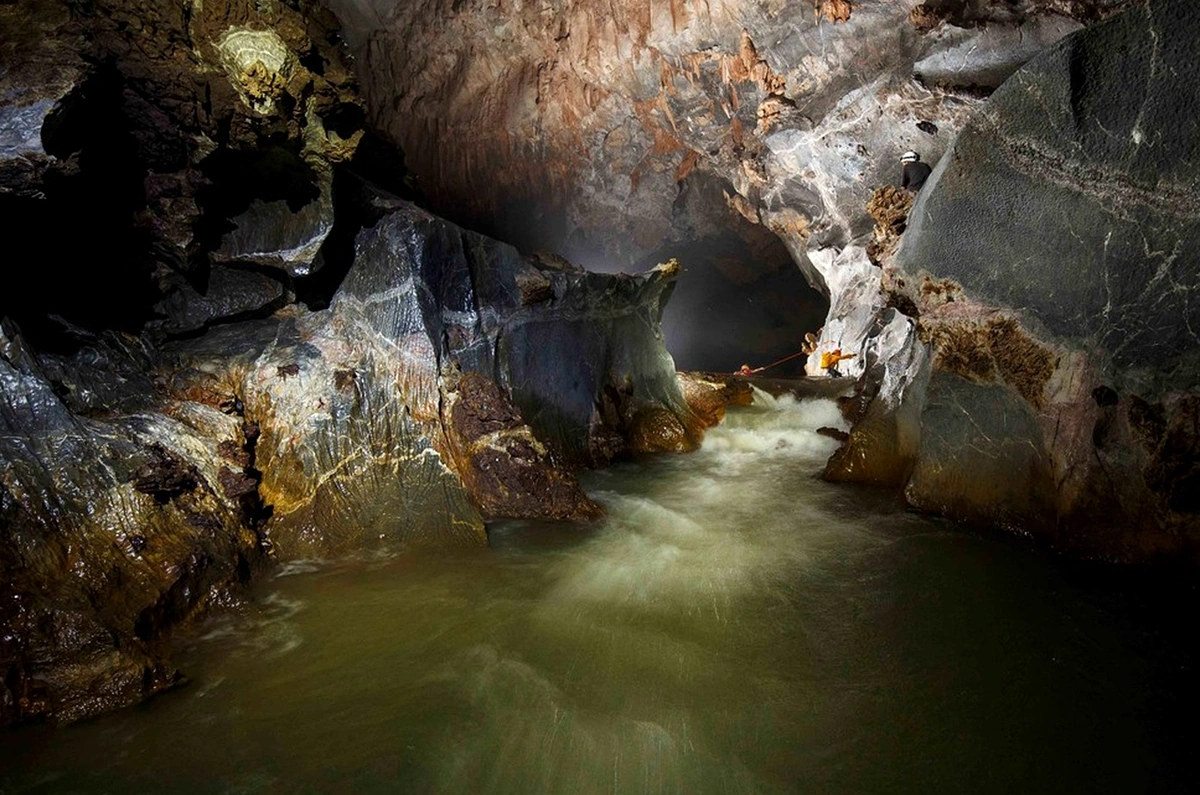
Deeper within the Labyrinth (Migong) section lies a delicate micro-world where stone flowers, stone branches, and frost-like calcite needles cluster in intricate crystalline patterns. Every fine detail reflects patient mineral deposition across countless ages. Together, sweeping halls, delicate micro-formations, and careful preservation turn Huanglong Cave into a living museum of Earth’s history told through light, water, and stone.
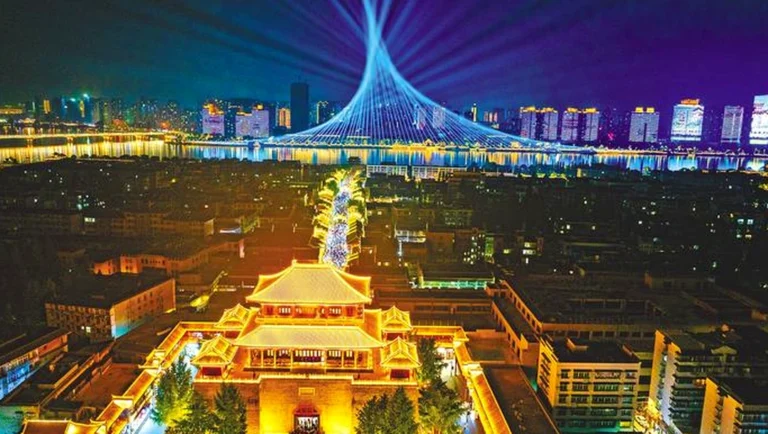
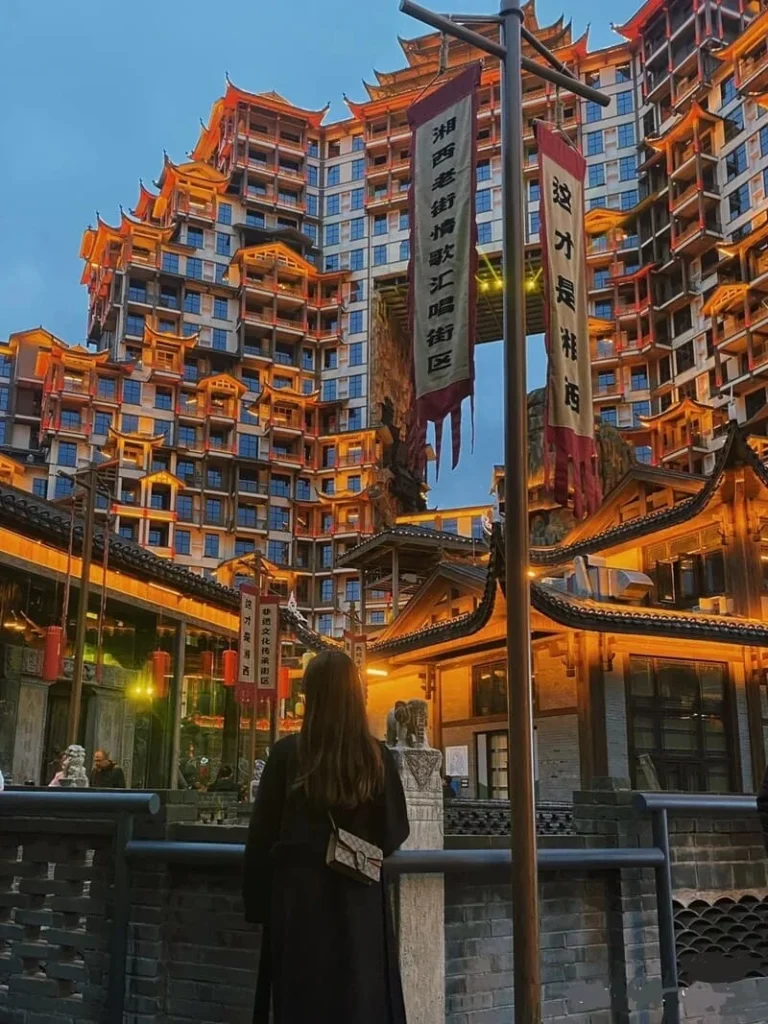
As dusk settles over Zhangjiajie and sandstone peaks fade into the quiet of Wulingyuan, the world around Huanglong Cave shifts into an evening program of light, sound, and cultural performance. Stepping out from the daytime bustle into evening surroundings reveals another side of the site—blending mythic imagery with the lyrical traditions of Tujia culture.
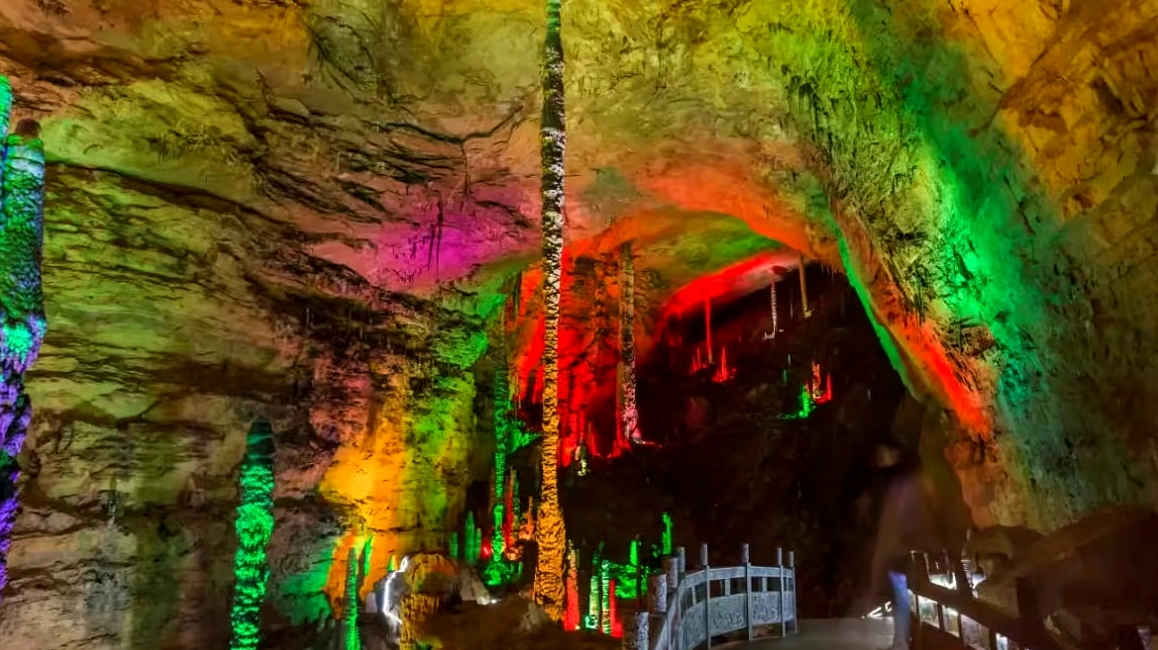
A standout feature of night illumination inside Huanglong Cave is the use of low-heat LED fixtures paired with fiber-optic lighting rather than high-heat incandescent or halogen lamps, protecting delicate cave ecology and dripstone surfaces. Lighting designers follow restrained layering and natural hues—such as soft blue, deep green, and warm amber—to trace three-dimensional curves across columns and stalagmites, giving the deep cavern a luminous, dreamlike atmosphere.
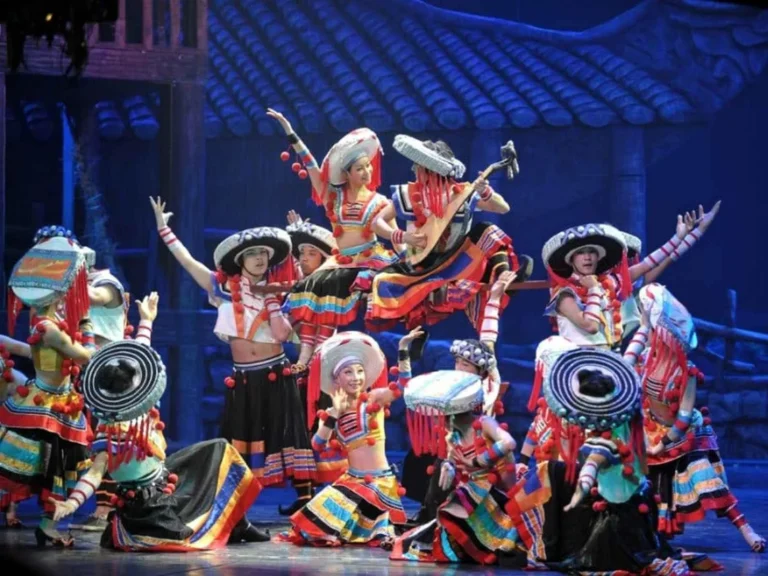
Outside the cave at the foot of the mountain, an open-air ecological plaza hosts the large-scale theater and Tujia pastoral village setting known as Tianyuan Muge (“Pastoral Songs”). Designed like an outdoor cultural stage, it portrays mountain village life in western Hunan through folk traditions such as Tima ritual songs, bridal lament songs, and the lively Mugutu dance.
By pairing traditional folk heritage with modern stage lighting, sound, and projection, these outdoor performances link subterranean scenery with highland village culture—creating a full-day-to-evening rhythm (“sightseeing in the cave by day, cultural show by night”) that lets visitors experience both natural wonder and local heritage.
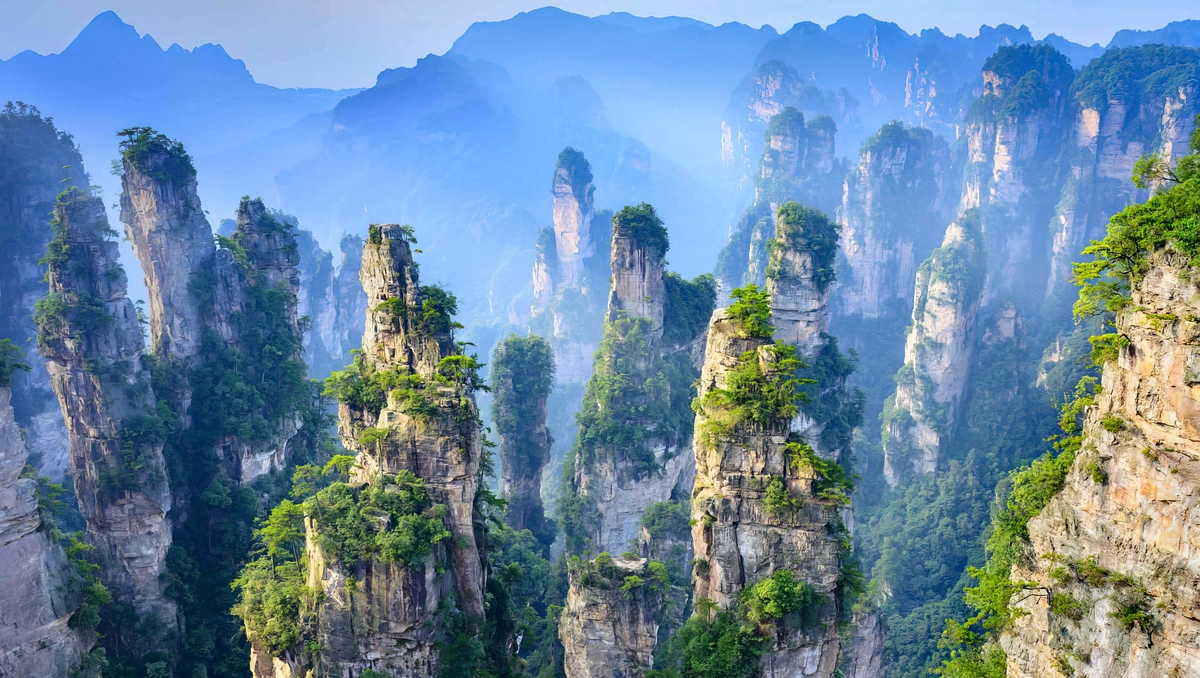
Exploring Zhangjiajie’s caverns also opens a window into a distinct mountain cuisine shaped over centuries by Tujia and Miao culinary traditions. Rooted in high-mountain living, local flavors are often summed up by four qualities: sour/tangy, spicy, smoked, and rustic. As evening mist drifts over nearby villages, woodsmoke and herbal aromas from family kitchens carry the scent of highland cooking.
Central to Tujia cuisine is Tujia Sanxiaogua (“Three-Pot Dish”), a signature dish of western Hunan. According to local lore, during the Ming Dynasty when Tujia soldiers were mobilized for coastal campaigns, cooks quickly combined available provisions—such as cured meat, tofu, and fermented soybean-and-corn mash (hezha)—in a single pot so troops could eat warm, filling food before marching. Today, local cooks prepare refined dry-pot (ganwa) and broth-pot (tangwa) variations in heavy cast-iron woks over high heat, tossing sliced local pork, offal, or tofu with pickled green and red chili peppers (xiaomi jiao), chopped scallions, and numbing Sichuan peppercorns for a bold, layered flavor.
Alongside Sanxiaogua are traditional highland preservation staples: western Hunan smoked pork (Xiangxi larou) and smoked blood tofu (xuedoufu). For smoked pork, Tujia households select mountain black pigs with firm meat and balanced fat, cure them with salt and spices, and hang them over slow fires for months. Burning pine branches, cypress wood, tea-seed husks, and dried tangerine peel imparts a rich smoky aroma and deep reddish-amber hue. Blood tofu combines fresh pig blood, crumbled tofu, and minced pork belly seasoned with five-spice powder, stuffed into casings and smoked dry; sliced thick and steamed, it offers a rich, savory-nutty bite with a distinct hearth aroma.
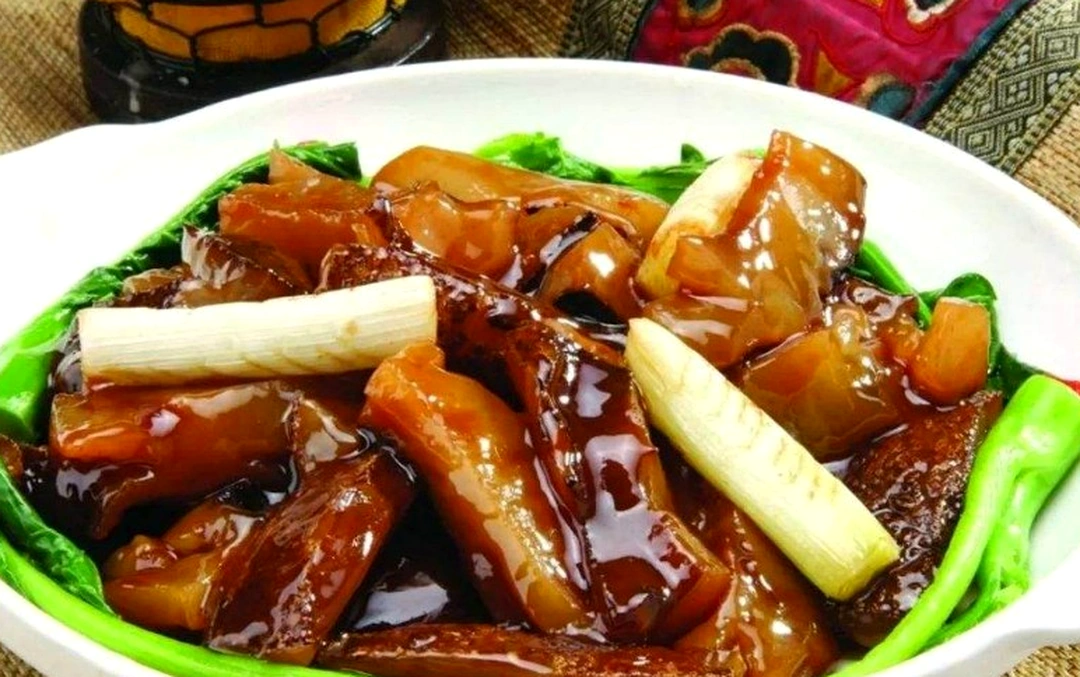
Rounding out local specialties is rock-ear mushroom stewed with free-range mountain chicken (yan’er dun tuji). Rock ear (Umbilicaria) is a rare lichen harvested from steep, damp limestone cliffs by skilled climbers working with ropes. Simmered slowly with free-range mountain chicken, wild peppercorns, and ginger, it yields a golden, fragrant, naturally sweet broth prized in mountain hospitality. Visitors can also sample lighter folk foods such as mugwort cakes (haocao ba) made with spring greens and wild kudzu starch (yesheng gegen fen) processed using traditional mountain water flumes.
Planning a smooth visit to Huanglong Cave in Zhangjiajie starts with checking seasonal operating hours. During peak season from March through November, ticket gates typically operate from 8:00 AM to 5:30 PM; during low season from December through February, hours generally adjust to 8:30 AM to 5:00 PM so visitors can exit comfortably before dusk.
Booking tickets in advance via official mini-programs or authorized online channels is strongly recommended, as site management enforces daily visitor caps to protect the fragile cave environment and reduce holiday wait times. Standard admission typically covers both exploring the multi-level cave system and riding a boat along the underground Xiangshui River—a memorable highlight of the route.
Reaching the scenic area is straightforward thanks to Zhangjiajie’s transport links. Travelers arriving by air can fly into Zhangjiajie Hehua International Airport (ZJJ) or take a high-speed train to Zhangjiajie West Station, then connect via regular buses to the Wulingyuan core scenic area. From downtown Zhangjiajie, Bus Route 1 or a taxi provides a direct, convenient transfer to the park entrance.
Inside the cave, the standard route spans roughly 3.5 kilometers of paved paths, bridges over chasms, and a boat stretch on the underground river, usually taking about 2 to 2.5 hours depending on your pace and photo stops. Because interior temperatures stay around 16°C year-round, carrying a light jacket or windbreaker is smart even in hot summer months like June and July.
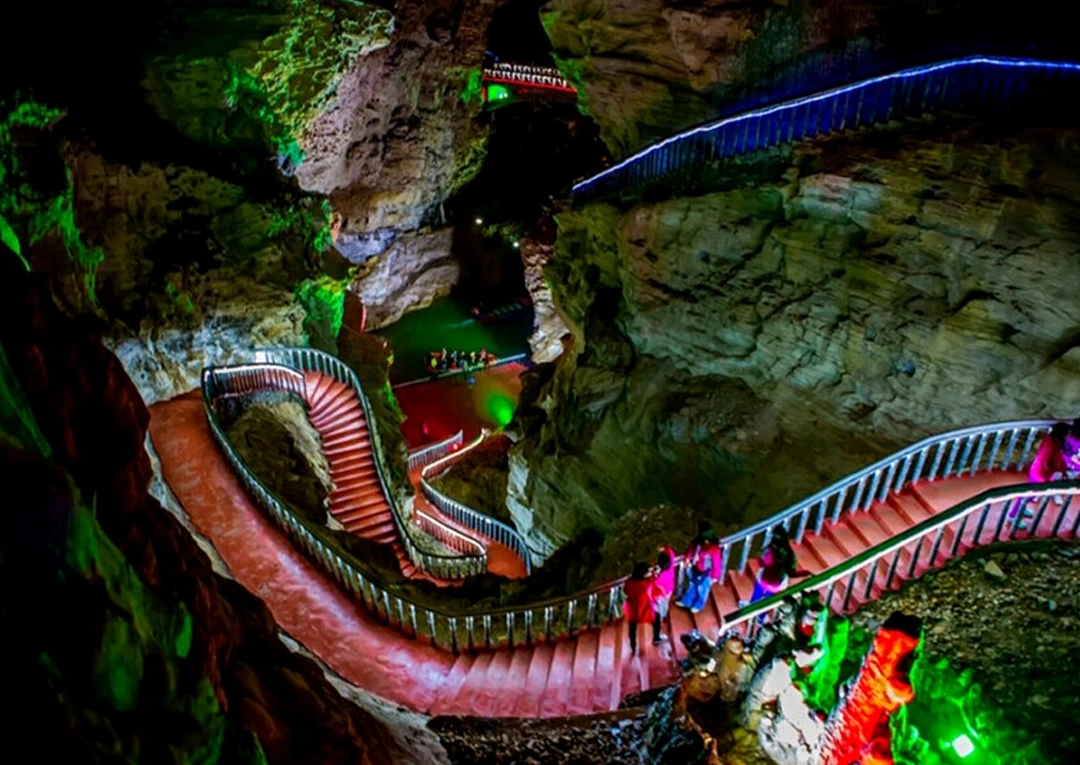
Finally, keep safety and conservation guidelines in mind throughout your visit. Damp stone floors can be slick from seepage and condensation, so wear sturdy, high-grip walking or hiking shoes. Avoid using camera flash or bulky tripods in sensitive areas, never touch stalactites, stalagmites, or columns—as skin oils and contact can harm formations built over millions of years—and take your own health and comfort into account if you have heart or blood-pressure concerns or feel uneasy in enclosed spaces. For a well-paced trip with full itinerary support, explore our all-inclusive tour packages planned by experienced travel specialists.