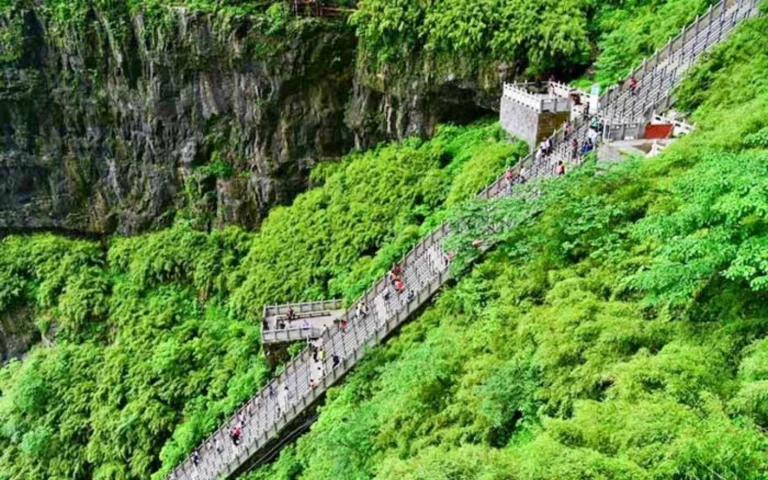
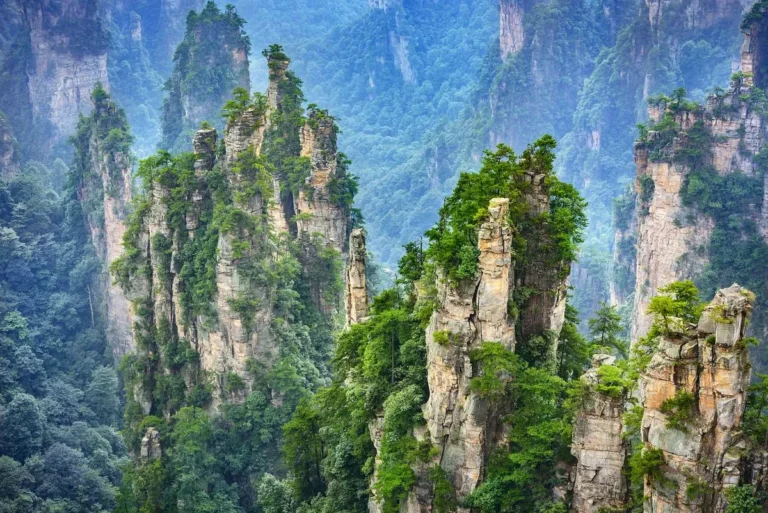
Tracing the historical annals of ancient Zhangjiajie—a land that once bore weathered, poetic names like Cili or Dayong—allows us to fully comprehend the historical depth and human pioneering process of the majestic Wuling mountain range. In the memories of northern feudal dynasties, this region was recorded in ancient texts as a “barren land beyond the pale of civilization,” serving as an ancient gathering ground for ethnic minorities possessing mysterious customs and pristine indigenous cultures. Exploring deeper into famous Ming and Qing dynasty gazetteers such as the Yongding County Chronicle or the Cili County Chronicle, alongside field documentation systems of local chieftains, we encounter the image of a deep valley that once bore a haunting rustic name: Lanchuan Gorge, also known as the Broken Boat Ravine. That rustic name arose from the valley’s treacherous terrain, where the stream at the bottom roared fiercely over sharp underwater rocks, causing native wooden rafts of the past to frequently collide with hidden reefs and shatter amidst the white water. Through all worldly vicissitudes, alongside modernization rhythms and meticulous geological surveys of the modern century, the former Lanchuan Gorge has been reshaped and bestowed with a more majestic designation: the Zhangjiajie Grand Canyon, marking a grand transformation from a wild, perilous realm into a human natural heritage.
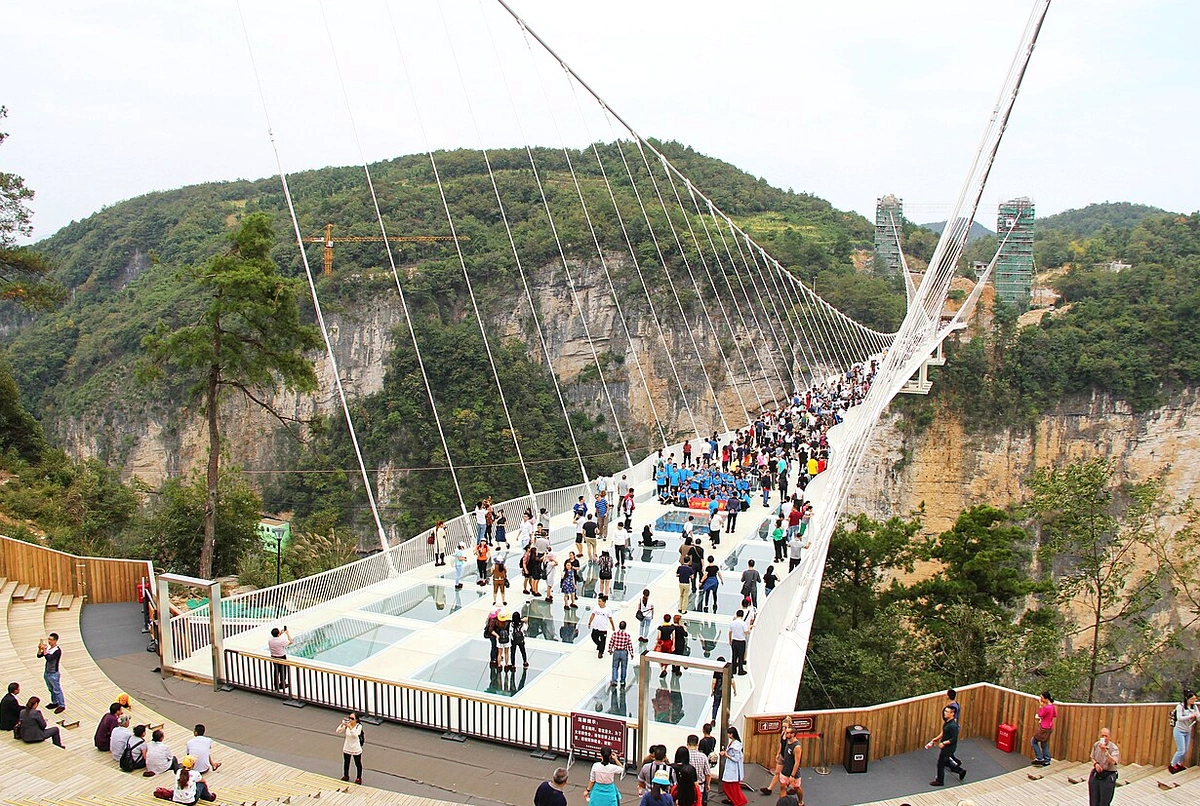
Nestled in the heart of that solemn Grand Canyon, the Grand Canyon Glass Bridge is not merely an artificial architectural wonder, but also the crystallization of Eastern philosophy and contemporary design thinking, bearing a deeply poetic honorary title: Yuntian Du. According to cultural researchers and the design team, the name “Yuntian Du” embodies the profound meaning of a celestial bridge soaring gracefully among the lofty clouds of the high sky, spanning across the Milky Way, while simultaneously serving as a pathway challenging human courage and virtue, helping people transcend boundaries of existence and primordial fear. This unique idea is the outcome of artistic and engineering thinking honed between talented Israeli scholar-architect Haim Dotan and scenic area board chairman Chen Xianghong, who dedicated immense passion to breathing cultural soul into every steel beam and glass panel of the bridge.
The birth journey of this world-record glass bridge is an epic of human will conquering nature, commemorated through a rigorous chronicle meticulous to the tiniest detail. Starting from the 2012–2014 phase, the project was officially conceptualized and master-planned, opening an unprecedentedly bold direction in world bridge-building history: constructing a suspended glass pedestrian walkway at a dizzying height between two sheer cliffs. Going beyond theoretical blueprints, from 2014 to 2015, a colossal volume of work was deployed featuring dozens of wind tunnel tests alongside countless rigorous structural safety appraisal seminars to ensure the structure could withstand the harshest weather conditions of the high mountains. By 2015, machinery sounds officially echoed across the great forests as the project entered actual construction, demanding extreme engineering precision in utilizing specialized cableway systems to hoist multi-ton structural components mid-air. Finally, on August 20, 2016, the Grand Canyon Glass Bridge officially entered trial operations, instantly shattering and establishing a series of world records for height, length, and glass transparency, towering upward to become a contemporary symbol of China’s bridge-building industry, attracting millions of admiring gazes from all four corners of the globe.
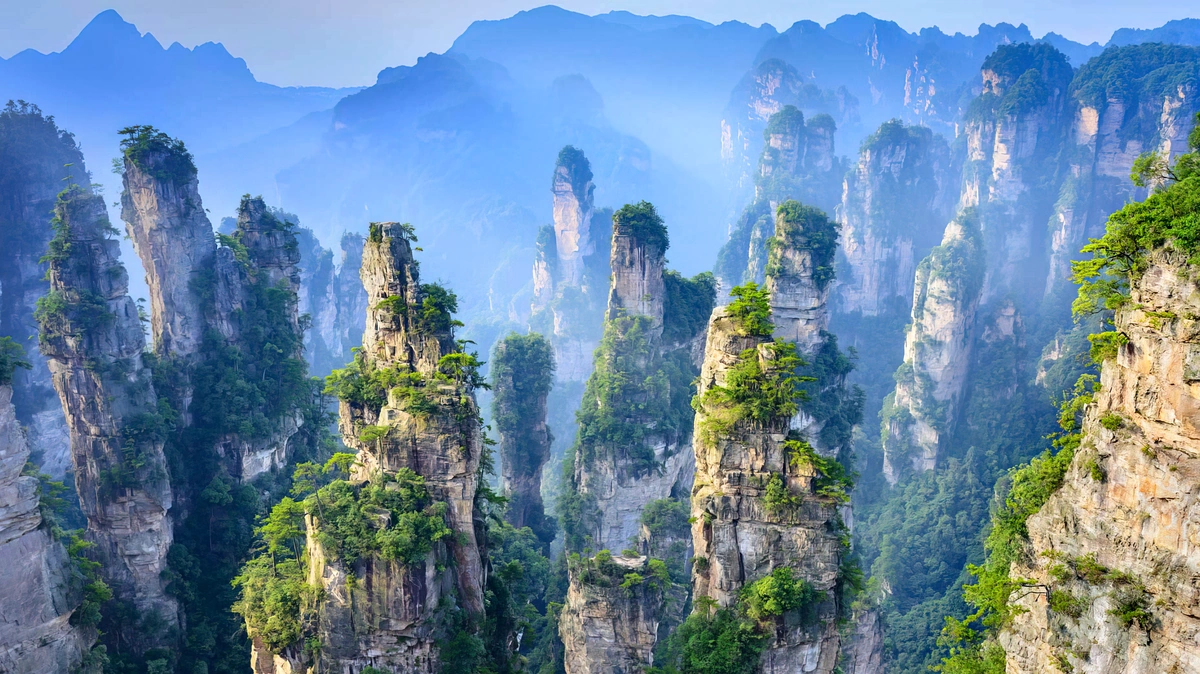
Located in Sanguansi Township, Cili County, within the city of Zhangjiajie, Hunan Province, the Grand Canyon Glass Bridge sits right at the geographical center of the Wuling Mountain range, converging nature’s most magnificent tectonic masterpieces. Under the lens of geologists and landscape researchers, this area is positioned as an exceptionally unique topographical transition zone, perfectly intersecting characteristic quartz sandstone peak-forest landforms and mysterious underground Karst cave geomorphology. Through millions of years of Earth crust movements, uplifting tectonic processes combined with the persistent erosion of water flows have created a deeply carved V-shaped valley featuring parallel sheer cliffs stretching in a Northwest-Southeast direction. This deep basin topography has painted a pristine, majestic yet perilous natural landscape, posing challenging yet inspiring problems for engineers and architects during master planning.
The design concept and location positioning of the bridge thoroughly leveraged natural topographical advantages, adhering strictly to principles of absolute harmony with the indigenous ecosystem. The bridge is positioned to span the hollow space between the peaks of two towering mountains, borrowing sturdy virgin rock walls as natural load-bearing anchors to establish a classic architectural composition deeply imbued with “two mountains clamping one bridge, one stream flowing through the valley bottom.” From a spatial planning perspective, selecting this coordinate not only solved complex engineering challenges regarding wide spans but also generated a breathtaking panoramic viewpoint, turning the bridge into a delicate yet proud brushstroke spanning the Grand Canyon’s magnificent natural scenery. All geological surveys were conducted with absolute precision to guarantee minimal interference with surrounding rich vegetation and pristine sandstone structures.
Going beyond technical parameters and structural shapes, viewed through traditional feng shui and Eastern philosophy, the positioning of the Grand Canyon Glass Bridge harbors deep cultural layers regarding the dialectical relationship between humanity and nature. The project represents the flawless realization of “heaven and humanity in unity” and “concealing wind and gathering breath” arts in Eastern feng shui. According to landform principles, both bridgeheads are guarded by two grand towering mountains acting as the Green Dragon and White Tiger talismans sheltering and protecting both flanks, while the roaring stream rushing beneath hundreds of meters of deep abyss is likened to a jade ribbon (jade belt water) functioning to “restrain breath and gather accumulation,” helping regulate favorable energy across the entire valley space. The combination of stillness and motion, millennial silent rock mass and unceasingly flowing water generates a remarkably powerful feng shui energy current, transforming this place into a sacred convergence point of heaven and earth.
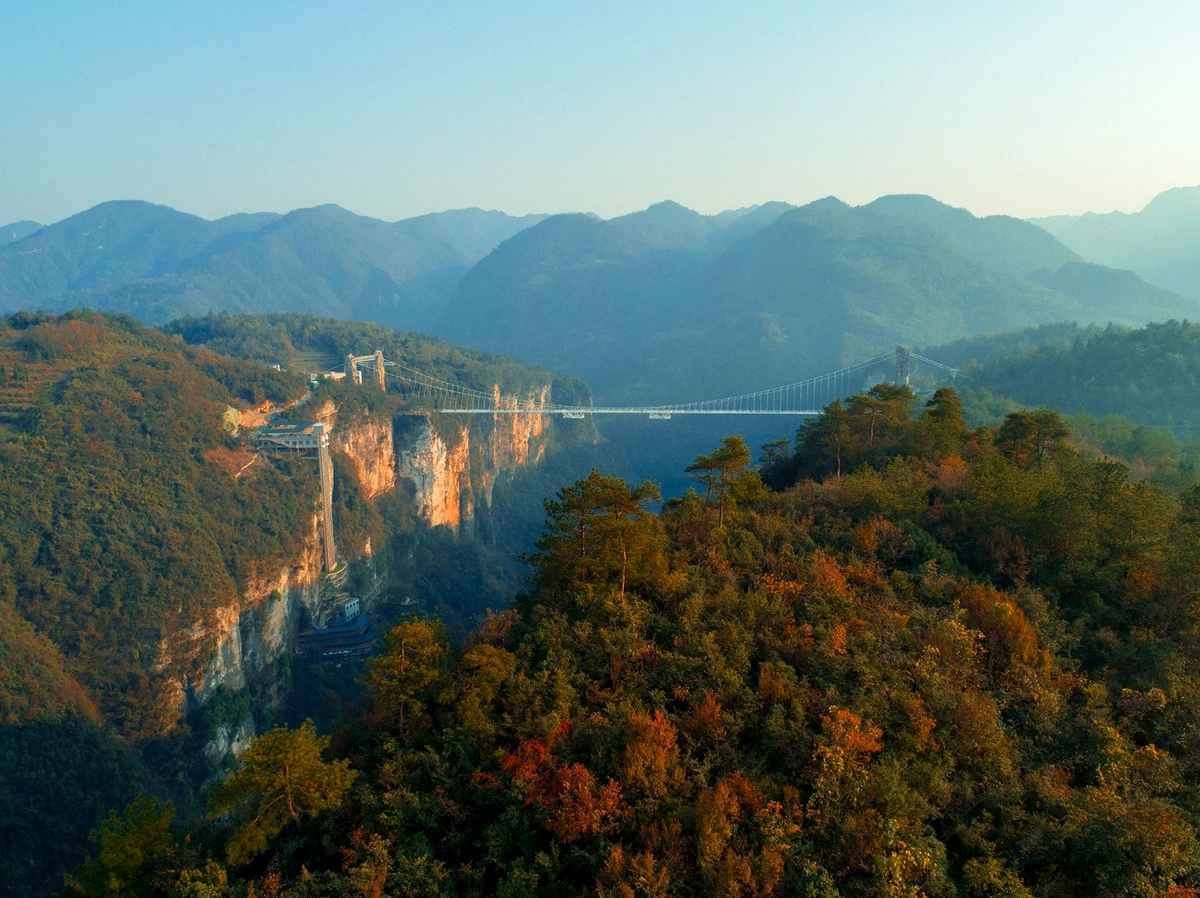
The premier unique feature establishing this project’s fame and symbolic value lies in spatial processing artistry via the intersection of yin and yang polarities, clearly expressed through materials and design structures. The entire bridge deck is crafted from absolutely transparent tempered glass panels, granting visitors a floating, precarious sensation mid-air when walking with infinite space beneath their feet alongside a distant tiny stream, a design bearing “void” (yin) characteristics. Conversely, enveloping visitors is the deep blue sky, boundless clouds, winds, and rolling towering rock mountains, bearing “solid” (yang) characteristics. This subtle opposition dissolves boundaries between artificial architecture and wild nature, completely breaking limitations of closed traditional construction works, thereby opening an unprecedented intense dialogue between human bio-fields and primordial cosmic energies.
Stepping into the mystical space of the Zhangjiajie Grand Canyon, where drifting clouds and sheer cliffs blend into an earthly fairyland, visitors are instantly overwhelmed by an artificial wonder spanning two deep cliffs: the Grand Canyon Glass Bridge, reverently called Yuntian Du by locals and the global architectural community. Viewed from afar, the bridge resembles a delicate silk ribbon, a pristine silver streak crossing a profound abyss, connecting two spatial shores seemingly separated for eternity. Yet behind that poetic, breath-taking beauty lies a pinnacle civil engineering and construction masterpiece, an eloquent testament to the flawless union of modern architects’ boundless creative thinking and absolute reverence for eternal natural wonders.
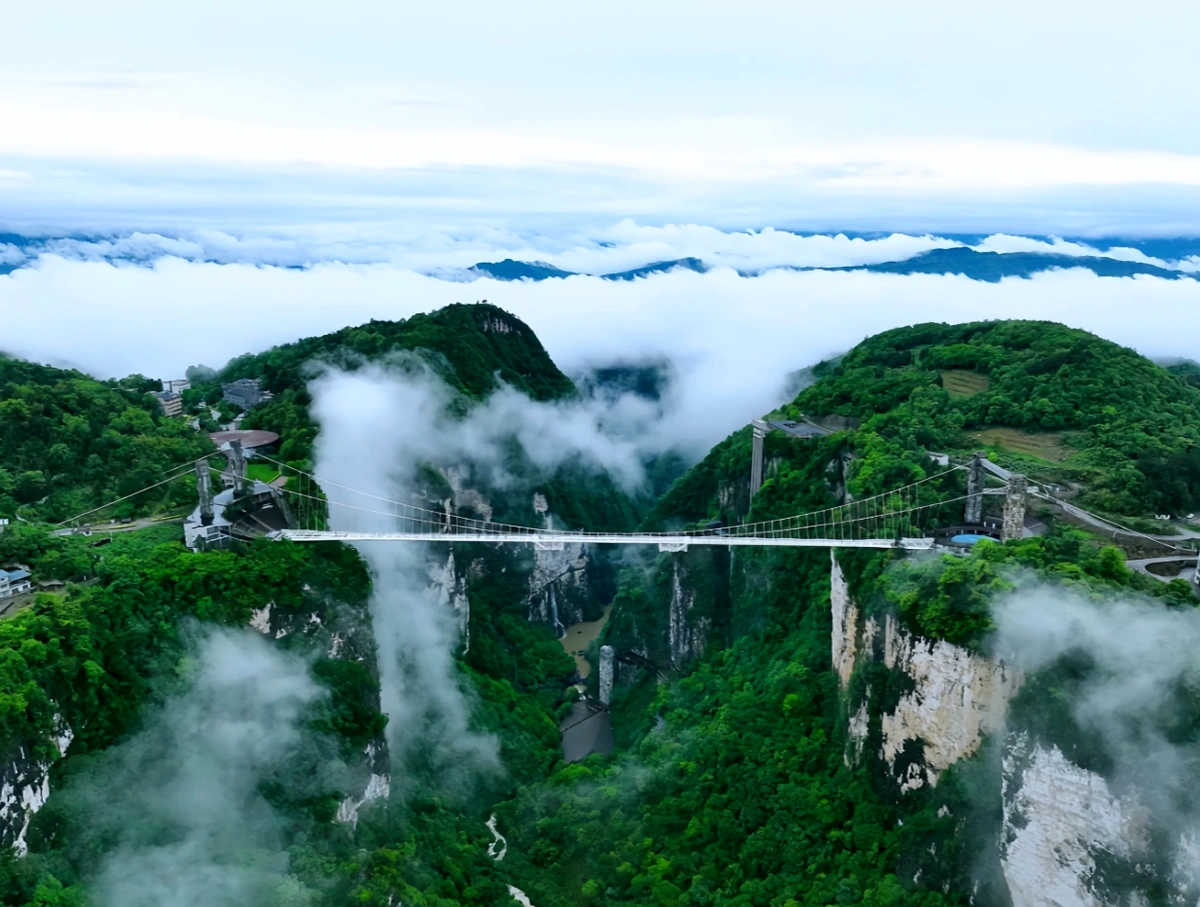
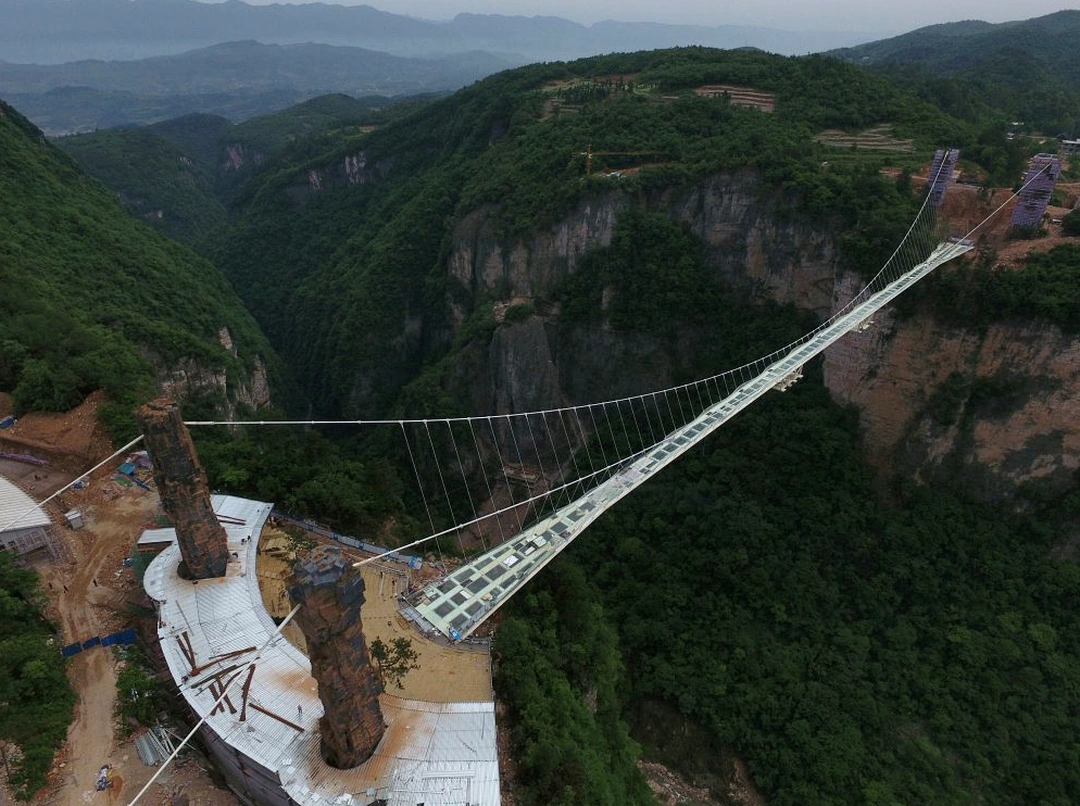
From the perspectives of chief engineers and architectural culture historians, Yuntian Du’s spatial structure breaks away from traditional suspension bridges worldwide, shaped instead as a spatial cable-truss bridge. To materialize this bold vision across China’s most perilous terrain, the design team solved grueling problems concerning materials, load capacity, and notably valley wind dynamics. Total bridge length reaches an impressive 430 meters, deck width spans up to 6 meters providing expansive sightseeing space, while relative height above the abyss floor reaches approximately 300 meters. The colossal weight is borne by main cables made of high-strength parallel steel wire strands, with both anchorage ends deeply embedded into the mountain’s solid bedrock body via massive load-bearing anchorage foundations, transforming natural cliffs into the sturdiest supports for the entire system.
However, the true soul establishing Yuntian Du’s global fame is its transparent deck, where material crafting artistry reaches the apex of advanced global glass manufacturing technology. The deck is engineered from meticulous assembly of 99 colossal tempered glass panels, each undergoing rigorous thermal and chemical treatments to achieve a 5 cm thick triple-layer structure. Even more astonishingly, engineers selected ultra-white raw materials with extremely low iron content, elevating light transmittance beyond 96 percent. This subtle choice eliminates green hues typical of ordinary glass, delivering absolute transparency as if no barrier exists, while pushing travelers’ visual sensations to peaks of excitement and suspense when beneath their feet lies only the endless void of clouds and abyss.
Beyond transparency and grand scale, Yuntian Du is an aerodynamic masterpiece regarding wind and seismic resistance rooted in deep engineering dynamics understanding. Architects equipped the bridge with a unique wind-deflecting damping system combined with an aerodynamically optimal main girder cross-section, empowering the structure to withstand century-scale gales and powerful geological tremors without compromising foundational structures. Furthermore, safety is maximized: even under extreme scenarios where a glass panel cracks, multi-layer internal laminated films retain sufficient load capacity to support multiple adults standing simultaneously without subsidence. Every concealed detail inside the structure, from weathering steel load-bearing bracing rods to color blending harmonizing with surrounding limestone karst tones, exemplifies profound architectural philosophy: blending artificial beauty deeply into nature’s grand creation.
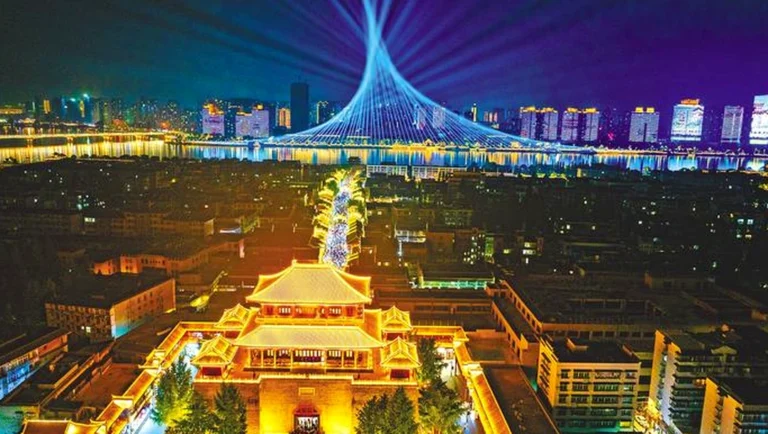
When night falls, shrouding the Zhangjiajie Grand Canyon in the characteristic somber stillness of millennial quartz sandstone mountains—once bound by harsh natural laws and indigenous survival philosophies of “working by day, resting by night”—that temporal boundary dissolves completely via one of contemporary tourism’s boldest visual technology revolutions. Unwilling to let architectural and landscape masterpieces submerge in darkness, scenic management invested a colossal budget to craft international-level nighttime lighting art and live-action performances, transforming the famous glass bridge and deep gorge into a borderless stage both magnificent and laden with legendary breath.
Crossing the twilight threshold, as wispy mists rise from the deep abyss, tens of thousands of smart LED lamps and advanced optical laser systems cleverly concealed along mountain slopes ignite, weaving a multi-dimensional light carpet embracing sheer cliffs and cascading white waterfalls. The focal point of that magical picture is the Grand Canyon Glass Bridge, aka “Yuntian Du,” which by day challenges visitor nerves and by night morphs into a sparkling Milky Way spanning the night sky. Thanks to dynamic fiber-optic cables installed neatly along bridge railings, glass panels and steel frames continuously shift colors rhythmically to spatial melodies—from mystical indigo, somber violet to brilliant turquoise—granting distant observers sensations of beholding an alien civilization’s light vessel hovering in the void.
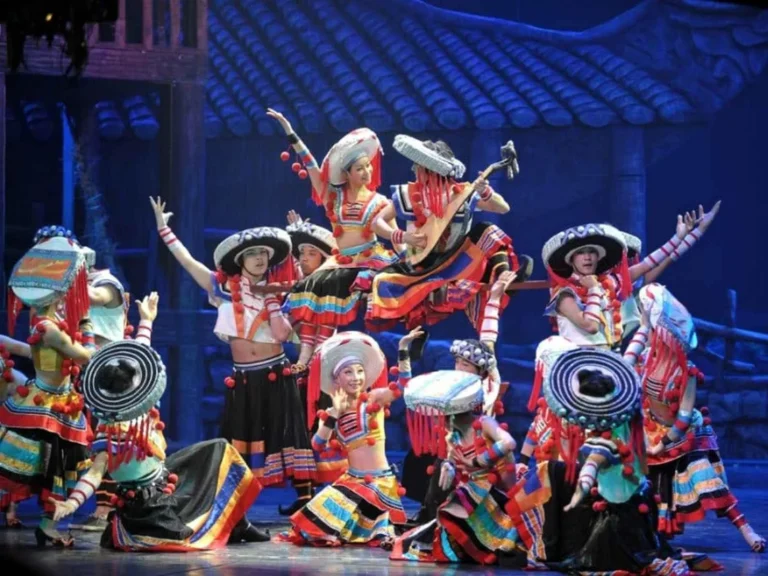
Yet nighttime allure here extends beyond pure light shows, infused with indigenous cultural depth via elaborately staged live-action performing arts and folk performances. Right on the suspended glass bridge and deep canyon bottom, visitors enjoy premier Tujia ethnic performing arts, such as “Jiahuo” percussion (bamboo-wood gong and drum beats with resonant rhythms simulating ancient labor and battle sounds) and high mountain folk songs echoing with pristine lyrical qualities. Antiphonal singing and reedy leaf flutes blending with canyon winds generate primordial acoustic textures, transporting listeners backward in time to ancestral Wuling mountain cultures.
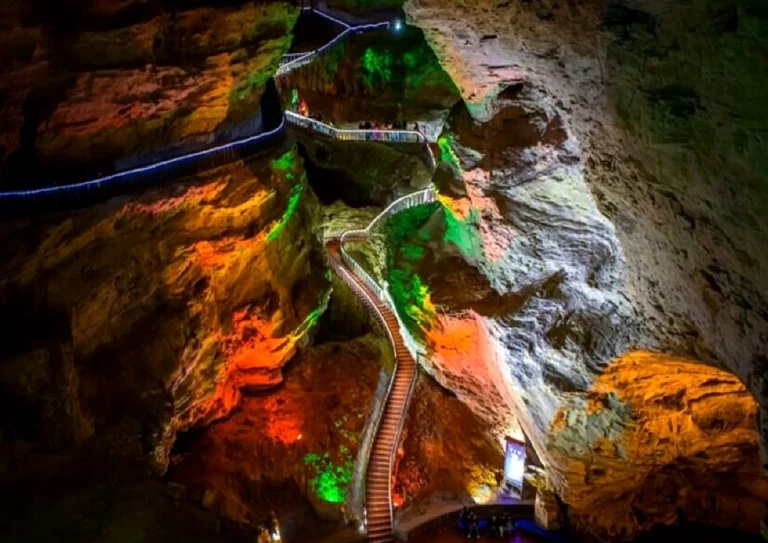
The pinnacle of nighttime artistic experiences at the Grand Canyon is a water music show combining laser effects and holographic projections directly onto natural cliffs and inside magnificent caves. Inspired by ancient Tujia folklore, especially White Tiger deity worship (the tribe’s guardian) and Tiyma culture (keepers of cosmic knowledge and spiritual bonds between humans and deities), lighting directors re-enacted epic murals of ethnic origins, creation myths, and grand migrations. Amidst mountain stillness, holographic images projected sharply onto torrential water screens from hundreds of meters high, accompanied by surround sound, immerse visitors in an illusory realm where past and present, myth and reality dissolve, leaving deep impressions of a heritage both majestic and mystical.
Transcending breathtaking emotional highs on the Grand Canyon Glass Bridge, Zhangjiajie opens a captivating chapter in its deep valleys: indigenous culinary worlds rich in Tujia and Miao heritage. Forged across centuries coexisting with harsh yet magnificent nature, local gastronomy blends survival wisdom and traditional food philosophy, encapsulated in four original characters: sour, spicy, smoked, and fresh. Amidst rolling mountains, every dish satisfies palates while functioning as a living cultural museum preserving historical memories and family recipes passed down generations.
Mentioning intangible culinary heritage peaks here, one cannot overlook Sanxiaguo (three-down pot) – a national culinary treasure embodying imperial Chinese history. According to Ming dynasty Jiajing era oral legends, when imperial chieftains led armies south to suppress rebellions, to ensure soldiers maintained combat readiness in treacherous tropical forests, locals devised combining available ingredients in a single large wok. Over time, that combat dish evolved into a renowned specialty featuring smoked pork, tender tofu, pork caul or tripe stir-fried with dried chilies and wild Sichuan peppercorns. Served hot, ingredients blend intimately in fiery red mountain chili hues, radiating pungent smoke and tongue-numbing spices waking all senses, compelling tasters to marvel at irresistible depth and rice-accompanying brilliance.
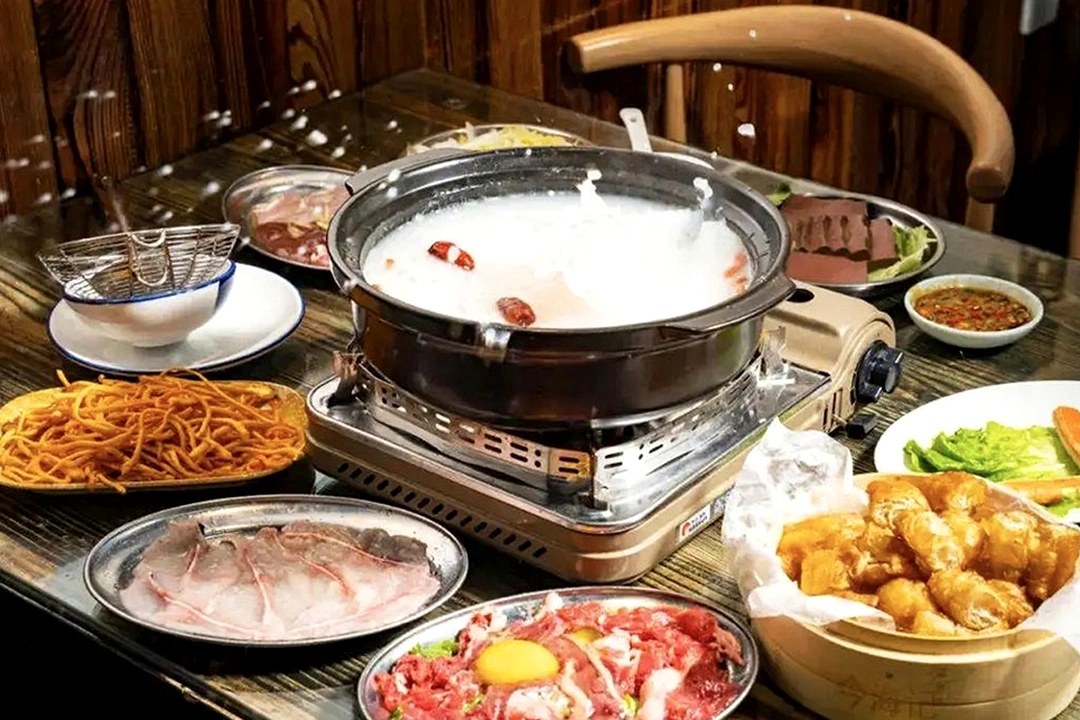
Alongside Sanxiaguo, highland culinary canvases are adorned by Tujia smoked pork and unique blood tofu crafting arts. Locals select free-range black pigs raised on high mountains, seasoning meat strips before hanging them above hearths, smoking them continuously for months with pine branches and aged tea citrus peels. That patient process dyes meat amber-glossy, revealing clear fat layers blending with rosy-red lean meat, exuding rich smoky aromas. Accompanying smoked pork is blood tofu (xue doufu)—a rustic culinary wonder made from fresh pig blood, diced tofu, and minced pork belly, seasoned with five-spice and smoked until outer layers firm up while inner textures become dense, chewy, and savory.
The gastronomic journey at the Grand Canyon is soothed by medicinal soups crystallized from scarce sheer cliff ingredients. Outstanding among them is wild lichen stewed with indigenous chicken (yansher dun tujiji). Wild lichen is extremely rare, growing precariously in steep cliff crevices where mists linger and humans rarely tread. Extreme scarcity transformed lichen into historical imperial tribute. Combined with free-range mountain chickens and simmered slowly for hours, it yields crystal-clear broths of ethereal sweetness, restoring vigor and calming souls after dizzying bridge walks.
Concluding authentic culinary feasts are rustic countryside treats imbued with ethnic minority sentiments. These include Shefan rice (shefan)—made from She tree leaves picked on Qingming festival mixed with smoked pork and glutinous rice, steamed in wooden steamers exuding earthy herbal aromas. To cap off exploring days, sipping Zhangjiajie raspberry tea (qingxianliu tea) is ideal. Containing abundant flavonoids, it delivers slight bitterness turning quickly into deep sweet aftertastes, renowned for cooling, detoxifying, and regulating body functions. All these flavors weave a living culinary culture flowing through Zhangjiajie’s profound mountain rhythms.
Exploring the engineering masterpiece Grand Canyon Glass Bridge (张家界大峡谷玻璃桥) requires meticulous tactical guides to ensure safety and emotional fulfillment amidst clouds and winds. Preparation begins with mastering operating hours: management opens gates at 08:00 AM and closes ticket counters at 17:00 PM daily, while nighttime viewings operate from 18:30 to 21:30 depending on weather. Due to massive crowds, bridge ticket sales utilize network-wide online identity verification, completely omitting on-site ticket counters. Experienced travelers note booking 5 to 10 days in advance via official platforms during peak seasons.
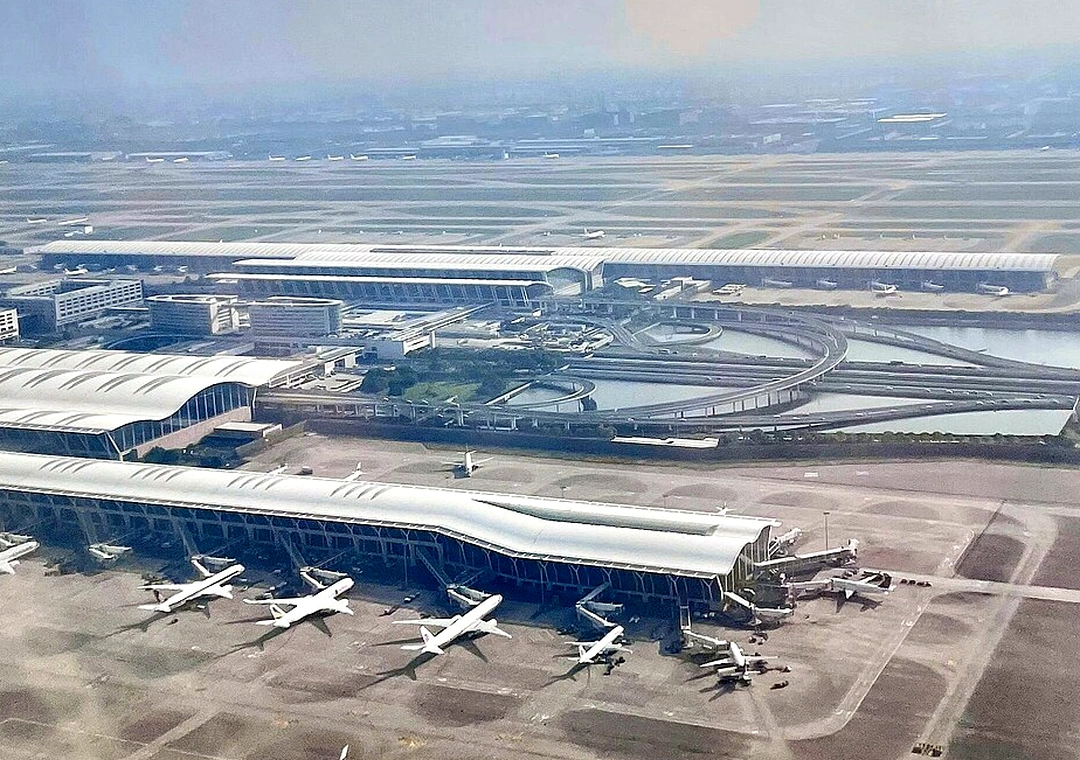
Regarding transport connections, starting points typically involve Zhangjiajie Hehua International Airport or Zhangjiajie West Railway Station, offering tourist buses or private rentals straight to the Grand Canyon scenic spot in Sanguansi Township, Cili County, taking about an hour along winding scenic passes. Upon arrival, standard tours start at visitor centers for security and ticket checks, followed by walking or modern elevators reaching “Yuntian Du,” before strolling along cliff trails (“Tianxuan Walkway”) or riding high-speed outdoor slides down to the valley floor. Visitors then walk along wooden boardwalks by crystal streams before returning via inclined elevators or tour boats.
Dress codes and safety regulations on suspended glass bridges demand strict compliance. Visitors must wear specialized anti-slip shoe covers provided on-site, strictly banning high heels to prevent uneven pressure on tempered glass panels. Personal recording devices like cameras or smartphones must feature wrist safety straps, while sharp items in pockets are prohibited. Visitors with histories of hypertension, heart disease, or extreme acrophobia are advised against stepping onto the glass deck. Additionally, Zhangjiajie’s mountain weather changes unpredictably; carrying windbreakers and compact umbrellas is a helpful tip preventing sudden rains or mists from disrupting adventures. To turn encyclopedia knowledge into emotional footpaths, travelers can explore all-inclusive tour packages designed with top-tier service standards.