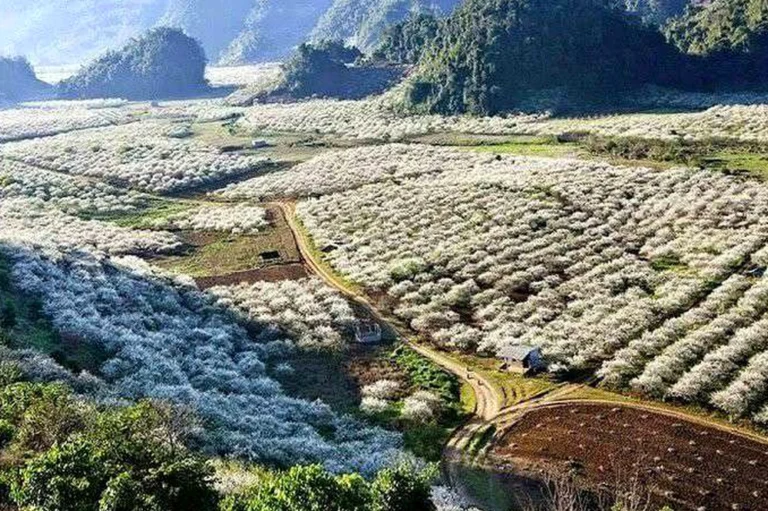
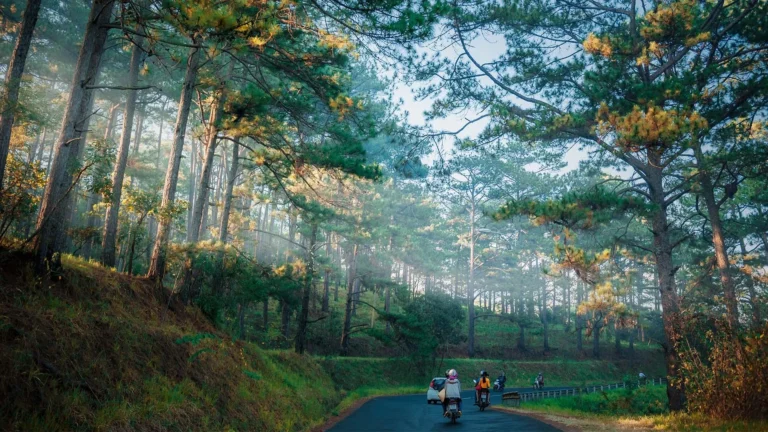
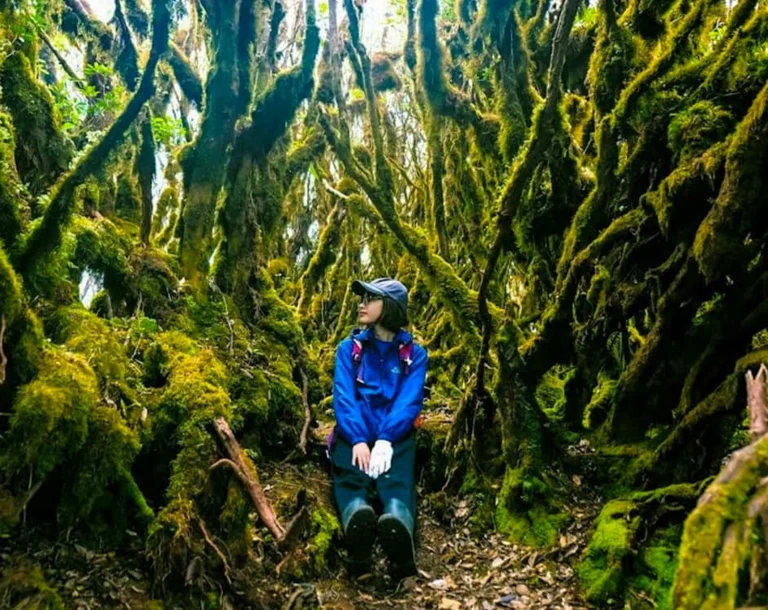
Located at approximately 20°51′ N latitude and 104°42′ E longitude, at an average elevation ranging from 900 to 1,050 meters above sea level, the natural landmark popularly referred to by mainstream travelers as the “Ta Xua Lonely Tree” is, in fact, a scenic treasure belonging to Phu Mau Village, Chieng Son Commune, Moc Chau District, Son La Province. This sentimental mix-up in naming by commercial media has inadvertently created a geographical illusion, detaching the landmark from the majestic Moc Chau mountain range and associating it with Ta Xua Peak in Bac Yen District. Viewed through the lens of heritage science and human geography, restoring this landmark’s original identity is not merely an administrative standardization; it is an act of tribute to a silent witness of time that has rooted itself firmly in the earth across centuries of change.
From the perspective of mountain lore and traditional feng shui, the ancient tree occupies a sacred topographical formation passed down through generations by Thai and Hmong elders under the geomantic names “Returning Dragon and Phoenix Beak” intertwined with “Mountains Embracing, Waters Gathering.” Its back rests steadily against the ancient limestone ranges of the majestic Northwest system, oriented along a Northwest–Southeast axis that serves as a natural windbreak shielding the land from harsh prevailing winds sweeping down from the upper Da River. Stretching out before it is an undulating basin valley, where underground streams and the Nam Sap River wind day and night depositing fertile alluvium, fostering a temperate microclimate shrouded in ethereal mist across all four seasons. This terrain does more than sustain the resilient life of a botanical wonder; it serves as a sacred meeting point between heaven, earth, and the highland people.
Turning back the pages of history and combining silvicultural analysis with soil-cultural stratigraphy, this ancient tree is dated between 80 and over 120 years old, originating in the late Nguyen Dynasty and spanning the turbulent transition from the late 19th to the early 20th century (under the reigns of Emperors Dong Khanh through Khai Dinh). Embodying the form of an indigenous ancient woody species (identified locally as closely related to the highland docynia apple or endemic mountain hardwood varieties), the lonely tree has witnessed generations of ethnic minority communities clearing land, establishing villages, and tending hillside fields. Its indigenous name, “Thao Pao,” is woven into local legends of steadfast romantic love, sacred vows exchanged beneath its boughs before seasonal festivals, and cooling shade sheltering herders grazing buffalo across the windswept slopes.
Through the vicissitudes of time and the shifting rhythms of modern life, this landmark has transcended the definition of ordinary flora to become an invaluable landscape heritage icon. Cultural management authorities and specialized journalists have increasingly recognized it as a rare eco-humanistic highlight where nature and collective memory merge into one. Amid an era of digitalization and tourism commercialization, the proud, solitary yet dignified presence of the Chieng Son ancient tree stands as a profound reminder of ancestral roots, the untamed beauty of the Northwest mountains, and the enduring vitality of traditional cultural values that deserve to be cherished and preserved for generations to come.
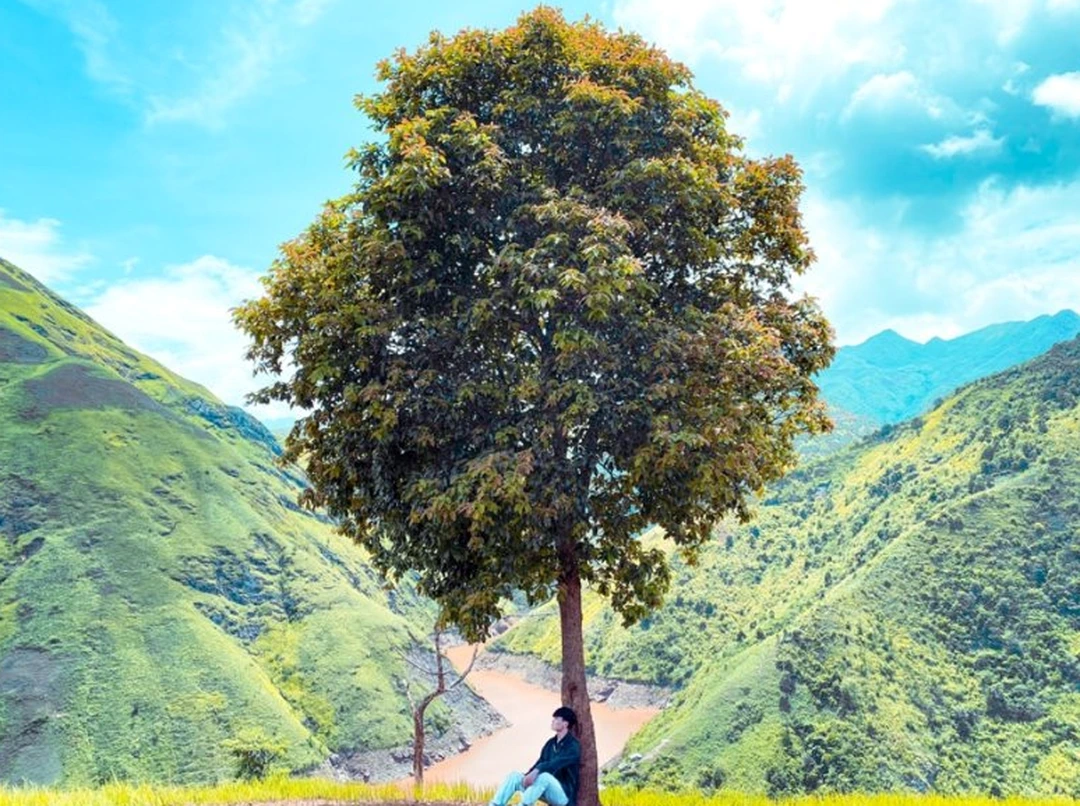
Seen through the eyes of fine-art photography and ecological landscape design, the landmark misnamed the “Ta Xua Lonely Tree”—which actually reigns over an expansive valley in Chieng Son Commune, Moc Chau—emerges as a magnificent architectural masterpiece sculpted by the hand of nature and the passage of time. The surrounding landscape is a seamless symphony of the Northwest highlands, where rolling plateau terrain creates dramatic visual depth. The trunk rises grandly into the open sky, bearing gnarled, weathered, yet commanding contours forged over a century of enduring mountain winds and mist. Its sprawling branches stretch outward with deliberate grace, casting a wide canopy of shade over a tranquil patch of earth and forming a one-of-a-kind silhouette found nowhere else. Its solitude evokes neither bleakness nor sorrow; rather, it accentuates the noble, proud, and majestic beauty of an enduring symbol of resilience amid the vast wilderness.
Framing this botanical masterpiece is a breathtakingly grand and poetic natural panorama. In the distance, rolling mountain ridges appear and vanish behind gossamer veils of early morning mist, interwoven with sweeping valleys carpeted in lush green crops and grasslands. The basin topography of the “Returning Dragon and Phoenix Beak” formation ensures that every vantage point opens onto endless spatial depth, creating a multidimensional visual experience for onlookers. Natural light here is the most magical medium nature bestows upon photographers. At dawn, while morning mist still clings to the foliage and the valley floor below, the first golden sunbeams pierce through the leaves to create an enchanting optical phenomenon, cascading shafts of light down onto the ancient trunk in a dreamlike tableau. Conversely, at dusk, the setting sun paints a corner of the Northwest sky crimson, casting deep, antique hues across the rugged bark and awakening profound nostalgia within every traveler’s soul.
To capture the full million-view beauty of this landscape heritage, professional photographers and seasoned travelers swear by two classic camera angles prized for their compositional precision and lighting. The first vantage point sits on the southeastern hillside, where a wide-angle lens can frame the lonely tree’s proud stance as the central subject against a backdrop of misty mountain waves and the winding valley below. The golden hour for this shot is between 5:30 AM and 6:30 AM, when a sea of clouds or morning fog drifts through the valley, yielding a serene, mystical composition steeped in East Asian aesthetics. The second angle offers a close-up perspective (combining a telephoto lens) looking upward from the south, highlighting the gnarled texture, twisted grain of the ancient trunk, and the bold reach of its distinctive boughs. The ideal window for this angle is from 4:00 PM to 5:00 PM, when slanting afternoon sunlight casts dramatic shadows and high contrast, accentuating every weathered, resilient line of this living monument at the heart of the Moc Chau plateau.

After navigating winding mountain passes to finally arrive at the scenic landmark mislabeled the “Ta Xua Lonely Tree”—yet truly situated in Phu Mau Village, Chieng Son Commune, Moc Chau District—visitors are immediately drawn into an awe-inspiring journey rich in authentic local culture. Exploring the area goes far beyond admiring a single ecological wonder; it opens the door to a variety of outdoor adventures. Travelers can challenge themselves on gentle hiking trails across emerald grassy hills or unwind aboard small boats gliding softly along underground streams and the Da River basin veiled in early mist. Conquering the wide-open expanses of this windswept plateau brings an exhilarating rush that washes away every trace of urban fatigue.
Standing before the vast basin valley shaped by the “Returning Dragon and Phoenix Beak” terrain, every visitor’s initial sense of wonder inevitably deepens into quiet contemplation. Amid the boundless expanse of the Northwest sky and mountains, the sight of the ancient tree standing tall through the passage of time stirs an indescribable sense of nostalgia. Travelers often spend hours in silent reverence, immersing themselves in the tranquil spiritual atmosphere and feeling a sacred harmony between humanity and nature. Gazing down across the valley from above as drifting clouds cloak the ancient limestone peaks creates a living masterpiece of scenery that leaves the spirit weightless, serene, and brimming with positive energy.
Beyond its visual splendor and spiritual depth, exploring Chieng Son – Moc Chau awakens every sense through the renowned indigenous cuisine of the Thai and Hmong peoples. Right beneath the shade of the century-old tree or in nearby villages glimpsed through wisps of evening hearth smoke, visitors can savor dishes infused with the bold flavors of the Northwest mountains. Highlights include aromatic smoked highland pork, savory stream fish grilled with mac khen (forest pepper), paired with fragrant upland sticky rice and warm sips of spicy leaf-fermented corn wine brimming with local hospitality. This seamless blend of grand scenery, historical depth, and authentic culinary experiences turns the destination into a vivid, unforgettable memory for anyone fortunate enough to visit.
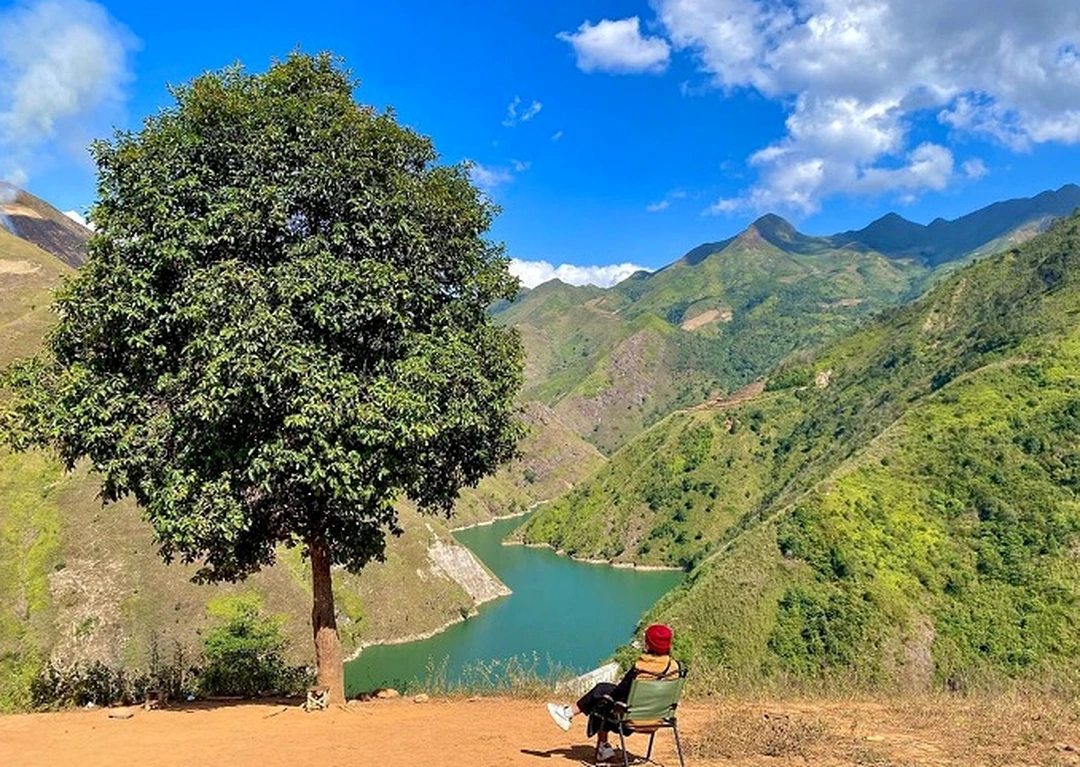
According to scientific studies and official identification records, the “Lonely Tree” area located in Phu Mau Village, Chieng Son Commune, Moc Chau District does not actually fall within Ta Xua (Bac Yen) as mainstream travel platforms frequently misstate. To enjoy a fulfilling, authentic journey that respects the local ecological and cultural space, travelers should keep essential details regarding visiting hours, costs, and optimal routes in mind.
Regarding operating hours, this scenic site welcomes visitors freely every day of the week from 6:00 AM to 6:00 PM. Because it sits within a highland valley sensitive to weather shifts, limiting visiting hours helps protect the ecosystem and ensures traveler safety once dusk falls. Notably, admission is currently completely free of charge, as the site has not been commercialized into a gated ticketed attraction; visitors simply need to look after their personal belongings and strictly observe a no-littering rule to preserve the pristine landscape.
The best time of year to visit the Chieng Son “Lonely Tree” is from October to April. During these months, the Moc Chau plateau enters its dry season with crisp weather and morning mist draping the valley, creating an ethereal setting true to the “Mountains Embracing, Waters Gathering” landscape—ideal for sightseeing and fine-art photography. To get there from central Moc Chau Town, head along National Highway 43 toward the Long Sap Border Gate, then turn left onto the inter-commune road signposted for Phu Mau Village. The route spans roughly 25–30 km; while mostly paved in concrete, it features steep inclines and hairpin bends typical of the Northwest highlands. A high-clearance car or a semi-automatic/manual motorbike with thoroughly checked brakes is the safest choice, whereas small-displacement scooters are best avoided.
Finally, because this natural space is closely tied to the spiritual life of the local Thai and Hmong communities, visitors should dress neatly and respectfully, prioritizing comfortable, breathable clothing and sturdy athletic shoes with good grip for navigating damp, rocky ground. Avoid overly revealing outfits, and refrain from climbing on or carving into the ancient trunk so its biological integrity and heritage value remain intact for future generations.
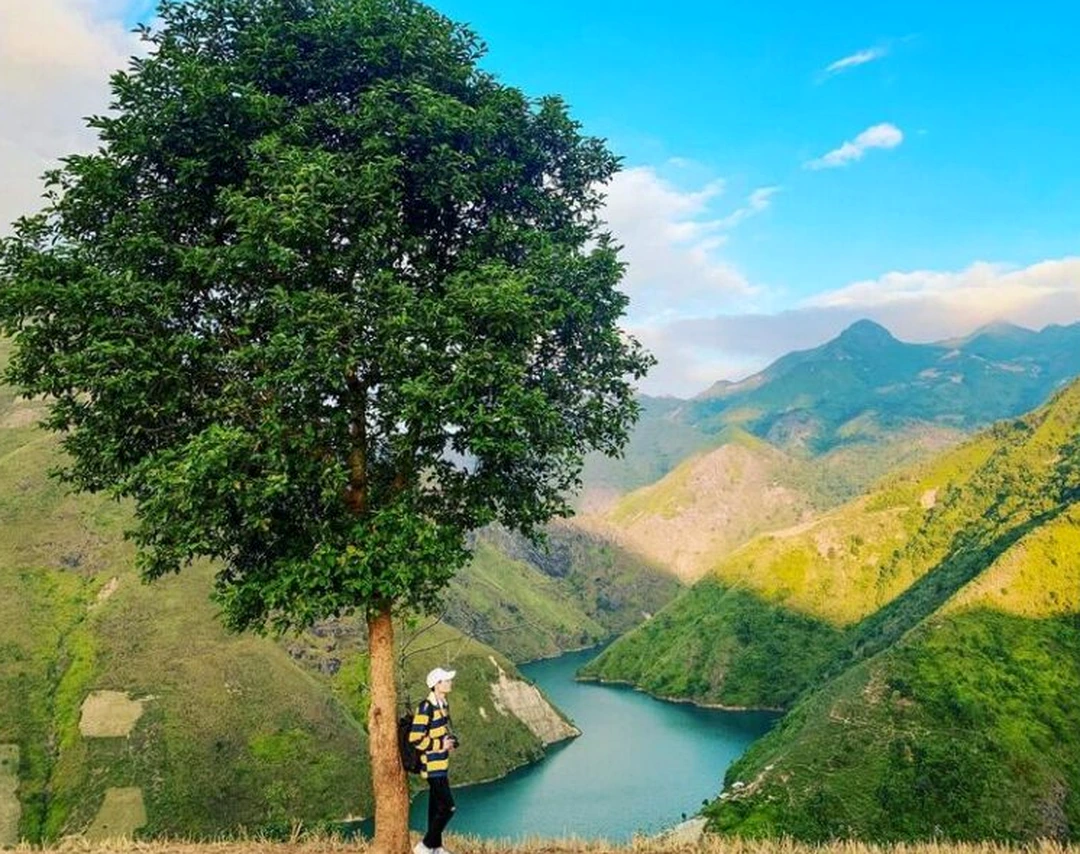
To enjoy a seamless getaway and take in the full splendor of the Ta Xua Lonely Tree without worrying about transportation logistics, attraction tickets, or itinerary planning, travelers can opt for VDS Travel’s premium all-inclusive Moc Chau tour packages. Every itinerary is thoughtfully timed for photo stops when the scenery is at its finest, accompanied by knowledgeable local guides and top-tier hotel and dining standards.