Perched along the majestic mountain routes of Vietnam’s Northwest, Ta Xua Bamboo Forest emerges as a singular destination where drifting clouds and mountain winds converge to form an invaluable natural and historical heritage site. Located in Ta Xua Commune, Bac Yen District, Son La Province, this primeval forest sits at an elevation of 1,600 to 2,000 meters above sea level. At such heights, Ta Xua not only enjoys a cool temperate climate year-round, but is also enveloped by an ethereal sea of floating clouds, transforming the area into a mystical boundary between earth and sky. In terms of geomancy and terrain, Ta Xua embodies the classic “coiling dragon and crouching tiger” topography of a rugged frontier, where steep mountain ranges intertwine with deep valleys to create a formidable natural defensive belt once recorded in the historical gazetteers of the Nguyen Dynasty.
Turning back the pages of ancient chronicles, during the feudal era, this land belonged to Phu Yen Canton, Van Prefecture, Hung Hoa Garrison—a vital territory for military strategy and border security. In historical works such as Dai Nam Thuc Luc (Veritable Records of the Great South) and Dai Nam Nhat Thong Chi (Comprehensive Gazetteer of the Great South), the rugged highlands of Bac Yen were closely linked to pacification campaigns and border defense. In particular, the vast expanse of old-growth bamboo standing tall and proud against the wind and sun served as a silent witness to a heroic era. During the 19th-century resistance against the Phe invaders and later anti-colonial movements, the remote, inaccessible terrain and dense shelter of the bamboo groves became a revolutionary base, a secret liaison corridor, and a strategic ambush site for insurgent forces and the ethnic peoples of the Northwest.
In the indigenous language of the Hmong people, the name “Ta Xua” evokes untamed wilderness, yet beneath that surface lies a deep tapestry of spiritual culture and centuries-old history. According to ethnographic fieldwork and religious research, this bamboo forest once served as a secluded sanctuary for wandering ascetics and monks of the Truc Lam Yen Tu Zen sect. Choosing a bamboo forest—a symbol of noble integrity and resilient flexibility (“strength within gentleness”)—as a place of quiet contemplation reflected a unique synthesis between Vietnamese Buddhist philosophy and the indigenous spiritual traditions of the Hmong and Thai peoples. It represents a remarkable meeting of monastic discipline and pristine natural beauty.
Viewed through the lenses of heritage and geology, Ta Xua Bamboo Forest possesses a rare scenic splendor that cultural authorities and the press frequently praise as a real-life “wuxia martial arts realm.” Its flora is dominated by high-altitude native bamboo species growing naturally in immense primeval stands, shooting straight toward the sky to form deep green tunnels dappled with sunlight filtering through the canopy. Beneath the forest’s thick leaf litter, archaeologists from the Vietnam Institute of Heritage and Cultural History have uncovered remnants of ancient encampment foundations alongside stone artifacts and coarse pottery dating back to the Hmong migration period in the 18th and 19th centuries. These traces testify to a living cultural landscape where humanity and nature coexisted, blended, and shaped a distinctive heritage space for the thousand-year-old land of Son La.
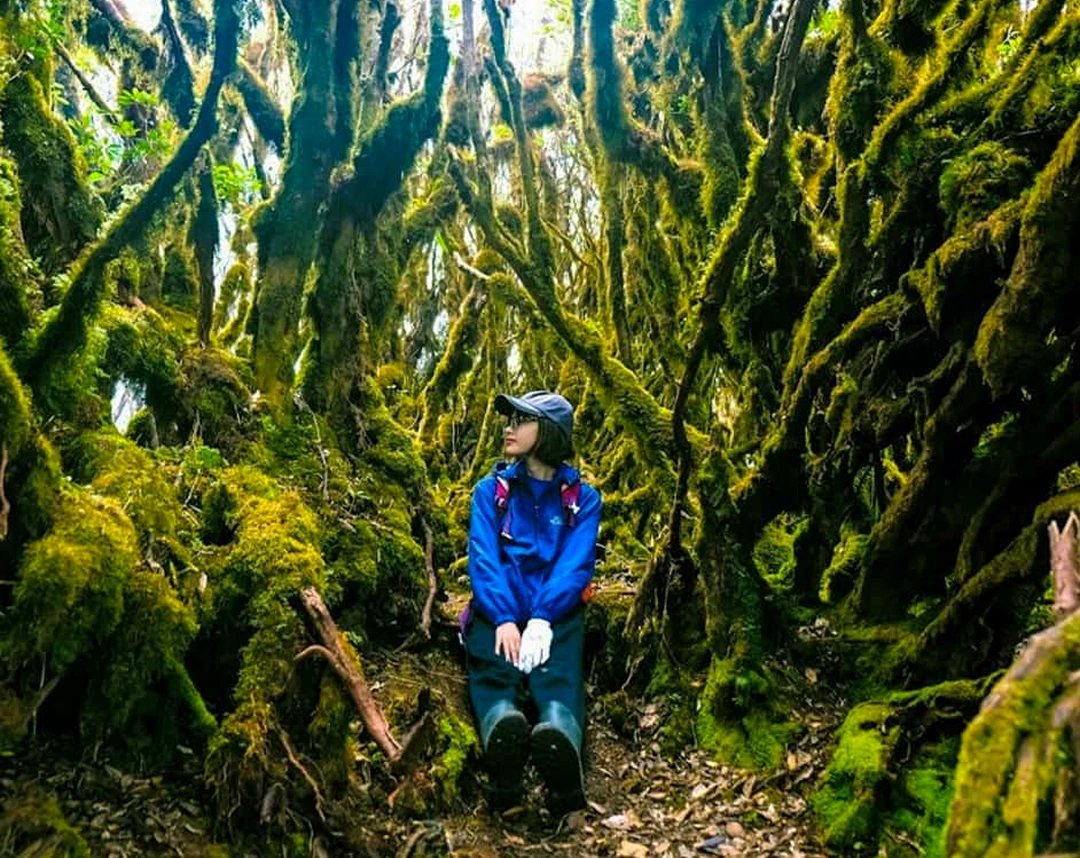
Resting high upon the towering mountain slopes of Bac Yen District, Son La Province, Ta Xua Bamboo Forest stands as a breathtaking natural masterpiece of the Northwest. The area boasts an extraordinary basin-like topography framed by steep hillsides and endless mountain ridges reaching into the clouds. Over centuries of uninterrupted growth, millions of bamboo stalks have risen straight and tall toward the heavens, weaving together into an infinite emerald backdrop. Sculpted by the wondrous hand of nature, the forest is far more than a primeval ecosystem; it resembles a colossal green architectural monument where every line of stalk and leaf radiates majesty, expansiveness, and serene solitude.
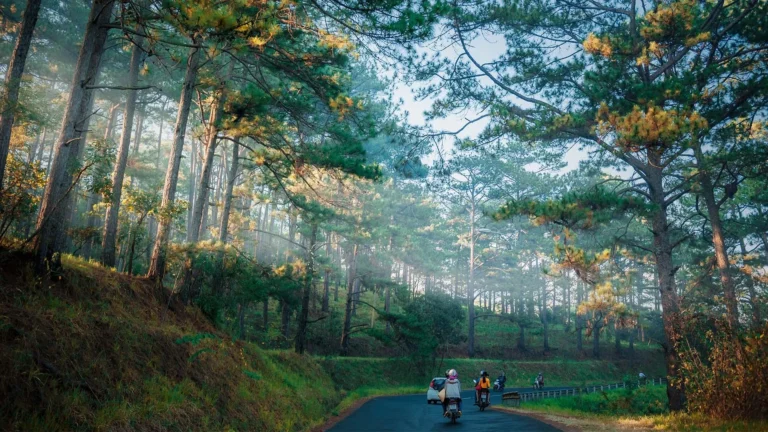
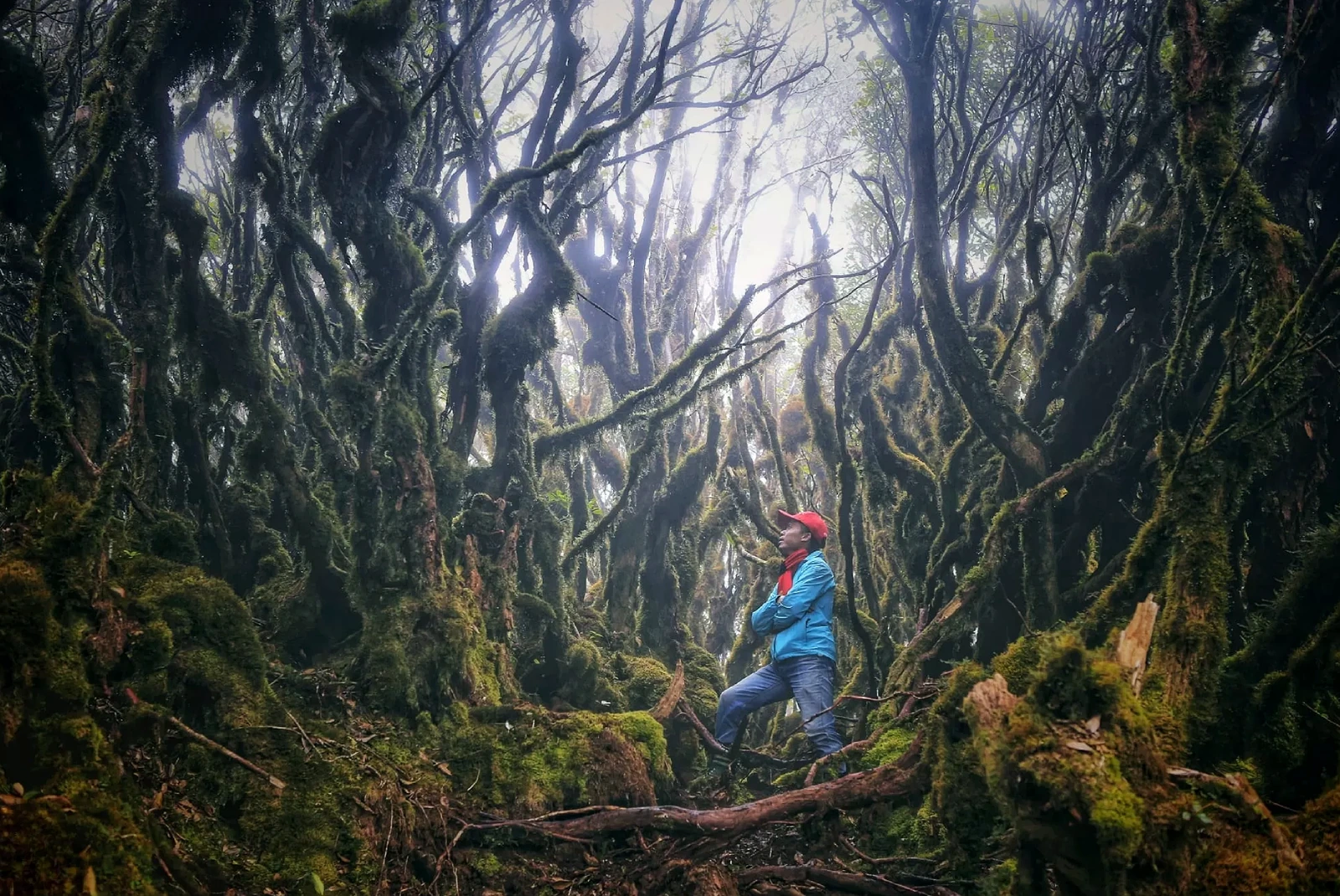
Stepping deeper into the grove, visitors feel transported into a world entirely removed from the bustle of city life. The natural architecture of Ta Xua Bamboo Forest bears the artistic imprint of time itself. Weathered, moss-draped mature stalks intertwine with thousands of vibrant green young shoots reaching up to greet the early morning rays. When mountain breezes sweep through, the entire forest stirs into a whispering symphony of rustling bamboo leaves, evoking the tranquil atmosphere of an ancient Zen monastery. Shafts of sunlight pierce the dense canopy, casting golden ribbons across the thick carpet of fallen leaves to paint a scene at once ethereal and magnificent.
To capture the full splendor of this scenic wonder, professional photographers and avid travelers frequently share their most coveted vantage points. The first million-view photo spot is the “Central Bamboo Path,” where two towering rows of bamboo curve along the mountainside, forming a giant natural archway leading deep into the heart of the forest. Shooting from a low angle straight up toward the sky here captures the dizzying height and monumental scale of the primeval grove. The golden window for photography at this spot is between 6:00 AM and 8:00 AM, when the first rays of dawn slant through the thick morning mist clinging to the leaves, creating an enchanting halo of god rays.
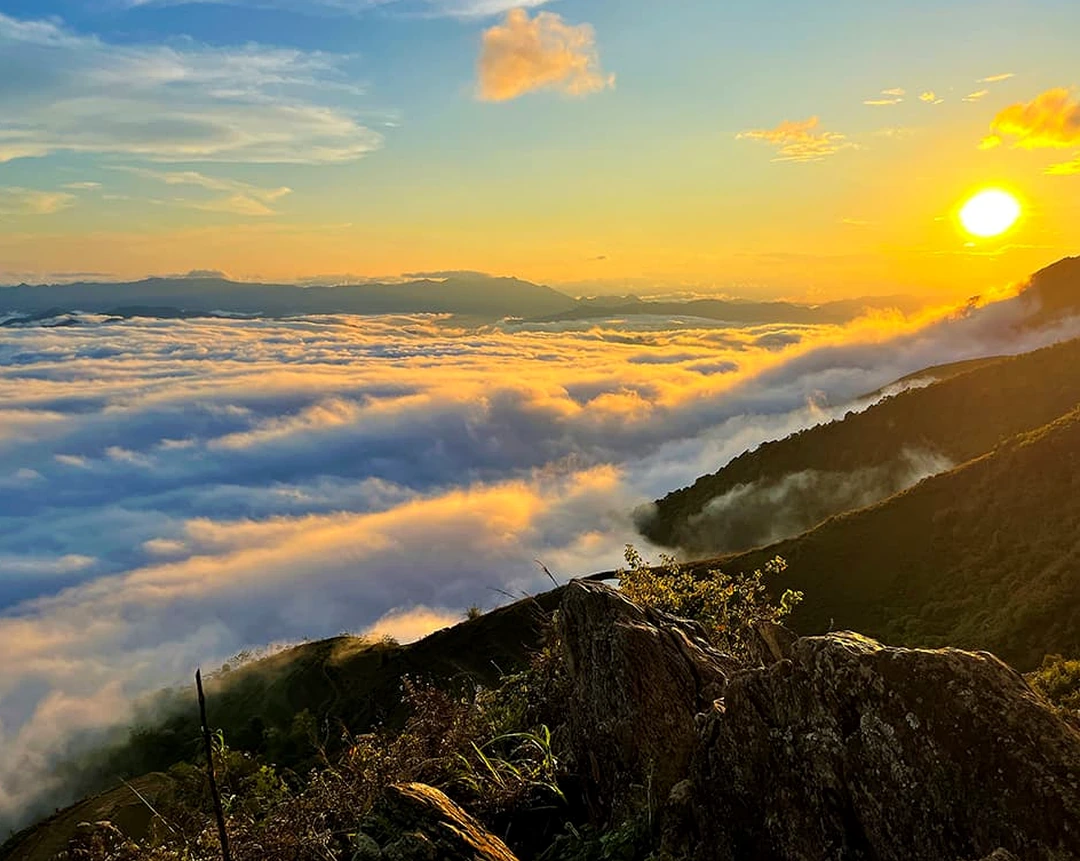
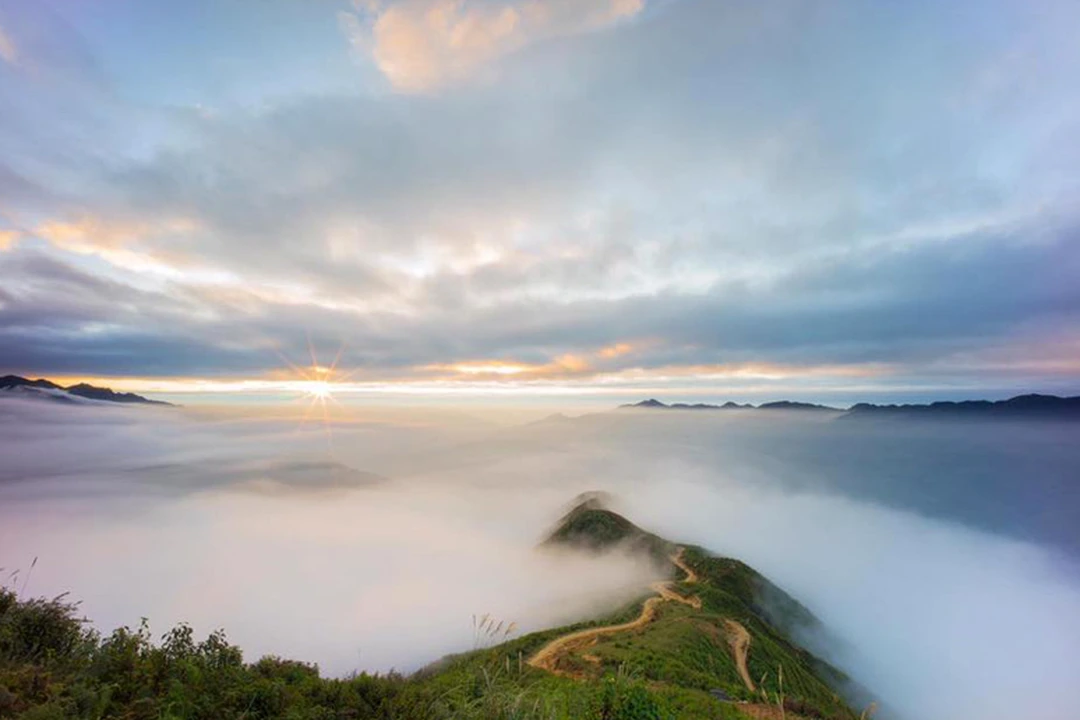
The second ideal photography location lies along the “Vong Canh Pass Slope,” where the edge of the bamboo forest meets the cloud-filled valley. From this perch, a camera lens can sweep across the deep green wilderness merging seamlessly with billowing waves of clouds rolling right beneath your feet. Sunset (roughly from 5:00 PM to 5:30 PM) is the most prized moment here; as twilight sets the horizon ablaze in crimson, the final golden-orange rays filter through the bamboo leaves, composing a surreal natural tableau that captivates every lover of beauty and photography.
Arriving at Ta Xua Bamboo Forest, travelers step into a realm completely detached from urban noise and haste. The journey begins with brisk footsteps along a winding trail hugging the mountainside, passing straight through layers of silver mist drifting at eye level. The deeper you venture into the core of the forest, the quieter and more dreamlike the atmosphere becomes. Thousands of arrow-straight bamboo stalks soar skyward, interlacing overhead to form a vast emerald dome. Rare beams of morning sunlight slip through tiny gaps in the foliage, illuminating the dry leaf litter with shimmering flecks of gold. High mountain winds sigh through the groves, producing a gentle rustle like an ancient woodland symphony that recalls a solemn frontier steeped in history.
Beyond being awestruck by untamed natural beauty, visitors also experience moments of quiet introspection while soaking in the contemplative, meditative spirit of the surroundings. Amid the stillness of the deep forest—once walked by revered monks of old—everyday worries seem to wash away, allowing the mind to unwind and merge with earth and sky. Standing at dizzying viewpoints and gazing out into the distance, an entire ocean of clouds unfolds, rolling endlessly across the valley floor below. This breathtaking panorama leaves every onlooker humbled, acutely aware of humanity’s smallness before the grandeur of Northwest nature.
After invigorating hours of mountain trekking, the Ta Xua experience becomes all the more fulfilling when travelers gather around a glowing hearth to savor the rich, distinctive flavors of local highland cuisine. The enticing aroma of smoked buffalo meat seasoned with mac khen (wild forest pepper) and hat doi seeds, the nutty richness of sticky rice roasted in bamboo tubes (com lam), or a steaming pot of thang co stew amid the crisp mountain chill will warm even the most discerning palate. Every authentic detail—from the whistling mountain breeze and drifting sea of clouds to the bold warmth of local dishes—weaves together a vivid cultural portrait, imprinting unforgettable memories of a Ta Xua that is both majestic in history and deeply poetic today.
To prepare thoroughly for an expedition to Ta Xua Bamboo Forest, visitors should keep practical details regarding opening hours, costs, and travel routes in mind for a smooth and safe trip. Ta Xua Bamboo Forest is open to visitors every day of the week from 6:00 AM to 5:30 PM. These hours offer the best window for morning sunlight to filter through the dense bamboo canopy and ensure travelers avoid overly thick fog after dusk. Admission is currently completely free; visitors are simply asked to protect the natural landscape and maintain cleanliness by refraining from littering inside the primeval forest.
Regarding transportation, departing from central Hanoi, travelers can follow Thang Long Boulevard or National Highway 32 to Son Tay Town, cross Trung Ha Bridge toward Phu Yen District, and continue on to Bac Yen District in Son La Province. The total distance is roughly 200 km and takes about 4 to 5 hours by road. For the final 10 km stretch from Ta Xua Commune center deep into the heart of the bamboo forest, the terrain consists of steep dirt tracks with sharp hairpin turns that become slippery on rainy days. Consequently, a semi-automatic motorbike or a high-clearance vehicle (SUV/crossover) is strongly recommended. If you are not a confident driver, hiring a local motorbike taxi at the base of the slope is the safest option.
The ideal time to visit the bamboo forest is from October through April of the following year. This coincides with the dry season, bringing minimal rainfall, the signature crisp chill of the Northwest highlands, and peak cloud-hunting conditions ideal for photography. As for attire, because the site combines spiritual significance with rugged rocky terrain, visitors should wear neat, flexible clothing paired with trekking shoes or sneakers with strong grip. At the same time, respectful, modest dress is essential—avoid overly short or revealing outfits when entering areas that hold traditional cultural and spiritual value for local ethnic communities.
To enjoy a seamless getaway and take in the full splendor of Ta Xua Bamboo Forest without worrying about transportation logistics, permits, or itinerary planning, travelers can opt for VDS Travel’s premier all-inclusive Son La tour packages. Every itinerary is thoughtfully timed for photo stops at the most radiant hours of the day, accompanied by knowledgeable guides well-versed in local culture alongside top-tier accommodation and dining standards.