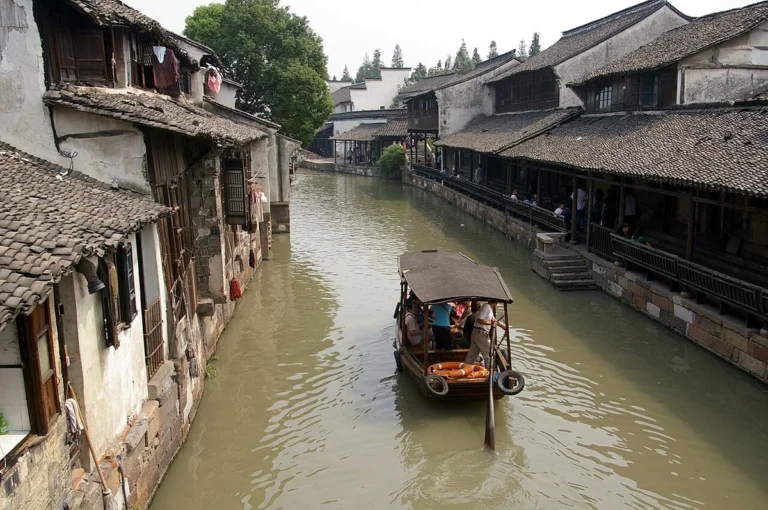
The land of Wuzhen, stretching across the southern reaches of the Yangtze River Delta within the county-level city of Tongxiang, Zhejiang Province, China, possesses an intricate hydrological system shaped by a network of ancient canals linked directly to the vital Grand Canal. Situated at approximately 30°44′ north latitude and 120°34′ east longitude, this region features low-lying, flat terrain characteristic of ancient alluvial depressions bordering the Taihu Lake basin, with an average elevation ranging from just two to four meters above sea level. This exact topographical structure and hydrological profile have fostered a distinct microclimate characterized by high humidity, abundant rainfall, and stable diurnal temperature ranges, providing the ideal ecological foundation for the flourishing of traditional handicrafts—most notably the art of brewing Huangjiu (yellow wine) and Baijiu (white spirit). Within this richly aquatic and verdant landscape, the Sanbai Distillery in Wuzhen stands as a living physical testament to centuries of distillation history, deeply intertwined with the long-standing settlement rhythms of the Jiangnan community.
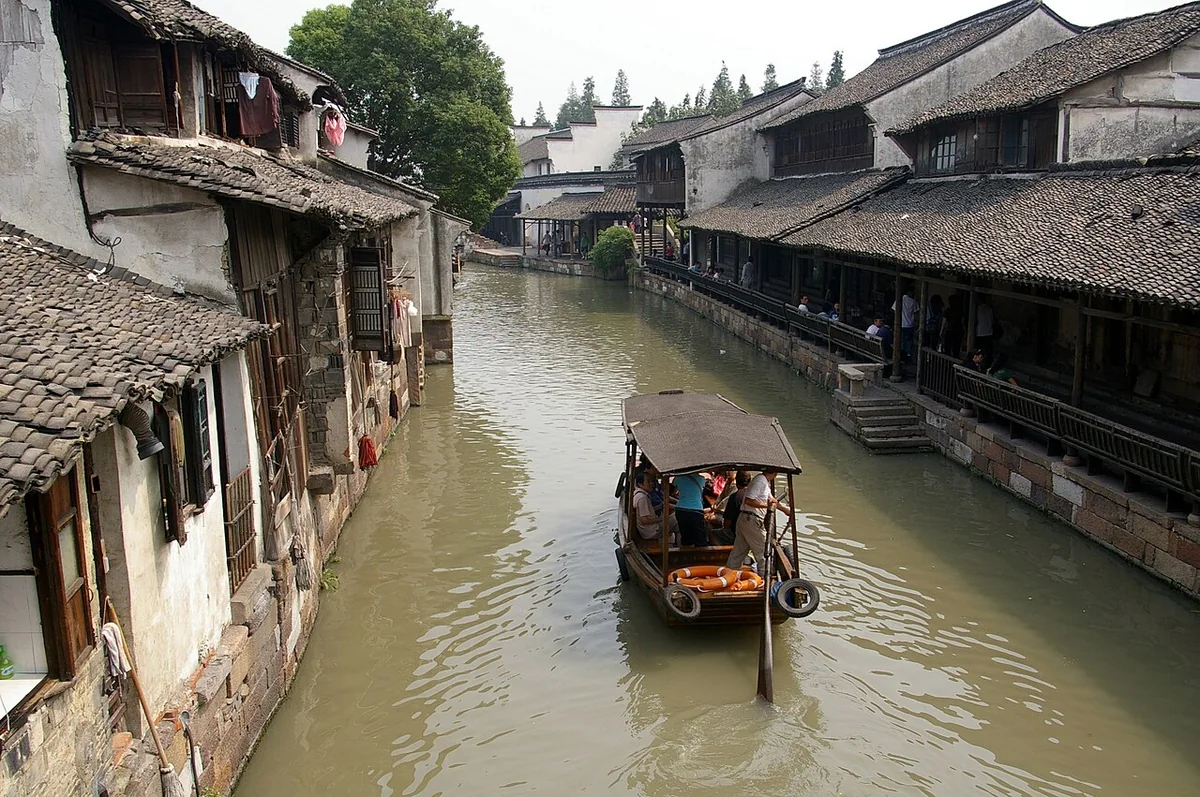
The historical journey of Sanbai Distillery originated from the socioeconomic foundations of the Ming Dynasty, an era when Wuzhen began rising to prominence as one of the most bustling commercial port towns south of the Yangtze River thanks to its thriving waterway trade network. Local gazetteers and historical records note that liquor production here was officially standardized and reached a peak of refinement around the time the Qing Dynasty established comprehensive control over the Central Plains, as demand for premium spirits among merchants, scholar-officials, and the imperial court surged dramatically. The name “Sanbai” (Three Whites) stems from a philosophy of rigorous ingredient selection and a unique technological process, in which the three core components forming the soul of every batch share a pure white essence: “Bai Mi” (local specialty white glutinous rice), “Bai Qu” (herbal fermentation starter crafted from traditional white rice yeast), and pure water drawn from deep underground aquifers beneath Wuzhen. The synergistic fusion of these three white elements defined an alcoholic beverage steeped in Jiangnan cultural identity, transcending the boundaries of an ordinary consumer good to become an enduring emblem of traditional craftsmanship.
Through the turbulent vicissitudes of modern Chinese history—particularly during the late Qing Dynasty and the wartime upheavals of the first half of the twentieth century—Sanbai Distillery faced existential challenges amid economic recession and disruptions to traditional raw material supply chains. Many small-scale artisanal distilleries across the region closed down or faded away in the face of industrialization and modern manufacturing methods; however, Sanbai steadfastly kept its craft alive thanks to the resilience of generations of master artisans guarding their ancestral secrets. They passed down manual fermentation methods, temperature control techniques within copper stills, and sensory-based blending skills, preserving the original flavor profile of the ancient spirit intact. This steadfast survival not only safeguarded a tangible heritage site but also preserved an invaluable system of intangible indigenous knowledge, reflecting the adaptability and vigorous vitality of Jiangnan cottage industries across historical eras.
Entering the contemporary era, as strategies for preserving architectural and cultural heritage were championed by the Chinese state and local authorities to develop cultural industries and heritage tourism, Sanbai Distillery was repositioned as a national symbol of traditional value conservation. Comprehensive restoration efforts in Wuzhen during the closing years of the last century transformed this distillery into a vital destination for industrial archaeology and cultural anthropology research, attracting millions of scholars, culinary researchers, and international travelers annually. The architectural structures inside the distillery—from the rice-soaking area, starter-culturing rooms, and rows of earthenware jar cellars to the traditional distillation hearth equipped with ancient bamboo and copper steam pipes—have been preserved in their original state following traditional Jiangnan vernacular residential architecture, featuring exposed brick walls, dark ironwood pillars, and moss-covered yin-yang tiled roofs.
The iconic status of Wuzhen’s Sanbai Distillery is further reinforced through its role in public education and cultural transmission, where today’s generations can directly observe the entire artisanal brewing process once described in ancient texts. Each batch produced here carries the distinctive, rich aroma of freshly harvested glutinous rice paired with a deep, lingering sweet finish, attesting to the endurance of a labor method demanding absolute patience and reverence for nature among the delta’s inhabitants. Viewed through the lens of cultural history, this distillery is far more than an ancient economic enterprise; it has become a space of collective memory preserving the cultural DNA of riverine commerce and traditional daily life south of the Yangtze River, helping to define the unique identity of the entire Wuzhen heritage landscape on the world cultural map.
Wuzhen’s Sanbai Distillery, an exemplary heritage site of ancient architecture and traditional distillation technology located in the Dongzha (East Scenic Zone) area of Wuzhen Ancient Town, Zhejiang Province, China, stands as a vivid testament to the art of Jiangnan artisanal spatial planning during the Qing Dynasty. Built and developed upon the alluvial geological foundation of the Taihu Lake basin, this complex reflects the remarkable ecological adaptation of ancient builders to a dense network of canals and mineral-rich groundwater sources. The characteristic low-lying terrain of the Yangtze River Delta not only shaped the waterway transport system but also directly dictated the overall site layout of the distillery, where buildings were aligned parallel to artificial channels to optimize the transport of grain raw materials and finished spirits. The master plan of the Sanbai workshop strictly adhered to traditional feng shui philosophy combined with the practical functionality of a large-scale production facility, creating an enclosed architectural complex comprising raw material receiving zones, soaking and fermenting halls, distillation rooms, and commercial storage cellars—all interconnected via covered corridors and spacious open courtyards designed to regulate the microclimate.
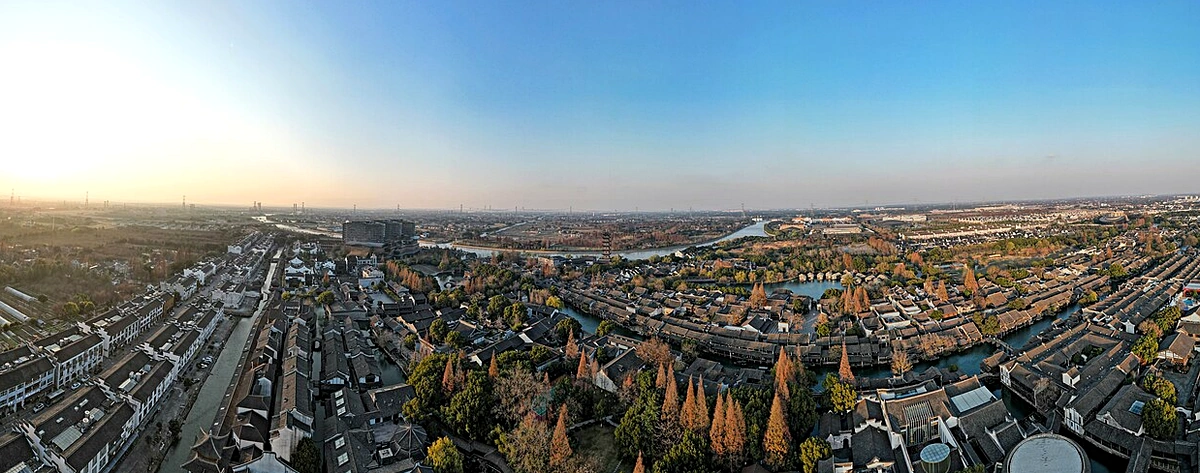
The architectural style of Sanbai Distillery bears the unmistakable hallmarks of the Jiangnan vernacular school, distinguished by load-bearing walls built of unfired gray bricks paired with timber framing crafted from local pine and fir. The wooden structural members are joined using unique mortise-and-tenon joinery without a single iron nail, granting the buildings high elasticity against the intense humidity of the water town and seasonal temperature fluctuations. The roofs are clad in traditional dark gray yin-yang tiles with steep pitches to rapidly shed rainwater during stormy months, while deep overhanging eaves extend outward to shield the earthen brick walls from weathering. The workshop halls are designed with considerable vertical height and elevated ventilated ceilings to disperse heat and steam rising from the massive brewing hearths, maintaining stable interior temperatures—a critical condition for the healthy growth of fermenting microorganisms.
Building materials were selected with extraordinary care, reflecting indigenous wisdom in harnessing the natural resources of the Jiangnan region. The gray wall bricks were low-fired from river alluvial clay harvested directly on-site, offering superior thermal insulation and microscopic porosity that allows the walls to “breathe” and naturally regulate indoor humidity. The timber used for pillars, rafters, and partitions consists of seasoned old-growth wood rich in natural resins, highly resistant to termites and decay in persistently damp conditions. Rather than glazed ceramic tiles, the workshop floors are paved with a compacted mixture of lime mortar and clay; after centuries of continuous use, these floors have become smooth and remarkably durable, capable of supporting the immense weight of earthenware liquor vats weighing hundreds of kilograms each. The windows are crafted in the traditional wooden louver style, ensuring both necessary enclosure and continuous air convection that draws cool breezes from surrounding canals deep into the operational heart of the distillery.
The functional zoning layout of Sanbai Distillery is organized along a longitudinal axis extending from the canal-facing facade deep into the core production area, demonstrating a closed-loop pre-industrial manufacturing line. The frontage bordering the ancient street serves as the exhibition and commercial zone, where visitors can directly observe neatly aligned rows of liquor jars and explore the retail space. Moving deeper inside lies the grain preparation and soaking area, where premium glutinous rice is processed using water drawn from a dedicated courtyard well. At the center of the complex stands the distillation hall housing traditional brick furnaces and large-capacity copper stills that radiate a characteristic warmth year-round. The aging and storage cellars occupy the deepest, quietest section of the compound, where massive earthenware vats are buried half-submerged into the earthen floor to harness the stable subterranean temperature, allowing the spirit to mature slowly to aromatic perfection.
The spatial footprint of the distillery spans an expansive area compared to standard residential dwellings in Wuzhen, with a total floor area estimated at thousands of square meters divided into intersecting transverse and longitudinal halls separated by bluestone-paved courtyards. The main production halls reach heights of six to eight meters, creating a vast air volume that dilutes alcohol vapors and steam during distillation, safeguarding the health of artisans working long hours indoors. The ingenious engineering of Qing Dynasty craftsmen is further evidenced by a foundation system of bamboo pilings driven deep into the soft mud subsoil to stabilize the structure—a classic construction technique of the Jiangnan wetlands that has prevented heavy masonry buildings from subsiding over centuries of geological and tidal shifts.
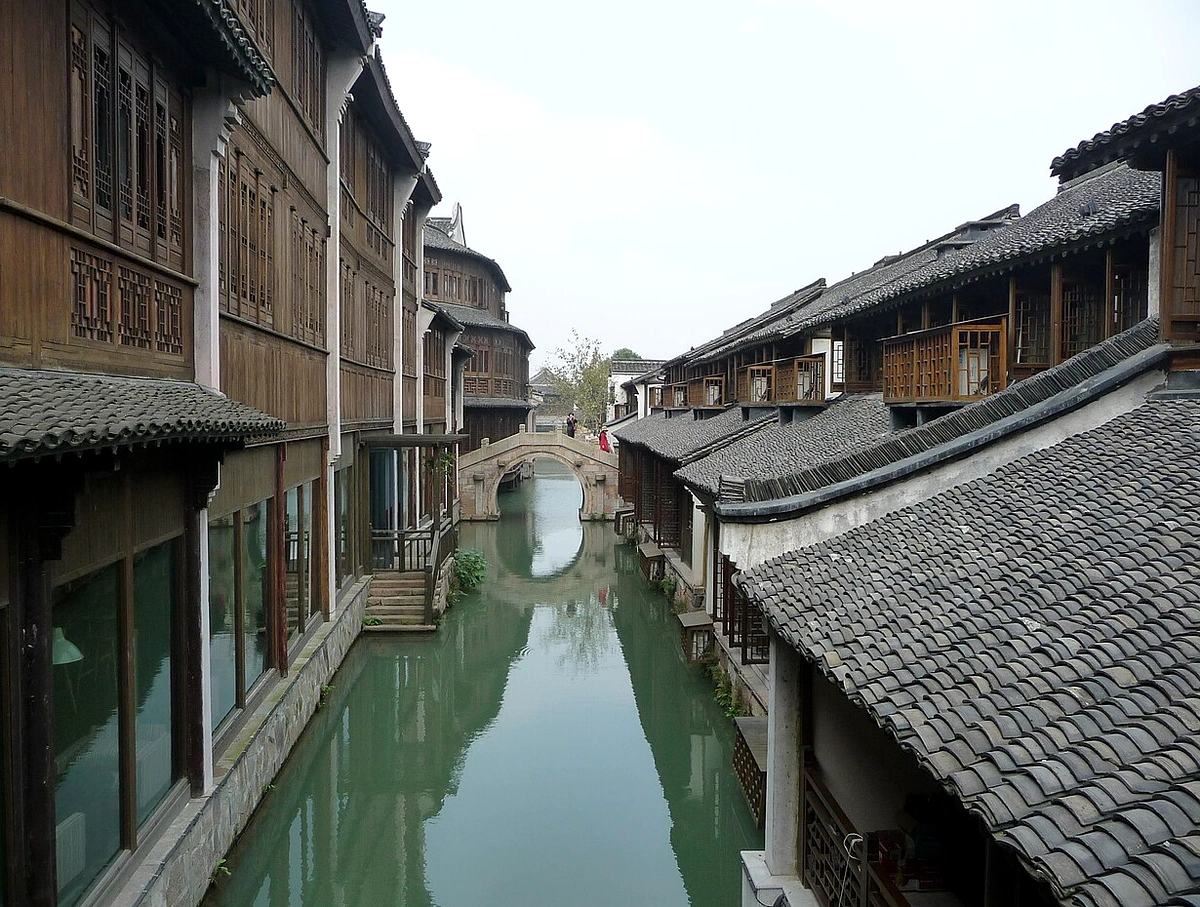
In terms of visitor reception and heritage interpretation, the modern layout of Sanbai Distillery seamlessly integrates international tourist circulation into its historical spatial trajectory without compromising the monument’s original fabric. Visitor walkways are distinctly separated via raised wooden boardwalks or clean stone pathways, guiding foot traffic sequentially through each stage of the brewing process—from rice and yeast to water and spirit. The facility’s spatial capacity has been scientifically calibrated to welcome thousands of visitors daily during peak travel seasons while preserving the solemn, tranquil atmosphere of a centuries-old artisanal workshop. Regulating visitor flow not only protects ancient timber structures from excess human moisture and body heat, but also preserves an authentic observational experience of Wuzhen’s intangible cultural heritage.
The synergy between intelligent architectural planning, sustainable local materials, and traditional building techniques has transformed Sanbai Distillery into a living museum of ancient Chinese industrial architecture. Every gray brick wall, every fir pillar, and every sunlit courtyard lined with drying jars tells an enduring story of harmony between humanity and nature within the Jiangnan cultural sphere. Far more than a mere facility producing a traditional beverage, this space has risen to become an icon of architectural conservation where physical space and intangible heritage intertwine, exercising a timeless allure for architectural historians and global travelers seeking to understand the civilizational depth of the Yangtze River basin.
Sanbai Distillery in Wuzhen, Zhejiang Province, China, stands as a quintessential traditional artisanal institution exemplifying Jiangnan distillation craftsmanship during the Qing Dynasty. Situated alongside an ancient canal steeped in water-town architectural character, this complex is not merely a site for producing alcoholic beverages, but also functions as a living museum safeguarding tangible and intangible cultural values across centuries. The distillery’s origins are closely tied to Wuzhen’s commercial prosperity during the Ming and Qing dynasties, when the town served as a vital waterway trading hub connecting Hangzhou, Suzhou, and Jiaxing. Its master plan follows the traditional Jiangnan workshop-residence model, featuring whitewashed walls, black-tiled roofs, fir-wood columns and beams, and open inner courtyards welcoming natural light—optimally serving the temperature and humidity regulation crucial to the art of grain fermentation.
Examining the interior spatial organization of Sanbai Distillery reveals a clear-cut yet tightly interconnected division of functional zones, reflecting a remarkably scientific pre-industrial production management mindset. The first zone is the raw material selection and storage area, where top-grade glutinous rice is kept in traditional woven bamboo granaries under strict humidity control. Adjacent to this stands the steaming and starter-mixing hall, housing colossal earthen brick stoves alongside pure brass stills dating back to the Ming and Qing eras. The central heart of the complex is the fermentation hall, lined with hundreds of large earthenware vats half-buried in the earth to maintain year-round thermal stability, creating an ideal environment for indigenous microbial strains to thrive and convert sugars into alcohol. Finally, the aging and bottling zone stores pure Sanbai spirit as it matures across tiered ceramic jars before release, imbued with the signature fragrance of golden-blossom glutinous rice and crystal-clear water from local underground springs.
The artistic and philosophical value of the distillery shines vividly through its wooden architectural details and the historical artifacts displayed within the heritage space. The load-bearing roof trusses of the main halls employ interlocking mortise-and-tenon joinery completely devoid of iron nails—a pinnacle of traditional Chinese carpentry allowing the structure to expand and contract gracefully with the shifting weather of the subtropical monsoon climate. Across beam ends, crossbeams, and paneled doors, ancient artisans intricately carved motifs steeped in East Asian cultural symbolism: peonies representing wealth and honor, lotuses signifying purity and nobility, and swirling cloud-and-water patterns symbolizing the endless flow of the lifegiving waters nourishing the distillery’s craft. These relief carvings serve far more than mere ornamentation; they embody generations of artisans’ aspirations for enduring prosperity and harmony between humanity, the Five Elements, and the natural world.
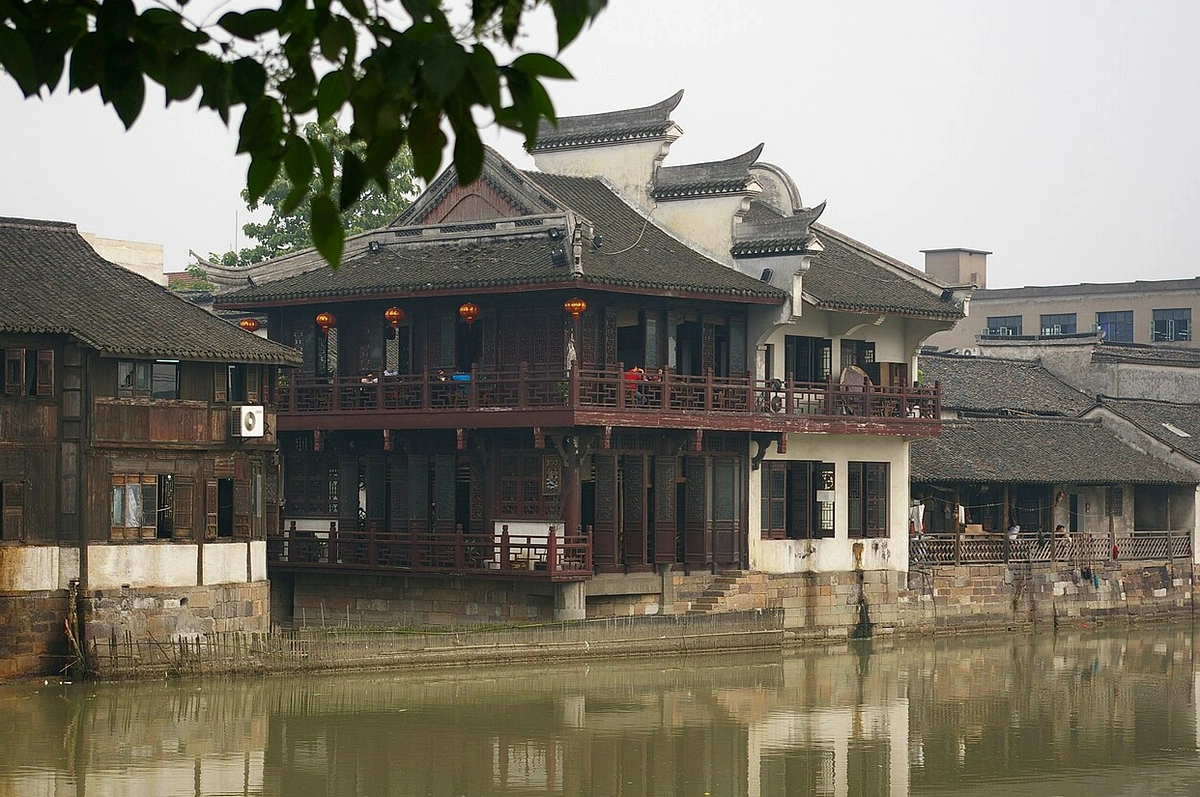
The distillery’s name, “Sanbai,” derives from a culinary philosophy and rigorous selection process centered on three primary ingredients that all share a pure white hue: white glutinous rice, white fermentation starter, and crystal-clear well water. This philosophy reflects the minimalist yet profound aesthetic sensibility of Jiangnan culture, where refinement lies not in ostentatious extravagance but in distilling the purest essence from unaltered natural ingredients. Within the distillery’s patron-deity shrine and spiritual hall, ancient stone steles and Qing-era ceramic distillation vessels are preserved as priceless treasures. These artifacts provide invaluable archaeological documentation on the evolution of traditional fermentation technology while bearing witness to the rich spiritual life of historic artisans, who placed reverence for deities and nature above all else with every batch brewed.
From the perspective of cultural anthropology, Wuzhen’s Sanbai Distillery serves as a vessel of collective memory for the Jiangnan water-town community. Its architecture does not stand in isolation; rather, it blends organically into the rows of canal-side residences, arched stone bridges, and unhurried daily cadence characteristic of the water town. The distillery’s endurance through centuries of war and dynastic change testifies to the resilient vitality of intangible cultural heritage anchored within authentic architectural spaces. Every courtyard corner, every row of earthenware vats, and every carved wooden detail recounts a saga of tireless labor, artistic ingenuity, and indigenous wisdom handed down across generations—making this site a benchmark case study in preserving and revitalizing traditional industrial architectural heritage in the contemporary world.
Wuzhen has long been celebrated in southern regional gazetteers as an archetype of Jiangnan’s ink-wash water civilization, where an intricate web of canals has completely shaped the lifestyle and rhythm of local inhabitants for centuries. Across the tumultuous shifts of feudal Chinese history—particularly its golden age during the Ming and Qing dynasties—the town has preserved its aquatic urban fabric nearly intact, complete with wooden riverside houses, moss-draped yin-yang tiled roofs, and stone wharves worn smooth by generations of footsteps. Amid this antique setting, Sanbai Distillery stands out as a distinctive economic and cultural institution representing artisanal distillation elevated into a living human heritage. Life here does not march to mechanical clockwork, but adheres strictly to the laws of nature, the four seasons, and the lunar-solar cycle—offering priceless anthropological depth to anyone seeking to grasp the sedimented soul of Jiangnan.
Dawn at Sanbai Distillery begins early, while gossamer wisps of mist still blanket the canal surfaces, mingling with the crisp chill characteristic of the Yangtze River Delta. Before the first rays of sunlight break the horizon, veteran master distillers arrive to perform the ritual of kindling the brewing hearths—a step demanding intense focus and expertise accumulated over generations. Soft footsteps across mossy stone steps, the gentle crackle of dry firewood inside traditional brick furnaces, and slender ribbons of white smoke rising from earthenware vats compose a labor scene at once authentic and deeply poetic. Water for brewing is drawn from the clear currents of the canal, purified through multi-layered natural sedimentation, and paired with meticulously selected glutinous rice from the surrounding fertile plains to form the core ingredients of the renowned Sanbai liquor. Herbal starter cakes are blended according to secret family formulas and left to ferment in the stable thermal environment of the ancient workshop, beginning a slow transformation guided by the diligent hands of artisans whose craft has never waned.
As the sun climbs higher, casting golden beams through intricately carved wooden lattice windows, the atmosphere surrounding the distillery transitions into a livelier cadence of commerce and community life. Cargo boats begin bustling up to the dock outside the distillery gates, unloading empty earthenware jars ready to receive freshly distilled batches or delivering new grain supplies to fuel the uninterrupted production cycle. Pedestrians strolling along the bluestone-paved lanes pause outside the workshop veranda, drawn in by the rich, gently sweet aroma of fermented glutinous rice wafting through the public air. Dressed in coarse indigo-dyed cotton tunics, master distillers ladle gleaming scoops of spirit from aged ceramic vats to offer passersby complimentary tastings—a gesture of warm hospitality that has become an unshakeable tradition among Wuzhen locals. Sampling the first sip of the morning serves not merely to judge the batch’s quality, but also as an occasion for townsfolk and travelers alike to converse about the weather, harvests, and the ancient town’s storied past.
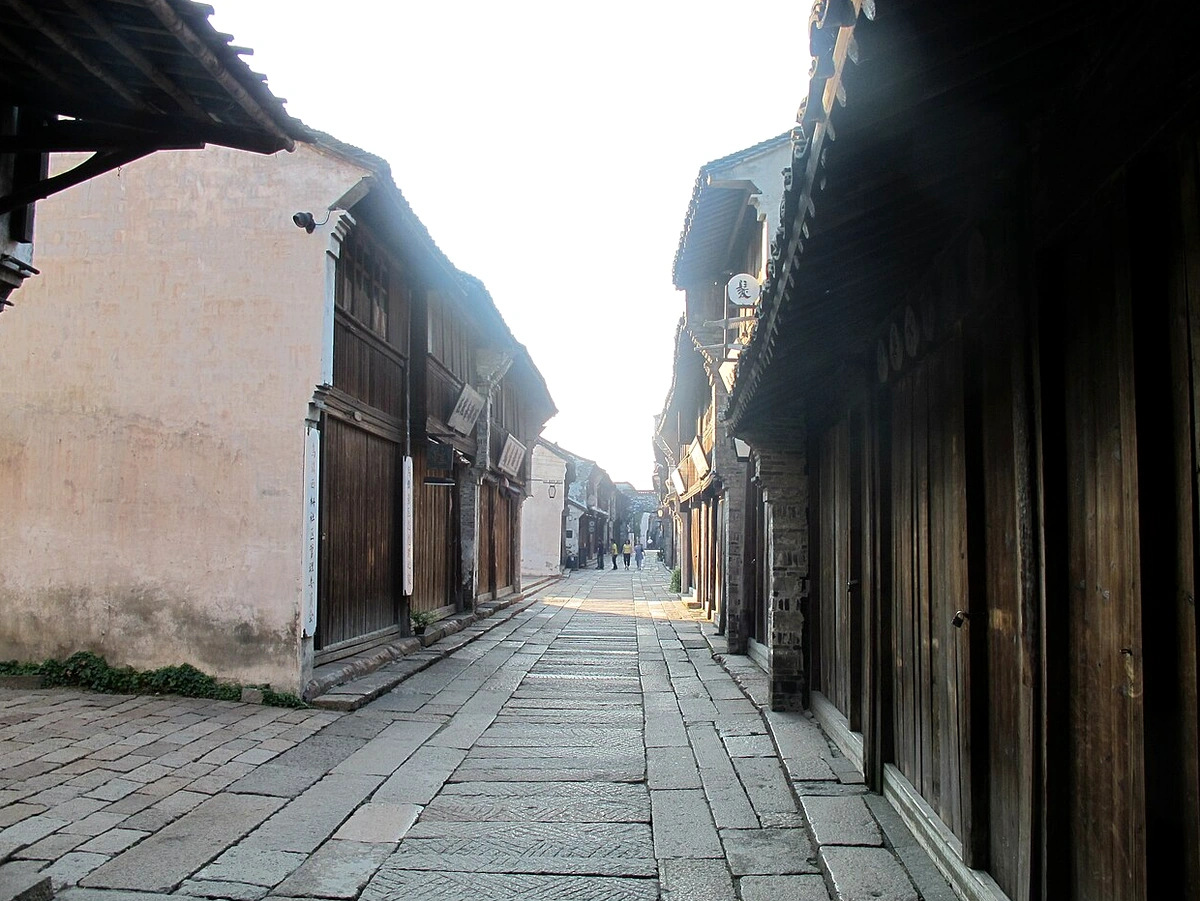
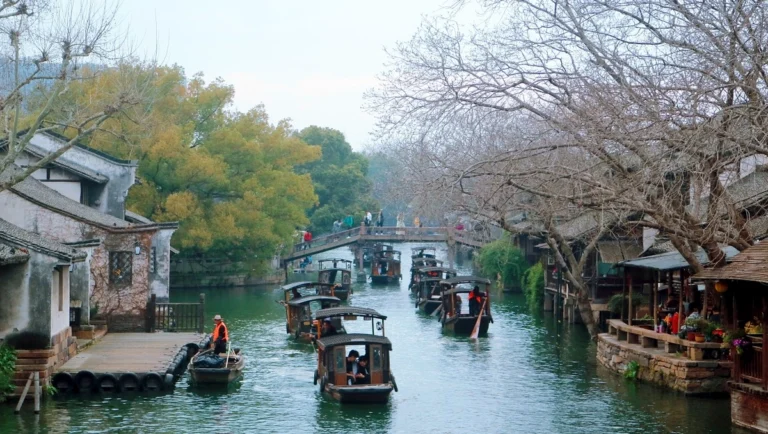
Afternoon descending upon the neighborhood around Sanbai Distillery brings a contemplative palette, as sunset hues reflect off the tranquil water in interwoven streaks of amber and deep violet. This is the hour when daily life slows to a gentle crawl, yielding to quiet reflection and the rare serenity of an ancient water town. Wooden tourist skiffs glide softly past the distillery facade, the rhythmic splash of oars blending with cheerful chatter to create the signature soundscape of aquatic life. Elderly local women begin setting out regional dishes along their porches, using drops of Sanbai spirit as an essential culinary seasoning to prepare steamed river fish or richly braised Jiangnan pork. The marriage of savory traditional cooking and spicy-sweet fermenting liquor drifting on the evening breeze imprints an unforgettable olfactory memory upon every distant traveler fortunate enough to step foot here.
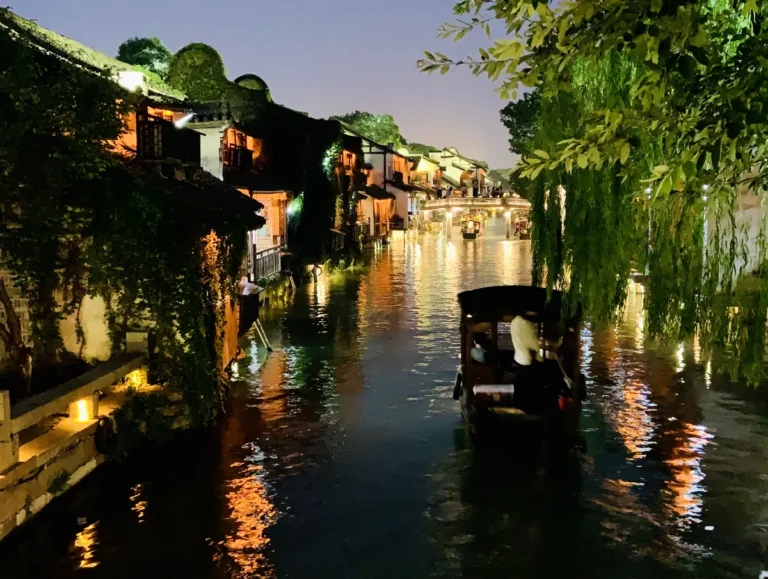
When night falls, Wuzhen dons an entirely different persona—radiant yet retaining its tranquil antiquity thanks to strings of red lanterns illuminated along riverside corridors and workshop eaves. Sanbai Distillery shimmers beneath warm golden light spilling through wooden window frames, casting shadows of towering earthenware vats onto whitewashed plaster walls to evoke an enchanting scene straight from classical Chinese historical fiction. During traditional festivals or lantern celebrations, the area surrounding the distillery becomes a focal point for folk performances, where artists stage local opera or reenact ancient rituals honoring the patron deities of distillation. Resounding gongs and drums, boatmen’s work songs echoing across the water, and joyful cheers from residents and visitors alike create a jubilant festive spirit, transporting onlookers beyond the bounds of time to touch the primal cultural roots of southern China.
To capture the most rewarding panoramic perspective of the architecture and daily life surrounding Sanbai Distillery, observers should seek out elevated vantage points along the arched stone bridges spanning the canals or the upper stories of opposite historic residences. Standing atop Yinghe Bridge at dusk, the entire distillery complex unfolds like a living ink-wash painting of tight composition, where winding waterways embrace whitewashed walls and black-tiled roofs, and Sanbai Distillery stands tall as an enduring monument to traditional artisanal ingenuity. From this angle, the view remains completely unobstructed by modern structures, allowing spectators to take in the full rhythm of life from daybreak to nightfall and feel the vibrant cultural pulse coursing through the heart of a thousand-year-old ancient town.
Wuzhen, situated at the southern tip of the Hangjiahu Plain within the Taihu Lake basin, has long been defined by its dense web of waterways and abundant resources drawn from the Jiangnan aquatic ecosystem. Amid picturesque scenery of ancient stone bridges and timber houses topped with yin-yang tiles, Sanbai Distillery rises as a living monument to traditional artisanal distillation while anchoring one of Wuzhen’s richest culinary ecosystems. The distillery’s history is deeply intertwined with the Ming and Qing dynasties, an era when culinary culture and the appreciation of fine spirits in Jiangnan reached a pinnacle of refinement. The culinary landscape surrounding Sanbai Distillery does not exist in isolation; rather, it is intimately bound to the rich fragrance of the famed Sanbai liquor, creating a gastronomic map steeped in water-town heritage where every dish reflects ecological adaptation and a philosophy of harmony between humanity and nature.
To fully appreciate the culinary tapestry enveloping Sanbai Distillery, one must examine the craftsmanship behind the flagship spirit that made this region famous. Sanbai liquor is defined by its three purest core elements—white glutinous rice, white wheat-and-rice starter, and pure spring water—undergoing an entirely manual fermentation process inside earthenware vats buried deep underground to maintain year-round thermal stability. Water drawn directly from Wuzhen’s pristine underground aquifers is combined with traditional fermentation starters harboring unique indigenous microflora. Slow distillation over traditional wood-fired hearths yields a spirit of balanced strength, a deeply lingering sweet finish, and the delicate aroma of newly harvested grain. This pure, full-bodied flavor profile has made Sanbai liquor an indispensable centerpiece at traditional banquets as well as a vital culinary seasoning used to neutralize fishy notes and elevate the fragrance of local specialties.
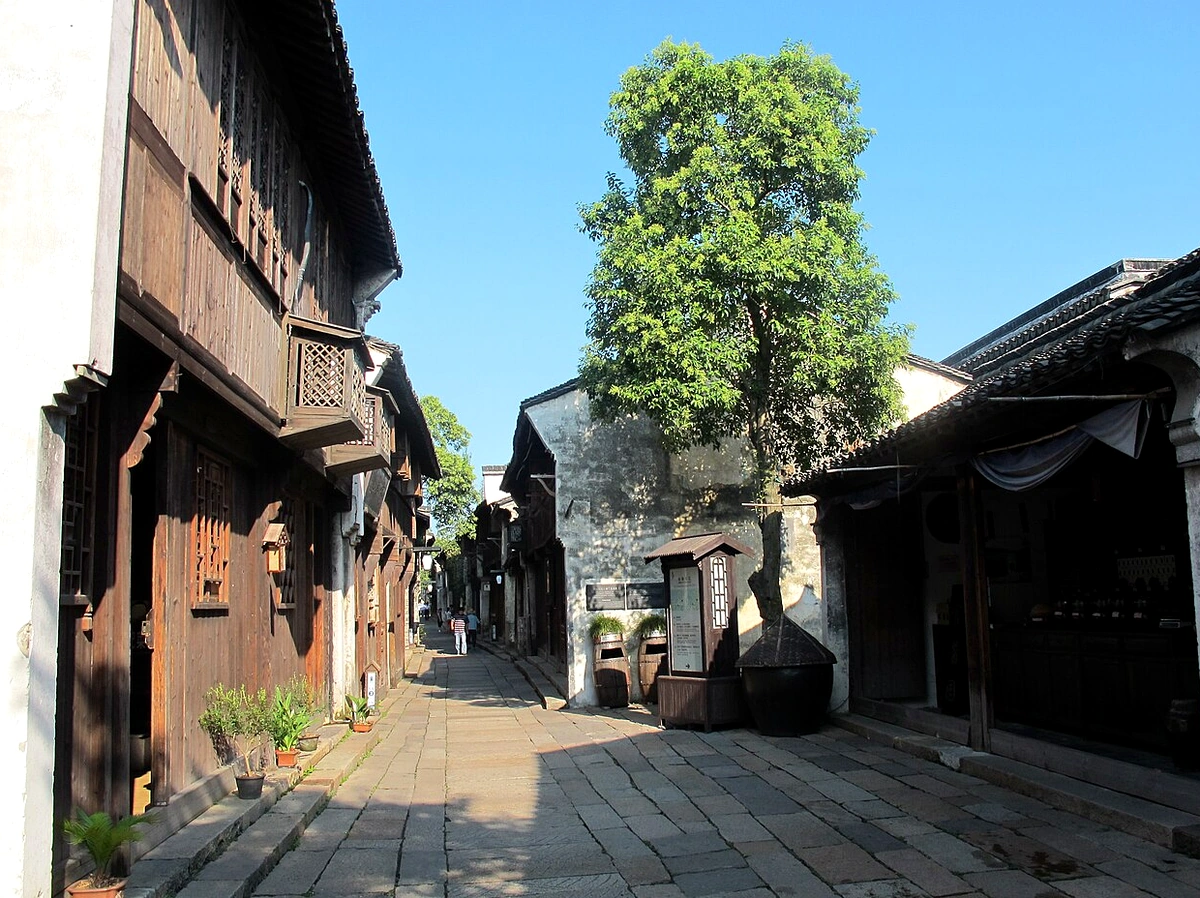
Surrounding the antique grounds of the distillery is an array of traditional dishes bearing the unmistakable imprint of water-town cuisine, foremost among them Wuzhen-style braised pork belly—commonly known as Dongpo Pork, yet distinguished by local refinements in preparation. Carefully selected slabs of pork belly with an ideal lean-to-fat ratio are cut into neat squares, bound tightly with bamboo strips, blanched in boiling water, and slow-braised in clay pots with aged soy sauce, rock sugar, and a generous splash of Sanbai liquor. Simmered for hours over a gentle wood fire, the fat turns translucent amber, melting effortlessly on the tongue without a trace of heaviness. Within this dish, Sanbai liquor acts as a culinary solvent that marries flavors together, tenderizes muscle fibers, and leaves an unforgettable, refined richness.
Alongside hearty meat dishes, the culinary tradition around Sanbai Distillery shines through fresh fish and aquatic delicacies harvested directly from nearby marshes and canals. Wuzhen soy-braised carp and river shrimp stir-fried with Longjing tea embody the locals’ philosophy of cooking in harmony with nature. The carp is cleaned with its scales left intact to lock in the flesh’s natural sweetness, lightly pan-seared, and braised in a reduction of rice vinegar, sugar, ginger, and Sanbai liquor, yielding a glossy sauce with a perfectly calibrated sweet-and-sour balance. Meanwhile, tiny, ultra-fresh river shrimp are flash-fried in a searing cast-iron wok alongside local green tea leaves, creating a unique interplay between the shrimp’s natural sweetness and the crisp, subtly astringent aroma of tea—testament to the nuanced ingredient pairing mastered by Wuzhen’s traditional chefs.
Local dining and tea-drinking customs also follow time-honored rituals reflecting the unhurried, refined lifestyle cultivated by scholars and merchants over centuries. Following lavish meals featuring rich meats and flavorful river fish, Wuzhen residents customarily sip local chrysanthemum tea or Taihu green tea brewed in compact Yixing purple-clay teapots. Tea serves not merely as a palate cleanser, but also as a means of balancing cooling and warming energies within the body according to traditional Chinese medicine. In riverside teahouses, brewing is performed with meticulous attention to water temperature and steeping duration to extract pure floral notes without bitterness. Pairing a warm cup of Sanbai liquor in the late afternoon with a pot of fragrant tea as dusk settles over arched stone bridges has become an inseparable part of the community’s cultural rhythm.
Exploring the culinary heritage around Sanbai Distillery also leads visitors down historic food lanes in Xizha and Dongzha, home to rows of artisanal stalls and time-honored family eateries. Strolling along polished bluestone lanes, the air is perpetually filled with the enticing aromas of traditional pastries such as crispy fried radish cakes, flaky pork-lard mooncakes, and candied fruit preserves. Fried radish cake is a quintessential street-food staple crafted from thin rice batter mixed with shredded white radish, dried shrimp, and scallions, ladled into a wide cauldron of sizzling oil right at the storefront to irresistible effect. Local pastry artisans strictly uphold multi-generational family recipes—from batter ratios to frying times—ensuring every cake emerges golden and crisp on the outside while remaining tender, moist, and naturally sweet within.
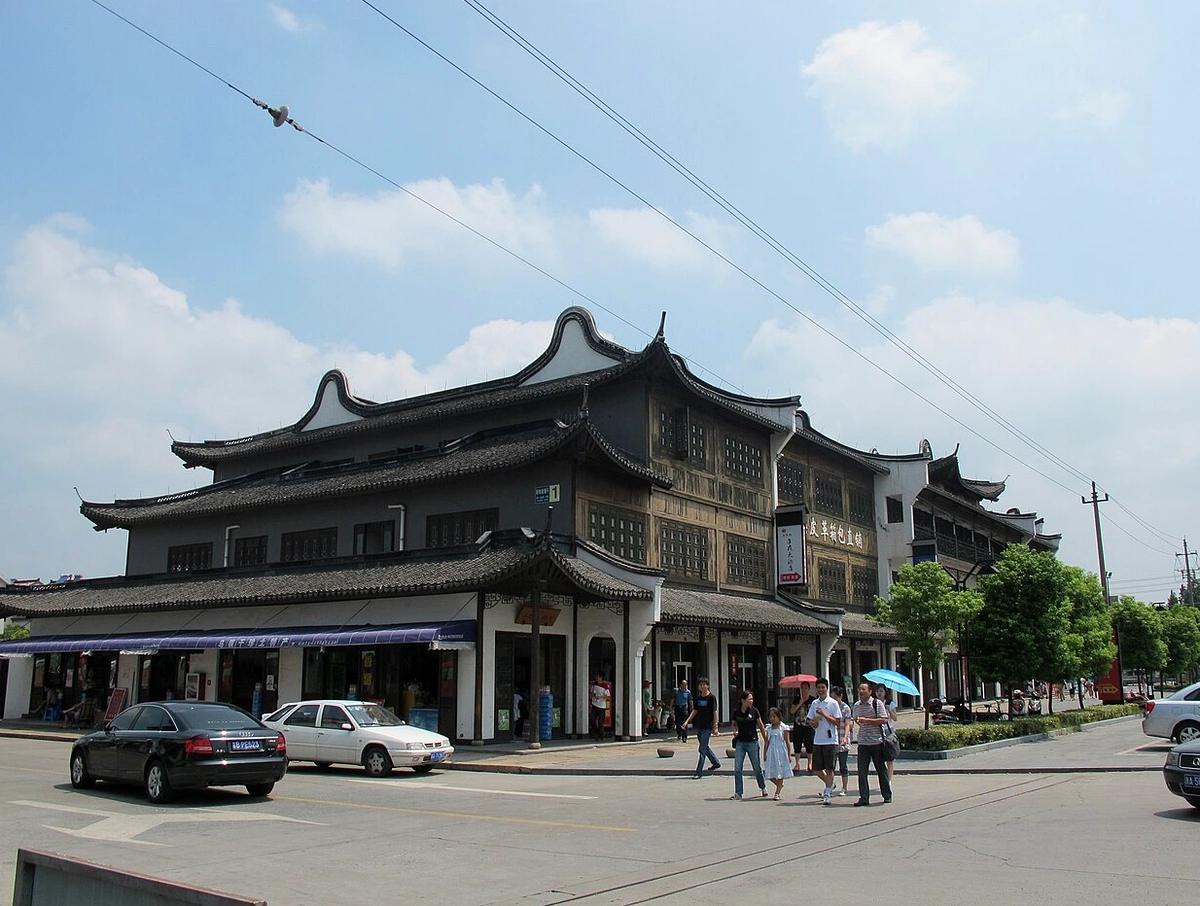
The presence of Sanbai Distillery alongside its rich surrounding culinary ecosystem has forged a vibrant living cultural space where history, gastronomy, and local custom merge seamlessly. By safeguarding artisanal distillation techniques, preserving ancestral recipes, and maintaining refined dining rituals, Wuzhen has successfully sustained a living museum of Jiangnan culinary culture. The full-bodied warmth of Sanbai spirit, the savory richness of braised pork, the crisp elegance of green tea, and the dignified bustle of historic food streets weave together a comprehensive, deeply resonant gastronomic tapestry that leaves a lasting impression on everyone who explores this ancient tradition.
Wuzhen’s Sanbai Distillery, situated in the western sector of the historic water town in Zhejiang Province, China, stands as a living heritage monument attesting to traditional Qing-era distillation craftsmanship. To ensure a journey into this cultural space is as profound and rewarding as possible, careful preparation regarding seasonal climate conditions, optimal transport routes, and local etiquette is essential for every scholar and traveler. Wuzhen is governed by a subtropical monsoon climate in which each of the four seasons brings distinct ecological traits and rhythms that directly shape the visual and olfactory experience of observing the brewing process. Spring, spanning March through May, brings characteristic humidity and fine drizzles that shroud moss-covered historic houses in mist, though dampness can make walking across stone slabs somewhat slippery. Summer, lasting from June through August, features high temperatures and intense sunlight reflecting off the canals, requiring visitors to take proper heat precautions before stepping into enclosed fermentation cellars. Autumn, running from September through November, is widely regarded by experts as the finest time of year thanks to crisp, dry weather, clear blue skies, and cool breezes blowing off nearby Taihu Lake—creating ideal conditions for watching woodsmoke curl upward from traditional brewing hearths. Winter, extending from December through February, ushers in biting cold, yet offers a magical moment to savor a warm cup of Sanbai spirit right at its source while mist-draped black-tiled roofs compose a solemn, majestic ink-wash landscape.
Transportation links connecting to Wuzhen and the distillery exhibition area are well integrated, allowing visitors to arrive smoothly from major metropolises such as Shanghai, Hangzhou, or Suzhou via diverse transit networks. When departing from Shanghai, the most efficient option is taking a high-speed train from Hongqiao Railway Station to Jiaxing South or Tongxiang Station, followed by an intercity public bus or private car transfer directly to the scenic area entrance. If traveling from Hangzhou, direct coaches departing from Hangzhou Central Bus Station deliver passengers straight to Wuzhen Bus Station in roughly one and a half hours. Upon arriving at the outskirts of the ancient town—because motorized vehicles are strictly prohibited inside the heritage zone to protect historic structures—the entire journey to Sanbai Distillery must be completed on foot across historic arched stone bridges or aboard traditional hand-rowed wooden boats accompanied by the gentle lapping of oars. For travelers arriving by taxi from nearby railway stations, vehicles drop passengers off at the scenic area’s central parking hub, from where visitors pass through ticket checkpoints to enter the western zone housing the distillery. Understanding this exact route saves valuable time and eliminates confusion amid local transit transfers.
The time of day plays a decisive role in shaping the visitor experience at the distillery, as crowd levels and natural light shift continuously along the canals. Early morning, from opening at 8:00 AM until roughly 9:30 AM, represents the golden window for those seeking tranquility to study the antique wooden architecture and watch master artisans conduct morning fermentation and distillation tasks in an undisturbed atmosphere. Conversely, midday through late afternoon typically sees heavy foot traffic that can somewhat diminish the solemn, contemplative aura of the heritage space. However, dusk—when strings of red lanterns flicker to life along the distillery eaves—offers unmatched nostalgic beauty ideal for architectural and cultural photography. Regarding attire, because routes largely traverse uneven stone steps, steep arched bridges, and narrow flagstone alleys, visitors should prioritize flat, slip-resistant footwear with strong traction and solid support. Clothing should be breathable, modest, and respectful of the traditional cultural environment, complemented by a warm outer layer or compact rain gear depending on changeable Jiangnan weather conditions.
Ticketing and spatial management at Sanbai Distillery require strict adherence to the general regulations of the Wuzhen Scenic Area. Because the distillery is located within the western zone (or connected across Wuzhen’s scenic zones), visitors must purchase a comprehensive admission ticket for the zone or a combined ticket covering both Dongzha and Xizha, as general admission includes entry to interior traditional craft exhibitions. Electronic tickets are now widely used via QR-code scanning or passport verification at entry gates, though international visitors should carry their original physical passport for identification checks when required. While touring inside the distillery, strict customs and behavioral guidelines must be observed out of respect for the heritage site and working artisans. Visitors must never touch ancient fermentation vats holding active mash, tamper with measuring instruments, or disturb traditional brewing implements arranged throughout the exhibition space. Open flames, smoking, and the use of lighters are strictly prohibited inside the distillery to guarantee absolute fire safety around high-proof spirits and centuries-old wooden structures. When sampling complimentary spirit tastings offered at the testing counter, guests should maintain polite decorum, drink in moderation, and preserve quiet order so as not to disrupt the scholarly and observational atmosphere for fellow visitors.
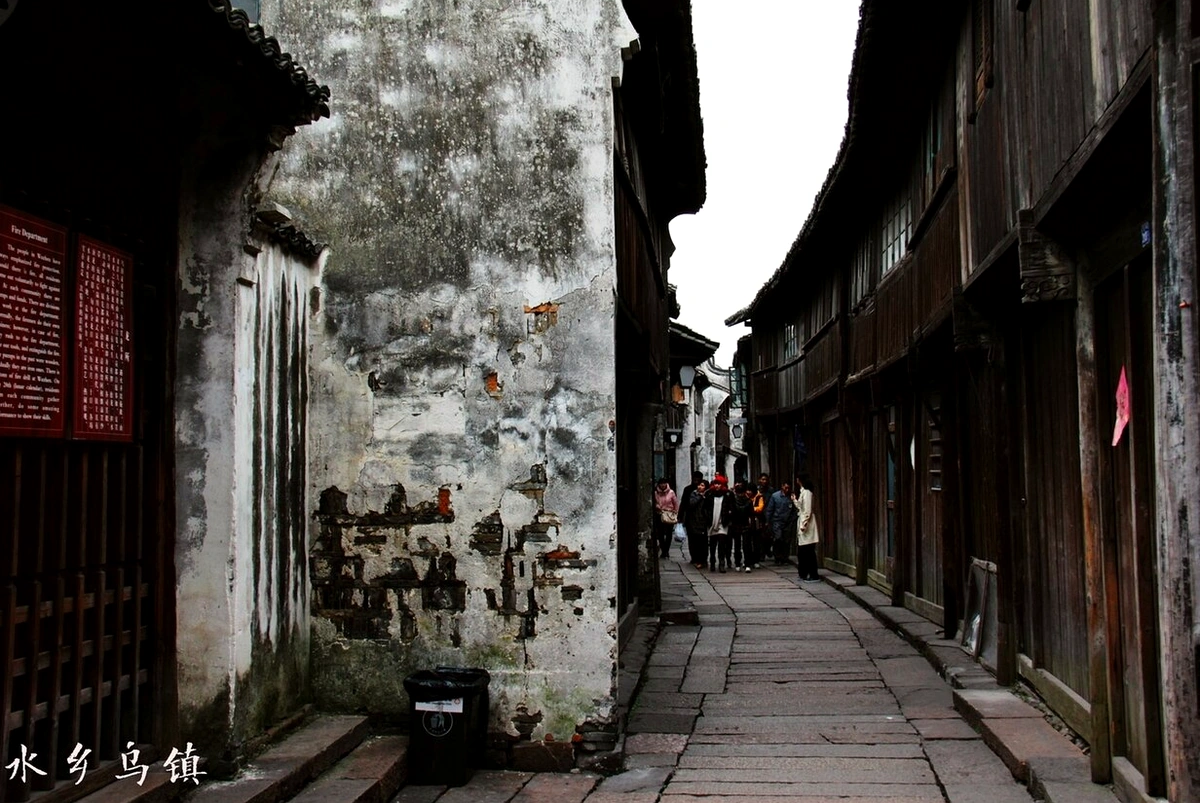
Practical cultural etiquette in Wuzhen also entails respecting the daily lives of local residents who continue to live and work around the distillery neighborhood. Visitors should refrain from taking close-up photographs of residents or artisans without clear permission, particularly while they are performing ancestral shrine rituals or proprietary family techniques. Travelers purchasing bottles of Sanbai liquor as souvenirs should also pay close attention to international aviation regulations governing liquids and alcohol content, as traditionally distilled spirits often carry high alcohol by volume and are prohibited in carry-on cabin luggage if they exceed current aviation security limits. Visitors should ask shops for specialized protective packaging or opt for secure international courier shipping offered by reputable logistics services within the town’s commercial district. Thoughtful preparation in historical background, well-planned transit logistics, and genuine respect for local cultural norms will transform any visit to Wuzhen’s Sanbai Distillery into a deeply enriching journey—preserving authentic memories of one of the oldest and most celebrated centers of distillation in the Yangtze River rice-growing civilization.
To experience this journey seamlessly alongside a local guide, you can explore our Beijing – Suzhou – Hangzhou – Wuzhen – Shanghai tour with a pre-arranged itinerary.